

How to save millions of dollars by upgrading filter cartridges
Walk across the floor of any modern manufacturing plant, and the noise is deafening. You can hear the heavy stamping presses, the high-speed CNC machines, and the hum of hydraulic power units. But what you can’t hear—and usually can’t see—is the microscopic warfare happening inside those machines.
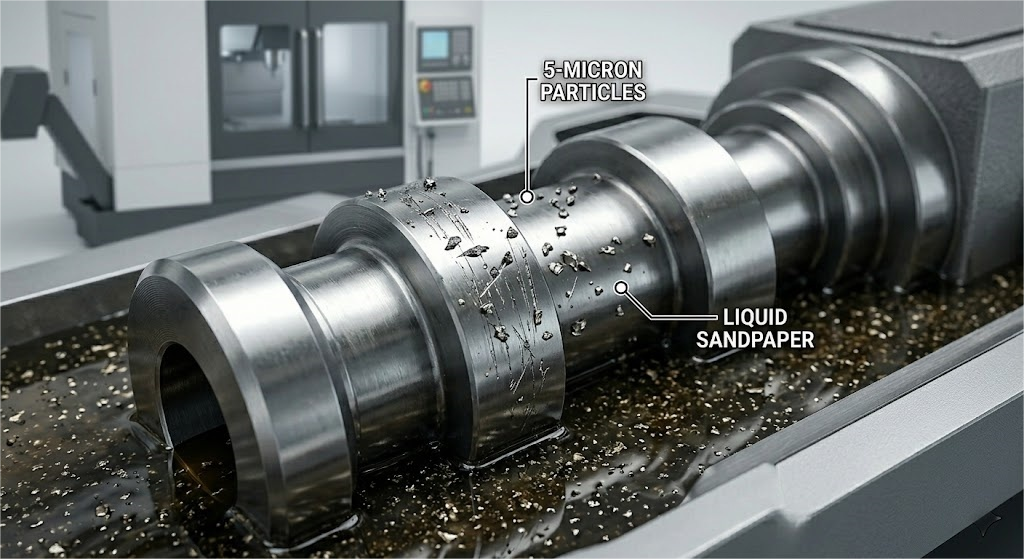
In the industrial and manufacturing sector, the biggest threats to your profit margins aren’t massive mechanical failures. They are 5-micron particles of metal shavings, silica dust, and airborne contaminants quietly destroying your equipment from the inside out.
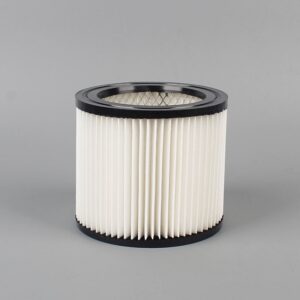
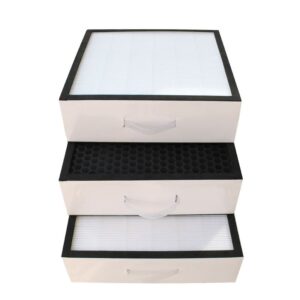
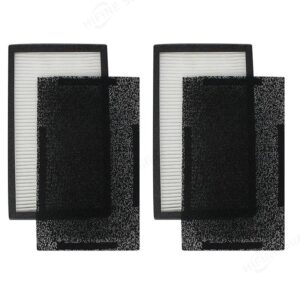
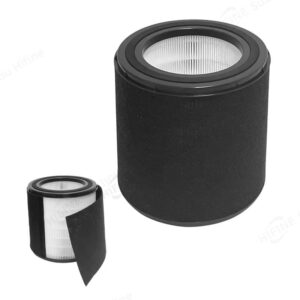
The Micron Paradox: How Dust Eats Your Profit Margins
It’s a strange paradox in manufacturing: the larger and more expensive the machinery, the smaller the particle required to break it.
Modern hydraulic systems and precision manufacturing tools operate under extreme pressure and incredibly tight tolerances. When airborne particulate matter or liquid sludge bypasses a cheap filter, it acts like liquid sandpaper. It scores valve spools, degrades seal integrity, and ruins the precision of machined parts.
CNC Coolants and Hydraulic Fluid: The Arteries of Your Factory
Think of hydraulic fluid and CNC machining coolants as the blood of your facility. If the arteries get clogged, the system suffers a heart attack. Using low-quality industrial filter elements means you are constantly circulating contaminated fluids. This leads to:
- Unplanned Downtime: A single blown hydraulic pump can halt a production line for days.
- Tool Wear: Contaminated coolant reduces the lifespan of expensive cutting tools by up to 30%.
- Product Rejects: Micro-debris in the manufacturing process often leads to poor surface finishes and failed quality control checks.
Signs Your Facility is Leaking Money Through Poor Filtration
Many facility managers wait until a machine completely breaks down before evaluating their filtration strategy. To maintain true operational efficiency, you need to be proactive. Look out for these three red flags:
You are experiencing frequent “Pressure Drops”
As a filter cartridge fills with dirt, it restricts fluid or air flow, causing a pressure drop. If your maintenance team is constantly dealing with pressure alarms, your current filters either lack the proper dirt-holding capacity or are undersized for the application.
Your energy bills are creeping up
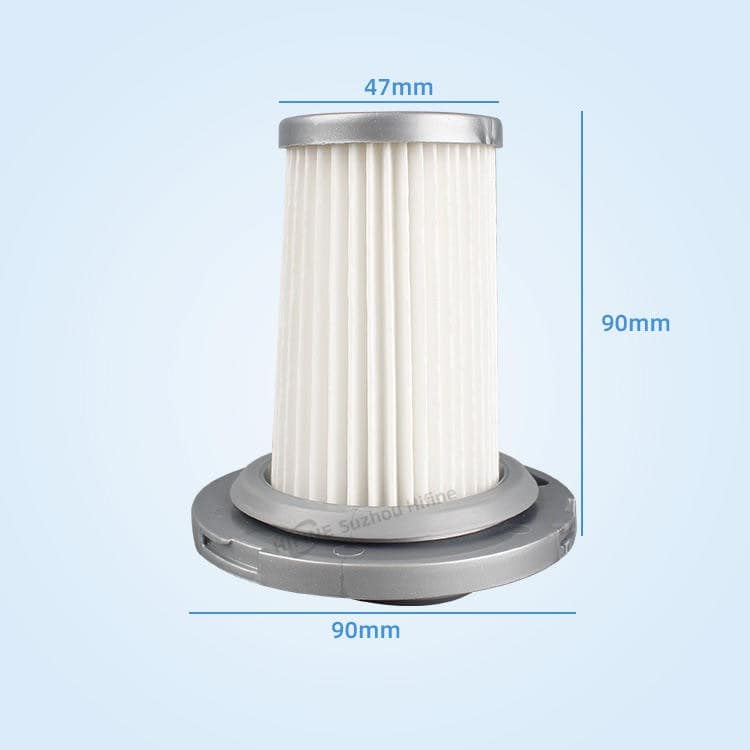
When a filter is clogged, the system’s pumps and fans have to work twice as hard to push air or liquid through the media. This spiked energy consumption is a silent budget killer. Upgrading to high-efficiency pleated filter cartridges reduces resistance and saves electricity.
You replace OEM filters too often
Original Equipment Manufacturer filters are often designed for “average” conditions. If your manufacturing environment is particularly dusty or high-volume, standard OEM filters will blind over quickly.
Beyond the Basics: Why Material Science Matters
Not all filter media are created equal. A common mistake in procurement is buying replacement filter elements based solely on physical dimensions. However, the true value lies in the material science inside the pleats.
For instance, handling high-temperature exhaust or aggressive chemical washes requires specialized synthetic glass fiber or stainless steel mesh, not standard cellulose paper. At HIFINE, we match the filtration media precisely to your operational environment. Whether it is removing sub-micron oil mist from compressed air or filtering heavy viscosity lubricants, the right material prevents media migration and ensures consistent performance.
The HIFINE Approach: Engineering Reliability
Manufacturing is a game of margins. Every minute of downtime and every rejected part eats into your profitability. By treating industrial filtration systems as a critical investment rather than a disposable commodity, you can extend the life of your capital equipment by years.
At HIFINE, our goal is simple: to keep your operations running smoothly, safely, and profitably. We guarantee 100% fit and factory-direct pricing to ensure your machinery gets the protection it deserves without breaking your budget.