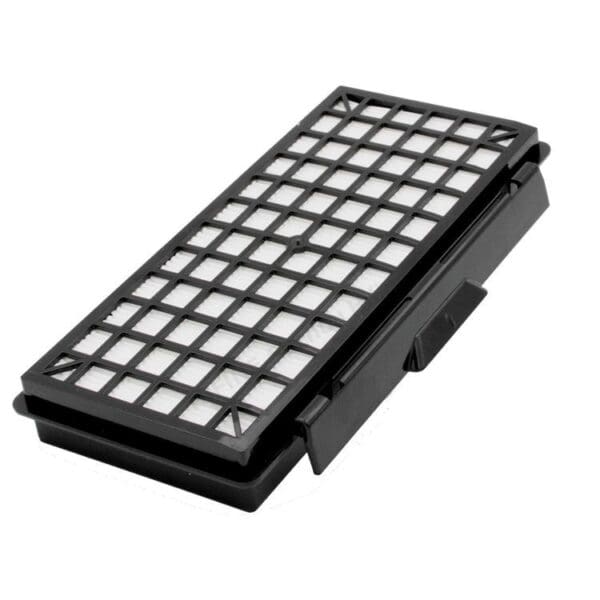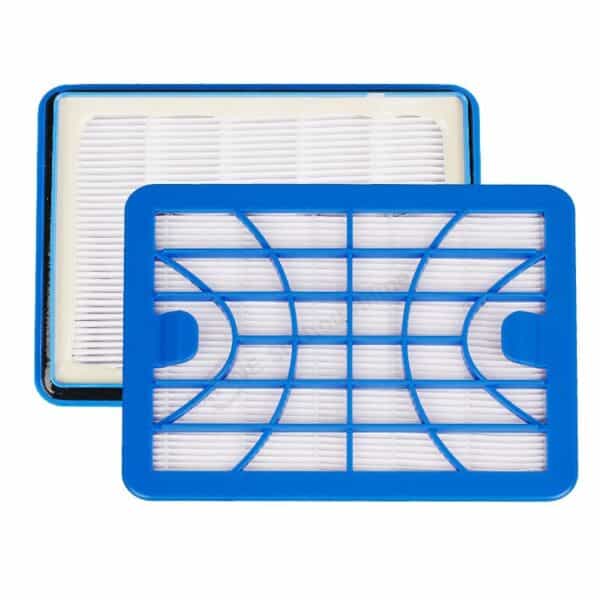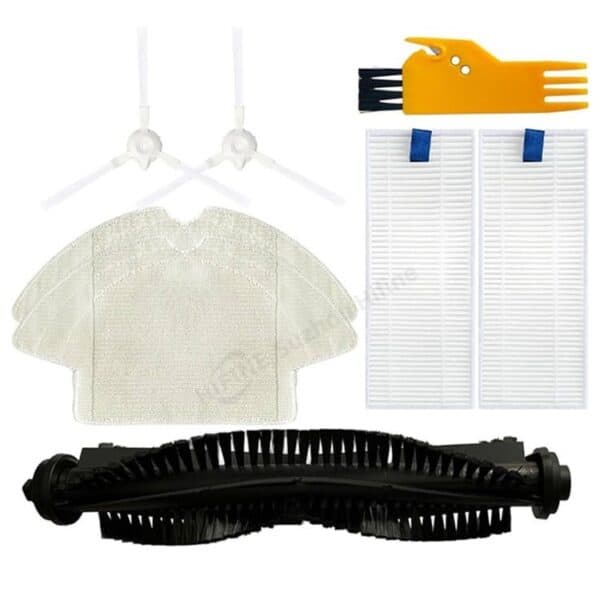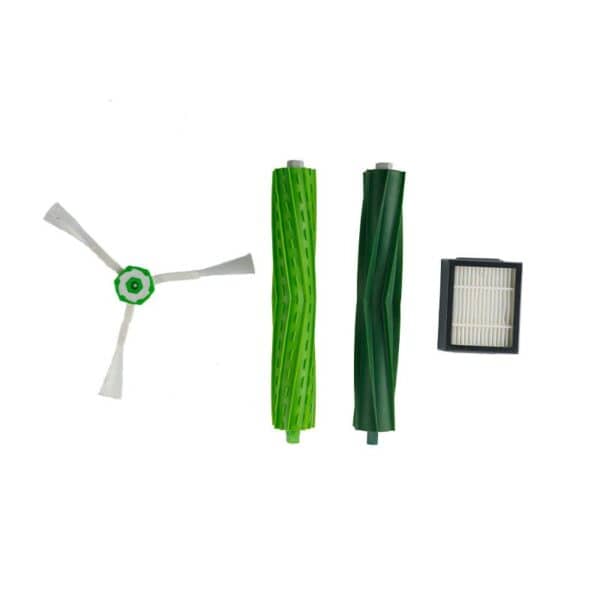
Changing your vacuum filter is one of those maintenance tasks that’s easy to put off — until your vacuum starts losing suction or leaving a dusty smell behind. True HEPA filters capture 99.97% of particles down to 0.3 microns, but only when they’re clean enough to do their job. Whether you’re looking to clean vacuum cleaner filter components or do a full vacuum cleaner filter replacement, the right schedule depends on your machine, your home, and how hard you actually use it. Dyson vacuum filter replacement works differently from Shark vacuum filter replacement, and knowing the difference saves you from unnecessary repairs down the line.
Understanding Vacuum Cleaner Filter Types and Their Lifespans
Not all vacuum filters are the same, and they don’t all wear out at the same rate.
Foam filters are washable and reusable, designed to catch larger debris before it reaches finer filtration layers. They hold up well but still need replacing every one to three months. Paper filters are cheaper and disposable, though they struggle with finer particles. Activated carbon filters are built specifically for odor control — they pull in smoke, cooking smells, and pet odors through their porous surface, but they don’t last forever.
HEPA filters are the most effective option for allergen removal. In a typical household, they need replacing every three to six months, though lighter use can stretch that to two or three years. Commercial settings are different — high dust environments call for checks every six months and full replacement annually at minimum.
One thing worth knowing: pre-motor and post-motor filters protect your vacuum’s engine directly. These need changing every three to six months together, not independently.
The washable versus disposable question also affects your long-term costs. Washable filters from manufacturers like HIFINE lower your ongoing expenses, but they require consistent cleaning to stay effective. Fine dust filters are a common point of confusion — they look like cloth filters but can’t be rinsed. Use compressed air on those instead.
How Often to Replace Vacuum Filters by Brand
Dyson vacuum filter replacement calls for monthly cleaning and full replacement every six to twelve months. For Dyson cordless vacuum filter replacement — covering the V7, V8, V10, V11, V12, and V15 — the pre-motor filter should be swapped out every twelve months. Pet owners should cut that to six months, since animal hair and dander clog filters faster. Upright Dyson models come with washable “lifetime” filters, but realistically those lose meaningful efficiency after two to three years of regular washing.
Shark vacuum filter replacement follows a quarterly schedule — every three to six months. If you have pets, lean toward three months. Dander and hair build up quickly, and a clogged filter strains the motor.
Bissell vacuum filter replacement requires monthly checks, with actual replacements every three to six months based on how often you vacuum.
Tineco vacuum filter replacement runs on a six-month replacement cycle, though the HEPA element should be cleaned every three months in between.
Eureka vacuum filter replacement is a bit more forgiving — their washable polyester cartridge filters hold up better than paper alternatives and resist general wear.
For Ridgid vacuum filter replacement on wet-dry models, washable filters can be cleaned and reused for three to six months depending on use frequency.
Signs Your Vacuum Filter Needs Replacing
Your vacuum usually tells you when something is wrong — you just need to know what to look for.
Reduced suction is the clearest sign, especially when the dustbin is already empty. A clogged filter cuts off airflow, so the motor works harder without actually picking up more dirt. Dust coming out of the exhaust means the filter is either full or damaged and can no longer trap particles.
Musty smells during use point to a filter packed with decomposing debris, pet hair, or trapped bacteria — all of which get pushed back into your air. For anyone with allergies, this makes things noticeably worse. Motor overheating or unexpected shutdowns happen when blocked airflow forces the motor to run hotter than it should.
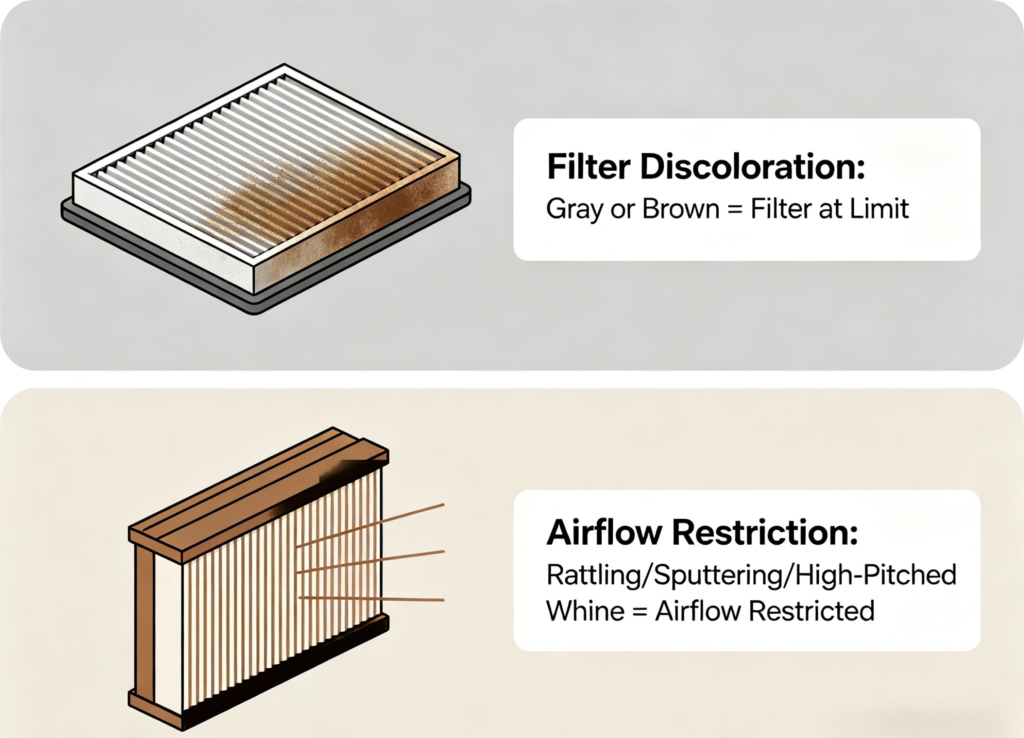
Visually, gray or brown discoloration means the filter has hit its limit. Rattling, sputtering, or an unusually high-pitched whine all suggest the airflow is being restricted.
Maintenance Best Practices
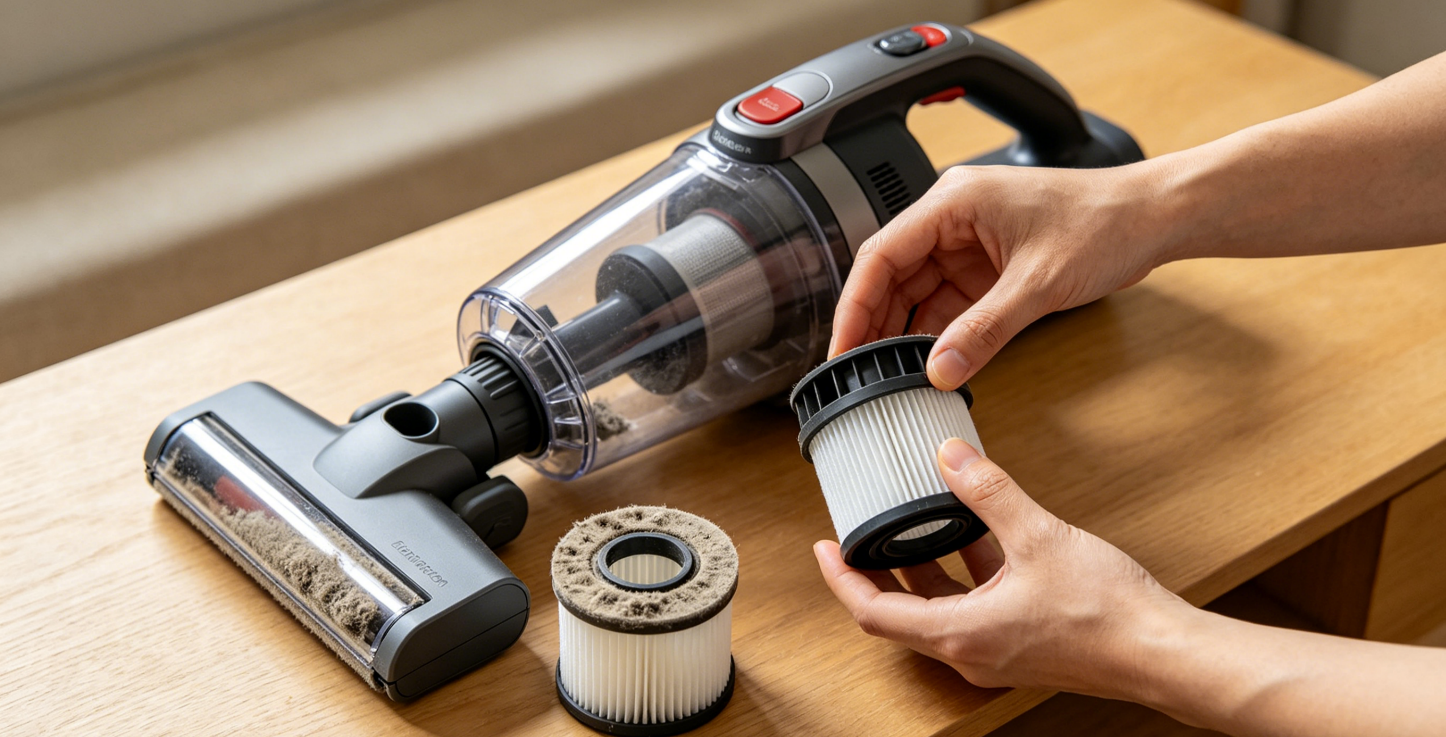
Empty your dustbin regularly — overflow from a full bin pushes particles straight into the filter. When cleaning washable filters, rinse under cool water until the water runs clear, then let them air dry completely for at least 24 hours before putting them back. A damp filter reinstalled too soon can permanently damage the motor.
Replace any filter that shows tears, holes, or a lingering odor even after a thorough cleaning. Homes with pets or heavy foot traffic need monthly filter cleaning; lighter-use households can usually get away with quarterly.
Final Thoughts
Keeping up with filter maintenance protects your vacuum’s performance and the air quality in your home. Learn your specific model’s requirements, use the brand timelines above as your starting point, and adjust based on your actual usage. Clean washable filters monthly, swap disposables quarterly, and pay attention to the warning signs before they become bigger problems. Brands like HIFINE offer reliable replacement filters that maintain consistent performance without a steep price tag.
FAQ
Filtration efficiency drops significantly over time. The motor works harder to pull air through a clogged filter, which shortens its lifespan. In the worst case, the motor can overheat and fail.
You can tap it clean to remove loose surface dust, but you cannot restore filtration efficiency through cleaning alone. Non-washable HEPA filters need to be replaced.
Quality aftermarket filters that are certified to the same filtration standard perform comparably to OEM parts. Avoid very cheap options with no listed micron rating.
True HEPA is a certified standard: 99.97% particle capture at 0.3 microns. “HEPA-style” is a marketing term with no regulated standard. Check the filter’s specifications, not just the label.
Almost always yes — a new filter on an aging vacuum can restore noticeable performance. The cost of a replacement filter is far less than the cost of a new vacuum.