
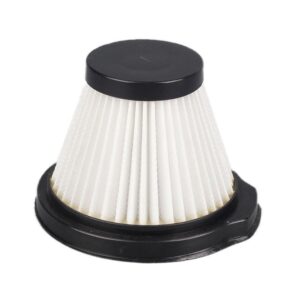
Here’s something most vacuum owners never think about: the filter working inside that machine is the single biggest factor in how well it cleans — and how healthy the air stays after it does. Pick the wrong replacement, and you’re essentially pushing dust around. Pick the right one, and the difference is immediate.
Is the Filter Actually the Problem?
Before buying anything, it helps to know if your filter is truly past its prime. The symptoms are easy to spot once you know what to look for:
- Suction feels weaker even on full power
- A dusty or stale smell lingers after vacuuming
- Allergy symptoms get worse, not better, after you clean
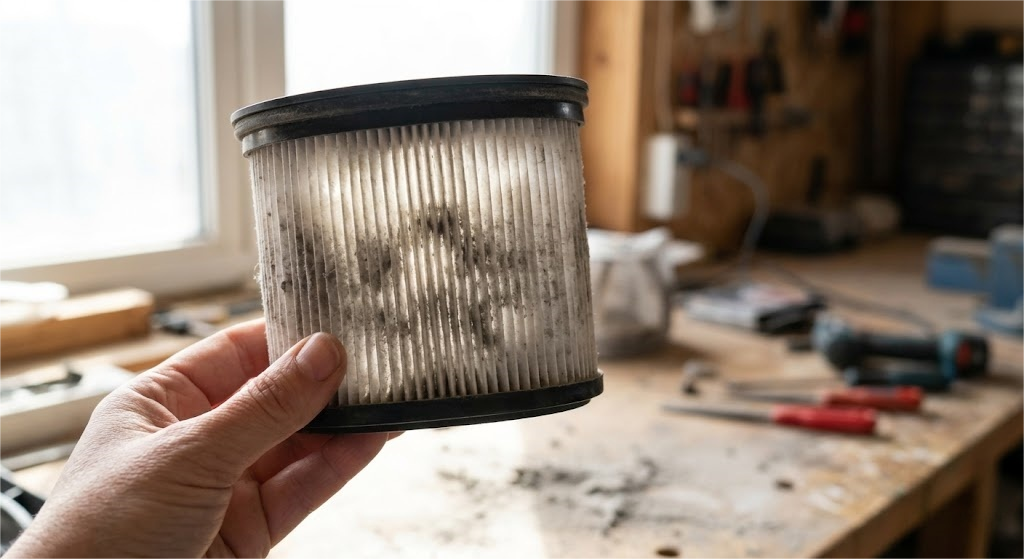
- You can see visible grey clogging when you hold the filter to light
- It’s been over 3 months since the last filter check
If two or more of those match your situation, your filter isn’t just dirty — it’s actively working against you. A clogged filter forces the motor to strain, shortens your vacuum’s lifespan, and recirculates fine particles back into the room. The fix isn’t complicated, but the right replacement matters.
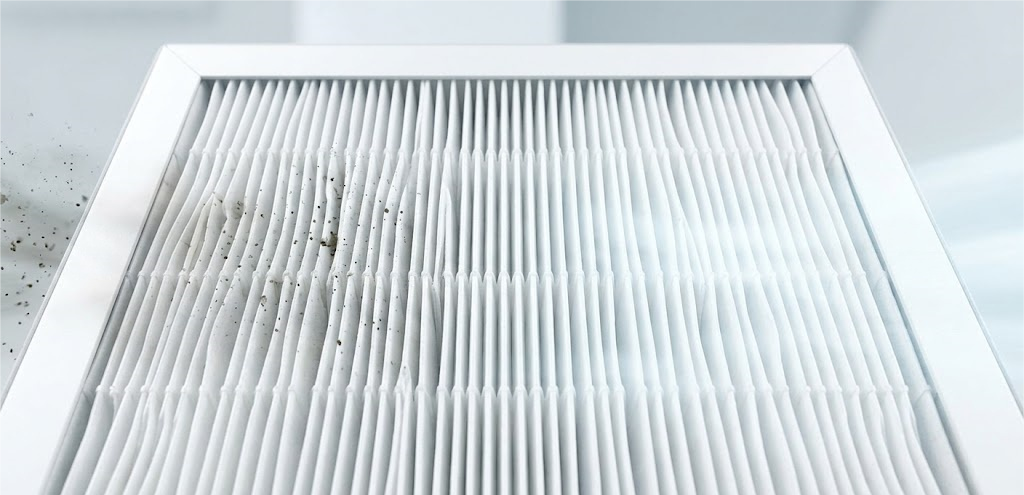
Match the Filter Type to Your Actual Life
Not all replacement filters are the same — and most compatibility errors happen because people grab the first result that looks right. There are three main categories in residential use, and each one suits a different situation.
HEPA filters — the allergy household’s non-negotiable
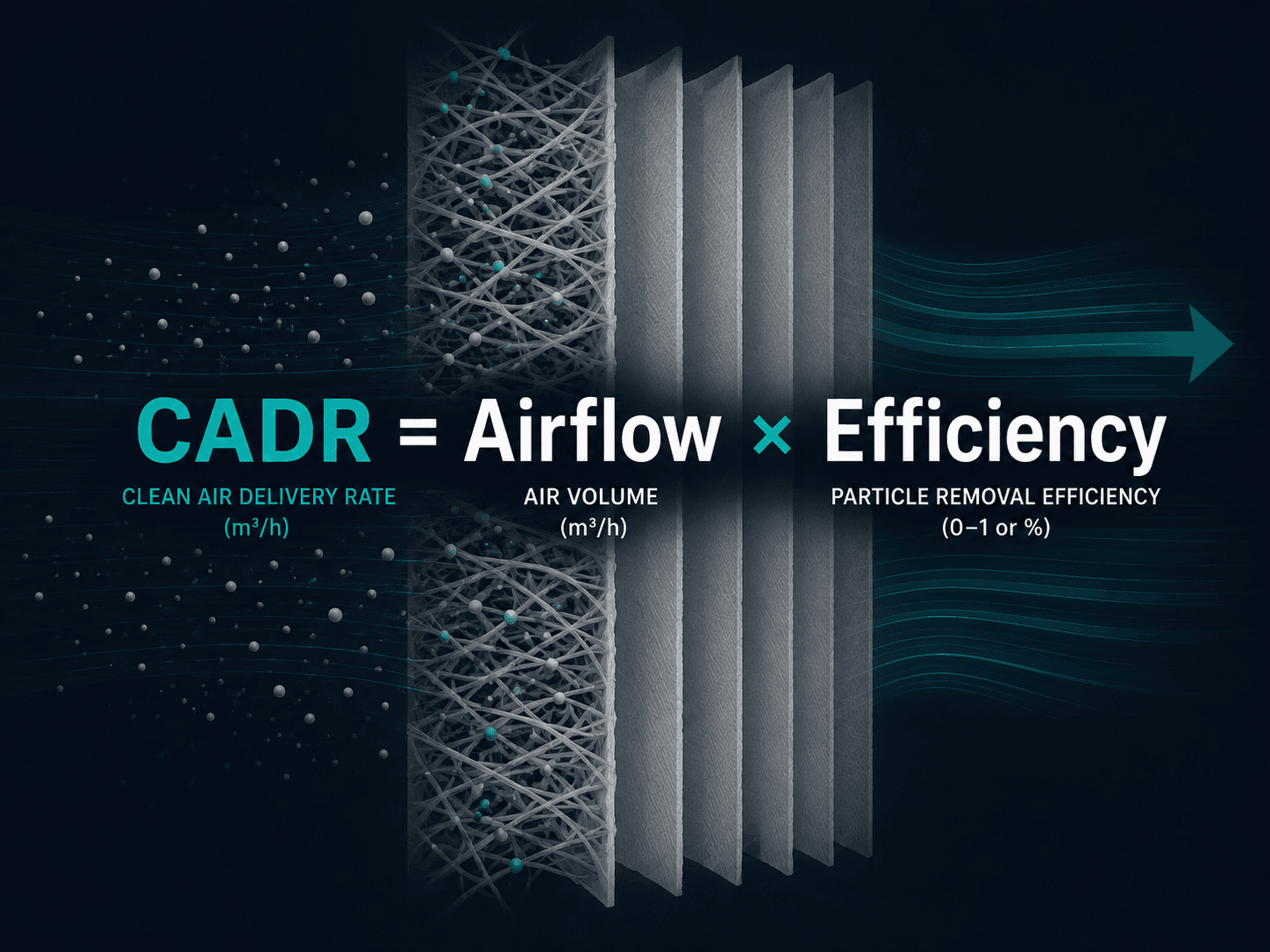
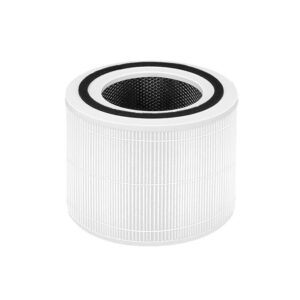
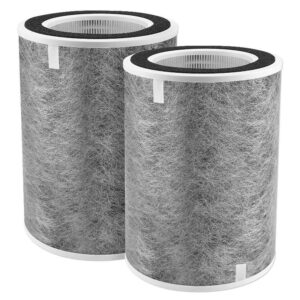
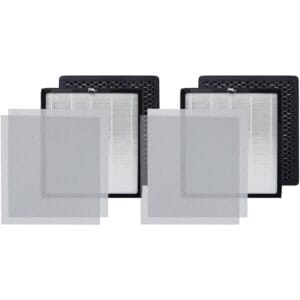
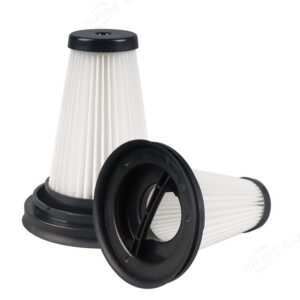
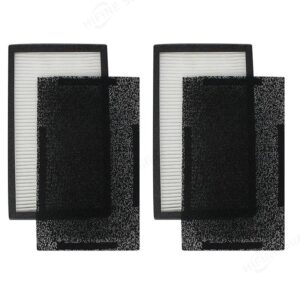
True HEPA filters capture 99.97% of particles at 0.3 microns — that includes pet dander, pollen, dust mite debris, and mold spores. If anyone in your home has asthma or seasonal allergies, an allergen-rated HEPA vacuum filter replacement isn’t optional. Look for certifications like H13 or H14; these are the same standards used in medical environments.
Browse HIFINE’s HEPA replacement filter range
Foam and felt filters
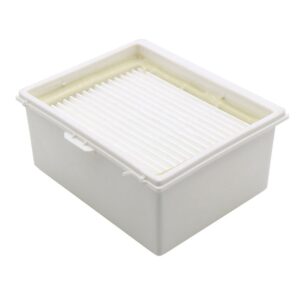
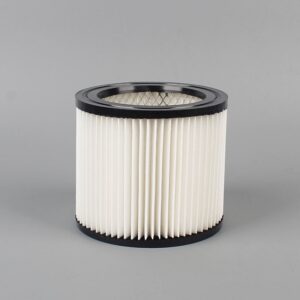
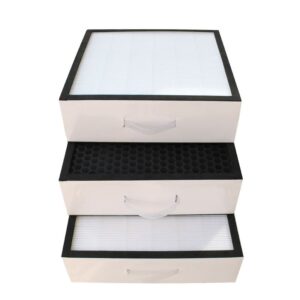
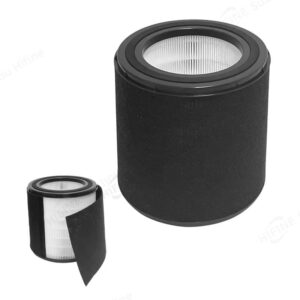
Most canister and upright vacuums use a combination of foam pre-filters and felt motor filters. They’re designed to protect the motor rather than purify the air. These wear out faster than HEPA units because they sit in the direct path of debris. Replace them on a 3-month cycle if you vacuum more than twice a week, and always replace both together — one clogged layer drags down the other.
Cartridge filters
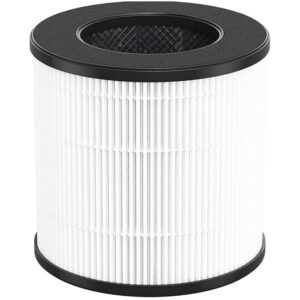
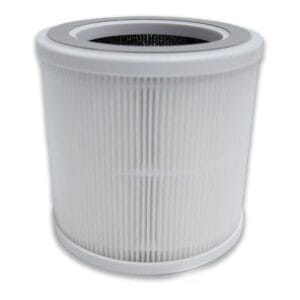
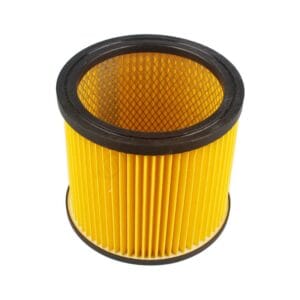
If your vacuum pulls double duty — workshop sawdust, pet hair on bare floors, or high-traffic commercial spaces — cartridge filters offer the best volume capacity. They’re pleated to maximize surface area, which means longer intervals between replacements without sacrificing airflow. When suction drops noticeably between cleanings, it’s a reliable sign your cartridge has hit its limit.
Washable vs. Disposable — It’s Not Just About Cost
This is where most buyers get the math wrong. Washable filters seem like the obvious long-term value play — buy once, rinse and reuse. But the real question is performance over time, not just price per unit.
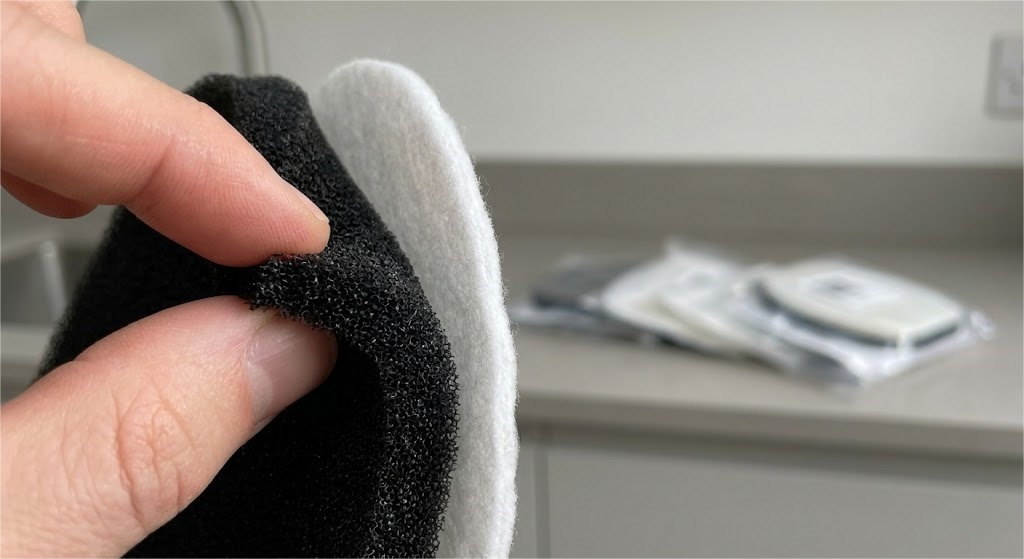
Washable filters lose filtration efficiency with each wash cycle. After 10–12 rinses, even a quality foam filter may only capture 70–80% of what it did when new. For low-dust homes or workshop use, that degradation is manageable. For allergy households, it’s a problem.
Disposable filters, by contrast, perform at their rated efficiency every single time. Each replacement is a reset. For HEPA-grade filtration especially, disposable is the more reliable format. The cost difference over a year is often smaller than people expect — particularly when you factor in the motor stress caused by running a degraded washable filter for too long.
Rule of thumb: if the vacuum is used in a health-sensitive environment, disposable HEPA wins. If it’s a utility vacuum in a garage or workshop, a quality washable foam filter is the smarter call.
How to Find a Compatible Filter Without Guessing
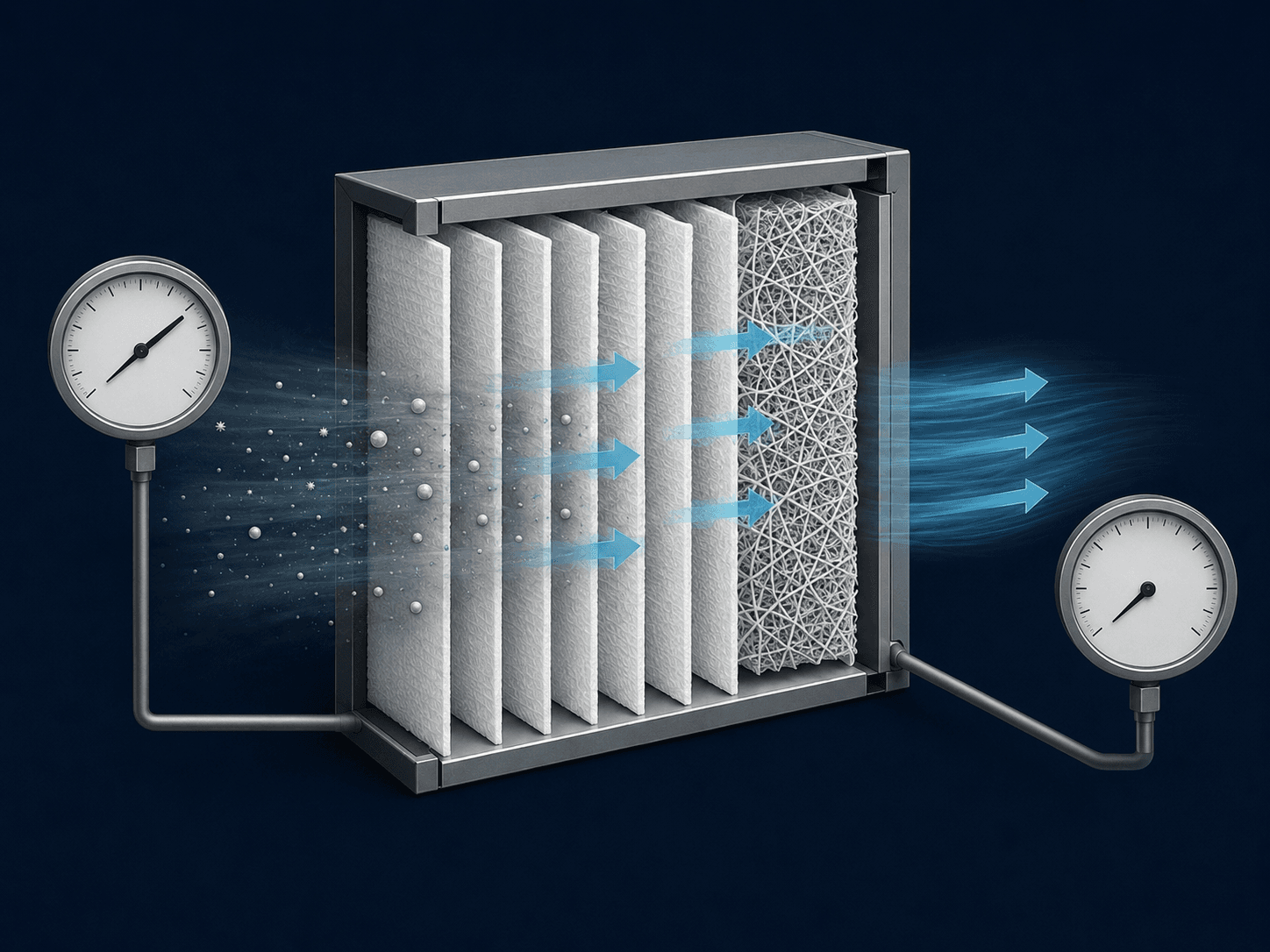
Compatibility is where the most mistakes happen — and where the cheap aftermarket market does the most damage. An incompatible filter either doesn’t seal correctly (allowing unfiltered air to bypass it entirely) or restricts airflow so much that it burns out the motor faster.
Here’s how to find the right match reliably:
- Check the model number first. It’s usually on a sticker under the vacuum base or inside the dustbin compartment — not on the box it came in. Search that exact number, not the brand name alone.
- Look for dimensional specs, not just part names. Filter names vary between markets; dimensions don’t. If a filter lists the exact millimeter measurements matching your housing, it will fit.
- Aftermarket isn’t always worse — but it must be certified. OEM filters are safe, but certified aftermarket replacements from established manufacturers like HIFINE go through the same HEPA-standard testing. What to avoid: uncertified listings with no test data, generic “fits all” claims, and filters priced significantly below market average.
Still unsure? Use HIFINE’s filter compatibility tool — enter your vacuum model and it returns verified compatible options in seconds.
FAQ
Most manufacturers recommend replacing or deep-cleaning vacuum filters every 3 months under regular household use. If you have pets, vacuum daily, or live with allergy sufferers, check the filter monthly and replace it at the first sign of visible clogging or reduced suction. HEPA filters in high-traffic homes are often better swapped every 6–8 weeks.
Yes — provided the aftermarket filter meets certified filtration standards (such as H13 HEPA) and matches your vacuum’s dimensional specs. Quality aftermarket options from established filter manufacturers often perform comparably to OEM parts. What matters is the certification and fit, not the badge on the packaging.
Over time, yes. When a filter is blocked, the motor compensates by working harder to maintain airflow. This creates excess heat, accelerates motor wear, and can trigger thermal overload shutoffs. Running a vacuum on a heavily clogged filter for extended periods is one of the most common causes of premature motor failure in household units.
Performance is similar — but washable filters degrade in filtration efficiency with each wash cycle. After repeated washing, a foam filter may no longer capture the finest particles at its original rated level. For general cleaning, this is usually acceptable. For households managing allergies or asthma, disposable HEPA replacements are more reliable because each new filter performs at full specification.