
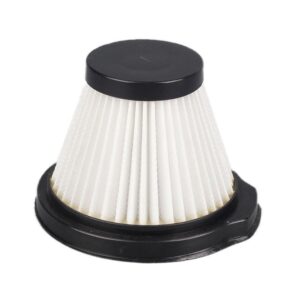
ISO certification gets mentioned in almost every filter manufacturer’s introduction. It appears in brochures, email footers, and trade show banners with a consistency that has, over time, made it nearly meaningless as a differentiator.
This is not an argument against certification. ISO 9001 establishes a quality management framework that genuinely matters. The problem is that certification confirms a system exists — not that the system produces good filters. Two factories can hold the same certificate and ship products that perform very differently.
What separates a reliable filter supplier from one that costs you a product recall comes down to specifics that no certificate can communicate on its own.
Certification Is the Floor, Not the Qualification
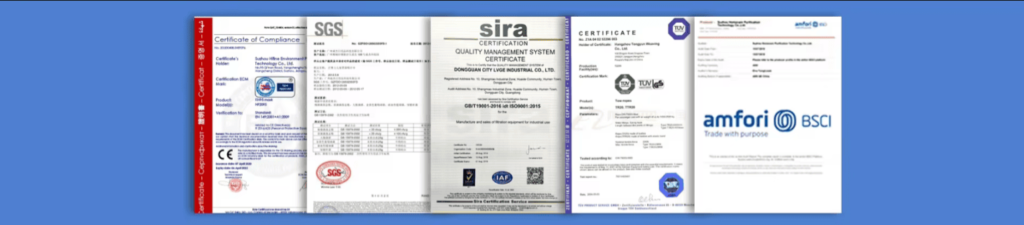
A manufacturer serious about quality will hold ISO 9001 as a baseline and layer additional certifications on top of it. BSCI covers social compliance and supply chain ethics — increasingly required by European buyers. SGS testing provides third-party product-level verification, separate from the factory’s internal quality system. For filters specifically, EN1822 certification for HEPA grades is the standard that actually speaks to filtration performance.
When a manufacturer lists ISO 9001 alone and nothing else, that is worth noting. It means they have a documented quality management process. It says nothing about what that process produces.
What Additional Certifications Signal
Each layer of certification represents a different kind of accountability. BSCI audits are conducted by independent parties, not self-reported. SGS product testing results can be requested as documentation — if a manufacturer is reluctant to share them, that reluctance is information. EN1822 grading places filters on a performance scale that is directly comparable across manufacturers, regardless of what marketing language they use.
Ask for copies. Legitimate certifications have issue dates, audit cycles, and certifying body names. A certificate that cannot be verified through the issuing organization should not be treated as evidence of anything.
Production Capacity and Lead Time Transparency
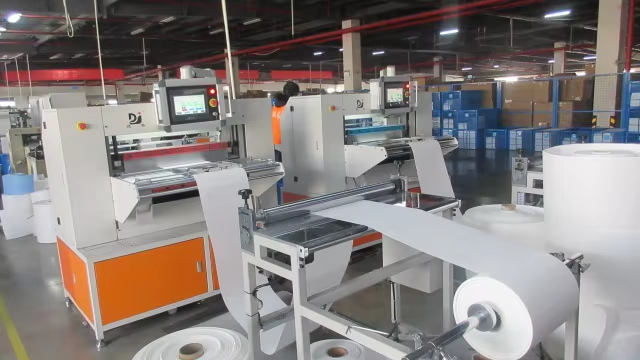
A manufacturer’s stated capacity is easy to exaggerate and difficult to verify without a factory visit or third-party audit. The more useful question is not “how many units can you produce” but “how many units are you currently producing, for how many clients, and what is your current lead time.”
Capacity that exists on paper but is already committed to other buyers does not help a new buyer with a Q3 deadline.
Reliable suppliers will give specific answers to specific questions. Vague responses about “flexible production” and “scalable capacity” without supporting numbers are a signal that the factory is either overcommitted or not transparent about its actual situation.
At HIFINE, you’ll learn that we are a filter manufacturer certified by ISO9001, BSCI, and SGS. We answer users based on actual production value; we don’t exaggerate figures, we only produce filter products that enable our customers to use clean air.
R&D Depth and OEM Capability
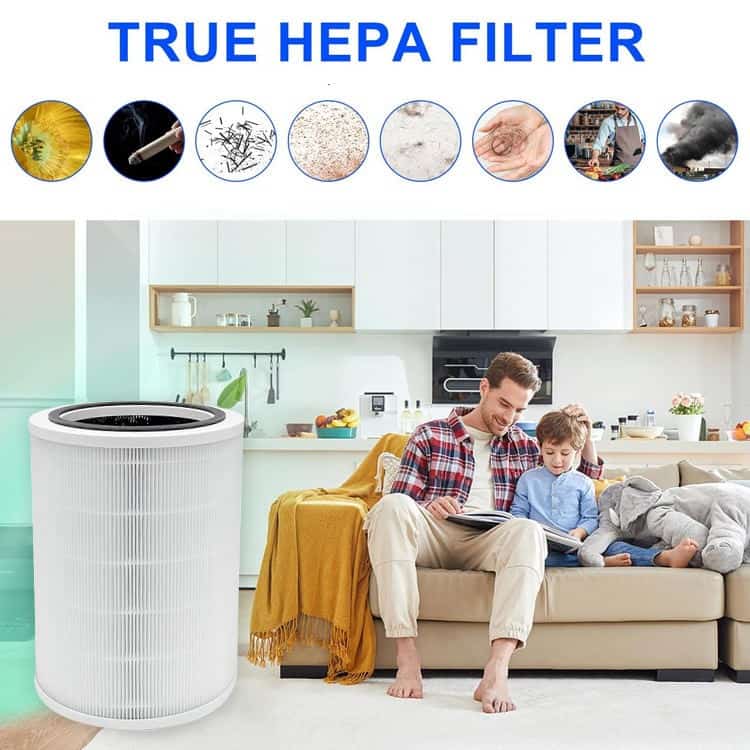
The filter market splits into two supplier types: manufacturers that make existing specifications and manufacturers that can develop new ones. For buyers sourcing standard replacement filters — Honeywell, Dyson, Levoit compatible products — the former is sufficient. For buyers building their own branded product or entering a market with specific regulatory requirements, R&D depth becomes the deciding factor.
Questions worth asking directly:
- Do you have an in-house engineering team, or do you outsource design?
- Can you accommodate non-standard dimensions or media combinations?
- What is your prototyping timeline for a new filter specification?
- Have you co-developed products with institutional partners?
HIFINE’s R&D collaboration with Tsinghua University and its portfolio of 27+ approved patents is not mentioned as a marketing point — it is the kind of specific, verifiable detail that answers these questions without requiring a factory tour. Buyers can cross-reference patent filings independently.
For sourcing Filtres purificateurs d'air HEPA or compatible replacements from a manufacturer with documented R&D capability, the difference shows in product consistency over long production runs, not just in the first sample batch.
The Sample Evaluation Phase
Every credible supplier relationship starts with samples. The evaluation of those samples is where most buyers either do the work or skip it and regret it later.
A useful sample evaluation covers:
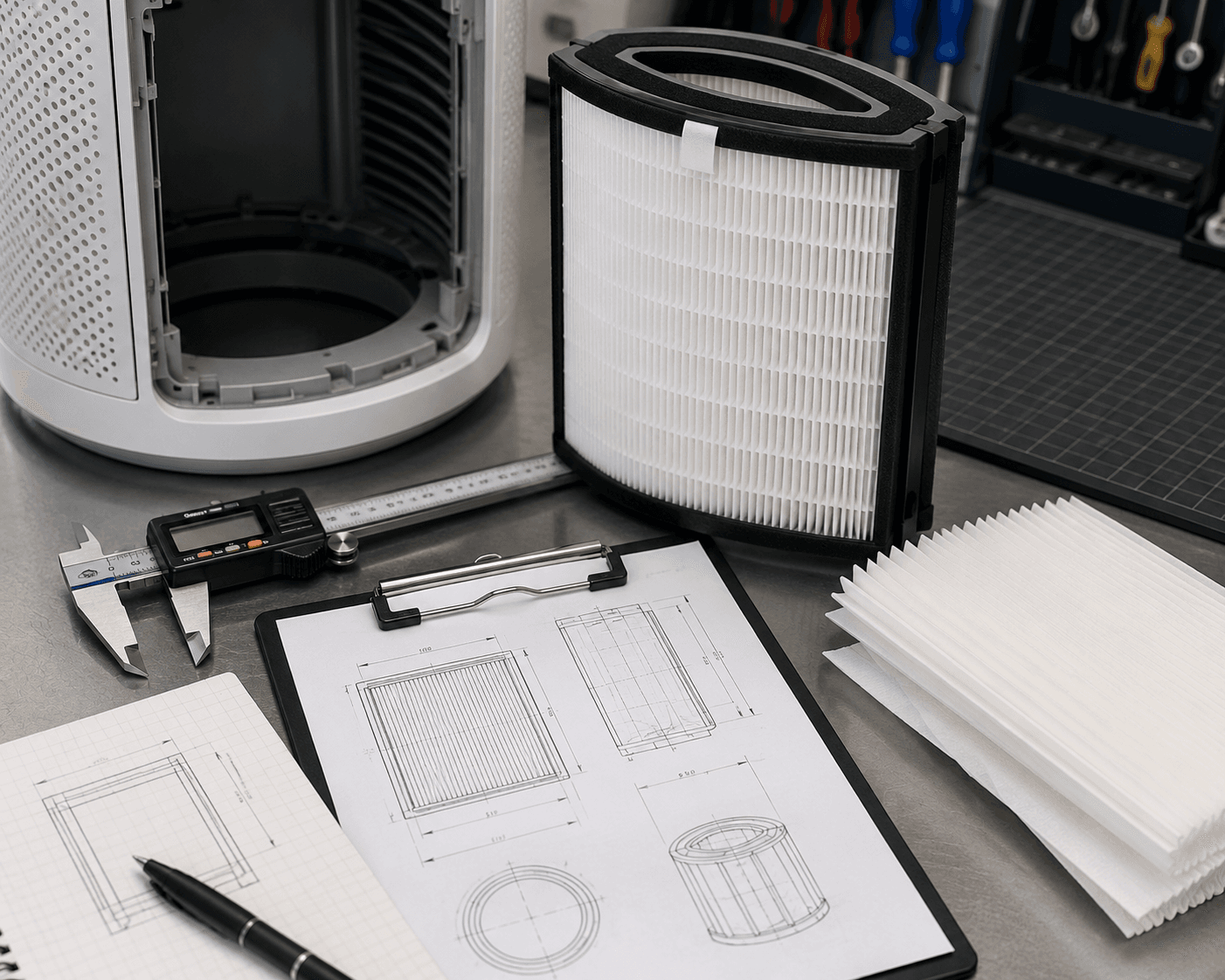
Physical fit — Does the filter match the stated dimensions within acceptable tolerance? Gaps of even 2–3mm cause unfiltered air bypass, which negates the filter’s rated performance entirely.
Media integrity — Hold the filter to a light source. Uneven density in the HEPA layer, visible holes, or inconsistent pleat spacing are manufacturing defects that affect capture rate.
Carbon layer quality — Surface-sprayed carbon pellets look identical to genuine carbon block layers until they stop working after two months. Ask for the carbon weight per unit and the surface area specification.
Seal construction — The frame-to-media seal is the most common failure point. Press gently around the perimeter. Any flex or separation under light pressure indicates inadequate bonding.