
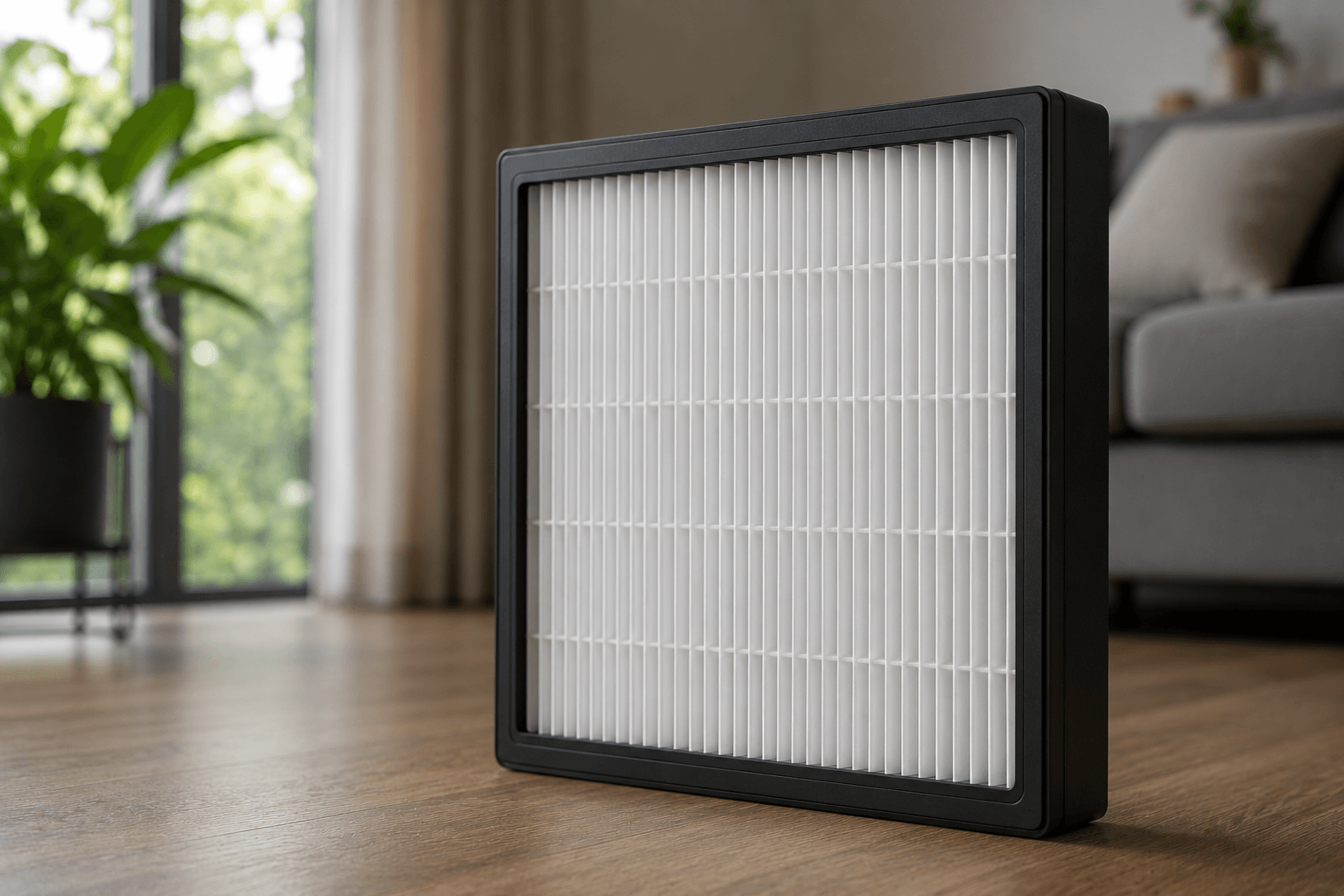
Most buyers ask the wrong question. They ask which cartridge is best, when the real question is what is wrong with the water. NSF says filter standards are not a ranking system: NSF/ANSI 42 is for aesthetic issues like chlorine and taste/odor, NSF/ANSI 53 covers health-effect contaminants, and NSF/ANSI 58 is the standard for reverse osmosis systems.
If the Water Looks Dirty, Start with PP Cotton
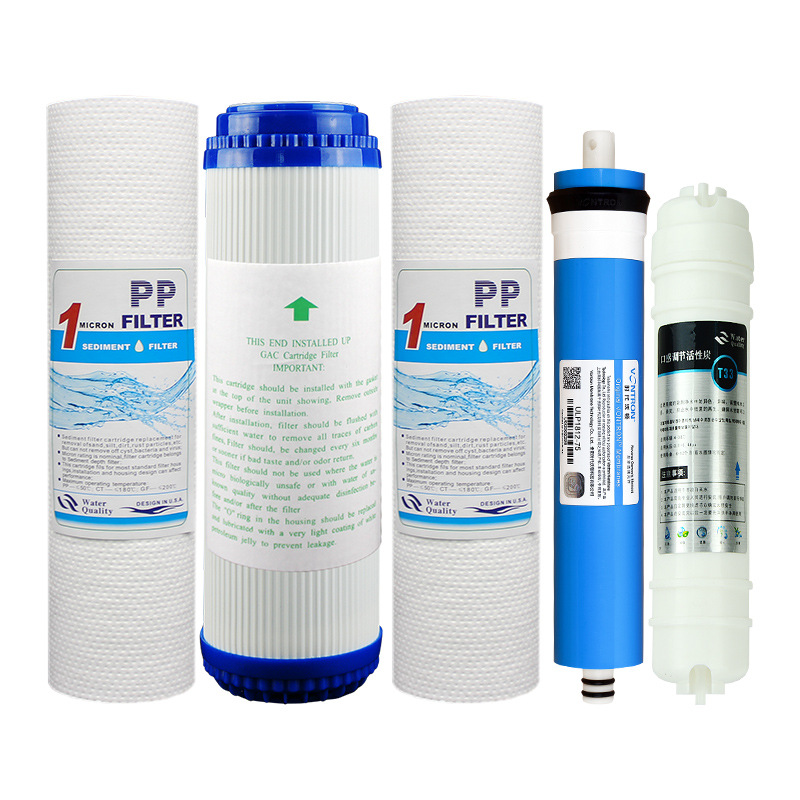
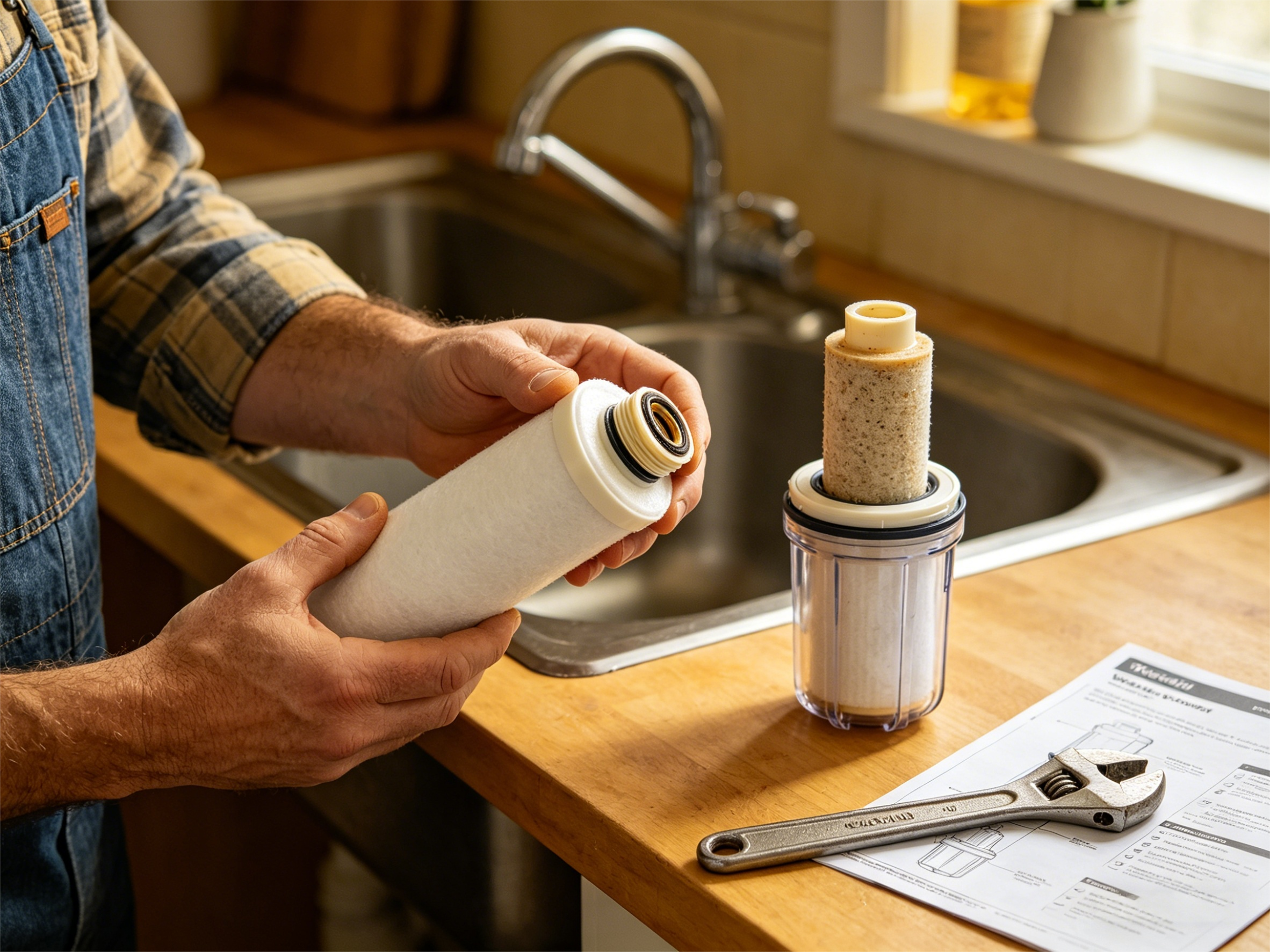
PP cotton, or polypropylene sediment filtration, is the first line of defense when water carries visible particles. It is built to catch sediment, rust, and sand before those particles reach carbon blocks or membranes. That matters because smaller pore sizes catch more material, and many filters need pretreatment to protect the system and keep it working properly. In a real-world setup, PP cotton acts as the shield that helps the rest of the stack last longer.”
If the Water Smells Like Chlorine, Carbon Is the Right Move
Activated carbon is the cleanest answer when the water is safe enough but unpleasant to drink. NSF/ANSI 42 covers chlorine and taste/odor reduction, and EPA says granular activated carbon is useful for removing taste- and odor-producing compounds, ЛОС, synthetic organic compounds, and disinfection byproduct precursors. For municipal water, carbon often gives the fastest improvement because it changes how the water tastes and smells without making the system more complicated.
When Microbial Risk or Dissolved Contaminants Matter, UF and RO Split Here
Ultrafiltration and reverse osmosis are not interchangeable. Ultrafiltration can remove bacteria, while reverse osmosis can remove bacteria and viruses; RO can remove some chemicals, including lead, copper, chloride, and sodium, and may also reduce nitrate and fluoride.
RO is useful for removing dissolved solids and many inorganic contaminants. That means UF is a practical choice when the main concern is bacterial protection, but RO is the stronger option when viruses, dissolved contaminants, or high TDS are part of the problem.
The Best Systems Are Layered, Not Heroic
A good filtration system rarely relies on one cartridge alone. A smarter stack usually starts with sediment removal, moves to carbon, then adds UF or RO where the risk profile calls for it. The most RO systems include one or more additional filters on either side of the membrane, which is one reason layered systems tend to perform better and feel more stable in daily use.
Окончательный вердикт
For dirty water, start with PP cotton. For taste or odor issues, begin with activated carbon. If bacteria are the primary concern, choose UF. If viruses, lead, fluoride, or high TDS are the challenge, RO is the superior fit. The most effective system is not the most complex one, but the one that precisely matches your contamination profile with the fewest unnecessary stages.
ЧАСТО ЗАДАВАЕМЫЕ ВОПРОСЫ
Не рекомендуется использовать в качестве самостоятельного решения. Хлопок PP удаляет только физические частицы - он не влияет на химические загрязнения, вкус или микроорганизмы. Он лучше всего подходит в качестве предварительного фильтра, который защищает последующие ступени и продлевает срок их службы.
Не обязательно. Цена отражает материалы, сертификацию, позиционирование бренда и маркетинговый бюджет. Угольный блок среднего класса с сертификатом NSF от авторитетного производителя часто превосходит дорогой несертифицированный фильтр. Проверяйте сертификаты и проверенные характеристики, а не ценники.
Общие рекомендации: полипропиленовый хлопок каждые 1-3 месяца, активированный уголь каждые 3-6 месяцев, UF мембрана каждые 6-12 месяцев, а RO мембрана каждые 2-3 года при нормальном использовании.