
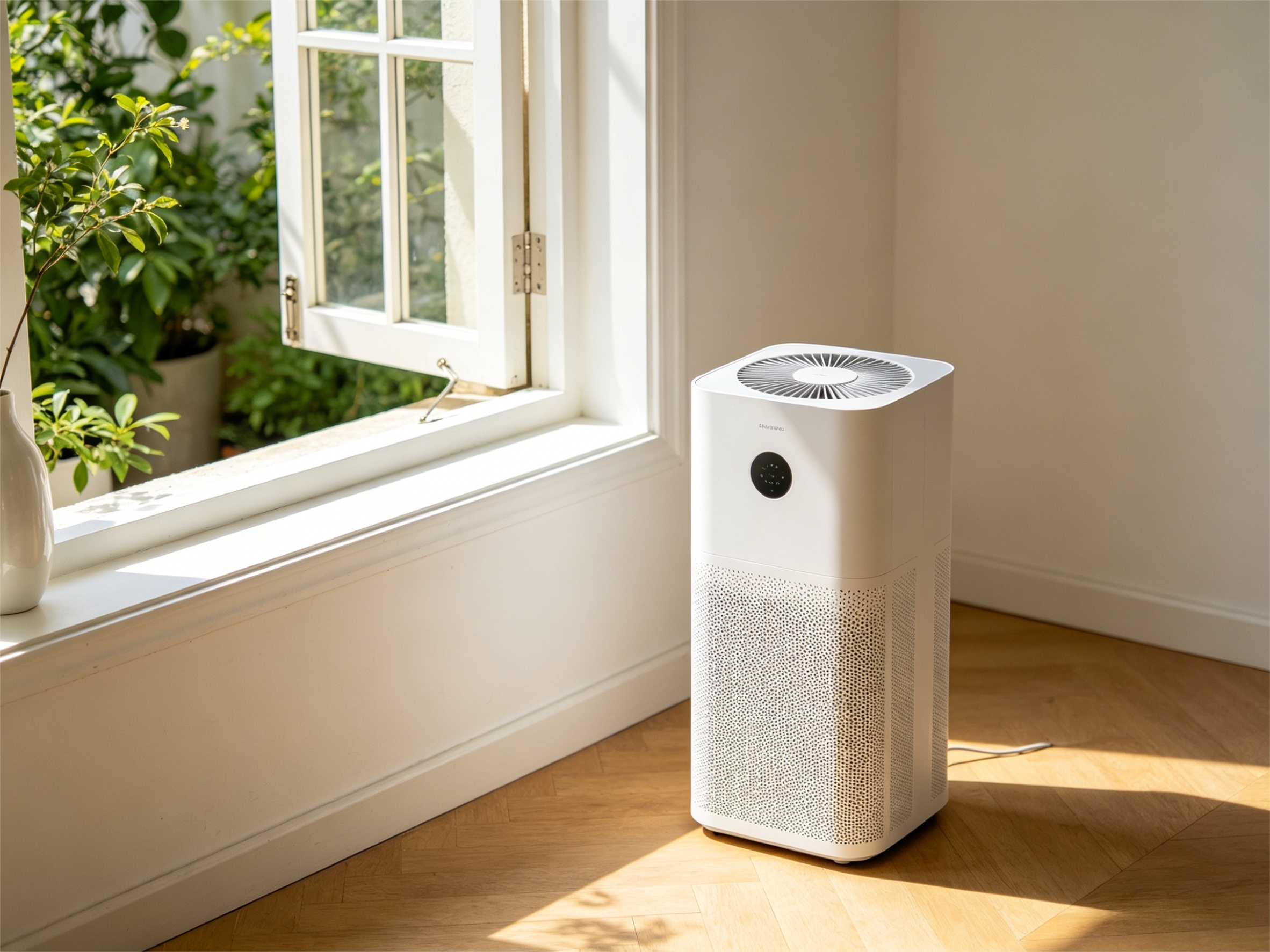
The instinct to open a window when indoor air feels stale is deeply human. Fresh air, sunlight, a breeze moving through the room—it feels like the right thing to do. And often, it is. But sometimes it isn’t.
The question of whether opening windows beats running an air purifier is more nuanced than most people expect. The answer shifts depending on where you live, what time of year it is, and what’s actually in the air outside. Here’s a clear-eyed look at both approaches—and when to use each.
Why Indoor Air Quality Matters More Than Most People Think
The U.S. Environmental Protection Agency has consistently noted that indoor air can be two to five times more polluted than outdoor air—and in some situations, significantly worse. Common indoor pollution sources include:
- Cooking fumes and combustion byproducts from gas stoves
- Off-gassing from furniture, flooring, and paint (volatile organic compounds)
- Dust mites, pet dander, and airborne mold spores
- Cleaning product chemicals and aerosol sprays
- Carbon dioxide buildup from occupants breathing in enclosed spaces
Poor indoor air quality has been linked to headaches, fatigue, respiratory irritation, and over time, more serious respiratory and cardiovascular health outcomes. Given that most people spend the majority of their time indoors—particularly in urban environments—this isn’t a trivial concern.
What are the actual effects of opening a window?
Opening windows creates ventilation. Fresh outdoor air dilutes and displaces stale or polluted indoor air. This works well under specific conditions—and poorly under others.
When Ventilation Helps
- Outdoor air quality is genuinely good (low PM2.5, low pollen count, low ozone)
- It’s not peak traffic hours in urban areas
- The goal is reducing CO2 buildup, cooking odors, or indoor humidity
- Temperature and weather allow comfortable airflow
Ventilation is one of the most effective ways to reduce concentrations of gases and VOCs that accumulate indoors—things like carbon dioxide, formaldehyde, and cooking byproducts. This is worth emphasizing: standard HEPA air purifiers do not remove CO2 or most gaseous VOCs without an activated carbon stage. Ventilation is the primary tool for those contaminants.
When Opening Windows Makes Things Worse
- Outdoor pollen counts are high (a significant problem for allergy and asthma sufferers)
- You live near highways, industrial zones, or construction sites
- It’s rush hour in a dense urban area
- Wildfire smoke is present
- High outdoor humidity increases indoor mold risk
- Urban ozone levels are elevated, which often happens on hot summer evenings
The fundamental limitation of opening windows is that you have no control over what comes in. You’re importing whatever exists in the outdoor air—good and bad. In many urban and suburban environments, that trade-off isn’t favorable for significant portions of the year.
What Air Purifiers Are Actually Good At
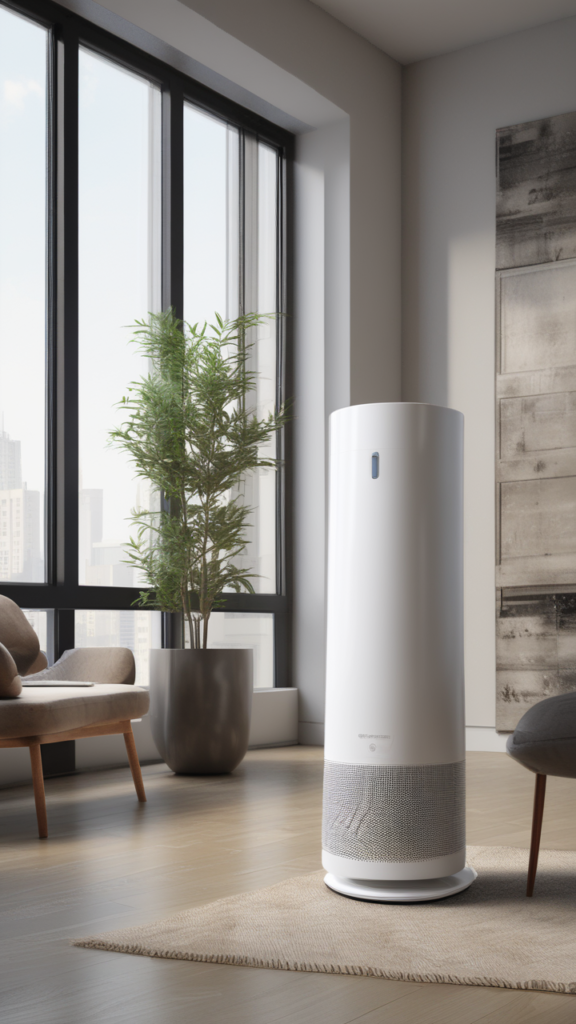
A quality air purifier with a true HEPA filter captures airborne particles—PM2.5, PM10, dust, pollen, pet dander, mold spores, and bacteria—down to 0.3 microns at 99.97% efficiency or better (H13 HEPA reaches 99.95%; H14 reaches 99.995%). This is the core strength of HEPA filtration.
What Air Purifiers Do Well
- Continuous particle removal regardless of outdoor conditions
- Consistent allergy and asthma management year-round
- Capturing airborne biological contaminants including bacteria and some viruses
- Protecting against wildfire smoke particles when combined with activated carbon
- Running without introducing outdoor pollutants
What Standard HEPA Purifiers Cannot Do
- Remove CO2
- Eliminate VOCs and gases without a substantial activated carbon stage
- Reduce indoor humidity or prevent condensation
- Replace the psychological benefits of fresh outdoor air
This last point matters: the best air purifiers for serious indoor air quality concerns combine a true HEPA filter with a meaningful quantity of granular activated carbon—not just a thin carbon-coated mesh, but several hundred grams to kilograms of activated carbon media that meaningfully adsorbs VOCs, formaldehyde, and odors.
Side-by-Side Comparison
| Factor | Opening Windows | Air Purifier (HEPA + Carbon) |
|---|---|---|
| Particle removal | Depends on outdoor AQI | Consistently high |
| Gas and VOC removal | Да | Да |
| CO2 reduction | Да | Нет |
| Allergy season | Often counterproductive | Beneficial |
| Urban environments | Often counterproductive | Beneficial |
| Wildfire or smoke events | Harmful | Beneficial |
| Bacteria and viruses | No control | Captured by HEPA |
| Cost | Free | Ongoing filter and energy costs |
Neither approach dominates every situation. They serve overlapping but distinct purposes—which is exactly why the smartest approach combines them strategically.
The Smarter Strategy: Use Both Intentionally
The healthiest indoor environment typically involves combining ventilation and filtration rather than choosing between them.
A practical daily approach:
Check outdoor AQI before opening windows. Your local weather service provide real-time air quality readings. If AQI is below 50 (Good) with low pollen, ventilate freely. If AQI is 51–100 (Moderate), brief ventilation is usually fine for healthy adults. Above 100, keep windows closed.
Time ventilation to avoid peak pollution hours. In cities, air quality is typically better in mid-morning and early afternoon than during the morning or evening commute. Cooking-hour emissions from neighboring buildings also matter more than most people realize.
Run the air purifier when ventilation isn’t practical. During allergy season, wildfire events, winter temperature inversions, or high-traffic hours, keep windows closed and let the purifier do its job.
Use ventilation to clear CO2 and cooking fumes, then switch back. A 10–15 minute burst of cross-ventilation after cooking or cleaning can dramatically improve indoor air quality without requiring extended exposure to outdoor pollutants.
The Filter Quality Question
Not all air purifiers are equal, and the filter cartridge inside determines actual performance. A purifier marketed as “HEPA-type” or “HEPA-like” is not the same as a device using a certified true HEPA filter.
Key specifications to look for:
- HEPA grade: H13 (99.95% particle capture at 0.3 microns) or H14 (99.995%) for performance that holds up under real conditions
- CADR rating: Clean Air Delivery Rate—a higher number means more effective cleaning for larger rooms
- Activated carbon weight: Measured in grams or kilograms, not just the presence of carbon media. More carbon means better gas and odor adsorption capacity and longer useful life
- Filter replacement interval: Quality HEPA filters typically last 6–12 months depending on pollution levels and usage. Carbon stages may need more frequent replacement in heavily polluted environments
Where You Live Changes the Calculation
This point deserves emphasis. The right approach for someone in rural New Zealand is completely different from someone in central Shanghai, Mexico City, or Los Angeles.
In genuinely clean-air rural and suburban areas, opening windows frequently is often the right answer. Fresh outdoor air is better than recirculated indoor air, and an air purifier may only be meaningfully necessary during wildfire season or pollen peaks.
In dense urban environments, near industrial facilities, or in regions with regular wildfire risk, outdoor air is often measurably worse than indoor air—even on days that look pleasant. A city resident who checks their local AQI regularly will find that “clear” weather doesn’t always mean clean air. In these environments, a quality air purifier with HEPA and activated carbon does meaningful work that windows simply cannot.
This is why building a habit of checking real-time air quality data is more useful than following a fixed rule about windows and purifiers.
HIFINE’s Role in Air Filtration
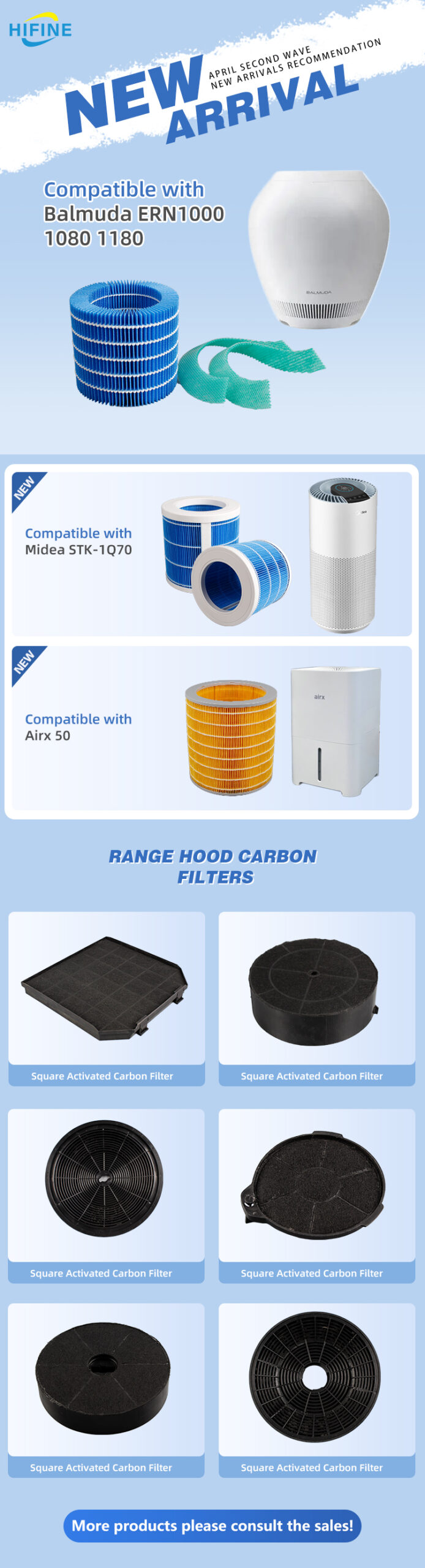
At HIFINE, we manufacture H13 and H14-grade HEPA filter elements for air purifier OEM applications, along with activated carbon filter cartridges for combined particle and gas removal. Our filters are used in residential, commercial, and industrial air quality equipment. ISO9001 and BSCI certified production with a daily output capacity of 50,000 units.
View our air filtration product range for OEM specifications and custom cartridge development.
For a deeper look at what even the best filter cartridges physically cannot remove, read our guide on the physical limits of filtration technology. And if you’re also evaluating water filtration for your facility or product line, our breakdown of how to choose between PP cotton, activated carbon, UF, and RO cartridges is worth reading alongside this one.