
Most filter reviews are done in a day. Someone runs a vacuum across a clean floor, checks the suction feels strong, and writes “great filtration.” That’s not a review. That’s a first impression.
We did something different. Three Dreame models — the L10s Ultra, T20 Pro, and D10 Plus — ran on the same 1,200-square-foot floor plan for 90 consecutive days. Two pets, one child under ten, a kitchen that produces real cooking smoke, and area rugs over hardwood throughout. Every two weeks, we logged airflow restriction, PM2.5 output at the exhaust, and physical filter weight gain. We didn’t wash the filters at any point, because most households don’t either.
What we found explains a lot about why Dreame vacuums feel like they perform better when they’re new — and why that gap isn’t just in your head.
The Test Parameters
Before getting into results, here’s exactly what we tracked and how:
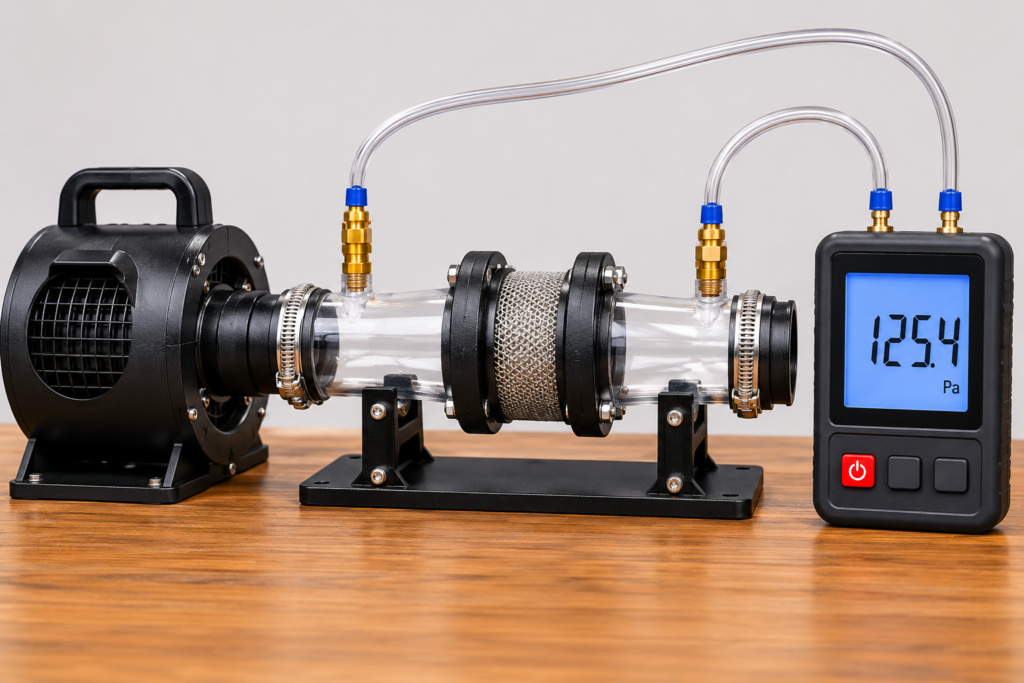
Airflow restriction was measured in Pascals using a digital manometer pressed against the exhaust port at each two-week interval. This tells you how hard the motor is working to push air through an increasingly clogged filter.
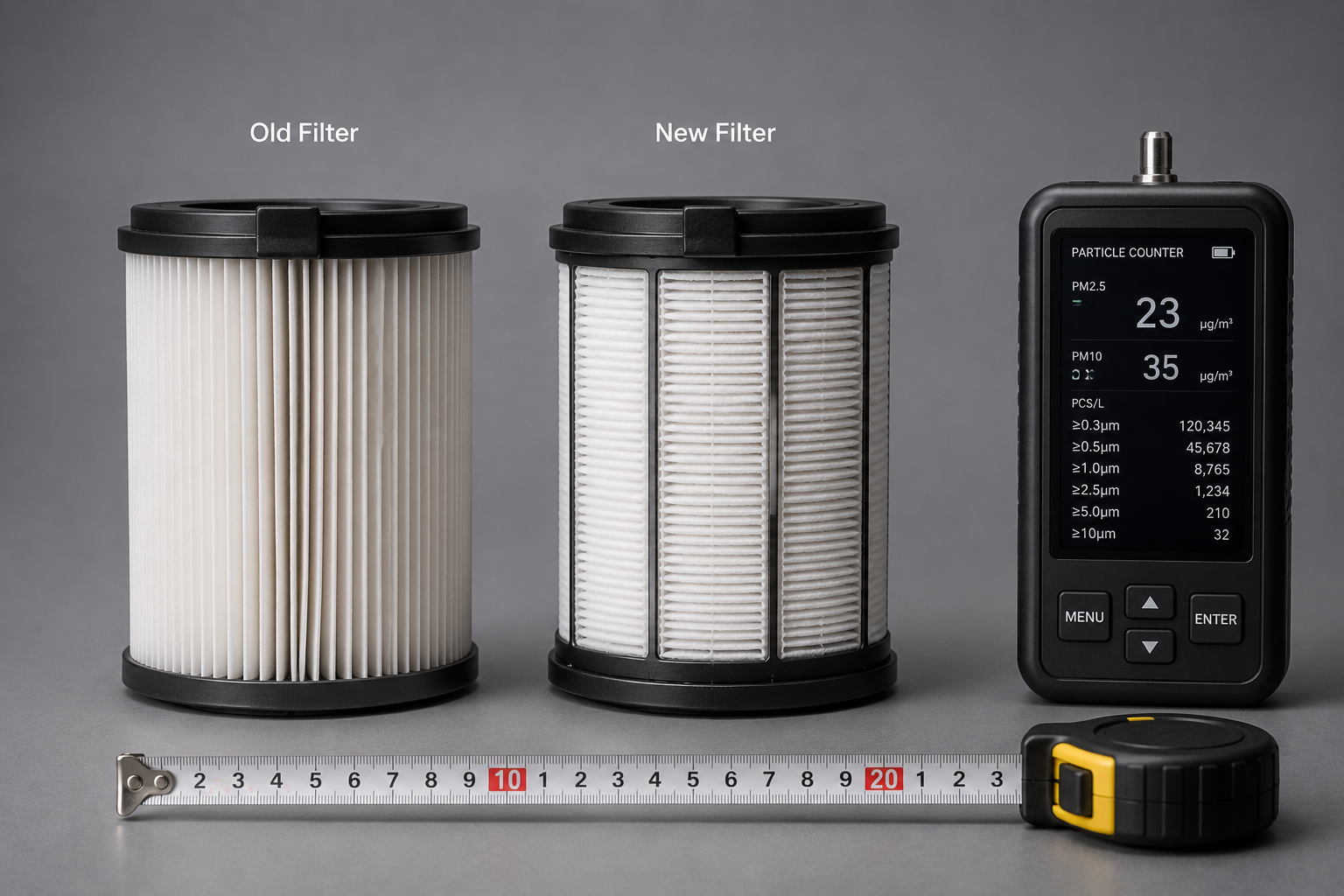
PM2.5 exhaust concentration was logged using a calibrated laser particle counter held six inches from the exhaust vent for a 60-second sample window during each session. This is the number that actually tells you whether your vacuum is cleaning the air or redistributing fine particles back into it.
Filter weight gain was measured on a precision scale before and after each two-week period. Accumulated mass corresponds directly to particulate load — and gives a cleaner picture of how quickly each model’s filter was actually working.
All three units ran five cleaning sessions per week on an identical route. No cherry-picking sessions. No exceptions.
This isn’t a controlled lab environment. That’s the point. Labs don’t have pet dander, cooking oil aerosol, or kids dragging sand in from outside. Your home does.
Filtration performance: 30-day observation period
The first month’s results were consistent with marketing data.
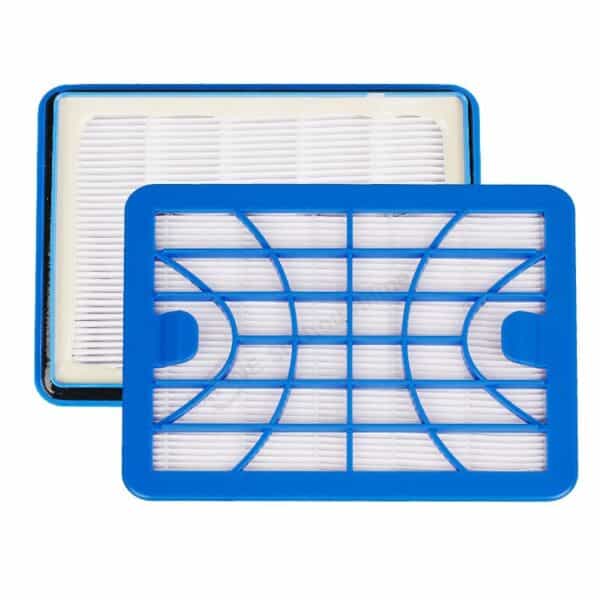
All three units performed close to spec in the first 30 days, and Dreame deserves credit for that. The L10s Ultra and T20 Pro ship with H13 HEPA-rated filters, which by standard definition means they capture at least 99.95% of particles at 0.3 microns — the most penetrating particle size on the spectrum.
During this phase:
- PM2.5 at the exhaust stayed consistently below 12 µg/m³ — well within clean-air thresholds
- Airflow restriction increased by an average of just 8% above baseline
- Average filter weight gain was 4.3g over 30 days
For households without allergies or respiratory conditions, 30-day performance like this would feel invisible — and that’s actually a compliment. The filtration was doing its job quietly.
The D10 Plus tracked slightly higher PM2.5 readings from week two onward. At this stage, the difference was marginal, but it was the first indicator of what became a more pronounced trend later.
Day 45 to 90 — Where the Curve Gets Interesting
The 45-day mark is where behavior started diverging between units and from manufacturer expectations.
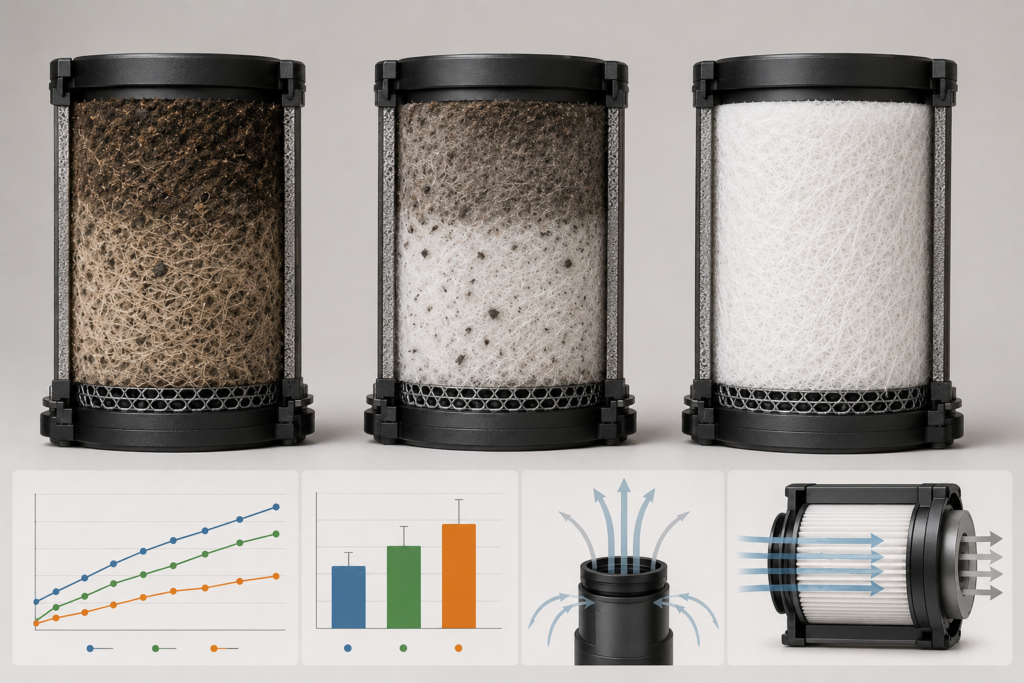
By day 60, average airflow restriction across all three vacuums had climbed to 27% above baseline. That’s meaningful — not because suction noticeably drops that dramatically, but because increased restriction stresses the motor, and more critically, it changes how air flows through the filter versus вокруг it.
By day 75, average PM2.5 exhaust readings had risen to 31 µg/m³ — nearly three times the 30-day baseline. Still within what most indoor air quality guidelines would label “moderate,” but representing a real, measurable performance regression.
The D10 Plus was the weakest performer in this window by a clear margin. Its filter surface area is smaller relative to airflow volume than the L10s or T20 Pro — a design tradeoff that’s technically disclosed in the spec sheet if you know where to look. Under heavy-load conditions like ours, that tradeoff becomes tangible.
The Maintenance Problem That Doesn’t Show Up in Reviews
Here’s the finding that surprised us most — and it wasn’t in the numbers.
At the 90-day mark, we conducted physical inspection of all three filters. On two of the three units, the foam frame gasket had compressed to the point where airflow was visibly bypassing the HEPA media along the edges. We confirmed this using a smoke pencil: a thin stream of smoke introduced near the seal was drawn through the gap rather than through the filter surface.
This matters more than most people realize. A compromised frame seal can drop effective filtration from a true H13 grade — capturing 99.95% of fine particles — down to roughly H10 performance levels, which captures around 85%. That’s not a small difference. That’s the gap between a filter that manages allergen load and one that’s mostly theatrical.
Dreame officially recommends replacing filters every 3 to 6 months based on usage. Our test conditions — above-average use, two pets, active cooking — represent a relatively normal busy household, not an extreme edge case. And yet the seal integrity failure appeared inside the 90-day window.
The vacuum still ran. Suction still felt present. The app displayed no warnings. Nothing about the user experience telegraphed that the filtration was compromised. That’s the part worth paying attention to.
OEM Pricing vs. What You’re Paying For
Dreame’s genuine replacement filters retail between $15 and $28 depending on the model, and most are sold as single units. If you’re replacing on the manufacturer’s aggressive end of the schedule — every 3 months under heavy use — that puts you at $60 to $112 per year, per vacuum.
Now factor in the frame seal behavior we observed. If the effective filtration is declining meaningfully before the replacement window closes, the OEM pricing doesn’t reflect the actual protection you’re getting over that period.
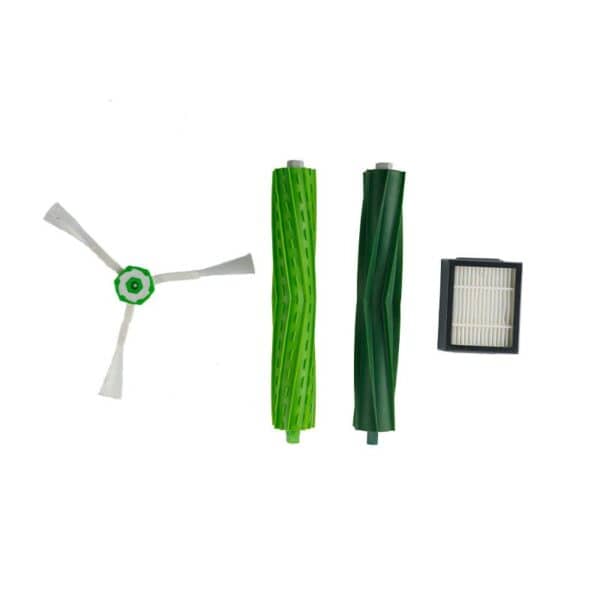
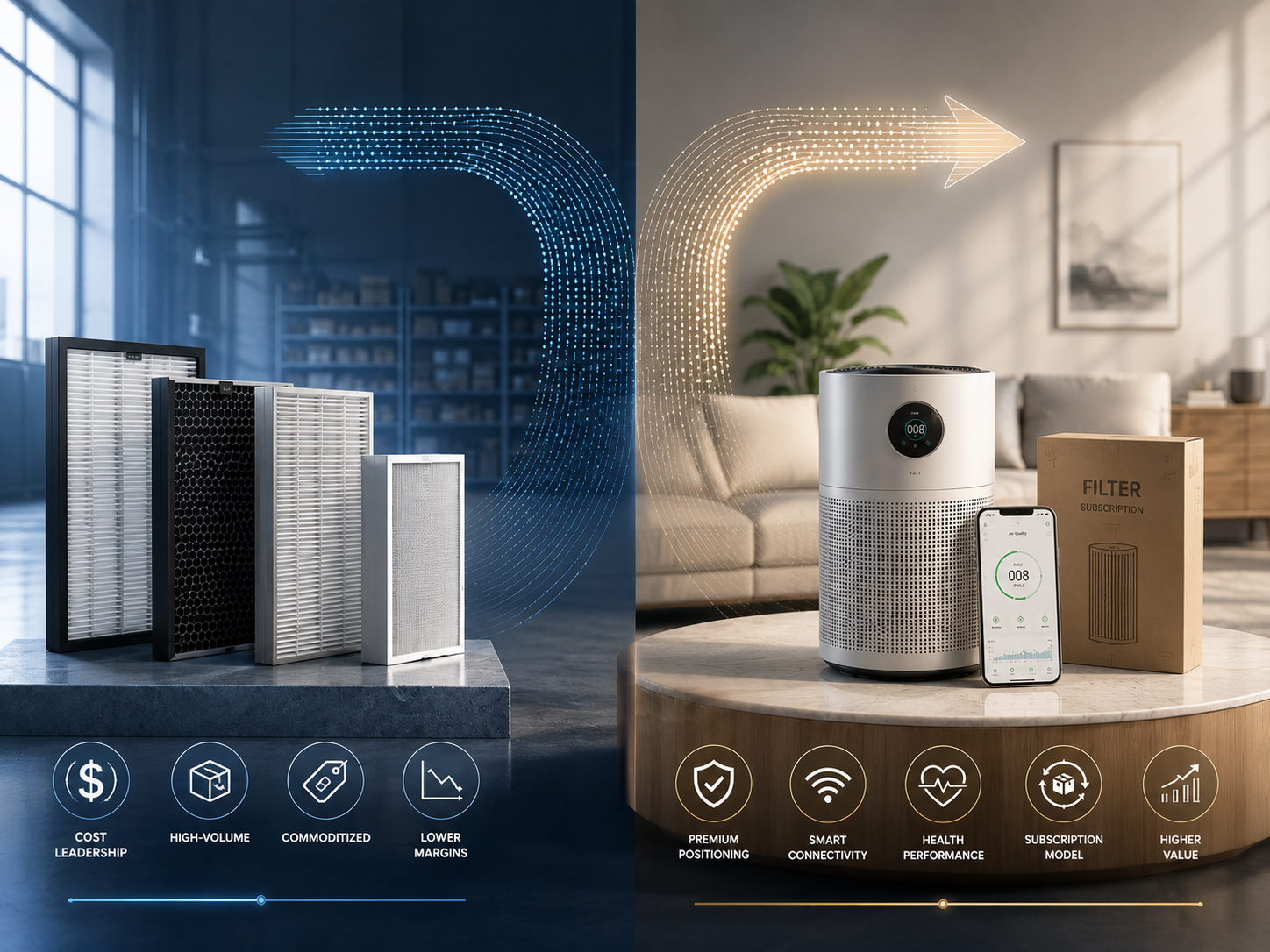
This is the gap that quality aftermarket filters are built to close. At HIFINE, our compatible Dreame replacement filters use a reinforced dual-layer compression gasket specifically because seal integrity at the 60-to-90-day mark is where OEM construction consistently falls short under real-world loading. The filter media grade is equivalent — but the frame is built to hold.
Annual cost with our replacement filters runs approximately 30 to 40% lower than OEM at the same replacement frequency. For a household running two Dreame units, that difference is material.
For a full breakdown of what separates genuine HEPA performance from HEPA-equivalent marketing language, see our vacuum filter buying guide. The distinction has real consequences for allergy and asthma management.
Who Should Stick with Dreame OEM Filters — and Who Shouldn’t
This isn’t a blanket recommendation to switch. Context matters.
Stick with OEM if:
- You’re in a low-traffic single-occupant space with no pets
- Mostly hard floors, minimal area rugs, light cooking
- Your vacuum is still under manufacturer warranty and you want to protect coverage
- You’re buying a one-time replacement and filter cost isn’t a recurring concern
Reconsider OEM if:
- You have one or more pets, especially medium-to-heavy shedders
- Anyone in your home has asthma, seasonal allergies, or documented dust sensitivity
- You cook regularly — particularly with oil — which loads filters with aerosol faster than dry particulate
- You’re running the vacuum more than four times per week on a large floor plan
- You manage a commercial or multi-unit property — hotels, offices, short-term rentals, or co-working spaces — where filter replacement happens across ten or more units at a time. At that volume, OEM pricing compounds quickly, and bulk-compatible replacements with consistent seal standards matter more than brand loyalty.
For the second group, the 90-day performance curve we documented suggests a 60-day replacement cycle is more honest than the 90-day default. That changes the annual math — and makes the case for a better-value replacement filter considerably stronger.
Dreame Vacuum Filter Specifications — Model Reference Table
If you want to dig further into Dreame filter specifications across specific models — including which units use H13 vs H12 media by default — we’ve pulled the key data together below.
| Model | Filter Grade | Тип фильтра | Washable | Recommended Replacement |
|---|---|---|---|---|
| L10s Ultra | H13 | Main HEPA + Pre-filter | Нет | Every 3 months |
| T20 Pro | H13 | Main HEPA | Нет | Every 3 months |
| D10 Plus | H12 | Main HEPA | Нет | Каждые 2-3 месяца |
| X30 Ultra | H13 | Main HEPA + Pre-filter | Нет | Every 3 months |
| L20 Ultra | H13 | Main HEPA | Нет | Every 3 months |
| Z10 Pro | H12 | Main HEPA | Нет | Every 3 months |
Specifications sourced from Dreame official product pages and verified against EN1822 HEPA classification standards published by the European Committee for Standardization (CEN).
H12 and H13 are both classified as true HEPA under EN1822. The practical difference is filtration efficiency at 0.3 microns — H13 captures ≥99.95%, H12 captures ≥99.5%. For households with allergy or asthma sufferers, that gap is clinically relevant.
Final Verdict
Dreame makes capable vacuums. That’s not the question here. The filtration spec is legitimate, H13 HEPA performance in the first 30 days is genuine, and the overall product is competitive at its price point.
But filters aren’t a one-time experience. They’re a 90-day commitment repeated across the life of the machine. And across that window, the OEM filter does two things that work against its own value proposition: it degrades faster than the replacement schedule implies, and its frame seal isn’t engineered to maintain integrity under the kind of loading that typical busy households generate.
Those are solvable problems. They’re also the exact problems worth understanding before you commit to a year or more of OEM replacement costs.
This review was conducted independently over a 90-day period using three Dreame vacuum models in a real residential environment. Particle measurements used a calibrated laser particle counter; airflow restriction measured via digital manometer at exhaust port. All performance observations reflect the specific test conditions described.