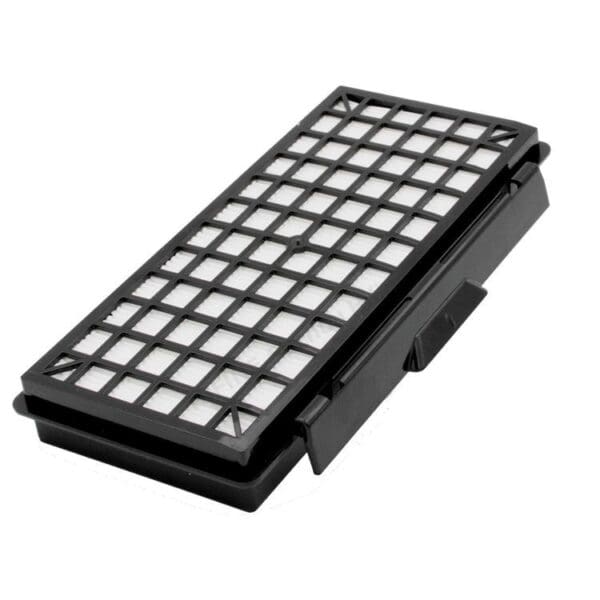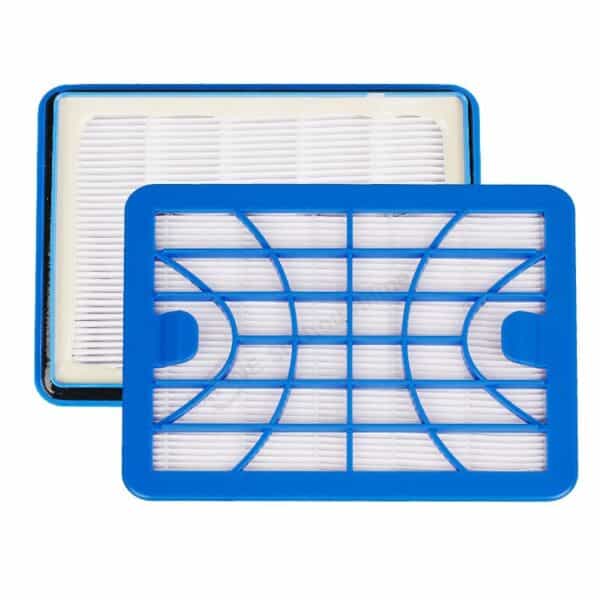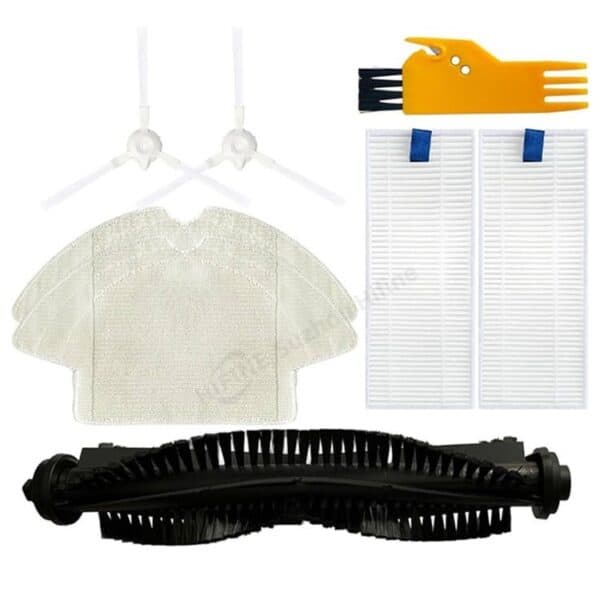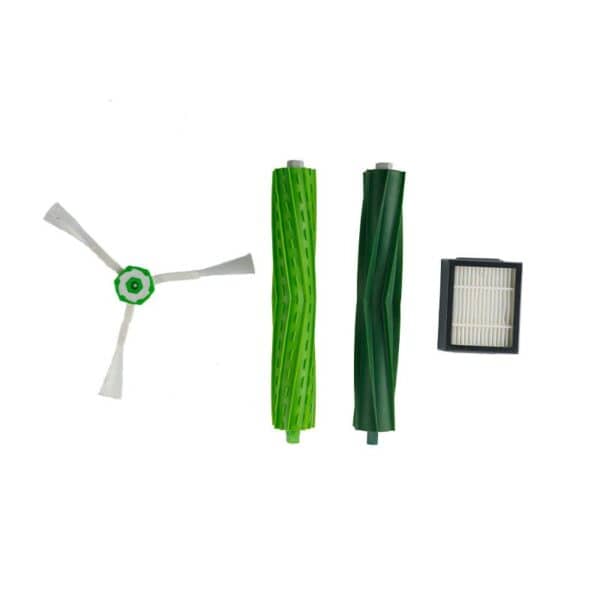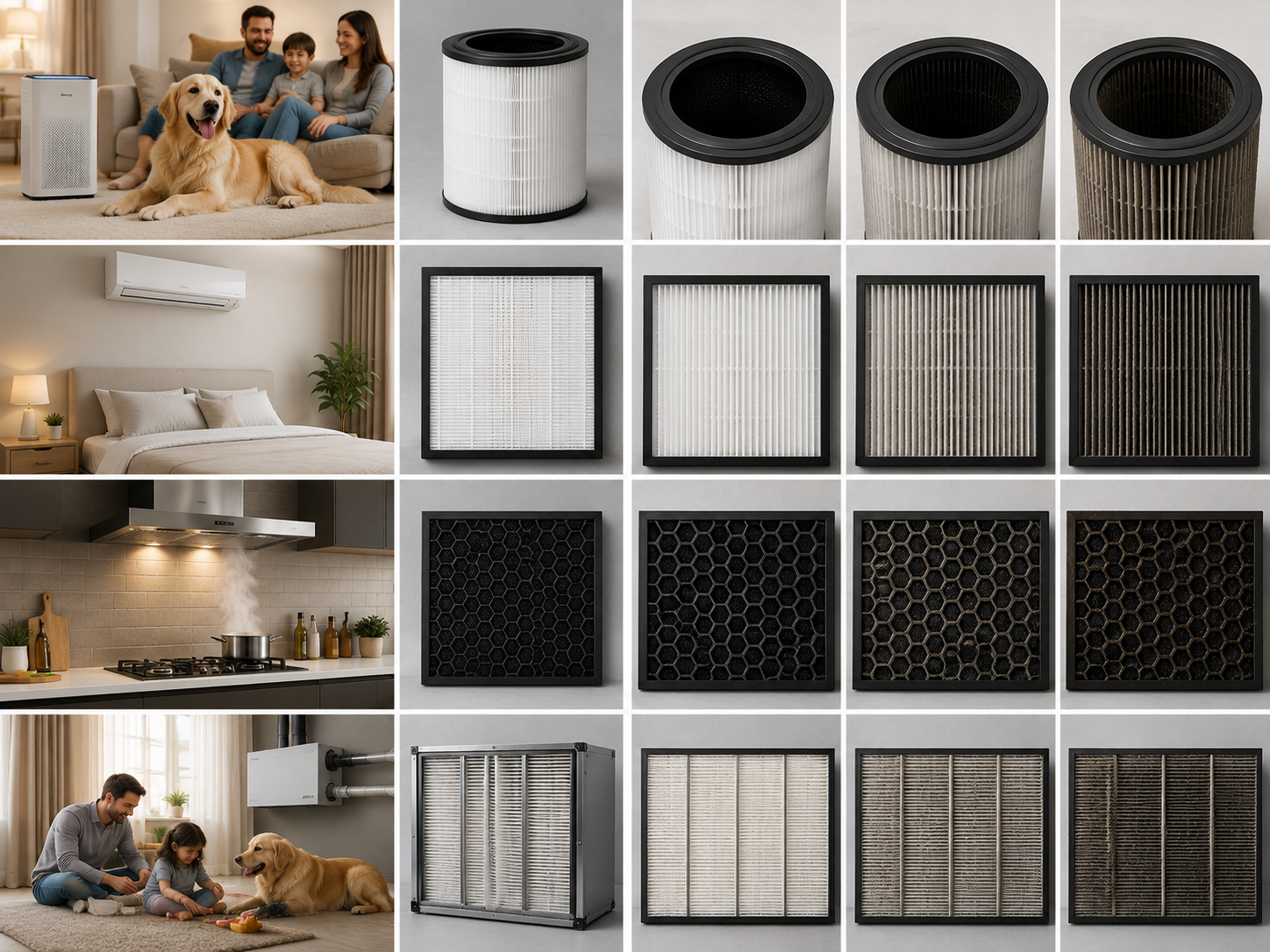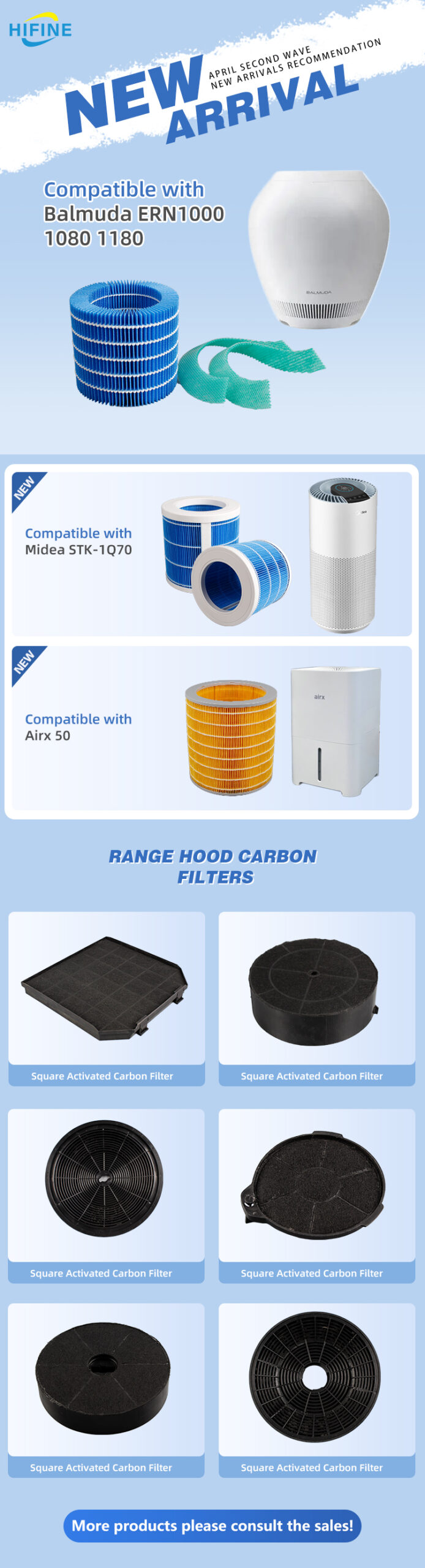

What we’ve found is that most air filtration failures trace to the same source: the wrong filter specification for the actual pollutant load. Not the wrong brand. Not the wrong housing. The wrong filter media.
The HVAC Filter Was Never Designed to Clean the Air You Breathe
The filter inside a residential HVAC unit was specified to protect mechanical equipment, not to improve the air that occupants breathe. That is not a criticism—it is the design brief the filter was manufactured to meet. Its job is to prevent lint, pet hair, and coarse debris from reaching the blower wheel and heat exchanger coils, where accumulation leads to equipment failure.
Labels like “allergen reducer” or “captures 95% of particles” appear on retail packaging because marketing language is not regulated the same way filtration performance is. When those claims are tested against the particle sizes that cause respiratory harm, the gap becomes apparent. The U.S. EPA has documented that indoor air in tightly built, energy-efficient homes can carry two to five times the particulate load of outdoor air—even in homes with functional, recently replaced HVAC filters.
What the MERV Rating Reflects
MERV is an ASHRAE test standard, scored 1 to 20, measuring how efficiently a filter captures particles within specific size ranges under controlled laboratory airflow conditions. Most residential HVAC filters ship rated between MERV 4 and MERV 8. Upgrading to MERV 11 or MERV 13 improves particle capture in testing.
In practice, two factors limit that improvement.
First, the ASHRAE 52.2 test runs at a standardized face velocity. Residential duct systems move air faster across a smaller filter area, which reduces contact time between air and filter media. PM2.5 particles—the fraction most associated with cardiovascular and pulmonary disease—carry enough momentum to pass through a filter that would stop them under lab conditions.
Second, higher-MERV filter media is denser by design. Without a corresponding increase in filter face area or blower capacity, the added resistance raises static pressure, reduces system airflow, and increases energy draw. In configurations we’ve tested, the net effect on air quality can be negative.
This is not a theoretical concern. In our filter media testing, the same fiber grade performs measurably differently depending on the airflow speed it faces. Filter specification without airflow specification is an incomplete data set.
When the Filter’s Primary Job Is Air Quality
Air purifier filtration is built around a different engineering objective, which means the filter media itself is constructed differently.
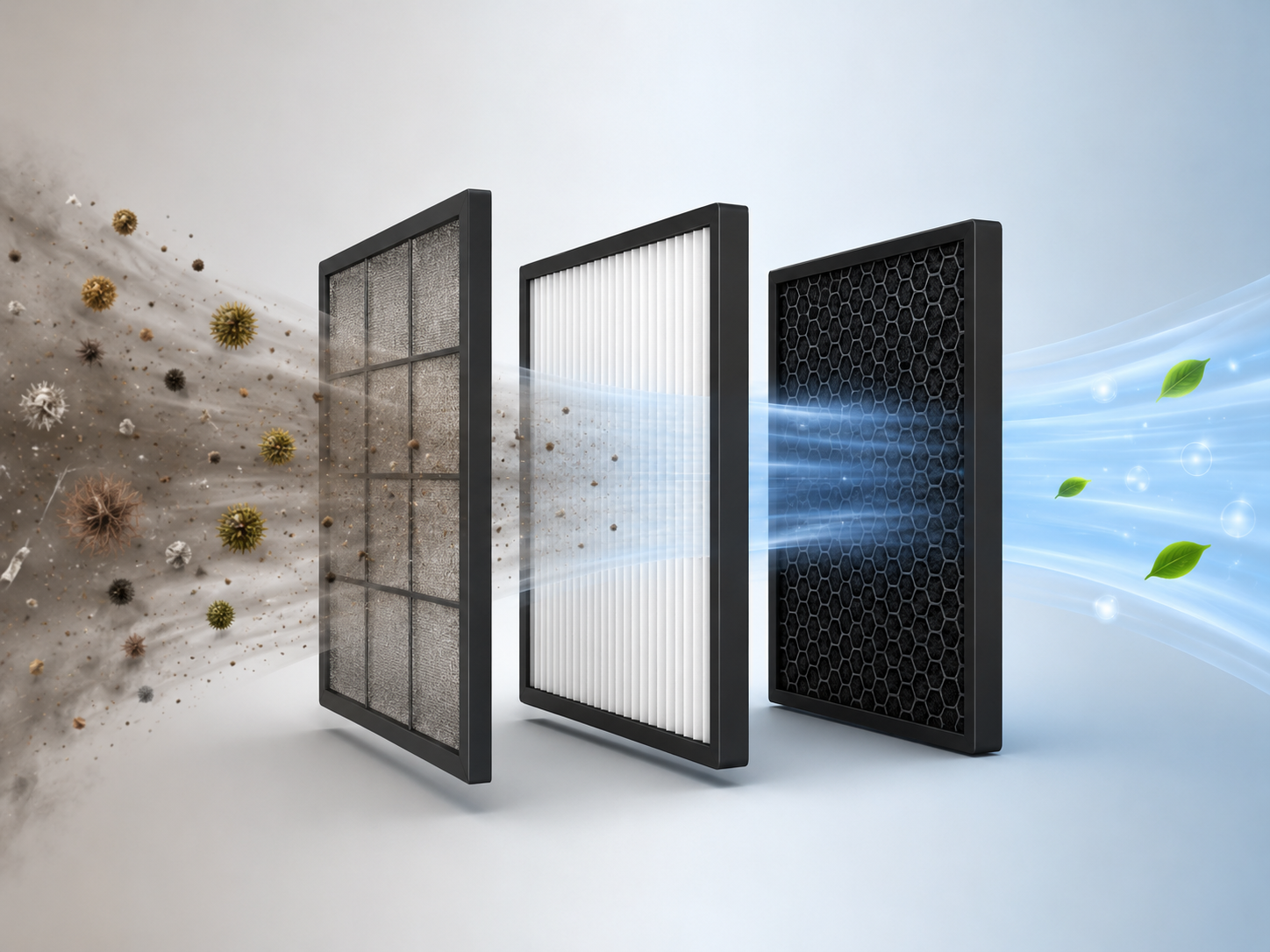
A True HEPA filter—grade H13 or H14—is a dense mat of randomly arranged borosilicate glass microfibers. Particles are captured through three mechanisms simultaneously: inertial impaction for larger particles, interception for mid-range particles, and diffusion for the ultrafine fraction. At 0.3 microns—the most penetrating particle size for fiber-based filters—True HEPA media achieves 99.97% capture efficiency at H13 grade, and exceeds 99.995% at H14.
Face velocity is why this works where HVAC filtration does not. A standalone air purifier draws air through the filter slowly and deliberately, giving the fiber matrix sufficient contact time to intercept particles that would otherwise pass straight through at higher speeds.
At HIFINE, we manufacture H13 HEPA filter media and H14 HEPA filter media across our air purifier filter line. The practical distinction between grades matters in specific applications: H13 is appropriate for residential and most commercial environments; H14 is specified for pharmaceutical environments, hospital isolation units, and allergy-sensitive households where the higher efficiency margin justifies the additional pressure drop. We publish filter efficiency curves for both grades because the choice between them should be based on data, not marketing preference.
Why “HEPA-Type” Is a Manufacturing Distinction, Not a Minor Detail
From a filter manufacturer’s standpoint, the difference between “True HEPA” and “HEPA-type” is straightforward: one has been tested and certified to the 99.97% efficiency standard at 0.3 microns; the other has not.
“HEPA-type” and “HEPA-style” are marketing descriptors with no corresponding performance requirement. A filter sold under those terms could capture 85% of target particles—or 60%. There is no standard it is required to meet, and no independent test result it is required to disclose.
We raise this not to criticize competitors but because it affects how buyers should evaluate filter specifications. When sourcing air purifier replacement filters—whether for retail, wholesale distribution, or OEM programs—request the actual efficiency test report at 0.3 microns, not the category claim on the box.
Activated Carbon: Where Fiber-Based Filtration Stops
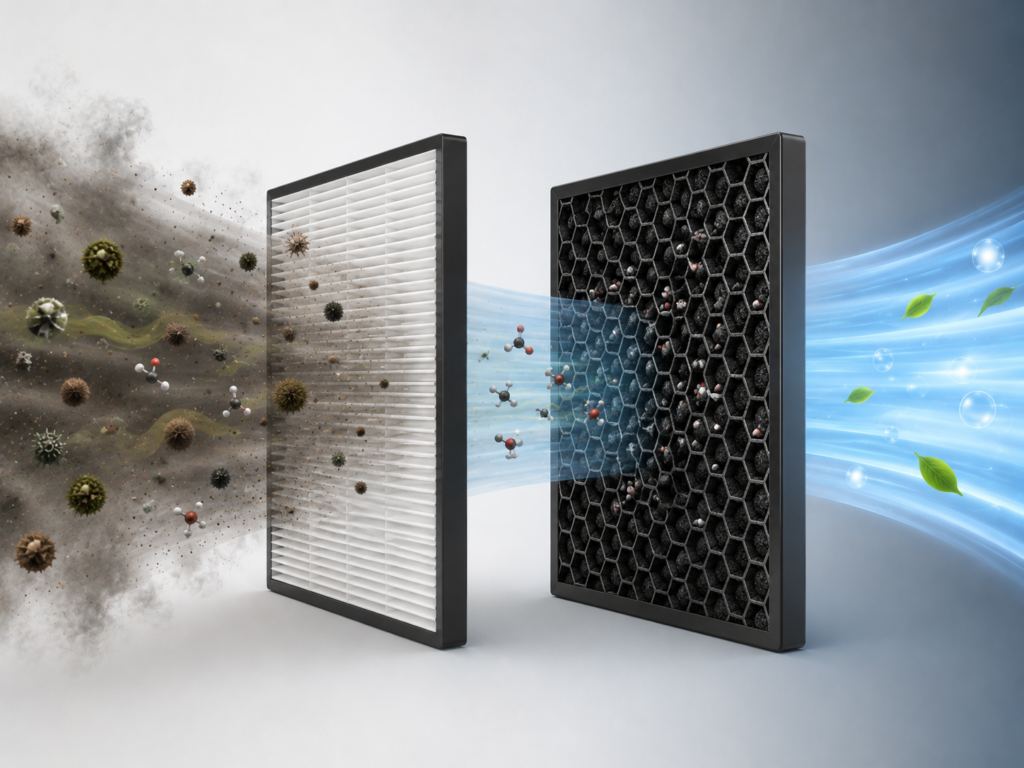
Many air purifier filters incorporate an activated carbon stage alongside the HEPA layer. The carbon addresses volatile organic compounds—off-gassing from adhesives, flooring, paint, and cleaning products that fiber-based filtration cannot capture at all. A formaldehyde molecule is roughly 0.0003 microns—one thousand times smaller than HEPA’s effective range. It passes through glass fiber media as if the filter weren’t there.
One specification that matters more than most buyers ask about: total activated carbon mass, not just carbon presence. A filter with 50 grams of carbon saturates quickly and stops adsorbing within weeks under any meaningful VOC load. A filter with 500 grams will hold up through a full service cycle.
In our dual-stage HEPA and activated carbon filter production, we specify carbon weight in grams for each SKU. If a supplier cannot tell you the carbon mass in their filter, the saturation timeline is unknown—which means the filter’s effective service life for chemical contamination is also unknown.
Whole Home Air Filtration: The Filter Specification Is What Matters
Portable air purifiers are effective within the room they serve, provided the unit is appropriately sized for that room’s volume. The coverage constraint is real: one unit treats one zone.
For households that need consistent air quality across multiple rooms, the practical solution integrates filtration into the existing HVAC infrastructure. A whole home air filtration system—whether a media cabinet, a bypass HEPA module, or a high-MERV pleated system with UV germicidal irradiation—treats all air circulated by the central system in a single pass.
The device category matters less than the filter specification installed inside it. A whole house air filtration system built around a properly rated MERV 14–16 filter media with correct face area will consistently outperform one with a premium housing and lower-grade filter media. This is not a theoretical claim—it is what our media testing data shows across filter configurations. Manufacturers who supply both the housing and replacement filter cartridges have an obvious stake in that specification holding up over time; buyers sourcing replacement filters separately should verify media grade independently.
Sizing is the most commonly underestimated variable in whole home air filtration. Filter face area determines how much airflow resistance the system adds to the existing duct circuit. A filter specified for 1,200 square feet installed in a 3,500-square-foot home will either restrict airflow enough to reduce HVAC performance or load up with captured particulate faster than its rated service life suggests. Both outcomes increase operating costs.
Electrostatic and Hybrid Filtration Technologies
Some air purifier filter systems combine mechanical fiber filtration with electrostatic charging, which allows use of less dense filter media while maintaining rated capture efficiency. The tradeoff: electrostatic charge diminishes over the filter’s service life, meaning early-life and late-life performance differ. Efficiency curves are not flat across a service interval the way they are for pure mechanical HEPA filtration.
For product teams evaluating filtration technologies for OEM programs or wholesale distribution: the question is not which brand, but which mechanism holds up under actual operating conditions for the specific pollutant profile your end users face. Electrostatic systems may be appropriate where initial efficiency is the primary metric; mechanical H13 or H14 HEPA media is typically the right specification where consistent performance over the full service interval is required.
Matching Filter Specification to Actual Pollutant Load
The most consistent mistake in air filtration selection is optimizing for CADR—Clean Air Delivery Rate—without first identifying what the air actually contains. CADR measures how quickly a unit processes a room’s volume of air. It says nothing about which contaminants the filter handles, or how long the filter media holds up against a specific pollutant mix.
Start with the pollutant, not the device:
- Biological particles—pollen, pet dander, dust mite debris, mold spores—require dense mechanical filtration. A properly rated True HEPA filter, H13 or H14 grade, is the right media specification for that load.
- Chemical contamination from renovation materials, gas cooking, or off-gassing furnishings calls for activated carbon, and mass matters: 50 grams saturates in weeks; 500 grams lasts a full service cycle.
- Wildfire smoke and combustion events present both a particulate and a chemical challenge simultaneously, which is why single-stage filters consistently underperform in fire-affected regions. This is the clearest case for a dual-stage HEPA and activated carbon combination filter.
Measure first. An air quality monitor logging PM2.5, PM10, CO₂, and total VOC over several days reveals where contamination actually concentrates and when. A kitchen with a gas range may read higher for fine particulate during dinner than a bedroom overnight—which changes which room benefits most from dedicated filtration.
Filter Service Life: Calendar-Based Replacement Is an Incomplete Standard
A filter that exceeds its service interval does not simply stop working—it can begin releasing previously captured particles back into circulated air as the media becomes saturated and airflow forces material through.
Calendar-based replacement schedules do not account for actual particulate load. The same H13 HEPA filter cartridge will load up in half the time in a two-dog household in a wildfire-prone area compared to a single-occupant apartment with clean outdoor air. At HIFINE, we integrate sensor-based filter life monitoring into our connected filter line for exactly this reason.
For buyers sourcing air purifier replacement filters in bulk or through wholesale channels: filter service interval should be specified against the expected operating environment, not the calendar. A 12-month rating assumes baseline particulate load. In high-load environments, that interval may be 4 to 6 months—and the filtration cost per year changes accordingly.
A Note for Product Teams and Wholesale Buyers
If you’re evaluating filter media suppliers, sourcing OEM air purifier replacement filters, or building a wholesale air filter supply program, the specifications above are the same parameters our engineering team works against in production.
HIFINE has manufactured H13 and H14 HEPA filter cartridges, activated carbon combination filters, and pre-filter media since 2013. We are ISO 9001 and BSCI certified. If you need filter media test data, OEM specifications, or wholesale pricing for air purifier filters, vacuum cleaner HEPA filters, or whole home filtration media, contact our product team directly. We publish the specifications that most filter packaging leaves out.