
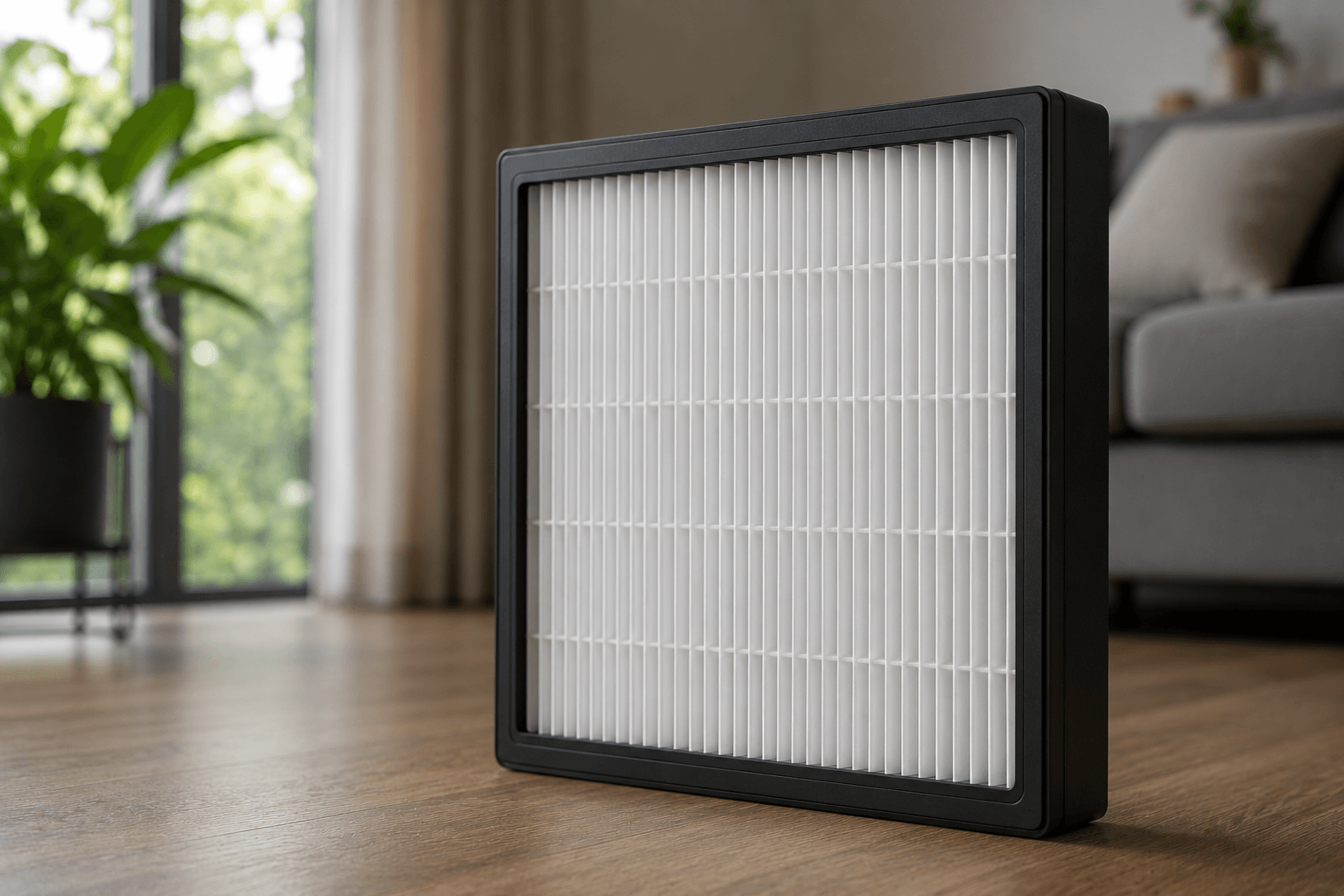
A portable air conditioner does not need a 高效过滤器 to cool a room. It needs one to do anything meaningful about the air people are breathing while it runs. That distinction matters more than it sounds, because most portable ACs sold today have no real filtration at all, just a plastic mesh screen that protects the coil and stops nothing smaller than hair and lint. So the honest question is not whether HEPA sounds like a premium feature on a spec sheet. It is whether a unit without one is doing anything for air quality in the first place, and the answer is no, it is only cooling the air, not cleaning it.
This gap matters most for allergy sufferers, whose symptoms often track directly with how much pollen, dust, and pet dander stays airborne in a closed room. We break down that connection in detail in why a HEPA filter matters more for allergy sufferers. For everyone else, understanding what a HEPA filter actually does inside a compressor-driven appliance is the difference between buying a cooling unit and buying one that also functions as an air quality tool.
What Role Does a HEPA Filter Play Inside a Portable AC?
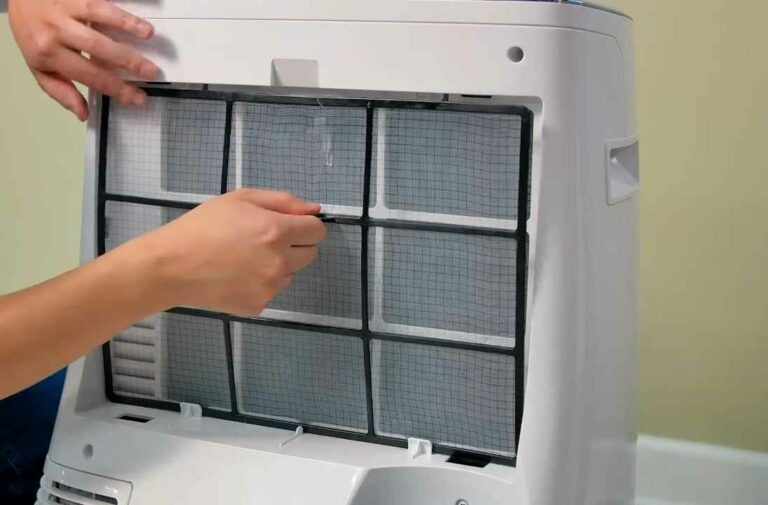
A portable AC with a HEPA filter is really two devices sharing one motor. The compressor and coil handle cooling. The filter stage, when it is a genuine HEPA filter rather than a bare screen, handles particle removal from the air pulled through the unit. These are separate jobs with separate performance metrics.
Cooling is measured in BTUs. Filtration is measured by the EPA’s Clean Air Delivery Rate, or CADR, which shows how much actually filtered air a unit delivers per minute, not just what the filter media is rated to capture in isolation. A unit can have a technically capable filter and still deliver a low CADR if the fan cannot push enough air through it. The filter’s role, in other words, is only as useful as the airflow behind it.
What Does a HEPA Filter Actually Block?
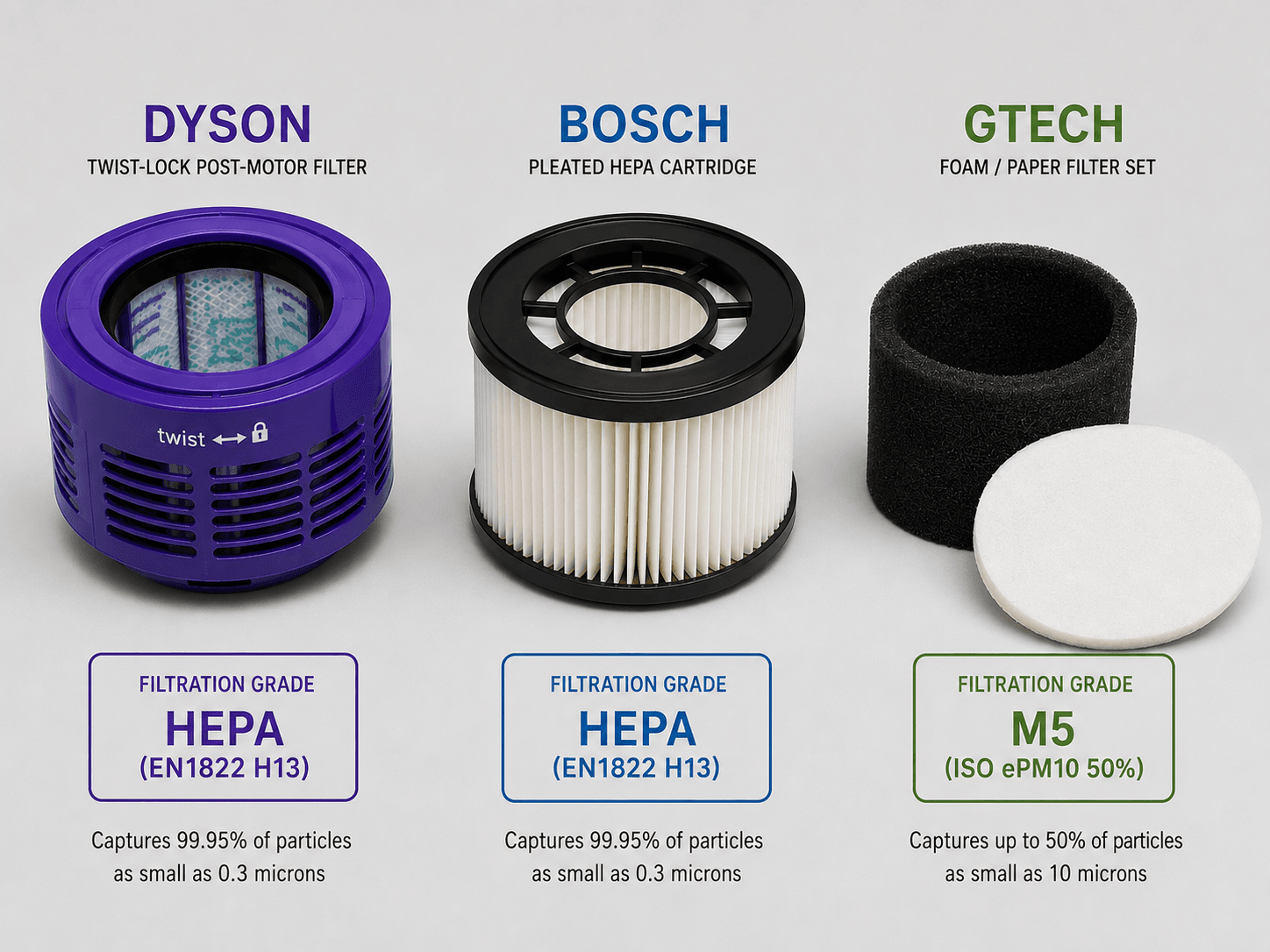
By the U.S. Department of Energy’s definition, a true HEPA filter removes at least 99.97 percent of airborne particles at 0.3 microns, the size range that is hardest for any filter to catch. Particles larger or smaller than that are trapped at even higher efficiency.
In a room, that range covers pollen grains, pet dander, mold spores, dust mite debris, and fine particulate matter down to PM2.5. A bare mesh pre-filter blocks almost none of this. It is built to stop hair, lint, and coarse dust from reaching the coil, not to remove the particles that actually trigger allergy and asthma symptoms. The gap between “has a filter” and “has a HEPA filter” is the gap between catching debris and catching allergens.
How Does a HEPA Filter Actually Work?
HEPA media is a dense, tangled layer of fine glass or synthetic fibers, and it catches particles through three separate mechanisms rather than acting like a simple sieve. Larger particles cannot follow the air as it curves around each fiber, so they slam directly into it, a process called impaction. Mid-size particles follow the airflow more closely but still graze against fibers as they pass and stick on contact, which is interception.
The smallest particles are light enough to move randomly through collisions with air molecules, known as Brownian motion, and this erratic path eventually drives them into a fiber regardless of the main airflow direction. Fiber diameter, filter thickness, and face velocity, the speed of air moving through the media, all determine how well these three mechanisms perform together.
Why a Portable AC Without a HEPA Filter Falls Short
A mesh-only unit does not remove allergens from the air, and it can make the problem feel worse in a closed room because the fan keeps recirculating the same particles the screen never caught. The EPA’s own guidance on air cleaning devices is blunt about this: window and portable units are built primarily for temperature control, and their filtration exists to protect the machine, not to clean the air people breathe. That means “has a filter” on a product listing tells a buyer almost nothing about air quality performance.
A specification sheet that says “filter included” without naming a HEPA class, or worse, one that says “HEPA-type” instead of “True HEPA” or an EN 1822 H13 or H14 rating, is describing a pre-filter, not a purifier. For any buyer evaluating a portable AC on air quality grounds, that distinction is the entire decision.
A portable air conditioner is not automatically good or bad for allergies. It is a cooling appliance with incidental filtration attached, and the outcome depends entirely on whether that filtration is a genuine HEPA stage or decoration around a marketing claim. That is the variable worth checking before anything else on the spec sheet.
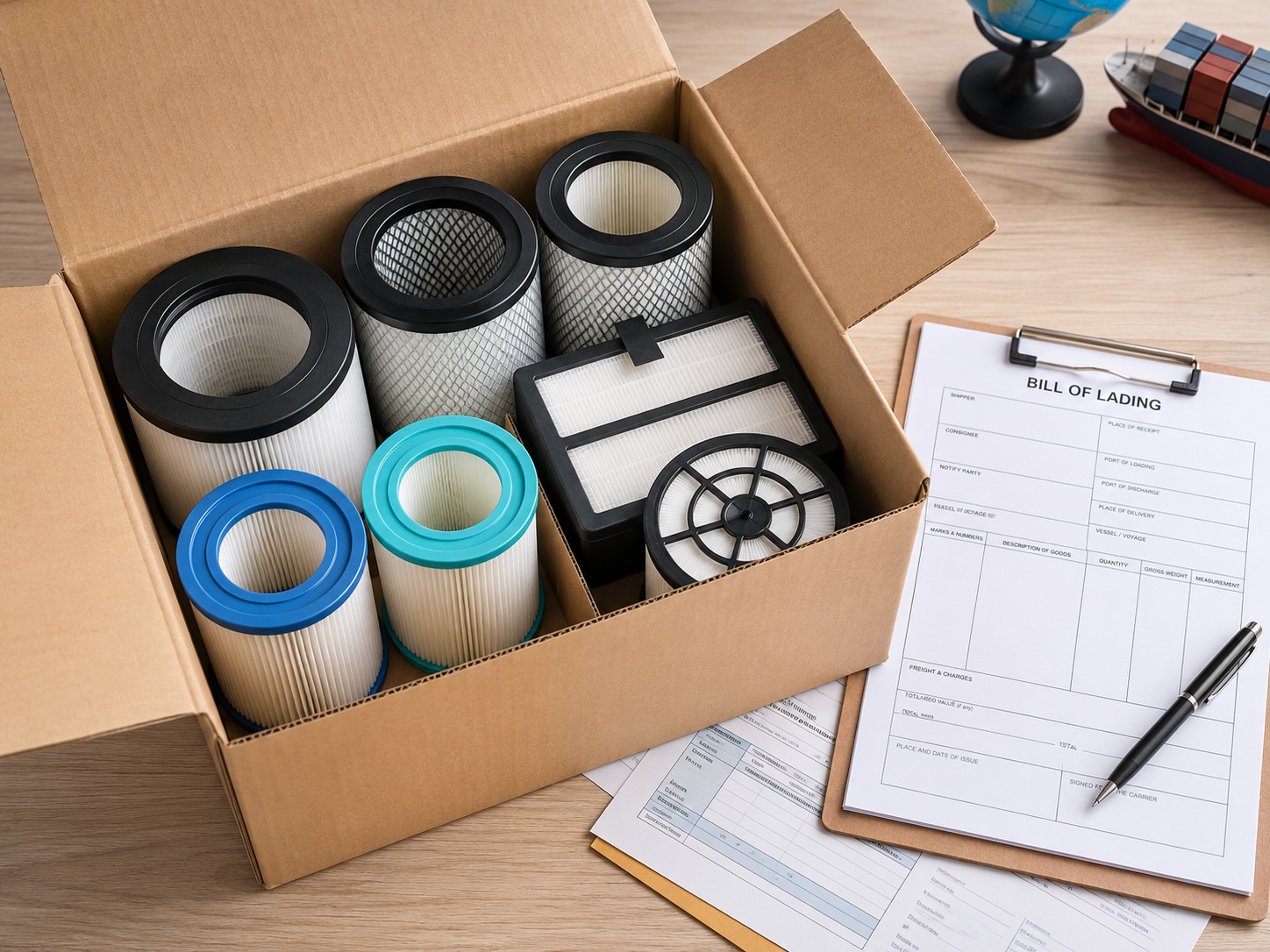
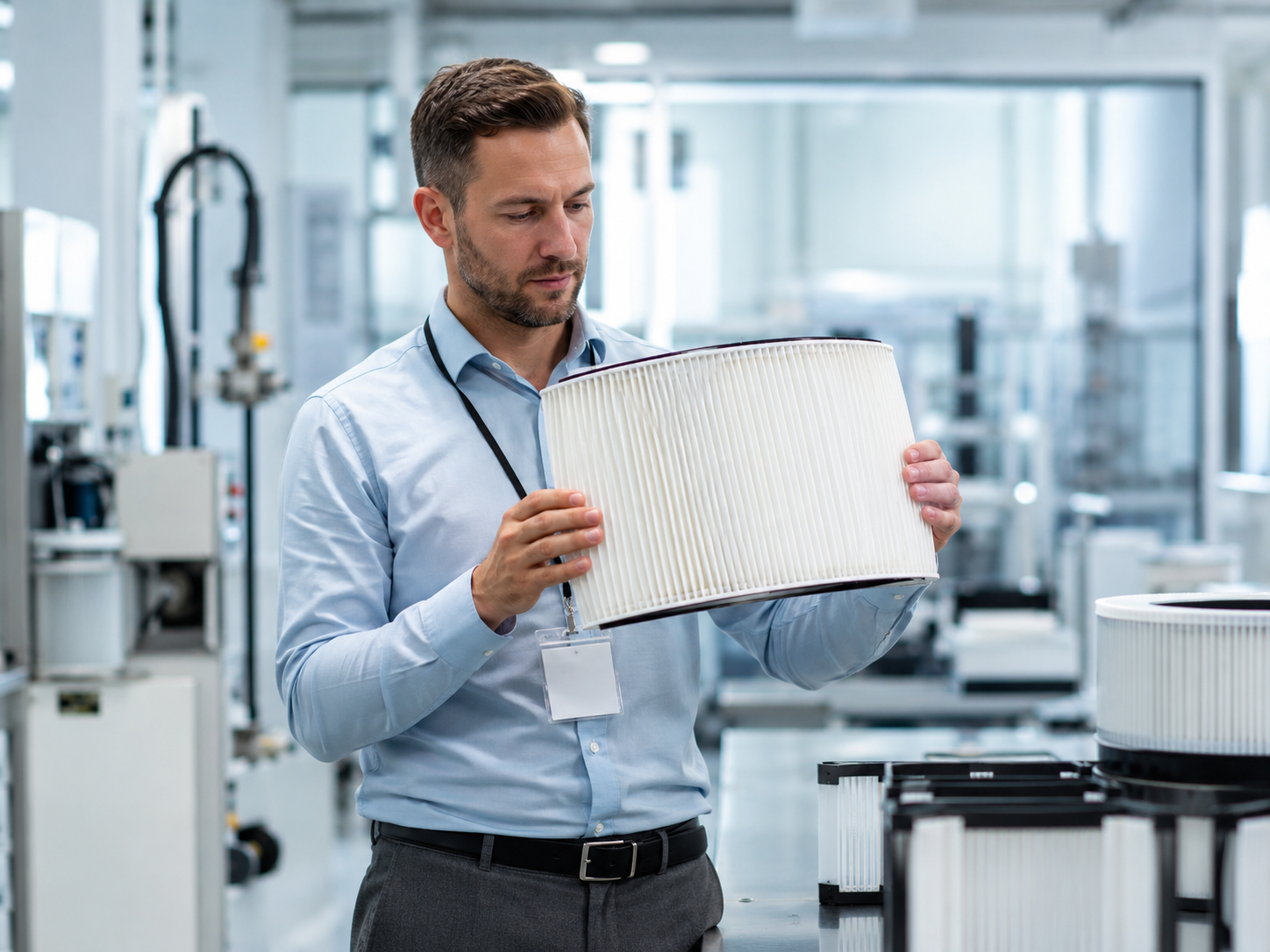
For brands and distributors sourcing filtration for portable air conditioners, robot vacuums, upright vacuums, or standalone air purifiers, filter media quality is the variable that determines whether a “HEPA” claim on the box actually holds up under testing. HIFINE manufactures H11 to H14 HEPA filter media and OEM and ODM filtration components, including air purifier filters, robot vacuum filters, dust bags, and vacuum cleaner filters, for bulk and private label buyers. Product specifications and bulk sourcing details are available at hifinefilter.com.