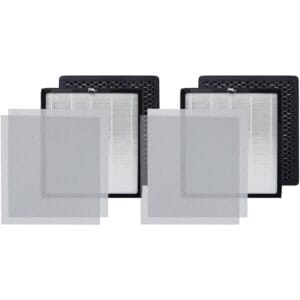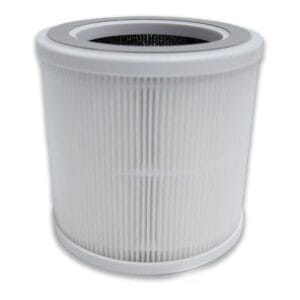

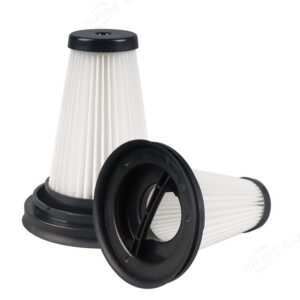
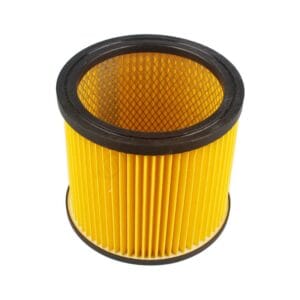
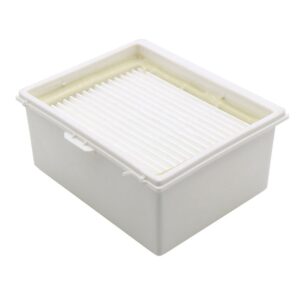
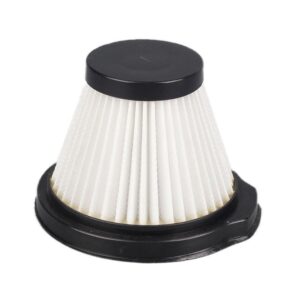
Most air purifier manufacturers source filter media based on dimensional fit and landed cost. The brands that build product lines around sinus and allergy health claims — and sustain those claims through repeat purchases and retailer relationships — source it based on specification.
The differences between the two sourcing methods are minimal, but significant differences exist in return rates, negative feedback rates, and retailer confidence. The key lies in the required specifications, testing documentation, and how uncertified suppliers typically negatively impact downstream brands.
Why the Filter Medium Carries Your Sinus Health Claim
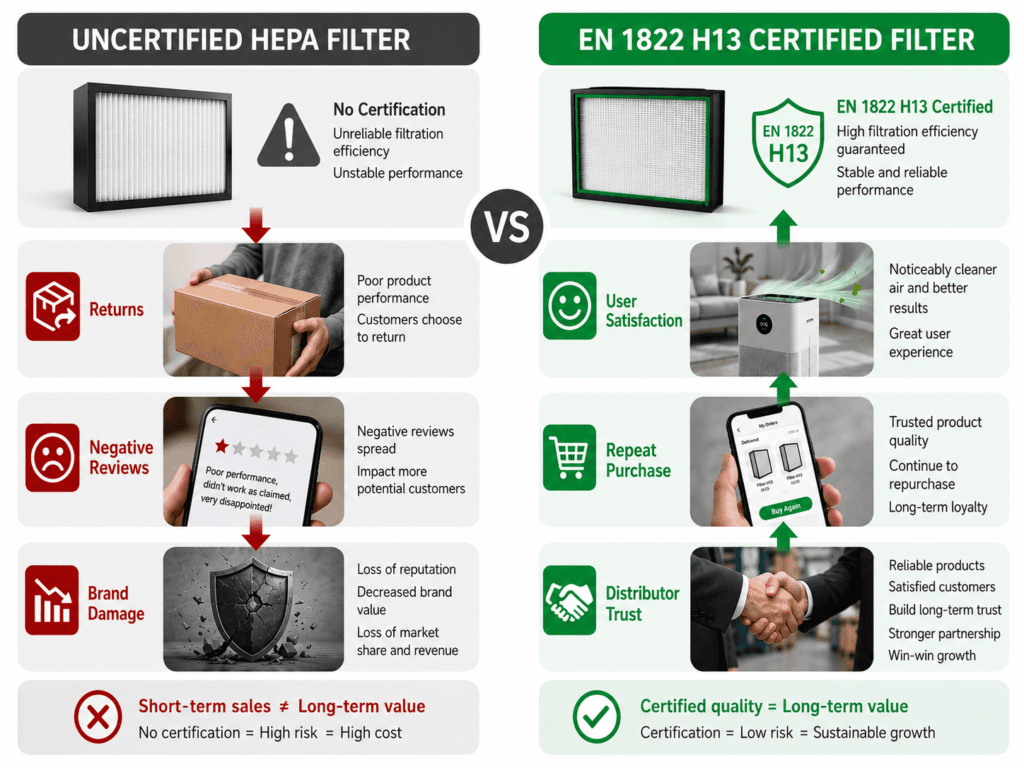
The air purifier housing, motor, and control board determine the user experience. The filter medium inside determines whether the health outcome described in the marketing is delivered.
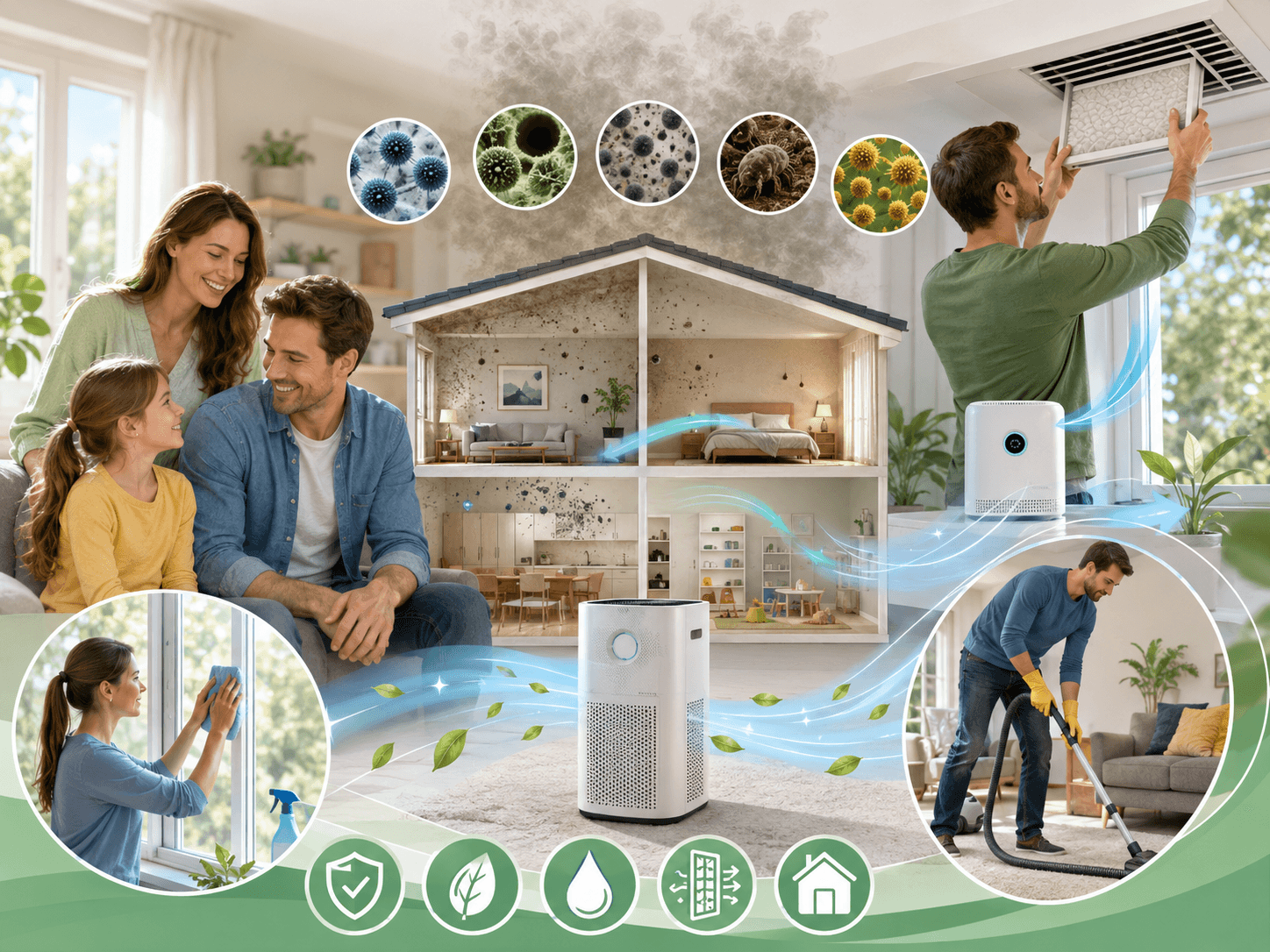
According to the U.S. Environmental Protection Agency, indoor air pollution levels can be two to five times higher than outdoor air pollution. Pollen, dust mite allergens, mold spores, and fine particulate matter accumulate in enclosed spaces. These particles are the main culprits behind sinusitis and allergy symptoms. High-efficiency particulate air filters are effective at filtering these particles—their filtration efficiency determines whether consumers can perceive an improvement in air quality.
When a consumer buys your air purifier for sinus relief and sees improvement, it is because the filter medium performed at grade. When they don’t — and return the product or post a complaint — the most common root cause is a filter medium that was underspecified, inconsistent across production batches, or past its effective service life. The specification decision made in procurement carries the brand’s health claim downstream into every unit shipped.
What EN 1822 Certification Actually Requires of Your Supplier
EN 1822 is the European standard defining HEPA filter grades from H10 to H14. For sinus and allergy product lines, H13 is the practical minimum — and the certification threshold that healthcare professionals, allergy organizations, and sophisticated retail buyers recognize when evaluating product claims.
Under EN 1822, an H13-rated filter medium must capture at least 99.95% of particles at the Most Penetrating Particle Size, typically 0.3 microns. H14 raises that to 99.995%. Both grades require per-filter testing — each individual filter is tested before it leaves the production facility.
What separates a genuinely compliant supplier from one presenting uncertified media with compliant-sounding documentation is the testing method:
- Per-filter testing: Required under EN 1822 for H13 and above. Every filter is individually verified against the MPPS efficiency threshold before shipment.
- Batch sampling: A sample from a production run is tested, with results applied to the entire lot. Common among lower-tier suppliers; insufficient for H13 grade claims.
Filters supplied as “HEPA-type,” “HEPA-equivalent,” or “HEPA-grade” without an EN 1822 certification number are generally batch-sampled at best. For a product line with sinus health positioning, the gap between sample-level claims and per-unit performance becomes visible in user reviews and warranty data within one to two product cycles.
Why Activated Carbon Coverage Belongs in Every Sinus Product Specification
HEPA filter media captures particles. It does not capture gases.
Indoor environments where sinus sufferers live contain significant concentrations of gas-phase irritants alongside particulates: volatile organic compounds from gas cooking, induction cookers at high frying temperatures, formaldehyde off-gassing from furniture and cabinetry, and nitrogen dioxide from combustion sources. These compounds inflame sinus mucosa and trigger allergy responses without registering as filterable particulates.
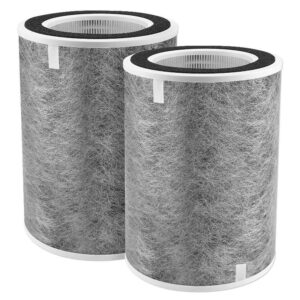
For brands targeting sinus and allergy consumers in markets with high domestic cooking activity — including most of Asia, Southern Europe, and Latin America — a HEPA-only filter stack leaves a measurable share of sinus-triggering exposure unaddressed. Specifying an 活性炭 layer alongside the HEPA medium, with carbon weight documented at a minimum of 100g/m², extends coverage to gas-phase irritants and meaningfully closes that gap.
The carbon weight specification should appear in the supplier’s product data sheet as a weight-per-area value. Suppliers who provide only a general “activated carbon included” claim typically cannot guarantee consistent carbon loading across production batches — which translates into variable odor and gas-phase performance across units of the same SKU.
How Batch Inconsistency From Non-Certified Suppliers Creates Brand Exposure
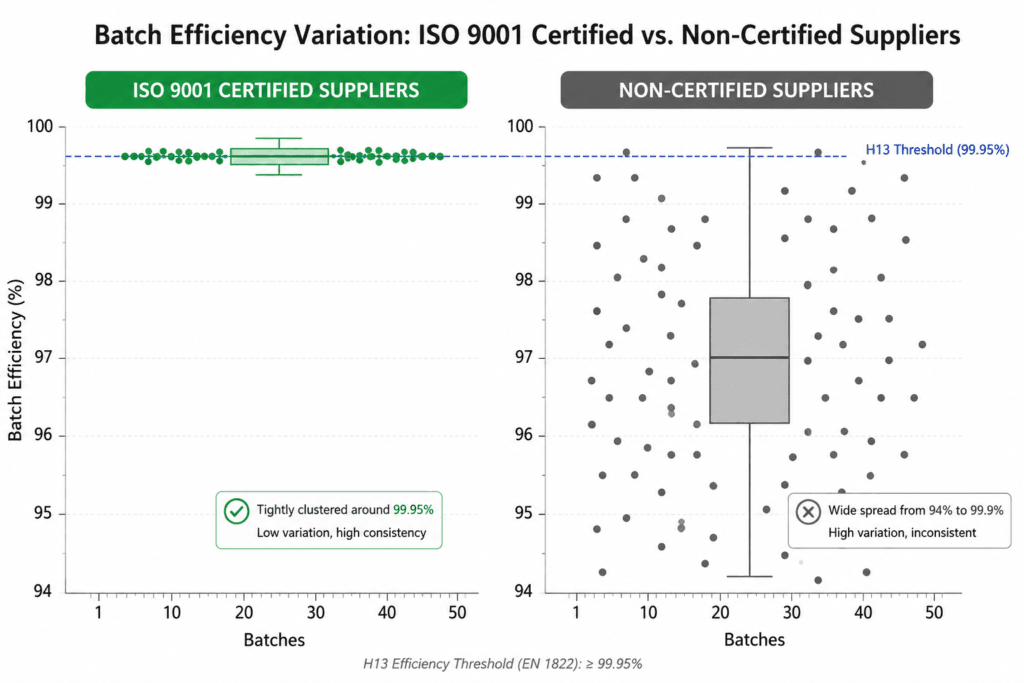
A filter medium that passes a sample test at 99.95% efficiency does not guarantee that every unit in the production batch performs at that level. Batch-to-batch consistency in fiber density, bonding agent distribution, and carbon loading is a manufacturing process problem — one that ISO 9001 quality management directly addresses.
ISO 9001 certification does not certify a specific filtration efficiency number. It certifies that a supplier’s production process includes documented quality controls, corrective action procedures, and output traceability — the infrastructure required to detect and resolve performance variation before product leaves the facility.
The risk scenario for brands making sinus health claims is straightforward: a production run of filter media that performs at 95% efficiency instead of 99.95% reaches retail. Consumers buying your product for sinus relief see limited improvement. Return rates rise in the quarter following shipment. The root cause traces back to a supplier without the documented process controls to catch a fiber density deviation during production.
ASHRAE Standard 52.2 provides standardized methodology for testing filter media efficiency by particle size — a reference framework that procurement teams can use when evaluating supplier-provided test reports and establishing incoming QC inspection criteria independent of supplier documentation.
What to Request Before Finalizing an OEM Filter Media Agreement
Five documentation requirements for sourcing HEPA filter media intended for sinus and allergy product lines:
- EN 1822 H13 (or H14) per-filter test reports: individual unit test results, not batch-sample certifications; confirm the test scope covers the MPPS range
- Activated carbon layer specification: documented carbon weight per unit area (g/m²), not general product descriptions
- Pressure drop profile: verified match to your unit’s fan and housing specifications to prevent bypass airflow at the filter seal edge
- Current ISO 9001 certificate: valid, scope-relevant, and covering the specific manufacturing facility producing your order, not a parent company certificate
- Production lot QC records: batch-level efficiency data showing consistency across recent production runs, not only the sample test submitted at qualification
These requirements apply equally to original filter components and to replacement filter media offered under your brand. Consumers replacing filters in a purifier marketed for sinus relief expect the replacement to perform identically to the original — making replacement filter consistency a continuity issue for the health claim, not just the initial product.
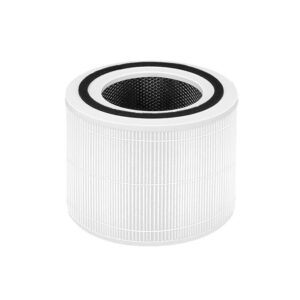
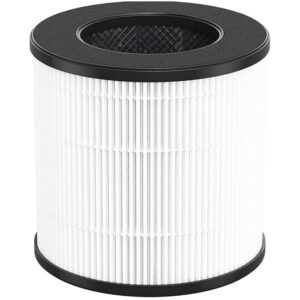
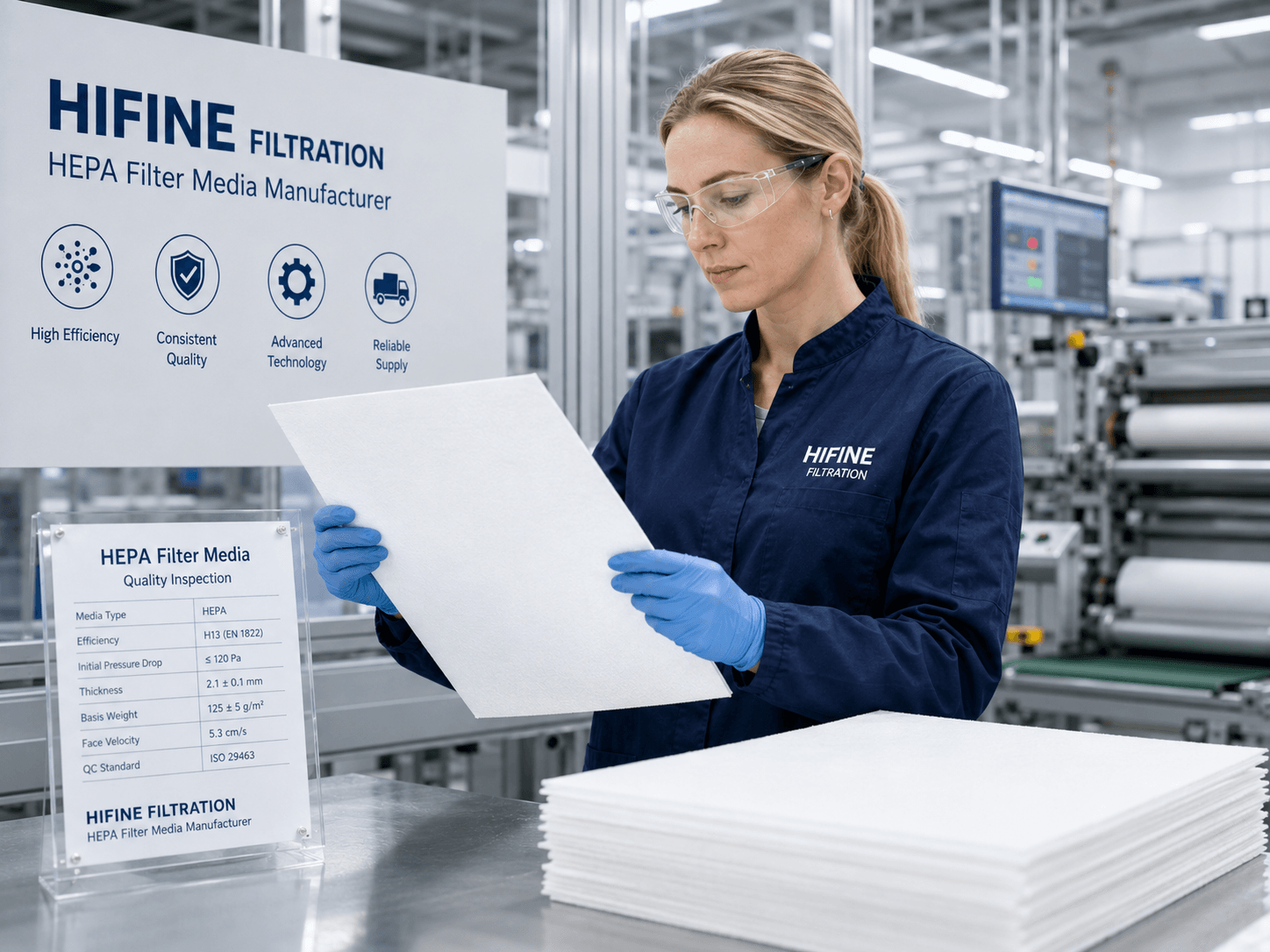
HIFINE manufactures ISO 9001-certified HEPA replacement filter media and original filter components for residential and commercial air purifier brands. Our air purifier filter media range includes H13 and H14 certified options with full EN 1822 per-filter test reports and production lot QC documentation. For OEM and ODM projects (including custom sizes, carbon layer specifications, and private label packaging), please contact us to discuss sourcing requirements.