
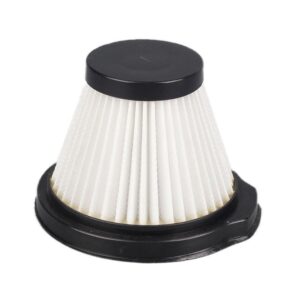
Most people don’t think about their vacuum filter until something goes wrong — either the suction drops, the filter looks gray and clogged, or they accidentally soaked one that wasn’t meant to get wet.
That last mistake is more common than you’d think. And it’s usually expensive.
This article focuses on the practical differences between washable and non-washable HEPA filters, how to properly clean each type of filter, and how to determine if a filter is beyond repair, regardless of the type you use.
What Makes Washable and Non-Washable HEPA Filters Different
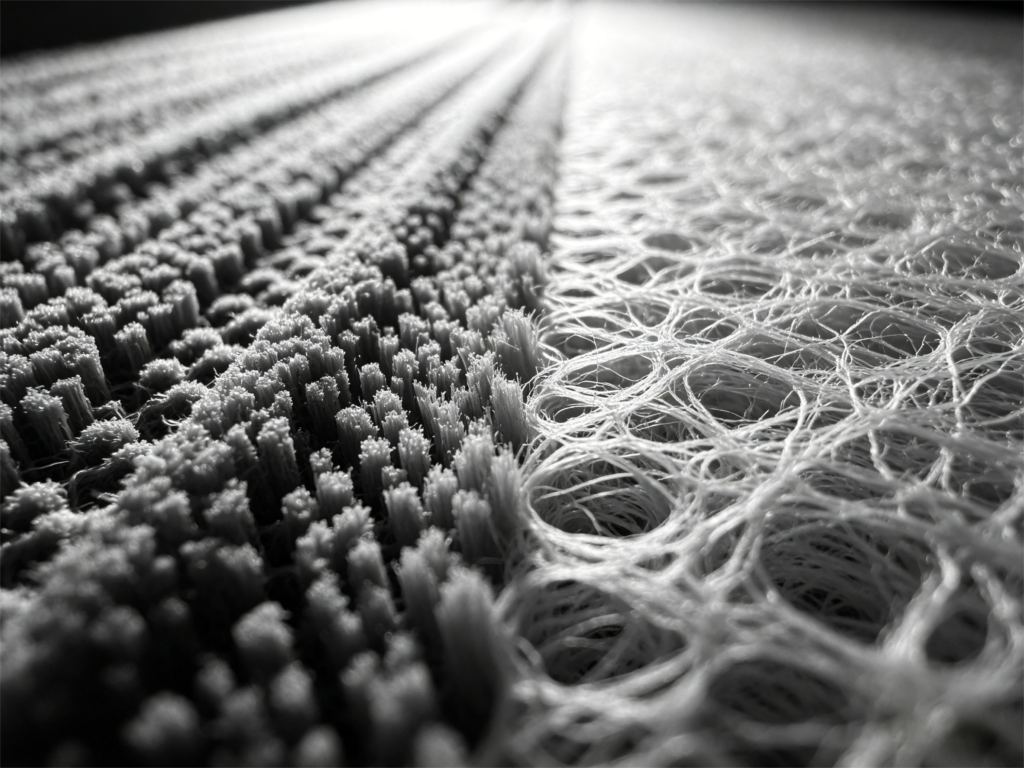
Both washable and non-washable HEPA filters capture particles as small as 0.3 microns. That much is the same. What’s different is what they’re made of and how they hold up when things get messy.
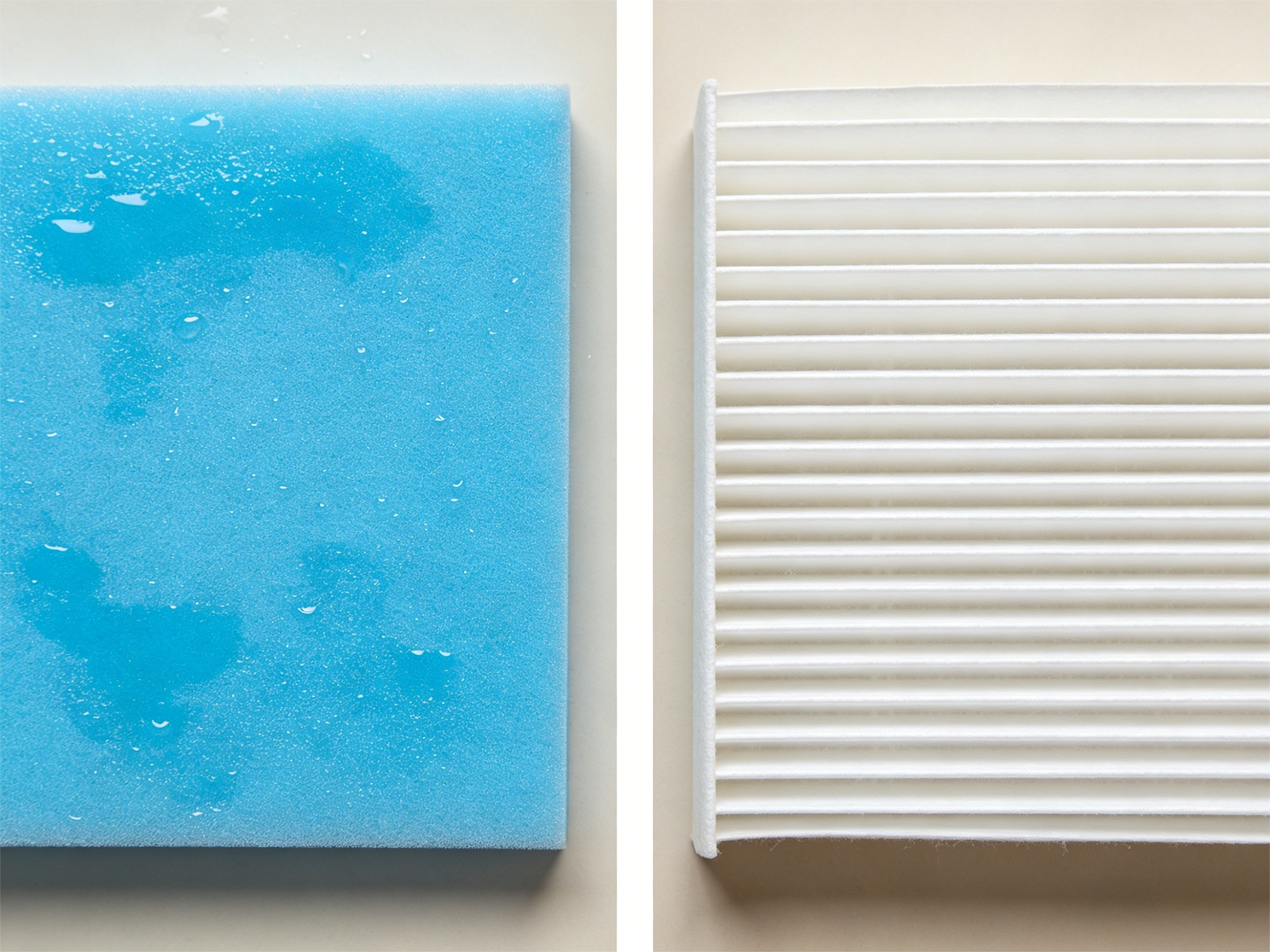
Non-washable HEPA filters are built from ultra-fine glass fibers or synthetic polymer fibers woven into a tight, irregular mesh. That irregular structure is exactly what makes them effective — particles get trapped through impaction, interception, and diffusion rather than just blocked like a screen. Water breaks down that structure. Once the fibers get wet, they clump together, gaps form, and the filter loses efficiency. Sometimes permanently.
Washable HEPA filters use a different material — typically open-cell foam or a treated synthetic fabric that can handle water without losing its shape. Some are technically “HEPA-type” rather than true HEPA, but the better washable designs are engineered to maintain particle capture rates across many wash cycles.
It’s not about whether a filter looks washable. It’s about whether the fiber structure can survive water without collapsing.
True HEPA vs. HEPA-Type: Not the Same Thing
This is where most filter comparisons fall apart.
True HEPA must capture at least 99.97% of particles at 0.3 microns. Most non-washable filters hit this benchmark. Many washable filters are sold as “HEPA-style” or “HEPA-like” — which means the filtration rate is often lower, usually somewhere between 99% and 99.9%.
In some cases, this difference is significant, while in others it’s negligible. If you have severe allergies, asthma, or are filtering air quality in a space where it’s crucial, then this difference matters. However, for routine cleaning in a typical household, this difference is insignificant.
If you need certified true HEPA performance and you’re already replacing your filter on a regular schedule, a non-washable filter is the more consistent choice. If you want lower long-term cost and you’re not in a high-sensitivity environment, a quality washable filter handles everyday filtration well.
Neither type is universally better. The right one depends on your vacuum, your household, and how much maintenance you’ll realistically keep up with.
Can You Wash a HEPA Filter?
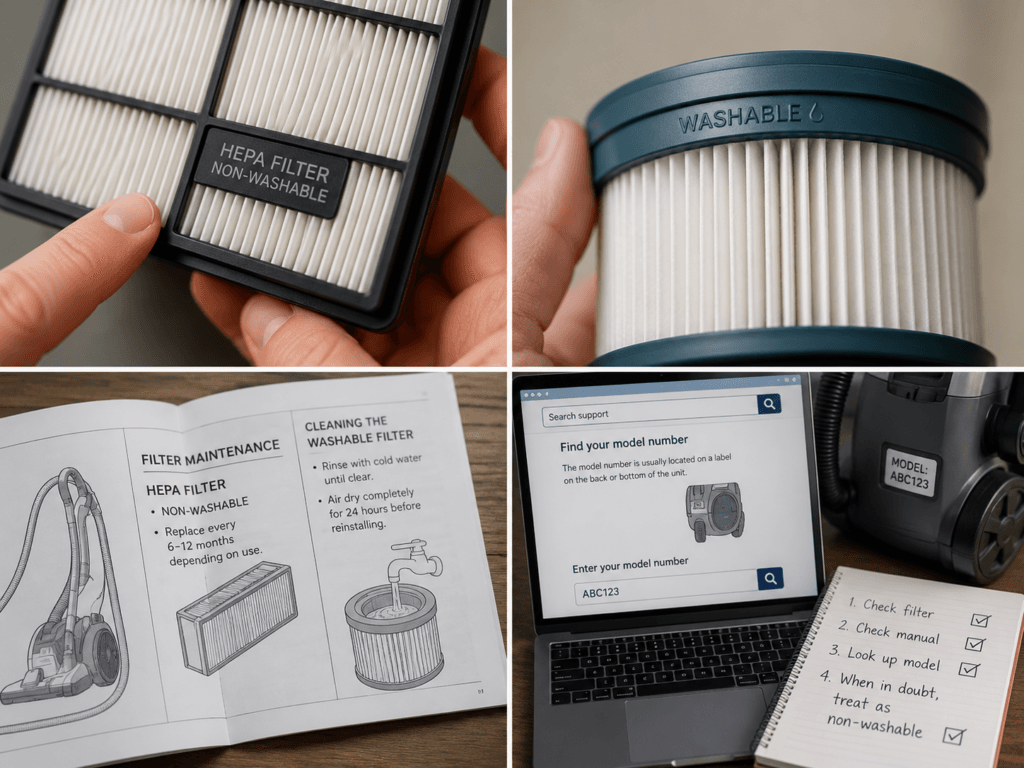
This is the most searched question about HEPA filters — and the answer isn’t simply yes or no.
If the filter is labeled washable: Yes, you can wash it. But there’s a right way to do it.
If the filter is labeled non-washable: Don’t. Even a single rinse can permanently damage the fiber matrix. The filter may look fine afterward, but the filtration efficiency drops in ways you can’t see.
How do you know which type you have? Check the filter itself — most have a small label or molded text indicating whether it’s washable. If you can’t find that, check your vacuum’s manual or look up your model number. When in doubt, treat it as non-washable.
How to Clean a Washable HEPA Filter
Cleaning a washable filter isn’t complicated, but a few small mistakes can cut the filter’s lifespan significantly.
What you’ll need: a trash can, cold running water, and patience.
- Remove the filter from the vacuum
- Tap it gently over a trash can to knock out loose debris — this step saves your sink drain
- Rinse under cold running water only. No hot water, no soap, no scrubbing
- Squeeze gently to push water through, then reshape the filter
- Set it in a well-ventilated spot and let it dry for 24 to 48 hours before putting it back
That last step is where most people get impatient. A damp filter put back into a vacuum is a mold risk. It also performs worse until fully dry. If you’re not sure it’s dry, wait another few hours.
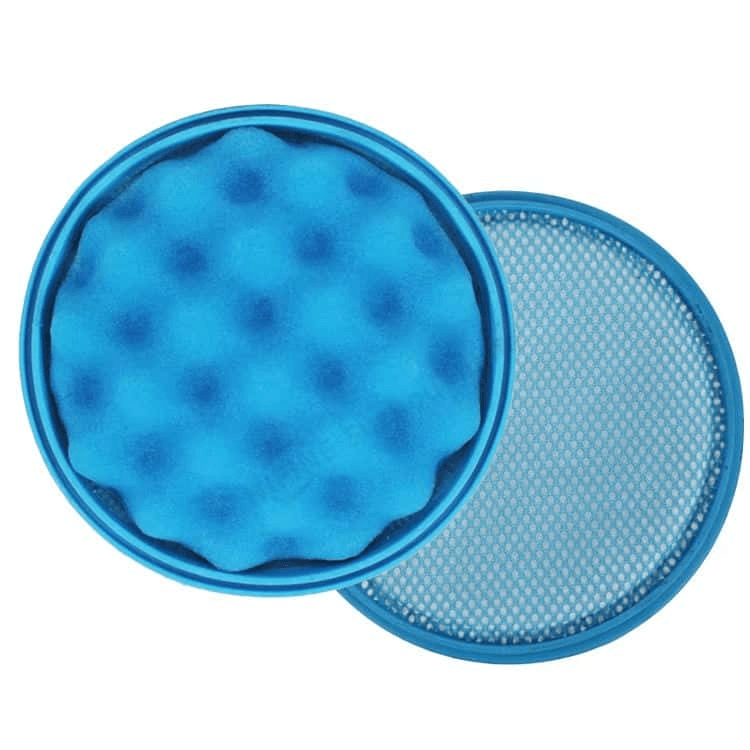
Washable filters don’t last forever. After 5 to 8 wash cycles, the fibers start to fatigue. When suction drops noticeably after a wash — not before — that’s your signal to フィルターを交換する rather than clean it again. Using a foam pre-filter or mesh screen can extend the life of your washable HEPA filter by catching larger debris before it reaches the main filter.
How to Maintain a Non-Washable HEPA Filter
Non-washable filters are lower maintenance in one sense: there’s less you can do, and less you should try.
- Tap it out gently over a trash can to dislodge loose surface dust
- Use a soft brush on the pleats to remove debris caught in the folds
- Never use water, compressed air, or any cleaning product — all of these can damage the filter media or force particles deeper into the fibers
How often should you replace a non-washable HEPA filter?
Most vacuum manufacturers recommend replacing every 6 to 12 months, but the real answer depends on how often you vacuum, whether you have pets, and how dusty your home typically is. High-traffic homes with pets may need a replacement every 4 to 6 months. If suction drops noticeably before your scheduled replacement window, don’t wait — change it.
See https://hifinefilter.com/how-often-to-replace-your-vacuum-filter/
How Long Do HEPA Filters Last
| フィルタータイプ | Typical Lifespan | Replacement Cost | 2-Year Total Cost |
|---|---|---|---|
| Non-washable true HEPA | 6–12 months | $10–$30 each | $20–$120 |
| Washable HEPA / HEPA-type | 1–2 years | $20–$45 each | $20–$45 |
The math usually favors washable filters for anyone who’s consistent with cleaning. For anyone who tends to forget maintenance for six months at a time, non-washable filters are actually the more economical choice — a neglected washable filter degrades faster and needs early replacement anyway.
A clogged filter of either type also forces your vacuum motor to work harder, which shortens motor life over time. That hidden cost doesn’t show up in the filter price comparison.
Signs Your HEPA Filter Needs Replacing
Most people replace filters on a schedule, but the filter itself gives better signals than a calendar:
- Suction drops noticeably even after cleaning or even after tapping out (non-washable)
- Visible damage — tears, crushed pleats, deformed shape
- Odor from the vacuum during use — a sign the filter is no longer trapping what it should
- Visible discoloration that doesn’t clear up after a proper wash (washable types)
For washable filters, performance degrades after 5 or more washes
If any of these apply, replace the filter. Running a vacuum with a compromised HEPA filter mostly just redistributes fine particles around your room.
Washable or Non-Washable: Which One to Buy
Non-washable true HEPA filters make sense if someone in your home has allergies or asthma, or if you’d rather set a replacement schedule and forget about it. You get certified 99.97% filtration every time, no variables.
Washable filters are the better fit if you’re consistent with maintenance and want to cut long-term costs. For a normal household without major air quality concerns, the filtration difference is small enough that it won’t matter in practice.
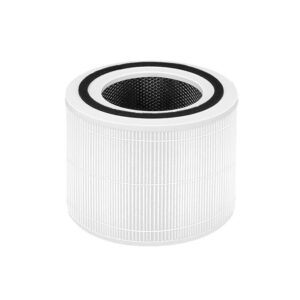
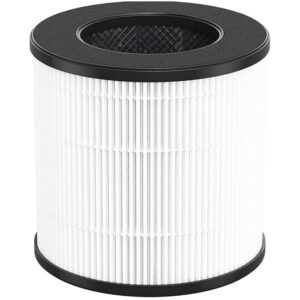
Purchase HIFINE home filter cartridges to meet the needs of every room in your home. Restore your home to its cleanest state.
よくあるご質問
No. Even a single rinse damages the glass fiber matrix in most non-washable filters. The filtration efficiency drop isn’t always visible — but it’s real. Once a non-washable filter gets wet, replace it.
Yes — but gradually. A well-maintained washable filter holds its efficiency for multiple wash cycles. The decline accelerates after heavy use or if the filter isn’t fully dried before reinstallation. HIFINE’s washable filters are rated for performance across a defined number of wash cycles, which is listed on each product page.
Check the filter itself — most washable filters have a printed water-drop icon or the word “washable” molded into the frame. If you can’t find markings, check your vacuum’s user manual or the manufacturer’s website. When in doubt, don’t rinse it.
It depends on how well you maintain it. A properly cleaned and fully dried washable filter performs well for most allergy sufferers. If you have severe sensitivities to mold or dust mite allergens, a non-washable true HEPA filter with a strict replacement schedule is the more controlled option.