

You fire up your vacuum and push it across the rug — and it barely picks up a crumb. The motor hums, the brush spins, but the suction is gone. Before you start budgeting for a new machine, stop. Nine times out of ten, the culprit isn’t the motor. It isn’t the hose. It’s something most people haven’t touched in months — the filter.
The Real Reason Suction Drops
A vacuum works by pulling a column of air through the machine at high speed. Suction that it’s airflow. The motor spins a fan that creates a low-pressure zone, and that pressure difference is what “sucks” dirt up from your floor. Every cubic foot of air that enters the intake must exit through the exhaust. Anything that slows that air down kills suction.
The vacuum cleaner market is projected to hit $54.12 billion by 2029 — yet the most common support complaint across every brand remains the same: weak suction from a dirty filter.
How a clogged filter chokes airflow
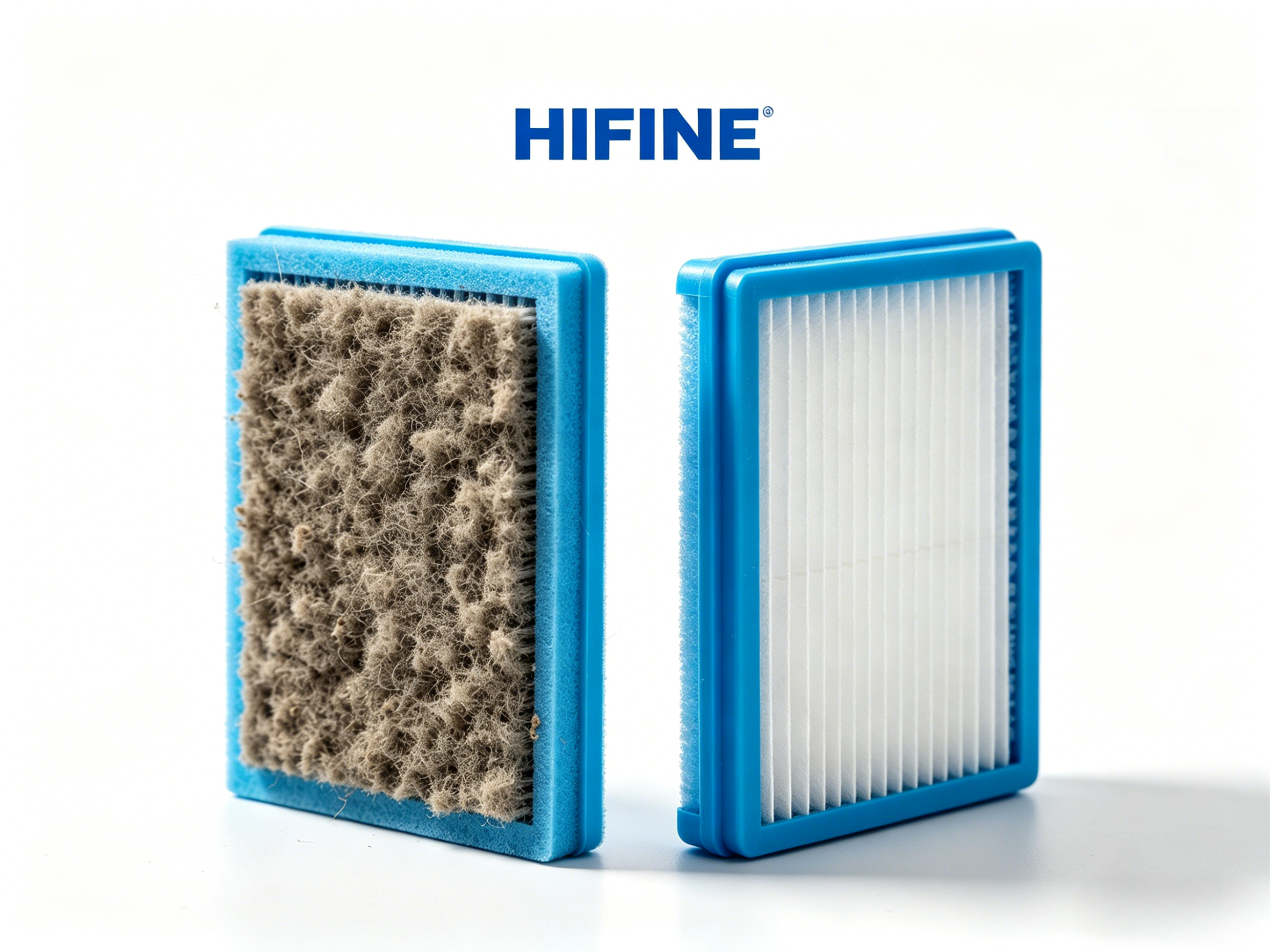
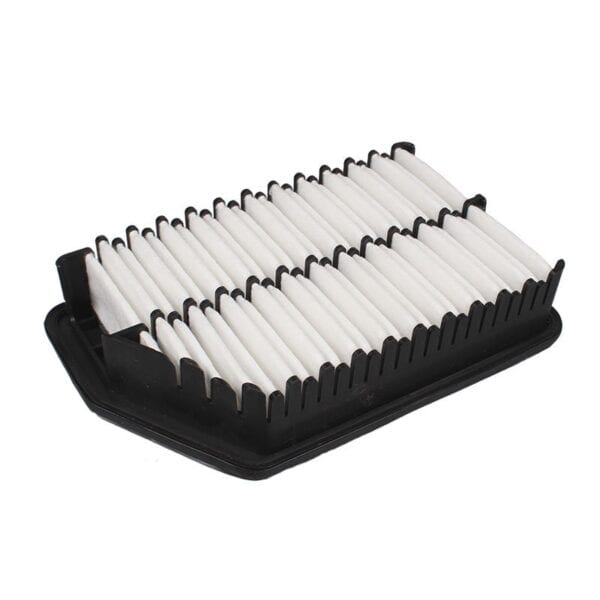
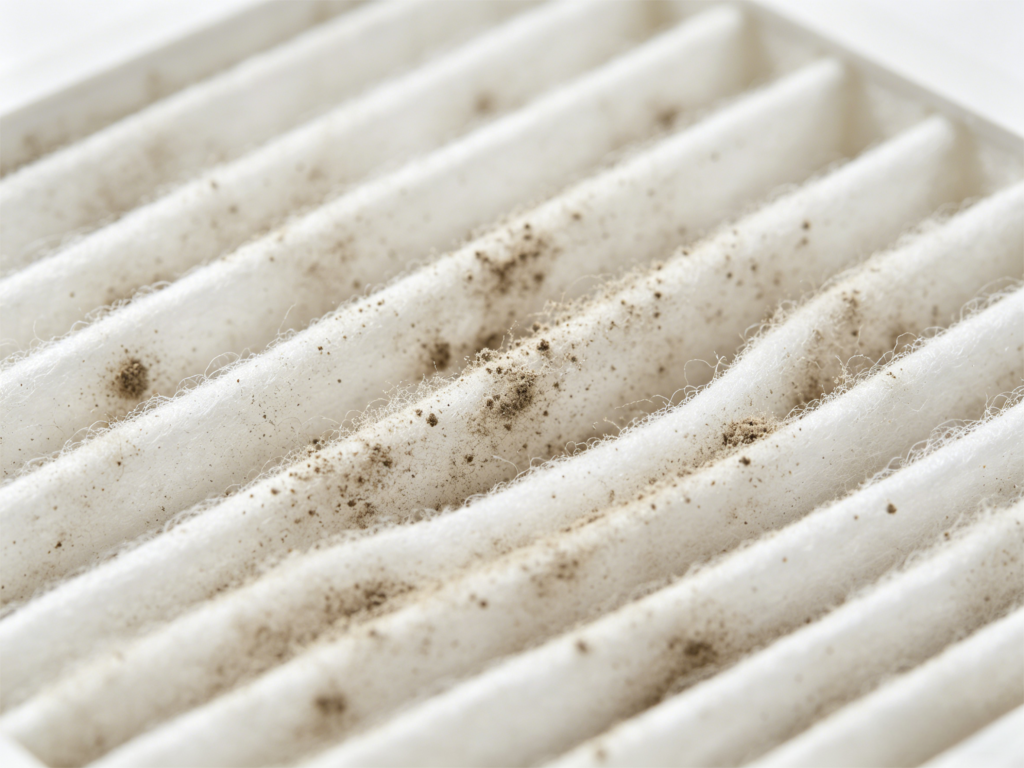
Most modern vacuums run air through at least two filters: a pre-motor foam or fabric filter and a fine post-motor filter (often a HEPA). As you vacuum, particles accumulate in these layers. After a few months of normal use — or a few weeks if you have pets — those particles form a dense mat that air can barely push through.
The motor doesn’t know this. It just keeps spinning, working harder and harder against that restriction. You hear it running fine, but the airflow is a trickle. That’s why vacuums with clogged filters sound normal but clean terribly — the motor is fine, the filter is the bottleneck.
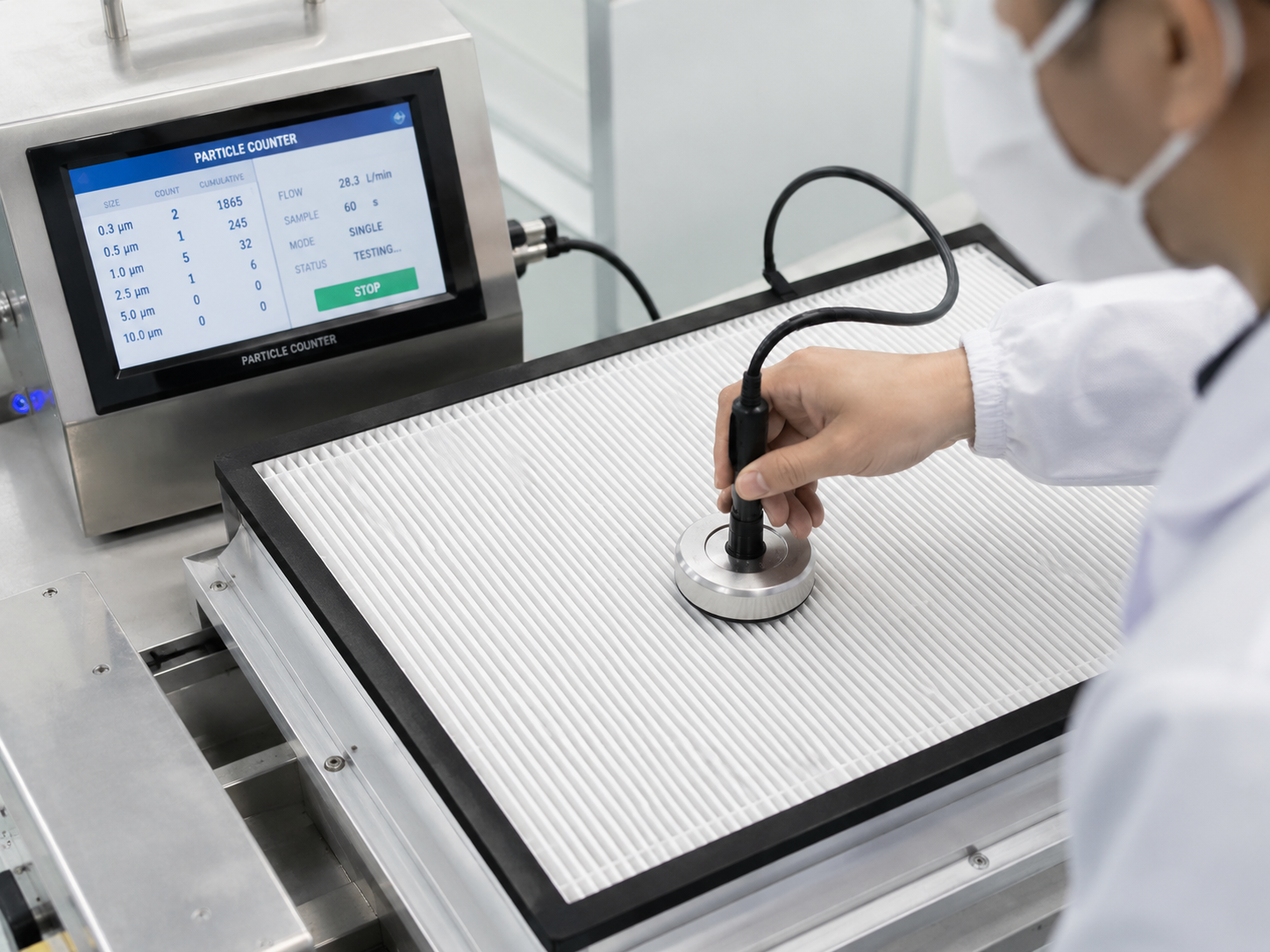
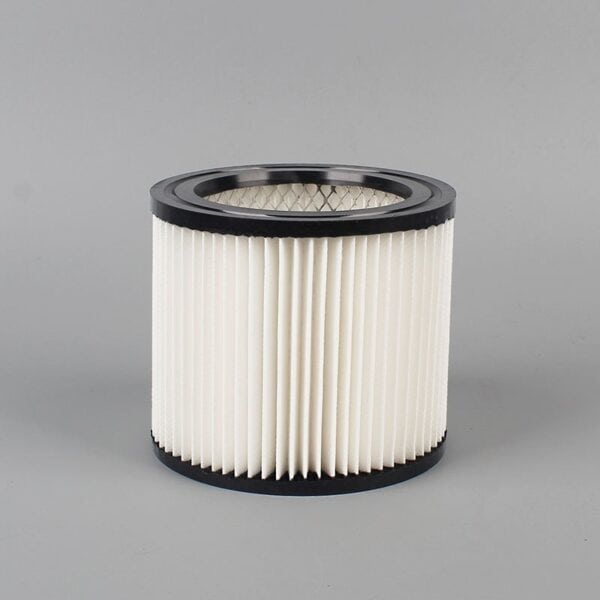
HEPA filters, which capture particles down to 0.3 microns, are especially prone to this. Their fine fiber structure is exactly what makes them effective — and exactly what makes them clog faster than coarser foam filters. If your vacuum uses a HEPA replacement filter, check it first whenever suction drops.
Other Culprits Worth a 30-Second Check
If you’ve already checked the filter and suction is still weak, run through this list before calling it a motor problem:
- Full dustbin or bag. A bin that’s more than two-thirds full forces air through compacted debris instead of free space. Empty it completely, not “mostly.”
- Hose blockage. Detach the hose and shine a flashlight through one end. If you can’t see light from the other side, something’s stuck. A broom handle works to dislodge it.
- Brush roll tangle. Hair and thread wrapped around the brush roll don’t directly cut suction — but they do restrict how much the roller pulls debris into the airpath, making weak suction feel even weaker.
- Air leaks. A cracked hose connector or loose canister lid introduces ambient air that dilutes the low-pressure zone. Run a hand along all connection points while the vacuum is on — you’ll feel a cool draft if there’s a gap.
These four issues account for the vast majority of suction complaints. If all four check out fine and the filter is clean, then — and only then — is it worth suspecting the motor.
The HIFINE 3-Step Filter Check
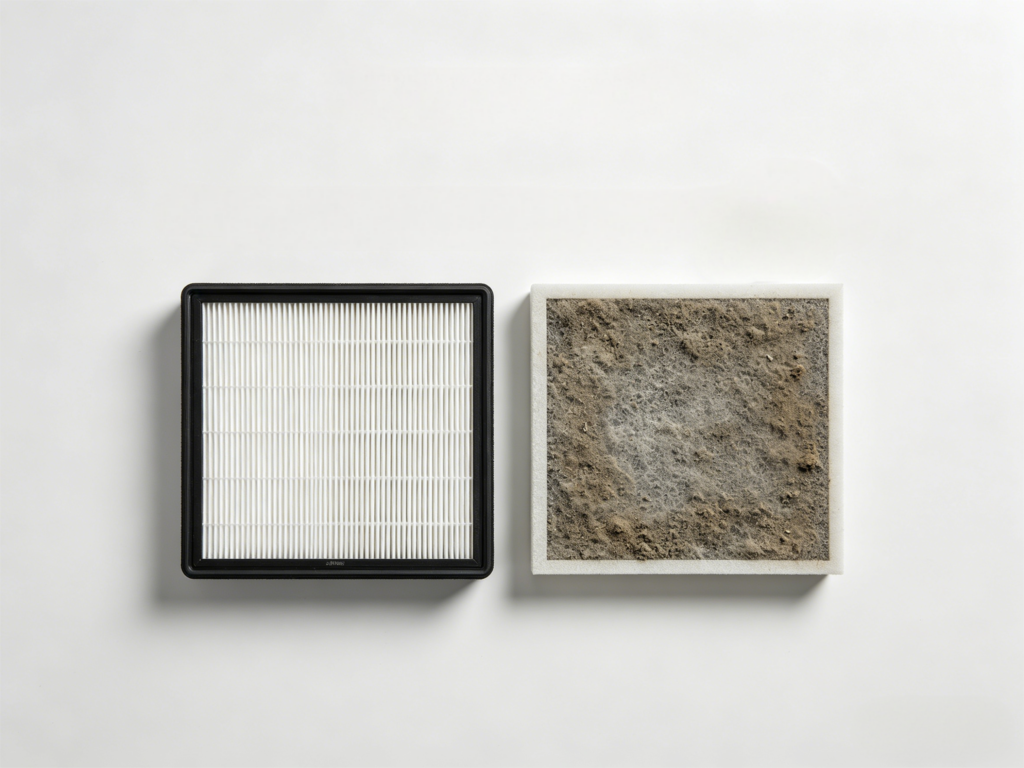
Not all filters are maintained the same way. Before you do anything, pull out your vacuum’s manual (or look up the model number online) and confirm whether your filter is washable or disposable. Washing a non-washable filter ruins it. Replacing a washable one unnecessarily wastes money.
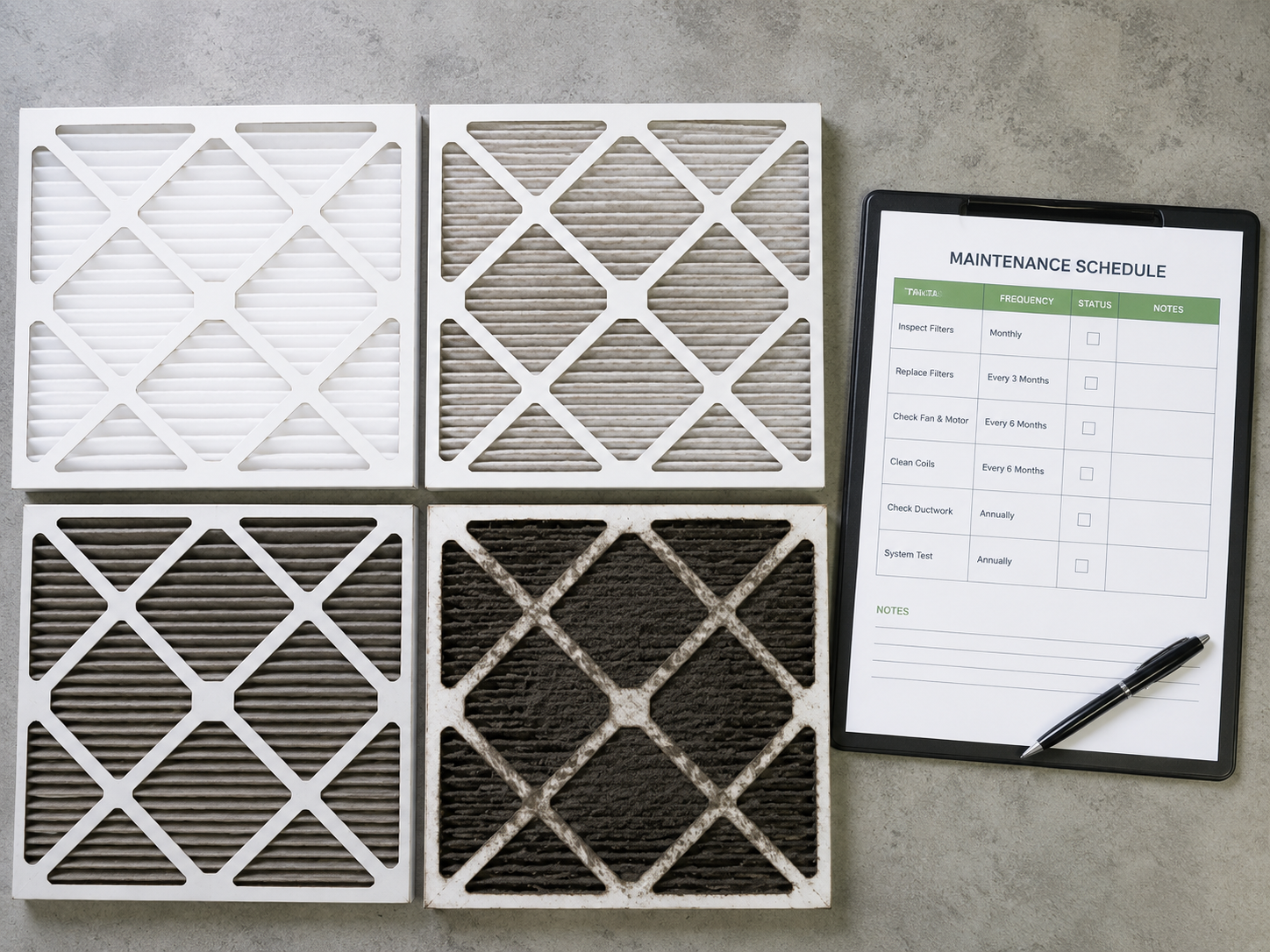
- Look test. Hold the filter up to a window. If light barely passes through, it’s clogged. If it’s visibly gray, brown, or matted, it needs attention regardless of your cleaning schedule.
- Tap test. Take it outside and tap it gently against a hard surface. A surprising amount of dust will fall out of even a “clean-looking” filter. Do this over a bin, not the sink.
- Wash or replace. If washable: rinse under cool running water until it runs clear. Let it air dry for a full 24–48 hours — reinstalling a damp filter damages the motor. If non-washable or visibly damaged: replace it. Washable filters should be replaced every 12 months even with regular washing; non-washable ones every 6 months under normal use, or every 3 months in homes with pets.
The full HIFINE filter catalog covers compatible replacements for most major vacuum brands. Checking compatibility takes under a minute — search by vacuum model number, not just brand.
When Cleaning Isn’t Enough
Filters don’t last forever. Even with consistent maintenance, the fiber structure degrades over time and loses its ability to capture fine particles. A filter that looks clean can still flow poorly if its fibers are compressed or damaged. Signs you need a replacement rather than a cleaning:
The filter has visible tears or holes. Suction returns after a wash but drops again within a week. The vacuum smells musty or dusty despite an empty bin. You’ve had the same filter for more than a year.
Replacing a filter costs a fraction of what a motor repair or a new vacuum does. If you’re spending more than $40 on a repair call and haven’t replaced the filter recently, start there. Most users who do see immediate and significant suction improvement — no technician required. Browse our filter maintenance guides for model-specific tips.
HIFINE makes precision-fit replacement filters for over 200 vacuum models. If your vacuum is losing suction, find your filter replacement here — most ship same day.
FAQ
Washable filters should be rinsed every 1–3 months and fully replaced every 12 months. Non-washable filters — including most HEPA types — need replacement every 6–12 months under normal use. Homes with pets or allergy sufferers should replace filters twice as often.
You can do a brief test, but running a vacuum without a filter — even for a few minutes — pulls unfiltered dust directly into the motor and bearings, shortening the machine’s life. A better test: replace the filter with a new one and see if suction returns.
Yes, over time. When a filter restricts airflow, the motor overheats because the air that normally cools it is reduced. Prolonged use with a clogged filter can shorten motor life significantly. A $15 replacement filter is cheaper than a $150 motor repair.