
Most people vacuum to feel better. Cleaner floors, less dust, fewer sneezes. But there’s a problem nobody talks about: if your vacuum filter is clogged or not up to standard, you might be making your allergy symptoms worse every time you clean.
This isn’t a fringe concern. It’s basic filter mechanics — and it’s worth understanding before you run your vacuum again.
What Actually Happens When You Vacuum with a Dirty Filter
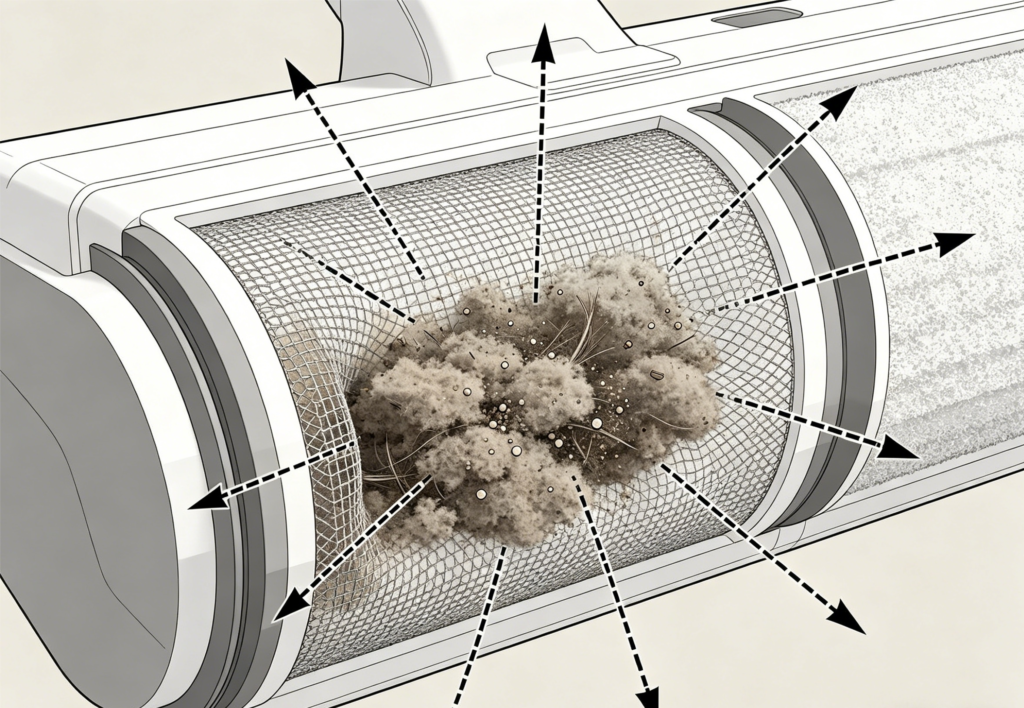
Your vacuum works by pulling air through the machine. That air carries dust, pet dander, pollen, and fine particulate matter. The filter’s job is to trap those particles before the exhaust air gets pushed back into your room.
When the filter is clogged, two things go wrong:
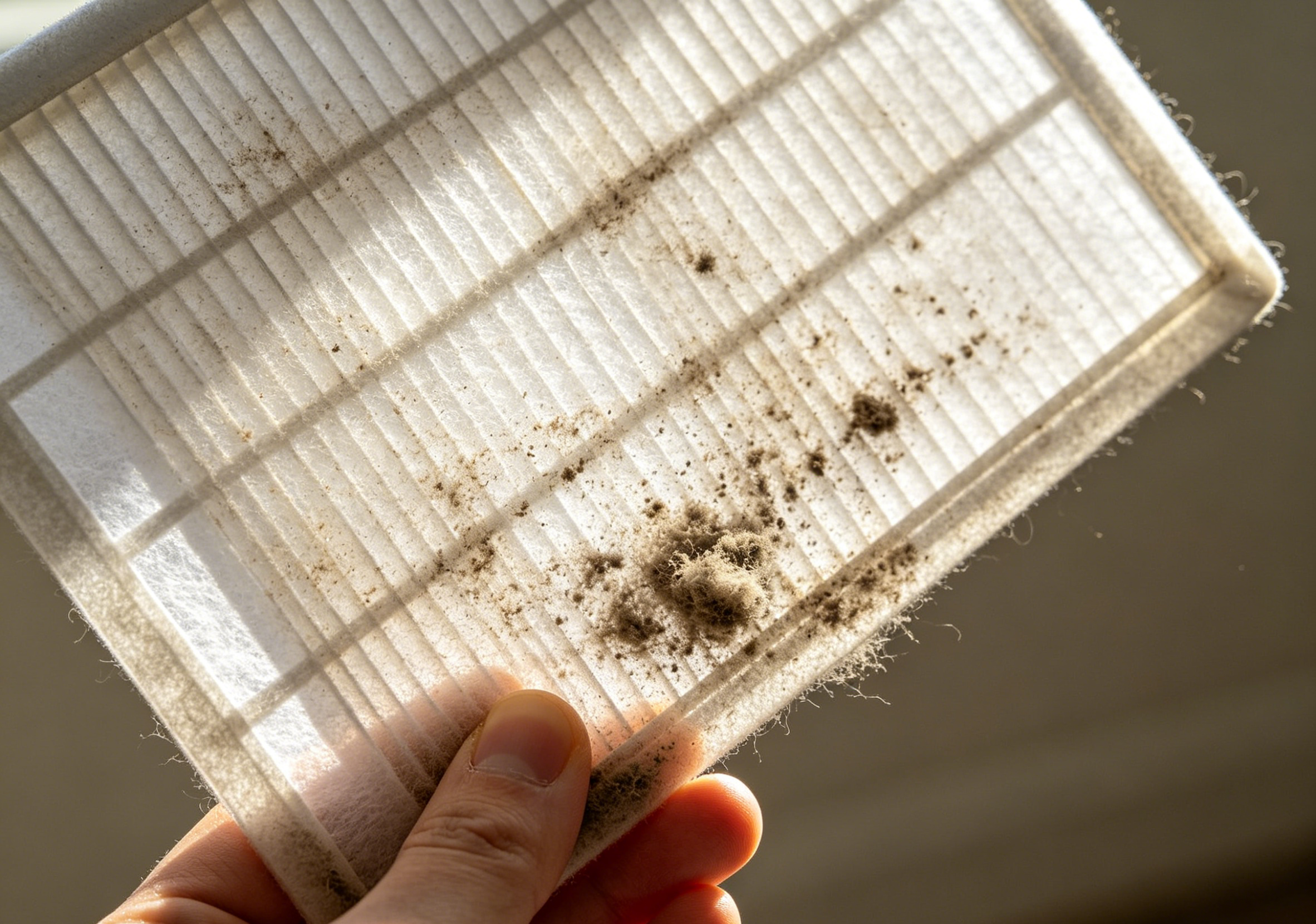
First, suction drops. The blockage restricts airflow, so the vacuum picks up less off the floor. Second — and this is the part most people miss — the particles that do get pulled in have nowhere to go. So they bypass the filter and get expelled through the exhaust.
You’re not cleaning the air. You’re redistributing what was on the floor into the air you’re breathing.
The Exhaust Problem Is Real
A study from the American College of Allergy, Asthma & Immunology found that poorly filtered vacuums can increase airborne allergen concentrations during and after use. Vacuuming without an adequate filter can stir up fine particles — including those under 2.5 microns — that stay suspended in air for hours.
For anyone with asthma, seasonal allergies, or pet sensitivities, that’s not a minor inconvenience.
How Often Does a Vacuum Filter Actually Need Changing?
Manufacturers typically say every 3–6 months. The honest answer: it depends on how much you vacuum and what you’re picking up.
Homes with pets, high foot traffic, or allergy sufferers should check filters monthly. A filter that looks grey or smells musty when you hold it up is already past the point where it’s doing its job properly.
Some filters are marketed as “washable” — which is useful, but not a pass to skip replacement entirely. Washing removes surface debris but doesn’t restore the fiber structure that traps fine particles. If your washable filter is over a year old and has been through 15+ wash cycles, it’s time to replace it.
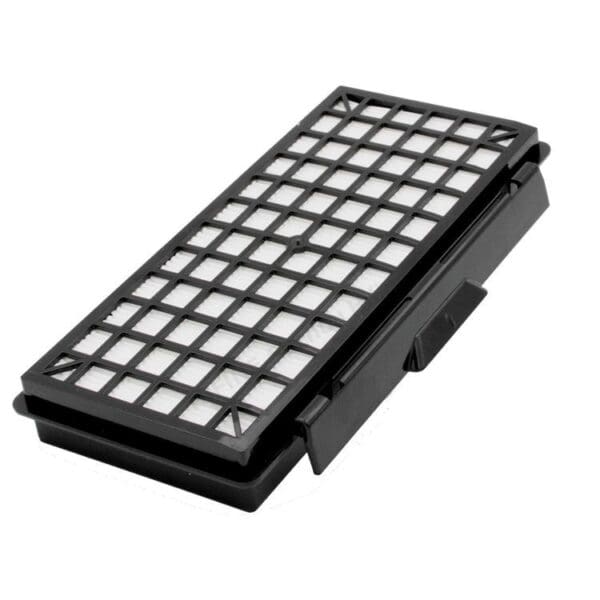
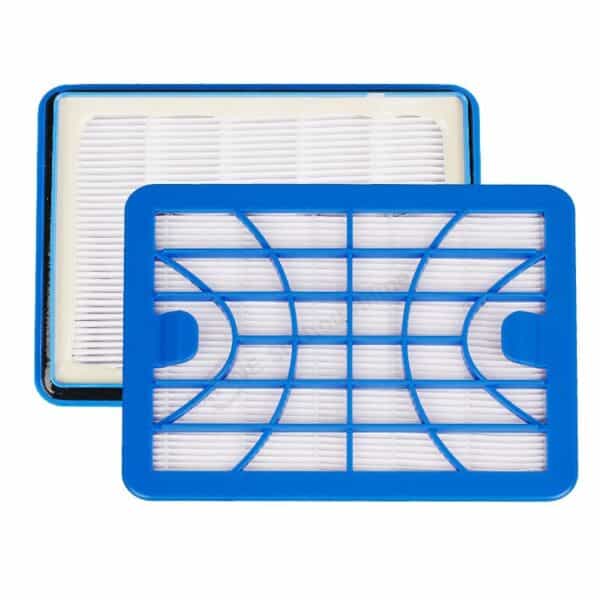
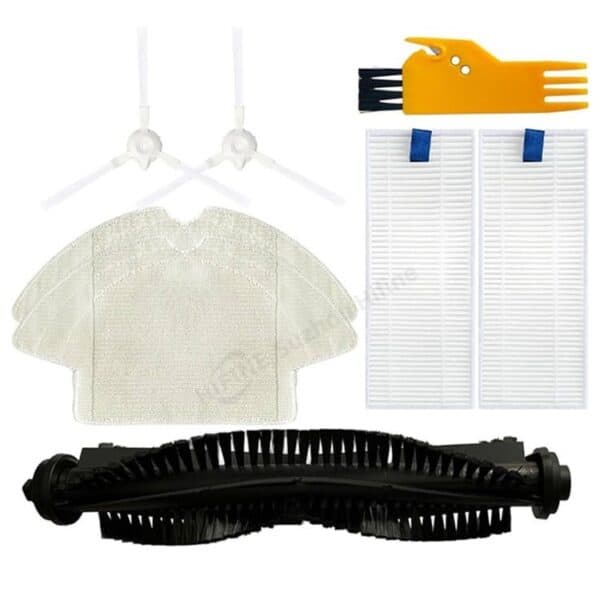
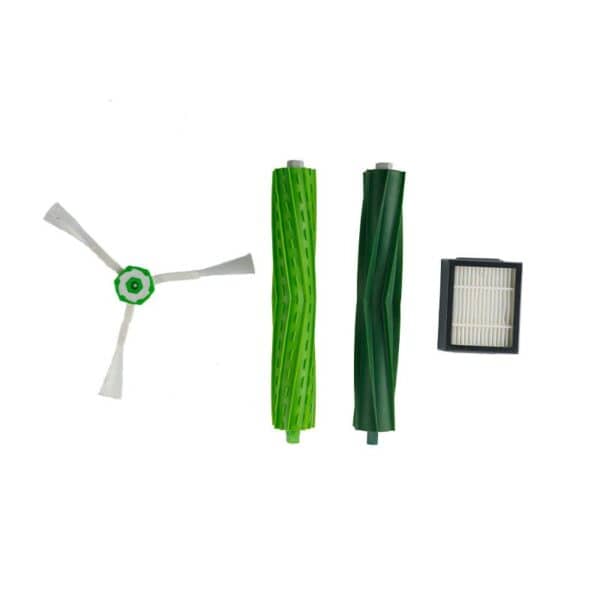
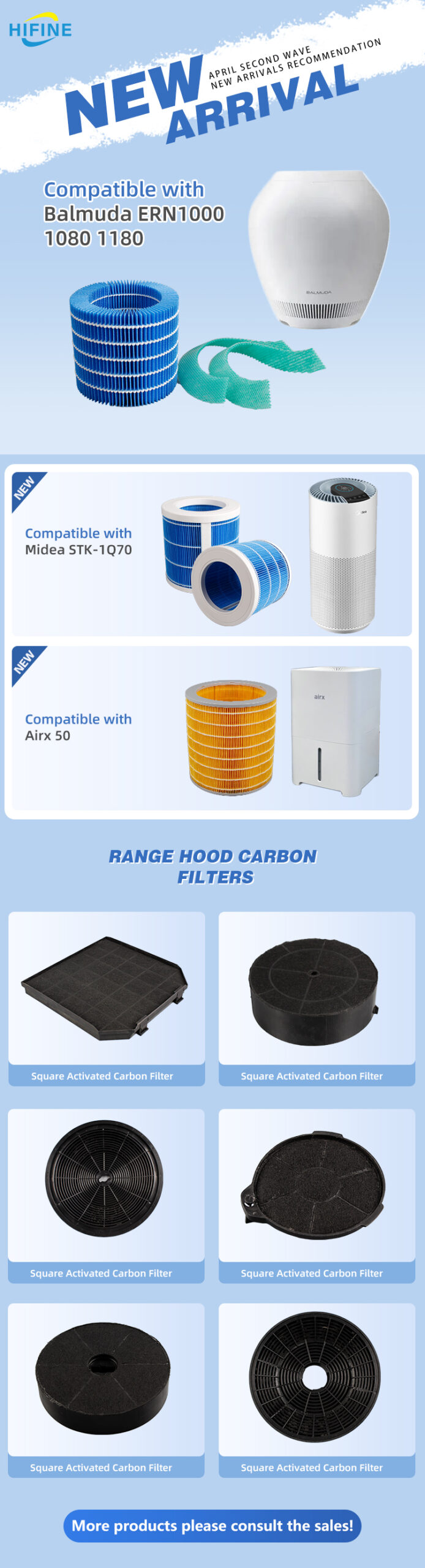
At HIFINE, our replacement HEPA vacuum filters are built to fit models like Shark, iRobot Roomba, and Dyson — with H13 filtration that captures 99.97% of particles at 0.3 microns. That’s the threshold where the most dangerous particles slip through standard filters.
Non-HEPA vs True HEPA
Not all vacuum filters are the same, and the label matters more than most buyers realize.
A standard foam or mesh filter traps large debris well — crumbs, hair, visible dust. But fine particulate, mold spores, and allergens in the PM2.5 range pass straight through.
True HEPA (H13 or H14 rated) filters those fine particles at a certified level. The certification means the filter has been independently tested, not just labeled by the brand.
If your vacuum filter doesn’t say True HEPA with an H-grade number, there’s a real chance it’s exhausting allergens back into the room while you clean.
What to Look for When Replacing Your Vacuum Filter
Not all replacement filters deliver what they promise. Here’s what actually matters:
- HEPA grade (H13 minimum): Filters the PM2.5 and PM10 range that triggers most allergy symptoms
- Exact model compatibility: A poor seal between filter and housing lets unfiltered air escape around the edges — defeating the whole point
- Filter media density: Denser fiber = better capture, but the design needs to maintain airflow too
- Replacement interval guidance: Brands that give you a realistic timeline (not just “lasts forever”) are the ones being honest about filter degradation
HIFINE filters are compatible with over 40 vacuum cleaner models. You can browse our 产品 page or contact us through our product support page to inquire about compatibility issues.
常见问题
If the filter is clogged or not True HEPA rated, the vacuum can push fine allergens back into the air instead of trapping them.
Check it monthly. If it’s visibly grey, smells musty, or your vacuum’s suction has noticeably dropped, replace it. Don’t wait for the manufacturer’s suggested interval if you vacuum frequently.
Washable filters are convenient but degrade over time. After repeated washing cycles, the fiber structure breaks down and filtration efficiency drops. For allergy households, a replaceable H13 HEPA filter is more reliable.