
Every few years, a market gets described as “poised for explosive growth” so many times that the phrase loses meaning. The global air filter market is in that territory right now. Depending on which research firm you ask, the industry will be worth somewhere between $26 billion and $34 billion by the mid-2030s — growing at a compound annual rate of 6% to 8% from its current $18 billion baseline.
Those numbers are real. But raw growth figures don’t say much about how the market is moving, who is winning the transition, or why the strategies that worked in 2021 are quietly breaking down in 2026.
This piece moves past the headline CAGR to map what’s actually shifting — in supply chains, in consumer behavior, in technology, and in the regions that will shape the next decade of air filtration.
A $34 Billion Market Running in Two Directions at Once
The most important thing to understand about the air filter market in 2026 is not the growth rate. It’s the split.
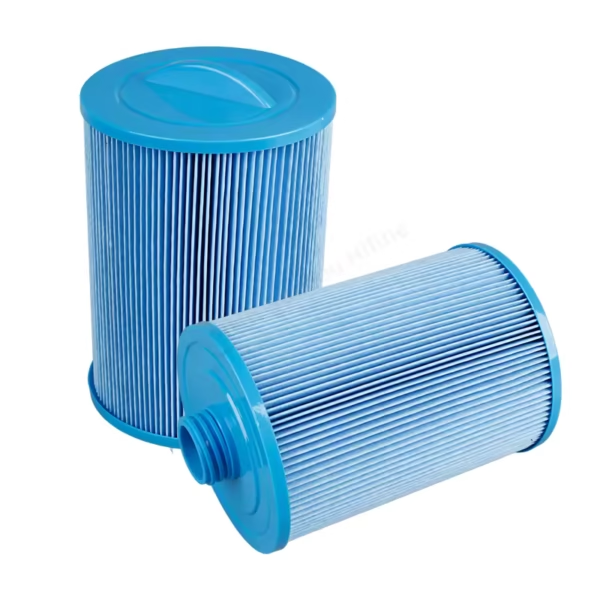
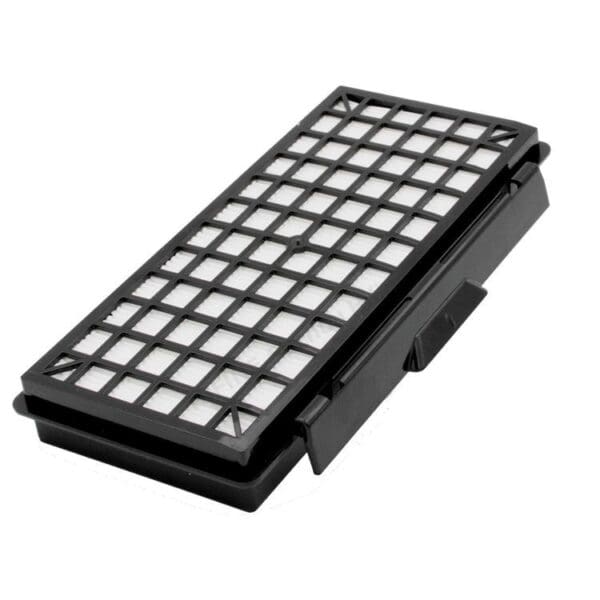
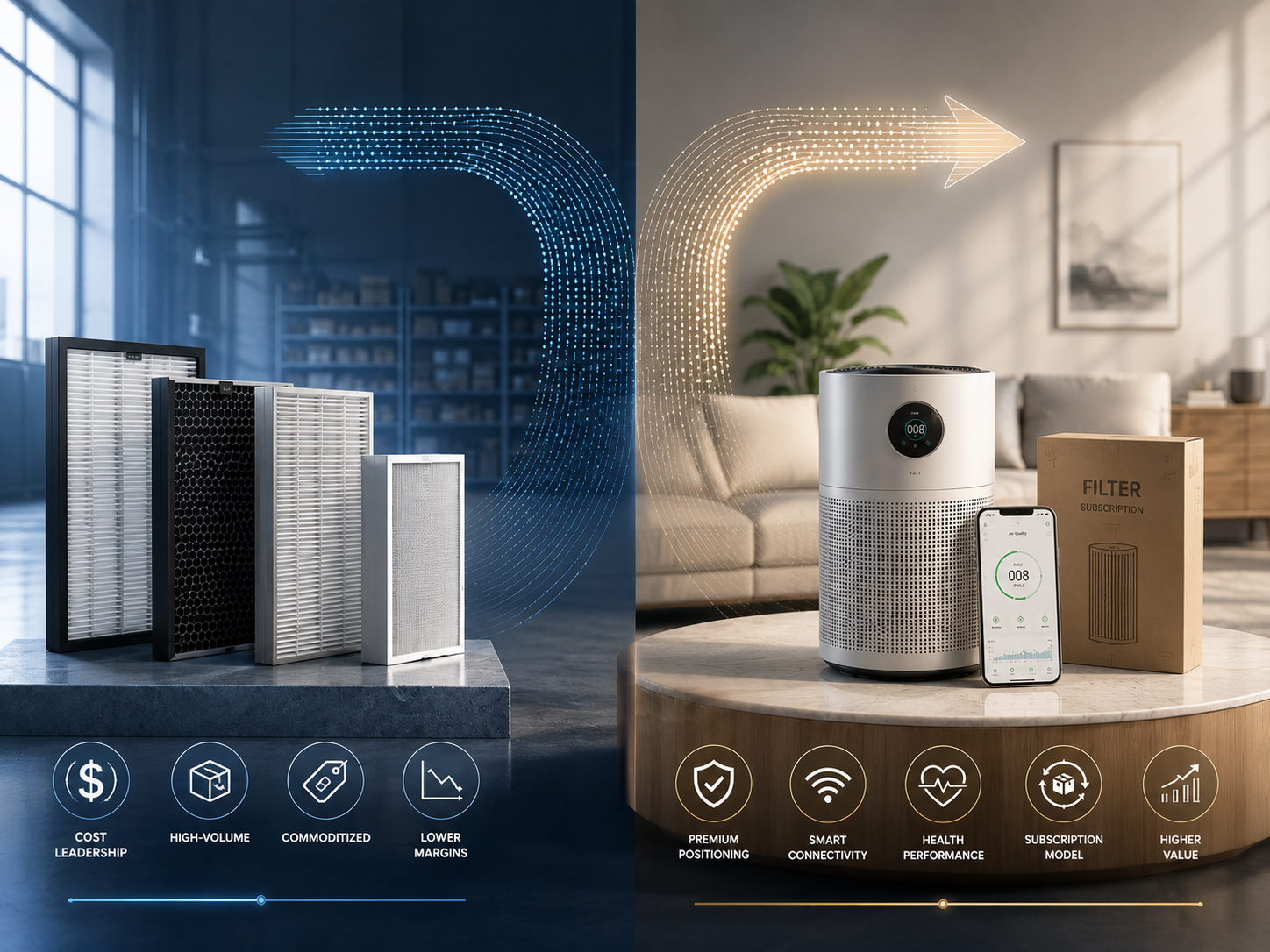
At one end, there’s a commoditized replacement filter segment — standardized HEPA and carbon units sold on price, driven by volume, and increasingly squeezed by private-label competition. At the other, a rapidly expanding premium tier defined by smart connectivity, verified health performance, and subscription-based replacement programs.
These two segments are growing at different speeds, attracting different buyers, and requiring entirely different go-to-market strategies. Brands that haven’t committed to a lane are getting pressure from both sides.
Fortune Business Insights places the broader air filters market at $18.29 billion in 2026, expanding to $34.66 billion by 2034 at a CAGR of 8.3%. The global air purifier market specifically is expected to grow from $19.65 billion in 2026 to $36.26 billion by 2035. Research firms differ on methodology, but every major group agrees on the direction. What they’re quieter about is who actually captures that growth.
The answer, based on current market dynamics, is brands that can hold premium positioning while staying competitive in high-volume replacement categories. That balance is harder than it looks on paper.
The Year Supply Chains Stopped Being Invisible
For most of the 2010s, the air filter supply chain worked exactly as designed — quietly. Raw filtration media came from a handful of large Asian suppliers; components were assembled at scale in China; finished products shipped to North America and Europe on predictable timelines.
2025 changed the calculus. Tariff escalations between the U.S. and China forced procurement teams to reconsider sourcing strategies that had been on autopilot for years. For air filter brands specifically, the exposure was real — a large share of HEPA media, activated carbon, and plastic components still originates in Chinese factories.
China’s Role Is Shifting, Not Disappearing
The nuance matters here. China isn’t exiting the air filter supply chain — it’s repositioning within it. Chinese manufacturers remain the most cost-efficient producers of standardized filtration media at scale, and brands like Sweair Technology are actively expanding international presence. What’s changing is the risk tolerance around single-country dependency. Pricing volatility that once felt like an anomaly is now a structural feature of doing business in this market.
Southeast Asia and India Are Absorbing the Difference
Daikin’s move to invest approximately $711 million in production capacity across India and Southeast Asia wasn’t isolated. It reflected a diversification trend that accelerated through 2025 and is now reshaping procurement decisions industry-wide. Vietnam, Thailand, and India are taking on manufacturing roles that previously had no geographic alternative. For brands sourcing premium replacement filters, this shift creates both new cost structures and new quality-assurance requirements that didn’t exist three years ago.
HEPA Is Still Winning — but the Competition Has Sharpened
HEPA filtration holds around 52% of the air purifier filter market by revenue share. That position has held because the core performance claim is both simple and testable: 99.97% particle capture at 0.3 microns. Consumers can remember the number. Regulators can write standards around it.
But “HEPA filter” in 2026 covers a wider performance range than it did five years ago. True H13 HEPA — the standard used in medical-grade applications — is increasingly appearing in residential products. The shift is being driven partly by post-pandemic health awareness, partly by brands differentiating on certification rather than price alone. Portronics’ April 2026 launch of the AIR X Smart HEPA Air Purifier with a True H13 system and integrated air quality monitoring is one recent example of this upmarket push in a category that was previously dominated by entry-level H11-grade filters.
The Activated Carbon Question
Activated carbon filters don’t have HEPA’s name recognition, and they’re harder to evaluate without testing. But demand is growing, driven by a specific and increasingly visible indoor air problem: volatile organic compounds.
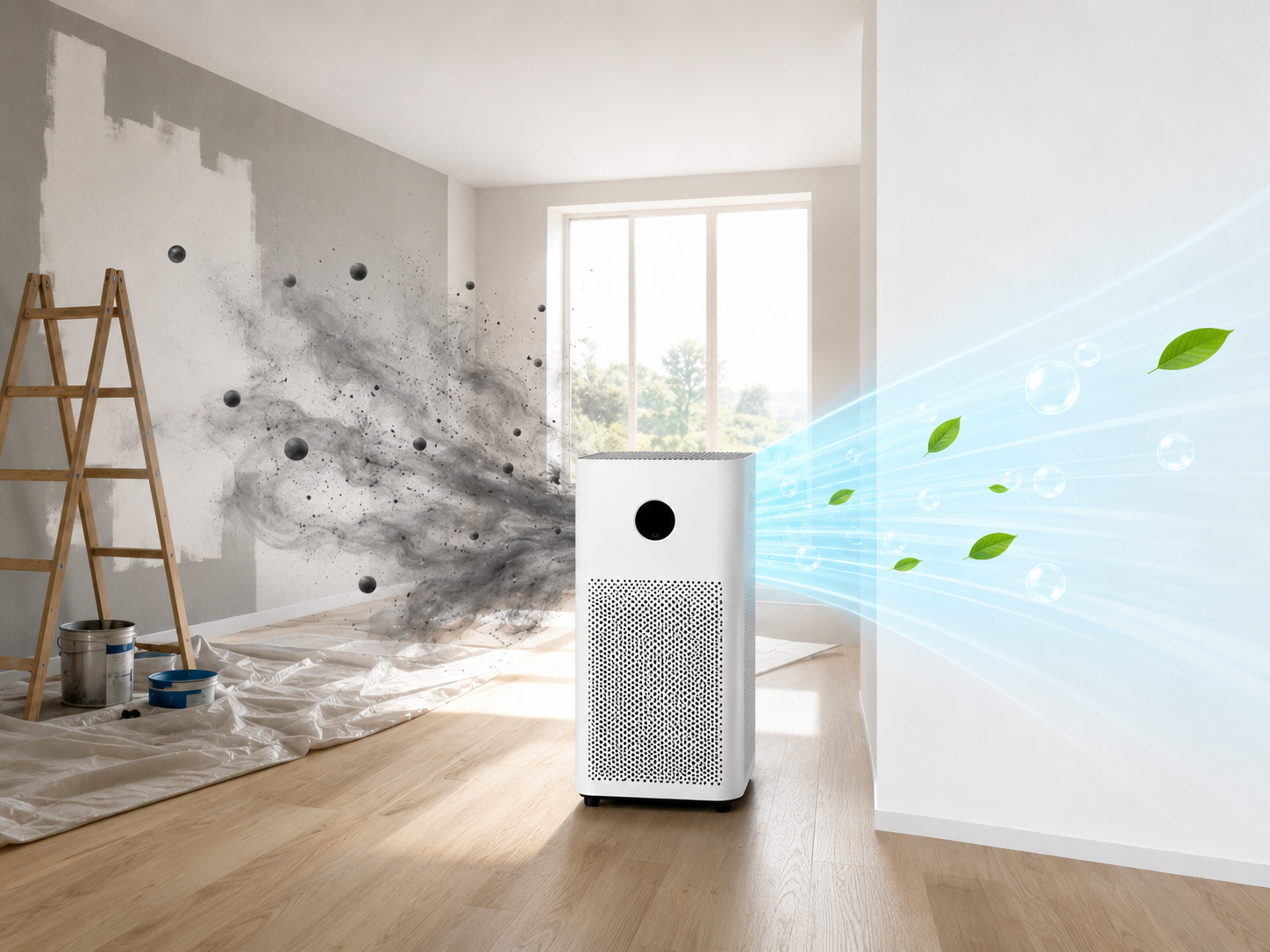
As more homeowners and commercial tenants recognize that VOCs from furniture, paint, adhesives, and cleaning products represent a meaningful air quality risk, activated carbon’s ability to adsorb gaseous pollutants is becoming a real purchase driver rather than a secondary feature. For brands offering HEPA and activated carbon combination filters, the convergence of particle and VOC concerns is one of the cleaner value-proposition opportunities in the current market.
Smart Filters and the IoT Inflection Point
Smart air purifiers are past the early-adopter phase. IoT integration — app control, real-time air quality sensors, automated filter replacement notifications — is no longer a premium differentiator in the way it was in 2021. It’s becoming a baseline expectation in the mid-to-high price tier.
One market projection puts IoT integration as standard in 70% of residential air purification units by 2030. IndexBox’s April 2026 analysis describes the smart home IAQ filter segment as transitioning “from a niche convenience product to a mainstream component of connected health and wellness ecosystems.”
The practical implication for filter manufacturers goes beyond building smarter hardware. It’s about the data layer. IoT-connected purifiers generate real usage information — actual runtime hours, particulate load readings, measured airflow degradation over time. That data turns filter replacement from a scheduled guess into an accurate recommendation. It also changes how smart home air purifier filters are priced, marketed, and repurchased.
Predictive maintenance, once a concept borrowed from industrial operations, is becoming a consumer expectation. Brands building this capability into their filter ecosystems now are positioning themselves ahead of the subscription replacement economy developing around it.
The Filter Replacement Economy: A Market Inside the Market
There’s a structural reality in air purifier economics that doesn’t get enough direct attention: the device is often sold at or near cost, while the actual revenue comes from replacement filters purchased over the product’s lifetime.
Fortune Business Insights notes that frequent filter changes increase total cost of ownership, and that price-sensitive consumers often delay or skip replacements because of ongoing maintenance costs. That friction is real — but it’s fundamentally a design and communication problem, not a market-size problem.
Brands are responding in two ways. The first is extending filter lifespan through better media technology: washable pre-filters, higher-density HEPA layers, and improved activated carbon profiles that hold performance longer before degrading. The second is subscription programs that remove friction from the replacement decision by making it automatic and predictably priced.
The subscription model also creates a data compound effect. Brands with subscription customers know actual replacement intervals across real households. They can monitor adherence patterns and use that data to improve product development in ways that brands selling exclusively through one-time retail channels simply don’t have access to.
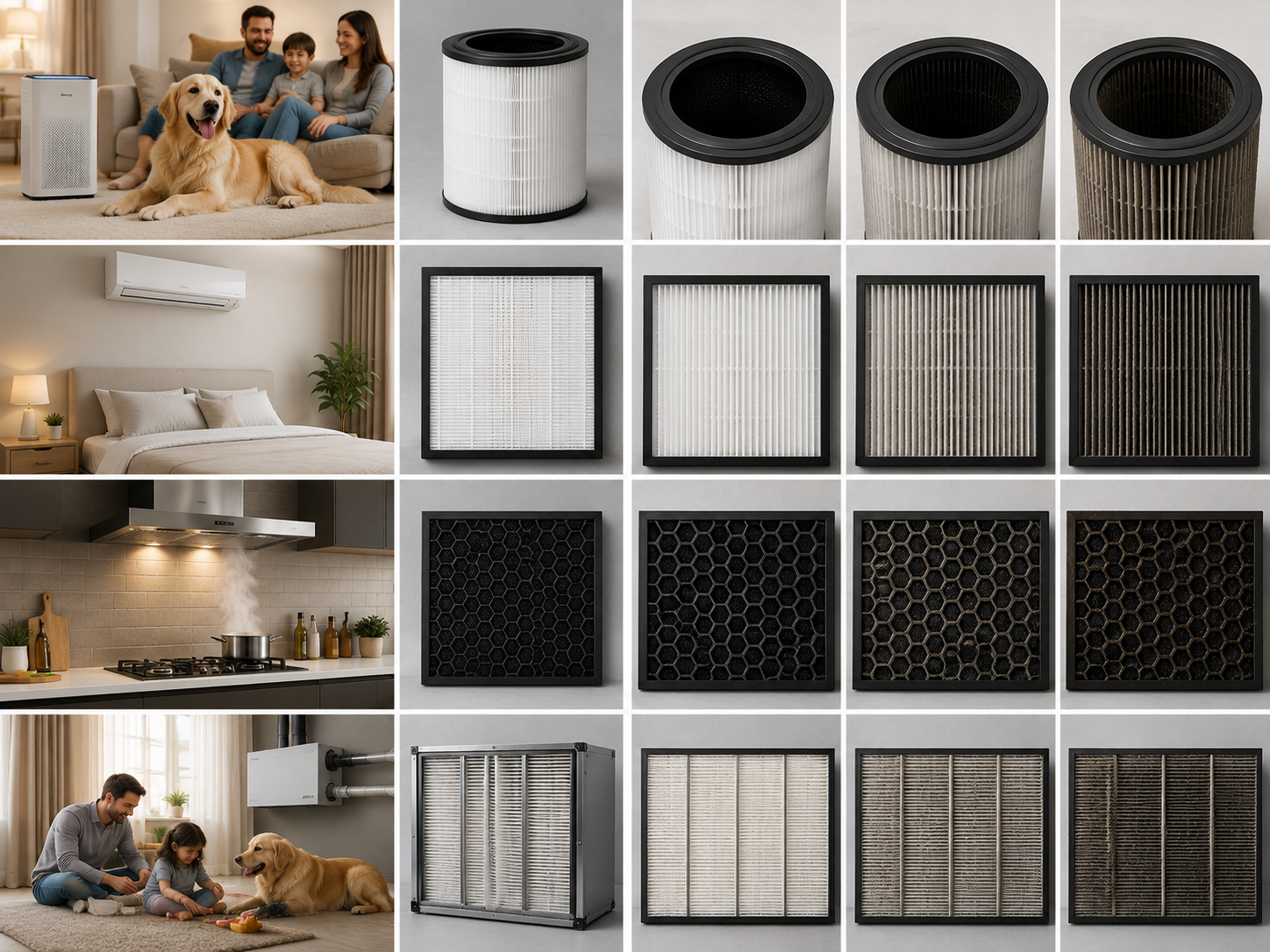
For homeowners trying to figure out the right air purifier filter replacement schedule, the honest answer is that it depends on actual conditions — household size, local pollution levels, pets, cooking frequency, and seasonal particulate loads all affect how quickly a filter reaches the end of its useful life.
What Regional Data Actually Says About Where Growth Is Concentrated
Asia-Pacific commanded approximately 39% of global air purifier market share in 2025. The driver is a combination of rapid urbanization, deteriorating ambient air quality in major cities, and a consumer base that has high awareness of both outdoor and indoor air pollution. China and India are the two largest individual markets, while Southeast Asian countries are growing faster off a smaller base.
North America occupies a different position. Absolute volume is smaller, but revenue per unit is significantly higher, driven by demand for smart, high-performance, and design-forward products. The U.S. commercial segment — offices, healthcare, schools — is projected to grow at approximately 15.85% CAGR through 2031 as WELL and LEED building certifications turn air quality monitoring from a feature into a compliance requirement.
Europe’s story is mostly regulatory. Tightening EU air quality standards and updated building ventilation requirements create a compliance-driven demand floor that makes the European market more predictable, if less explosive, than Asia-Pacific.
Where This Leaves Brands and Buyers in 2026
A few things come into focus when you pull the threads together.
For buyers — residential or commercial — the performance gap between budget and premium filters has widened. Supply chain pressures have pushed some lower-cost producers to cut corners on media quality in ways that aren’t visible on the packaging but are measurable in actual particle capture rates. Filter certification now carries more weight than it did when the supply chain was more stable. Buying from manufacturers who publish actual test data rather than just certification claims is a meaningful risk-reduction move.
For brands, the window to establish a premium position is narrowing. The smart-connected, health-verified segment of the market is still gaining definition. Brands that lock in strong positions now — built on real performance data, IoT integration, and reliable replacement programs — will be significantly harder to displace when the market matures. The brands positioned to benefit most are those already investing in verified high-efficiency filtration solutions with transparent performance backing.
The air filter market in 2026 is not a story of a rising tide lifting every boat. It’s a story of a market separating into layers — and which layer you occupy determining almost everything about margin, customer lifetime value, and competitive resilience over the next decade.
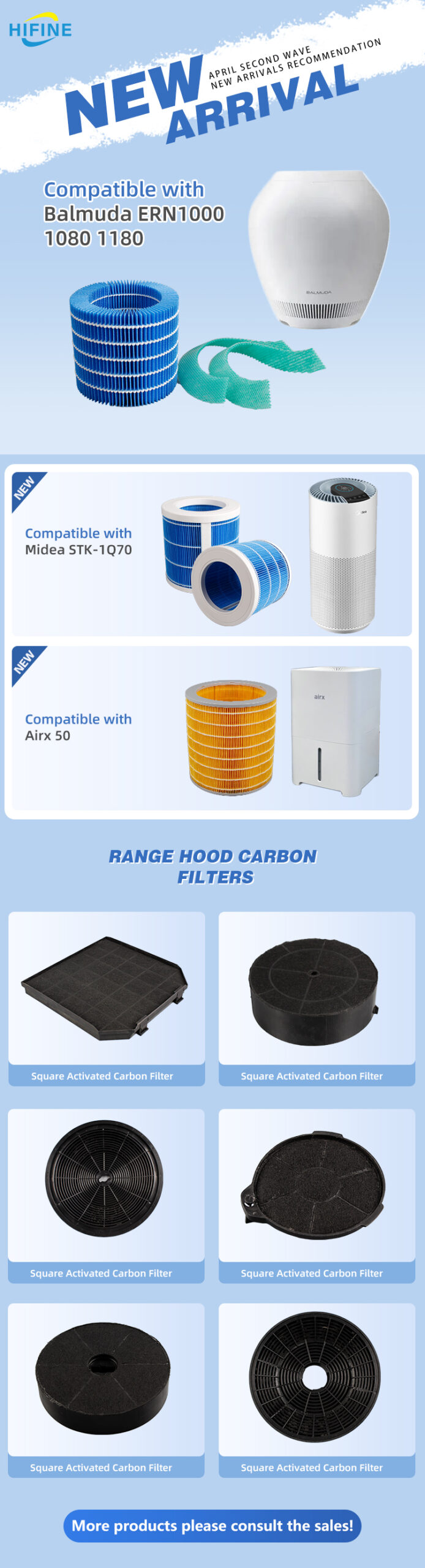
HIFINE designs premium air purifier replacement filters and smart home filtration solutions for residential and commercial applications. Our full product range is built around verified filtration performance, extended media life, and broad compatibility with major air purifier brands.