

There’s a common belief that sunlight can help cure fungal infections. So, open the windows, go outside, and let the ultraviolet rays work their magic.
The idea isn’t completely wrong. Ultraviolet radiation does kill mold spores on surfaces. But mold illness isn’t a surface-level problem — it’s what happens after mold and its toxic byproducts have already triggered a systemic response inside your body.
So let’s be precise. Sunlight has real, measurable biological effects that matter in this conversation. But “spend more time outdoors” is not a treatment plan. And in some cases, chasing sunlight while ignoring your indoor environment may be the exact reason you’re not getting better.
What Is Mold Illness, Exactly?
Before discussing sunlight, we need clarity on what mold illness actually is — because it’s one of the most misdiagnosed conditions in modern medicine.
The clinical term is Chronic Inflammatory Response Syndrome (CIRS), a multi-system illness first defined and researched by physician Ritchie Shoemaker, MD. CIRS is triggered primarily by mycotoxins — toxic compounds produced by mold species like Aspergillus, Stachybotrys chartarum, and Penicillium — when they colonize water-damaged buildings.
The CDC links the majority of mold-related health effects to prolonged indoor air exposure in water-damaged environments. Symptoms include:
- Persistent fatigue that doesn’t resolve with sleep
- Cognitive impairment, memory loss, difficulty concentrating
- Respiratory problems including chronic cough and shortness of breath
- Headaches and light sensitivity
- Joint and muscle pain
- Anxiety, mood changes, and disrupted sleep
These aren’t symptoms a walk in the sun will resolve. They reflect systemic inflammation and immune dysregulation driven by mycotoxin exposure. Critically, roughly 25% of the population carries HLA-DR gene variants that make them particularly susceptible to biotoxin illness — meaning the same building that causes mild symptoms in one person can trigger debilitating illness in another, according to Shoemaker’s published research.
What Sunlight Actually Does to Mold
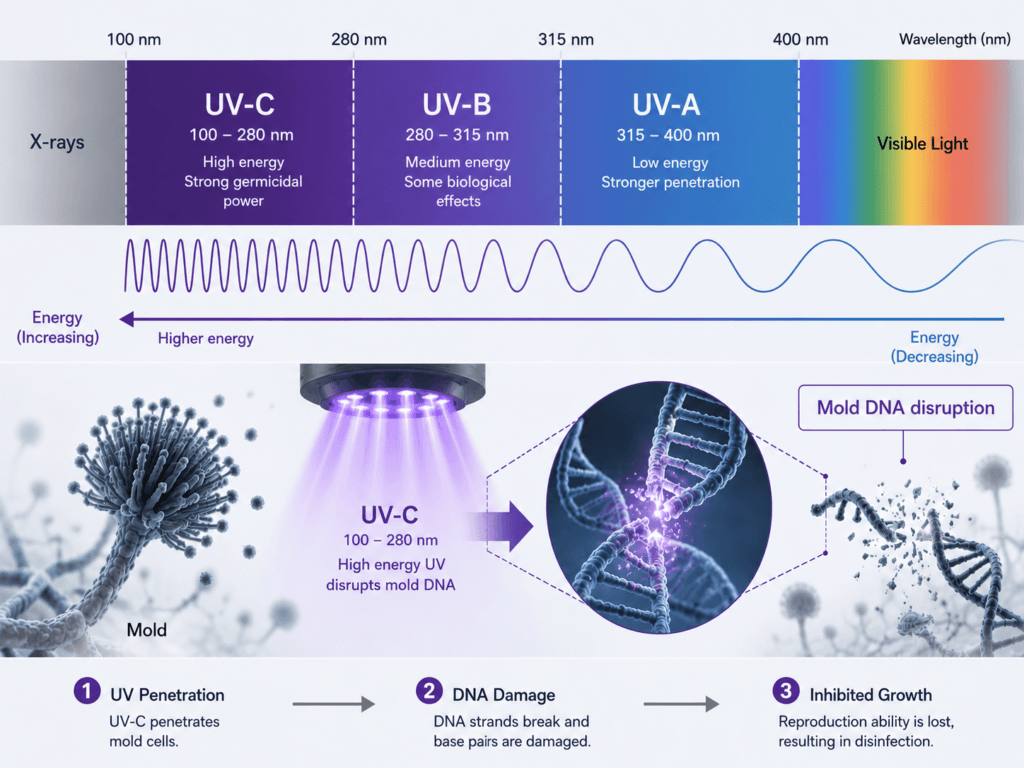
Here’s where the science gets interesting — and where the “sunlight helps” idea originates.
Ultraviolet light, specifically UV-C radiation at 200–280 nanometers, is a well-documented germicidal agent that disrupts the DNA of mold spores, preventing reproduction. Sunlight contains UV-A and UV-B radiation — less potent than UV-C, but still capable of degrading mold viability on exposed outdoor surfaces.
Research published in Photochemistry and Photobiology confirmed that UV-B radiation reduces fungal viability by damaging DNA replication mechanisms. This is genuinely useful for preventing mold growth on exterior wood, roof surfaces, or outdoor decks that receive sustained, direct sunlight.
The Indoor Air Quality Problem
The problem? Most mold exposure doesn’t happen outdoors.
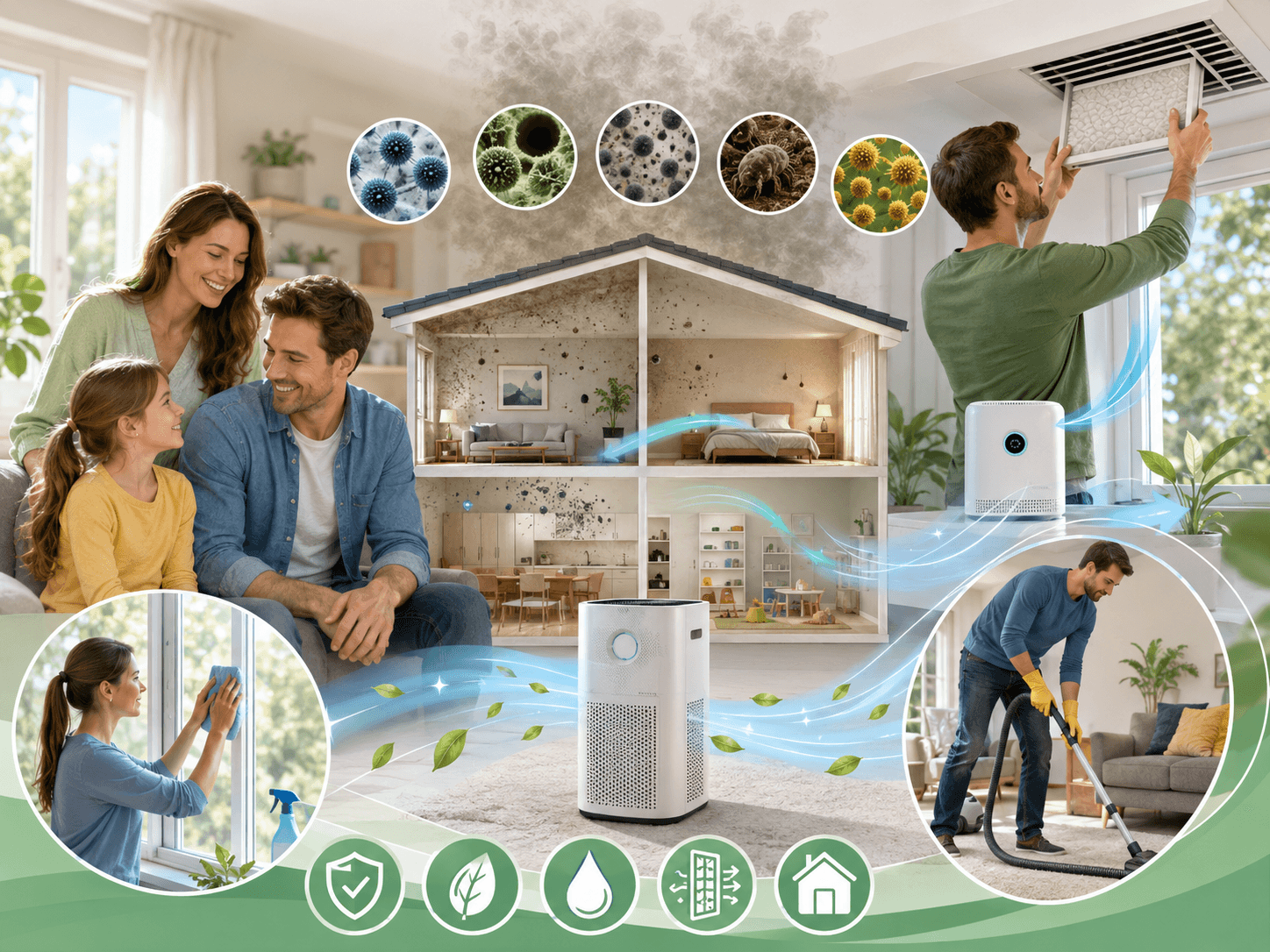
EPA data shows Americans spend approximately 90% of their time indoors — and that indoor air can be 2 to 5 times more polluted than outdoor air. In water-damaged buildings, that difference can be far greater. Mold spores and mycotoxin-carrying particles circulate through indoor air, settle into upholstery, carpet, and HVAC systems, and continuously re-enter the breathing zone.
Standard window glass blocks most UV-B radiation. The sunlight streaming through your windows provides warmth and visible light — but almost none of the UV wavelengths that could affect mold biology. And no amount of open windows reaches inside wall cavities or ductwork.
What About UV Air Purifiers?
This is where the conversation becomes actionable. UV-C air purifiers — also called UVGI systems — apply UV’s germicidal properties directly to indoor air by drawing it through a UV-C chamber before recirculation.
However, the EPA notes that UV-C purifiers are most effective when combined with high-efficiency particulate filtration. UV-C neutralizes living spores but doesn’t remove particles from the air. Dead mold cell fragments and mycotoxin-carrying particles can still trigger inflammatory responses when inhaled. This is why pairing UV-C systems with a properly maintained HEPA filter is the standard approach — and why replacing your air purifier’s filter elements on schedule isn’t optional maintenance. It’s what makes the system actually work.
The Vitamin D Connection — Where Sunlight Genuinely Helps
This is where sunlight earns a legitimate, evidence-backed role in the mold illness conversation.
Sunlight exposure triggers Vitamin D synthesis in the skin. UV-B radiation converts 7-dehydrocholesterol into previtamin D3, which is then metabolized in the liver and kidneys into its active hormonal form. And Vitamin D is far more than a bone health nutrient — it’s a key immunomodulatory compound with direct relevance to inflammatory conditions like CIRS.
A study published in the Journal of Investigative Medicine found that the prevalence of vitamin D deficiency is significantly higher among patients with chronic inflammatory response syndrome than in the general population. A review published in Nutrients in 2020 concluded that maintaining adequate vitamin D levels through sun exposure or supplementation may help regulate the chronic immune activation observed in environmentally induced diseases.
Here’s why that matters specifically for mold illness:
- Vitamin D regulates TGF-β1, one of the primary inflammatory cytokines chronically elevated in CIRS patients. Dysregulation of TGF-β1 contributes to fatigue, cognitive symptoms, and fibrotic tissue changes.
- It supports regulatory T-cell function, which is frequently impaired in biotoxin illness — leaving the immune system unable to shut down its own inflammatory response.
- Low Vitamin D is associated with increased susceptibility to fungal infections and weakened mucosal immunity, the first line of defense against inhaled particles.
But Vitamin D Doesn’t Fix the Root Cause
Vitamin D supports immune regulation. It does not remove mold from your environment and it does not eliminate mycotoxins from body tissues.
This is the distinction that wellness content consistently blurs. If you’re still being exposed to mold daily through contaminated indoor air, your immune system is fighting a continuous battle — and nutritional support, while genuinely useful, cannot win that battle alone.
The Cleaning Mistake That Makes Mold Illness Worse
Here’s something almost never discussed in mold illness content: what your vacuum cleaner is doing to your indoor air.
Many people respond to mold concerns by cleaning more frequently. The intention is right. But if your vacuum uses a degraded or low-quality filter, vacuuming can pull mold spores from carpet fibers and surfaces — then exhaust them back into the air as finer, more deeply inhalable particles than they were to begin with.
Robot vacuums compound this problem. They run autonomously, often while you sleep, cycling continuously through living spaces. A robot vacuum with a worn-out filter doesn’t lose suction efficiency alone — it becomes a mold spore redistribution system operating on autopilot in your home.
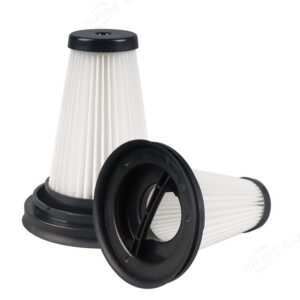
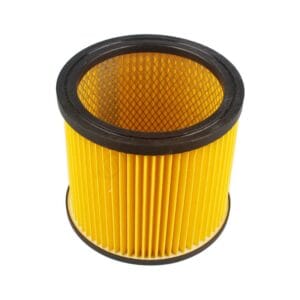
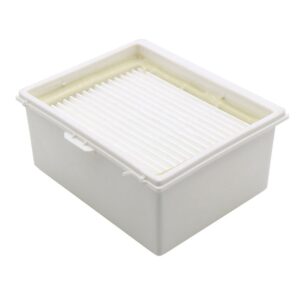
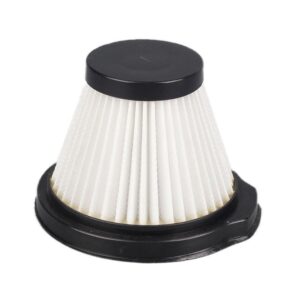
Standard guidance: vacuum filters should be replaced every 3 to 6 months under normal conditions — more frequently in mold-affected environments. HIFINE manufactures replacement filters for a wide range of vacuum and robot vacuum models, built to maintain true filtration performance throughout their rated service life rather than degrading quietly over months of use.
What Actually Works: A Practical Indoor Air Reset
If you’re managing or recovering from mold illness, here’s what evidence actually supports:
Find and Eliminate the Moisture Source
No filtration system compensates for an active moisture problem. The EPA recommends maintaining indoor relative humidity between 30–50% to prevent mold growth. A $10 hygrometer placed in high-risk rooms is one of the highest-leverage purchases you can make.
Upgrade to True HEPA Filtration
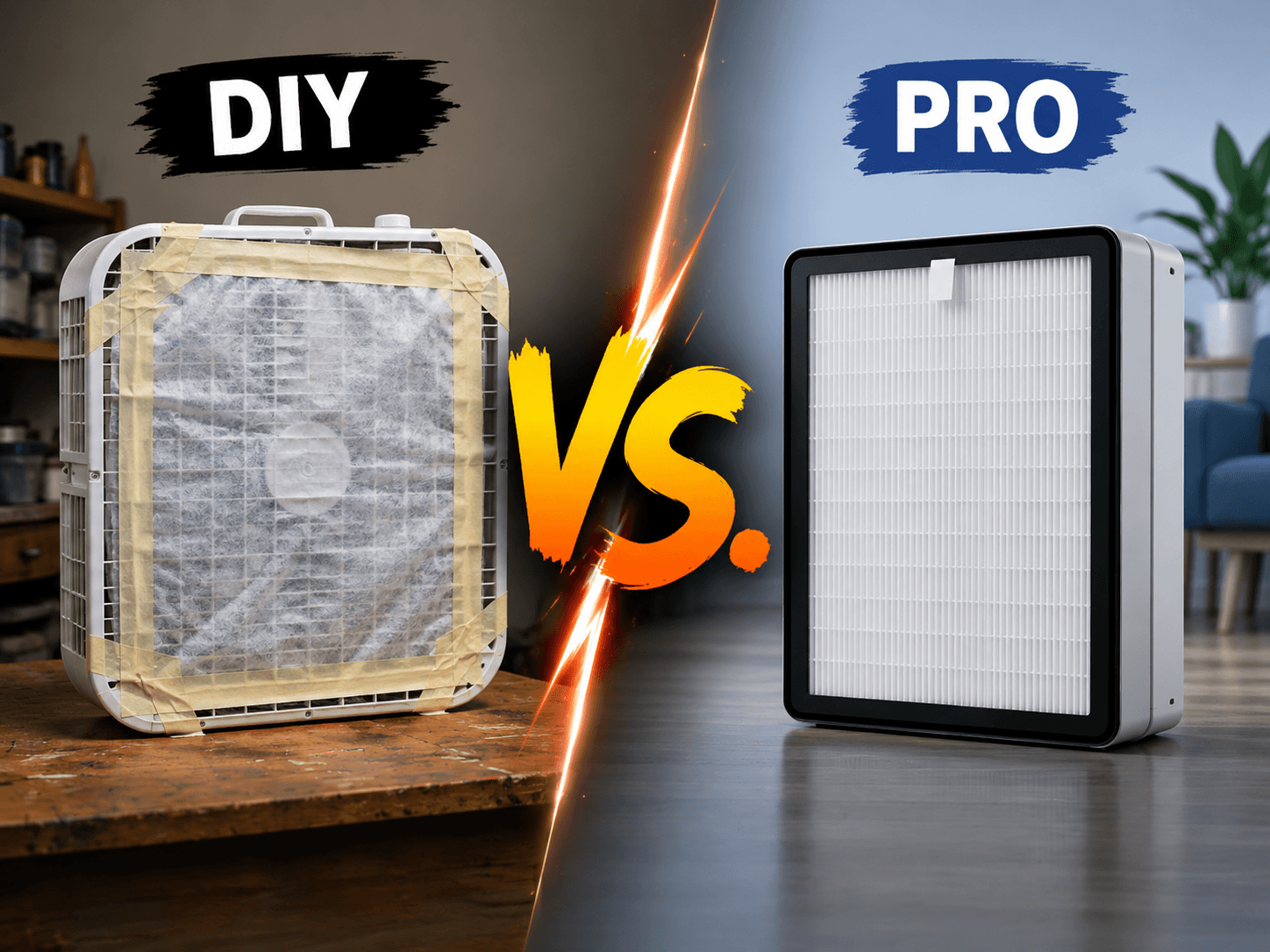
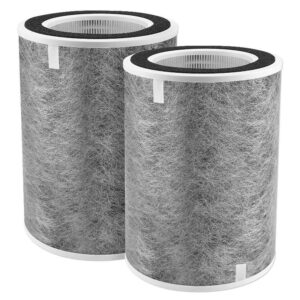
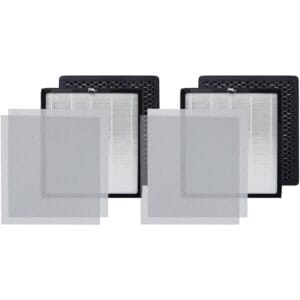
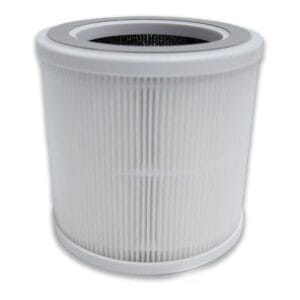
True HEPA filters capture 99.97% of particles ≥0.3 microns — including mold spores and mycotoxin-carrying particles. Running an air purifier with a maintained HEPA filter is the most direct mechanical intervention available for reducing ongoing inhalation exposure. HIFINE replacement air purifier filters are engineered to maintain this performance standard.
Replace Vacuum Filters on a Schedule
A clogged filter inverts the purpose of cleaning. Maintain a replacement schedule and log it — most households forget when they last changed their vacuum filter. In mold-affected homes, consider replacing every 1–3 months.
Support Vitamin D Through Sun Exposure
Aim for 15–30 minutes of direct sunlight several times per week, with arms and legs exposed. For those with limited sun access, darker skin tones, or documented Vitamin D deficiency, Vitamin D3 supplementation may be warranted — discuss dosage with a physician before starting.
Work With a CIRS-Literate Practitioner
Mold illness is frequently misdiagnosed as chronic fatigue syndrome, depression, fibromyalgia, or anxiety. Practitioners trained in the Shoemaker Protocol can order HLA-DR gene typing, Visual Contrast Sensitivity (VCS) testing, and cytokine panels to confirm biotoxin illness and guide a structured recovery plan.
Conclusion
Can sunlight help with mold illness? Yes — partially, in specific and limited ways.
UV light can kill mold on outdoor surfaces. Vitamin D from sunlight may support the immune regulation that CIRS patients genuinely need. But sunlight cannot penetrate the indoor environments where mold exposure actually happens. It does not remove mycotoxins from your body. And it is not a substitute for the core interventions: eliminating moisture, upgrading air filtration, and maintaining the filtration systems already in place.
Sunlight is a supporting cast member — not the lead.
Your environment shapes your recovery more than any single supplement or habit. Clean air is the foundation. Sunlight is the bonus.