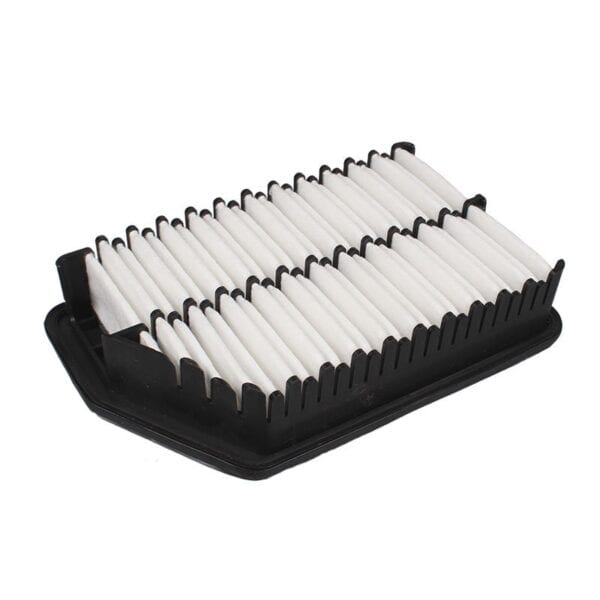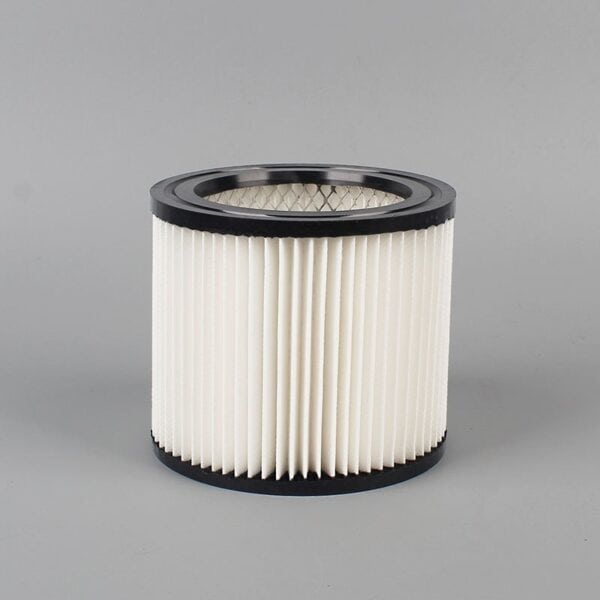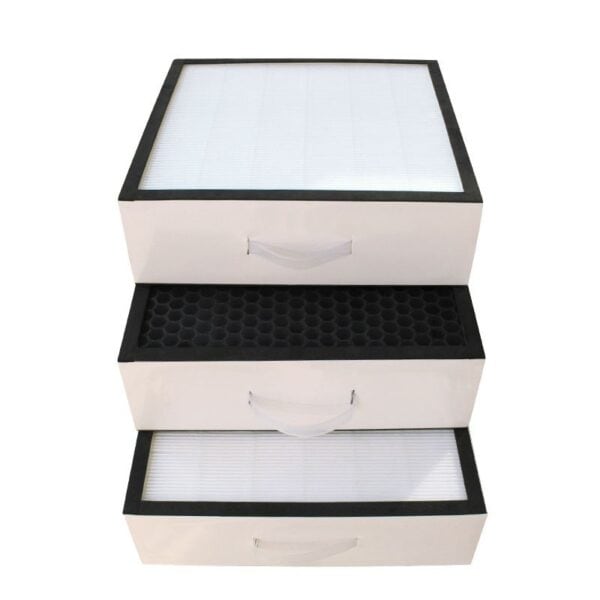

The number on the box — 6 to 12 months — was written for a home with average dust, average occupancy, and average air quality. Most homes are not average.
Whether your HEPA filter lasts 6 months or 12 depends on what is actually circulating in your air. The calendar is a reminder to check. Your environment decides when to replace.
What the Standard 6-to-12-Month Window Actually Reflects
Manufacturers derive replacement windows from controlled testing conditions: moderate particle load, stable temperature, consistent fan operation. Under those conditions, HEPA media maintains its rated efficiency and acceptable airflow resistance for 6 to 12 months.
The window is not wrong — it is just not specific. It tells you when to start paying attention, not when to act.
| Produkttyp | Empfohlener Zyklus | Schlüsselindikator für die Ersetzung |
| HEPA-Luftreiniger | 6 - 12 Monate | Sichtbare Staubablagerungen, verminderter Luftstrom oder anhaltender Geruch. |
| Roboter-Staubsauger | 3 - 6 Monate | Saugkraftverlust, sichtbare Abnutzung oder Verstopfung des Filtergewebes durch Fremdkörper. |
| Handstaubsauger | 6 - 12 Monate | Suction loss even after washing, or persistent “musty” smell. |
| Auto-Innenraumfilter | 12.000 - 15.000 Meilen | Reduzierter Luftstrom der Klimaanlage/Heizung oder unangenehmer Geruch, wenn die Klimaanlage eingeschaltet ist. |
| HVAC (Haus AC/Ofen) | 1 - 3 Monate | Der Filter sieht dunkel/grau aus, oder das HLK-System läuft länger als gewöhnlich. |
Why Your Home Sets the Real Replacement Schedule
Pet and High-Traffic Households
Pet dander particles range from 0.5 to 100 microns, covering both the fine particle range a HEPA filter is rated for and larger debris that loads the pre-filter layer faster. Combined with foot traffic and carpet agitation, pet households generate substantially higher particulate volume than the conditions used to establish standard replacement windows.
In practice: plan to replace 30–50% earlier than the listed maximum. A filter rated for 12 months may reach saturation in 6 to 8 in a pet-owning home.
Allergy and Respiratory Sensitivity Households
Für households managing asthma, allergic rhinitis, or immunocompromised conditions, filter saturation is not a maintenance issue — it is a health variable. As the filter loads, even a certified H13 unit begins to deliver fewer effective air changes per hour. The capture rate technically holds, but the reduction in airflow means less air is being filtered per unit of time.
A 3-to-6-month replacement schedule is appropriate for these households — shorter than standard — to maintain consistent CADR performance throughout the filter’s life, not just at the beginning.
How to Read the Signals Your Filter Sends Before It Fails
Time-based intervals are inspection triggers. The filter itself signals when it is done.
Visual Signs
Color shift in the media. HEPA filter media starts white or off-white. When it darkens to gray or black, the fiber matrix is saturated. At this stage, surface cleaning provides no benefit — particles are embedded deep in the fiber structure. Once internal fiber clogging occurs, airflow efficiency is permanently reduced, not temporarily.
Performance Signs
Reduced output at the same fan setting. Increased static pressure from a loaded filter forces the motor to work harder for less output. If airflow at your purifier’s outlet feels noticeably weaker at an unchanged speed setting, the filter is the likely cause — not the motor.
Odor from a running unit. A filter capturing mold spores in a damp environment can become a source of the smell it was meant to prevent. If your air purifier emits a musty or stale odor during operation, replace the filter immediately. This cannot be resolved by cleaning.
Why Washing a HEPA Filter Is Not Maintenance
Most certified HEPA filters rely on a combination of physical fiber interception and electrostatic charge to capture submicron particles. Water disrupts the electrostatic layer permanently.
Filters labeled “washable HEPA-type” typically do not meet the EN 1822 efficiency standard. If a filter is certified to a true HEPA grade — H11 through H14 — the correct maintenance action is replacement, not cleaning.
Filter grade also affects how quickly media loads under the same particle conditions. For a full breakdown of how H11 through H14 HEPA grades differ in efficiency and airflow trade-offs, see our dedicated grade comparison.
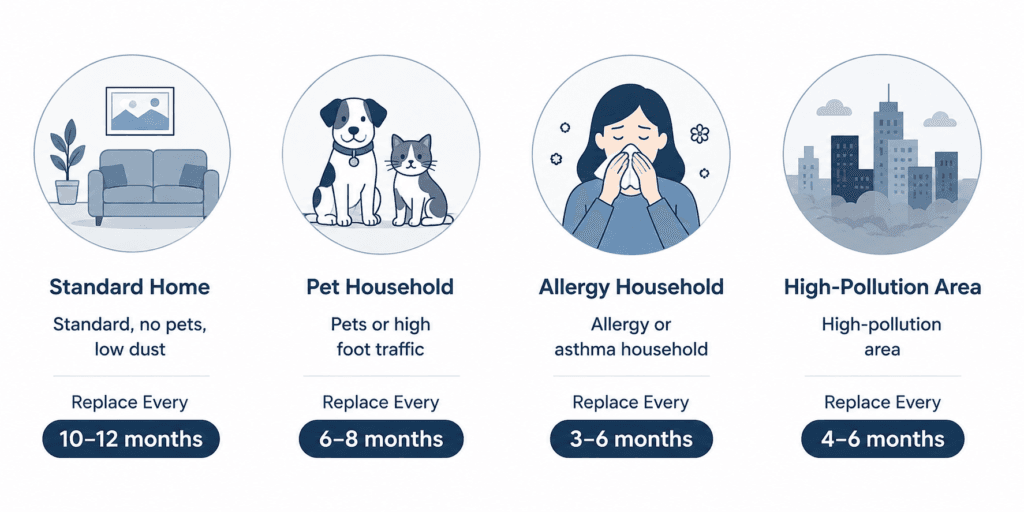
Replacement Frequency by Household Type
| Household Condition | Recommended Replacement Interval |
|---|---|
| Standard, no pets, low dust | Alle 10-12 Monate |
| Pets or high foot traffic | Every 6–8 months |
| Allergy or asthma household | Alle 3-6 Monate |
| High-pollution area | Every 4–6 months |
Intervals assume continuous operation at normal fan speed. High-speed operation during elevated pollution periods will shorten filter life proportionally.
HIFINE manufactures replacement air purifier filters compatible with major brands, produced to EN 1822 test standards with ISO 9001-certified quality control — so the grade rating on the filter matches what arrives in the unit.