
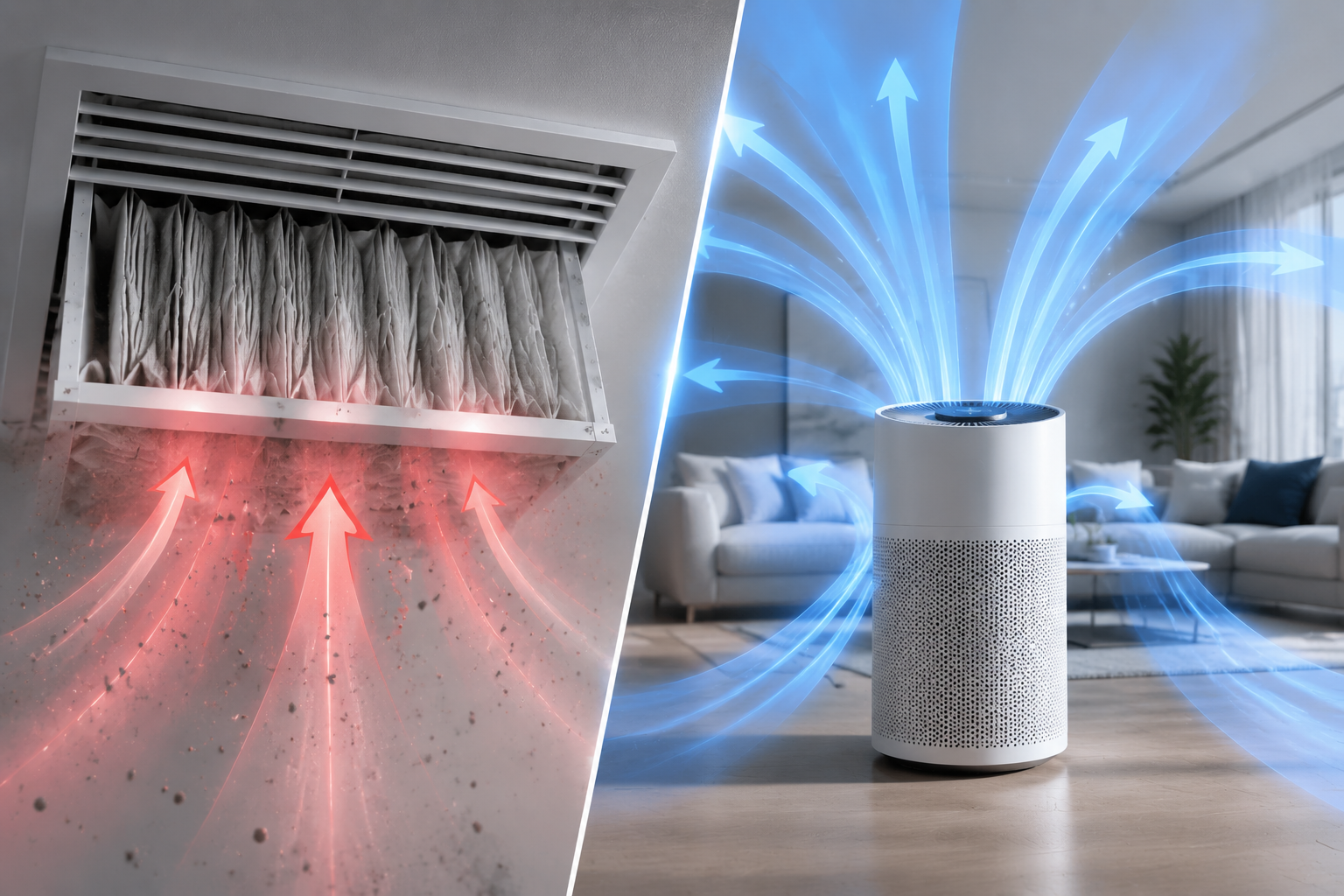
For years, one rule guided indoor air advice: buy the highest-rated filter your HVAC system can handle. That rule hits a real ceiling, and the efficiency numbers behind MERV and HEPA ratings show why. Sales data confirms which alternatives buyers turned to.
Why MERV 13 Filters Strain Most HVAC Systems
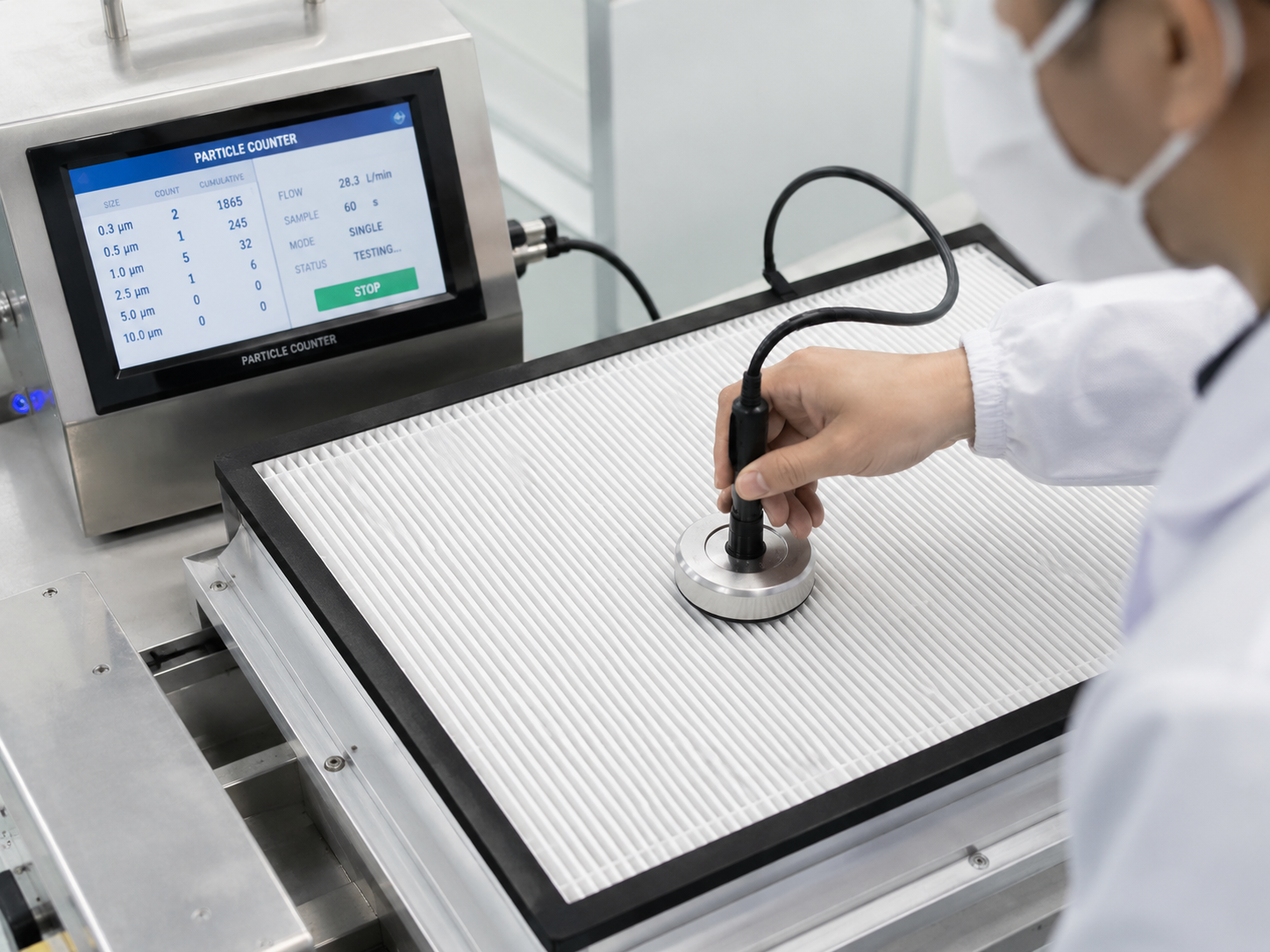
ASHRAE Standard 52.2 created the MERV scale. This test method measures how much of each particle size a filter traps as air moves through it.
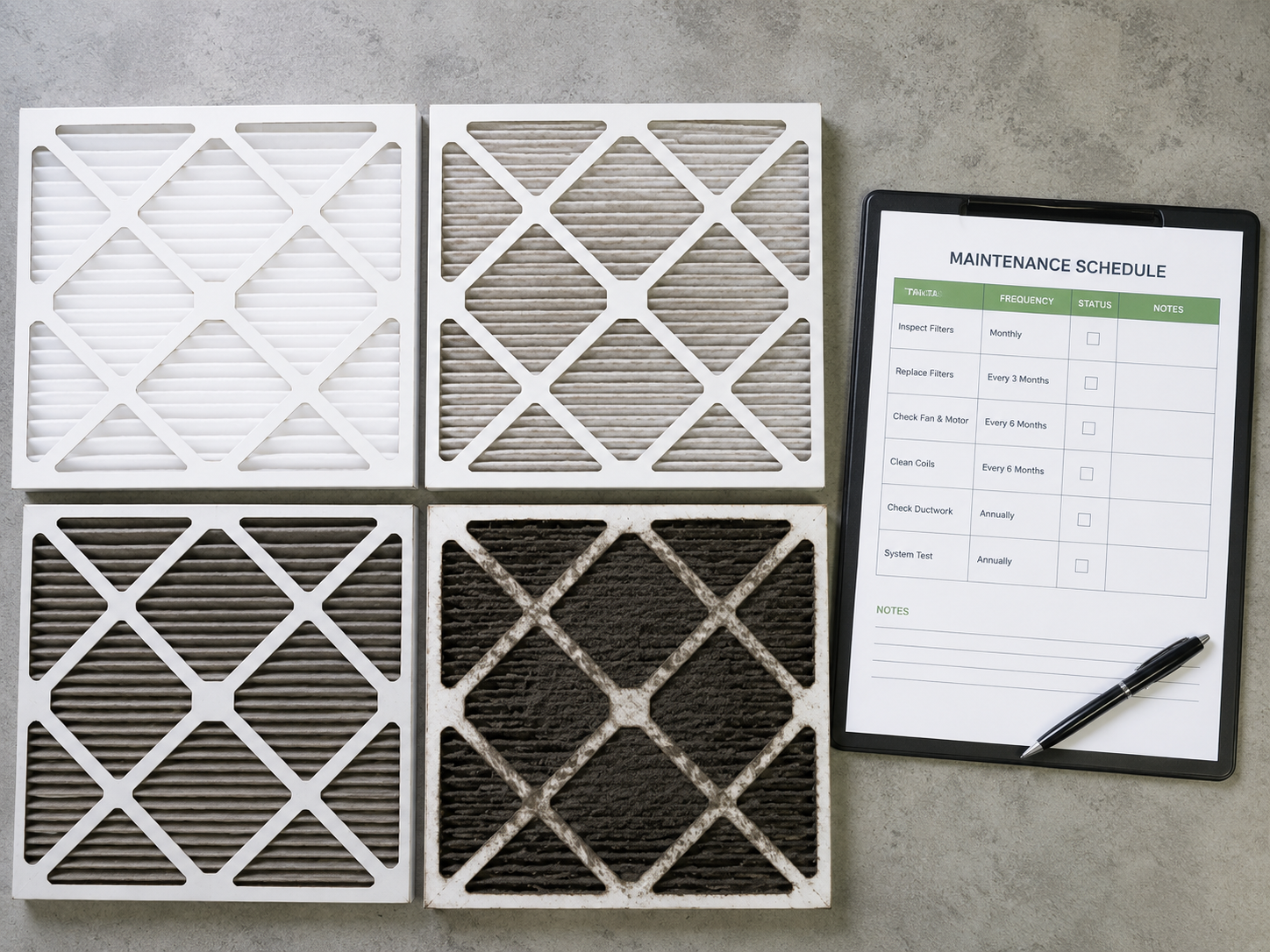
The EPA gives clear guidance here. Choose the highest MERV rating your system’s fan and filter slot can handle. The agency sets MERV 13 as its recommended floor for capturing fine particulate matter. Most residential systems can handle MERV 13 filters without experiencing mechanical failure. However, it is crucial that they are replaced on schedule.
That floor is lower than most people assume. A MERV 13 filter only needs to catch 50% of the smallest particles EPA tests for. True HEPA media clears a much higher bar. Under EN 1822, an H13-grade filter must trap at least 99.95% of particles at its hardest-to-catch size. That capture-rate gap answers the question directly. Standalone HEPA purifiers simply catch far more of the smallest particles, things like smoke, viral aerosols, and ultrafine dust.
You cannot simply swap in HEPA-grade media to close that gap, though. A jump to MERV 13 already raises pressure drop by two to four times. Ductwork made for a thinner filter loses airflow fast, and the blower motor works harder to compensate. Homeowners often see a filter upgrade as a simple swap. HVAC technicians see it differently, as a system-level change that needs static pressure testing first. Standard one-inch slots fit flat panel filters, not the dense media true HEPA requires.
Standalone units also win on airflow speed. A central HVAC blower pushes air fast through the filter, across a whole home’s air volume. A portable purifier moves air through dense HEPA media far more slowly, inside a single room. That slower pace gives the media more time to catch fine particles. It is a big reason real-world performance in a standalone unit can beat what a central filter slot could ever deliver. Our article on the technical distinction between MERV and HEPA ratings breaks this down in more detail.
This gap explains a lot. Central systems cannot always support what people want from their air. Many households have simply stopped waiting for a retrofit.
What Standalone Air Purifier Sales Really Show
Standalone and portable units already win most of the market. They hold roughly two-thirds of global air purifier revenue as of 2026. The smart air purifier segment tells a similar story. Stand-alone portable units hold a share above 60%, even as connected, app-controlled features expand. HEPA remains the top filtration choice among buyers. It holds more than 40% of the market by technology type.
This pattern makes sense. A dedicated unit in a bedroom or nursery solves the airflow problem completely. Engineers built it around HEPA-grade resistance from day one. A furnace built for a MERV 8 panel never had that advantage.
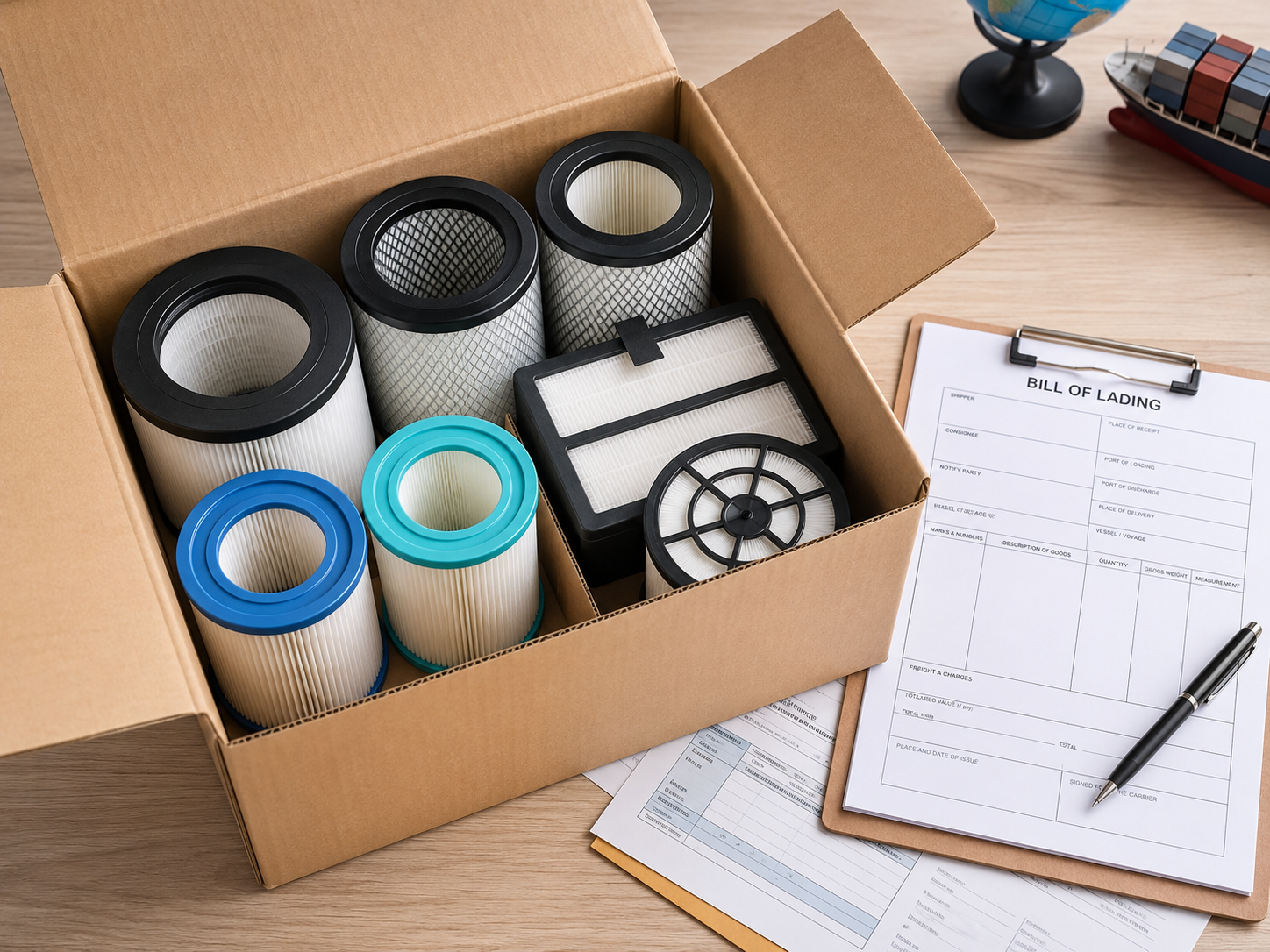
For overseas brands and distributors, this shift means something specific. It signals rising demand for consumables, not just appliances. Every unit sold today becomes a filter replacement order within six to twelve months. That recurring purchase is where the real margin sits.
How Compatible Filters Create New Profit Margin
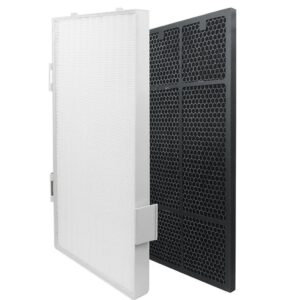
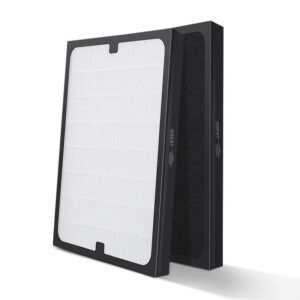
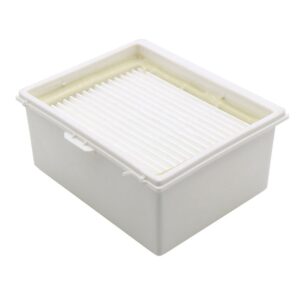
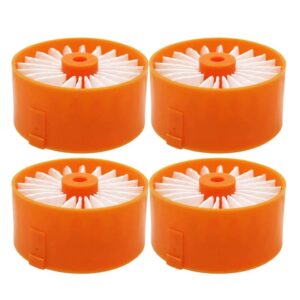
The replacement filter category has grown into its own business line. It now stands apart from the appliance sale itself. Retailers once treated it as an afterthought. Today, many build it on purpose. They source compatible filters that match OEM fit and performance at a lower landed cost. Then they package these filters under a private label. Clear model compatibility, multi-packs, and simple replacement guidance complete the offer.
This works for a simple reason. Whoever controls sourcing controls the economics. A compatible filter built to the original specification does not need to compromise on performance to compete on price. It needs a supplier who can hold dimensional tolerance, media grade, and sealing consistency across every batch. That reliability earns repeat orders. Price alone rarely does. Our air purifier filter and smart home filtration lines compete directly against branded OEM cartridges for this reason.
Why HIFINE Fits OEM and Private Label Programs
We manufacture the filter media itself, not the appliances built around it. That distinction matters when a brand looks for a long-term supply partner, not a one-off order.
Production runs under ISO 9001 quality management. HEPA grades span H11 through H14, built to EN 1822 classification. Each filter matches the exact dimensions, frame material, and airflow requirements of the model it replaces.
This compatibility engineering already supports OEM and ODM programs across several categories. These include air purifiers, robot vacuums, humidifiers, and residential water filtration systems. It extends to adjacent categories too, like range hoods and induction cookers, where similar pleated-media and airflow-resistance principles apply. Brands such as Xiaomi, Haier, Dreame, Midea, Kärcher, and Shark have worked with our supply chain. That track record gives new private-label partners a clear reference point for production consistency at scale.
For a distributor or wholesale buyer, the value goes beyond a lower unit cost. A true manufacturing partner turns a customer’s drawing or sample into a repeatable production spec. It manages private-label packaging and labeling across multiple markets. It stands behind fit and filtration performance the way the original equipment brand would.
How to get started
Home appliance filtration is no longer optional. It has become a recurring, model-specific consumable. Customers reorder it on a predictable cycle. The brands capturing that repeat revenue treat filter sourcing as seriously as the appliance itself.
Are you a brand owner, wholesaler, or distributor? Our engineering team can review your model list, confirm fit and media grade, and quote a program built around your volume. Contact us for a full product catalog and an OEM/ODM proposal.