
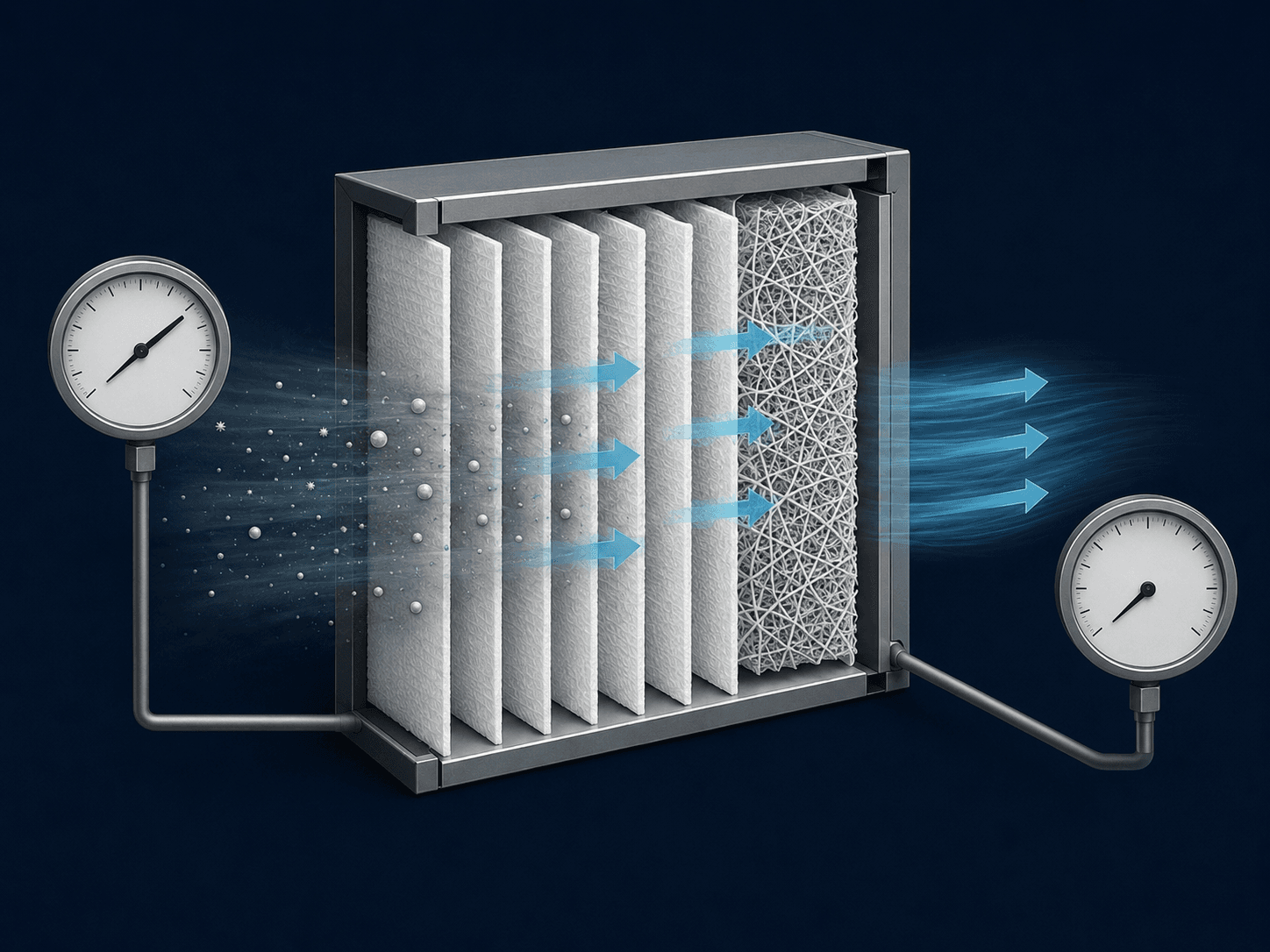
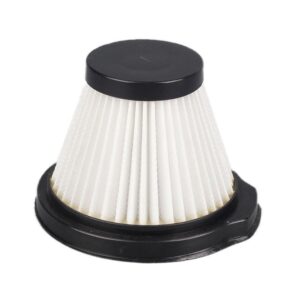
Pressure drop is the one filter metric most people never check. That’s a problem, because it tells you more about filtration health than any cleaning schedule or replacement reminder ever could.
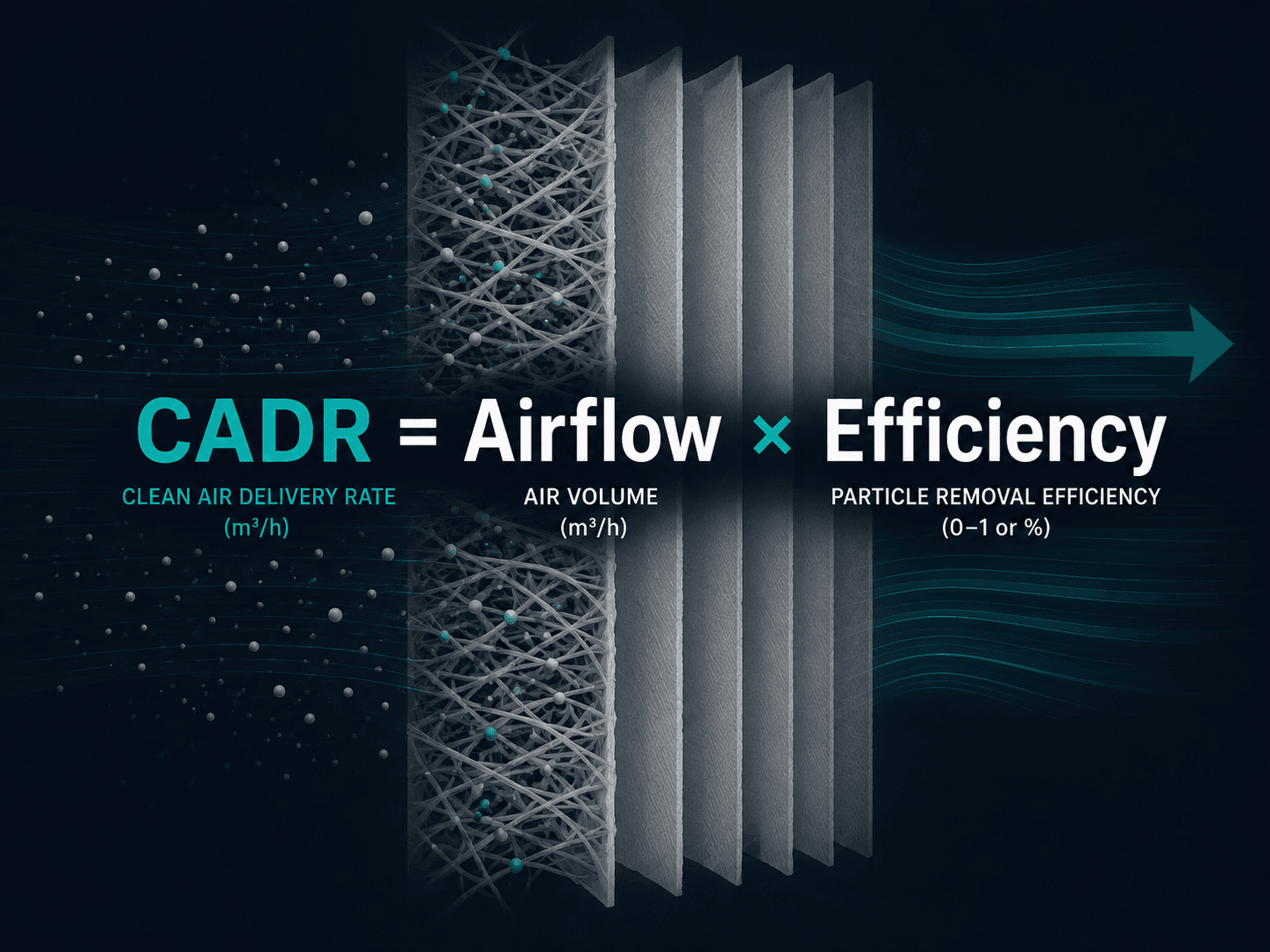
Here’s the part that trips people up: a HEPA filter is supposed to restrict airflow. The dense fiber matrix that captures 99.97% of particles at 0.3 microns does so precisely because it slows air and forces contact between fine particles and fibers. Some resistance is the design — not a defect.
The real question isn’t whether your filter has pressure drop. It’s whether the number falls inside a healthy range. And that range is more specific than most manufacturers let on.
EN 1822, ASHRAE, and Real Pa Numbers
Two international standards define what “normal” looks like for HEPA filter pressure drop.
EN 1822-1:2019, the European benchmark for high-efficiency particulate air filters, specifies that an H13-grade HEPA filter — the grade used in most consumer air purifiers and premium vacuums — should show an initial static pressure drop of approximately 150–250 Pa (0.6–1.0 in w.g.) when tested at rated face velocity. H14-grade filters, with higher fiber density, run slightly higher: commonly 200–300 Pa at the same airflow.
ASHRAE Standard 52.2-2017, the North American equivalent used for HVAC and commercial filter ratings, approaches efficiency and resistance in parallel. For nuclear-grade HEPA filters, DOE-STD-3020-2015 — the U.S. Department of Energy’s specification — draws a clear line: initial airflow resistance must not exceed 1.0 in w.g. (250 Pa), and the filter replacement threshold sits at 1.5–2.0 in w.g. (375–500 Pa) at rated airflow.
Taken together, these standards give us a working reference table:
| Filter Condition | Pressure Drop (Pa) | Pressure Drop (in w.g.) |
|---|---|---|
| New / Clean | 100–250 | 0.4–1.0 |
| Mid-life (loading phase) | 250–400 | 1.0–1.6 |
| Terminal | 375–500+ | 1.5–2.0+ |
One critical point: these values assume the filter operates at its rated airflow velocity. Increase fan speed and pressure drop escalates disproportionately. The relationship is roughly quadratic — a 30% increase in airflow can nearly double the pressure drop across the media. Filter sizing matters as much as filter grade.
Pressure Drop Isn’t Static
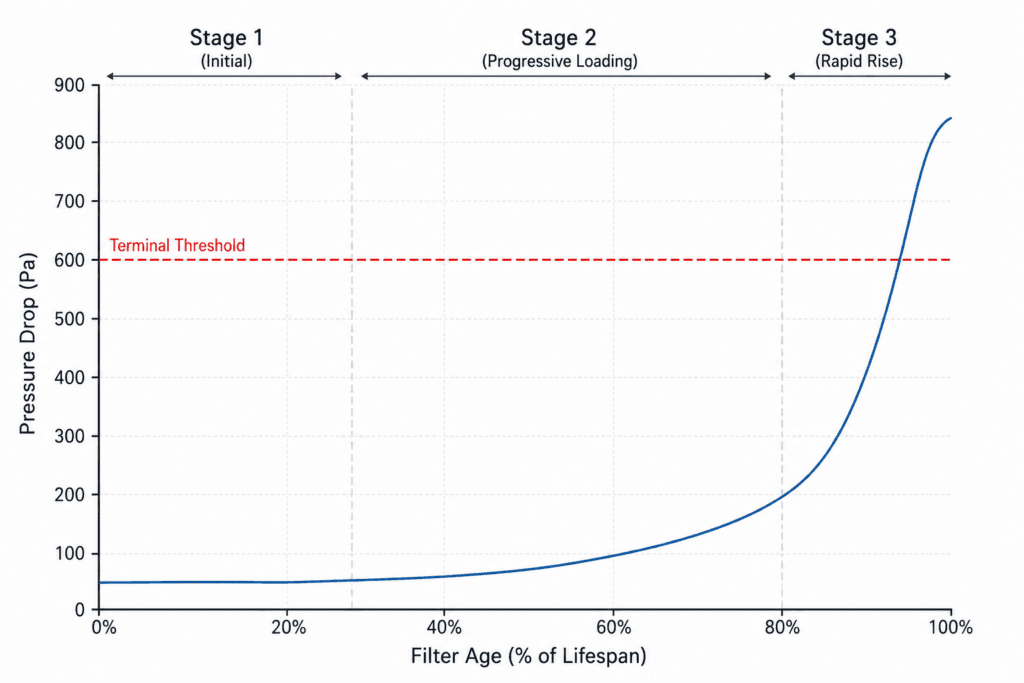
A new filter and a six-month-old filter occupy completely different pressure regimes. Understanding this curve is what separates informed filter management from guesswork.
It’s a common mistake to think you can tell if a HEPA filter is clogged just by looking at it. The truth is that these filters are designed to trap particles deep inside their fibers, so a filter can look perfectly clean on the outside while being completely backed up on the inside. Relying on visual inspection is unreliable because the real metric for a filter’s health is air resistance, not how much dust you can see on the surface.
When you first install a new filter, air moves through it easily. Over time, a layer of captured debris—what engineers call a “dust cake”—builds up on the face of the media. While this layer can actually help the filter catch even smaller particles, it also creates resistance that makes it harder for air to pass through. You likely won’t notice any change during the first half of the filter’s life, but as it enters the final stage, that resistance spikes. This forces your vacuum or air purifier’s motor to work significantly harder just to maintain normal airflow.
If you notice your vacuum losing suction or your air purifier’s fan constantly ramping up to high speeds, that is the real sign that the filter is failing. Once the internal pressure resistance hits about double the initial level, the filter has reached its functional limit. At that point, it needs to be changed immediately, even if it doesn’t look particularly dirty to the naked eye.
How Installation & Airflow Impact Your HEPA Filter’s Performance
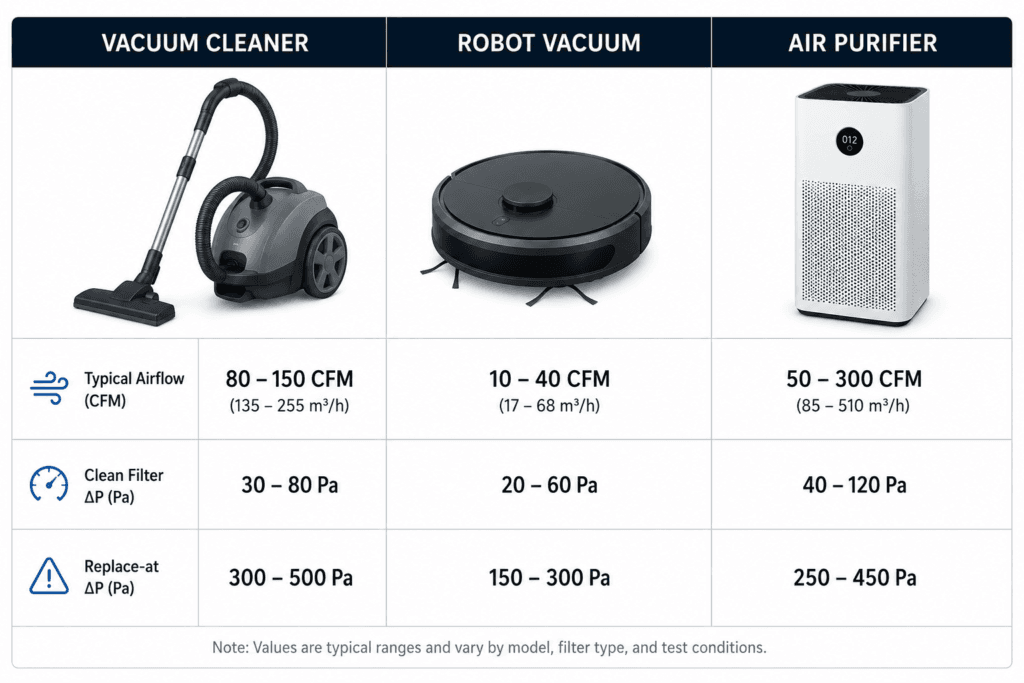
The same HEPA-grade media behaves differently depending on where it’s installed and what airflow it handles. Here’s how normal pressure drop breaks down across the three most common consumer applications.
Vacuum Cleaner HEPA Filters
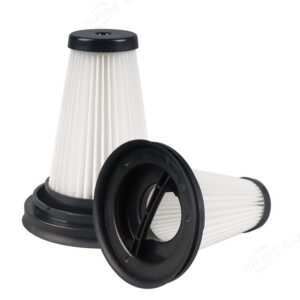
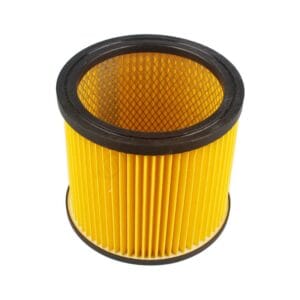
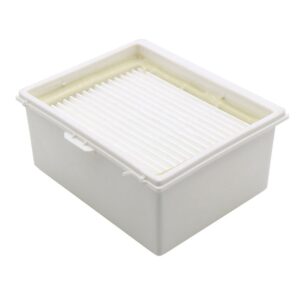
Upright and canister vacuums pull substantial airflow — typically 60–120 CFM depending on motor design. At those face velocities, a clean vacuum HEPA filter shows 150–350 Pa of initial resistance. This is the high end of the consumer range.
Vacuum filters also load faster than most other applications. Heavy use on pet hair, carpets, or construction residue can drive a filter to terminal pressure drop in 6–10 weeks — well ahead of the “replace every 6–12 months” labels most manufacturers print. The reliable signal: suction visibly weakens, or exhaust air develops a stale smell despite the filter looking intact.
Robot Vacuum Filters
Robot vacuums operate at significantly lower airflow — typically 10–30 CFM for most consumer models. Initial pressure drop for a clean robot vacuum HEPA filter falls in the 80–180 Pa range. Lower than a full-size vacuum, but the filter area is also much smaller, which means the dust cake builds faster per unit of airflow.
In an average home, robot vacuum filters typically need replacement every 4–8 weeks of regular use. A practical diagnostic: if your robot is taking noticeably longer to cover the same floor area, that’s elevated filter resistance reducing suction — not battery decline.
Air Purifier HEPA Filters
Air purifiers run continuously at low face velocities. A clean HEPA filter in an air purifier typically shows 50–200 Pa of initial resistance, depending on fan power and filter dimensions. The dynamic here differs from vacuums: most purifiers use variable-speed fans that compensate for rising filter resistance by increasing RPM automatically. The room stays quiet; the motor just works progressively harder.
This means elevated pressure drop in an air purifier often appears as rising electricity consumption before it shows up as reduced airflow. In auto-speed modes, the unit simply runs at high speed more often and more consistently as the filter loads.
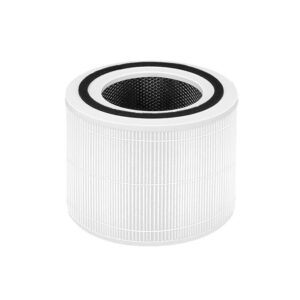
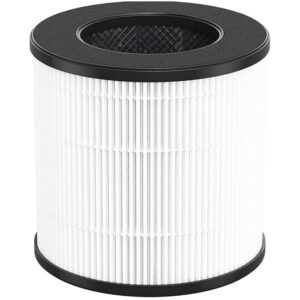
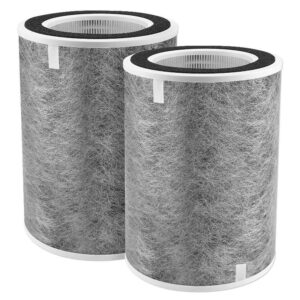
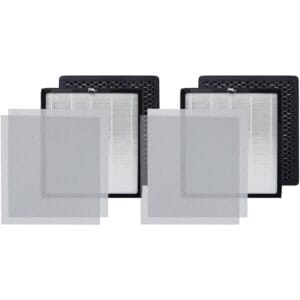
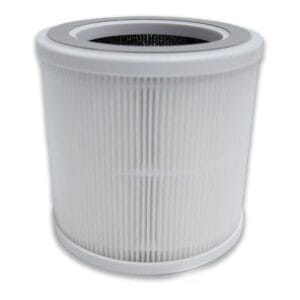
If you need to replace your air purifier’s HEPA filter, please see our air purifier filter catalog.
Five Variables That Push Pressure Drop Outside the Normal Range
If your filter reads higher or lower than expected, these factors are the usual explanation.
- Airflow velocity: Higher fan speed means higher pressure drop — fast. A 20–25% speed increase can push resistance up by 50–60%. Max speed burns through filters quicker.
- Filter media quality: Loose-fiber “HEPA-style” filters show lower initial pressure drop — because they filter less, not because they perform better. Easy airflow is a warning sign, not a feature.
- Filter surface area: Deeper pleats = more media area = lower face velocity = slower pressure buildup. A well-pleated filter simply lasts longer than a flat one with the same HEPA label.
- Local air quality: Replacement schedules are set using clean lab dust. Pets, smoke, and cooking residue load filters two to four times faster in real homes.
- Luftfeuchtigkeit: Fiberglass HEPA media absorbs moisture and swells, raising resistance without any particle loading. Synthetic fiber media handles humidity noticeably better.
How to Measure Pressure Drop Without Specialized Equipment
A digital differential pressure gauge or manometer costs under $30 and works across multiple devices. The measurement process is not complicated:
- Identify a filter housing with accessible ports or insertion points on both the inlet (dirty-air) side and the outlet (clean-air) side.
- Insert the two manometer probes — one upstream of the filter media, one downstream — without disturbing the filter seal.
- Record the reading in Pa or inches w.g.
- Compare against the rated initial resistance listed in the filter’s spec sheet or on the packaging.
For vacuum cleaners and robot vacuums, direct measurement isn’t always practical. A reliable proxy: hold a tissue over the exhaust outlet and observe how firmly it stays in place. Weak suction from a recently installed filter points to a bypass issue — a seal gap or improperly seated filter that routes air around the media rather than through it. Bypass produces low pressure drop readings and zero filtration benefit.
When Low Pressure Drop Is the Bigger Problem
Most conversations about HEPA filter pressure drop focus on values that are too high. But abnormally low resistance is actually more dangerous — and more common than most people realize.
If a filter shows pressure drop significantly below its rated initial value, three scenarios explain it:
Filter bypass. Air finds a path around the filter media through a seal gap, cracked housing, or improperly seated frame. Pressure drop looks acceptable; no actual filtration is occurring.
Filter media damage. A puncture or tear in the HEPA media creates a low-resistance pathway that bypasses filtration entirely. The filter may appear physically intact from the outside.
Non-certified media. Products marketed as “HEPA-type” or “HEPA-style” frequently use looser fiber structures that provide lower initial resistance — and lower particle capture efficiency. Without EN 1822 or equivalent certification, the filter’s rated performance cannot be verified.
A filter that passes air too easily isn’t protecting the space. It’s only appearing to.
Matching Replacement Filters to the Correct Pressure Profile
Replacement filters must match OEM pressure drop specifications — not just physical dimensions. A replacement with lower resistance may improve short-term airflow, but lower resistance typically indicates lower media density. A replacement with higher resistance can stress motors over extended use.
The target is a ±10% match on rated pressure drop at the device’s standard operating airflow. HIFINE filter replacements across all product categories — vacuum HEPA filters, robot vacuum filters, Staubbeutel, und Luftreinigungsfilter — include rated pressure drop data in each product specification sheet. Cross-reference with your device’s documentation before ordering.
The Numbers to Remember
For a new HEPA filter running at rated airflow, pressure drop should fall between 100 and 250 Pa. Vacuum filters land toward the higher end; air purifier filters toward the lower end; robot vacuum filters in between.
Terminal pressure drop — the replace-now threshold — is 1.5 to 2× the initial value, or roughly 375–500 Pa for most consumer devices.
Watch the trend, not just the snapshot. A filter climbing gradually toward terminal pressure drop is working exactly as designed. A filter showing pressure drop well below its initial rating needs immediate inspection — not reassurance.