
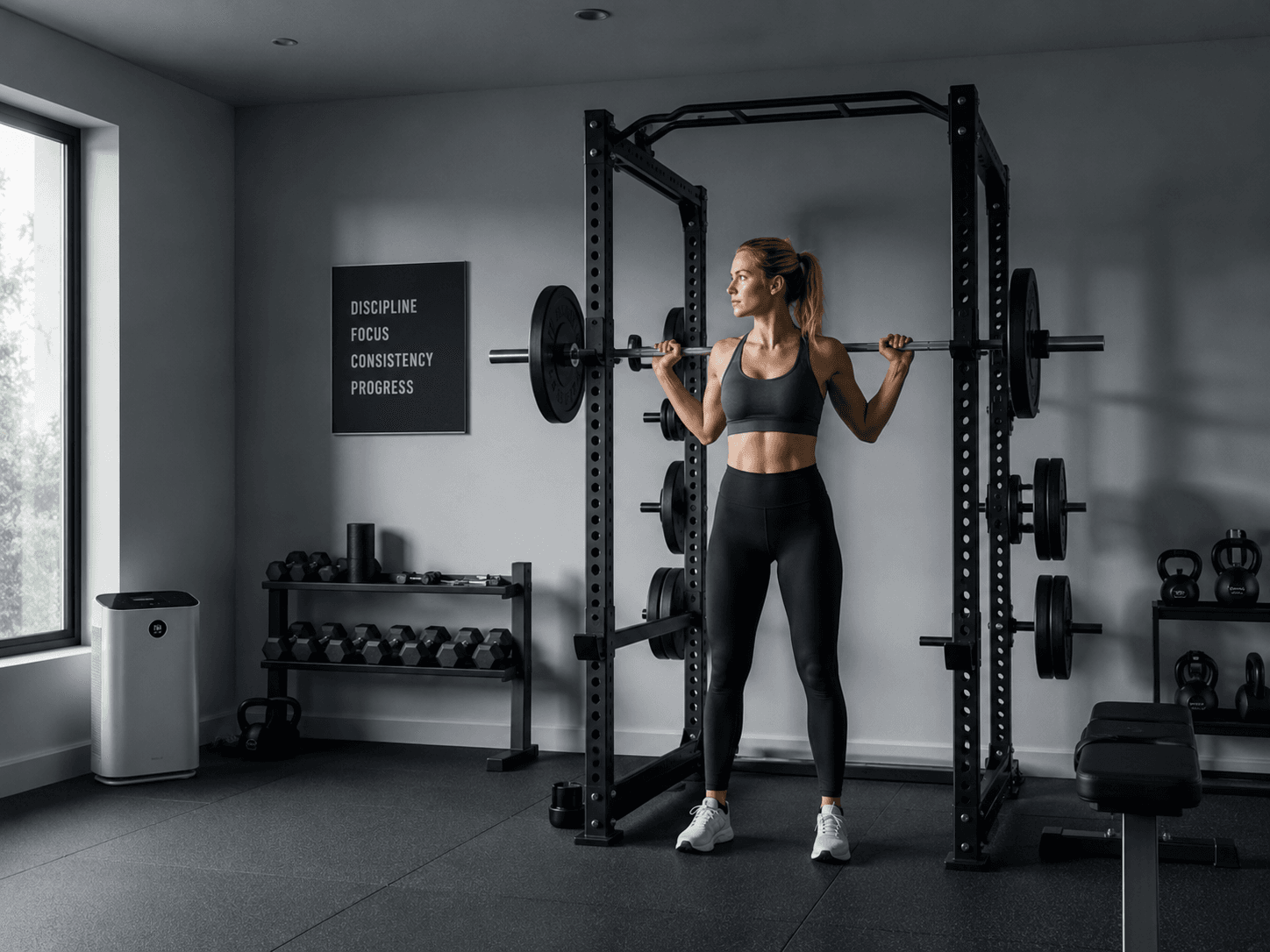
You finish a workout, step outside, and the first breath of fresh air feels almost unfairly good. It happens every time, and it’s not just in your head. The air inside a gym — whether it’s a commercial space or a room in your house — is genuinely different from outdoor air. Not just warmer or more humid, but different in what it actually contains.
A few common questions explain most of what’s going on. Once you understand them, the case for proper air filtration makes itself.
Why Do You Feel Oxygen-Deprived After an Indoor Workout?
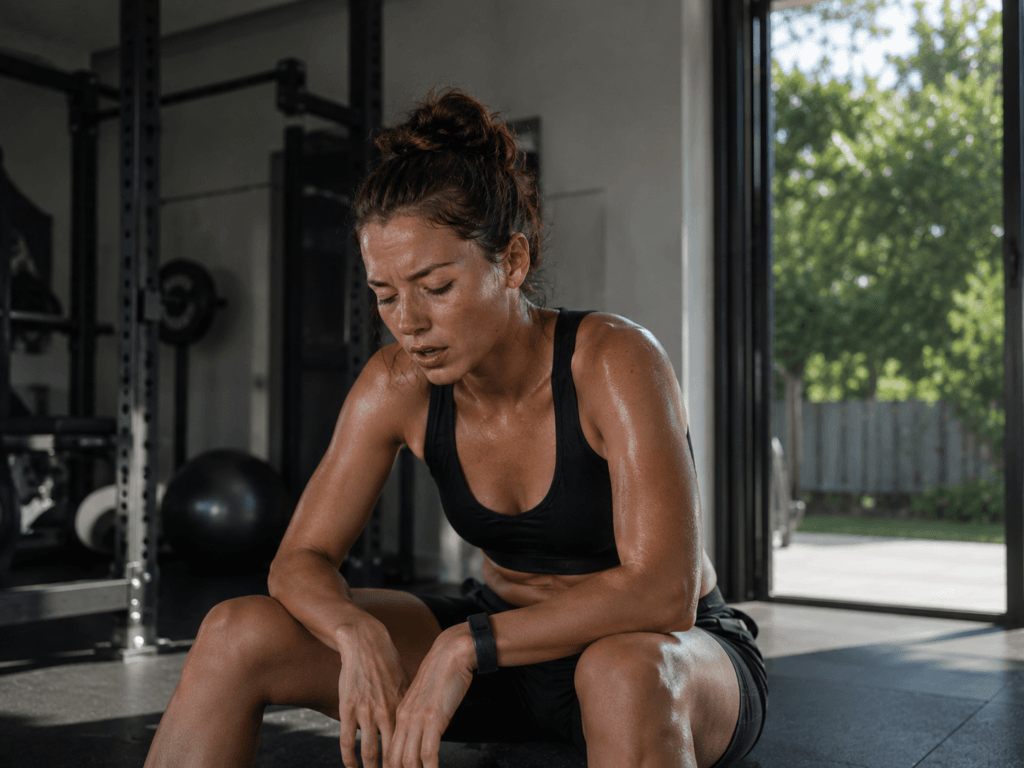
Technically, you probably aren’t. The oxygen level in a closed room stays close to the same 21% you’d find outside — it takes an extreme situation for that to drop meaningfully. What actually changes is carbon dioxide. Every breath you exhale adds CO₂ to the room, and in a space with no ventilation or air movement, that concentration climbs steadily throughout your session.
Your body is built to react to rising CO₂ — it’s actually what drives the urge to breathe, more than low oxygen is. So as CO₂ builds up indoors, you start to feel foggy, heavy, and short of breath even after the hard part of the workout is over. Add heat from your body and humidity from sweat, and a closed training room can feel genuinely suffocating within 30 to 40 minutes — even when you’re technically getting enough oxygen the whole time.
That first breath of outside air feels so good because you’re exhaling into a space where CO₂ immediately disperses. The relief is almost instant, and it’s real.
Why Is the Air Inside a Gym Different from Outside?
The short answer: outdoor air moves. Wind scatters particles, sunlight breaks down pollutants, and the sheer volume of open space dilutes whatever gets released into it. Indoor spaces do none of that. What goes into the air in a closed room tends to stay there.
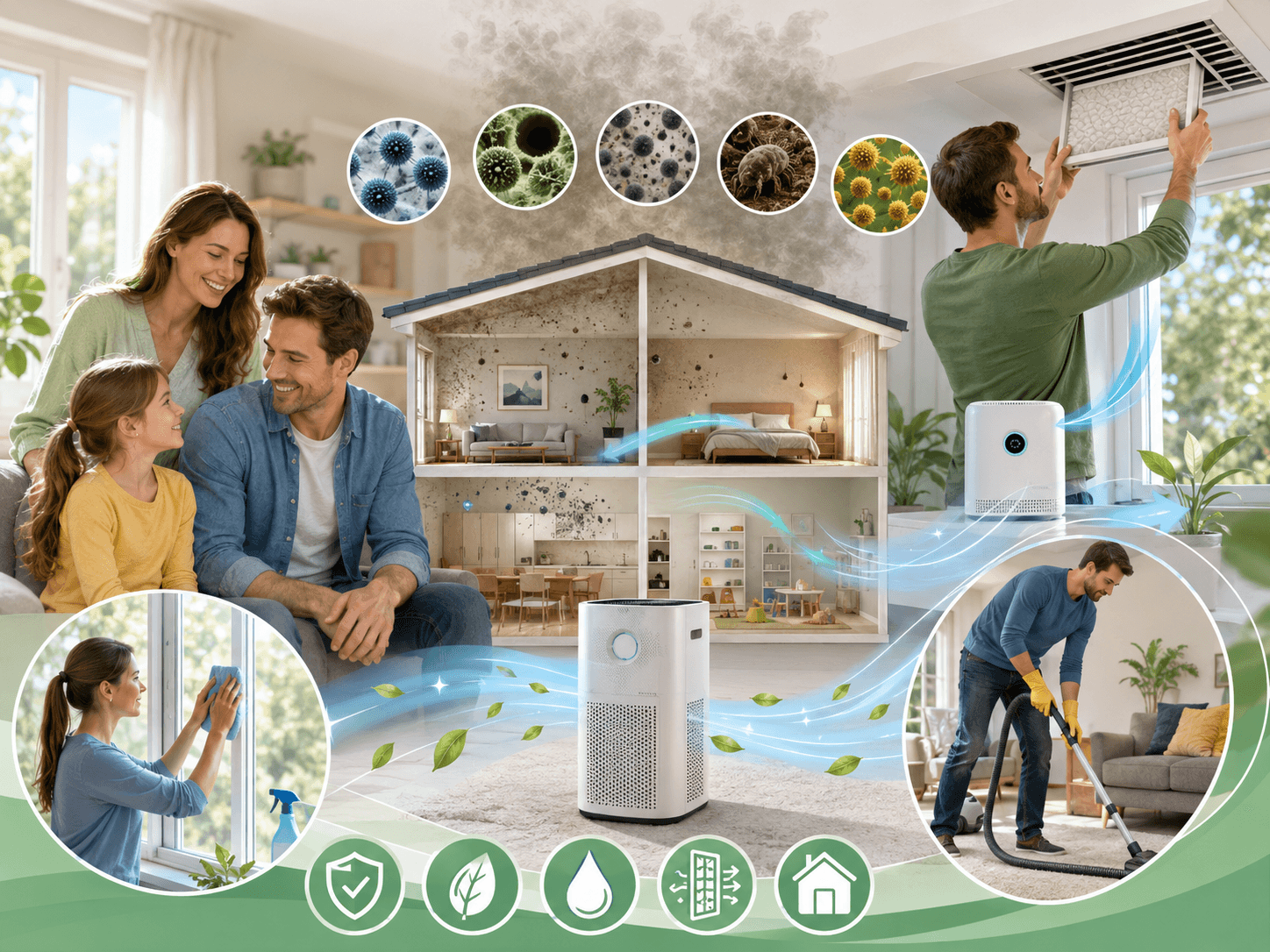
The U.S. Environmental Protection Agency has estimated that indoor air is typically two to five times more polluted than the air outside — and in poorly ventilated spaces, the gap can be even wider. In gyms and home training spaces, the sources add up quickly:
- Rubber flooring and foam equipment release low-level chemical fumes, especially when warm or new
- Sweat and humidity raise moisture levels fast, creating the right conditions for mold and bacteria to grow
- Movement kicks fine dust — from skin cells, clothing fibers, and floor surfaces — back into the air repeatedly
- Cleaning sprays and disinfectants leave their own residue in the air after use
- If your training space shares ventilation with a kitchen, cooking appliances like induction cookers can introduce fine aerosol particles from heated oil, adding another layer to the mix
Researchers at the Lawrence Berkeley National Laboratory have documented that indoor environments accumulate these pollutants in ways outdoor settings simply don’t allow. Outside, there’s always somewhere for it all to go. Inside, it circulates.
Why Do Gyms Need Air Conditioning and Ventilation?
For the CO₂ and heat problem, ventilation is the right tool. Bringing fresh air in and pushing stale air out is exactly what solves that stuffy, foggy feeling. ASHRAE — the engineering body that sets indoor air quality standards used by building designers worldwide — recommends significantly higher fresh-air exchange rates for exercise spaces than for offices or classrooms, precisely because people exhale far more CO₂ when they’re working out.
But ventilation has a hard limit: it dilutes what’s in the air, it doesn’t remove it. Fine particles — dust, mold spores, chemical residues from equipment and cleaning products — stay suspended in circulating air even when the room feels reasonably fresh. You can have perfectly adequate ventilation and still be breathing in a constant low-level mix of airborne debris every time you train.
That gap is exactly what air filtration is designed to close. And this is where most people’s understanding of the problem — and the solution — gets a little fuzzy.
Why Filter Quality Defines Air Purification Performance
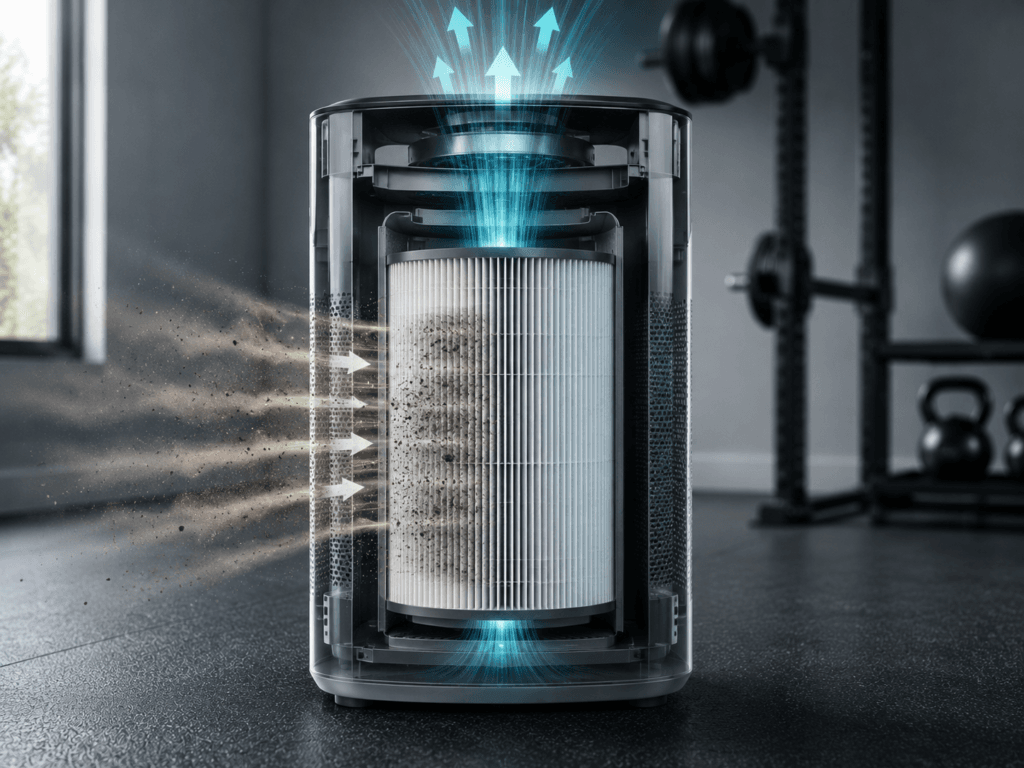
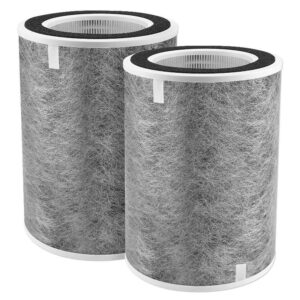
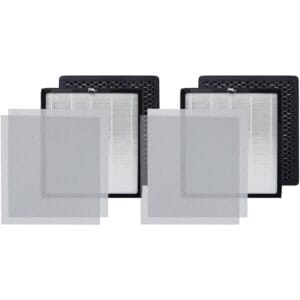
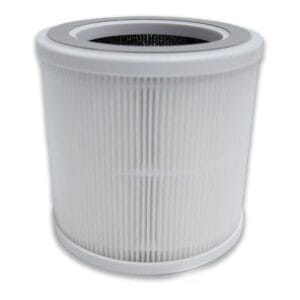
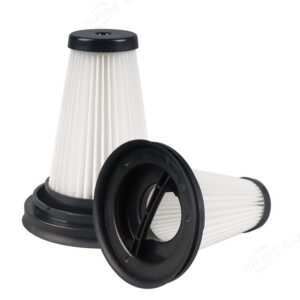
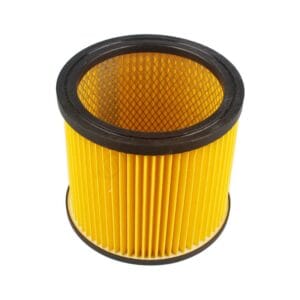
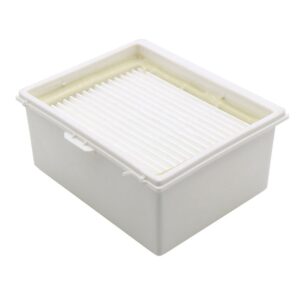
An air purifier pulls room air through a filter and traps particles inside it. The housing, the fan, the display — those are just delivery mechanisms. The filter is what actually captures the dust, mold spores, and fine debris floating in your training space.
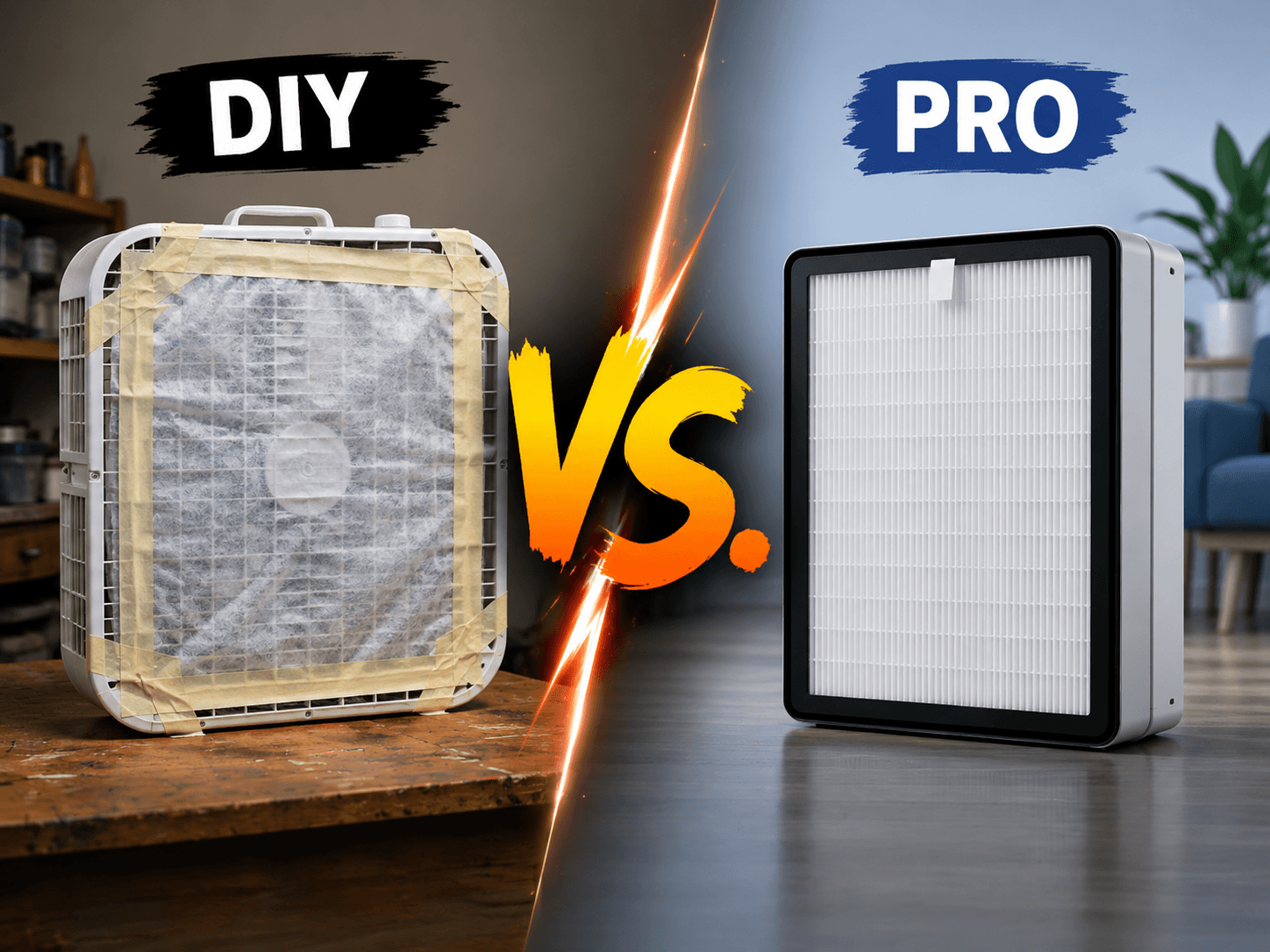
This distinction matters more than most people realize. Two purifiers sitting side by side can produce very different results based entirely on the quality of the filter media inside them. A high-grade filter in a basic machine will consistently outperform a worn-out or low-quality filter in an expensive one.
For gym and home training spaces, the benchmark to look for is an H13-rated HEPA filter. H13 is an international classification — it means the filter captures at least 99.95% of airborne particles, including the fine ones that slip past your nose and throat during normal breathing. That rating applies to the filter medium itself, not the machine it sits in.
One thing worth knowing about filter maintenance: they don’t fail all at once. Performance drops gradually, and a filter past its replacement date doesn’t just stop working — it restricts airflow and makes the motor work harder while cleaning the air less effectively. In a home gym, where particles get kicked up constantly during movement, filters load faster than they would in a living room. The manufacturer’s standard replacement schedule is usually set for quieter environments.
Why the Filter Element Is the Product
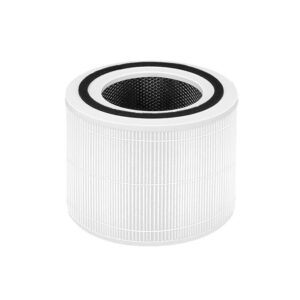
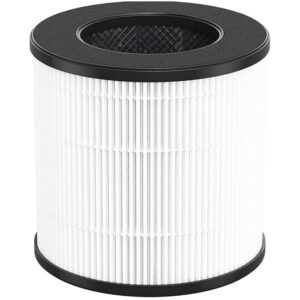
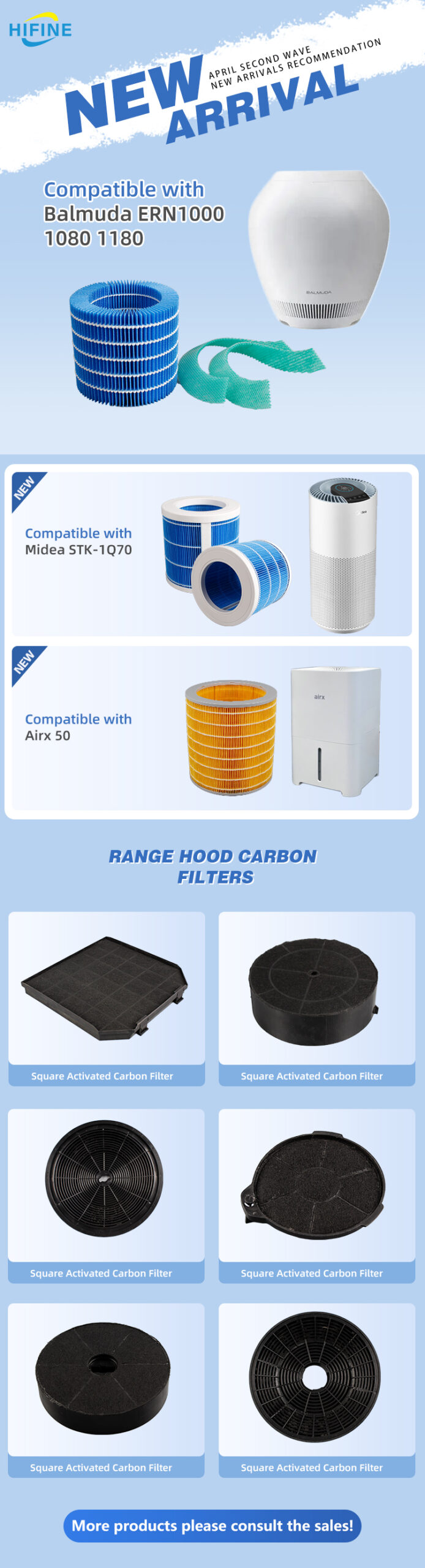
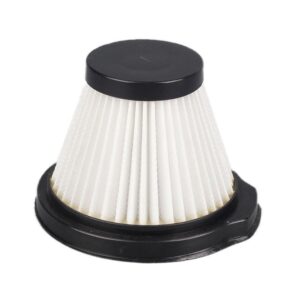
Most brands in this space sell air purifiers — the machines. HIFINE manufactures the filter media inside them: H13 and H14 grade HEPA filter elements, produced under ISO9001-certified quality controls. That focus on the filter itself, rather than the housing around it, is what defines what HIFINE actually makes.
It matters because replacement filter quality is where real-world performance lives. A purifier is only as good as the filter currently running inside it, and that filter needs to hold its rated performance across its full service life — not just on the day it’s installed.
Whether you’re replacing a filter in a home gym air purifier or setting up a smart home filtration system that responds to air quality automatically, the filter element is the component that determines whether the air actually gets cleaner. HIFINE’s replacement HEPA filters are built to maintain H13 performance from the first day to the last — so the air in your training space stays consistently clean, not just when the filter is fresh.
What This Means for Your Training Space
That heavy, stale feeling after an indoor workout is a real air quality problem, not just a side effect of working hard. CO₂ buildup explains the foggy, oxygen-starved sensation. Poor ventilation explains why gym air gets worse the longer a session runs. And the fine particles that ventilation doesn’t remove — dust, mold, chemical residues — are what filtration is built to catch.
Ventilation and filtration do different jobs, and a training space needs both. Get the CO₂ moving out with fresh air; get the particles out with a quality HEPA filter. Those two things together turn a closed room into somewhere your lungs can actually work properly — which is where the real benefit of training indoors, without the downsides, finally shows up.