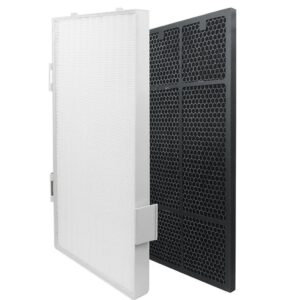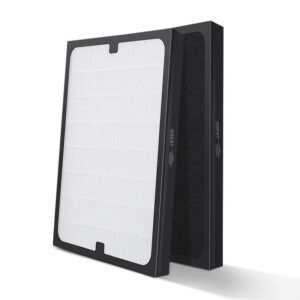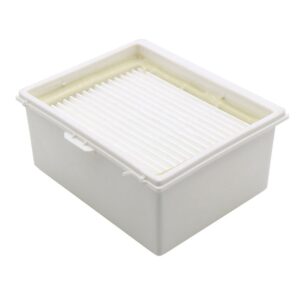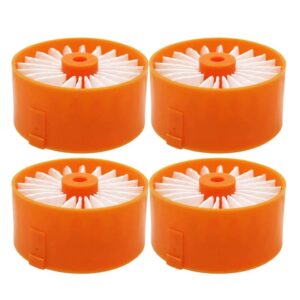

A buyer’s checklist isn’t built from certificate logos on a homepage. It’s built from how a supplier answers the five questions that come after the brochure.
Most buyers searching for Chinese HEPA filter wholesale suppliers on Google will find that all the results are very similar: ISO 9001, BSCI, SGS certifications, a list of patent numbers, and a clean factory photo. But none of this tells you whether your next order of 10,000 units will match the samples you tested last month. The real difference lies in the answers to a few specific questions, and whether the supplier is willing to answer them.
ISO 9001 is a requirement, but not a decisive factor.
ISO 9001 means a factory has a documented quality management process. It does not measure the filters coming off the line that week. Two factories can hold the identical certificate and still ship products with different real-world capture rates, because the standard audits the process, not the output.
Treat ISO 9001 as the entry requirement, not the deciding factor. The deciding factor is what a supplier can show you on top of it.
The One BSCI Detail Most Buyers Get Wrong
Plenty of supplier pages list “BSCI certified” next to their other badges. That phrase is technically inaccurate, and knowing why gives you real leverage in a conversation.
amfori BSCI — the organization behind BSCI — doesn’t issue certifications at all. It runs audits and assigns a letter grade from A to E on a two-year cycle. A score below B triggers a follow-up audit within two to twelve months. There’s no pass or fail, just a grade and a renewal date.
So when a supplier says “BSCI certified,” ask for the actual audit report and the grade it received. A supplier with a real B-or-higher score will produce it without delay. One who can’t is treating a badge as a stand-in for a document.
Why the EN1822 Grade Matters More Than the Words Around It
“HEPA-grade” and “true HEPA” are marketing phrases with no fixed definition behind them. EN1822 is a testing standard with one. It rates filters by their efficiency at the Most Penetrating Particle Size — the particle size, generally between 0.1 and 0.3 microns, that’s hardest for any filter to trap.
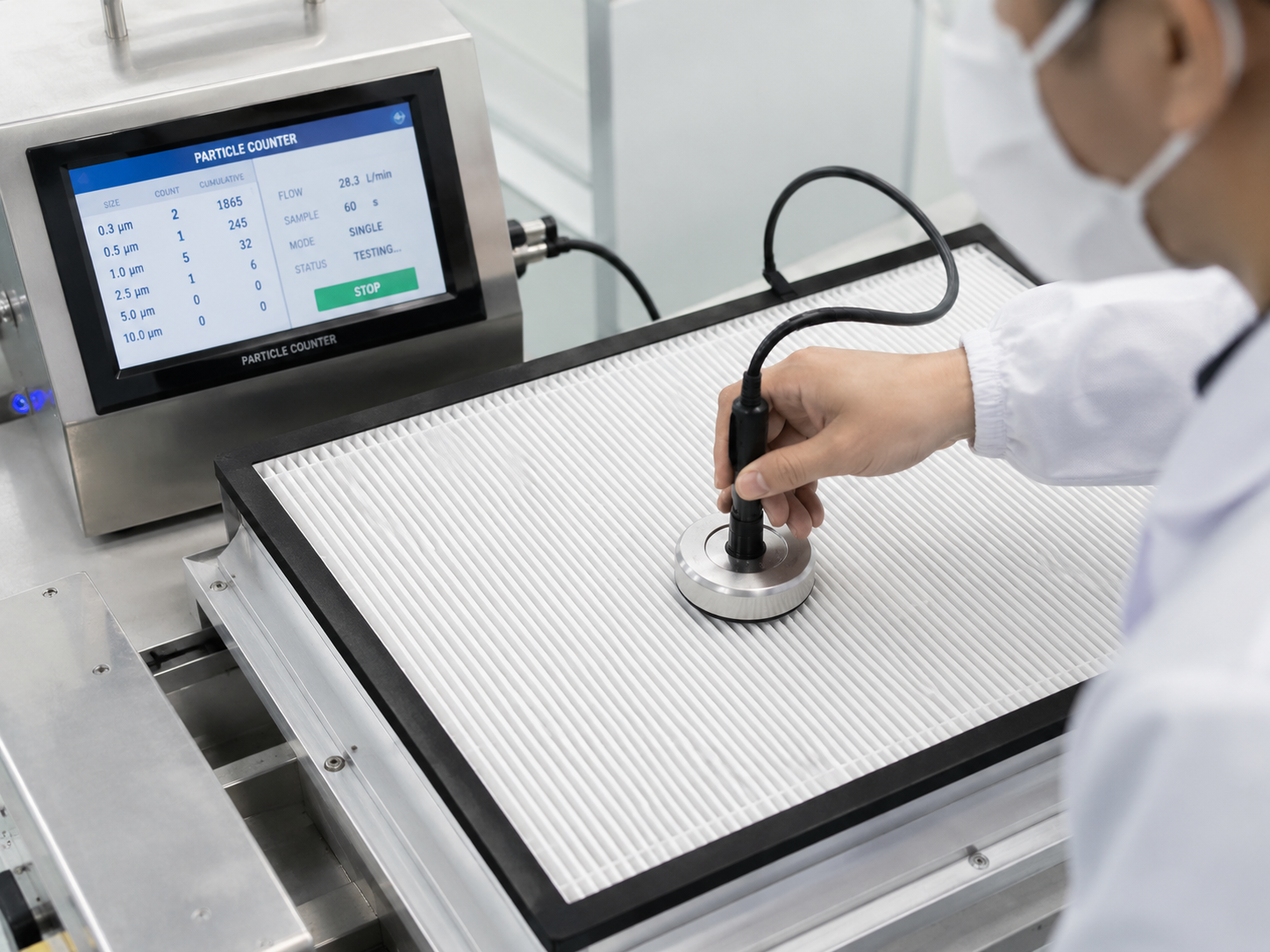
Under EN1822, an H13 filter has to capture at least 99.95% of particles at MPPS. An H14 filter has to hit 99.995%. The gap looks small on paper, a tenth of a percentage point, but in a hospital ward or a cleanroom running thousands of cubic meters of air per hour, that gap decides how much unfiltered air actually gets through.
Which HEPA Grade do you actually need?
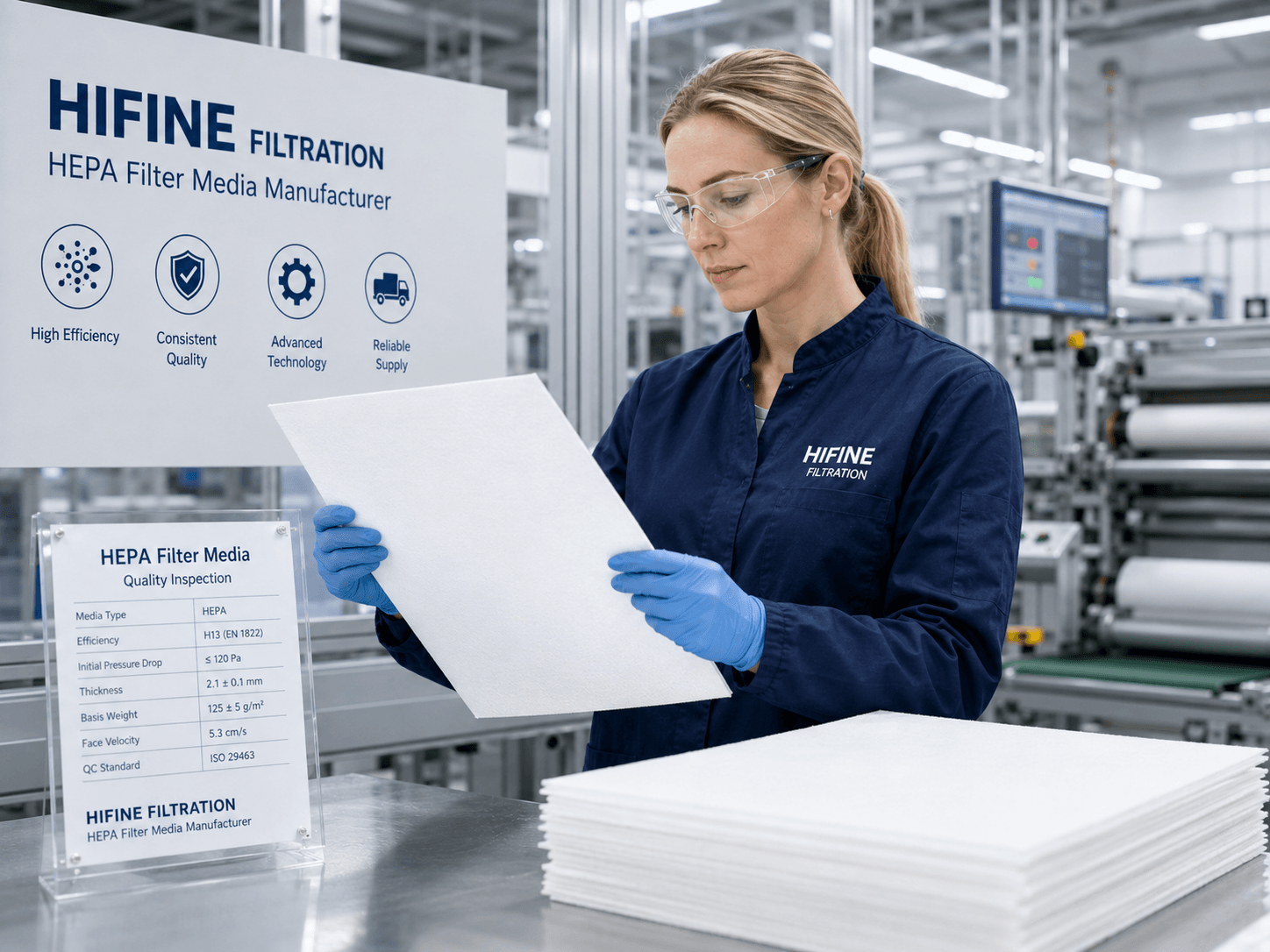
H13 covers most commercial air purifiers and HVAC retrofits. H14 is typically specified for medical, pharmaceutical, or cleanroom use, where the cost of a leak outweighs the cost of the upgrade. Ask your supplier for the batch-specific test report tied to the filter’s serial number, not a generic spec sheet. From H13 upward, EN1822 requires individual testing per filter, so that report should exist for every production batch, not just the prototype.
Focus on Daily Operational Efficiency Rather Than Maximum Capacity
“What’s your capacity?” is the wrong question, because the honest answer is almost always inflated. The useful question is: how many units are you producing right now, for how many clients, and what’s the current lead time on a fresh order?
A factory running near full capacity for other buyers can’t suddenly absorb yours without pushing your delivery date, no matter how impressive its theoretical maximum sounds on a sales call. This applies whether you’re placing a standard wholesale order or building an OEM HEPA filter program around your own specs. Buying factory direct can cut out a layer of markup and shorten lead times, but only if the production numbers behind the pitch are real. Vague talk about “flexible capacity” with no figures attached usually means one of two things: the factory is already overbooked, or it isn’t tracking its own output closely enough to tell you.
What a Real Sample Check Looks Like
Every legitimate supplier relationship starts with samples. Most of the value gets lost when buyers skip the inspection and go straight to a purchase order.
Four things worth checking before signing off on a sample:
Physical fit. Measure the filter against the stated dimensions. A gap of even 2 to 3mm lets unfiltered air bypass the media entirely, which cancels out the rated efficiency no matter how good the EN1822 grade looks on paper.
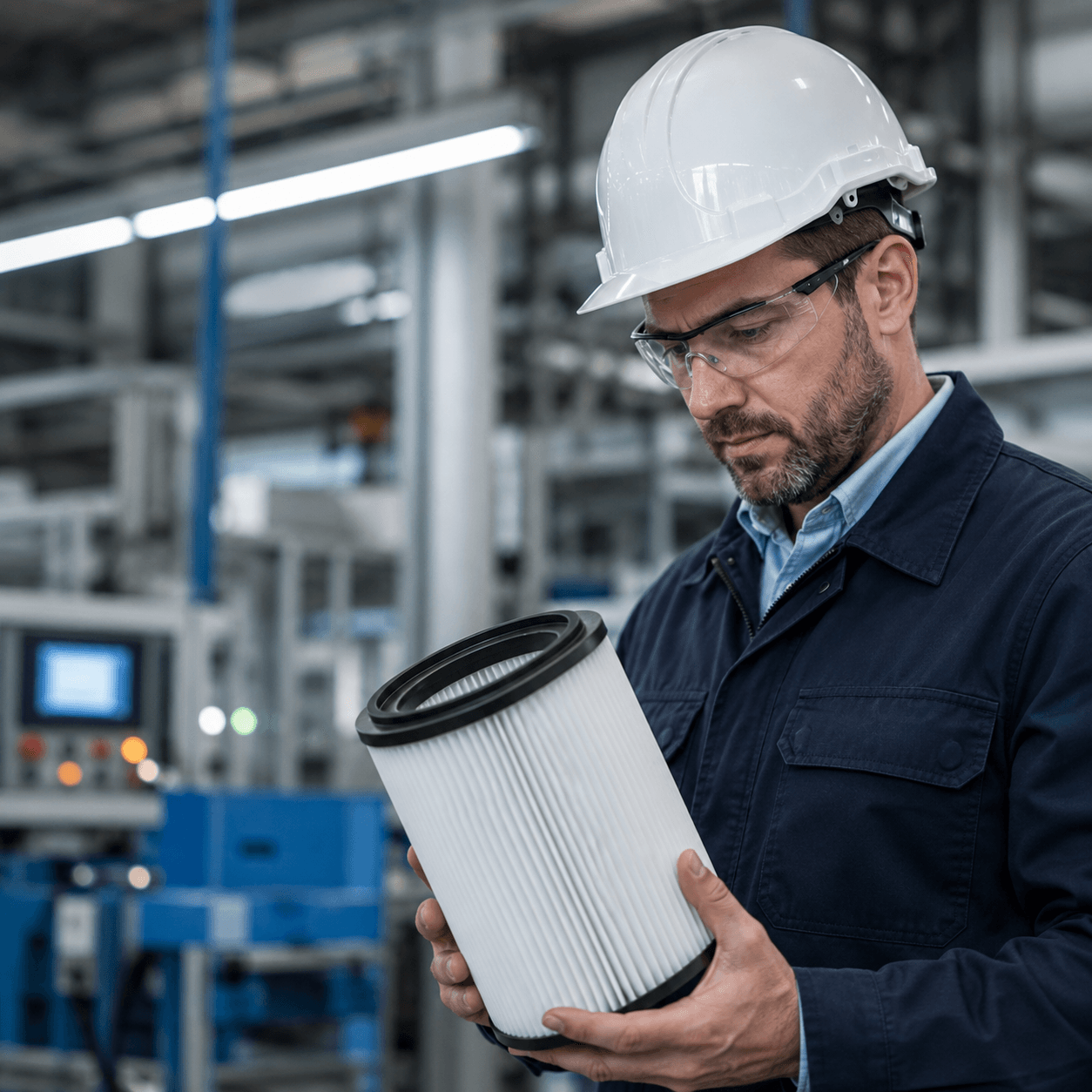
Media integrity. Hold the filter up to a light source. Uneven density across the HEPA layer, visible pinholes, or irregular pleat spacing point to manufacturing inconsistency a spec sheet won’t show you.
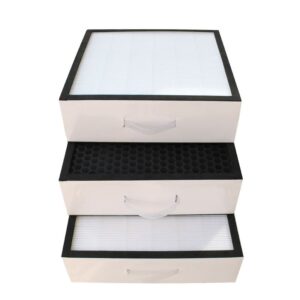
Carbon layer quality. Surface-sprayed carbon pellets look identical to a genuine carbon block layer until the odor-absorbing performance drops off a couple of months in. Ask for the carbon weight per unit and the surface area specification. Both are measurable, and both should be in writing.
Seal construction. Check where the frame meets the media. A weak bond here is one of the most common failure points after long-haul shipping and repeated handling.
HIFINE tells you what to pay attention to when making your first purchase
| Ask for | What it actually confirms |
|---|---|
| ISO 9001 certificate | A documented quality process exists |
| amfori BSCI audit report and grade | Verified labor and social compliance, not just a logo |
| SGS or third-party test report | Product-level performance, independent of the factory’s own claims |
| EN1822 batch test report | The real H13/H14 grade tied to that specific production run |
| Current production load and lead time | Whether your order fits real capacity, not theoretical capacity |
If a supplier hesitates on more than one of these, the hesitation is the answer.
What does this mean for wholesale buyers?
None of this requires a factory visit to check. It requires asking for documents that should already exist, and noticing how fast and how completely they show up.
At HIFINE, this is the same standard we hold ourselves to: ISO 9001, amfori BSCI, and SGS testing on file, EN1822-graded HEPA media, and an R&D partnership with Tsinghua University behind a portfolio of 27+ filed patents. Buyers comparing a china wholesale hepa filters source can request our certificates directly, review current EN1822 batch reports, or start with a sample order before committing to a full container.