


Every time the heater, defroster, or air conditioner switches on, outside air has to pass through the cabin filter before it touches a single moving part of the ventilation system. That one detail explains why a cheap paper filter has more influence over blower motor life, evaporator health, and duct cleanliness than most drivers ever realize.
Cabin filters get marketed as an allergy product. In practice, they work as the front line of defense for an entire mechanical system: the blower motor, the evaporator coil, the heater core, and every duct that carries air to the vents. When the filter clogs, poor air quality is often the smaller issue. The bigger one is a ventilation system that has to work harder, run hotter, and wear out faster than it should.
What a Clogged Filter Actually Does to Airflow
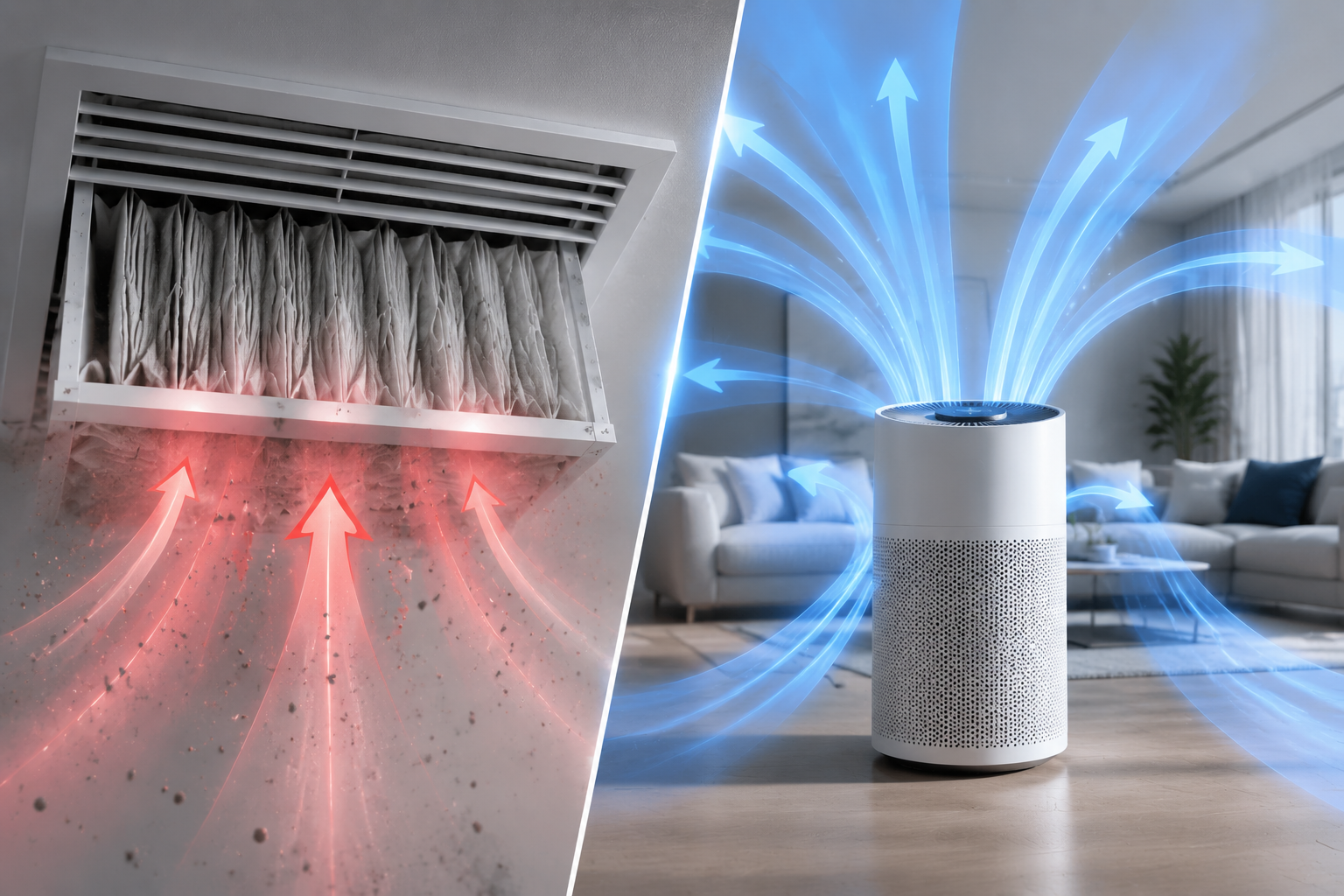
A cabin filter sits directly in the intake path, right before air reaches the blower motor. As it collects dust, pollen, leaf litter, and brake dust, the tiny gaps between its fibers narrow. Air still tries to get through, but now it has to push past a wall of trapped debris instead of flowing freely.
The blower motor doesn’t know the difference between a clean filter and a clogged one. It simply spins at whatever speed the control module tells it to, so it draws more current and works harder just to move the same amount of air. Multiply that extra strain by every commute, every defrost cycle, and every hot afternoon with the AC on high, and the result is a motor doing more work for less airflow, month after month.
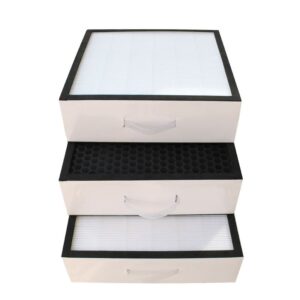
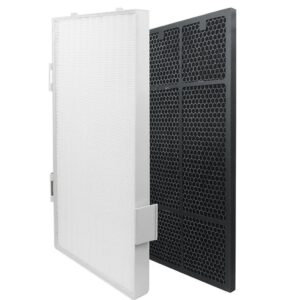
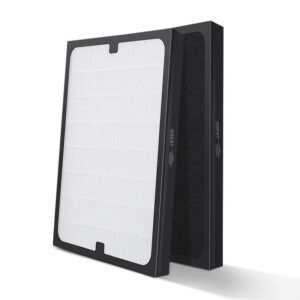
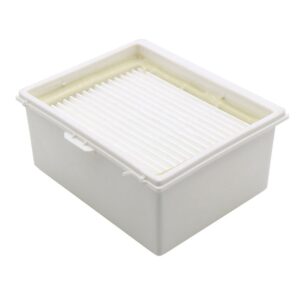
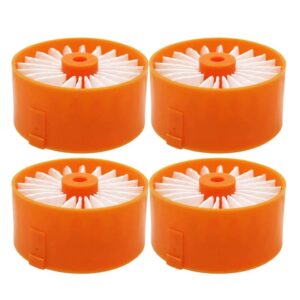
The three main ventilation components of the car body filter
The Blower Motor
This is the fan that pushes air through the entire system. Reduced airflow raises resistance right at the blower’s outlet, a condition engineers call static pressure. That extra load, combined with the higher electrical draw needed to compensate, is a common reason blower motors burn out early, particularly in delivery vans, taxis, and rideshare vehicles that run their HVAC systems almost nonstop.
The Evaporator Core and Heater Core
These two components exchange heat with the air passing over their metal fins. When airflow is restricted, moisture tends to linger on those fins instead of draining away, and any dust or organic debris that does get through settles right on top of it. That combination of trapped moisture and organic material is exactly what mold and mildew need to grow. It’s why a musty AC smell almost always traces back to the cabin filter, not the AC system itself.
The Ductwork and Vents
Every vent on the dashboard connects to a duct network that’s difficult and expensive to clean once it’s contaminated. A working filter keeps that entire network clean for the life of the car. A filter that fails, or one that’s removed altogether, lets dust settle permanently inside the ducts, and no amount of filter replacement afterward fully reverses that.
What substances in the air will be filtered out?
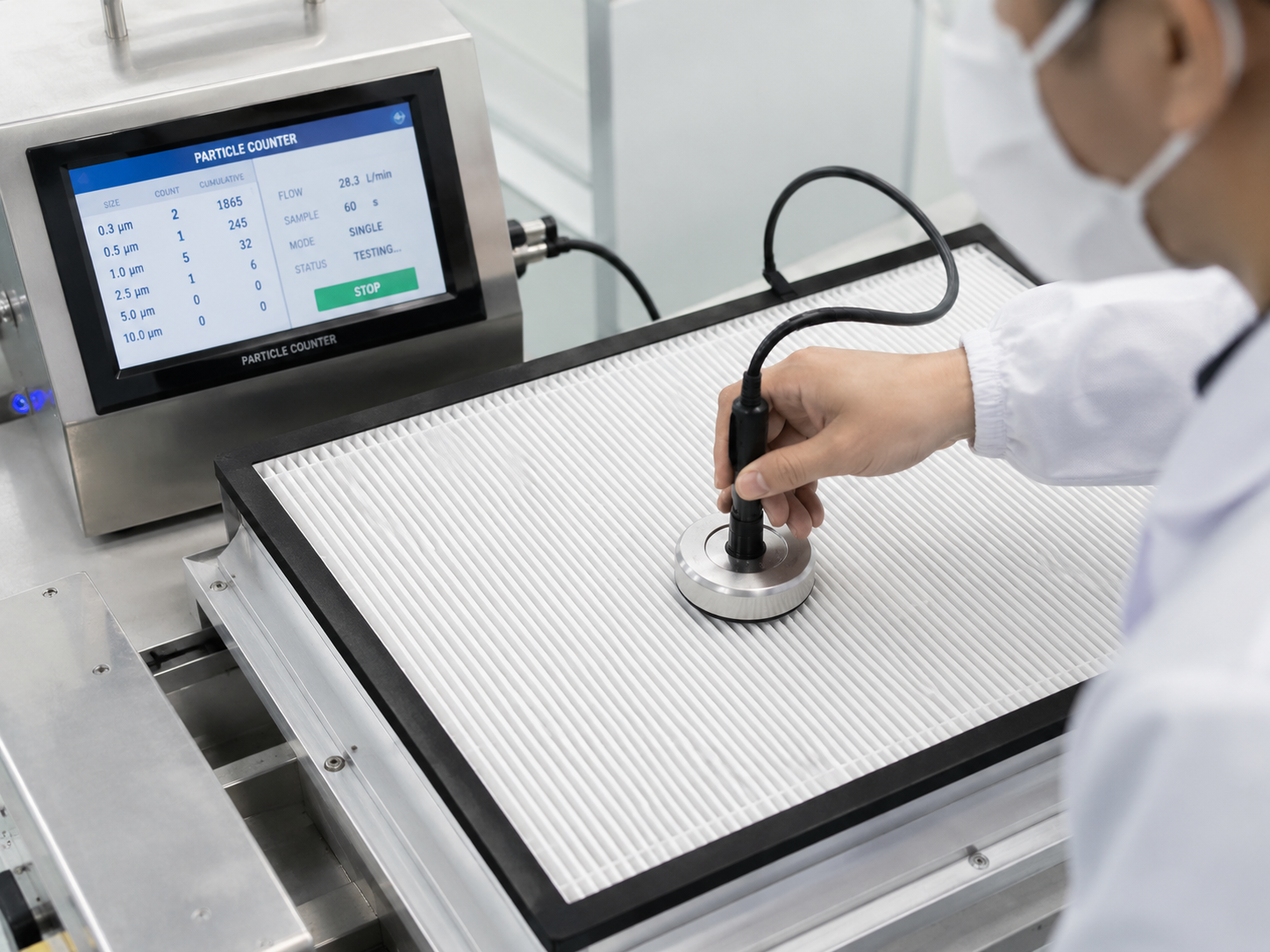
Ventilation protection isn’t only mechanical. A randomized, double-blind human trial published through the U.S. National Library of Medicine’s PubMed Central archive exposed volunteers to filtered and unfiltered diesel exhaust to measure the real difference. A standard particle filter cut PM10 concentrations by 46%. Adding an activated carbon layer pushed that reduction to 74%, alongside a 75% drop in nitrogen dioxide and a 50% drop in hydrocarbons. Participants reported noticeably fewer symptoms when breathing the filtered air.
That matters here because a clogged filter doesn’t just restrict airflow. Some drivers, frustrated by weak air, pull the filter out entirely rather than replace it. Ironically, that “fix” removes the one part standing between the ventilation system and unfiltered exhaust, dust, and allergens. Researchers studying real passenger car cabins have also found that because a car’s air intake sits low and close to surrounding traffic, cars can register some of the highest in-transit particulate exposure of any commuting mode. A functioning filter is the only thing standing between that intake and the air reaching your blower motor.
How Often Should It Really Be Replaced?
Manufacturer intervals vary more than most drivers expect. Toyota recommends inspecting the filter at 15,000 miles and replacing it by 30,000, while Ford asks F-150 owners to swap theirs every 20,000 miles. Independent shops and filter manufacturers generally converge on a simpler rule of thumb: every 12,000 to 15,000 miles, or once a year, whichever comes first, and sooner in high-pollen regions, dusty climates, or stop-and-go city driving.
Read further about how to choose the right cabin air filter for your car.
Why This Matters More at Scale
The global market for automotive cabin air filters was valued at roughly $5.5 billion in 2024 and is projected to reach $9.3 billion by 2033, according to market research firm Astute Analytica. Much of that growth comes from vehicle makers and fleet operators treating filtration as a specified engineering requirement rather than an afterthought parts-store purchase.
For brand owners and private-label buyers sourcing filters at volume, that shift changes what “good enough” means. A production batch with inconsistent pleat density or media weight can still pass a quick visual check while restricting airflow unevenly across the run, a problem that only shows up months later as warranty claims tied to blower motors, not filters. Consistent fiber density, verified filtration efficiency, and dimensional accuracy on every unit are what keep a ventilation system’s real-world performance matching its spec sheet, batch after batch.
A cabin filter looks like a $15 afterthought. Functionally, it’s the only barrier between outside air and a ventilation system built around specific pressure and airflow tolerances. Replace it on schedule, and the blower motor, evaporator core, and ductwork behind the dashboard rarely become a problem worth talking about.