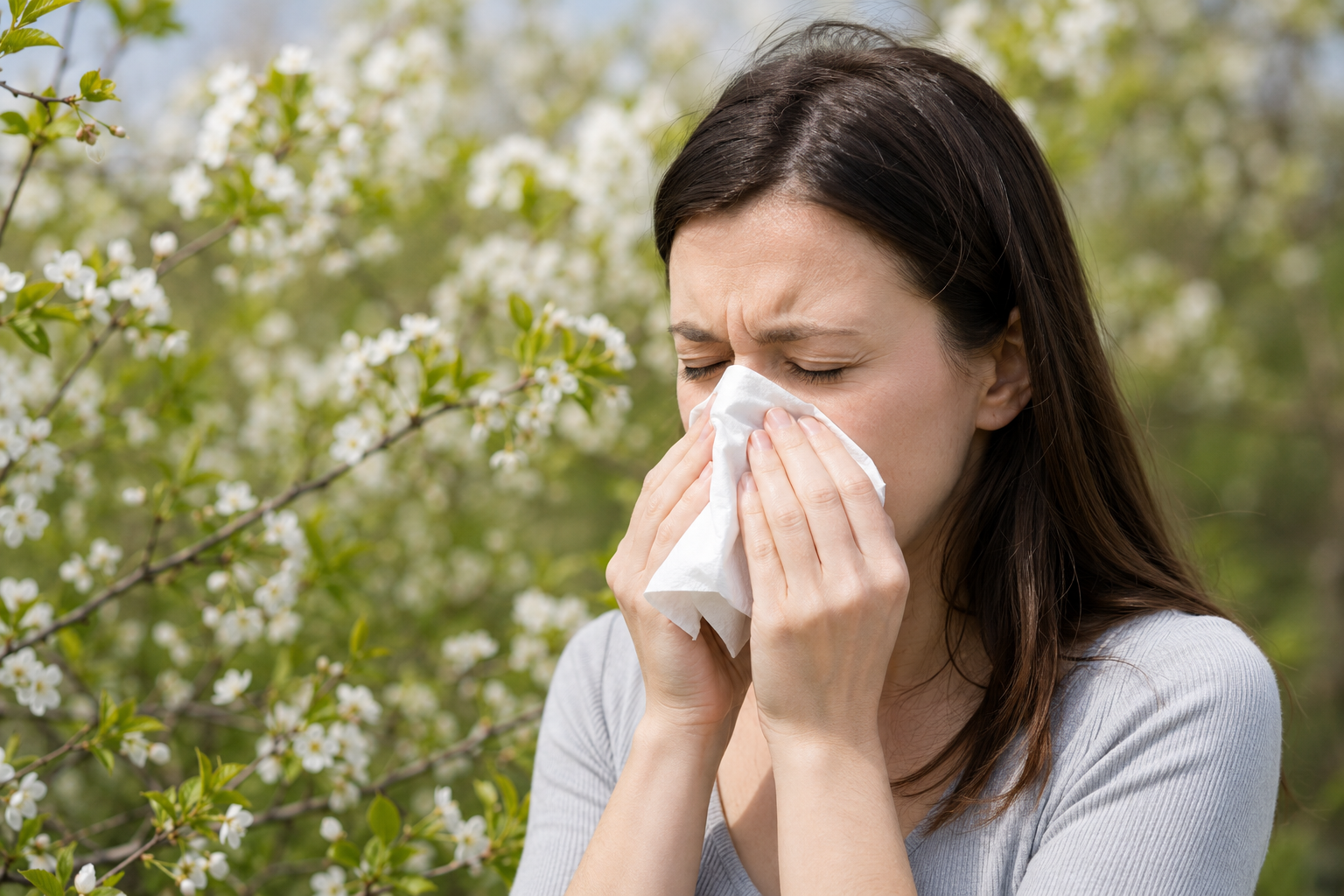
Allergy season used to mean spring. Now, for a lot of people, it means most of the year, and the indoors isn’t the refuge it used to be. Dust, pet dander, mold spores, and pollen tracked in from outside keep the immune system on edge long after the windows are closed. Air purifiers have become one of the more popular responses to that problem, but the category is full of overclaiming. Some products genuinely reduce allergen load in a room. Others are expensive fans with a filter in them.
That overclaiming problem sits on both sides of the counter. Shoppers can’t always tell a real true HEPA unit from a filter that just borrows the name, and brands sourcing filters for their own product lines run into the same gap if they don’t know exactly what to verify from a supplier. The rest of this guide covers both angles: what actually reduces allergens in a room, and what to check for if you’re the one speccing or sourcing the filter.
Why Allergic Reactions Happen

An allergy is an immune system error. The body identifies a harmless substance, such as pollen, pet dander, or dust mite waste, as a threat and mounts a defense response against it, the same way it would against a virus or bacteria.
The first time you’re exposed to an allergen, nothing obvious happens. The immune system takes note of the substance and produces antibodies called immunoglobulin E that are specific to it. Those antibodies attach to mast cells, which sit throughout body tissue, particularly in the skin, lungs, and nasal passages.
The second time you’re exposed, the allergen binds to those IgE antibodies. That triggers the mast cells to release histamine and other chemicals. Histamine causes the symptoms most people associate with allergies: nasal congestion, sneezing, itchy eyes, skin reactions, and in more serious cases, tightening of the airways.
The reaction isn’t proportional to the actual threat. Some people’s immune systems are calibrated to respond to substances that cause no immune response at all in others. Nobody fully understands why this happens, but genetics, early childhood exposure, and environmental factors all play a role. What is clear is that repeated exposure to allergens keeps the immune system in a state of low-level activation, which is why reducing allergen load in your home environment matters, especially during sleep.
Common Indoor Allergens and Where They Come From
Dust Mites
Dust mites are microscopic arthropods that live in mattresses, bedding, upholstered furniture, and carpets. They feed on shed human skin cells and thrive in warm, humid environments. The allergen isn’t the mite itself. It’s proteins in their waste and body fragments, which turn airborne once something disturbs them.
Dust mite allergies are among the most common year-round allergies. They’re also among the hardest to eliminate because the mites live deep in soft furnishings that air purifiers can’t reach. An air purifier helps capture particles that become airborne, but it won’t reduce the mite population in your mattress.
Pet Dander
Cats, dogs, and other animals with fur or feathers constantly shed pet dander, tiny flakes of dried skin that make up most of this allergen. The primary allergen in cat allergy, called Fel d 1, also shows up in saliva and sebaceous glands, which means it spreads across surfaces when cats groom themselves. Pet dander particles are lightweight and stay airborne for long periods, which is why pet allergies cause symptoms even in rooms the animal doesn’t enter.
Mold Spores
Mold reproduces by releasing spores into the air. Indoors, mold grows wherever moisture is present, in bathrooms, basements, around window frames, and under sinks. A true HEPA filter can capture spores, which run 1 to 30 microns depending on species, but the more important step is finding and fixing the moisture source. Filtering spores from the air while active mold keeps growing addresses the symptom, not the problem.
Pollen
People typically think of pollen allergies as an outdoor problem, but pollen enters homes through open windows, on clothing, and on pets. Once inside, it settles on surfaces and turns airborne again once something stirs it up. An air purifier running in a bedroom with closed windows can meaningfully reduce pollen concentration in that space.
Other Triggers
Volatile organic compounds (VOCs) from cleaning products, paints, and furniture off-gassing don’t cause IgE-mediated allergies in the traditional sense, but they irritate airways and worsen symptoms in people with existing respiratory sensitivity. Some air purifiers include activated carbon stages specifically to address chemical irritants alongside particle allergens.
What Air Purifiers Actually Do for Allergies
An air purifier draws room air through one or more filter stages and returns cleaner air. For allergen reduction, the relevant stage is the particle filter, specifically, whether it meets the true HEPA standard.
True HEPA filtration captures 99.97% of particles at 0.3 microns. Filter media uses that size as the standard because 0.3 microns is the hardest particle size for fibers to catch. Smaller particles are actually easier to catch, thanks to diffusion. Most biological allergens fall well within the range that true HEPA captures effectively: dust mite fragments, pet dander, mold spores, and pollen.
What this means practically: a properly sized true HEPA air purifier running consistently in a room where you spend significant time, particularly a bedroom, will reduce airborne allergen concentration in that space. Clinical studies on HEPA filtration and allergy symptom relief show consistent reductions in airborne particle load, with the most reliable results in bedroom settings where the purifier runs overnight.
What it doesn’t do: pull allergens out of soft surfaces, reduce mite populations in bedding, or address the source of mold growth. It also can’t help if the unit is too small for the room, someone runs it only occasionally, or the filter has outlived its service life without a swap.
For a brand building a product around allergen reduction, 99.97% at 0.3 microns isn’t a marketing number to round up or approximate. It’s the specific test result a filter either has or doesn’t have, and it’s the number a distributor or private label buyer should ask a supplier to document before it goes on packaging.
What to Look for in an Air Purifier for Allergies
True HEPA vs. HEPA-Type
This is the most important distinction in the category.
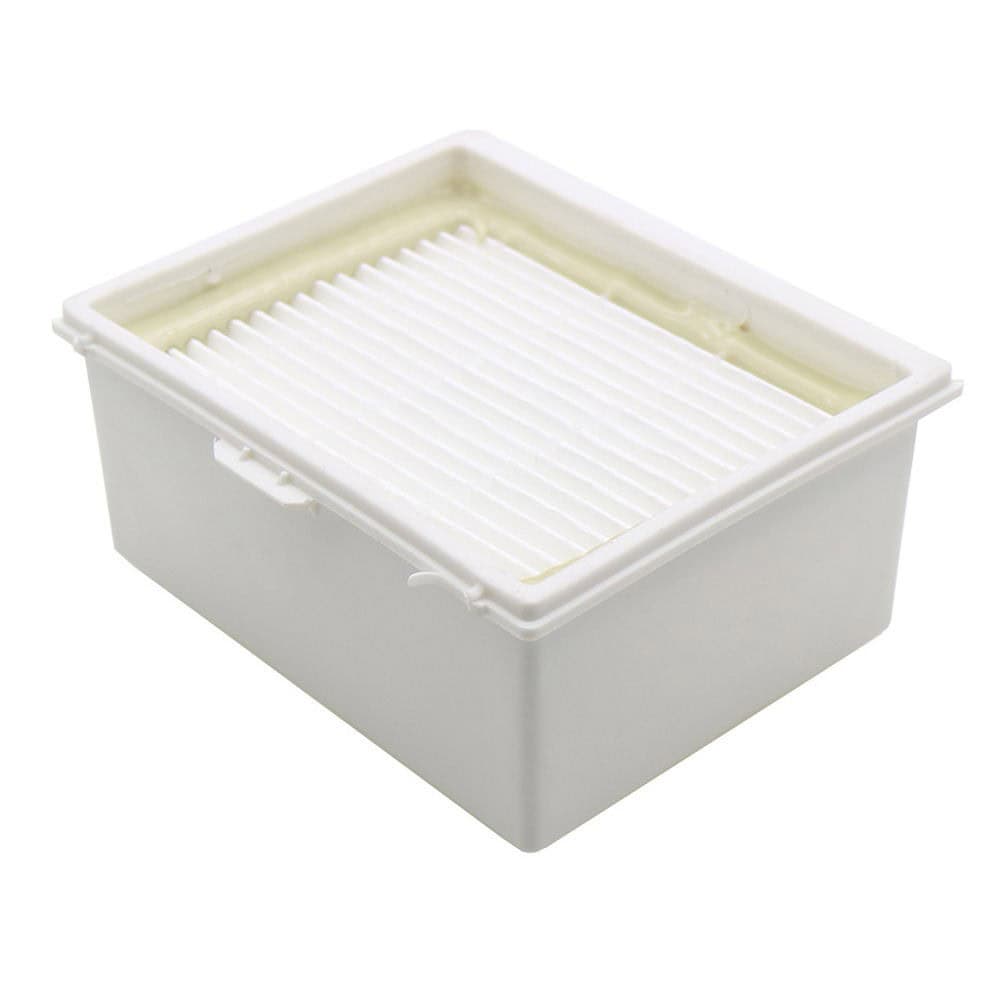
True HEPA means an independent lab has tested and certified the filter to capture 99.97% of particles at 0.3 microns. HEPA-type means the manufacturer believes the filter performs similarly but never sent it out for that testing. The certification gap is meaningful. HEPA-type filters typically capture 85 to 95% of particles in the relevant size range, which sounds close but isn’t when you’re managing a genuine allergy.
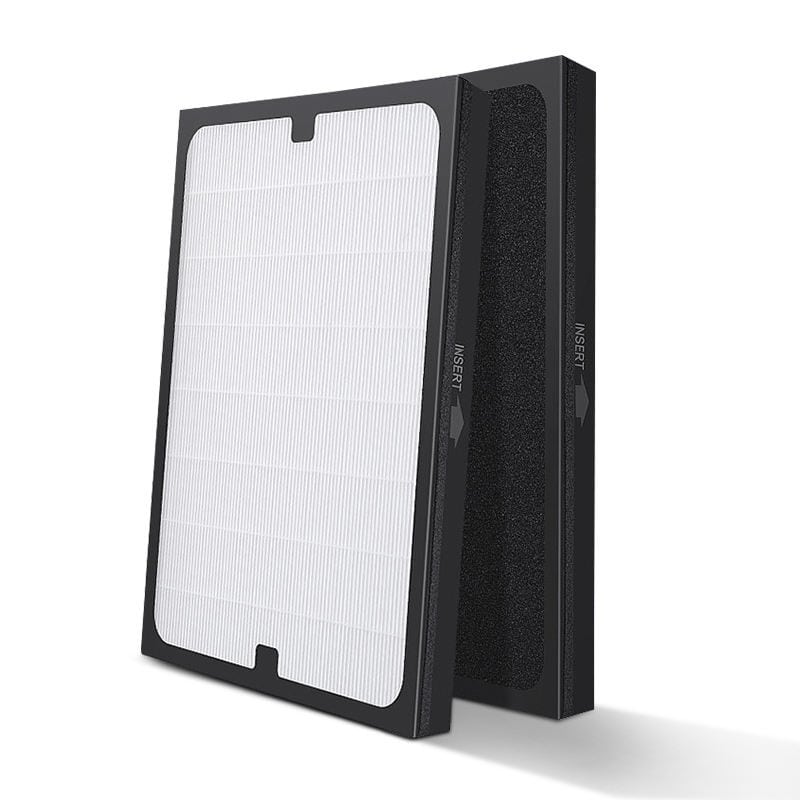
Don’t just look for “HEPA” in the product name. Always verify the certification in the technical specifications. Whether you’re choosing original filters or a high-performance compatible replacement, the certification is what matters, not the label. Reputable brands, including those in the HIFINE catalog like Coway, Levoit, Winix, Blueair, IQAir, and Austin Air, use the term “HEPA” only for truly certified lines. Be wary of budget alternatives that use the label as a marketing claim without the data to back it up.
If you’re on the sourcing side rather than the shopping side, the same rule applies with higher stakes. A supplier claiming “HEPA” should be able to produce an EN 1822 or equivalent test report on request, not just a spec sheet that lists the number. That’s the same document distributors and private label buyers should ask for before committing to a production run.
CADR Rating
CADR stands for Clean Air Delivery Rate. Manufacturers measure it in cubic feet per minute, and it tells you how much filtered air the unit produces per minute for three specific particle types: smoke, dust, and pollen. AHAM, the Association of Home Appliance Manufacturers, sets the rating through standardized testing.
For allergy management, the dust and pollen CADR figures matter most. A higher CADR means the unit cleans a given volume of air more quickly. AHAM’s general rule is that CADR should equal at least two-thirds of the room’s square footage, so a 200-square-foot bedroom needs a minimum CADR of around 130. For allergy sufferers, higher is better, and sizing up rather than down is the right call.
This is also the number that defines a SKU lineup. Brands selling into the allergy space typically need at least two or three CADR tiers to cover studio bedrooms through larger living areas, and undersizing any one of them is what generates return requests and bad reviews down the line.
Room Coverage and Air Changes Per Hour
Manufacturers list a maximum room size in square feet, but they usually calculate that figure at one air change per hour, meaning the full volume of room air passes through the filter once every 60 minutes. For allergy management, most indoor air quality researchers recommend four to five air changes per hour, particularly during high-exposure periods.
To achieve four to five ACH, you need a purifier rated for a room roughly twice the size of the one you’re actually using it in, or you need to run it on a higher fan setting consistently.
A unit rated for a 300-square-foot room, running on medium speed in a 150-square-foot bedroom, delivers significantly better allergen reduction than a unit rated exactly for that bedroom and running on low.
Activated Carbon for Chemical Irritants
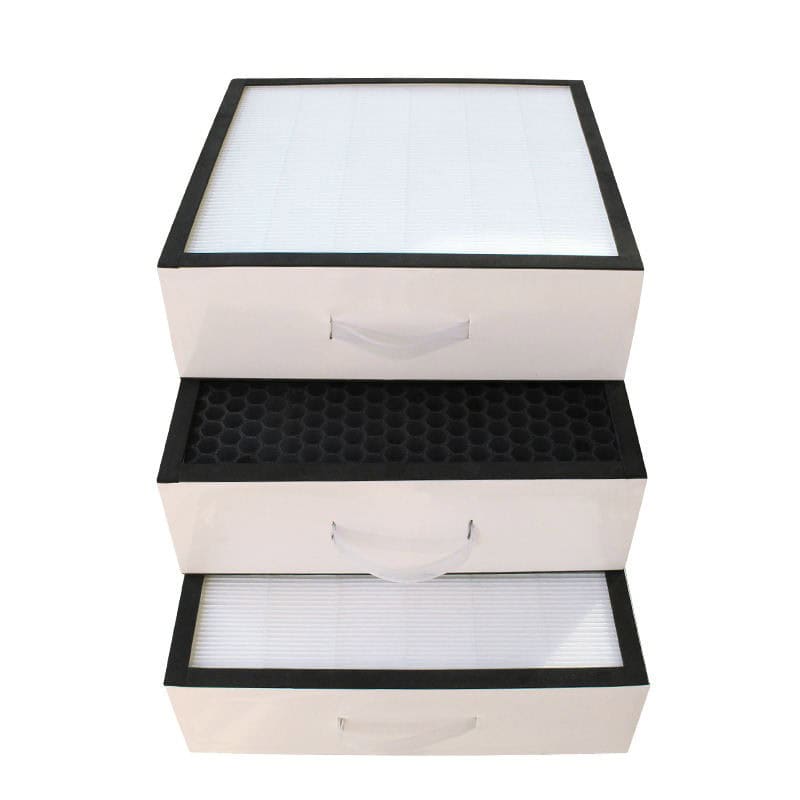
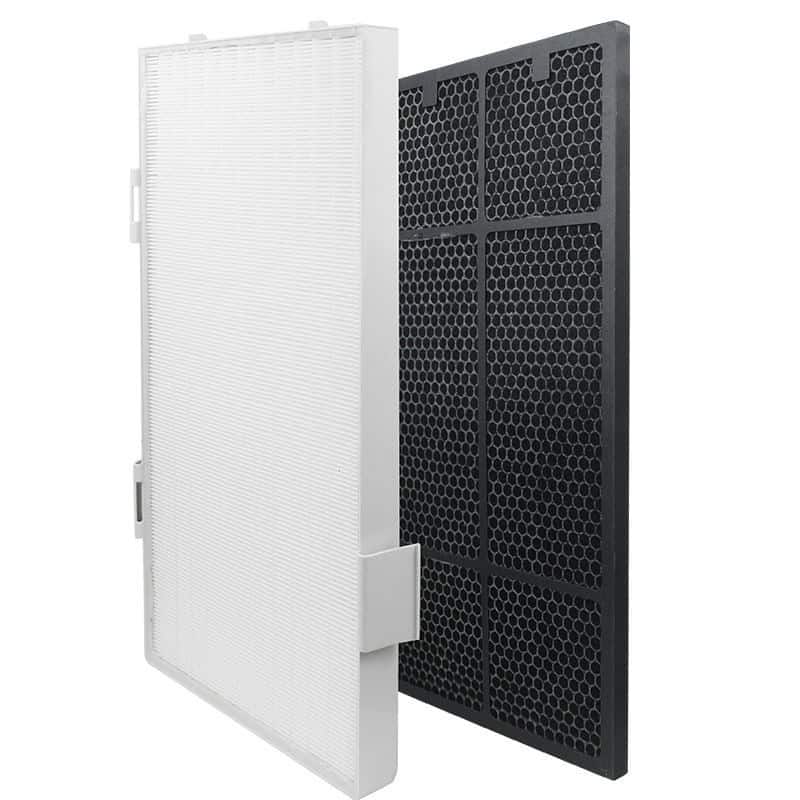
A true HEPA filter captures particles. It doesn’t capture gases or VOCs. If your allergy symptoms include sensitivity to cleaning products, smoke, or chemical odors, or if you have asthma alongside your allergies, a unit with an activated carbon stage alongside the HEPA filter addresses both particle and chemical irritants.
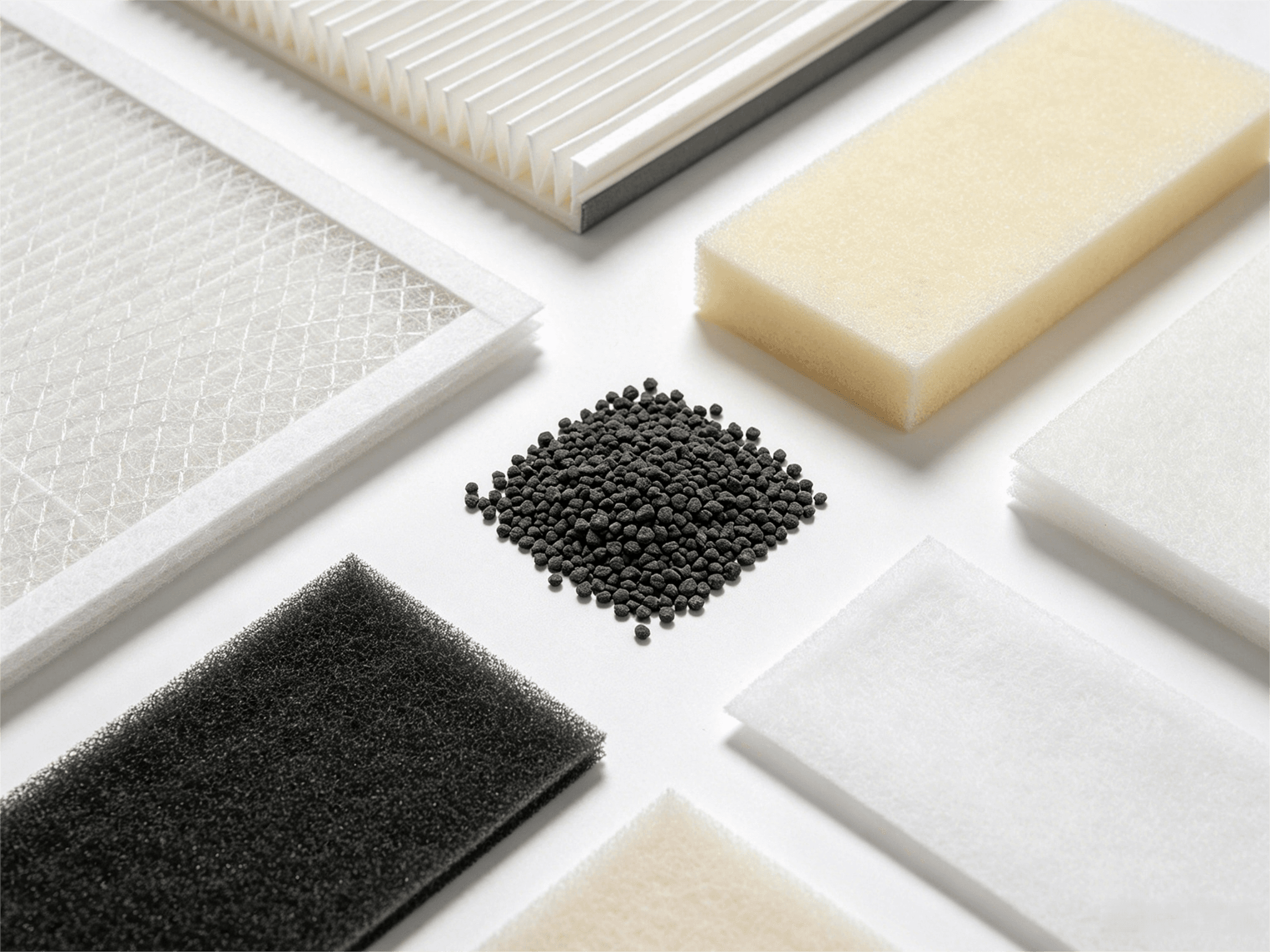
When it comes to carbon filtration, the amount of material truly matters. Many budget filters use a flimsy carbon layer that weighs only a few grams, offering minimal VOC adsorption. At HIFINE, we build our carbon stages with a substantially larger carbon bed that we measure in pounds rather than grams. A modest carbon layer may suffice for basic particle filtration, but anyone sensitive to odors and VOCs will notice the difference a higher-capacity carbon stage makes.
Carbon loading is also one of the easier specs to cut corners on without a buyer noticing, since a thin layer and a thick one can look identical from the outside. It’s worth asking any supplier for the actual carbon weight per filter, not just “activated carbon included” on the spec sheet.
Noise Level
A purifier that’s too loud to run at night is a purifier that won’t run at night, which is when it matters most for sleep-related allergy symptoms. Check the decibel rating at the sleep or low setting, not just at maximum. Most well-designed units run at 25 to 35 dB on their lowest setting, which is quiet enough for most sleepers. Some run significantly louder.
The table below works two ways. Read it as a shopping checklist if you’re buying a unit, or as a supplier evaluation sheet if you’re the one sourcing filters for a product line.
| Spec | What to Look For | Why It Matters |
|---|---|---|
| Filter certification | True HEPA (not HEPA-type) | Verified 99.97% capture vs. an unverified estimate |
| CADR | At least 2/3 of room square footage | Determines how quickly air is cleaned |
| Room size rating | 1.5 to 2x your actual room size | Achieves 4 to 5 air changes per hour |
| Carbon filter | Substantial bed for VOC sensitivity | Addresses particles and chemical irritants |
| Noise at low setting | Under 35 dB | Practical for overnight use |
| Filter replacement cost | Annual cost, not unit cost | Affects long-term budget |
Matching a Purifier to Your Allergy Type
Not every allergy situation calls for the same setup. The particle types driving your symptoms change what to prioritize.
Dust mite allergies respond best to a true HEPA unit in the bedroom running continuously, particularly at night. Pairing it with allergen-proof mattress and pillow covers, which physically block mites and their particles from becoming airborne, produces better results than either intervention alone. Reduce indoor humidity below 50% where possible; dust mites don’t survive well in drier environments.
Pet allergies require a purifier with enough CADR to keep up with continuous dander production. The lightest pet dander particles stay airborne for hours, so a unit running on medium or higher throughout the day in the rooms where the pet spends time makes more of a difference than one running only at night. Rooms the pet doesn’t enter still benefit from filtration since dander transfers on clothing and through air movement.
Mold allergies call for identifying and fixing any active mold sources first. A HEPA purifier in a moldy bathroom or basement will reduce airborne spore count but won’t stop the problem. Once you fix the mold source, filtration helps during the cleanup period and reduces incidental spore exposure in the room.
Seasonal pollen allergies benefit most from a bedroom purifier running with windows closed during high-pollen days. Keeping windows shut and running a purifier, rather than airing the house out, is counterintuitive but effective during peak pollen periods. Showering before bed also washes off pollen that would otherwise transfer from hair and skin to bedding.
Multiple sensitivities or asthma alongside allergies warrant a unit with a meaningful carbon stage in addition to true HEPA, and a higher CADR rating relative to room size to account for the reduced tolerance for residual particle load.
These same distinctions are what separate a generic “allergy” SKU from one that actually performs for the person buying it. A pet-focused model built around CADR and a bedroom-focused model built around continuous overnight runtime aren’t the same product, even if they share a filter class.
Placement and Habits That Affect How Well a Purifier Works
Place the unit in the room where you spend the most time with symptoms. That’s almost always the bedroom. Running a single purifier in a large open living area while sleeping in an unfiltered bedroom is a common setup that doesn’t address the problem where it’s worst.
Keep it away from walls and corners. Air purifiers need clearance on all sides to draw air effectively. Six to twelve inches of clearance from walls is a reasonable minimum.
Run it continuously on a low or medium setting rather than intermittently on high. Consistent airflow cleans the room more effectively than periodic bursts. Many modern units have auto modes that detect particulate and adjust speed accordingly, and these work well as a baseline, ramping up when needed.
Keep doors and windows closed in the room where the purifier is running. An open window during high pollen conditions negates most of what the unit is doing.
Replace filters on schedule. A HEPA filter beyond its service life loses capture efficiency as the media clogs and air starts bypassing it instead of passing through. Most true HEPA filters need replacement every 12 to 18 months depending on use. Some units have filter life indicators, so use them. Others require tracking by time or hours of use.
What Air Purifiers Can’t Fix on Their Own
An air purifier doesn’t reduce mite populations in mattresses, carpets, or upholstered furniture. Those require allergen-proof covers, regular hot-water washing of bedding (above 130°F), and ideally replacing carpet with hard flooring in the bedroom.
It doesn’t address mold that’s actively growing. If there’s visible mold or a persistent musty smell, you need to find and fix the source before filtration helps.
It doesn’t prevent new allergen introduction. If a pet sleeps on the bed, spends most of its time in that room, or someone opens the windows during pollen season, the purifier is working against a continuous source rather than a contained one.
It also doesn’t replace medical treatment for significant allergies. Antihistamines, nasal corticosteroids, and immunotherapy address the immune response directly. Air purification reduces exposure, which can reduce symptom frequency and severity, but for people with diagnosed allergies, it works alongside medical management, not instead of it.
Sourcing Allergy-Grade Filtration for Your Own Product Line
Every spec this guide covers, the true HEPA certification, the CADR tiers, the carbon bed weight, the noise rating, forms the same checklist whether you’re the one breathing the air or the one putting your name on the box. The gap between a filter that actually helps with allergies and one that just claims to almost always comes down to whether someone actually tested and documented those numbers, or just typed them onto a spec sheet.
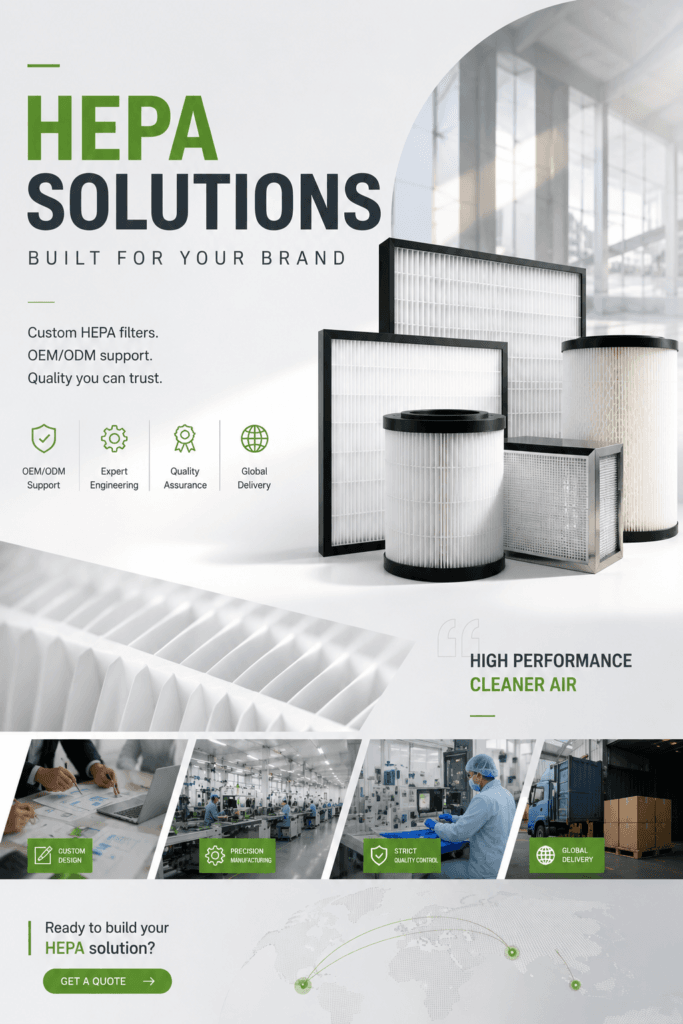
HIFINE manufactures true HEPA and activated carbon filter media to the standards this guide covers, with third-party test documentation available for OEM and ODM buyers. If you’re a brand owner, distributor, or private label buyer evaluating suppliers for an allergy-focused product line, see our checklist on what to check before you source OEM HEPA filters.