
The cabin air filter first protects your car’s AC and ventilation system, then cleans the air you and your passengers breathe. To see the full breakdown, read our full guide on how cabin filters actually work.
What are air conditioning filters made of?
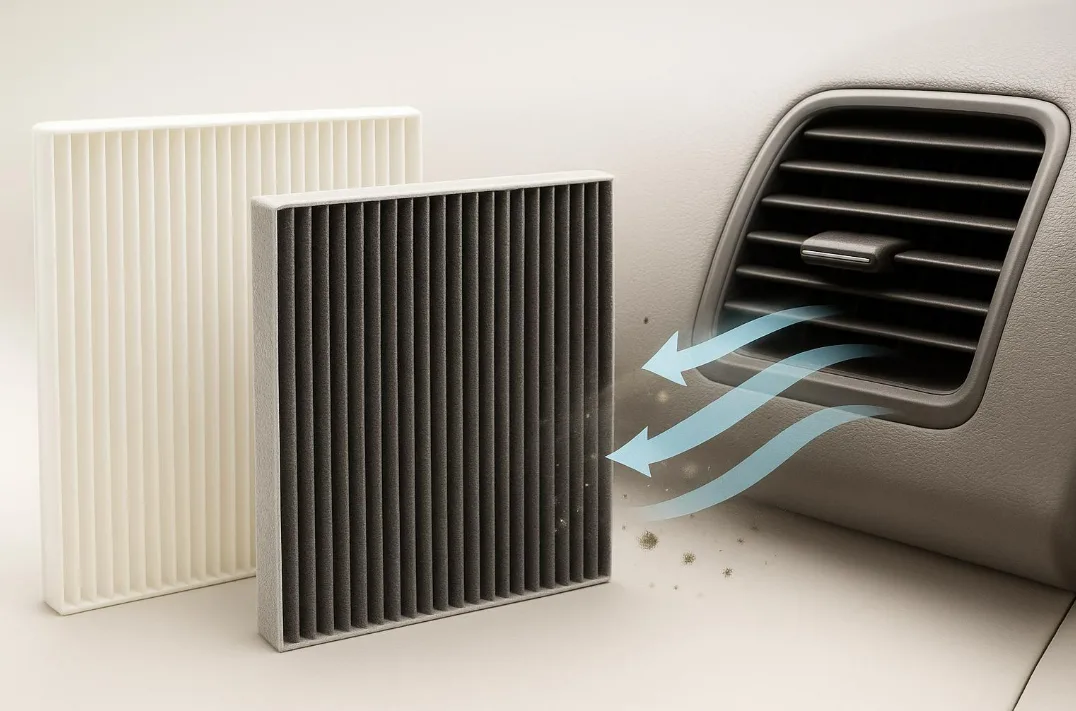
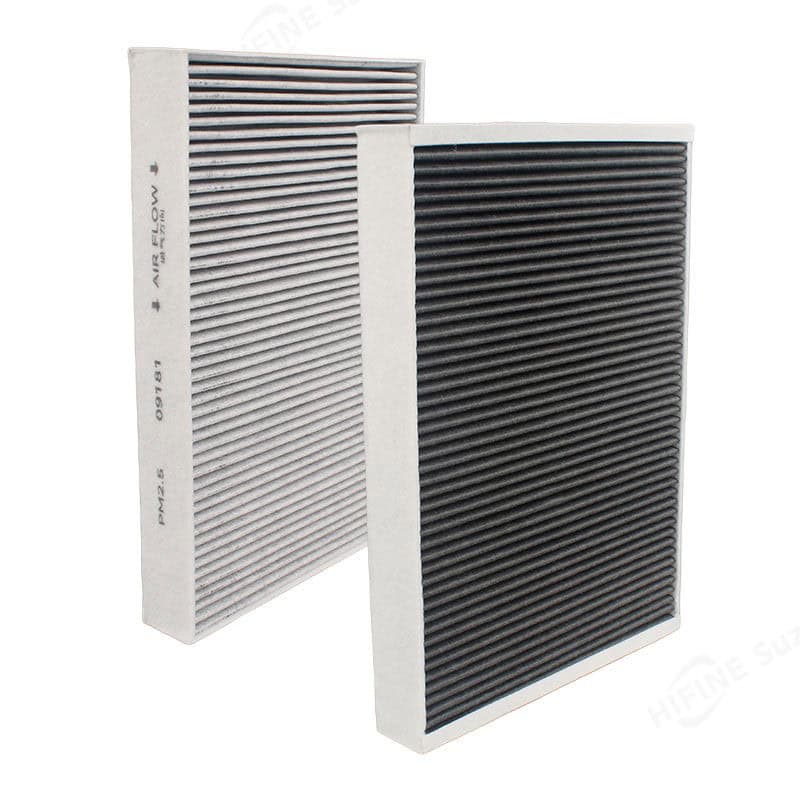
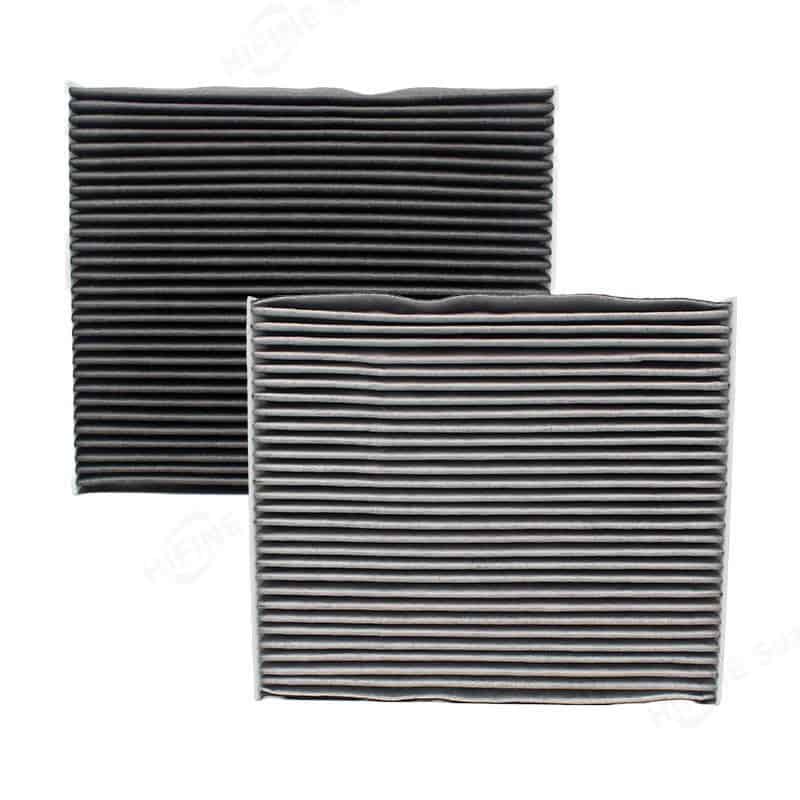
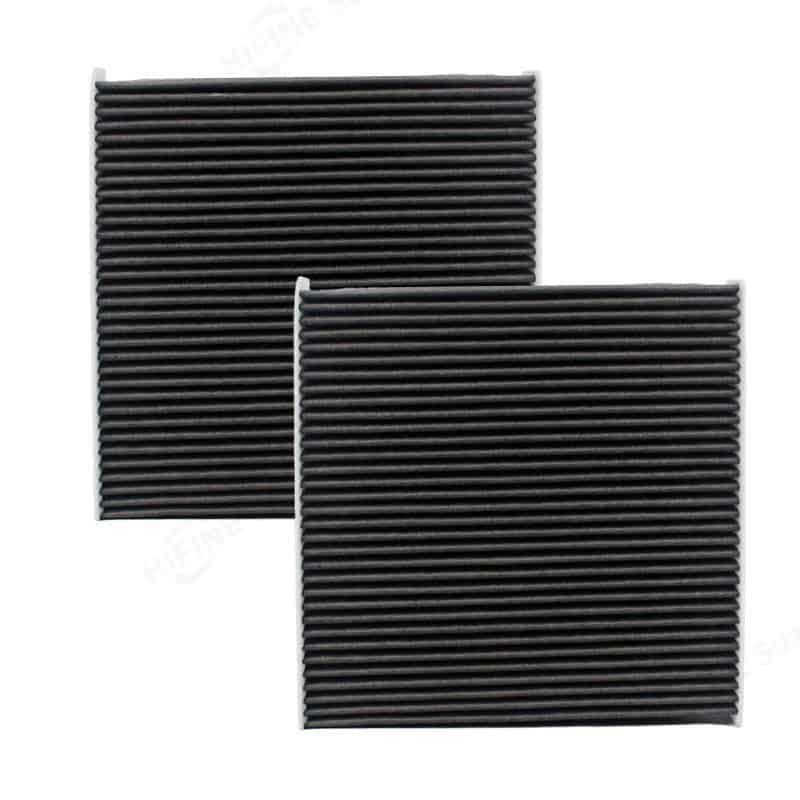
Most of the cabin air filters in the market use pleated cellulose, glass fiber or polypropylene non woven media. The pattern is folded to contain more surface area in a small space so air can flow through easily and dust and pollen get trapped in the fibers. A lot of them are electrostatically charged to catch finer particles. The higher end ones have a layer of activated carbon to absorb odors and exhaust fumes.
Why choose to collaborate with HIFINE?
Most auto manufacturers don’t make their own cabin filters. They source them from third-party suppliers and pick the most cost-effective version for factory installation.
HIFINE is ISO 9001 certified factory with more than 10 years experience in producing HEPA, activated carbon, particulate filter media. We supply OEM and ODM cabin air filters to overseas brand owners, wholesalers, and private label buyers, built to match or exceed factory fit and performance.

28113-3X000 Car Activated Carbon Air Filter Replacement
Activated Carbon Air Filter Replacement – Model 16546-4BA1B-C139
Activated Carbon Air Filter Replacement for Car – Industrial Grade
Activated Carbon Air Filter Replacement for Cars – Model 08
Activated Carbon Car Air Filter Replacement – Electric Powered
FAQ
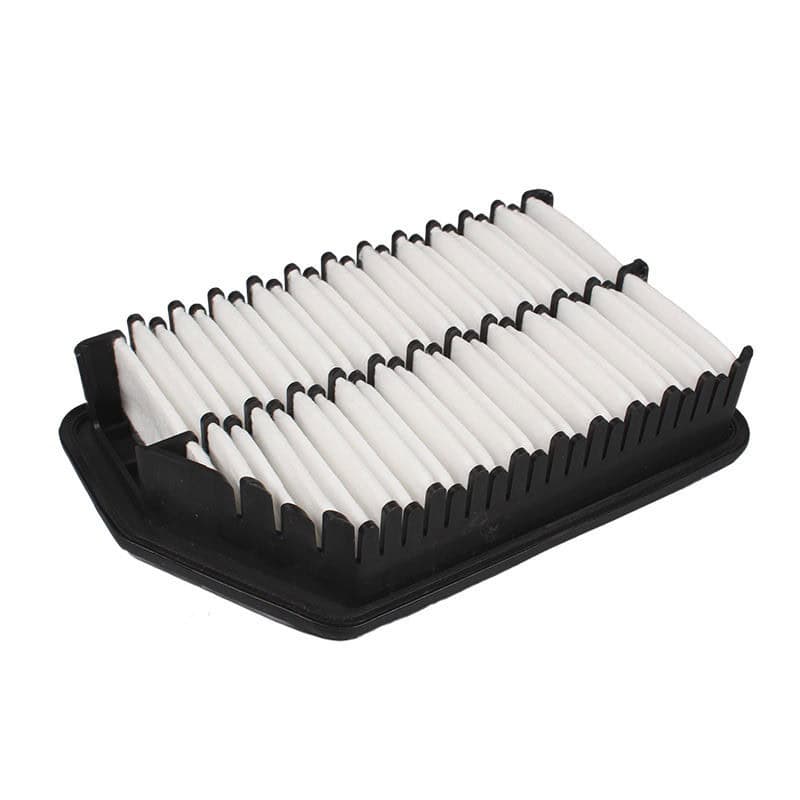
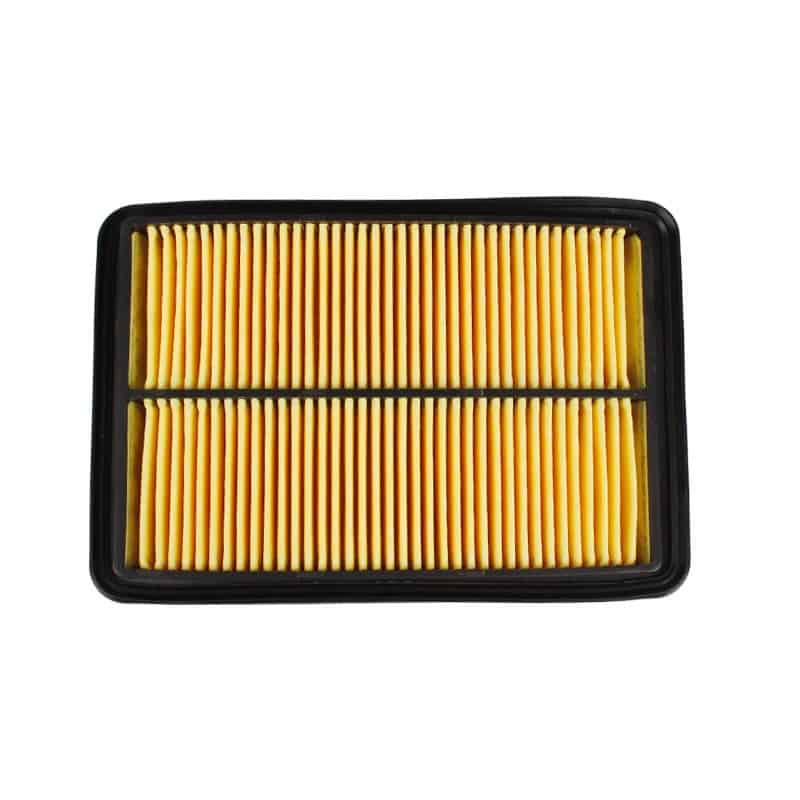
No. The engine air filter protects your engine. The cabin air filter protects the air you and your passengers breathe through the HVAC vents.
It won’t change the refrigerant system, but if your old filter was badly clogged, a new one can restore airflow—so the A/C feels stronger and cools the cabin faster.
Not necessarily. If odors, fumes, or city driving are a problem, it can be worth it. If you mostly want dust/pollen control, a standard particulate filter is often enough.