
RV life means constant change. New campgrounds, different roads, varying water quality, and air that shifts from pine forest dust to highway exhaust all put pressure on the same small set of components in your rig: the filters. Most RVers only think about them when something goes wrong, but understanding what each one does, from the cabin air system to the RV water filter protecting your drinking supply, can save you from breakdowns, repair bills, and even illness on the road.
Cabin Air Filters and RV Ventilation Systems
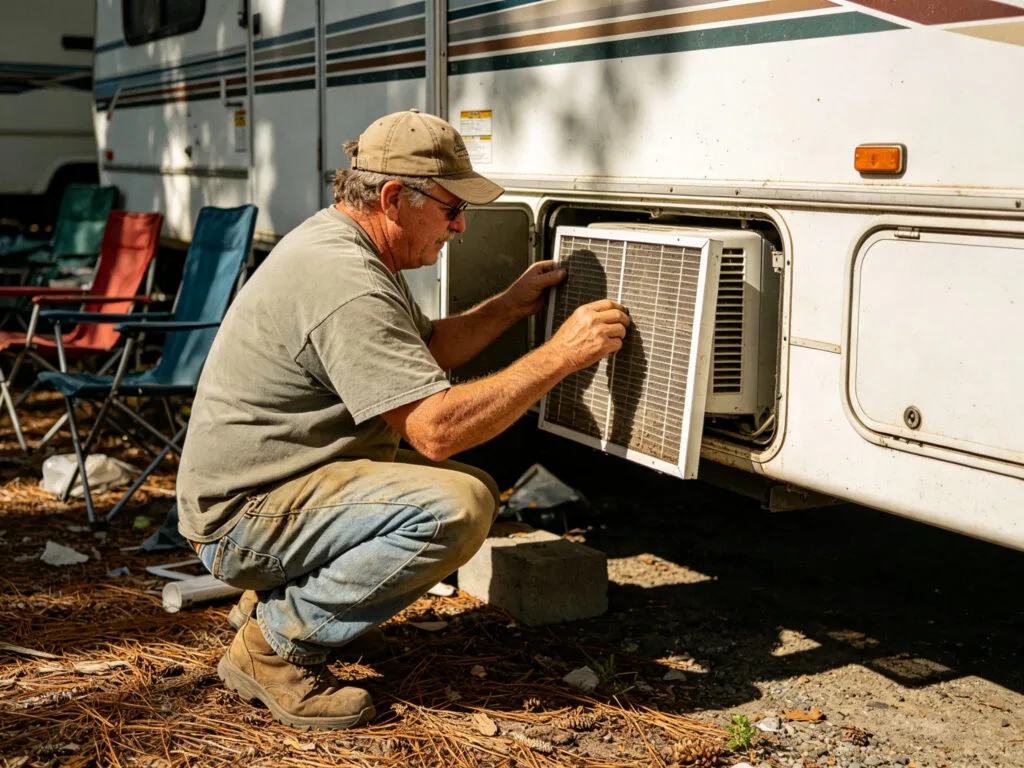
Cabin air filters sit right at the intake point of your RV’s heating and cooling system, catching particles before they circulate through the living space. Regular passenger cars are typically serviced every 12,000 to 15,000 miles, but RVs work under harsher conditions. Dirt campground roads, tree pollen, leaf debris, and dust from unpaved sites load the filter much faster, and many full-time RVers find they need a fresh filter every one to three months during heavy use, according to RV maintenance guides.
A clogged filter does more than reduce airflow. It forces your AC unit to work harder, which drives up energy use when you’re running on generator or shore power. Over time, trapped dust and moisture create conditions for mold growth inside the ductwork, which then blows through the entire living area. Upgrading to an activated carbon or HEPA-rated cabin filter adds meaningful protection against campfire smoke, cooking odors, and exhaust fumes from nearby roads, and it makes a real difference when you’re living in a few hundred square feet for weeks at a time. RV manufacturers and parts buyers looking to source these upgraded filters at volume often work directly with filtration manufacturers rather than retail suppliers, since custom sizing and filtration ratings vary widely between RV models.
RV Water Filter Systems and Plumbing Protection
Water quality is one of the biggest unknowns at any campground, and the data backs up that concern. Independent testing across more than 50 U.S. campgrounds found that 73% failed at least one EPA secondary standard for water quality, according to Clean Water Hacks. Problems range from sediment and high chlorine levels to bacteria from aging well systems and agricultural runoff in rural areas.
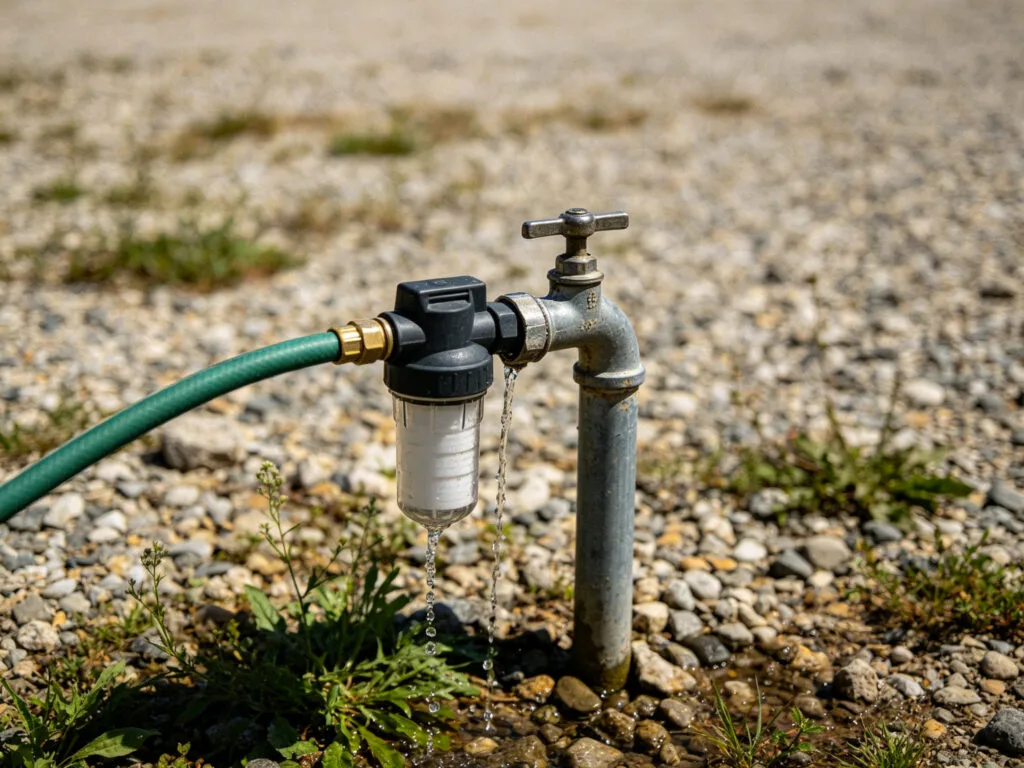
This is where a reliable RV water filter system earns its keep. Basic inline sediment filters catch rust, sand, and larger particles before they reach your water pump and fixtures, preventing a lot of wear on faucets, showerheads, and toilet valves. Carbon filters go a step further and remove chlorine taste and chemical contaminants. For anyone boondocking or drawing from untreated sources, an inline RV water filter rated at 0.5 microns or smaller can handle giardia and cryptosporidium, while ultrafiltration or reverse osmosis systems provide the highest level of protection.
Choosing the right setup usually comes down to how and where you camp. A simple water filter for your RV hose works fine for weekend trips to established campgrounds with municipal water. Full-time travelers and anyone relying on unknown water sources need something built into the RV water filter housing itself, positioned before water enters the fresh tank or plumbing system, so every drop passing through the rig gets treated the same way. When comparing an inline water filter for RV plumbing against a whole-system setup, the real difference usually comes down to micron rating and flow rate rather than price, which is what tends to separate a genuinely good RV water filter from one that just looks good on a store shelf.
The CDC has documented cases of waterborne illness linked to RV tap water at campgrounds, including a 2024 case in Texas involving contaminated nasal irrigation water. Cheap 20 to 50 micron inline filters improve taste but don’t stop biological threats, and that distinction matters more than most RVers realize.
For dealerships, fleet operators, and RV manufacturers sourcing filtration components at scale, working with a filter manufacturer directly rather than a retail supplier usually means better pricing on custom cartridge sizes, housing dimensions, and micron ratings matched to a specific RV model. Manufacturers such as HIFINE, which produce HEPA and water filtration elements for both consumer and OEM markets, can typically accommodate private label and bulk orders that big-box retailers can’t.
Engine and Generator Filters for Reliable Power
Your RV’s engine and onboard generator depend on clean air, clean fuel, and clean oil to run properly. Engine air filters prevent abrasive dust from wearing down cylinder walls and pistons, which matters most when you’re traveling down desert highways or dirt access roads. Most service guides suggest checking the engine air filter every 12,000 miles and replacing it when it appears gray or heavily soiled.
Generator maintenance follows a similar pattern, measured in operating hours rather than miles. Cummins Onan, one of the most common RV generator brands, recommends air filter inspections every 50 to 100 hours of use. Fuel filters typically last 400 to 500 hours, but that drops sharply if fuel sits in the tank for months between trips. Stale gasoline leaves deposits that clog filters and cause hard starting or low power output. A single clogged fuel filter can leave you without power at a dry campsite, and the repair bill for damaged fuel injectors runs into the hundreds of dollars.
Smaller Filters That Make a Big Difference
Not every filter in your RV handles air or water. Refrigerator vent filters keep dust from building up on cooling fins, which helps your absorption fridge maintain temperature on hot summer days. Range hood filters trap cooking grease before it coats cabinet interiors and vent ductwork. Larger motorhomes with dedicated fresh-air ventilation systems have their own separate filter setups outside the main HVAC loop.
Each of these parts costs very little to replace, and neglecting them leads to reduced efficiency, higher energy consumption, and eventually premature appliance failure. A $15 refrigerator vent filter can help you avoid a $1,200 cooling unit replacement down the road. RV parts distributors sourcing these smaller components often turn to specialized filtration manufacturers who can produce non-standard sizes for older or imported RV models, something general retailers rarely stock.
Making Filter Maintenance Work for Your Travel Style
How often you need to replace each filter depends entirely on how and where you camp. Weekend travelers sticking to paved, established parks can follow standard annual schedules. Full-time RVers moving through dusty or forested areas need much shorter intervals, especially for cabin air and RV water filter cartridges. Boondockers relying on untreated water sources need the strongest filtration setup of all.
Keeping spare filters on board makes sense too, since most replacements take only a few minutes and require basic tools. Sticking to a consistent schedule doesn’t just keep your air cleaner and your water tasting better, it protects every system in your RV from the wear and tear of life on the road.
For RV manufacturers, dealers, and parts distributors looking to source cabin air filters, HEPA elements, or custom RV water filter cartridges at scale, working with an established OEM manufacturer such as HIFINE can simplify sourcing while matching filter dimensions and micron ratings to specific RV models.