
Detailed Explanation and Market Insights of Popular HEPA Filters
Expert insights, real-world applications, and maintenance tips to keep your systems cleaner, safer, and running longer.
– Stark Lee
Written by Stark Lee
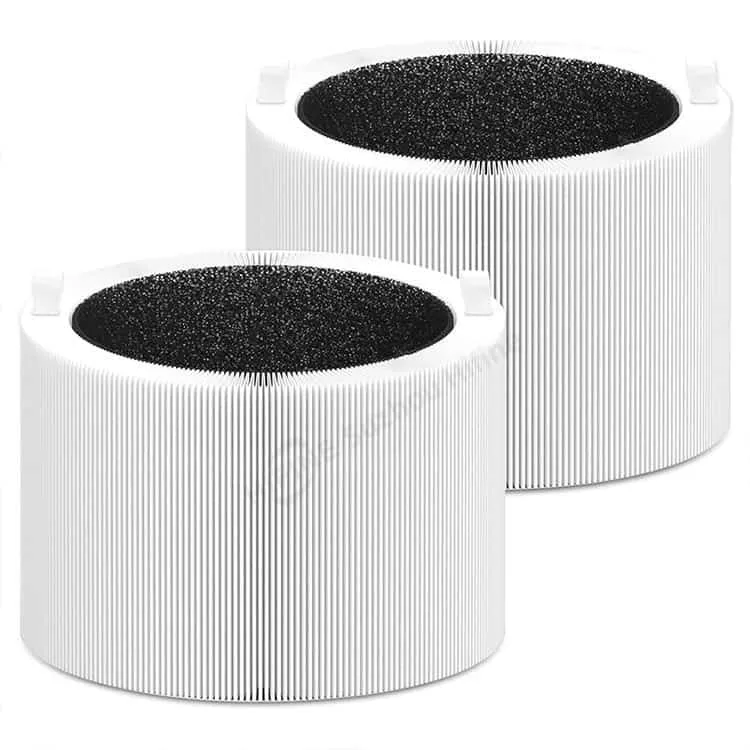
The Shape Difference That Actually Determines Blue Pure Fit
By – Stark Lee
Blueair sells three purifiers with nearly identical names: the Blue Pure 311i Max, the 311i+ Max, and the 311 Auto. Line them up on a shelf and most people can’t tell them apart by sight.
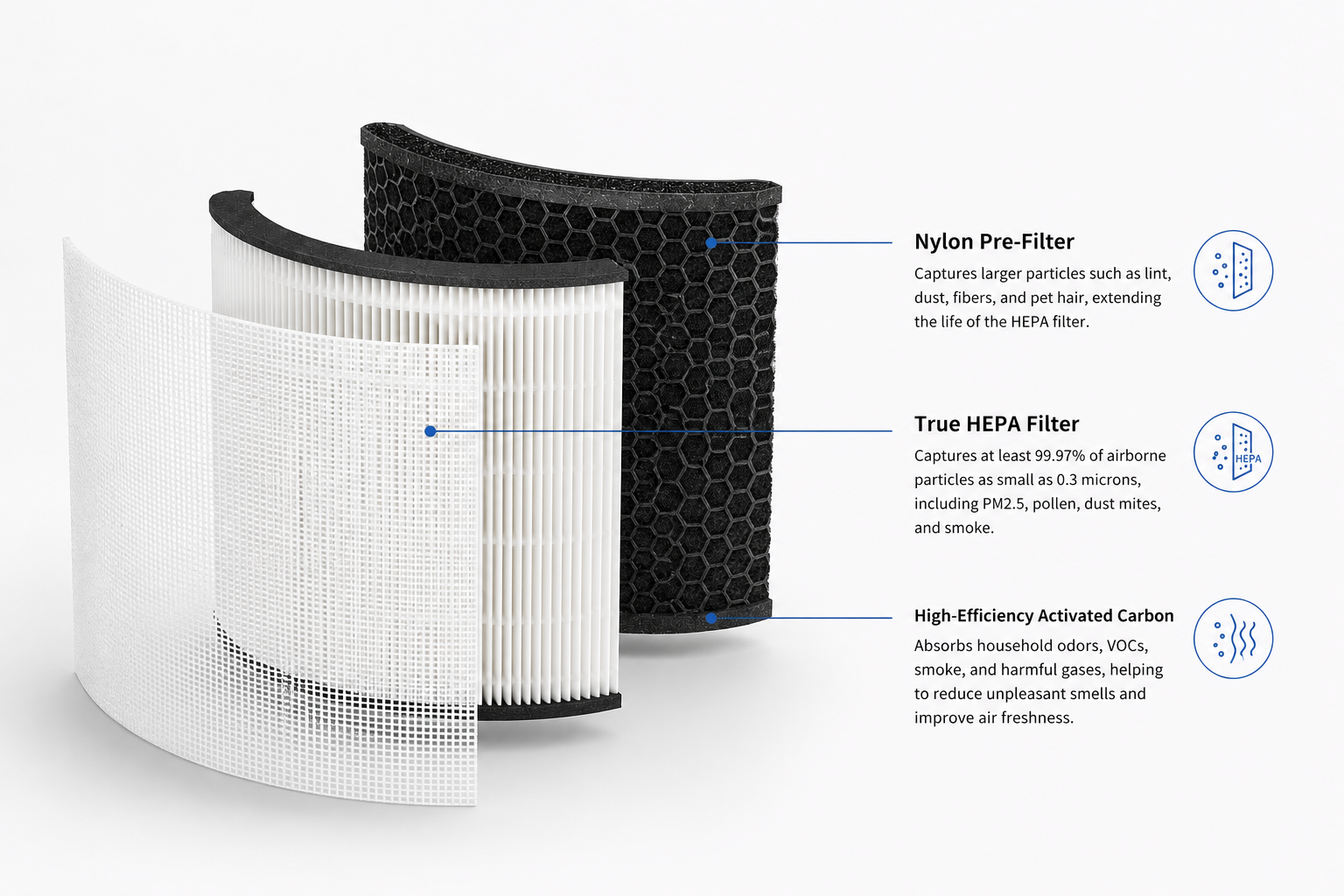
Levoit Core 300 Filter Replacement Guide
By – Stark Lee
Search interest for portable air purifiers spikes every wildfire season. The Levoit Core 300 sits near the top of that wave. It’s compact, quiet, and priced for a first-time buyer. For anyone sourcing or private labeling air purifier filters, the Core 300’s 3-in-1 filter
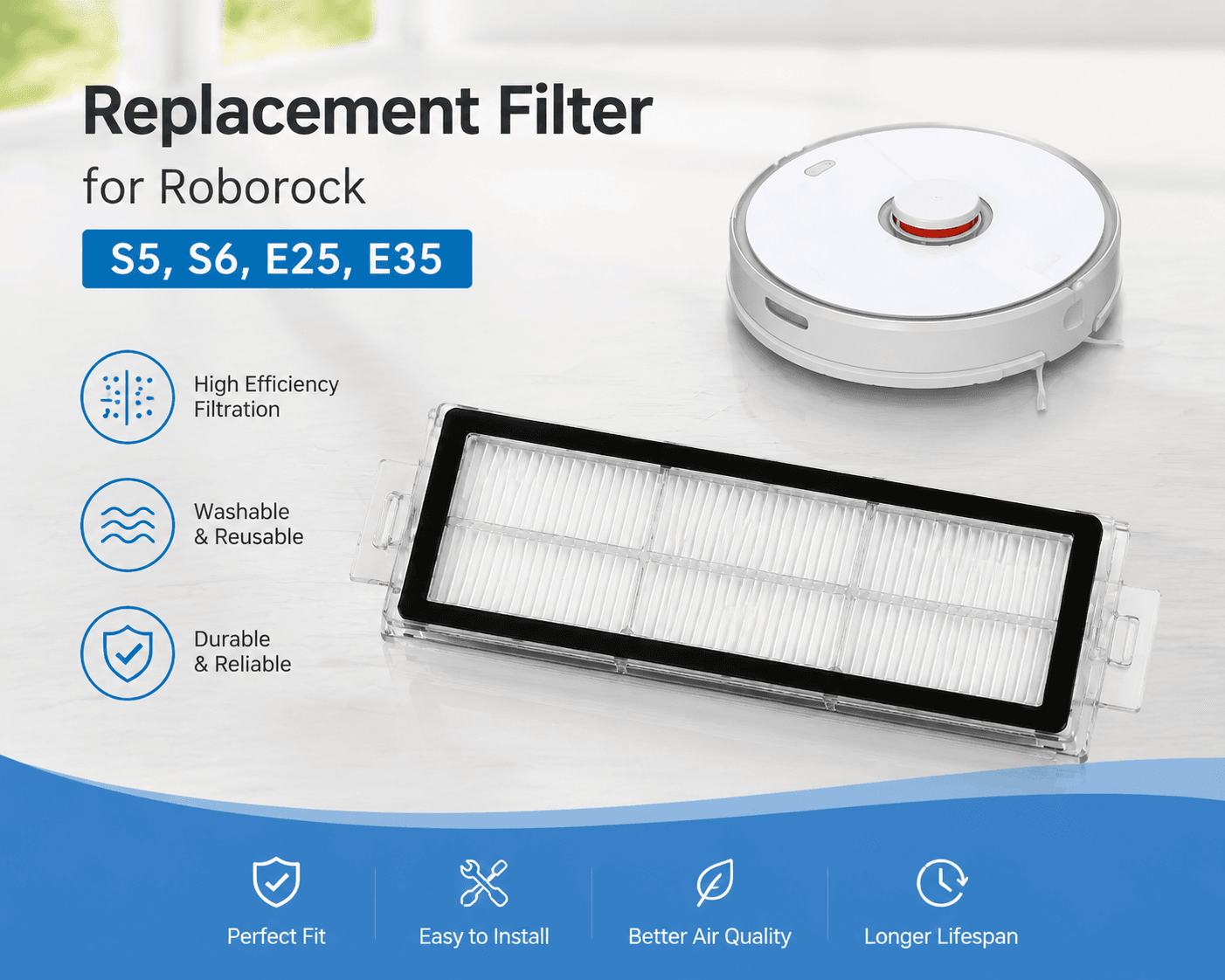
Why Roborock S5, S6, E25, E35 Filters Lose Suction
By – Stark Lee
When suction fades on a Roborock S5, S6, E25, or E35, most people blame the filter rating. They grab whatever “HEPA” replacement shows up first in search results. That instinct is only half right. A filter can carry HEPA-grade media and still fail within weeks. The media rarely causes the failure. The seam between the…
Honeywell 50250 Filter: Right Part & Smoke Smell Fix
By – Stark Lee
A Honeywell air purifier that reeks of cigarette smoke will keep reeking, no matter how long you run the filter under the tap. The reason isn’t a defect. It’s in the spec sheet. Below is a parameter-by-parameter breakdown of why HEPA media and activated carbon solve two different problems, the exact filter part numbers a…
Some articles you might be interested in:
How to Raise CADR Without Raising Noise: The Filter Side of Quiet Air Purifiers
Noise is the reason most air purifiers stop running long before the filter wears out. A unit that gets switched off at bedtime and left off the next morning is not cleaning anything, and industry testing consistently points to fan noise, not filtration performance, as the top complaint driving that behavior.
Do you know where used HEPA filters end up?
You remove the old filter, toss it in the trash, and slide in a new one. Job done. However, that discarded HEPA filter doesn’t simply vanish into thin air; it ends up in a landfill, where it sits for decades, slowly breaking down and ultimately turning into the very pollutants your air purifier was meant to capture in the first place.
Is It Possible to Make a DIY HEPA Air Filter
But as an air filtration manufacturer, we often get asked: Can you really make your own air filter at home? And more importantly, is it safe for your lungs and your home?