
Noise is the reason most air purifiers stop running long before the filter wears out. A unit that gets switched off at bedtime and left off the next morning is not cleaning anything, and industry testing consistently points to fan noise, not filtration performance, as the top complaint driving that behavior. For a brand, that makes decibel output a functional spec, not a soft comfort feature.
Quiet air purifiers vs. high CADR values
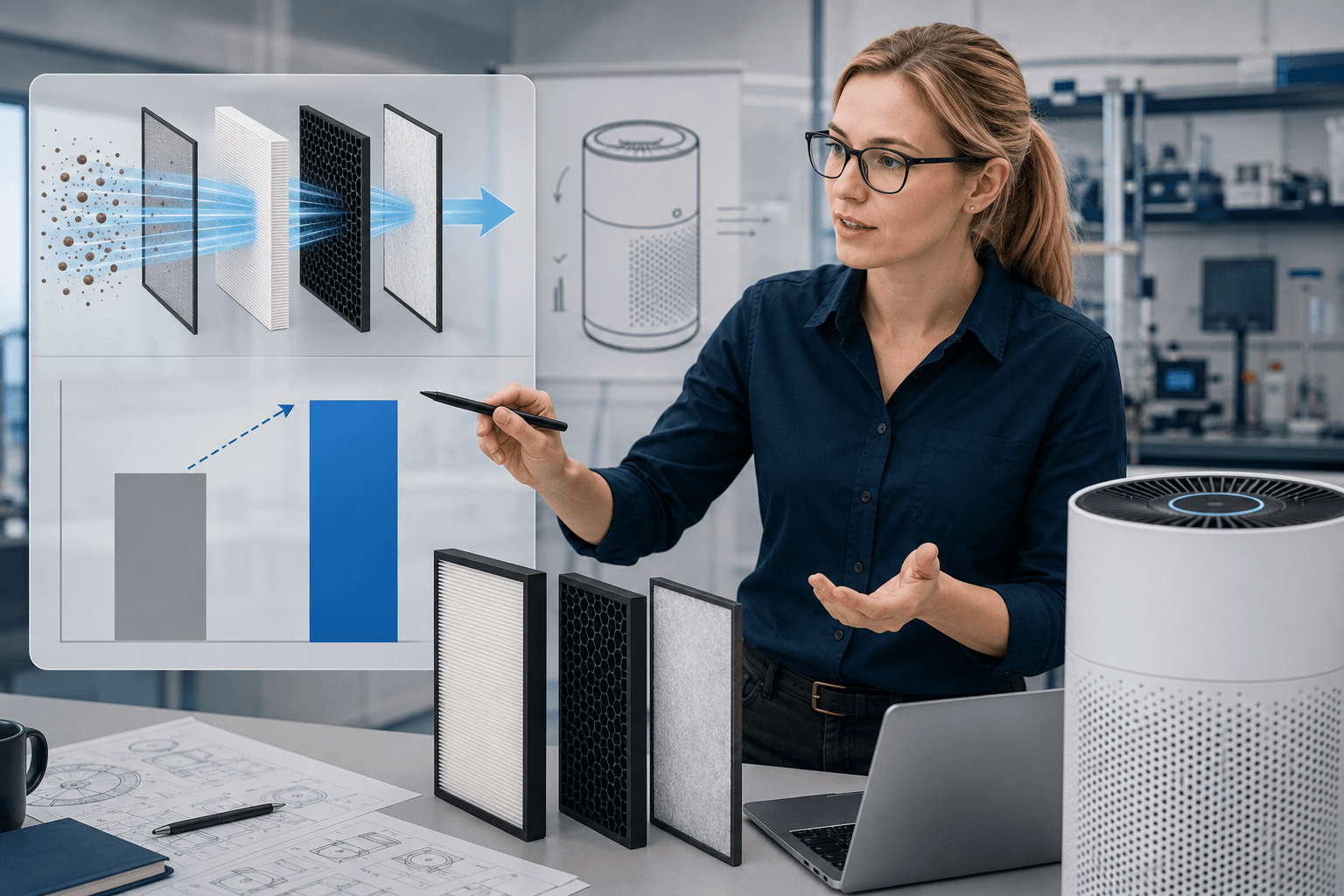
Every filter creates airflow resistance, and resistance is what a fan has to fight against. Denser, higher grade media resists airflow more than looser media, which is why the jump in filtration grade comes with a real cost. Industry comparisons show H14 rated filters create somewhere between 30 and 60 percent more airflow resistance than H13, which forces a noticeably more powerful fan to move the same volume of air, and a more powerful fan is a louder fan. This is the same physics discussed on the filtration side of a large room build: more resistance, whether from a denser media grade or an undersized housing, has to be paid for somewhere, and that payment usually shows up as noise, heat, or shorter motor life.
That tradeoff is exactly why “quiet and powerful” is a filter engineering problem before it is a fan or motor problem. A factory can drop in a quieter motor, but if the filter media behind it is forcing that motor to work harder than it should, the noise reduction will be marginal and short lived as the filter loads with dust over its service life.
The true meaning of decibel levels in air purifiers
Sound is measured on a logarithmic scale, not a linear one. A rating of 50 decibels is not modestly louder than 30 decibels, it is perceived as roughly four times louder by the human ear, because each 10 decibel increase represents a tenfold rise in sound intensity. That single fact explains why a purifier that looks fine on paper can feel dramatically louder in a real bedroom than the spec sheet suggests.
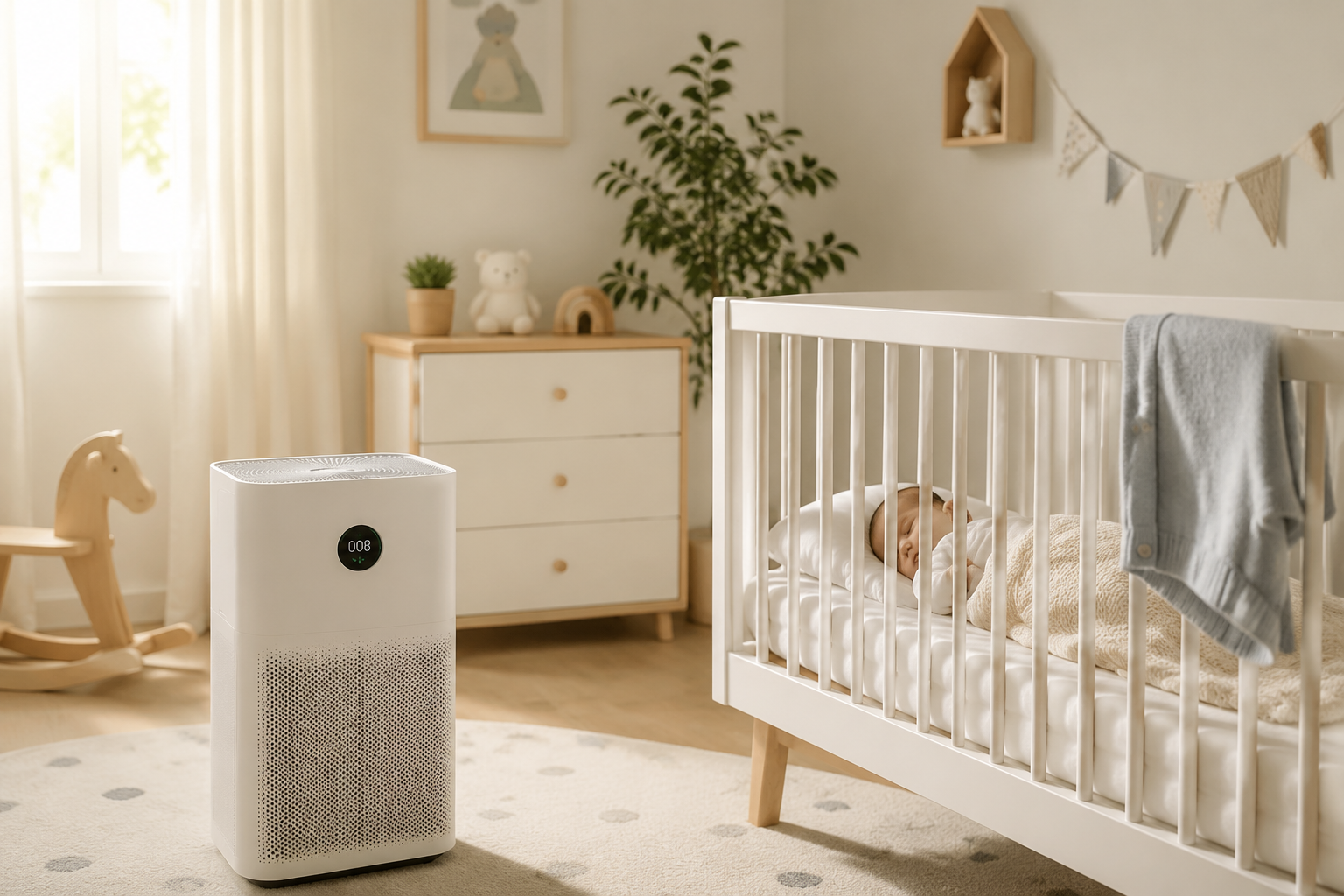
Most home air purifiers span a wide range across their speed settings, commonly somewhere between 20 and 65 decibels depending on the model and fan speed selected. Sleep researchers and the World Health Organization’s night noise guidance for residential settings generally point to keeping continuous bedroom background noise under 30 to 40 decibels to avoid measurably disrupting sleep. The catch for buyers, and the trap brands should avoid replicating in their own marketing, is that most spec sheets advertise the lowest available setting rather than the speed a customer will actually need to run to get meaningful CADR performance in their room. A unit that is silent on low and loud on the setting that actually cleans the air is not really a quiet purifier, no matter what the box says.
HEPA Filter Design Choices That Lower Noise Without Losing CADR
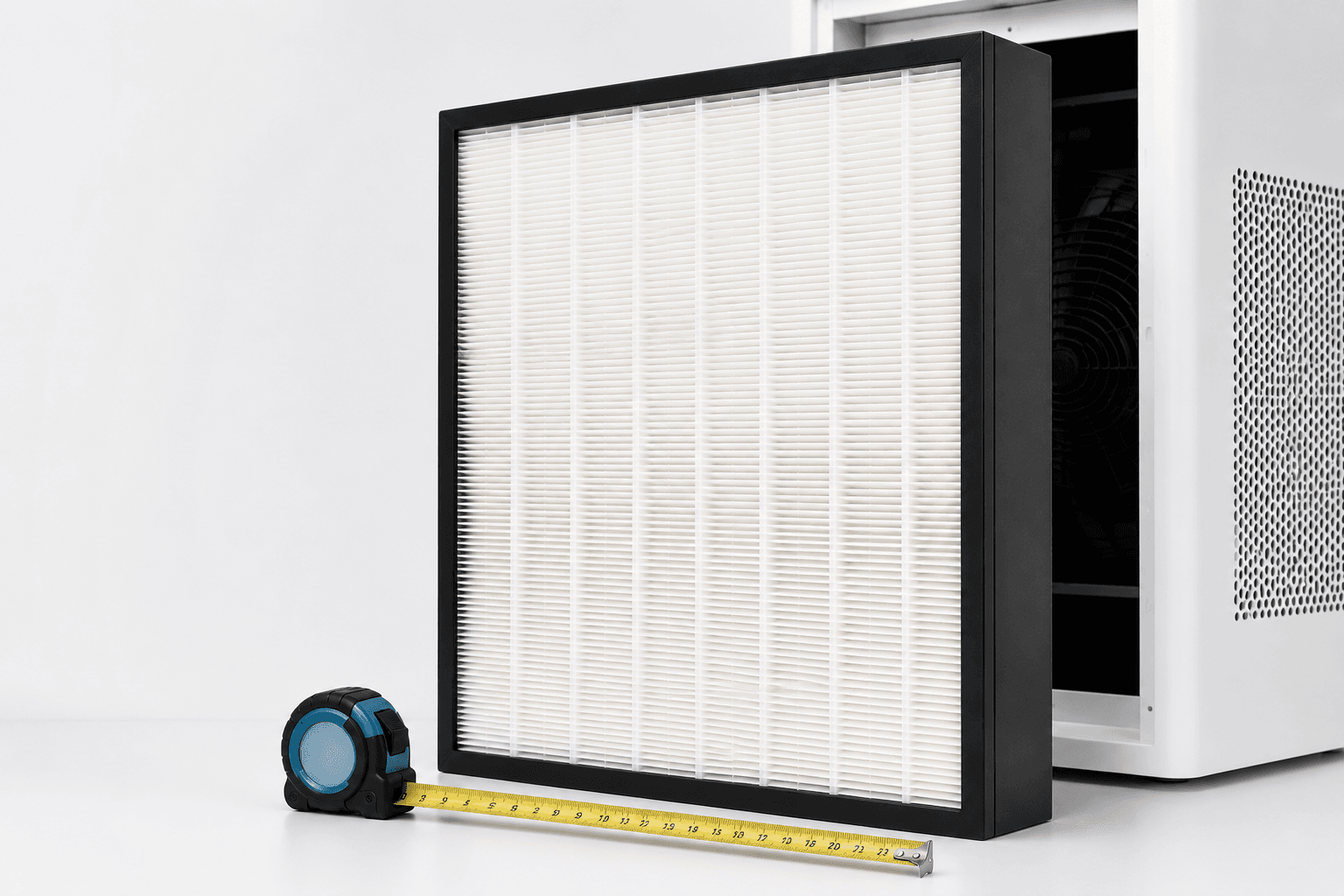
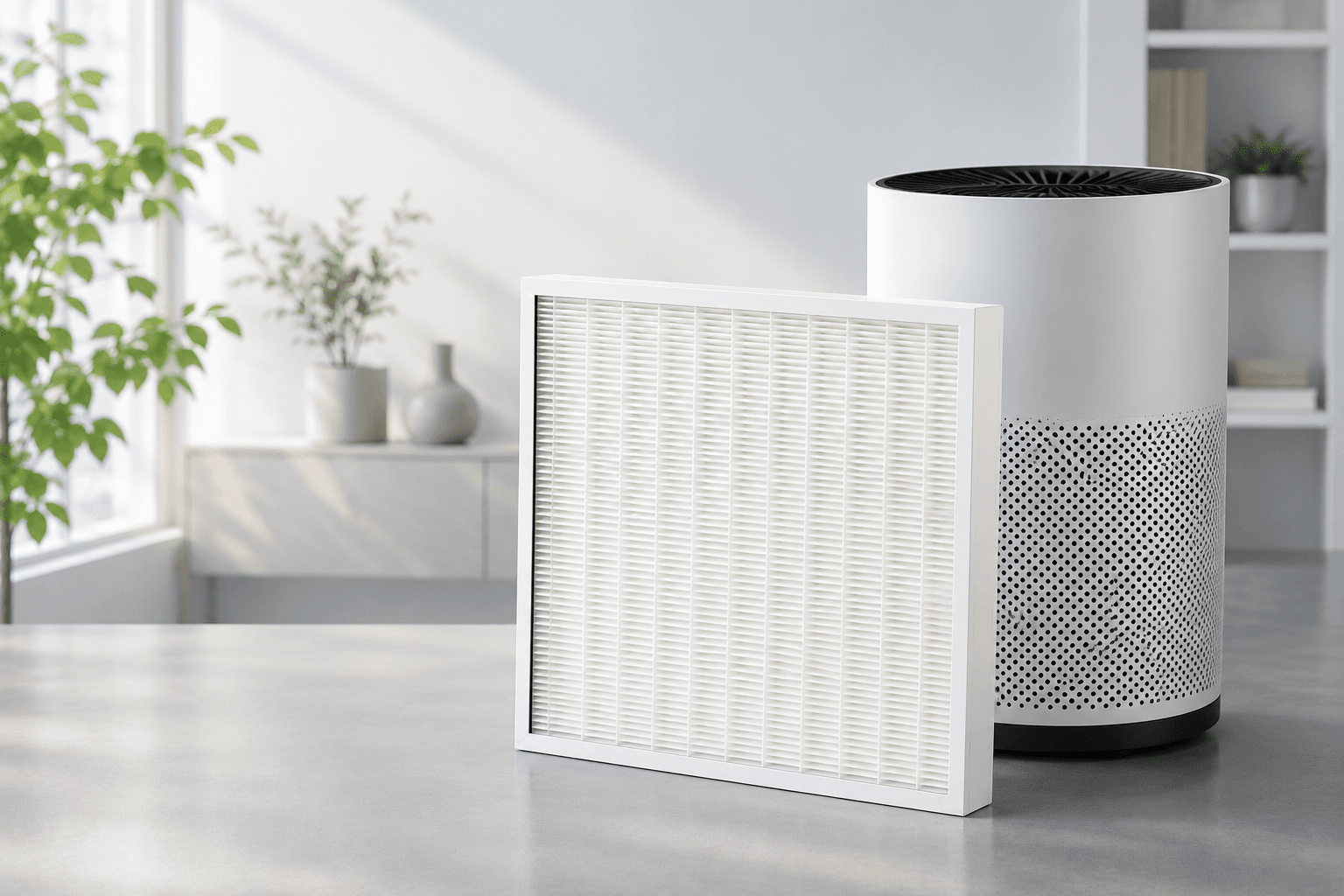
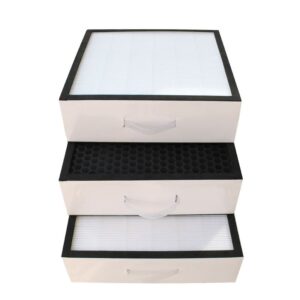
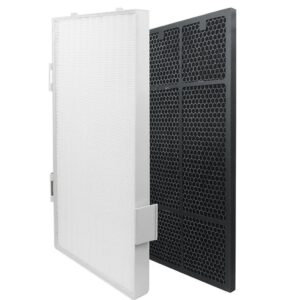
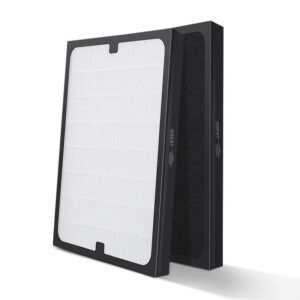
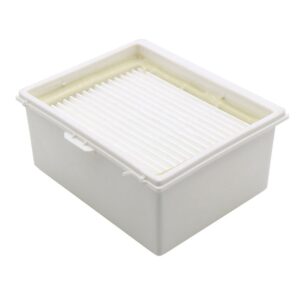
There are a handful of concrete levers a filter supplier controls that a motor supplier cannot. Increasing pleat count and overall media surface area lowers resistance per unit of airflow, which means the fan does not need to work as hard to hit a given CADR target. Pleat spacing and depth matter too, since pleats packed too tightly can trap air and create turbulence that adds noise without adding filtration benefit. A properly sized pre filter stage also protects the main HEPA layer from loading up with large particles too quickly, which keeps resistance, and therefore noise, more stable across the filter’s service life rather than climbing steeply in the final weeks before replacement.
While this isn’t some advanced engineering technique, it’s a crucial aspect of silent products that factories must address during the filter design phase and before assembly, because it cannot be remedied later by replacing the fan or foam liner.
Where Air Purifier Noise Actually Comes From
Noise in an air purifier rarely comes from one source. The fan and motor are the obvious contributor, but airflow turbulence through a poorly shaped housing, resistance from the filter media itself, vibration transmitted through a loosely mounted motor, and the design of the air outlet grille all add to the total sound a user hears. A brand chasing a quiet rating by upgrading only the motor while leaving these other factors unaddressed will see a smaller improvement than expected, and often an inconsistent one across production batches if housing tolerances are not tightly controlled.
How to Specify a Quiet Air Purifier Filter When Briefing a Factory
Before committing to a quiet or low noise product line, specify the target CADR at the actual speed setting the unit is expected to run at day to day, not the lowest setting. Specify the maximum acceptable decibel reading at that same speed, along with the test method used, since IEC 60704 is the common domestic appliance noise standard referenced across the industry and gives a buyer a consistent basis for comparing suppliers. Specify a maximum pressure drop target for the filter at rated airflow, and ask how that figure is expected to shift over the filter’s rated service life rather than only at the out of box measurement.
HIFINE’s Low Noise, Low Resistance HEPA Filter Media
Balancing CADR and noise starts with the filter, not the fan. HIFINE engineers pleat depth, media density, and pre filter staging specifically to hold pressure drop within a target range at the airflow a purifier actually needs to reach its rated CADR, which is the groundwork a quiet rated product depends on. For more on how pressure drop behaves over a filter’s life and what a normal range looks like, see our guide on HEPA filter pressure drop. Our air purifier filter range and quality control process are built around exactly this kind of documented, repeatable performance for OEM and private label partners sourcing for bedroom, nursery, and other noise sensitive categories.