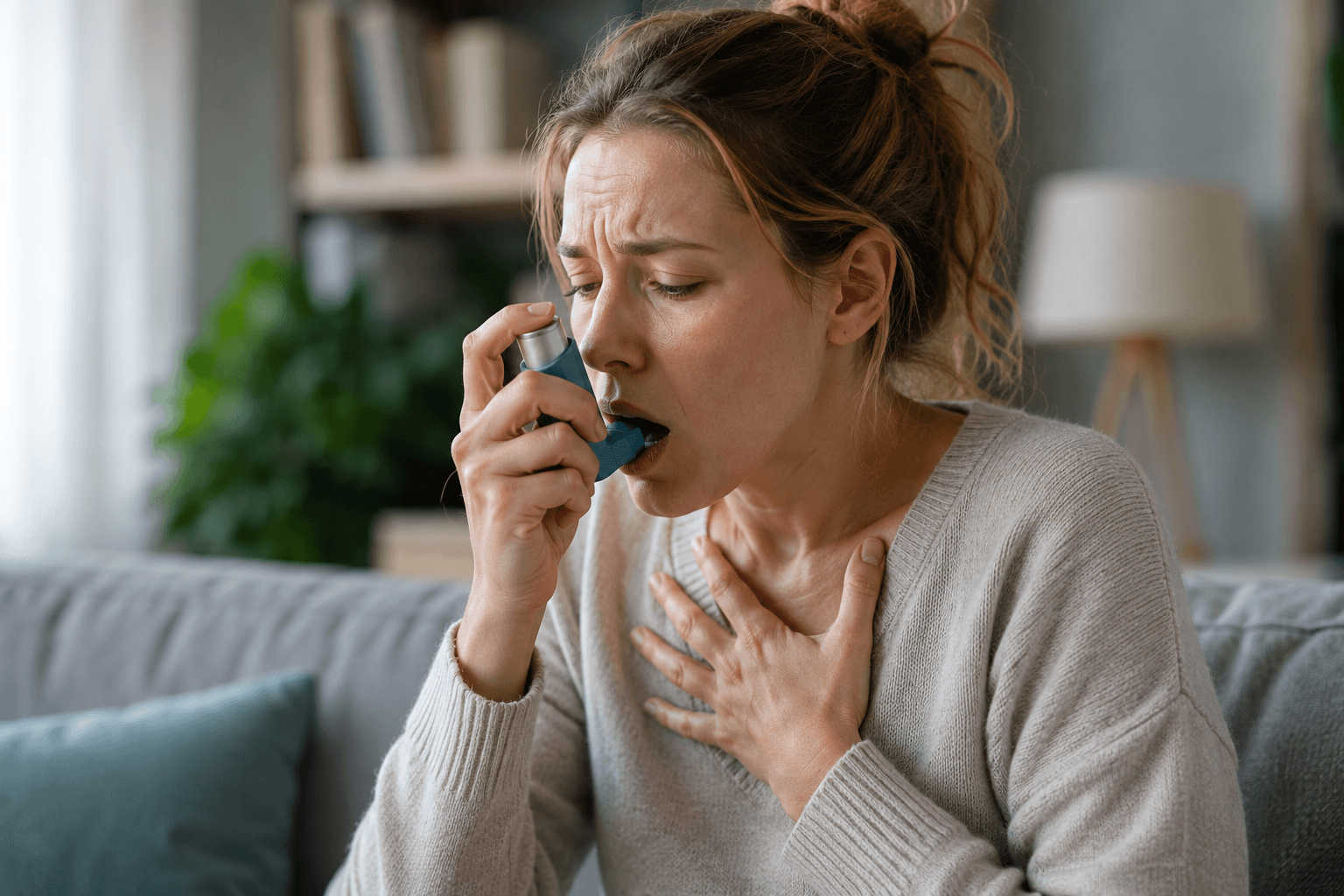
A pulmonologist rarely writes “avoid dust” on a treatment plan. They name the protein, the gas, or the particle size, because a vague category does not tell an airway what to avoid. That precision explains why two homes that look equally clean can produce very different asthma symptoms. About 25 million people in the United States live with asthma, according to the CDC, and indoor air is one of the few triggers a household can actually control.
In short, the substances that most reliably trigger asthma indoors fall into four groups. Fine particles such as PM2.5, gas phase compounds like formaldehyde and benzene, biological allergens from dust mites, mold, and pets, and combustion gases such as ozone and nitrogen dioxide. Each behaves differently once it reaches the airway, which is why no single fix handles all of them.
PM2.5 Is Small Enough to Bypass Every Natural Defense
The lungs filter large particles automatically. Nasal hair and bronchial mucus trap most particles larger than about 10 microns before they travel deep. PM2.5 does not follow that rule. At 2.5 microns or smaller, these particles pass the bronchioles and reach the alveolar sacs, the tissue where oxygen crosses into the blood, and the lungs have no mechanical way to sweep them back out.
Common indoor sources include gas stove cooking, candles, incense, and laser printers, several of which can push indoor particle counts well past what most people expect for a closed room. The World Health Organization treated this seriously in 2021, cutting its recommended annual PM2.5 exposure limit in half, from 10 micrograms per cubic meter to 5, based on new evidence that airway damage occurs at lower concentrations than previously assumed. At the cellular level, PM2.5 exposure has been linked to airway inflammation that lowers a person’s tolerance for other triggers in the same room, not just for more particles.
VOCs Turn Everyday Materials Into Asthma Triggers
Volatile organic compounds exist as gases at room temperature, so particle filtration cannot remove them on its own. Formaldehyde is the most studied example. It off gasses from pressed wood furniture, laminate flooring, and certain adhesives, with the highest emission levels occurring in the first two years after manufacture or installation. The International Agency for Research on Cancer classifies formaldehyde as a Group 1 carcinogen, its strongest hazard category.
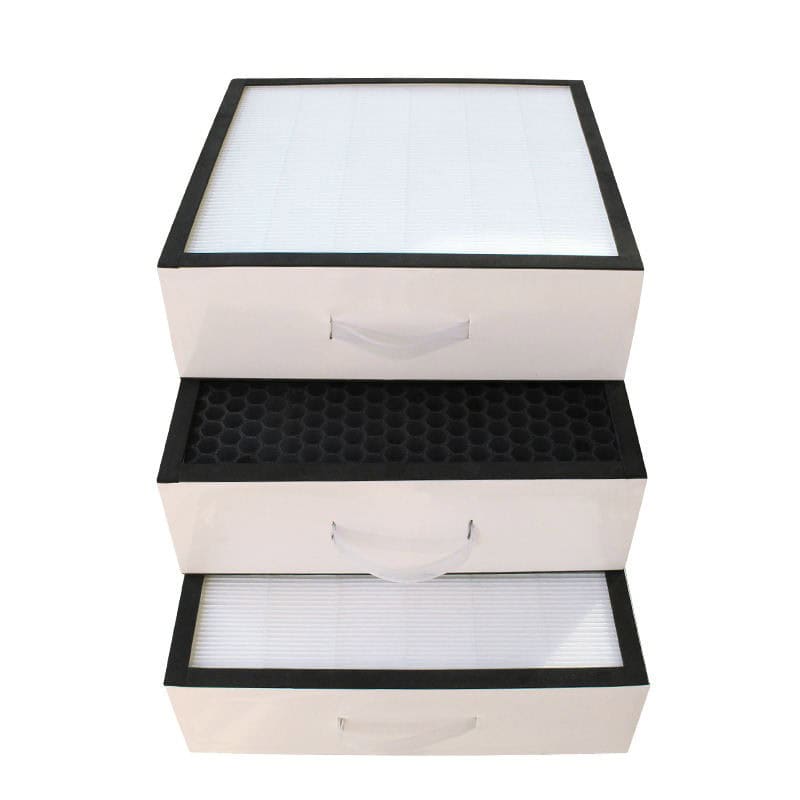
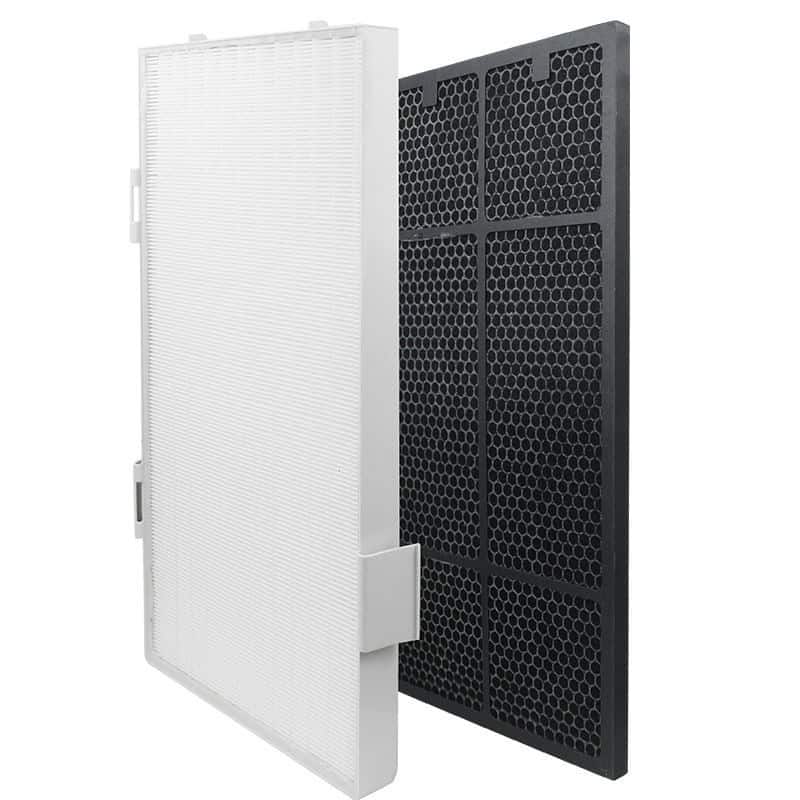
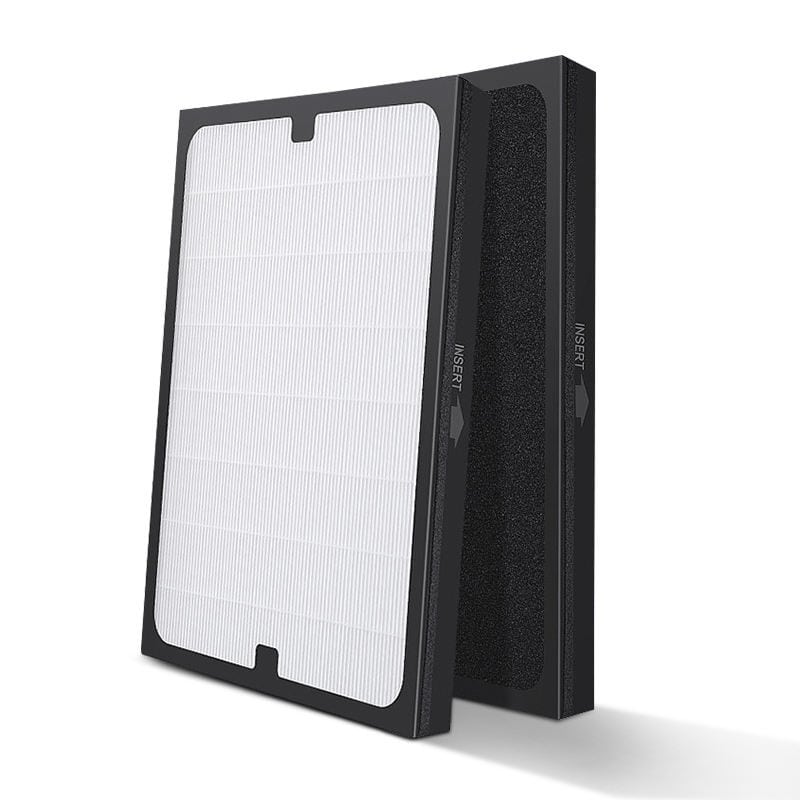
Other common VOCs, including benzene, toluene, and xylene from paints and cleaning products, do not usually cause new asthma cases on their own, but they measurably raise bronchial hyperresponsiveness, the exaggerated airway sensitivity seen in active asthma. Activated carbon, not HEPA media, is the mechanism built to handle gas phase compounds, which is one reason asthma focused filtration setups typically pair a carbon stage with a particle stage rather than relying on either alone.
Biological Triggers That Never Fully Leave a Room
Dust mite allergy is not caused by the mite itself. Der p1 and Der f1, proteins carried in mite waste particles, average 10 to 40 microns across and mostly stay settled in carpet and bedding until an activity like making a bed stirs them into the air. Mites also need relative humidity above 50 percent to reproduce, so managing humidity addresses part of the problem independent of any filter.
Mold spores follow a related pattern. Allergy research, including findings later summarized in the Journal of Allergy and Clinical Immunology, has shown that sensitization to Alternaria alternata was dramatically more common among asthma patients who had survived a near fatal attack than among matched patients who had not. Pet allergens behave differently again. Cat and dog allergen proteins are light enough to stay airborne for hours and sticky enough to remain detectable in a home for six months or longer after a pet is gone.
Ozone and Nitrogen Dioxide Sneak in From Outside Air
Ground level ozone forms outdoors when sunlight reacts with vehicle exhaust and industrial emissions, then drifts indoors through ventilation and gaps around doors and windows. It lowers the threshold at which other triggers cause a reaction, so a high ozone day can turn an otherwise tolerable amount of pollen or dust into a real problem.
Nitrogen dioxide has a more direct indoor source in gas and propane stoves. A 2024 Stanford led study published in Science Advances estimated that pollutants from gas and propane cooking may contribute to as many as 200,000 current childhood asthma cases in the United States, with nitrogen dioxide alone responsible for roughly a quarter of that total (Stanford study). Neither gas has a noticeable smell at typical indoor concentrations, so a household cannot rely on noticing a problem before it exists.
Asthma Triggers Rarely Work Alone
The detail most consumer advice skips is that these triggers compound each other. Elevated PM2.5 raises baseline airway inflammation, which lowers tolerance for VOC exposure, which in turn increases reactivity to biological allergens such as dust mite protein or mold spores. High ozone days lower the reactivity threshold for everything at once. This cascading effect is why addressing only one category, like buying an air purifier while ignoring a known mold problem, often produces underwhelming results. Managing indoor asthma triggers usually means combining source control, humidity control, and filtration rather than expecting one fix to carry the full load.
Where Filtration Fits Into the Bigger Picture
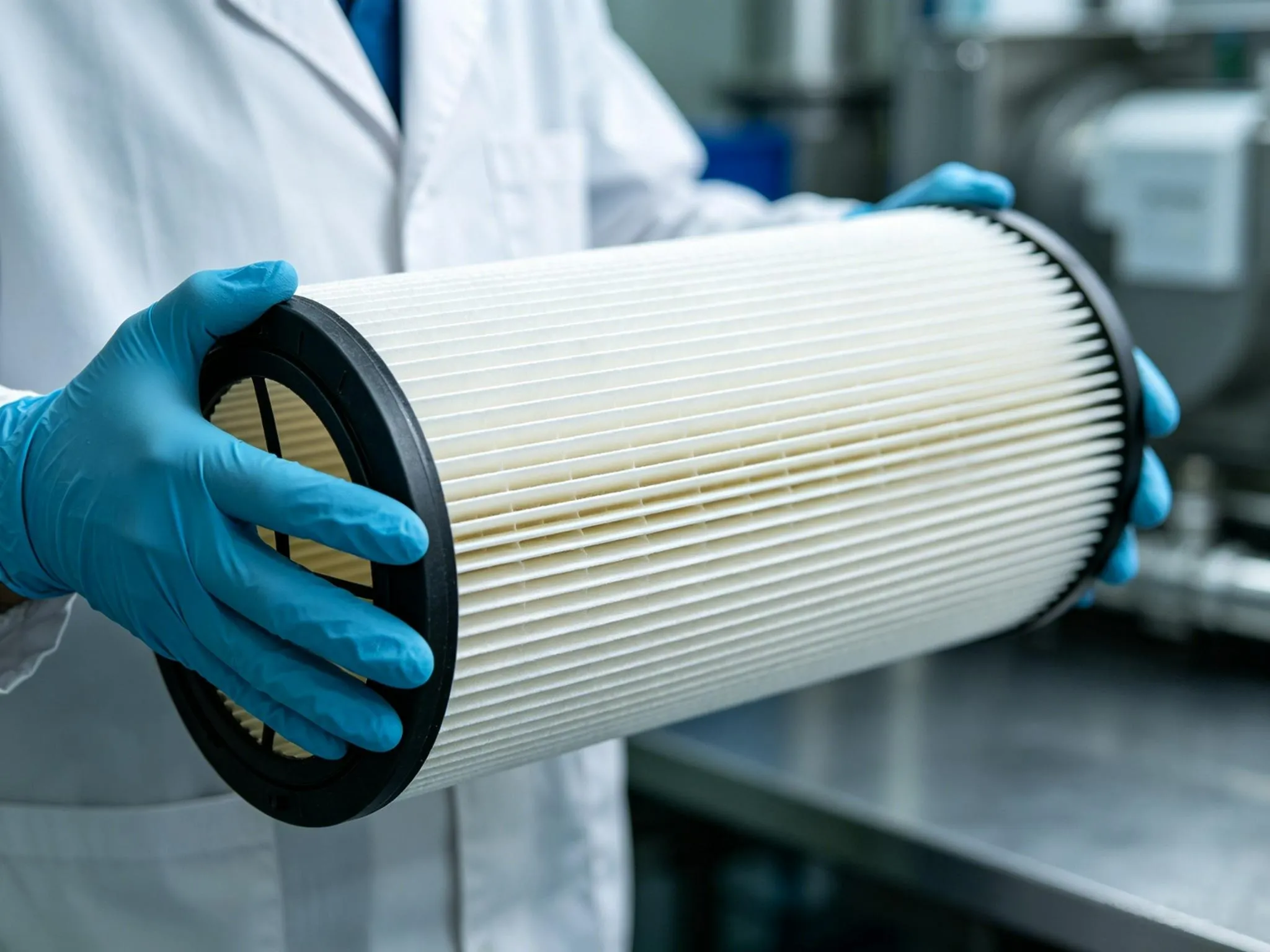
Filtration cannot fix a leaking roof or a gas stove with no range hood, but it does handle the particle and biological side of this list well when the media and housing are built for the job. For a closer look at how filtration performance is measured and where it helps most for allergy and asthma sensitive households, see our guide on air purifiers for allergies. Identifying which of these substances is actually present in a given home is still the first step. Even a well built filter can only remove what it is designed to catch.