
Short answer: no, it doesn’t. An air purifier has no compressor, no refrigerant, no cooling coil. It physically cannot lower the temperature in your room.
But if you’ve felt cooler after running one for a couple of hours, you’re not imagining it. As a company that manufactures HEPA and carbon filters for air purifier brands, we hear this question constantly, usually from people who expected AC-like relief and want to know if their unit is broken. Nothing’s wrong with it. Here’s what’s actually going on.
What an Air Purifier Is Actually Built to Do
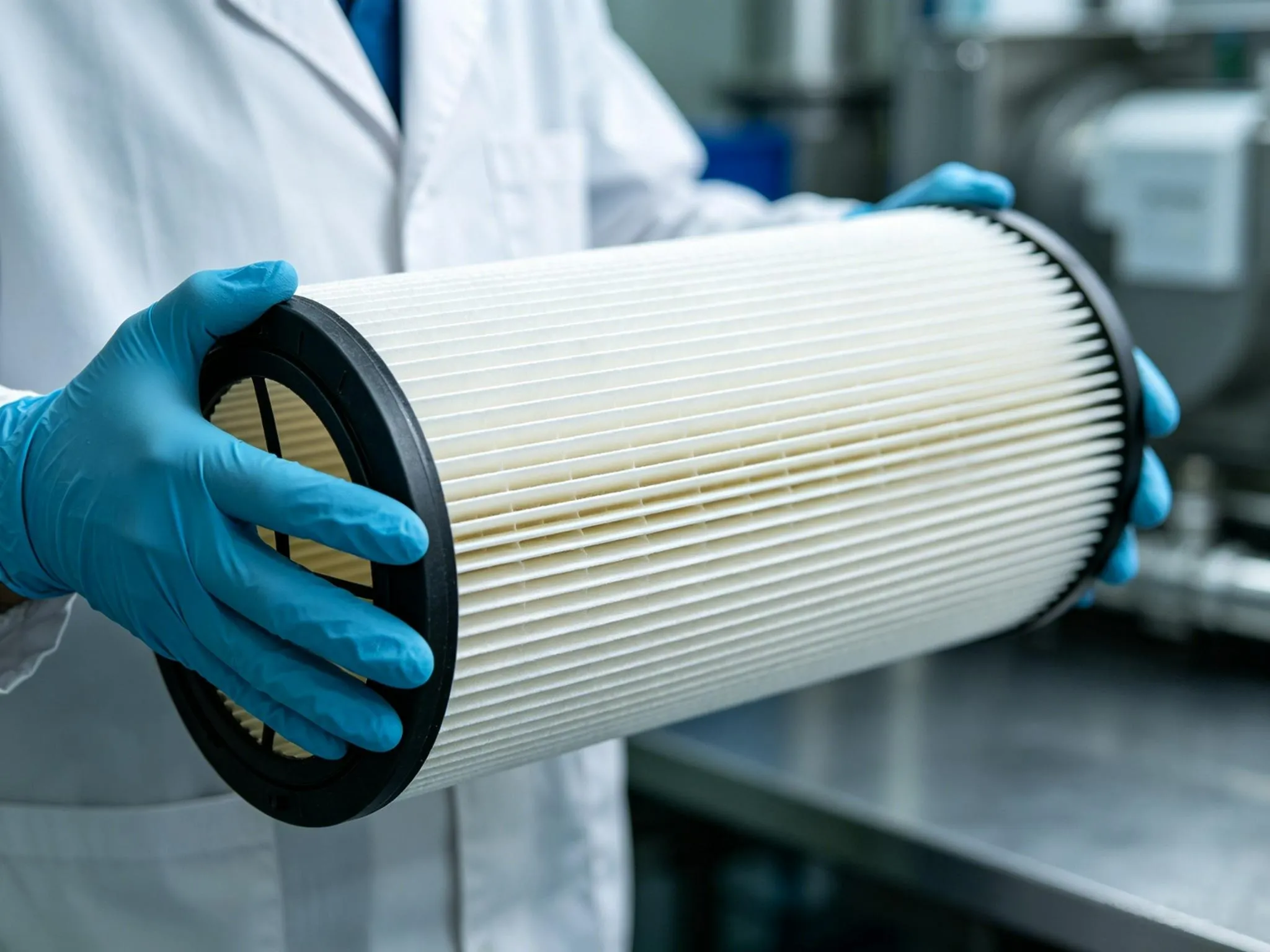
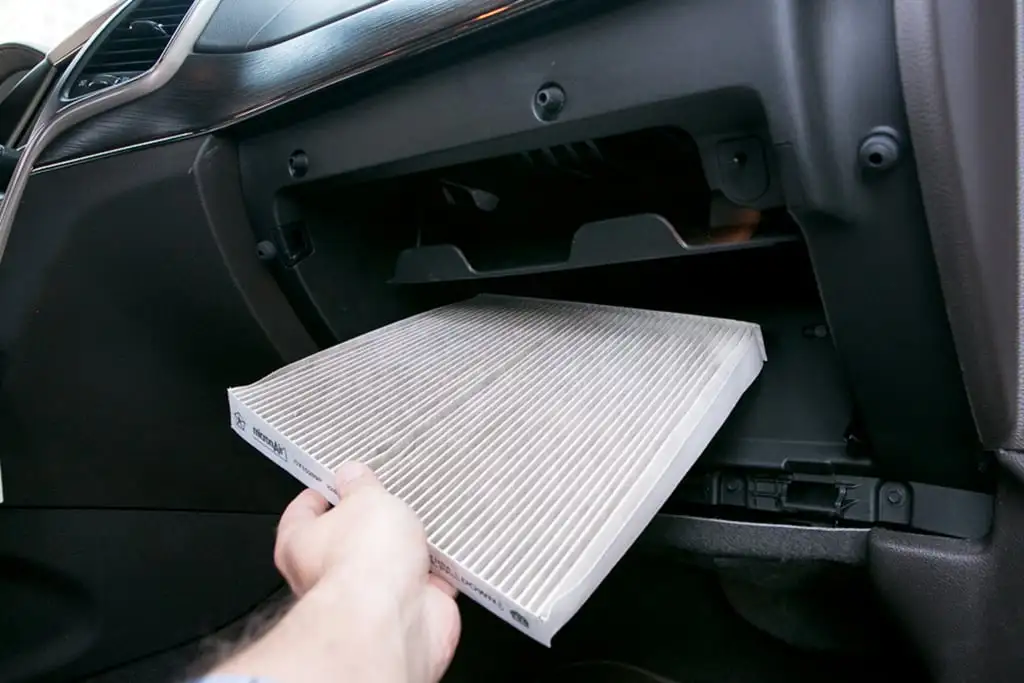
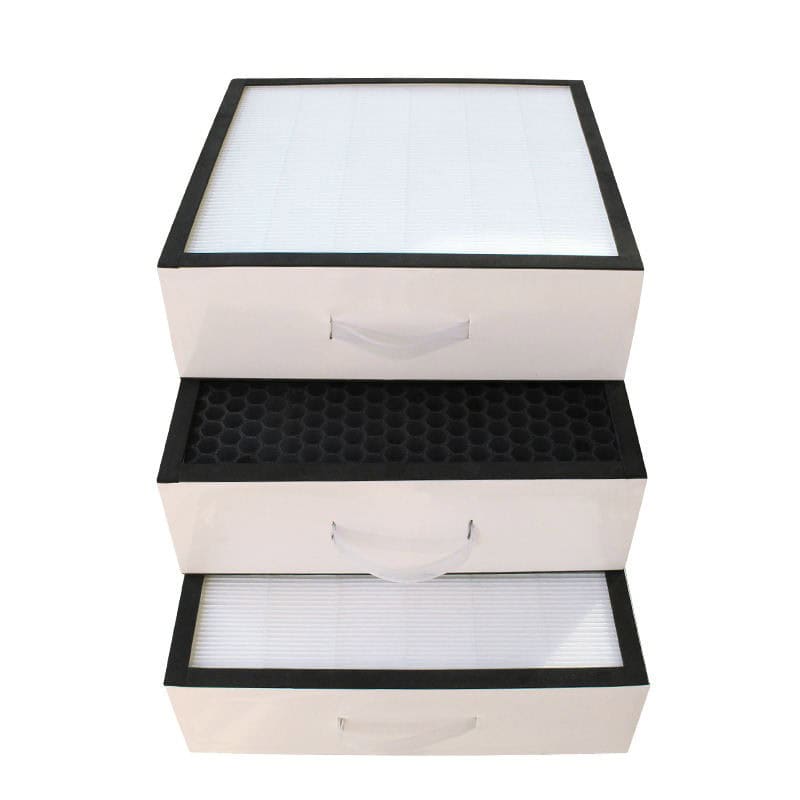
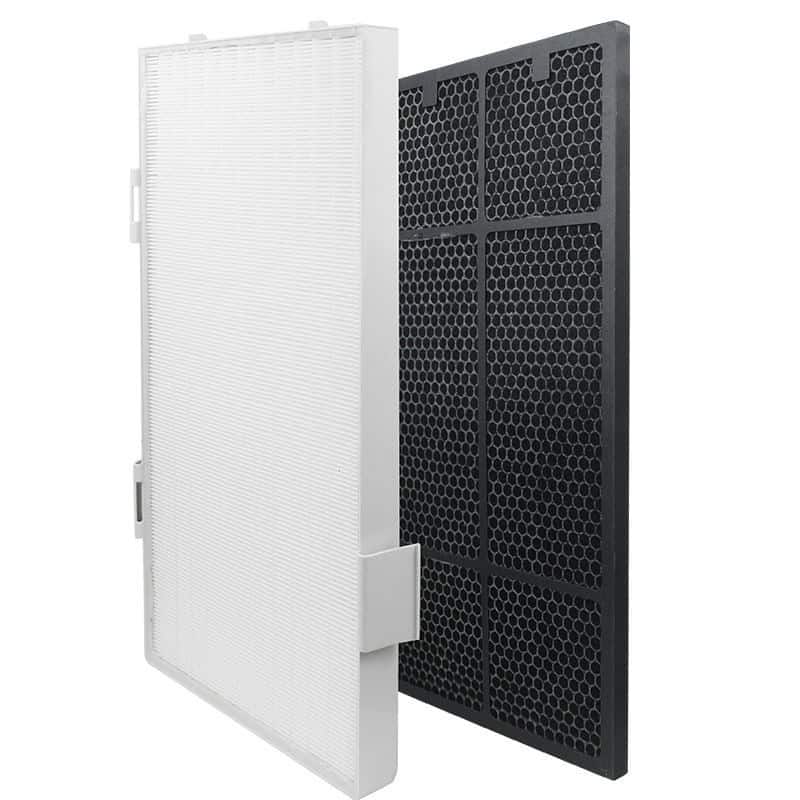
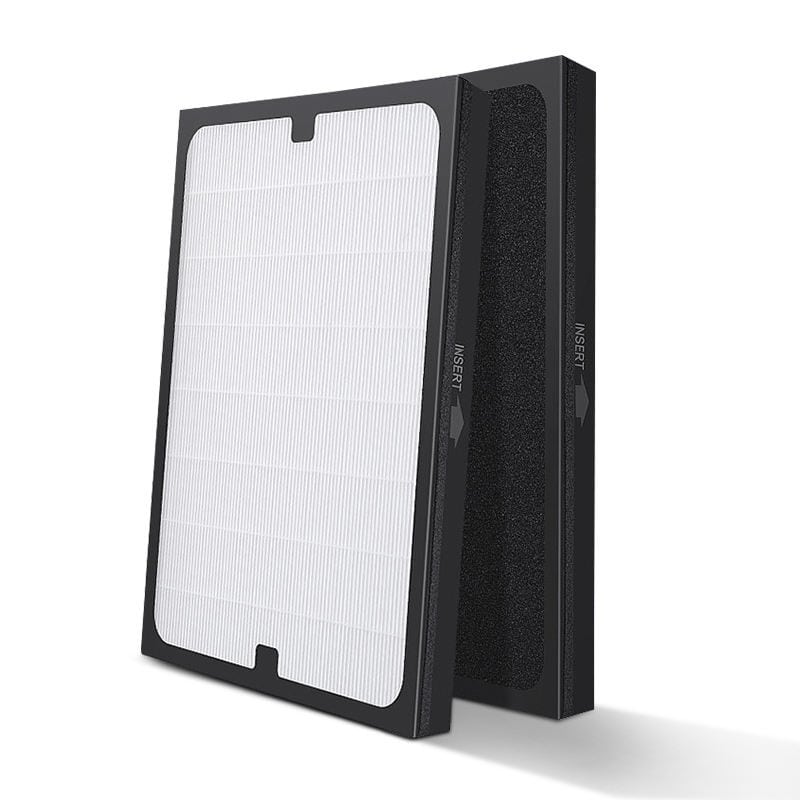
An air purifier pulls air through a filtration system and sends it back out cleaner than it went in. Most home units use a few stages: a pre-filter for larger debris, a true HEPA layer for fine particles, and often activated carbon for odors and VOCs.
The U.S. Department of Energy defines a true HEPA filter as one that captures 99.97% of airborne particles at 0.3 microns or larger. That covers dust mite debris, pollen, pet dander, mold spores, and PM2.5 from smoke or traffic.
Notice what’s missing from that list: anything that removes heat. The fan motor in a typical home unit draws 30 to 100 watts and gives off a small amount of heat as a byproduct. Run it at full speed and it might add a barely measurable trace of warmth to the room. If the physics lean anywhere, it’s slightly warmer, not cooler.
So why do people keep saying they feel cooler?
Thermal comfort is about more than air temperature
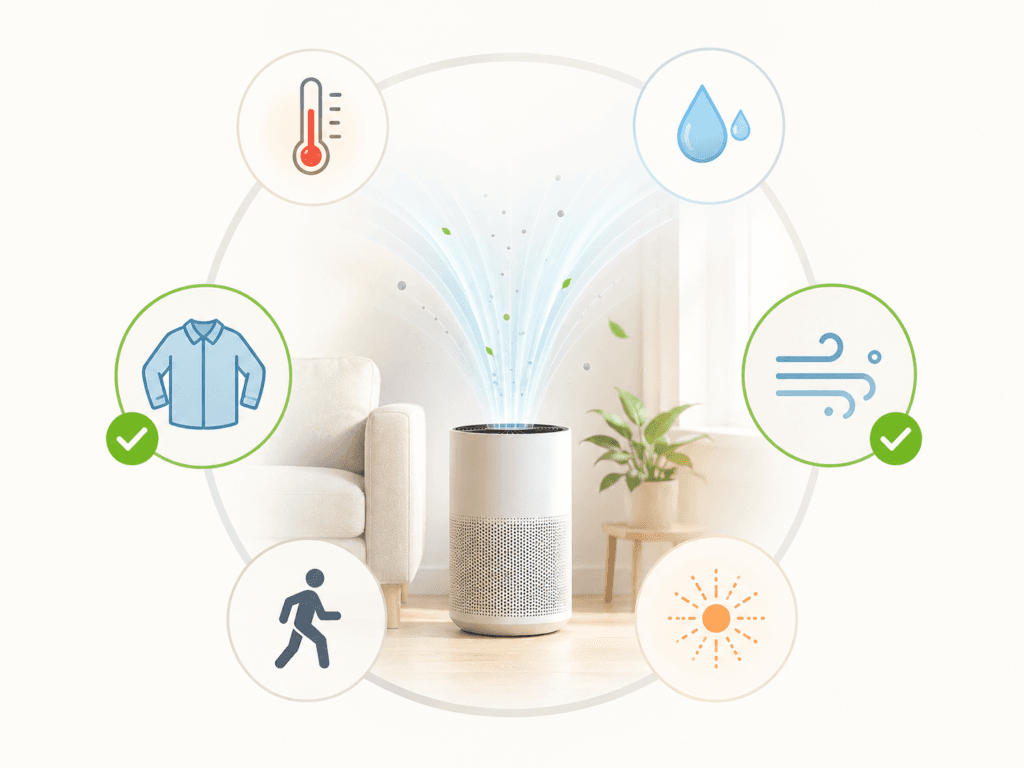
ASHRAE Standard 55, the benchmark used for comfort in occupied buildings, lists six variables that shape how warm or cool a space feels: air temperature, radiant temperature, humidity, air speed, metabolic rate, and clothing insulation. Temperature is only one line item on that list.
A well-placed air purifier touches at least three of the others.
Airflow: Any device that moves air creates a wind-chill effect on your skin. Home purifiers typically push 100 to 400 CFM, depending on size and fan setting. That airflow speeds up evaporative cooling on your skin, the same reason a breeze feels cooler than still air at the same temperature. Run a purifier on medium in a bedroom and it feels noticeably different from a stagnant room, even though the thermometer hasn’t budged.
Particulate load: A 2019 study in Environmental Health Perspectives found a link between elevated PM2.5 levels and subjective thermal discomfort, independent of measured temperature. The likely explanation: poor air quality triggers a mild stress response that people describe as stuffiness or heat. Run a HEPA purifier for two hours after cooking or on a high-pollen day, and 74°F genuinely feels more breathable. Not cooler on a sensor, just more comfortable to the person sitting in it.
Humidity: Some purifiers, especially ones with ionization or dehumidification features, can slightly reduce moisture in a sealed room. Humid air holds onto heat and makes it harder for your skin to cool itself, which is why 80°F at 40% humidity feels nothing like 80°F at 85% humidity. Even a small drop in perceived humidity shifts how the room feels.
What an air purifier can’t do
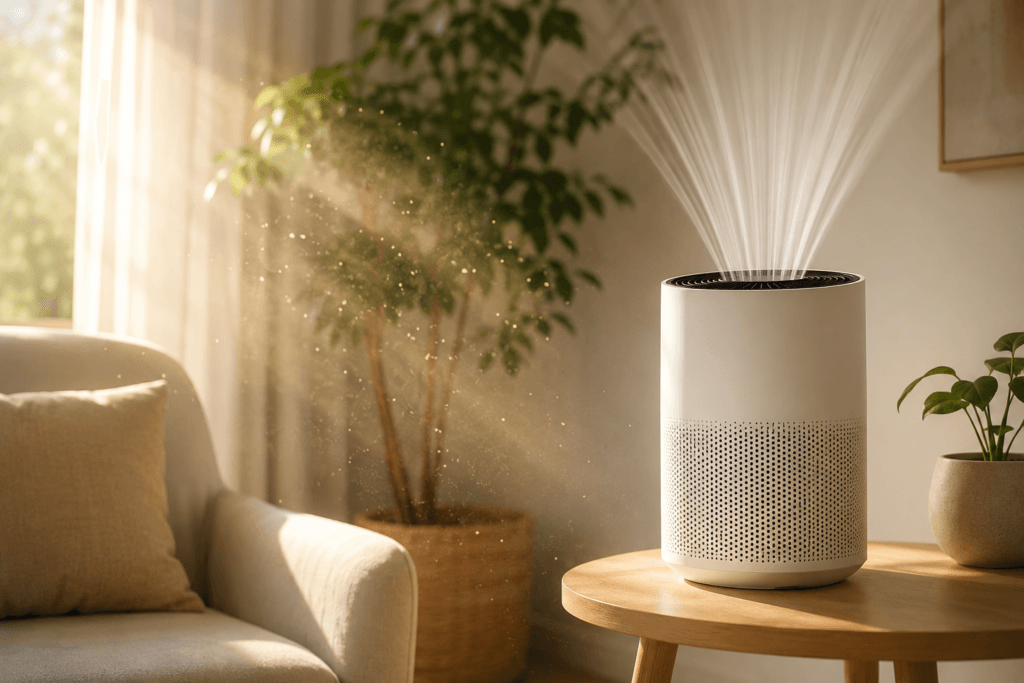
It cannot replace an air conditioner on a 95°F afternoon. It won’t pull heat out of a sealed room or reduce the BTU load your space is carrying. Any product marketed as a “cooling air purifier” through filtration alone is overselling what filtration can do. Real cooling means moving heat outside the building or converting it through evaporation, and HEPA filtration does neither. The one exception is a hybrid appliance that pairs filtration with an actual evaporative or refrigerant module, which is a different product category entirely.
If you’re a brand putting together marketing copy for your own air purifier line, this distinction is worth holding onto. Claiming a cooling effect from filtration alone tends to generate returns and complaints once customers realize the room temperature hasn’t moved. The honest, and frankly more durable, selling point is comfort through cleaner air, not a temperature drop.
Where an air purifier actually fits at home
Each device in a home comfort setup does one job:
| Device | What it does |
|---|---|
| Air conditioner | Removes heat, lowers temperature |
| Dehumidifier | Removes moisture, cuts mugginess |
| Fan | Moves air for a cooling sensation, no filtration |
| Air purifier | Removes particles, allergens, VOCs, odors |
None of these replace each other. They work together. Run a purifier alongside your AC and the AC is now circulating already-filtered air, which reduces the load on the AC’s own filter and keeps indoor air quality at a level the AC alone can’t reach. Some HVAC engineers refer to this as improving “effective comfort efficiency”: the same temperature feels better because the air carrying it is cleaner.
One thing worth avoiding: cranking a purifier to maximum output to compensate for weak HVAC. The filter clogs faster, the motor runs hotter, and you’re using the wrong tool for the job. Matching filter specs to actual room conditions matters, both for air quality and for how long the equipment lasts.
Getting the most out of it in summer
In mild climates or apartments without central air, a mix of tools beats relying on any single device. Keep the purifier running on low or medium around the clock for baseline air quality and gentle circulation. Bring in an evaporative cooler on genuinely hot, low-humidity days for actual temperature reduction. Ventilate at night, after 10 PM or so, to flush out accumulated heat, then close the windows before the sun comes back up. Reflective blinds or blackout curtains help too. The Department of Energy estimates they can cut solar heat gain through windows by up to 33%.
This is roughly how a lot of coastal homes stay comfortable without central AC. The purifier isn’t doing the cooling. It’s keeping the air clean enough that everything else in the system works better.
End
An air purifier won’t lower your room temperature. Run one for two hours and a calibrated thermometer will show roughly the same reading, maybe a fraction higher.
But thermal comfort was never just about temperature. A properly sized purifier improves airflow, cuts particulate density, and often makes a room measurably more comfortable at the exact same temperature. That’s not a marketing claim, it’s just how humans experience air.
An air purifier isn’t an answer to heat. It’s an upgrade to the air you’re breathing while something else handles the heat.