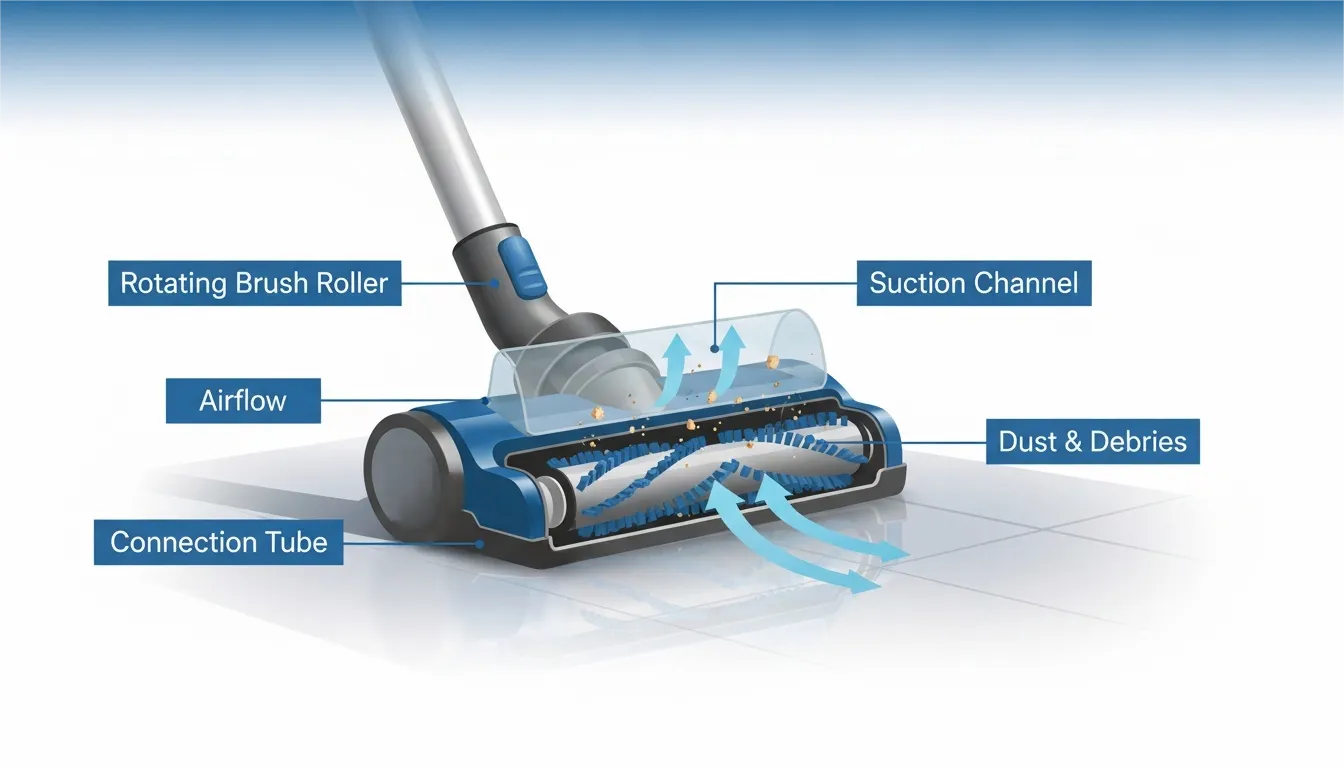
A vacuum cleaner floor brush is the part of a vacuum cleaner that runs along the floor and helps pick up dust, dirt, hair, and other debris.
The floor brush is a crucial part of the cleaning performance, although it isbasice. Shape, bristle design, brush material, width, airflow path, and connection type can all affect the efficacy of a vacuum cleaner on various surfaces.
For vacuum cleaner brands, distributors, and suppliers of replacement parts, the choice of the right floor brush is also a matter of compatibility, durability, and consistency in manufacturing.
What Is a Vacuum Cleaner Floor Brush?
The floor brush’s primary function is to help dislodge and lift debris from a surface while simultaneously generating a vacuum.
The brush works with the vacuum’s airflow.
“Use the bristles to loosen dust and particles that are sitting on the surface. The opening under or around the brush then allows the vacuum to suck the loosened debris into the dust bag or dust container.
Different floor surfaces require different brush designs.
If you have hardwood floors, you may need a softer brush to prevent scratching. A carpet needs a brush that can get down between the fibers and lift out any embedded dirt. Some vacuum cleaners have a motorized brush head to better agitate and pick up hair.
Therefore, you should not consider a floor brush to be a component that works the same for everyone.
Types of Vacuum Cleaner Floor Brushes Common
Soft Floor Brush
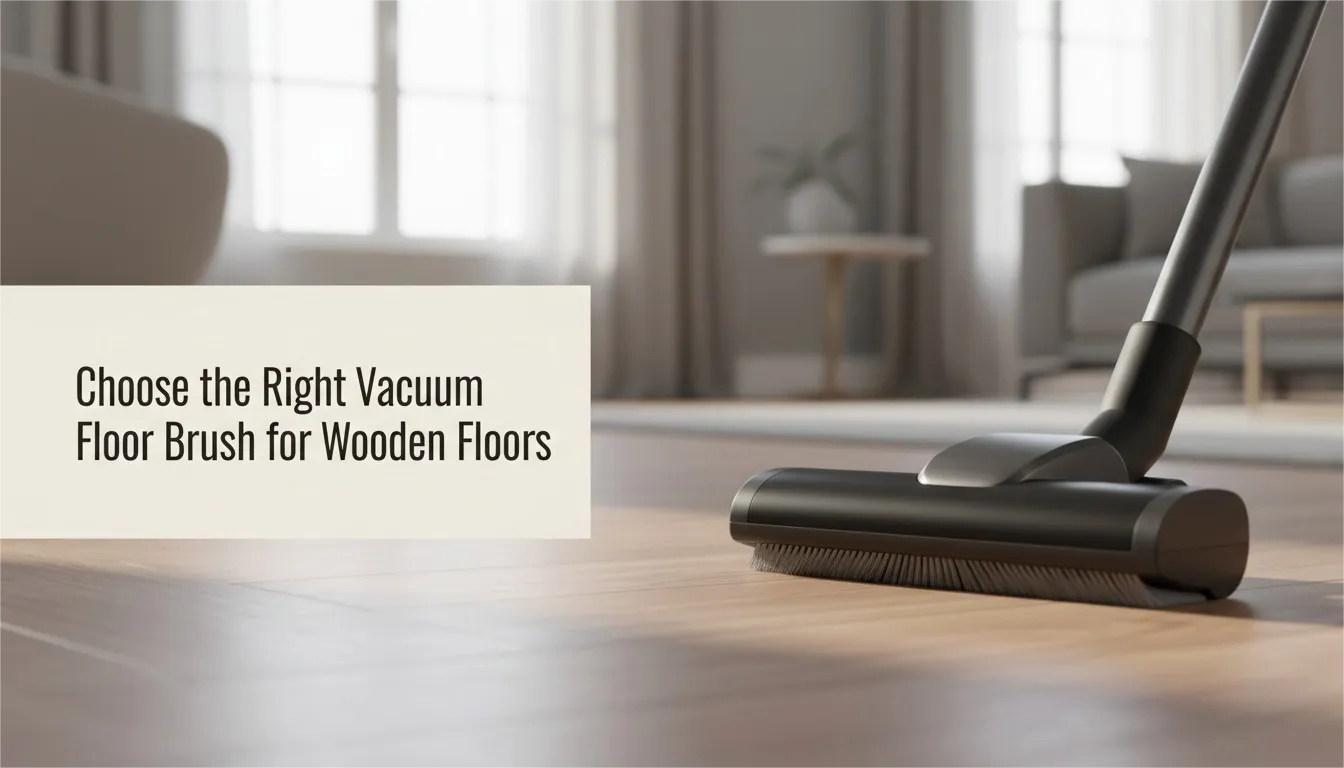
Soft floor brushes are typically used on smooth surfaces such as hardwood, tile, laminate, and other hard floors.
Usually they have softer brushes or a roller surface that rolls over the floor without being too aggressive.
The goal is to catch fine dust and bigger particles and, at the same time, keep the floor smooth in contact.
Bristle Floor Brushes
Bristle brushes have rows of bristles that take dirt from the surface.
All of the material, length, stiffness, and density of the bristles can change the performance of the brush.
Soft bristles are better for delicate hard floors, while firmer bristles provide better agitation for carpet or rough surfaces.
Brush Heads Powered
A motorized brush head uses a rotating brush or roller powered by a vacuum cleaner.
The rotation helps to loosen hair, dust, and debris from carpets and surfaces. They are typical of cordless and upright vacuum cleaners where brush movement can be a big factor in the performance of the cleaning.”
Motorized designs also mean more engineering requirements for the brush roll, drive system, housing, airflow, and connection structure for manufacturers.
All-Purpose Floor Brushes
Universal vacuum floor brushes fit many different vacuum models with a standard or adjustable connection.
They can be helpful for replacement parts and aftermarket products, but compatibility still needs to be checked carefully.
A brush can be similar to the original part but still not fit or hold the correct working height.
How Does a Vacuum Cleaner Floor Brush Work?
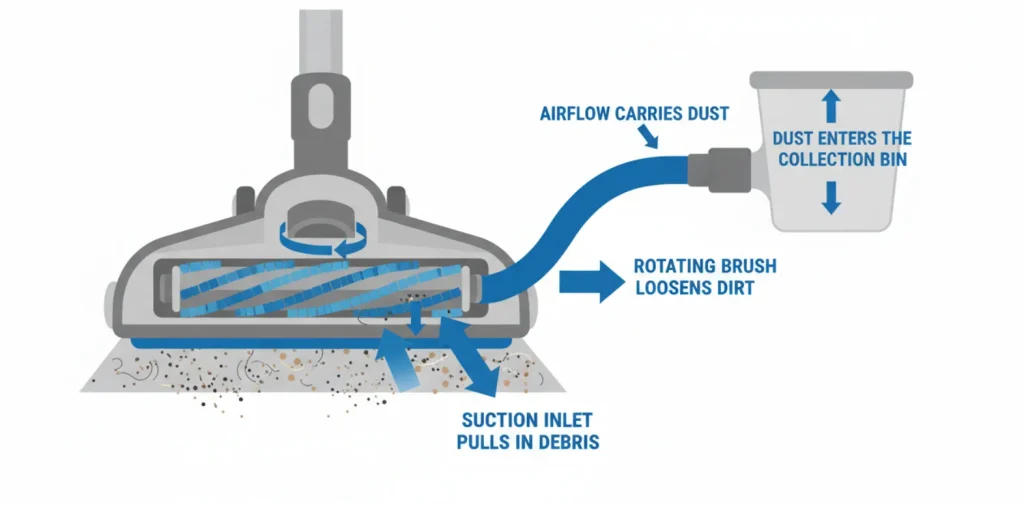
The floor brush cleans effectively with the help of mechanical and airflow action. The brush directly contacts the floor surfaces, and rotating rollers and dense bristles pick up scattered dust, fine debris, and tangled hair from flat floors and carpet fibers.
A good bristle pattern will actually guide particles that have been dislodged toward the vacuum’s suction channel, effectively pulling out dirt that the airflow alone can’t lift. Once the debris is loosened and properly positioned, the stable vacuum airflow pulls all of the collected particles into the internal filtration and dust collection system.
Motor suction power is never the sole determinant of overall cleaning performance. Brush structure, airflow efficiency, and ground clearance must all be fully aligned. Even vacuums with superior motor performance will have cvariousleaning results if the floor brush design does not meet the machine’s original airflow parameters and structural specifications.
How to Choose the Right Vacuum Floor Brush?
The right brush depends largely on the application.
Look at the floor surface.
Start with the surface that the vacuum will clean.
Hard floors typically need softer contact surfaces, whereas carpets might require stronger agitation.
A mixed surface product may include a combination of bristles and rollers and adjustable settings.
Verify the connection.
The connection between the floor brush and vacuum tube is important.
When choosing a replacement floor brush, check the diameter, locking method, shape of the connector, and overall dimensions.
Even a minor difference in dimension can make a difference in fit and usability for replacement parts.
See brush material.
Brush Materials Influence Durability, Cleaning Effectiveness, and Surface Compatibility.
Common choices include a variety of plastics for the housing and a variety of filament materials for the brush itself.
The correct combination depends on the vacuum design and the application for the target.
Look at the width and shape of the brush
A larger brush can cover more floor area with each pass, while a compact brush is easier to maneuver in tight spaces.
The profile of the brush also contributes to how easily it can fit under furniture and around corners.
Check the Intended Use
Brush designs may vary widely between residential vacuums, commercial vacuums, automotive cleaning systems, and industrial cleaning machines.
The selection of the brush should be based on the actual operating environment, not just on the brush’s appearance.
Vacuum Cleaner Floor Brush Replacement Time?
Floor brush bristles need replacing when worn, the roller no longer moves properly, the housing is damaged, or the connection is loose.
Excessive hair buildup can also affect the performance of the rotating brush.
Replacement will be based on usage, floor type, brush material, and maintenance. A heavily used commercial vacuum cleaner will typically put more strain on its floor brush than a home vacuum cleaner that is used occasionally.
A trusted alternate source of supply allows brands and distributors to ensure product availability and reduce service issues.
What do buyers need to check?
When companies purchase vacuum cleaner floor brushes, the design process involves more than selecting a finished product.
Important specifications may be
- Brush head size
- Connector design
- Density and type of bristle
- Housing material
- Size of brush
- Ground clearance
- Rotating mechanism.
- Packaging and branding needs
HIFINE is a manufacturer of vacuum cleaner floor brushes and other vacuum accessories for commercial and replacement use. Its current vacuum accessory solutions include floor heads and brushes, custom mold development, material selection, dimensional testing, and private label packaging.
In addition to the above, HIFINE also offers compatible floor brush products for specific vacuum models and applications, including commercial and automotive cleaning use.
For buyers who are seeking more options for vacuum accessories, HIFINE Vacuum Cleaner Accessories and Replacement Parts Solutions are available.
Conclusions
A vacuum cleaner’s floor brush is a simple element that is directly involved in cleaning performance.
The best design depends on the floor surface, brush material, connection system, airflow path, and intended application. A soft floor brush is suitable for delicate hard floors, while a firmer or motorized brush is better for carpets and heavier debris.
In the case of replacement parts, compatibility is just as important as cleaning performance. For OEM buyers, the brush should be designed for the target vacuum, materials, dimensions, production requirements, and packaging.
The first step in choosing the right floor brush is to understand how the component will be used in practice.