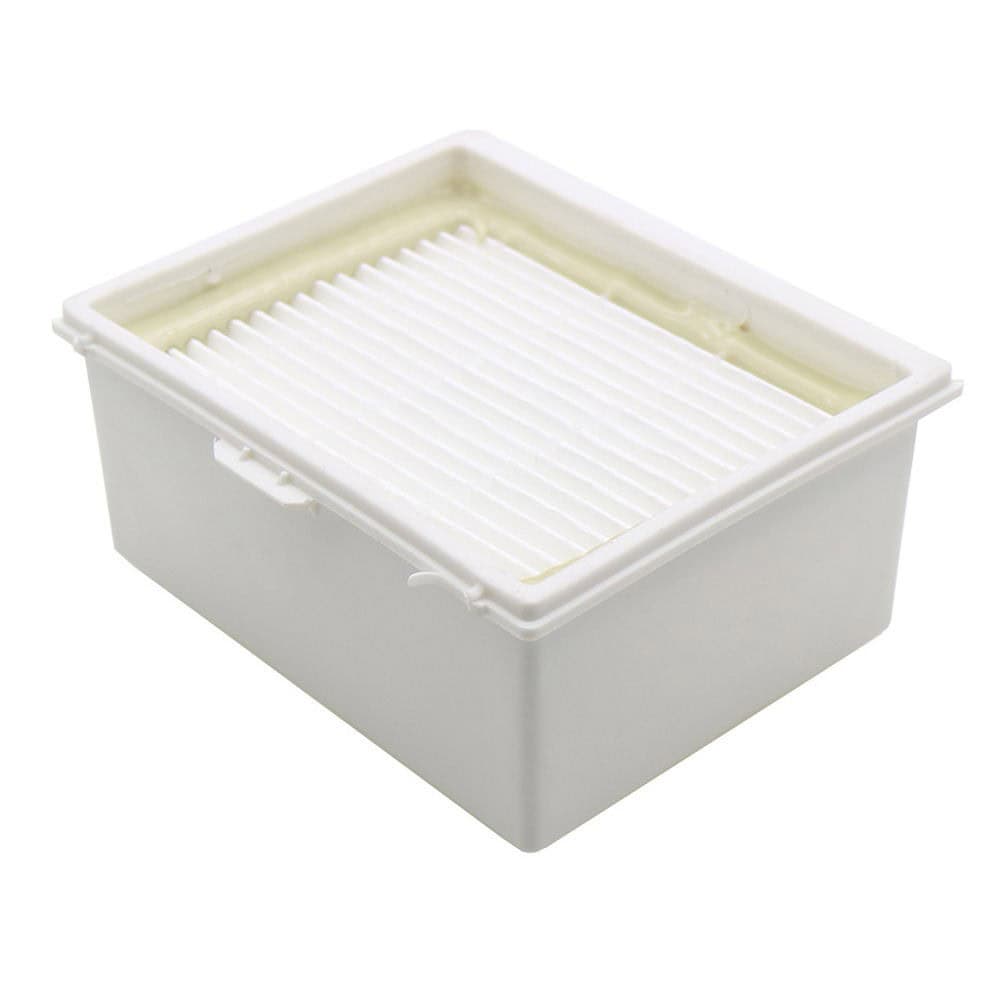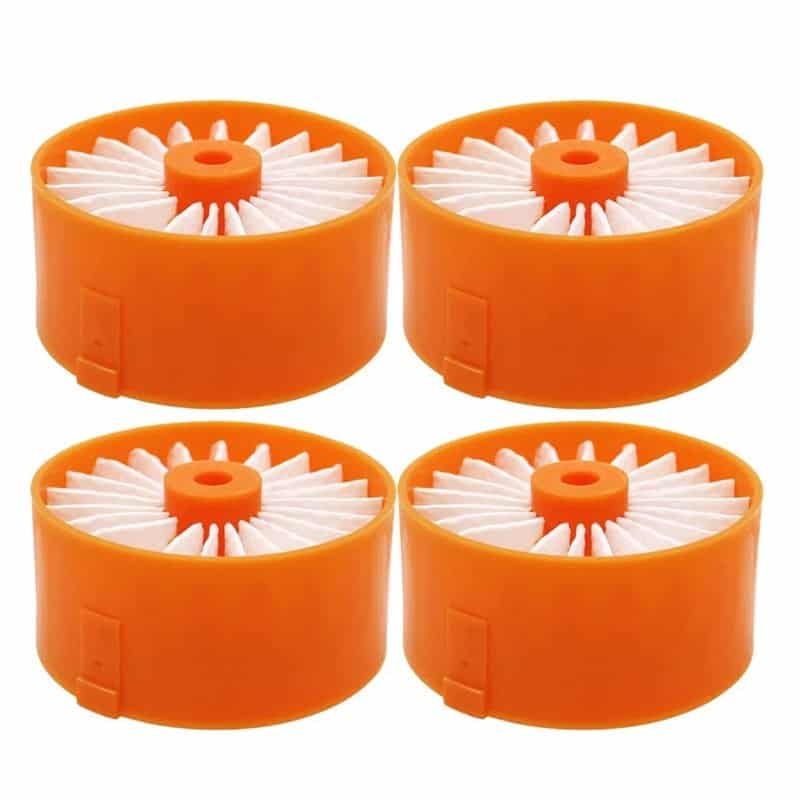
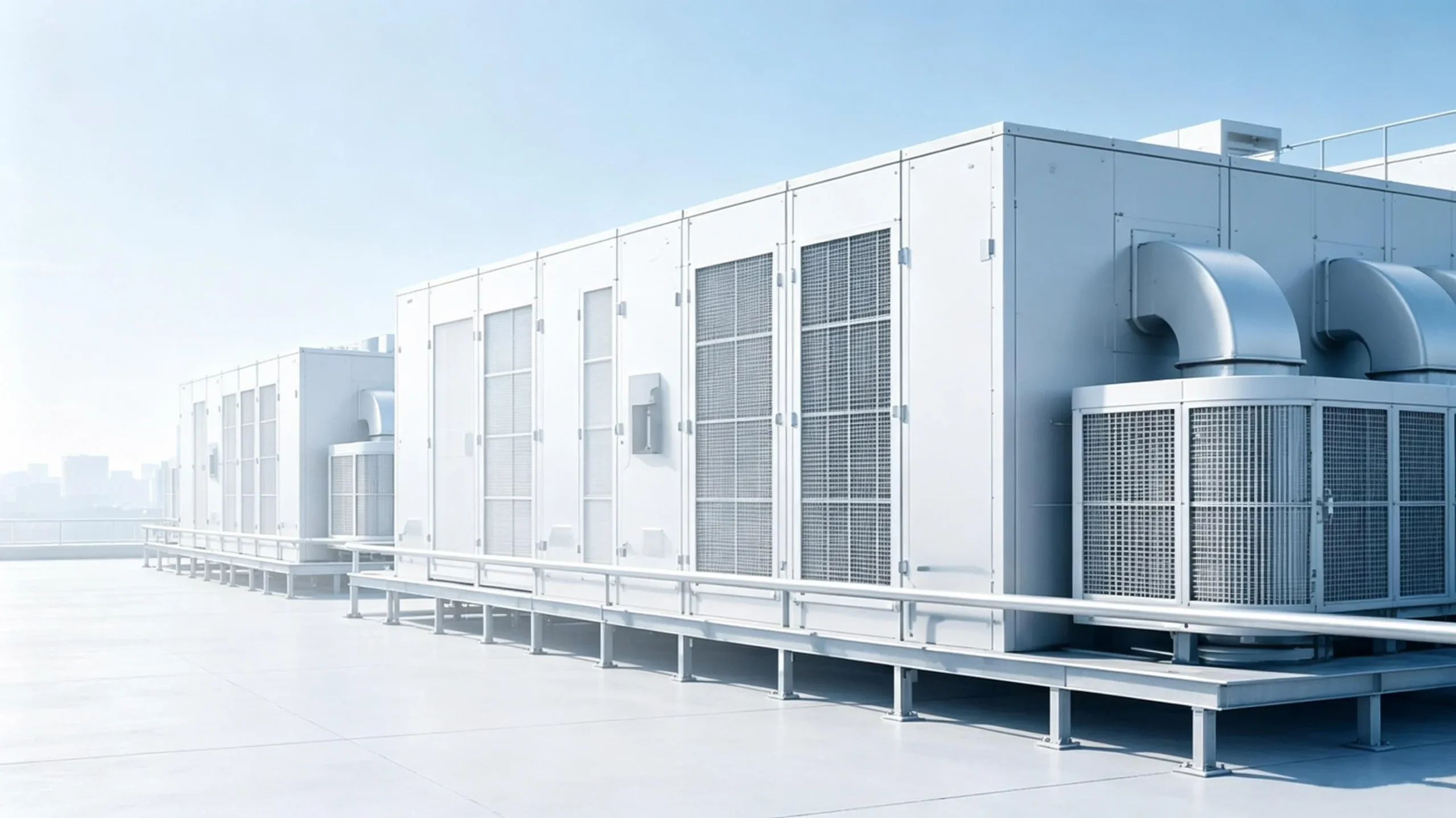
How often you should change your HVAC filter depends on your circumstances. It is dependent on the type of filter, the MERV rating, the number of people in the space, the outdoor air, the amount of dust in the environment and whether the system runs 24/7. In most homes, a disposable pleated filter will last between 30 and 90 days. Commercial systems are something else. There you are better changing based on measured pressure drop than on a date on the calendar.
You will pay for the schedule that works for everyone in both directions. If you change a filter too early, you are throwing away media that still has dust-holding capacity. If you wait too long, the clogged media adds static pressure, chokes airflow, forces the fan to work harder and can even shift particles around the filter instead of through it. A more practical compromise is to choose a reasonable initial interval and then adjust it by actually observing the filter and reading the pressure gauge.
How Often Should You Replace Different HVAC Filters?
There isn’t a universally applicable replacement schedule for HVAC filters. How soon a filter needs to be taken care of depends on the filter media, dust loading, airflow, building conditions and system design.
Some filters may have to be replaced after 30 days and some may last a lifetime. The numbers below are good starting points but actual replacement should be based on condition of the filter and operating demands of the system.
Fiberglass Filters Usually Have the Shortest Service Life
Inexpensive basic disposable fiberglass filters are mainly designed to capture larger particles such as lint and coarse dust. They load more quickly than deeper pleated filters because the media is relatively thin and has limited dust holding capacity.
For most residential systems, starting with replacement every 30 days or so is a good idea. They are not designed to deliver the same level of fine particle filtration as higher efficiency filters.
Pleated Filters Give You More Room to Work With
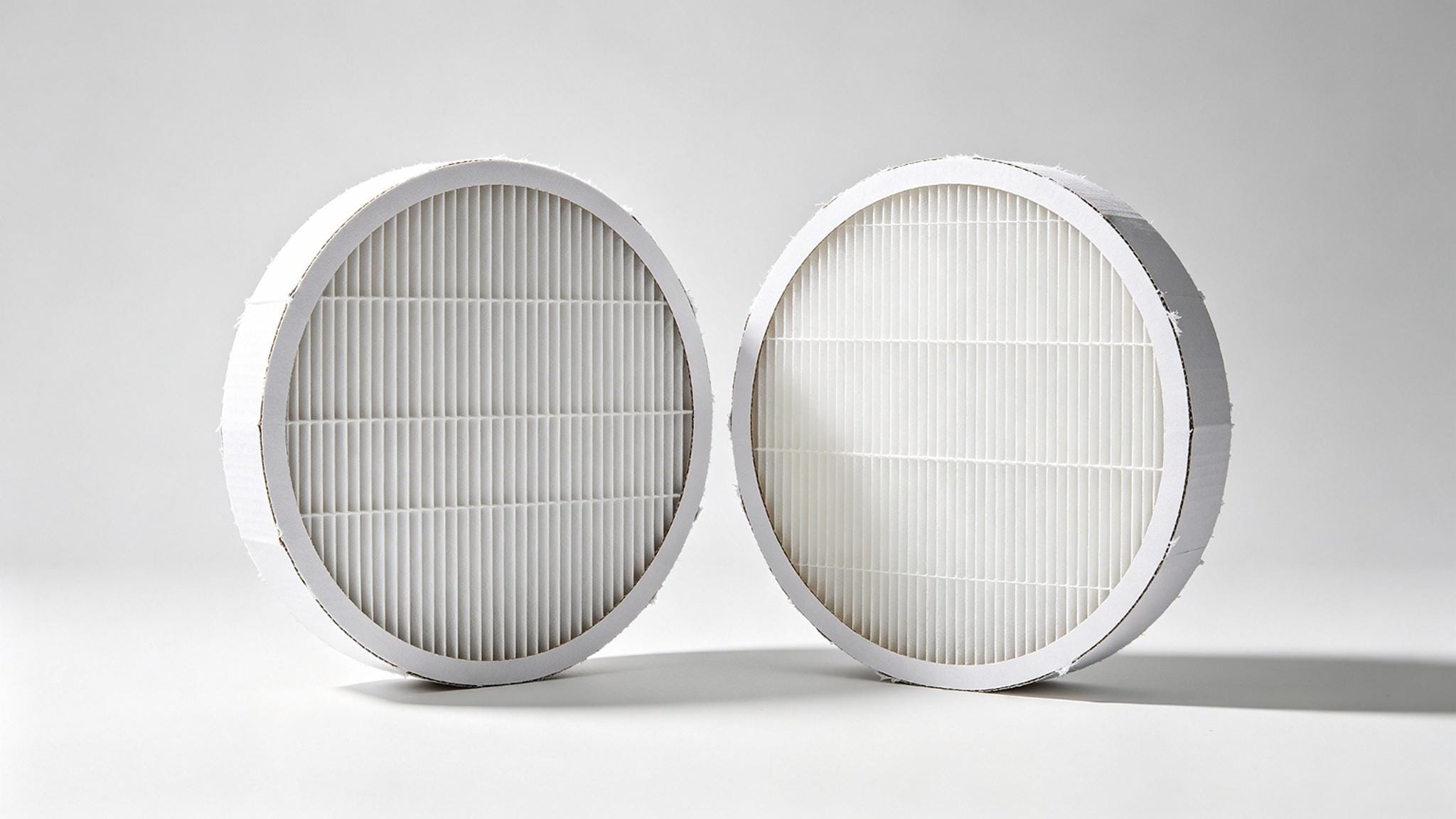
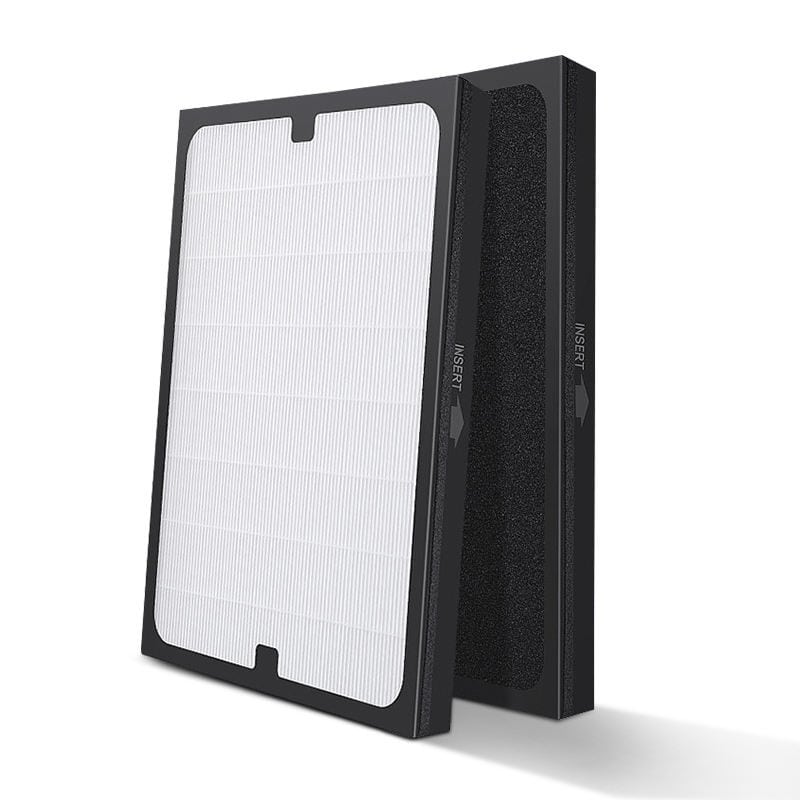
Pleated filters have folds in them that allow more media to be available for air to pass through. The larger surface area allows the filter to trap more particles without restricting airflow as quickly as a flat panel filter.
Under normal conditions a residential system might run 60 to 90 days between changes. In commercial buildings, heavier dust loads and longer hours of operation may push the replacement point sooner, in some cases 30 to 60 days.
This is why pleated filters have become so popular. The practical balance between filtration performance, airflow resistance, service life and cost.
MERV Ratings Change the Replacement Equation
Moving to MERV 11, MERV 13, or higher generally means better capture of smaller airborne particles. It also means the filter’s condition needs to be watched more closely because higher efficiency does not automatically mean a longer service life.
In residential applications, a 30 to 60 day interval is often used as a starting point, but there is no reason to replace a filter simply because the calendar says so when the system is operating normally.
For commercial systems, pressure drop is a much better reference. Maintenance teams can track the filter’s resistance as it loads and replace it when it approaches the final resistance specified by the manufacturer.
HEPA Filters Need a Different Maintenance Strategy
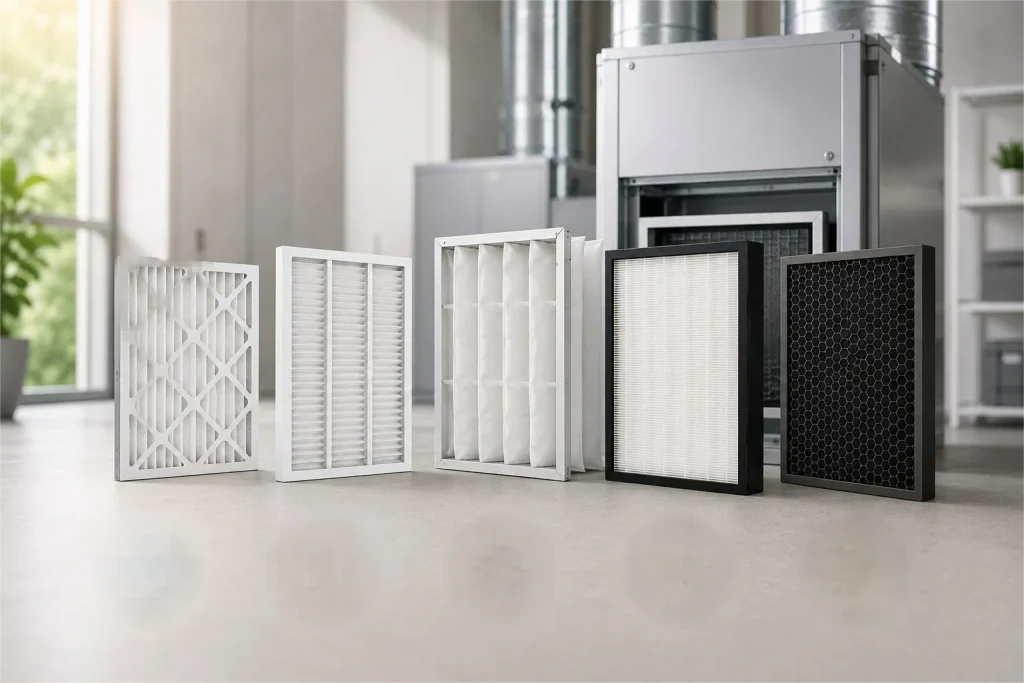
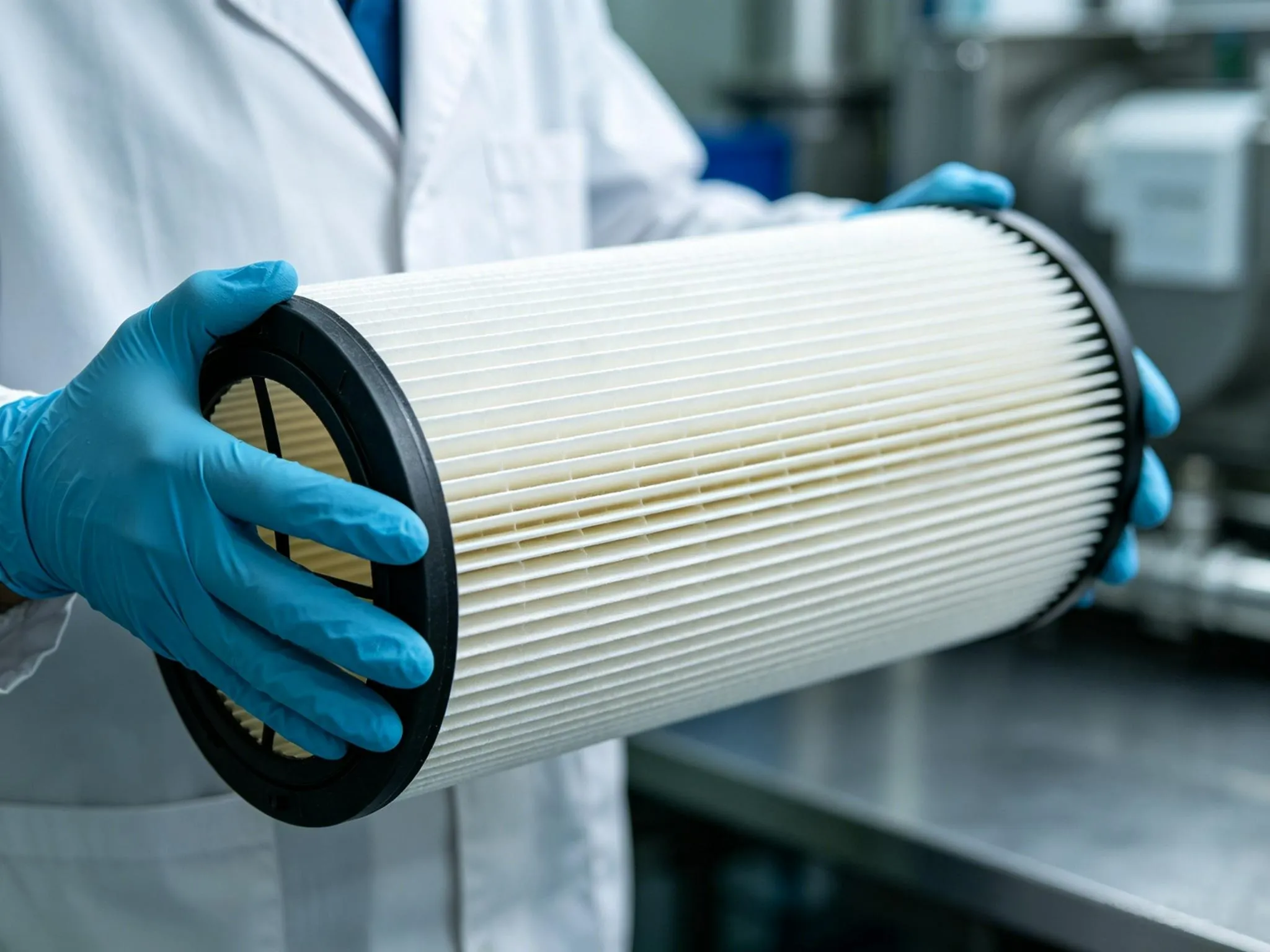
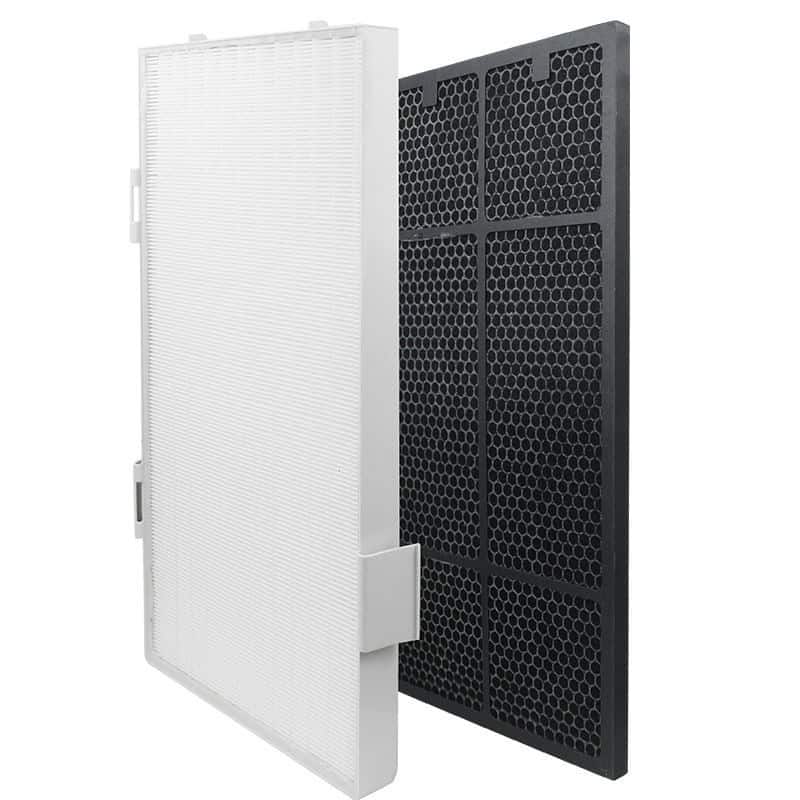
HEPA filters are commonly used where high particle removal is critical, including hospitals, laboratories, cleanrooms, and other controlled environments. Because these filters operate differently from ordinary HVAC filters, a fixed monthly replacement schedule is rarely useful.
Instead, replacement is normally based on factors such as pressure drop, filter integrity, efficiency requirements, and the conditions of the application.
A HEPA filter in a well designed system with effective prefiltration may remain in service for many months and, in some installations, 6 to 24 months or longer. A dusty environment with inadequate upstream filtration can shorten that life considerably.
The better approach is to treat the replacement interval as a performance decision rather than a calendar date. The right filter can last much longer than expected under clean operating conditions, while a heavily loaded one may need attention far earlier.
Reusable Washable Filters
Unlike disposable filters that require regular replacement, these filters need to be inspected and cleaned periodically. Most metal mesh or permanent electrostatic filters require cleaning every 30 to 90 days. After cleaning, ensure the filter is completely dry before returning it to its original position. Replace the filter if it becomes deformed, damaged, or its performance deteriorates.
How MERV Rating Affects Filter Change Frequency
MERV rating is a big driver of replacement frequency. Higher-MERV media catches smaller particles, but it can also hit its pressure-drop limit sooner if it’s undersized or if there’s no prefilter upstream doing the heavy lifting first.
| MERV Rating | Typical Application | Suggested Change Interval |
|---|---|---|
| MERV 1 to 4 | Basic fiberglass residential filters | Every 30 days |
| MERV 5 to 8 | Standard residential and light commercial | Every 60 to 90 days |
| MERV 9 to 12 | Better residential and commercial offices | Every 45 to 60 days |
| MERV 13 to 16 | Commercial IAQ, healthcare, critical spaces | Every 30 to 60 days or based on pressure drop |
| HEPA | Cleanrooms, labs, hospitals | Based on pressure drop and efficiency testing |
That said, MERV alone doesn’t tell the whole story. A high-MERV filter with a large media area can outlast a smaller high-MERV one that simply doesn’t hold as much dust.
Residential vs Commercial HVAC Filter Change Frequency
Homes and commercial buildings put very different loads on their HVAC equipment. A house with two adults and no pets might stretch filter life nicely; a busy commercial building with hundreds of occupants and continuous airflow will load a filter much faster.
Residential Buildings
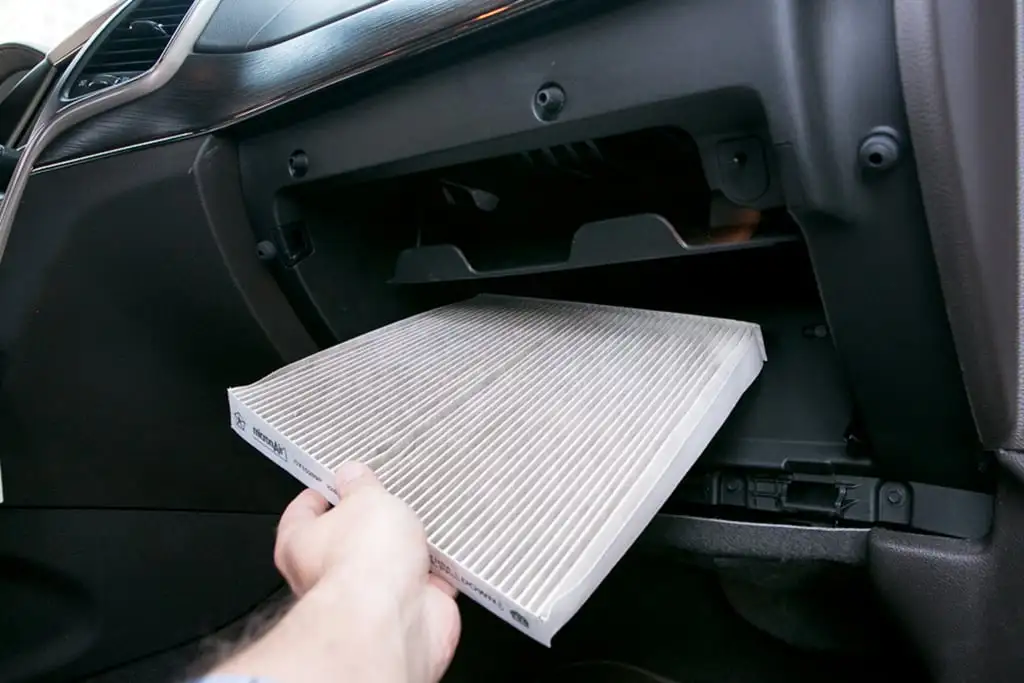
In a typical home, pull out the disposable pleated filter once a month and look at it. If it’s gray, clogged, or you hold it up to a light and can’t see through it, swap it right away. Pets, smokers, allergy sufferers, or high outdoor dust all mean shorter intervals.
Commercial Buildings
Fixed schedules are unreliable in commercial settings. The same filter that lasts months in a quiet suburban office can be fully loaded in weeks next to a construction zone, in a manufacturing plant, or at a busy airport terminal. Differential pressure gauges are the way to get a real read on filter condition.
Special Environments
Some places just generate more particles—construction sites, manufacturing and woodworking facilities, hospitals, labs, buildings on busy roads. In those spots, shorten inspection intervals and put prefilters in place to protect the higher-efficiency final filters downstream.
Pressure Drop Is More Reliable Than Calendar Days
The most accurate way to know whether a filter is done is to measure pressure drop across the filter bank. It tells you how much resistance the media is creating as air moves through. As dust accumulates, resistance climbs and airflow falls.
A clean MERV 8 pleated filter might read around 40 to 60 Pa at rated airflow. A clean MERV 13 could be 80 to 100 Pa. Once loaded, that number can push past 200 Pa. When it reaches the manufacturer’s recommended final resistance, the filter has done its job.
| Filter Condition | Approximate Pressure Drop Range |
|---|---|
| New and clean | Manufacturer initial resistance |
| Partially loaded | 1.5 to 2 times initial resistance |
| Needs replacement | Near manufacturer final resistance |
| Overloaded | Exceeds final resistance, reduces airflow |
The National Comfort Institute’s field data puts a dollar cost on delay: every 0.1 inch increase in static pressure can increase fan energy use by about 2 to 3 percent. So an overstayed filter is not just a problem for air quality, but it’s a line item on the utility bill.
Signs Your HVAC Filter Needs to Be Changed Immediately
A filter does not always wait for its scheduled replacement date to become a problem. In a working HVAC system, there are a few warning signs that are hard to ignore.
The Filter Is Covered in Dust
Take the filter out and look at the media itself. If the surface has turned dark gray or brown and a thick layer of dust is covering the pleats, it is probably carrying a heavy load.
Color alone does not tell you exactly how much life is left, but a visibly loaded filter deserves a closer inspection. Once the media becomes heavily packed with particles, airflow can start to suffer.
You Can Barely See Light Through It
This is a simple check that can be useful during routine maintenance. Hold the filter toward a bright light and look through the media.
A heavily blocked filter will allow very little light through. It does not replace a pressure drop reading, but it gives you a quick indication that the filter is loaded and should not be ignored.
The Vents Are Not Moving as Much Air
Another reason to check the filter is if you notice any changes in the airflow. As the media gets full of dust, it becomes harder for air to flow through the system and the system has to work harder to move the same volume of air.
A dirty filter is not the only possible cause. Closed dampers, dirty coils, fan problems, and other restrictions can produce similar symptoms. But the filter is one of the easiest things to check first.
Energy Use Starts Going Up
When airflow becomes more restricted, the HVAC system may need to run longer to maintain the same indoor conditions. That can contribute to higher energy use.
A rising utility bill by itself is not proof that the filter is clogged. Still, when higher energy consumption appears alongside weaker airflow or a visibly dirty filter, it is worth putting the filter on the inspection list.
There Is a Musty Smell Around the Vents
A damp filter is a different kind of warning sign. If moisture has been getting into the filter area, the media can become a place where microbial growth develops.
A persistent musty or moldy odor should not be treated as a simple filter replacement issue. Replace the filter, then check the surrounding system for moisture problems, including the drain pan, evaporator coil, and indoor humidity.
The important point is that a filter does not have to look completely blocked before it deserves attention. Changes in airflow, pressure, moisture, and system performance can all tell you that it is time to inspect what is happening inside the filter rack.
How to Change an HVAC Filter Correctly
Changing an HVAC filter is typically a simple task. The part that causes trouble is what happens if a small detail is overlooked.
Firstly, turn the system off. You don’t want the blower sucking air through the open slot in the filter as you’re removing the old filter. That can blow dust straight into the system.
Where the filter is when the unit is off. Where the filter is located varies from system to system, and can be behind a return grille, inside the air handler, or in a dedicated filter rack. The filters of larger commercial systems are sometimes located near the mixing box or upstream of the supply fan.
Carefully take out the old filter. Do not shake or tap it, as the dust that has collected on the media can easily be re-aerosolized.
Compare size and check airflow arrow before installing the replacement. The arrow should point in the same direction that the air flows through the system, to the blower. A filter that doesn’t fit properly can leave spaces around the frame and a filter that is installed backward may not function as intended.
The fit of the filter is just as important as the filter itself. Inspect rack, gasket and access panel for damage or gaps. A high efficiency filter cannot stop air that just flows around it. In real installations, the absence of good sealing can be as important as the filter media.
When you install a new filter, be sure to mark the date of replacement, filter size, MERV rating and initial pressure drop. It stores useful data for the next change and helps you see how the system is really performing over time.
Choosing the Right Filter Replacement Strategy
What works depends on whether you’re managing a home or a large commercial system.
For residential: start with a 30 to 90 day inspection cycle, use disposable pleated filters for better particle removal, and swap them when they look loaded. Reusable filters are fine for basic dust control but generally don’t match disposable efficiency.
For commercial: pick the right filter efficiency, install differential pressure gauges, and replace based on actual pressure drop. You skip unnecessary changes and you avoid the energy waste that comes from running overloaded media.
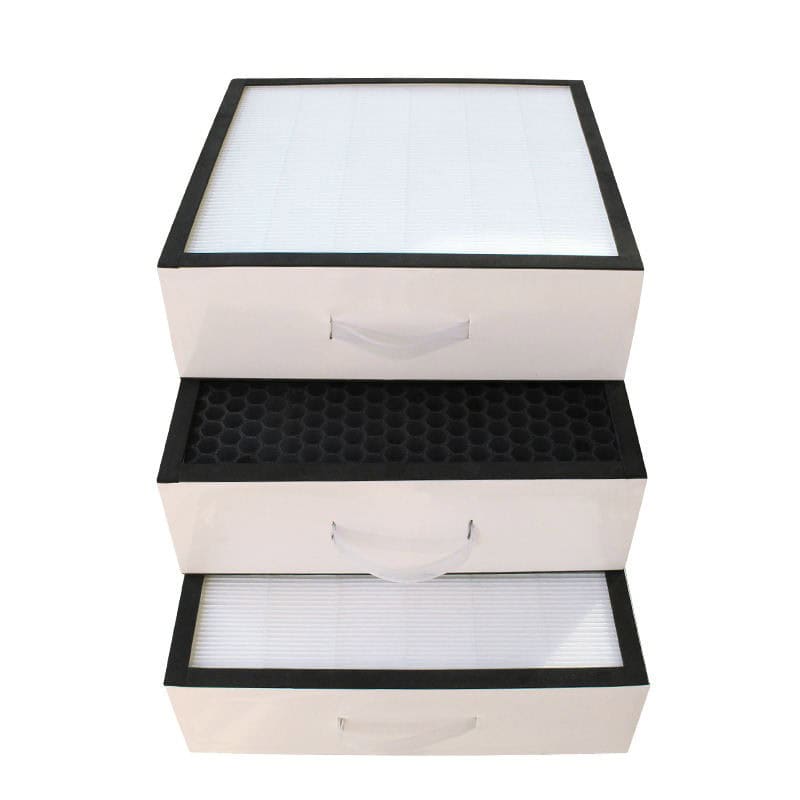
If you’re running a commercial HVAC system and want to dial in filtration, custom commercial air handler filter options can be matched to your building’s airflow, MERV targets, and maintenance cadence. A tailored setup is how you balance energy cost, dust-holding capacity, and indoor air quality.
Conclusion
Filter change frequency depends on the filter type, MERV rating, building use, operating environment, and actual pressure drop. As a general starting point, fiberglass filters may need replacement every 30 days, pleated filters around every 60 to 90 days, and higher MERV filters every 30 to 60 days. In commercial HVAC systems, pressure drop is usually a more useful maintenance reference than a fixed calendar schedule.
These intervals are only a starting point. Regular inspection and pressure drop monitoring can help determine when a filter has reached its practical service limit. When a filter is visibly loaded or reaches the manufacturer’s final resistance, it is time to replace it.
For commercial buildings, choosing the right filter at the outset also matters. The MERV rating, media construction, airflow requirement, filter dimensions, and dust holding capacity all affect how the system performs over time. HIFINE provides commercial HVAC filter solutions for different air filtration requirements, helping businesses source filters that balance particle capture, airflow, service life, and operating cost.
A properly selected and maintained filter can support better indoor air quality while helping control fan energy use and reducing unnecessary strain on HVAC equipment.