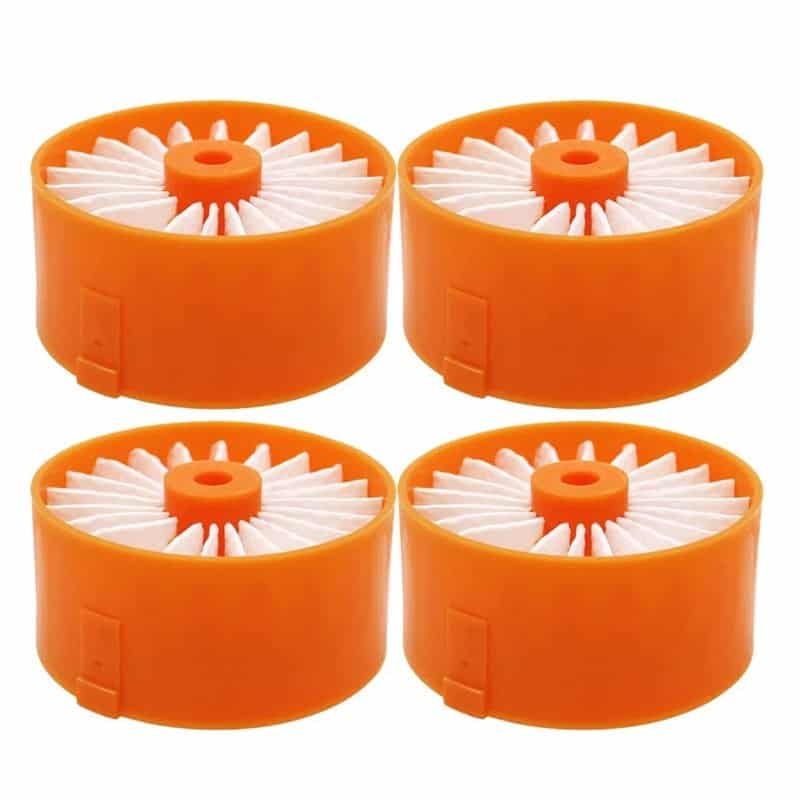
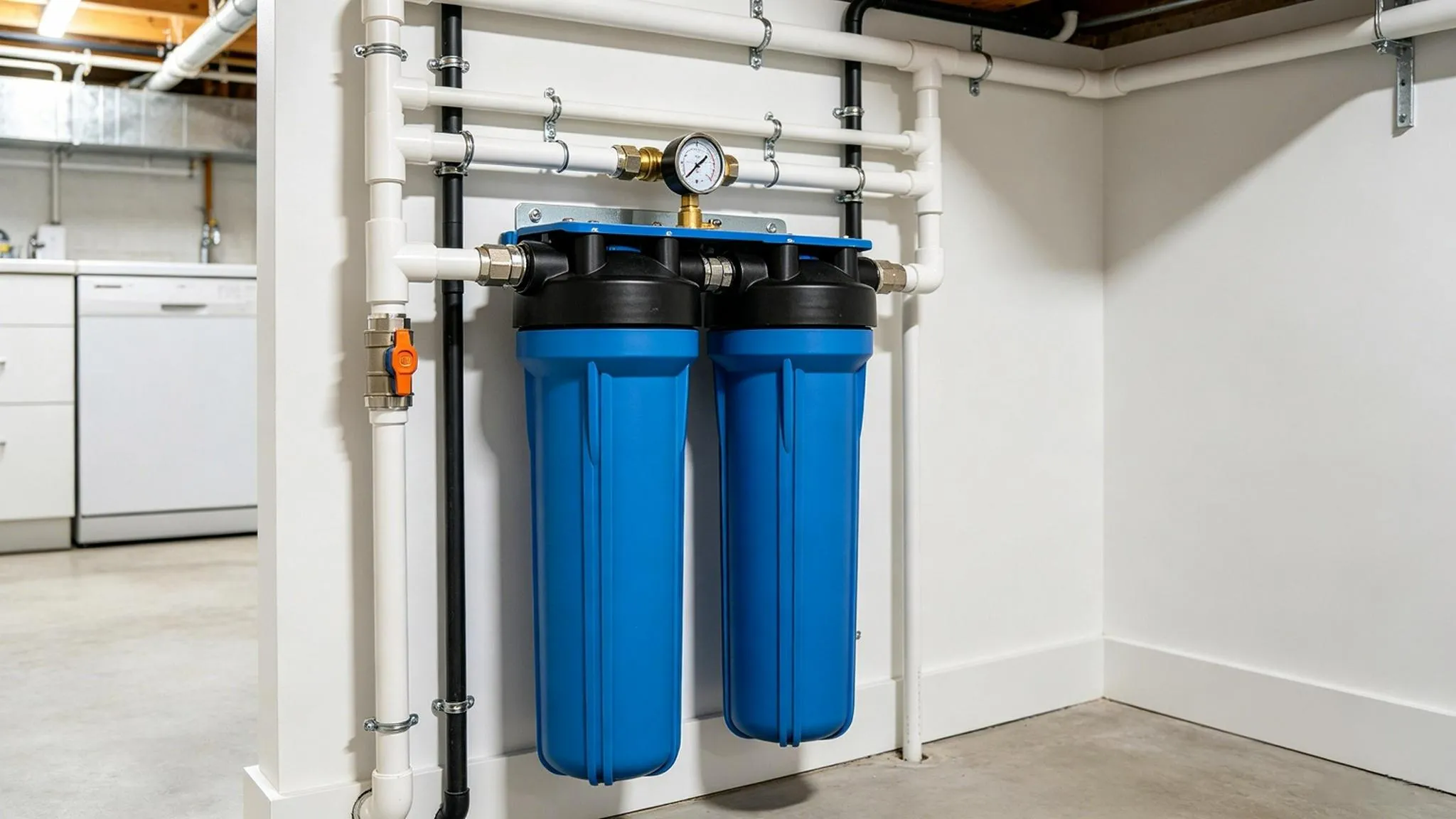
Culligan water filter systems span whole-house, under-sink, reverse osmosis, refrigerator, and faucet categories, and every one of them runs on replaceable cartridges. That matters because the replacement market is where the real recurring revenue lives. For distributors, wholesalers, and private label brands, the three decisions that determine whether a Culligan-compatible cartridge sells are interface compatibility, NSF/ANSI certification level, and supplier consistency on materials and capacity. Get those right and you have a high-margin, repeat-purchase product. Get any one wrong and you get returns, warranty claims, and lost accounts.
Why the Culligan Ecosystem Is Built for Replacement Cartridges
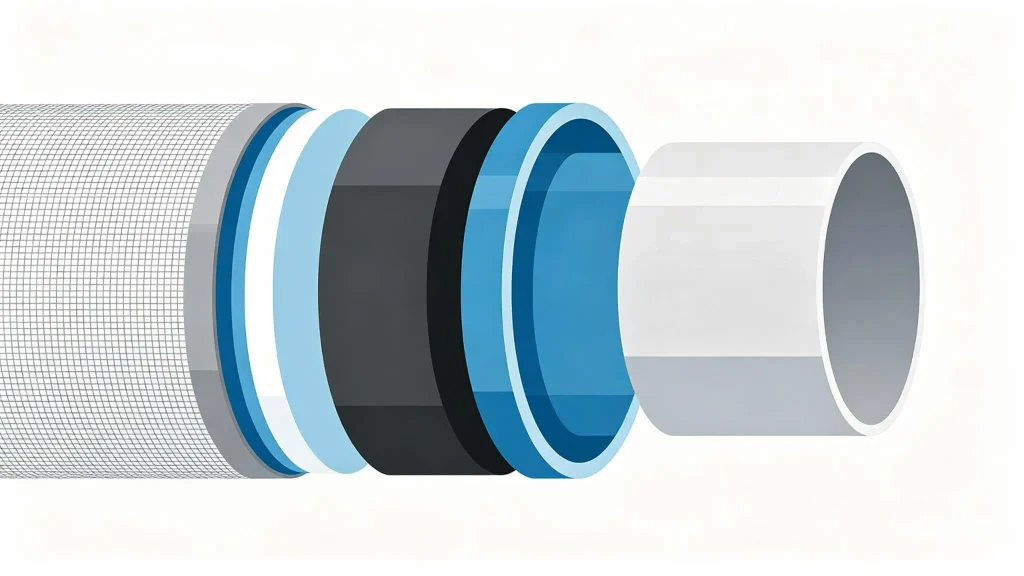
Culligan does not sell one filter. It sells a family of systems that share standardized cartridge dimensions, most commonly the 10-inch and 20-inch big-blue and slim-line formats used across its whole-house and under-sink lines. The US-EZ under-sink series, for example, uses a twist-lock head that accepts RC-EZ-3 and RC-EZ-4 cartridges rated at 3,000 gallons and 500 gallons respectively, with the RC-EZ-4 certified by IAPMO R&T to NSF/ANSI Standards 42, 53, and 401. That standardization is the reason aftermarket and private label cartridges can enter the market without redesigning the housing. It is also the reason buyers need to verify compatibility carefully, because two cartridges that look identical can carry very different certification claims.
The Four Culligan Filter Categories That Drive Replacement Volume
Not every Culligan system is equally important for a replacement business. Four categories account for the majority of cartridge demand.
Whole-house systems such as the WH-HD200-C and the R50-BBSA heavy-duty line use 10-inch or 20-inch big-blue housings with 1-inch or 1.5-inch inlet/outlet ports. These are sediment and carbon-block workhorses rated from 5 to 30 microns, and they need replacement every 3 to 6 months depending on source water quality.
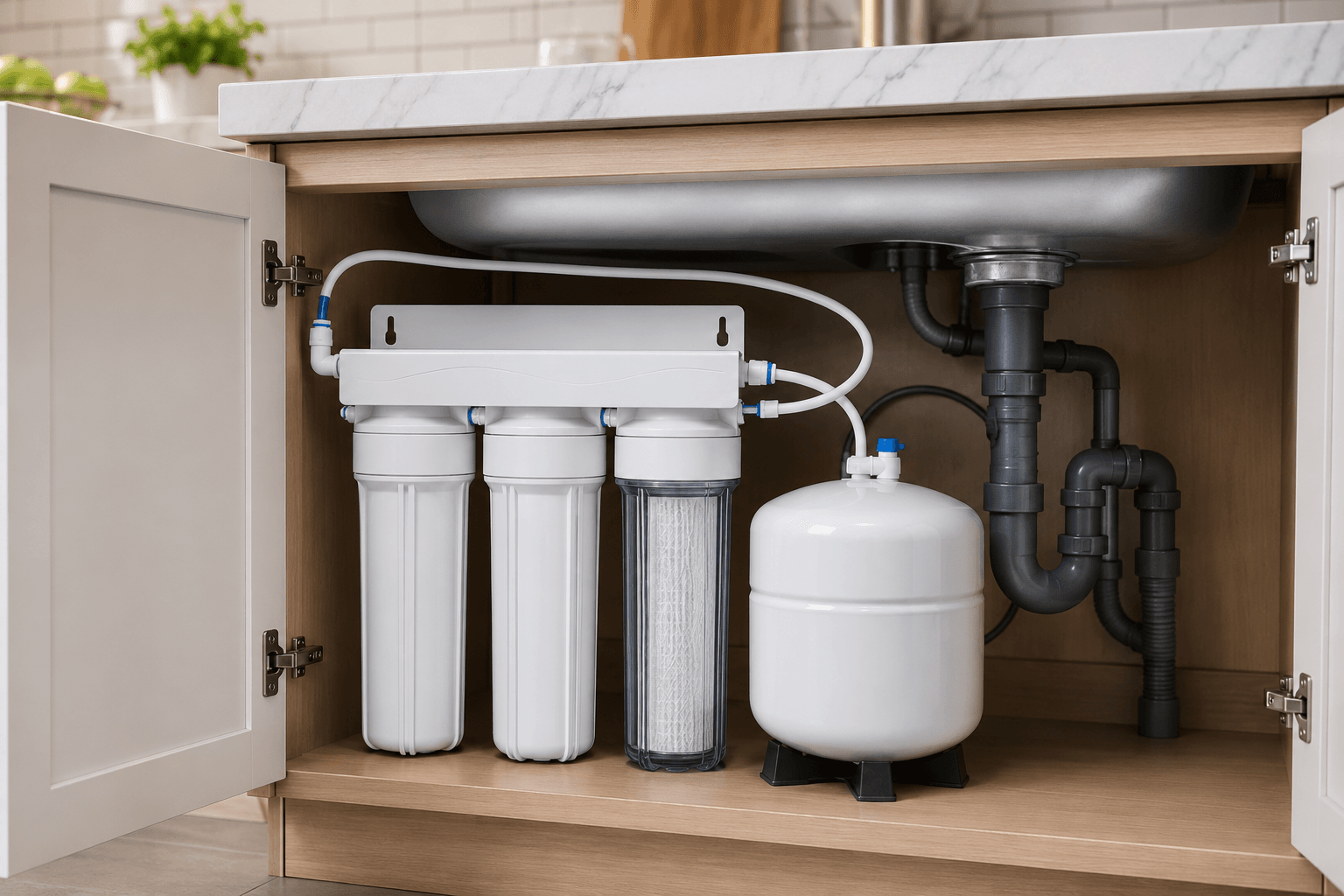
Under-sink systems, led by the US-EZ-1, US-EZ-3, and US-EZ-4, use the twist-lock RC-EZ cartridge format. The US-EZ-4 is the flagship, certified to reduce cysts, lead, mercury, VOCs, MTBE, turbidity, PFOA, and PFOS under NSF/ANSI 53 and 401. Its 500-gallon capacity means roughly a six-month replacement cycle for a typical household.
Reverse osmosis systems, including the AC-30 Good Water Machine and the newer Aquasential Smart RO, use a multi-stage set: sediment pre-filter, carbon block pre-filter, RO membrane, and post-carbon polishing filter. The AC-30 operates at 40 to 120 psi and produces 14.5 gallons per day, while the Aquasential Smart RO claims reduction of over 90 contaminants including viruses, bacteria, arsenic, and microplastics. Membranes typically last 2 to 3 years; pre- and post-filters need annual replacement.
Refrigerator and faucet filters, such as the CUW4 and the CRFM-001 faucet-mount cartridge, are the highest-volume, lowest-price-point segment. They are usually NSF 42 certified for chlorine taste and odor with a 200 to 300 gallon capacity.
NSF Certification Decoded for Culligan Replacement Cartridges
A filter cartridge that says “NSF certified” but does not have a standard number does not give enough information. NSF/ANSI 42 standard: tests for sensory effects, chlorine taste and odor, chloramines and particulates. This standard is free of lead, cysts or other contaminants known to be harmful to health. The NSF/ANSI 53 standard is designed to eliminate health threatening contaminants such as lead, mercury, cysts, volatile organic compounds and turbidity. Standard 401 covers emerging compounds including pharmaceuticals, pesticides, and perfluorooctanoic acid/perfluorooctane sulfonic acid. Standard 58 is specific to reverse osmosis systems and sets the requirements for total dissolved solids removal.
For Culligan-compatible cartridges, the certification you need depends on the system you are replacing into. A whole-house sediment cartridge only needs NSF 42. An under-sink cartridge replacing an RC-EZ-4 should carry 42, 53, and 401 to match the original performance. An RO membrane and its pre-filters should reference NSF 58. Always request the performance data sheet from your manufacturer, because certification is contaminant-specific, a cartridge certified for lead reduction may not be certified for PFAS reduction.
| Standard | What It Covers | Typical Culligan Application |
|---|---|---|
| NSF/ANSI 42 | Chlorine taste/odor, chloramine, particulates | Whole-house sediment, fridge filters |
| NSF/ANSI 53 | Lead, mercury, cysts, VOCs, turbidity | Under-sink drinking water |
| NSF/ANSI 401 | PFOA/PFOS, pharmaceuticals, pesticides | Premium under-sink |
| NSF/ANSI 58 | TDS reduction, RO membrane performance | AC-30, Aquasential Smart RO |
Compatibility and Cross-Reference What Private Label Buyers Must Verify
Physical fit is the first filter, but it is not the only one. When sourcing Culligan-compatible cartridges, verify the housing size, 10-inch vs 20-inch, slim-line vs big-blue, the inlet/outlet thread size, the O-ring groove dimensions, and the twist-lock lug pattern for US-EZ style cartridges. A cartridge that seats but does not seal will leak, and a cartridge that restricts flow will trigger low-pressure complaints.
Beyond fit, check the rated flow rate and pressure drop. Culligan whole-house systems typically operate at 20 to 120 psi, and a replacement cartridge should not add more than 5 to 7 psi of pressure drop at the rated flow. For RO systems, confirm the membrane GPD rating matches the original, a 50 GPD membrane in a system designed for 75 GPD will underperform, and the reverse will waste water.
Cross-reference part numbers are useful but not definitive. The CUW4 replaces Whirlpool EDR4RXD1, but that does not mean every cartridge that fits a Whirlpool housing meets Culligan’s flow and certification specifications. Always test a sample cartridge in the actual housing before committing to a production run.
Sourcing Culligan-Compatible Cartridges OEM, Aftermarket, and Private Label
The global water filter cartridges market is projected to grow through 2032, with Asia-Pacific as the fastest-growing manufacturing region and North America remaining the dominant end market. Private label and store-brand cartridges are capturing an increasing share of price-conscious consumers, particularly through online retail and supermarket channels. This creates a clear opening for distributors who can source certified, consistent-quality cartridges at a lower cost than the branded original.
For OEM and ODM production, the key supplier attributes are material traceability, food-grade and BPA-free housing resin, activated carbon block or granular carbon sourced from reputable suppliers, and the ability to provide NSF test data or support third-party certification. A manufacturer that can offer custom printing, private label packaging, and flexible MOQs is worth more than one that competes only on unit price, because cartridge failures damage your brand, not the factory’s.
HIFINE manufactures replacement water filter cartridges and filtration components for OEM and private label clients, including HEPA filters and vacuum cleaner filters. If you are evaluating a supplier for Culligan-compatible cartridges or building a private label filtration line, you can review the OEM and ODM manufacturing capabilities and request a sample for fit and flow testing.
A Short Checklist Before You Place an Order
Confirm the housing format and cartridge dimensions match the target Culligan system. Verify the NSF/ANSI standard numbers and the specific contaminant reduction claims on the performance data sheet. Test pressure drop and flow rate in an actual housing. Audit the manufacturer’s material certificates and production consistency. Lock in private label packaging and lead times before the first container. Do these five things and your Culligan-compatible cartridge line will generate repeat orders instead of returns.