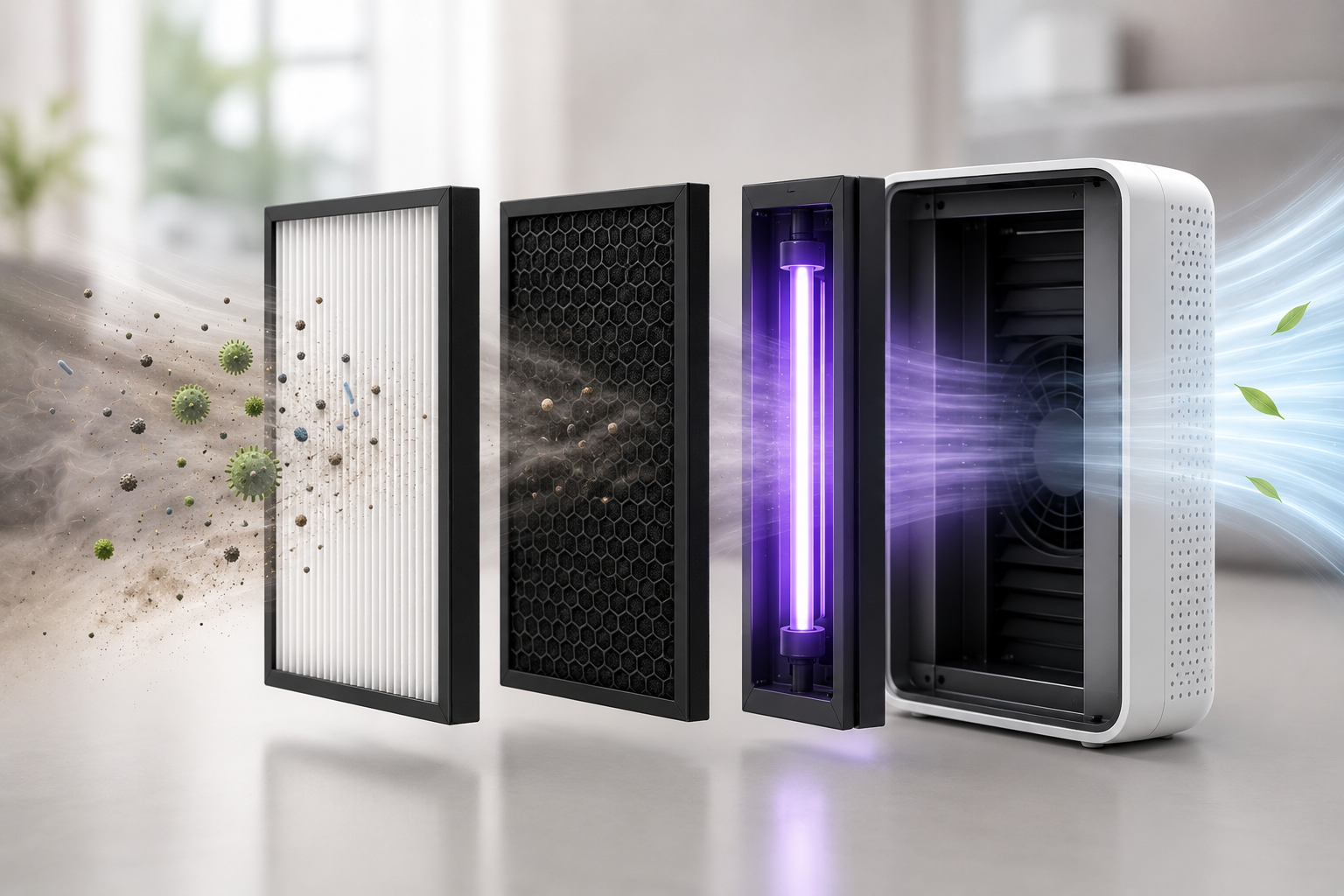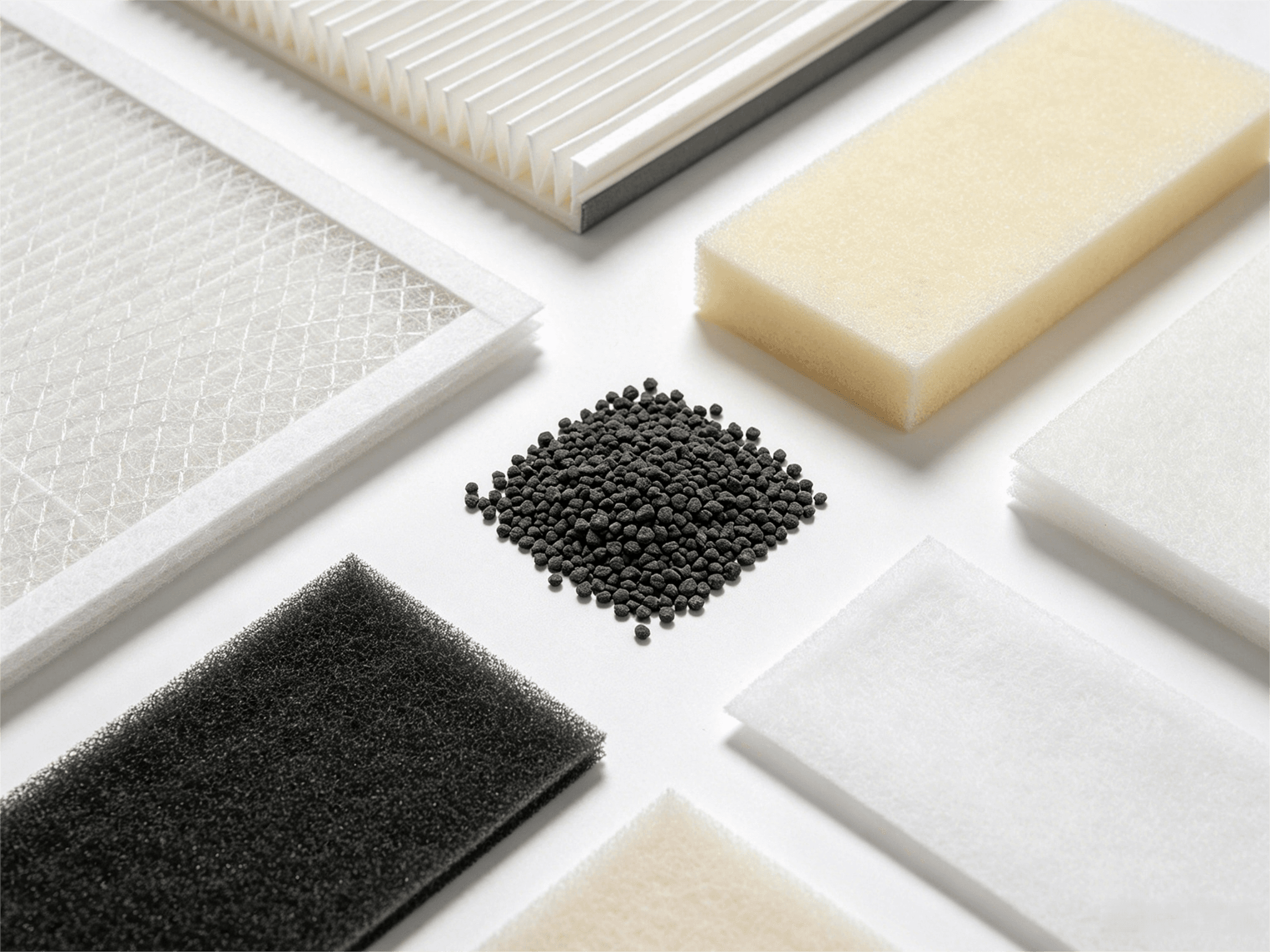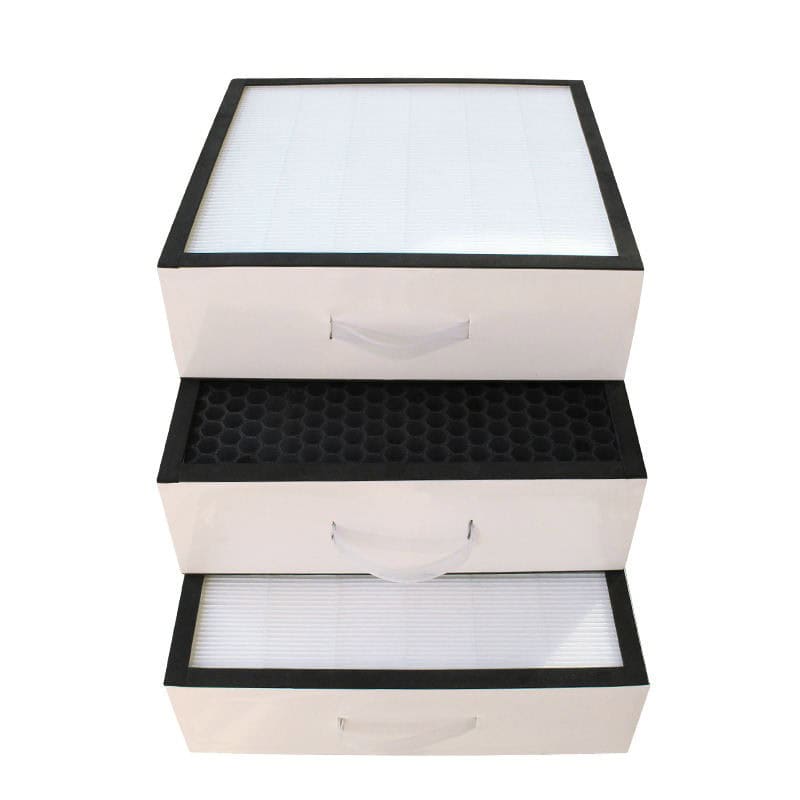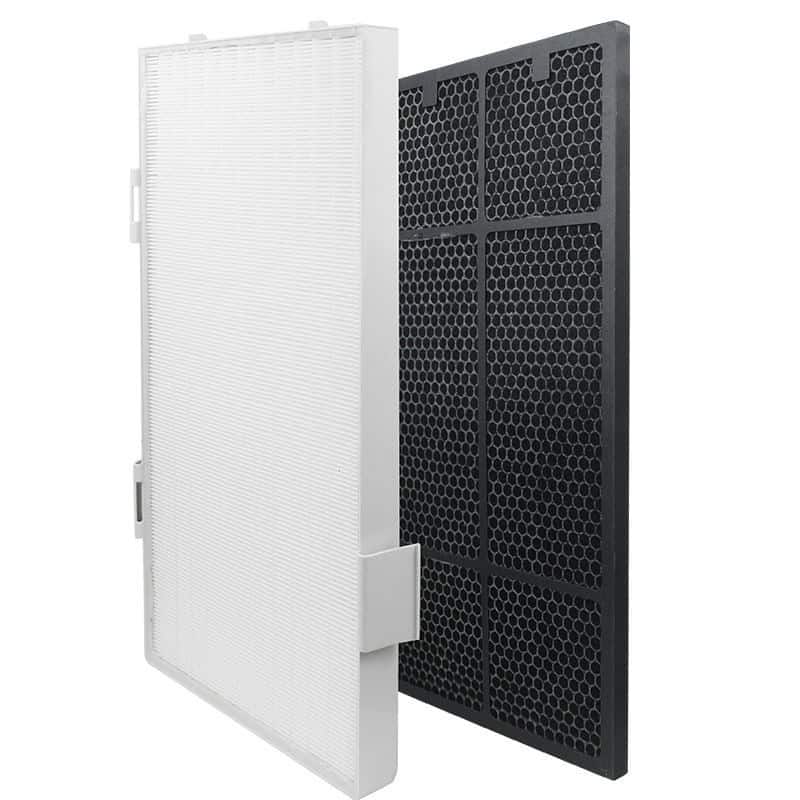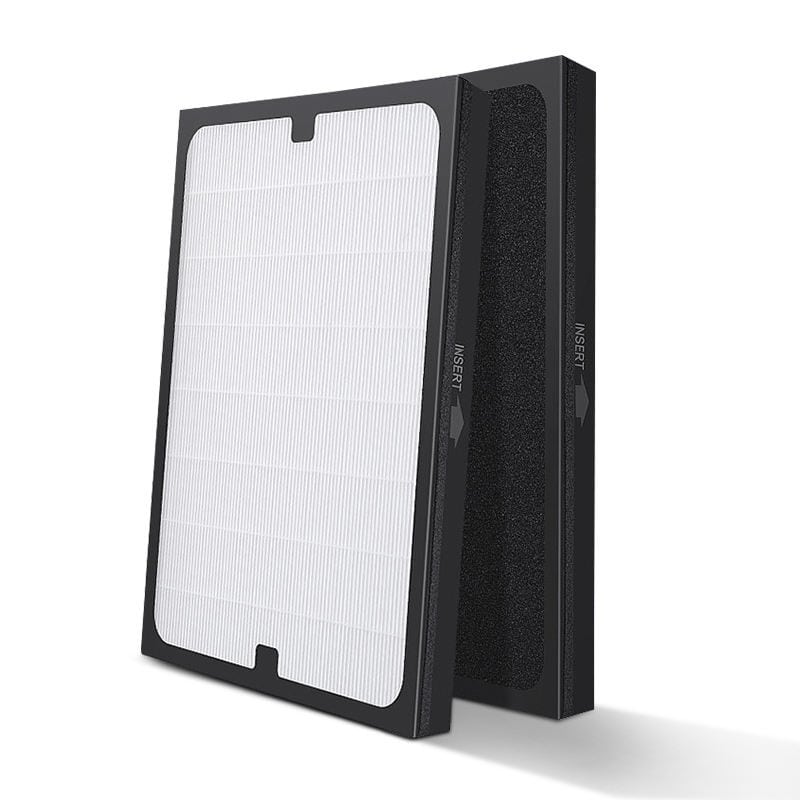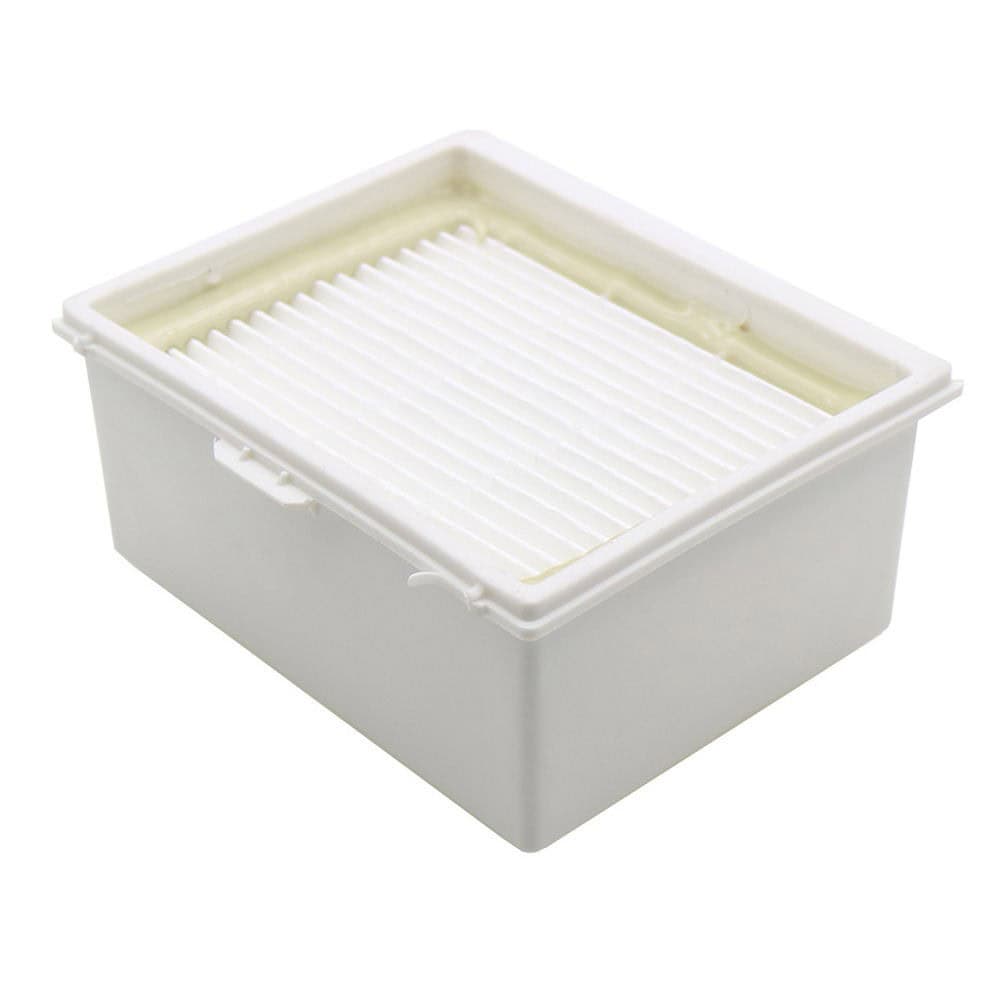
A HEPA filter can catch a virus but cannot kill it. A virus trapped on a HEPA filter remains infectious. Changing or disturbing the filter can release it back into the air. This is the core reason UV C light is added to air purification systems. It is also why most consumer grade UV C stages do not actually deliver on the promise.
Understanding whether UV C plus HEPA works requires separating what each technology does from what the marketing claims. HEPA is a mechanical trap. UV C is a biological inactivator. They serve different functions. Combining them only works when the UV C stage delivers enough light energy to damage microbial DNA.
HEPA Catches Viruses but Does Not Kill Them
An H13 HEPA filter captures at least 99.95 percent of particles at its most penetrating particle size per EN 1822 standards. Virus particles are typically 0.02 to 0.3 microns. Most travel attached to larger respiratory droplets or dust particles. These fall well within HEPA capture range.
Capture is not the same as inactivation. A virus on a filter remains biologically active. When someone removes a used filter, dry virus particles can become airborne again. Researchers call this process reentrainment. Healthcare settings treat used filter handling as a controlled procedure for this reason.
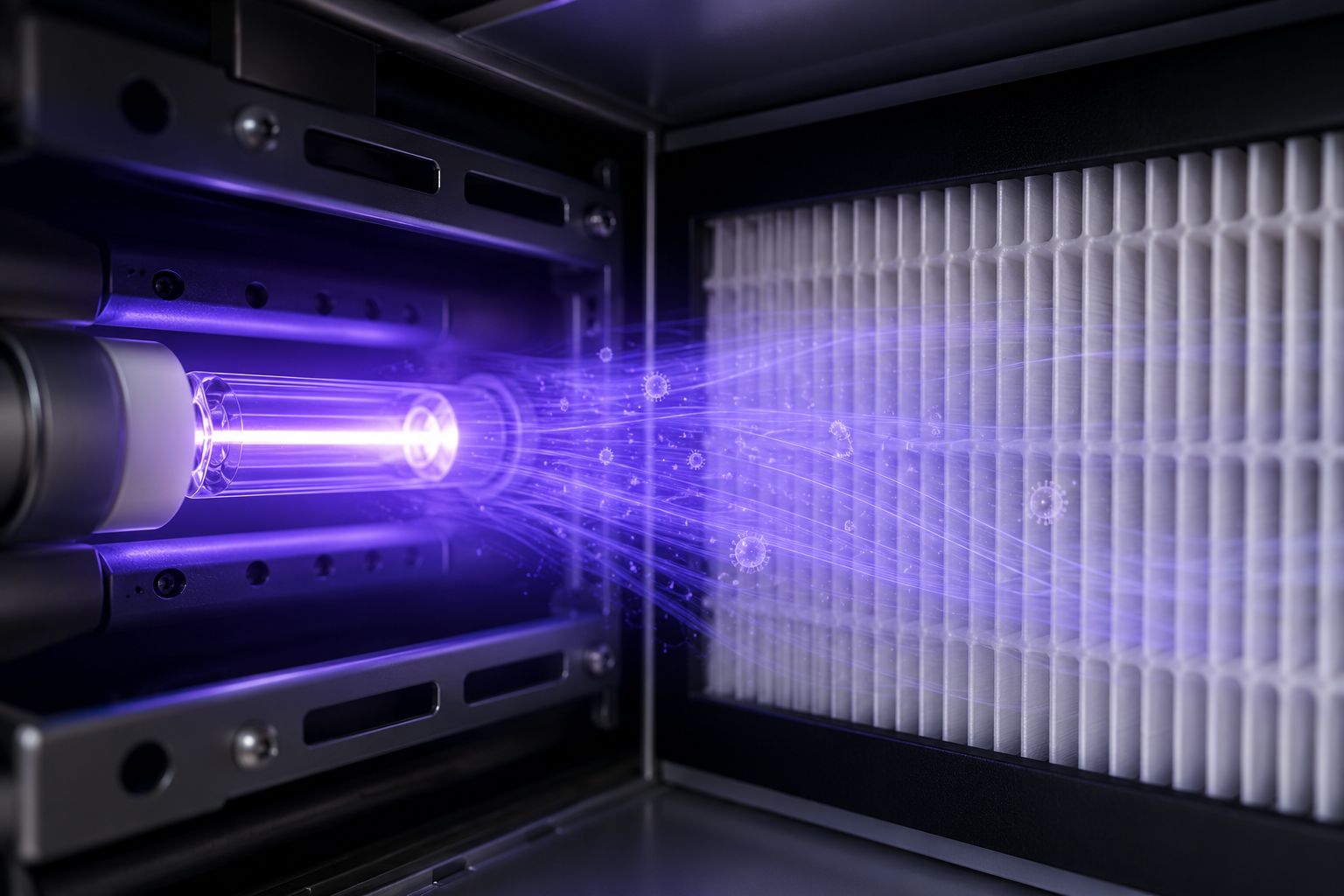
UV C addresses this gap. UV C inactivates any virus particles that make it past the HEPA or sit on the downstream side. They can no longer cause infection after exposure.
How UV C Inactivation Actually Works
UV C light in the 200 to 280 nanometer range damages the nucleic acid of microorganisms. At 254nm, the wavelength most air purifiers use, UV C creates thymine dimers in DNA and RNA. This prevents the organism from replicating. A virus or bacterium that cannot reproduce cannot cause infection.
The EPA classifies UV C germicidal irradiation as an established technology for air disinfection. Hospitals have used upper room UV C systems for decades. They control tuberculosis and other airborne pathogens with these systems. Hospitals and researchers have proven the technology over many years. The real question is different. Do the small UV C lamps inside consumer air purifiers deliver enough energy to matter?
The Dosage Problem Most Air Purifiers Ignore
You measure UV C effectiveness in dosage, not by the presence of a lamp. You calculate dosage as UV intensity times exposure time. The unit is millijoules per square centimeter.
Different organisms require different doses. Influenza A needs approximately 2 to 5 millijoules per square centimeter for 90 percent inactivation. Tuberculosis needs around 10. Mold spores like Aspergillus niger need 30 to 50. A typical consumer air purifier moves air past a small lamp in less than a second. It often delivers less than 1 millijoule per square centimeter. That inactivates the most sensitive organisms. It falls short for bacteria and mold spores.
This is the gap between marketing and performance. A product with a UV C lamp is not automatically a UV C disinfectant. Lamp power, airflow rate, and distance from lamp to air all matter. They determine whether the dose reaches a meaningful level.
What the Research Shows
Studies on portable air purifiers with UV C have produced mixed results. When engineers properly size UV C for the airflow, results improve. Research in journals such as Applied and Environmental Microbiology shows significant reductions in airborne bacteria and virus surrogates under these conditions. An undersized lamp or one placed where airflow moves too fast produces different results. The reduction becomes indistinguishable from HEPA alone.
A 2021 review in the Journal of Hospital Infection studied UV C air disinfection in healthcare settings. Researchers found bacterial count reductions of 40 to 80 percent when installers properly set up the systems. The same review looked at portable consumer units. Those rarely achieved comparable results. Insufficient lamp power and short exposure time were the main causes.
The takeaway is not that UV C does not work. It is that UV C only works when engineers design the system for a specific dosage target.
When UV C Plus HEPA Makes Sense for OEM Products
For OEM brands designing air purifiers, UV C is worth including in specific categories. It is not right for all of them.
Medical and clinical air purifiers benefit from UV C. Infection control is a core requirement in these settings. The product can also accommodate larger lamps and longer air paths. School and classroom units benefit too. High occupancy increases transmission risk in these spaces.
Residential bedroom purifiers usually do not need UV C. Airflow is high. Space for a lamp is small. The primary contaminants are dust and allergens, not active pathogens. A well specified HEPA plus carbon filter delivers more real world value than a weak UV C stage.
Commercial HVAC systems can use UV C effectively. They typically install lamps inside ductwork. Air velocity is lower there. Exposure time is longer. This works better than placing a lamp inside a small purifier housing.
What to Specify If You Want UV C to Work
If you are sourcing an air purifier with UV C, ask the manufacturer for the actual dosage calculation at the rated airflow. A supplier that cannot provide this number is likely selling a lamp as a marketing feature. It is probably not a functional stage.
Specify a 254nm ozone free lamp. Ozone producing lamps create a secondary pollutant. Many markets restrict them. Position the lamp downstream of the HEPA filter. Clean air then receives the full dose without dust blocking the light.
For products targeting medical or educational use, request third party test data. The data should show log reduction of specific organisms. Examples include Staphylococcus aureus or bacteriophage MS2 as a virus surrogate. This data differentiates a functional UV C stage from a label on a box.
The Bottom Line
UV C plus HEPA can kill viruses and bacteria. The UV C stage must deliver a sufficient dosage for this to happen. Most consumer air purifiers do not meet this standard. For OEM buyers, the decision has two parts. First, does the product category justify a properly engineered UV C system? Second, can the supplier prove the dosage with data instead of marketing language?
HIFINE manufactures custom HEPA filter modules with integrated UV C options for air purifier brands and HVAC OEMs. We provide H13 and H14 grade HEPA media. We also offer ozone free 254nm UV C integration and dosage calculations for specific airflow rates. Send your product specifications for a quotation within 24 hours.