Most pool owners replace their swimming pool filter cartridges when the pressure gauge spikes and the water turns cloudy. By that point, the cartridge has been underperforming for weeks. The real secret to long cartridge life and clear water is getting three decisions right at the start: choosing the right filter type, sizing it to your pool volume, and cleaning it on a schedule instead of waiting for failure.
This guide covers how cartridge filters work, how they compare to sand and DE options, how to size them, how to clean them, and what to specify if you source cartridges for private label or resale.
What Is a Pool Filter Cartridge and How Does It Work
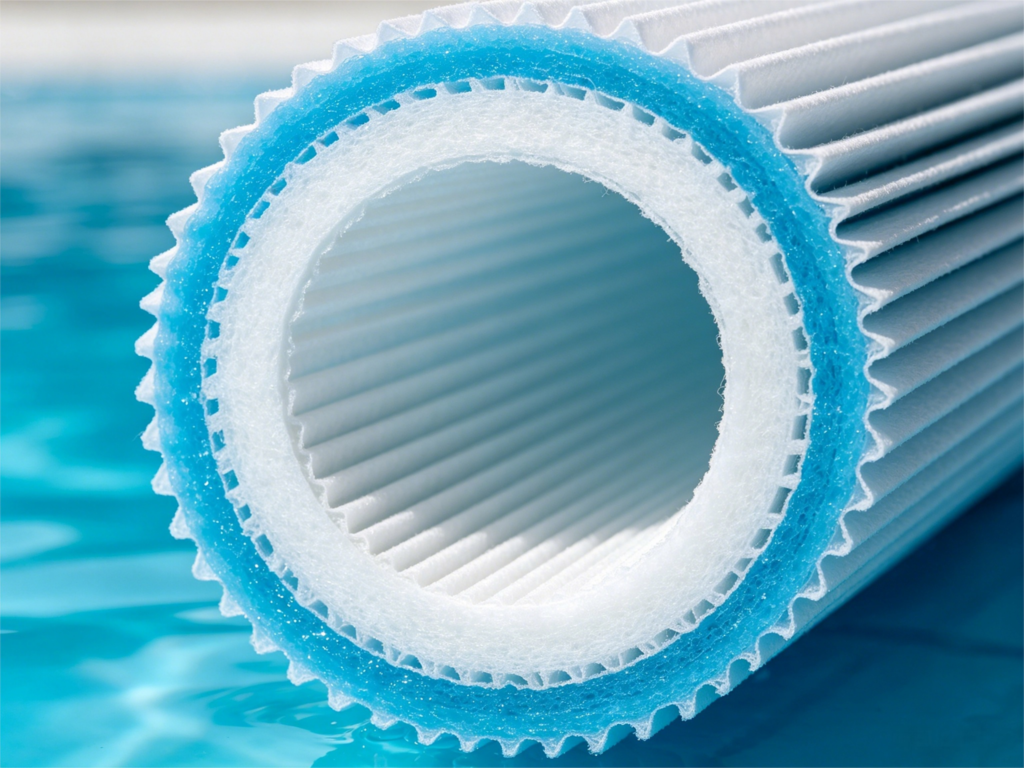
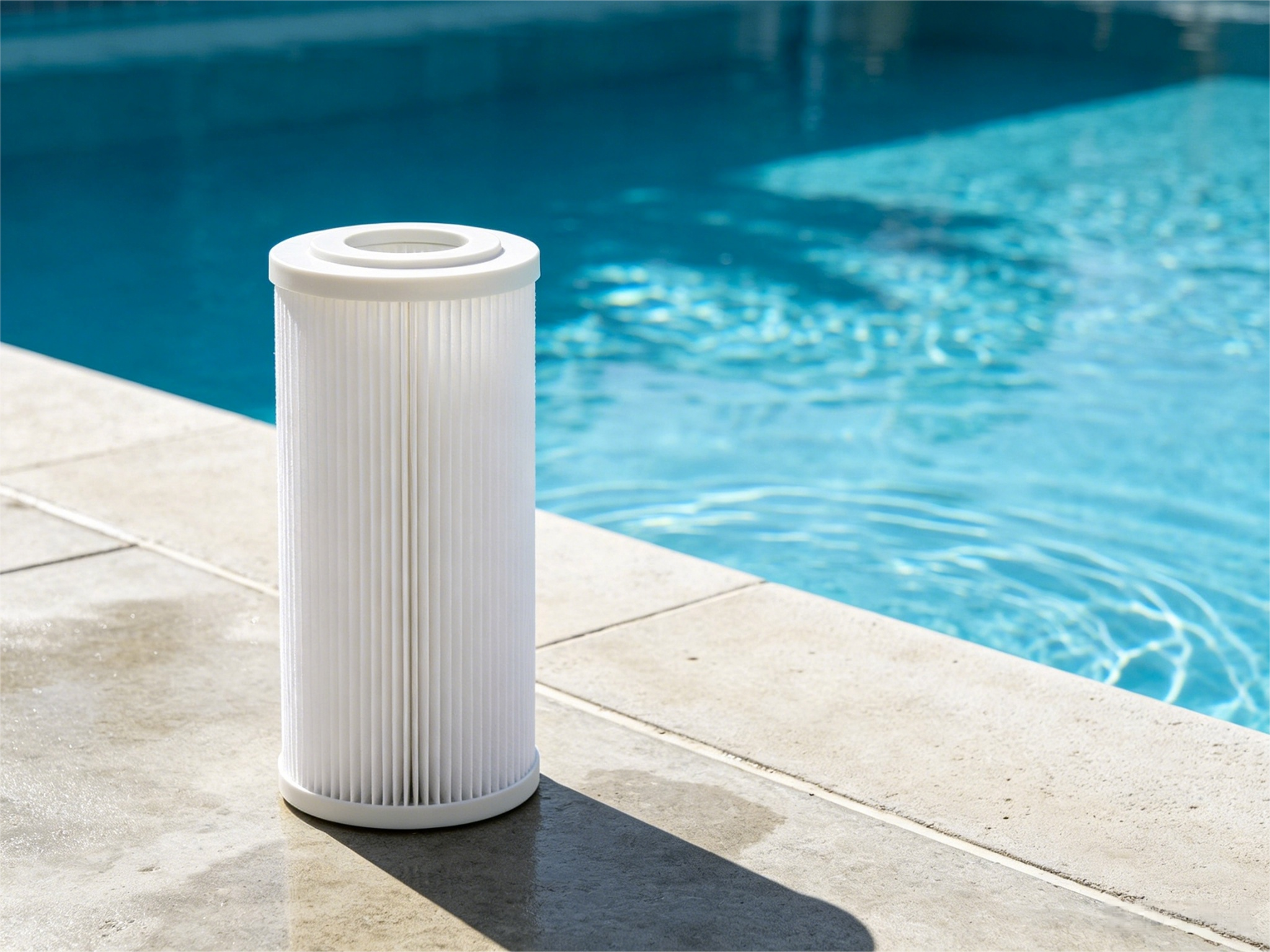
A pool filter cartridge is a cylindrical element made of pleated polyester media that traps dirt and debris as water passes from the outside in. Unlike a pool sand filter or a diatomaceous earth pool filter, a cartridge system has no backwash valve. You remove the element, rinse it, and put it back. That simplicity is why cartridge pool filter systems have become the default for above ground pools and many smaller inground installations.
The cartridge sits inside a tank that plumbs into your pool pump and filter circuit. Water enters the tank, flows through the pleated media, and exits back to the pool. The pleats dramatically increase the surface area inside a compact cylinder. A typical cartridge offers 50 to 200 square feet of filtration area in a tank the size of a small trash can. More area means lower pressure drop, longer intervals between cleaning, and less strain on the pool filter pump.
Cartridge vs Sand vs DE Pool Filters Which One Fits Your Pool
The three main pool filter types each have clear tradeoffs. The choice comes down to four factors: filtration level, upfront cost, maintenance effort, and whether backwashing is required. Here is how each type stacks up.
| Filter Type | Filtration Level | Upfront Cost | Maintenance Effort | Backwash Needed? |
|---|---|---|---|---|
| Sand | 20–40 microns | Lowest | Low | Yes |
| Cartridge | 10–20 microns | Moderate | Medium | No |
| D.E. | 2–5 microns | Highest | High | Yes, plus recharge |
A sand filter for pool use is the most common option for large inground pools. It uses a bed of specially graded silica sand to trap particles down to 20 to 40 microns. It carries the lowest upfront cost and the lowest maintenance effort, but it requires backwashing when pressure rises, which wastes several hundred gallons of water each time. Sand filters deliver the lowest water clarity of the three types.
A cartridge filter captures particles down to 10 to 20 microns, better than sand but not as fine as DE. Upfront cost is moderate and maintenance effort is medium. The biggest advantage is that no backwash is needed. You remove the cartridge, rinse it, and put it back. That saves thousands of gallons of water per year and eliminates the plumbing complexity of a backwash valve. For most residential pools, a pool cartridge filter strikes the best balance of clarity, water savings, and maintenance effort.
A DE pool filter uses diatomaceous earth powder coated onto a grid to achieve filtration down to 2 to 5 microns, the finest of any residential option, for crystal clear water. The tradeoff is the highest upfront cost and the highest maintenance effort. It requires backwashing plus a DE recharge after every cycle, and the waste powder requires careful disposal. Many municipalities restrict DE backwash water because the powder can clog sewer systems.
The Three Specs That Determine Cartridge Performance
Not all pool filter cartridges are the same. Three construction specs determine how well one performs and how long it lasts.
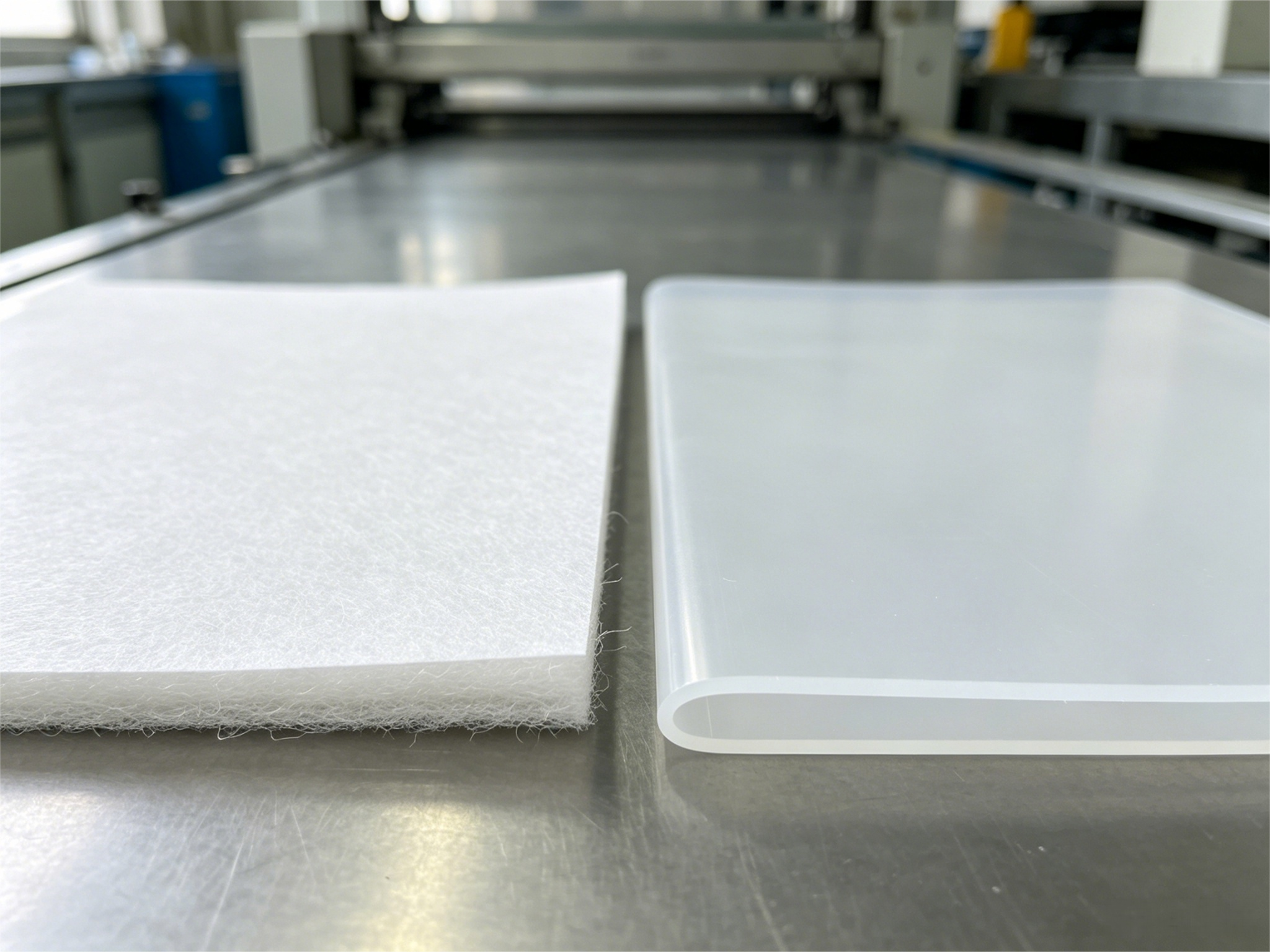
First is the media material. Nearly all cartridge filters for pools use polyester felt, but the weight varies. Heavier media, measured in ounces per square yard, holds more dirt and resists tearing during cleaning. Budget cartridges often use thinner media that clogs faster and tears after a few seasons. Antimicrobial treatments, common on mid range and premium cartridges, inhibit bacteria and algae growth inside the pleats.
Second is the effective filtration area, calculated as pleat height times pleat count times cartridge length. Two cartridges with the same outer dimensions can have very different areas depending on how many pleats the manufacturer packs in. More area means lower initial pressure, longer cleaning intervals, and a longer service life. When comparing pool filters cartridges, always check the square foot rating, not just the physical dimensions.
Third is the end cap and seal quality. The end caps, usually PVC or ABS plastic, bond to the media and create a seal against the filter tank. A weak bond or a mis sized O ring allows unfiltered water to bypass the media entirely. This is the most common manufacturing defect in cheap replacement cartridges and the reason a brand name cartridge like a Hayward pool filter cartridge often outlasts a generic alternative by years.
How to Size a Cartridge Filter for Your Pool
Oversizing is better than undersizing. A cartridge that is too small for your pool will clog quickly, drive up pressure, and force you to clean it every few days. A larger cartridge runs cleaner, longer, and with less pump strain.
The basic sizing method matches the filter area to your pool pump flow rate, measured in gallons per minute. As a rule of thumb, allow at least 1 square foot of cartridge area for every 0.3 to 0.5 GPM of pump output. A pump moving 100 GPM therefore needs a cartridge with 200 to 333 square feet of area. You can also size by pool volume, targeting a full water turnover every 8 to 10 hours.
For above ground pool filters, the common range is 50 to 150 square feet. For inground pools, 150 to 400 square feet is typical. If you regularly use the pool, have heavy debris from trees, or run a salt water pool filter system, move up one size. The extra area pays for itself in fewer cleaning sessions and longer cartridge life.
How to Clean a Swimming Pool Filter Cartridge
Knowing how to clean a swimming pool filter cartridge properly extends its life by months. The process is simple but most owners rush it and damage the pleats.
First, turn off the pool filter pump and relieve pressure from the tank. Remove the cartridge and inspect it for tears or deformed pleats. Rinse it with a garden hose using a nozzle with a fan spray pattern, not a jet stream. Start at the top and work down, spraying between each pleat from the inside out. The goal is to flush dirt out of the pleat gaps, not drive it deeper.
For normal dirt, a thorough rinse is enough. For oils, sunscreen residue, or algae, soak the cartridge in a commercial filter cleaner solution for 8 to 24 hours, then rinse again. Never use bleach, which degrades the polyester media, and never use a pressure washer, which can collapse the pleats and create permanent channels that bypass filtration.
A clean cartridge should restore the tank pressure to its baseline reading. If pressure remains high after cleaning, the media has reached the end of its serviceable life and needs replacement.
When to Replace Your Pool Filter Cartridge
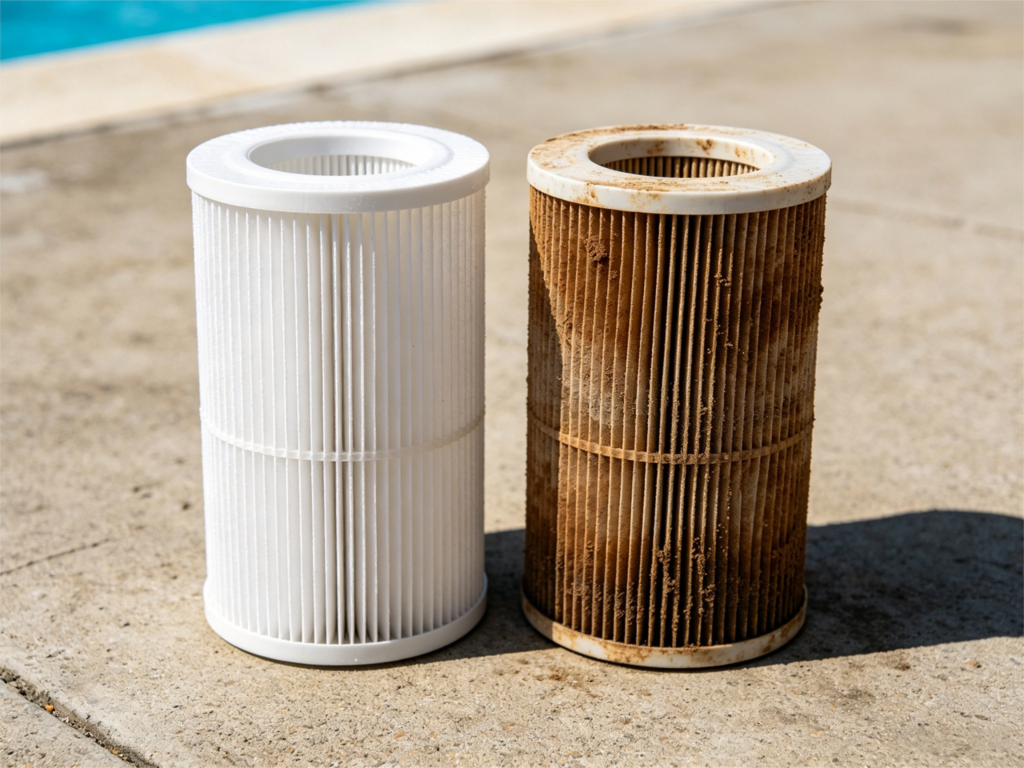
No cartridge lasts forever. Watch for these replacement signs. The pressure gauge stays 8 to 10 PSI above the clean baseline even after a thorough rinse. The pleats are frayed, torn, or permanently compressed. The end caps are cracked or the O ring no longer seals. Or the water remains cloudy despite proper chemical balance and regular cleaning.
Most quality swimming pool filter cartridges last 2 to 5 years with proper maintenance. Budget cartridges may fail in one season. When you shop for replacement cartridge filters for swimming pools, match the original dimensions, check the square foot area, and verify the end cap style. Generic cartridges that fit the tank but use thinner media will clog faster and cost more over time.
Private Label and OEM What to Specify When Sourcing Cartridges
For brands, wholesalers, and pool service companies that source cartridges in volume, the specification sheet matters more than the brand label. A Pentair cartridge filter and a Hayward cartridge filter both perform well because their specs are controlled. The same performance is available from an OEM manufacturer if you specify the right parameters.
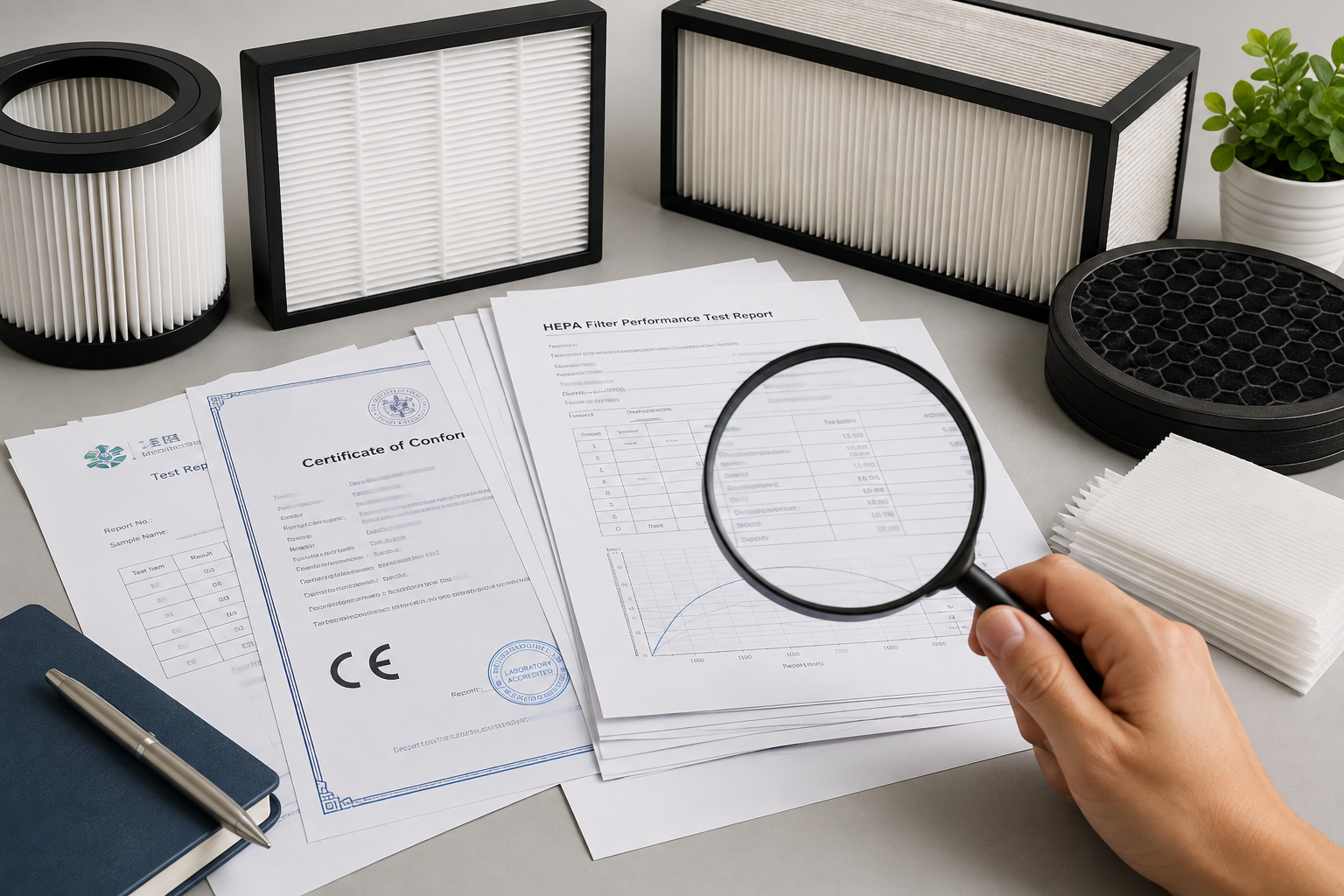
Require these details in every purchase order: media weight in ounces per square yard, total filtration area in square feet, pleat count, end cap material, O ring material and size, and whether the media carries an antimicrobial treatment. Ask for sample cartridges and run a 30 day field test before committing to a large order. HIFINE manufactures custom pool filter cartridges in OEM and ODM formats with configurable media weights, pleat counts, and end cap styles, with production lot traceability and material test reports available on request.
End
Swimming pool filter cartridges offer the best balance of clarity, water savings, and low maintenance for most residential pools. Size the cartridge to your pump flow rate and pool volume, and prefer a larger area over a smaller one. Clean the cartridge with a fan spray hose from the inside out, and soak it in filter cleaner for oils and algae. Replace it when pressure stays high after cleaning or when the media shows physical damage. For private label buyers, specify media weight, filtration area, and end cap quality rather than shopping by price alone.