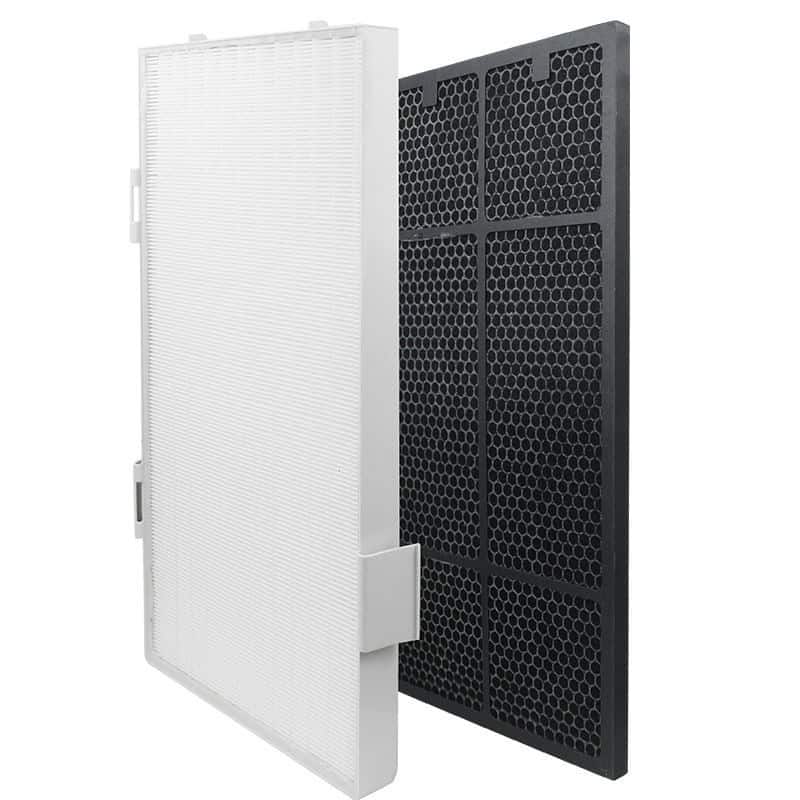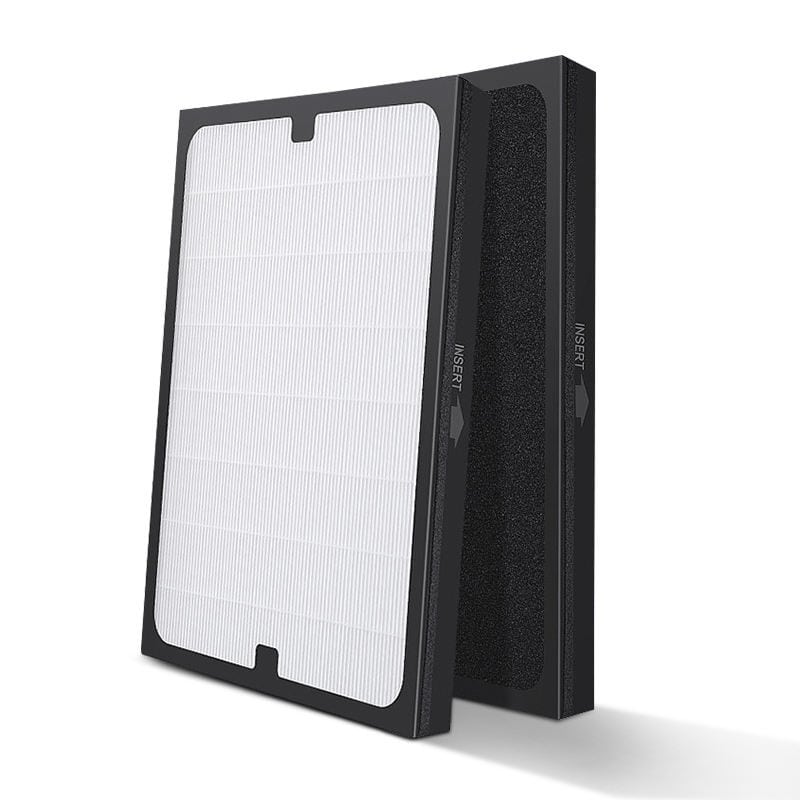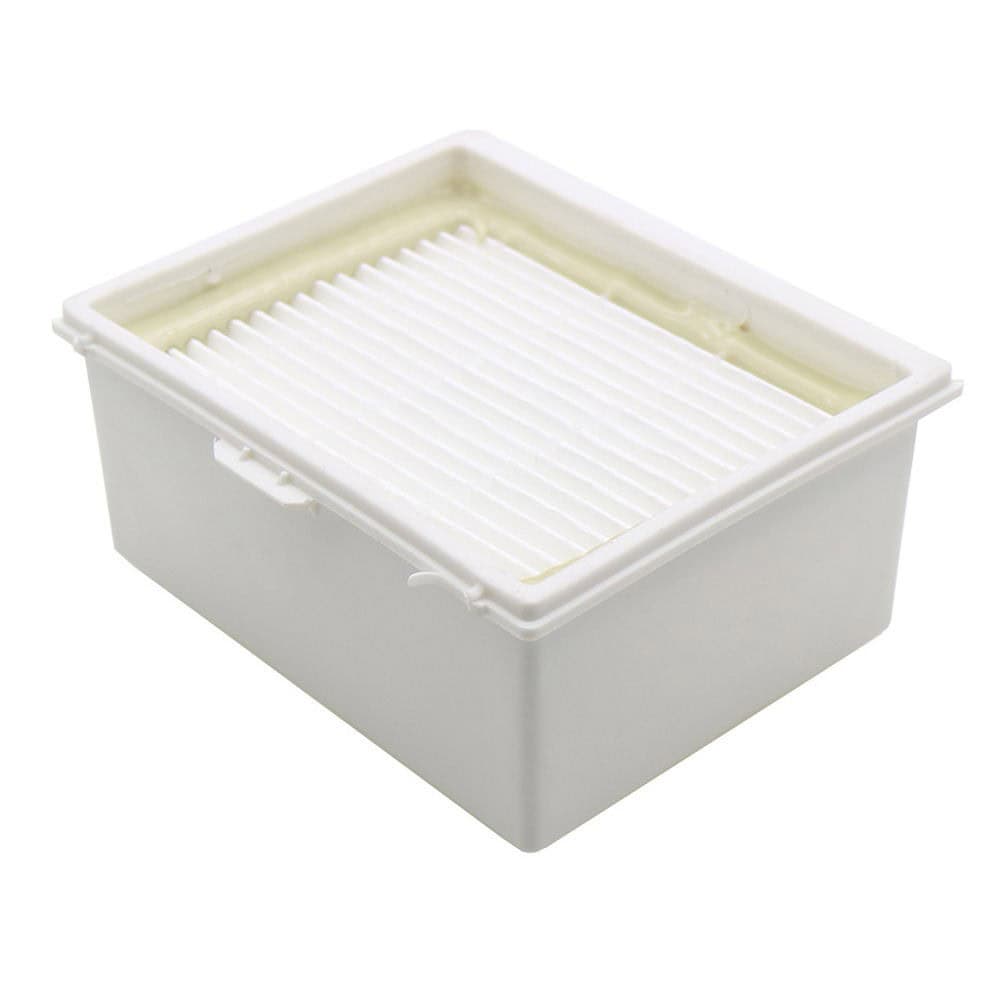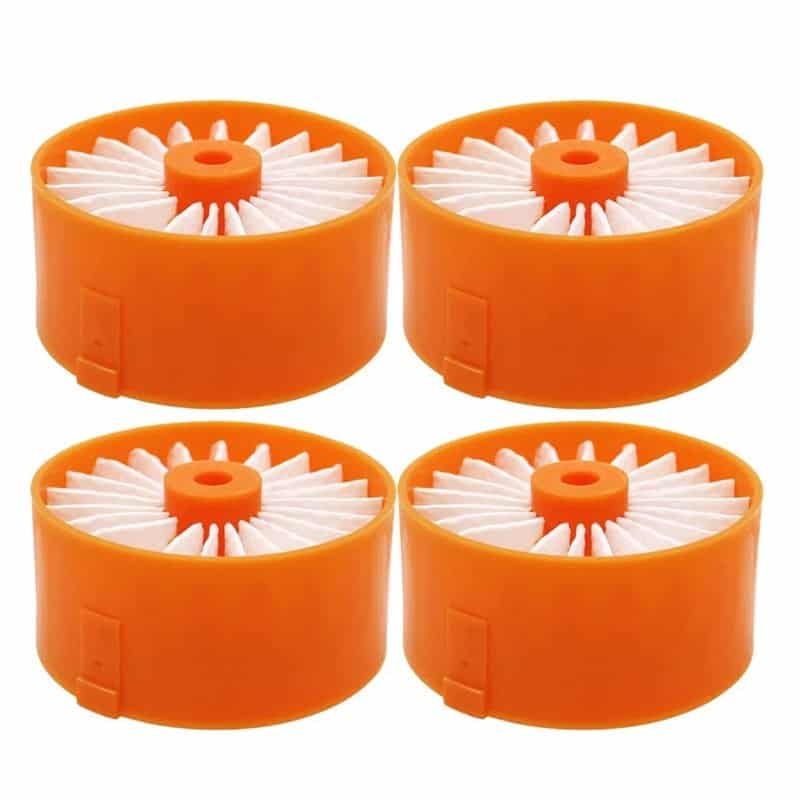
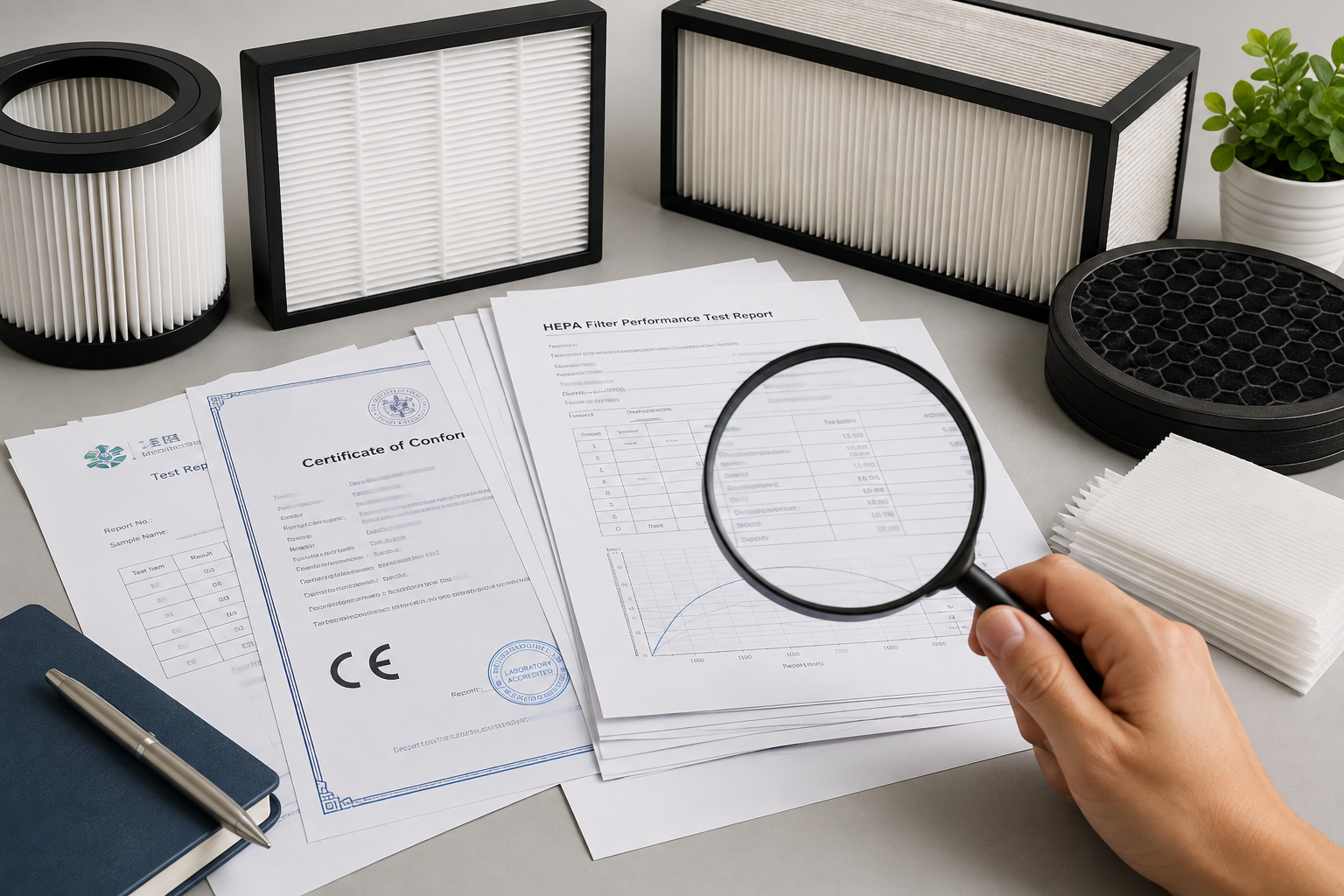
Sourcing a HEPA filter means sourcing a set of claims: a grade, an efficiency percentage, a compliance status. None of that means anything without the paperwork behind it. A supplier who can’t produce a real test report from an accredited lab, or a REACH declaration that actually names the substances checked, isn’t offering a certified HEPA filter. They’re offering a marketing description that happens to use the right vocabulary.
This guide covers the documents worth requesting before you place an order, what each one actually confirms, and where to verify that it’s genuine rather than a template a supplier fills in for every buyer who asks.
Certification Documents to Request From a HEPA Filter Supplier
| Document | What It Confirms | Where to Verify It |
|---|---|---|
| EN 1822 / ISO 29463 test report | Filtration efficiency and classification, tested at the most penetrating particle size. This is the reference method across most markets outside North America. Therefore, an ISO-certified manufacturer increases its competitiveness. | The current ISO 29463 series is published and maintained by ISO. |
| IEST-RP-CC001 test report | HEPA/ULPA classification tested at a fixed 0.3 micron particle size, the reference method used across the US market | Check the report against the current recommended practice published by IEST |
| RoHS Declaration of Conformity | Confirms restricted substances such as lead, cadmium, and mercury stay under the thresholds set for electrical and electronic equipment | Directive 2011/65/EU is maintained by the European Commission |
| REACH / SVHC declaration | States whether any Substance of Very High Concern is present above 0.1% by weight | Cross-check the substances named against ECHA’s Candidate List, which is updated several times a year |
| ISO 9001 certificate | Confirms the factory runs a documented quality management system. It does not confirm any individual filter passed inspection | Certification is issued by independent bodies, not by ISO itself; ISO explains how the process works |
| amfori BSCI audit report | Confirms labor and workplace conditions were assessed against amfori’s Code of Conduct | This is a monitoring audit rather than a pass or fail certificate; amfori explains the distinction |
| UL 900 classification | Confirms smoke generation and combustibility stay within limits for the filter unit, mainly relevant for the US market | Verify against the current standard maintained by UL Standards & Engagement |
| ISO/IEC 17025 lab accreditation certificate | Confirms the lab that issued the efficiency test report is itself accredited to produce valid, repeatable results | ISO’s overview notes that accreditation, not the test report alone, is what should be checked |
| Certificate of Conformance, per batch | Confirms a specific production batch met the agreed specification, distinct from a one-time type-test report | Ask for the batch or serial number on the certificate and match it against your actual shipment |
How to Verify a HEPA Filter Certification Is Genuine
A document with the right logo on it isn’t proof of anything on its own. Here’s what actually catches most problems.
| What to Check | Why It Matters |
|---|---|
| The lab behind the report, not just the report itself | An EN 1822, ISO 29463, or IEST-RP-CC001 test report is only as credible as the lab that issued it. Ask for the lab’s ISO/IEC 17025 accreditation number and cross-check it against the relevant national accreditation body. A report from an unaccredited in-house lab can use the same standard name and still not carry the same weight |
| Whether the standard edition is current | EN 1822-1 was revised in 2019, and ISO 29463 has gone through multiple editions since 2011. A test report referencing a superseded edition isn’t necessarily invalid, but it’s worth asking whether the supplier retested under the current version or is still circulating older data |
| Whether the REACH declaration names substances, not just a signature | A genuine SVHC declaration lists which substances were checked and confirms none are present above 0.1% by weight, or discloses which ones are. A declaration that only says “REACH compliant” without naming anything is closer to a promise than a document. Because ECHA updates the Candidate List multiple times a year, a declaration checked against an outdated list can be accurate on the date it was written and wrong by the time you receive it |
| What amfori BSCI actually certifies | amfori itself is explicit that BSCI is not a certification scheme. It’s a monitoring audit against a Code of Conduct, and the output is an audit report with findings, not a pass or fail badge. If a supplier presents a “BSCI certificate,” ask to see the underlying audit report instead |
| Whether it’s a factory certificate or a batch certificate | An ISO 9001 certificate tells you the factory has a quality system. It says nothing about the specific batch heading to your warehouse. For H13 and above, ask whether individual units or batches get serial-numbered test reports, not just a single type-test report covering the product line in general |
Certification Requirements Differ by Market
The certifications worth requesting depend heavily on where the finished appliance will be sold.
| Target Market | Core Documents Typically Required |
|---|---|
| European Union and UK | EN 1822 / ISO 29463 test report, RoHS Declaration of Conformity, REACH/SVHC declaration |
| United States and Canada | IEST-RP-CC001 test report, UL 900 classification if the filter is part of a listed appliance |
| Most retail and wholesale buyers, regardless of market | ISO 9001 certificate, amfori BSCI (or equivalent) audit report |
If you’re sourcing for more than one region, it’s worth requesting both the EN 1822/ISO 29463 and IEST-RP-CC001 reports up front rather than assuming one covers both. For a full breakdown of what else to specify before requesting a quote, see our HEPA filter RFQ template.
Red Flags in a Supplier’s Certification Package
A few patterns are worth pausing on before you place an order:
- The test report doesn’t name a specific accredited lab or accreditation number, only “third-party tested”
- The grade is listed as generic “HEPA” rather than a specific class such as H13
- The REACH declaration doesn’t name which substances were checked
- No batch-level Certificate of Conformance is offered for repeat production runs
- The BSCI reference is a signed Code of Conduct commitment rather than an actual audit report
None of these automatically mean a supplier is misrepresenting their product. Some are genuinely still finalizing paperwork for a new line. But each one is worth a direct question before the order is placed rather than after the sample arrives.
Reviewing Certification Documents Before You Order
Requesting the right documents only helps if someone on your side knows what a genuine one looks like versus a template filled in for every buyer who asks. If you’d rather have someone review a supplier’s certification package with you, our team checks documentation as part of our quality control process and will flag anything inconsistent, such as a grade claim that doesn’t match the test report attached to it. For questions on lead time and sample cost, check our FAQ, or submit your spec sheet directly and we’ll quote it against exactly what you send.