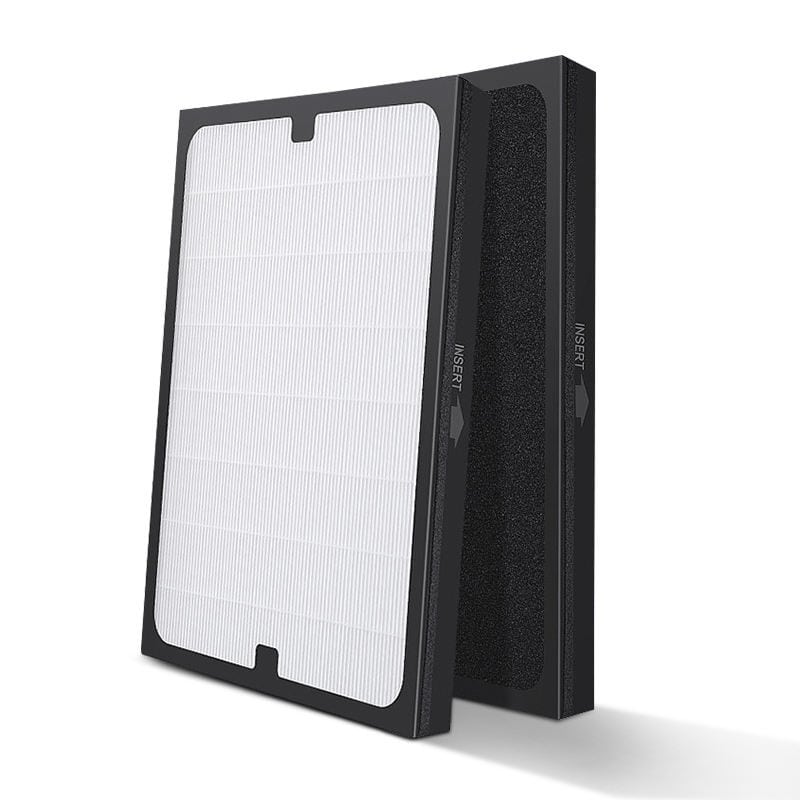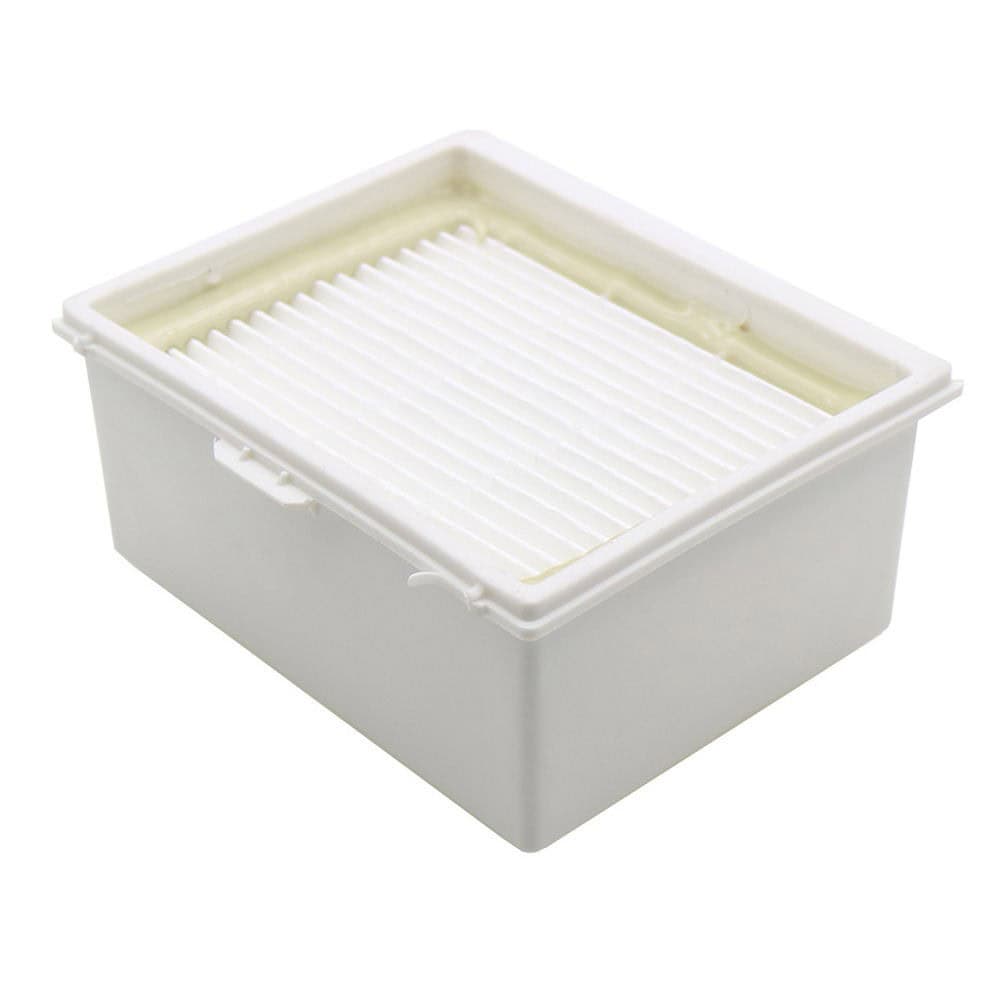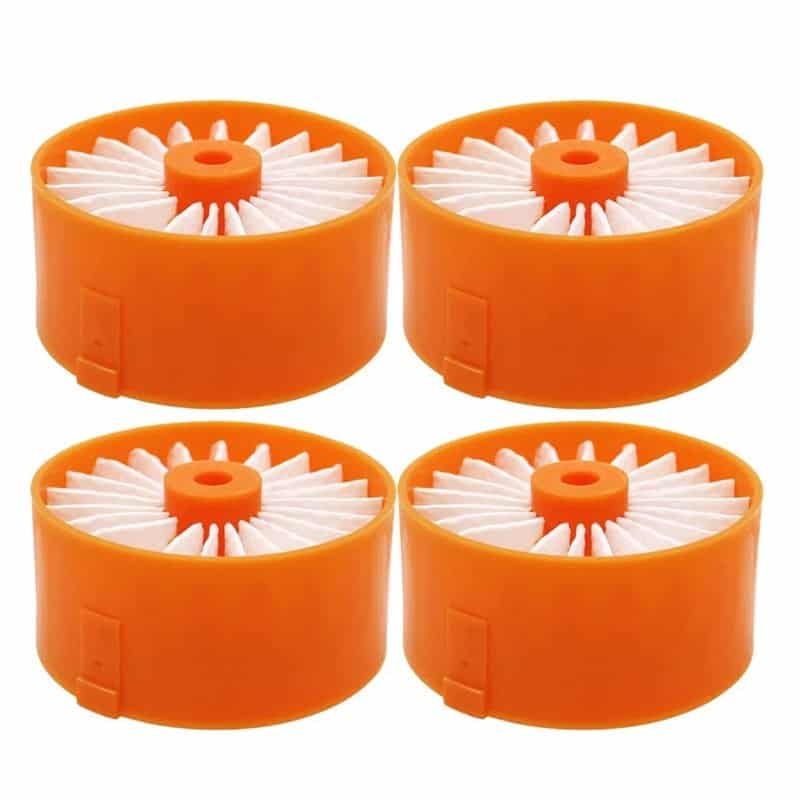

An RFQ that just says “HEPA filter, roughly this size, need a price” gets a supplier one of two ways: a lowball number that changes once they understand the real spec, or a delay while they send back a list of questions you could have answered up front. Either way, you lose a week you didn’t need to lose.
The fix is a specification sheet detailed enough that a supplier can quote it accurately without a back-and-forth. Below are the 25 specifications worth including, organized into six tables by category, along with what to include and why each one matters.
Product Identification Specs for Your HEPA Filter RFQ
| Specification | What to Include | Why It Matters |
|---|---|---|
| Appliance compatibility or model reference | Reference the closest comparable product on the market, even for a fully custom design | Gives a supplier a starting point for media and frame expectations |
| Replacement filter vs. new design | State which one this is | Suppliers price these very differently: a replacement filter may fit existing tooling, while a new design usually means new mold costs |
| Target market and region | Name the destination market | Determines which certifications, labeling language, and flammability standard apply later in the RFQ |
Filtration Performance Specs to Include in Your RFQ
| Specification | What to Include | Why It Matters |
|---|---|---|
| Filter grade or class | State it explicitly | “HEPA” isn’t a protected term and doesn’t specify a testable number on its own |
| Test standard | EN 1822 / ISO 29463 for most international markets, or IEST-RP-CC001 for North America | These use different reference particle sizes and reporting conventions; the supplier needs to know which one your compliance documentation will be checked against |
| Efficiency target and particle size | The percentage and the methodology it’s measured under | Avoids ambiguity between two methodologies that report results differently |
| Maximum initial pressure drop | A specific number, not “as low as possible” | Directly affects motor sizing, noise, and, for battery-powered products, runtime |
| Rated airflow | CFM or m³/h at your target pressure drop | Needs to tie to your fan or motor spec |
Physical Dimension Specs for HEPA Filter Suppliers
| Specification | What to Include | Why It Matters |
|---|---|---|
| External frame dimensions | Length, width, and height/depth in millimeters | Millimeters avoid the ambiguity inches can create for factories quoting from China |
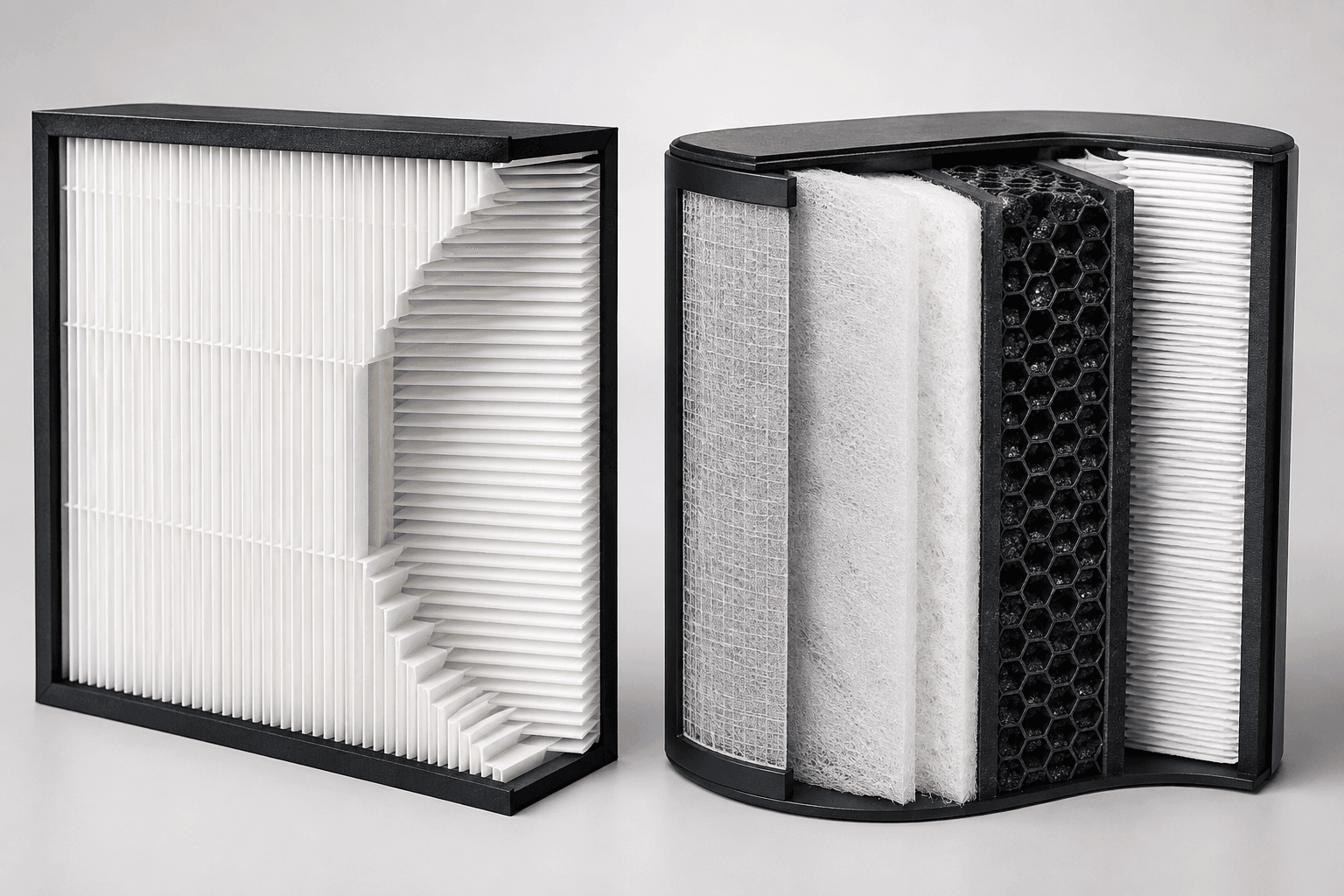
| Media pack depth | State separately from overall frame height | Affects filtration area and airflow resistance independently of the outer footprint |
| Dimensional tolerance | Acceptable variance, for example ±0.5mm on critical sealing surfaces | Don’t assume a supplier’s default tolerance matches what your housing actually needs |
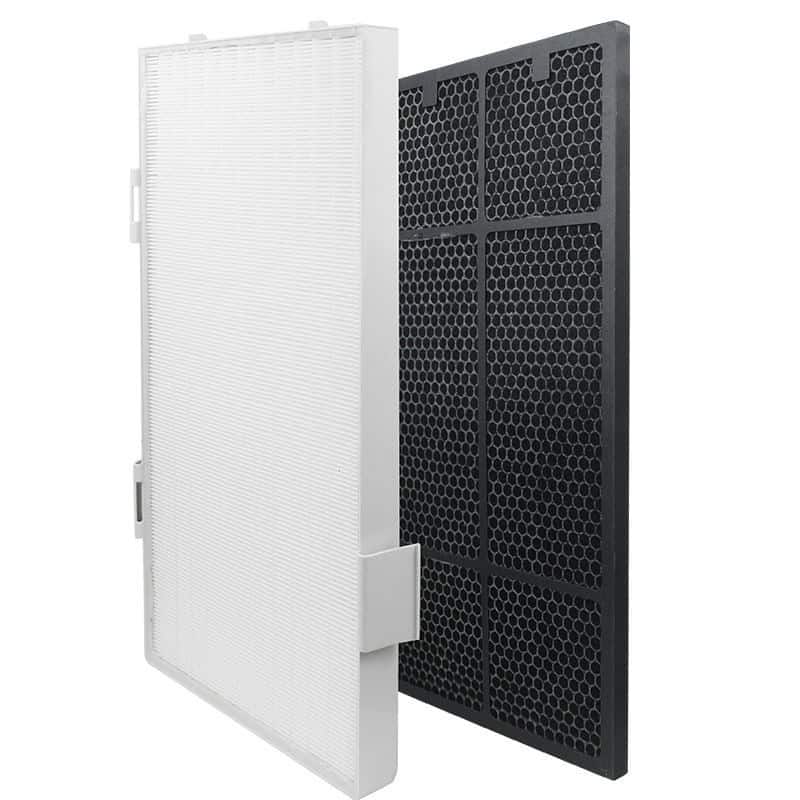
| Mounting orientation and airflow direction | Airflow direction, plus how the filter locates and seats: tabs, handles, locating pins, or a plain drop-in fit | Determines fit and installation into your housing |
| Weight limit, if relevant | A maximum weight | Matters most for cordless and handheld products where every gram affects balance and battery draw |
Material Specs Suppliers Need to Quote Accurately
| Specification | What to Include | Why It Matters |
|---|---|---|
| Media type | Glass fiber vs. synthetic (PET-based), or a stated preference | Glass fiber generally delivers higher efficiency at a given thickness; synthetic tends to be lighter and more moisture-resistant |
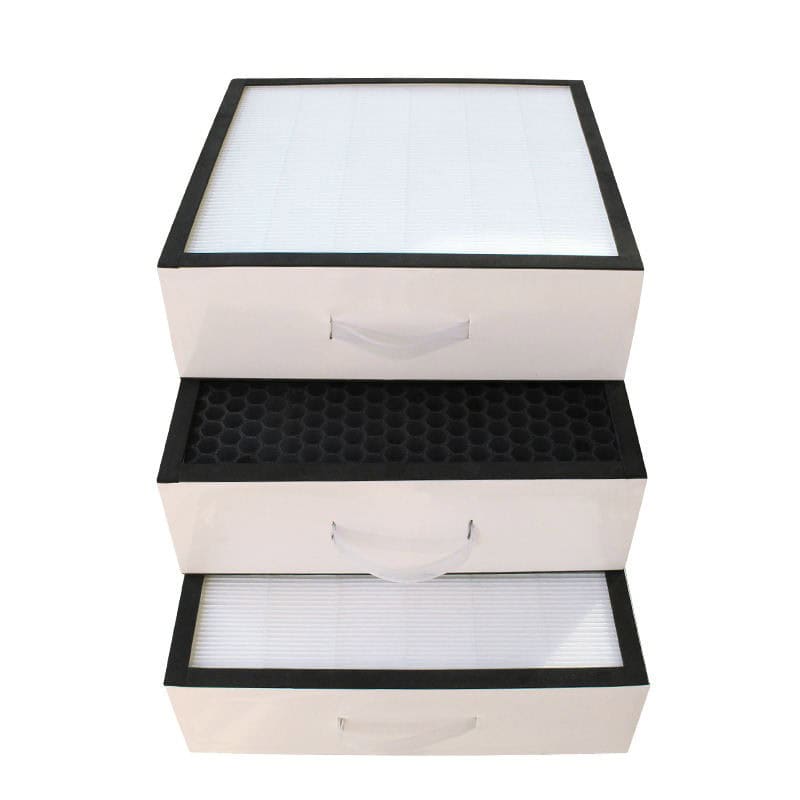
| Frame material | Injection-molded plastic, paperboard, or metal | Depends on the application and cost target |
| Gasket or seal type and material | Foam, gel, or felt | These behave differently under compression, which matters more once you’re sourcing H13 or above, where local efficiency depends on a leak-free seal |
| Adhesive and sealant specification | Any RoHS or REACH restrictions | Affects which adhesive chemistries are acceptable |
Certification and Documentation Specs for HEPA Filter RFQs
| Specification | What to Include | Why It Matters |
|---|---|---|
| Required certifications | List explicitly: RoHS, REACH/SVHC declaration, UL 900 flammability, ISO 9001, BSCI | A general “all necessary certifications” leaves room for a supplier to interpret it narrowly |
| Test lab accreditation requirement | Whether efficiency reports must come from an ISO/IEC 17025-accredited lab | Matters for retailer or regulatory requirements |
| Batch traceability requirement | Whether you need per-batch Certificates of Conformance, and for H13/H14, serial-numbered test reports per unit | Confirms traceability expectations up front |
Commercial Terms to Define in Your HEPA Filter RFQ
| Specification | What to Include | Why It Matters |
|---|---|---|
| Target MOQ | Your ideal first-order quantity and your realistic ceiling | Tells the supplier early whether it fits standard tooling or requires a custom mold |
| Target unit cost or cost ceiling | Even a rough number | Helps a supplier tell you quickly whether your spec is realistic at your target price |
| Incoterm | FOB, EXW, or DDP | Changes the quoted price significantly; needed up front to compare quotes accurately across suppliers |
| Lead time requirement | Sample lead time and mass production lead time, stated separately | These are usually quoted differently |
| Payment terms expectation | Deposit percentage and balance terms, or L/C terms | Stating this early avoids a late-stage renegotiation after pricing is already agreed |
Why an Incomplete HEPA Filter RFQ Leads to Inaccurate Quotes
It’s tempting to think a vague RFQ just means a slower response while the supplier asks clarifying questions. In practice, it’s worse than that: an underspecified RFQ often gets a fast quote anyway, built on the supplier’s default assumptions rather than yours. A supplier who isn’t told your pressure drop ceiling will quote against a typical assumption for that grade. A supplier not told your tolerance requirement will quote standard tolerance, which may be tighter or looser than your housing actually needs.
The result is a quote that looks complete and competitive, right up until the sample arrives and something doesn’t match what you expected. That mismatch isn’t the supplier’s fault in a meaningful sense; they quoted the information they had. It’s also not really your fault; most buyers don’t know all 25 of these specs matter until they’ve been through a mismatched sample once. The template exists to skip that lesson.
How Suppliers Process Your HEPA Filter RFQ Internally
Understanding how a factory processes your request helps explain why some fields matter more than others for speed. Performance specs typically get routed to an engineering or technical sales contact who checks feasibility. Commercial terms usually go to a separate sales or pricing contact. When both sets of information arrive together in one document, a supplier can often turn around a real quote in a few days. When they arrive piecemeal, the same quote can take two or three times as long, not because the work is harder, but because it’s being handled across multiple back-and-forth threads instead of one complete submission.
How to Use This HEPA Filter RFQ Template
You don’t need every field filled in with certainty: “not yet decided, please advise” is a legitimate answer for a spec you’re still finalizing, and a good supplier will flag which unknowns matter most for pricing versus which ones can wait until sampling. What actually slows quotes down isn’t incomplete information; it’s information that’s assumed rather than stated, because that’s what turns into a second or third round of back-and-forth after a quote has already been drafted.
If you’d rather work through this with someone directly instead of filling out a static form, our team reviews specs manually as part of our quality control process and will flag anything that looks inconsistent before quoting rather than after. Our OEM and ODM solutions page covers how custom cassette builds move from spec sheet to sample, and if your design needs a housing built around the filter itself, our HEPA filter cassette service covers both together. For common questions on lead time and sample cost, check our FAQ, or submit your spec sheet directly and we’ll quote it against exactly what you send.