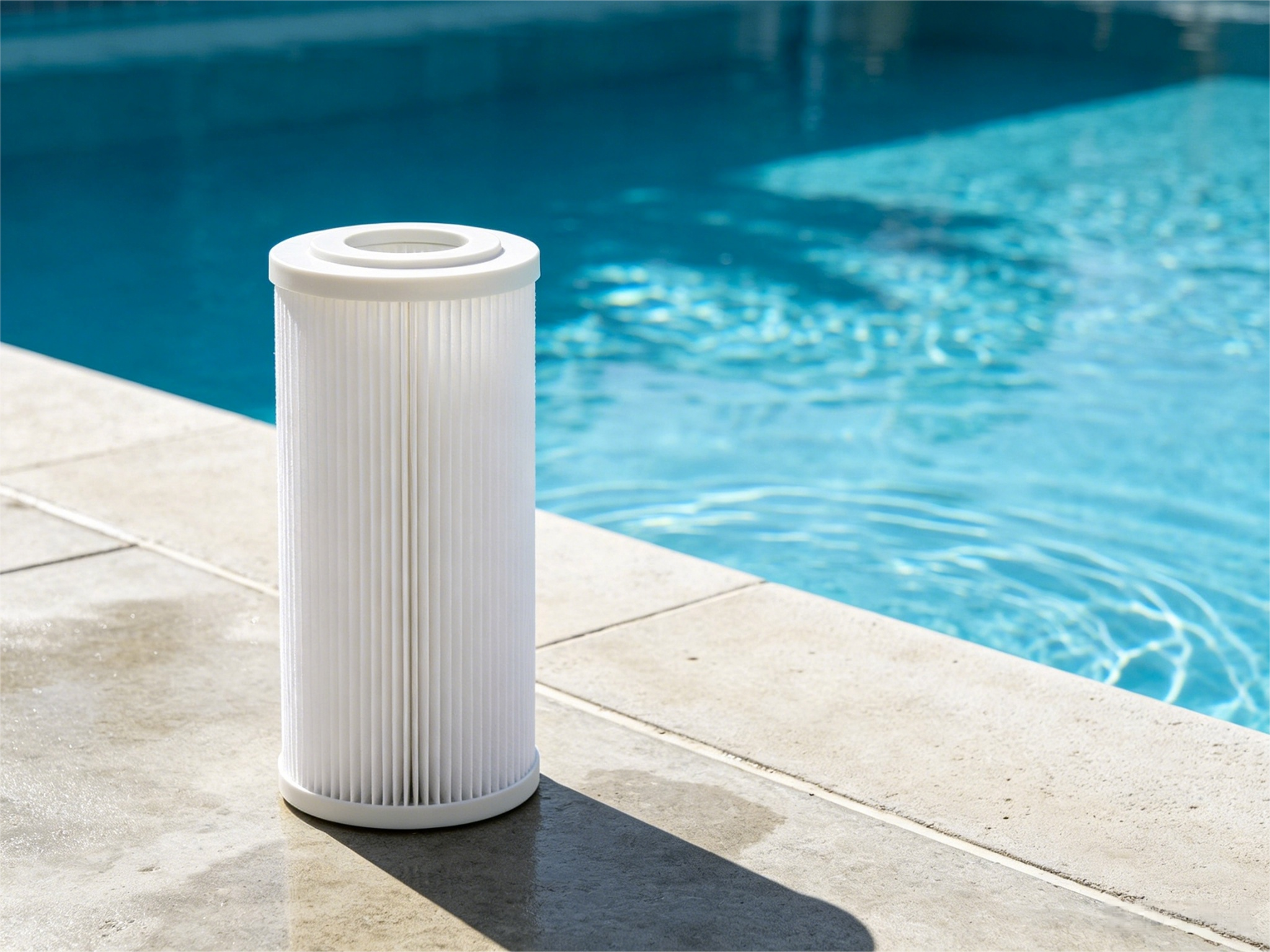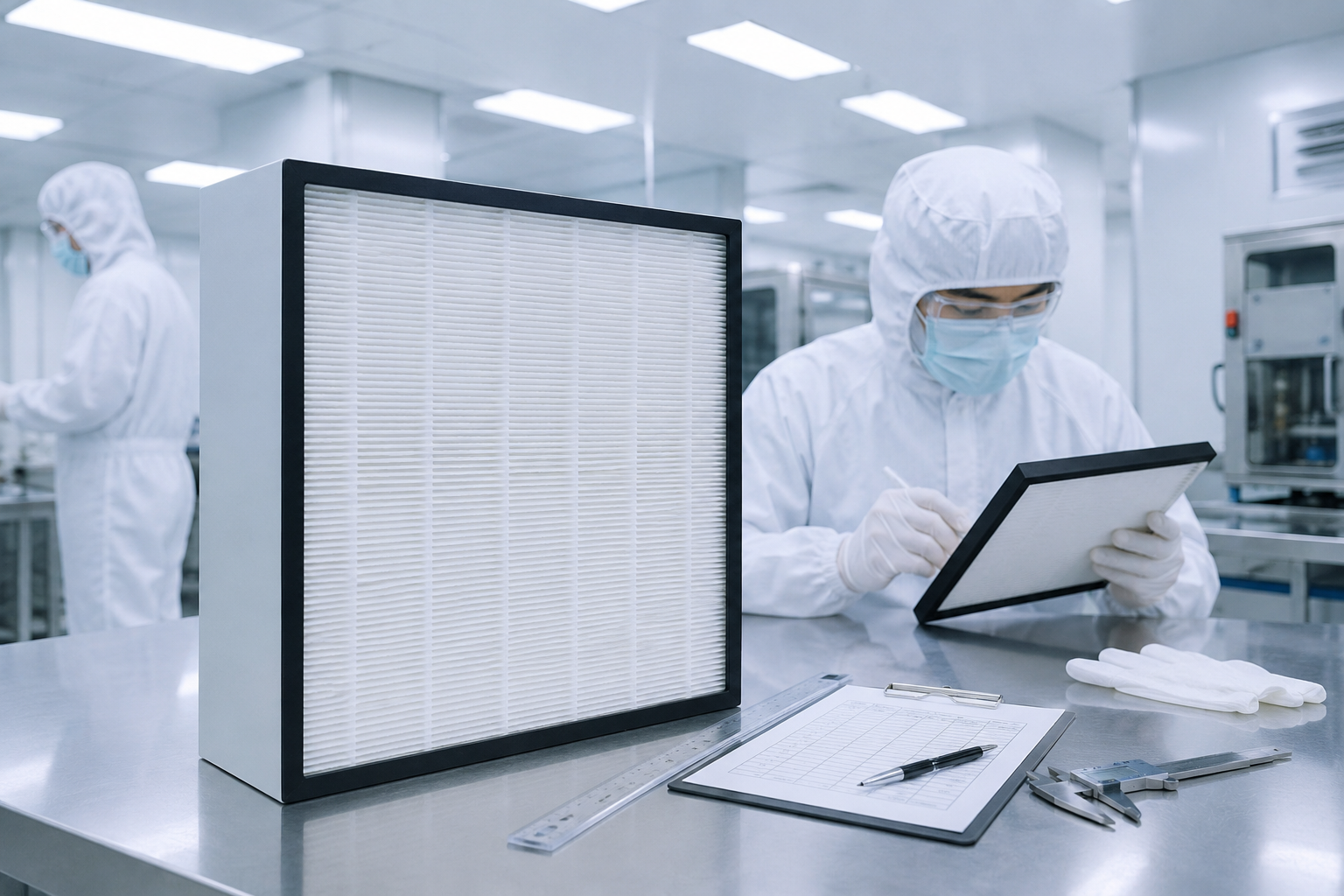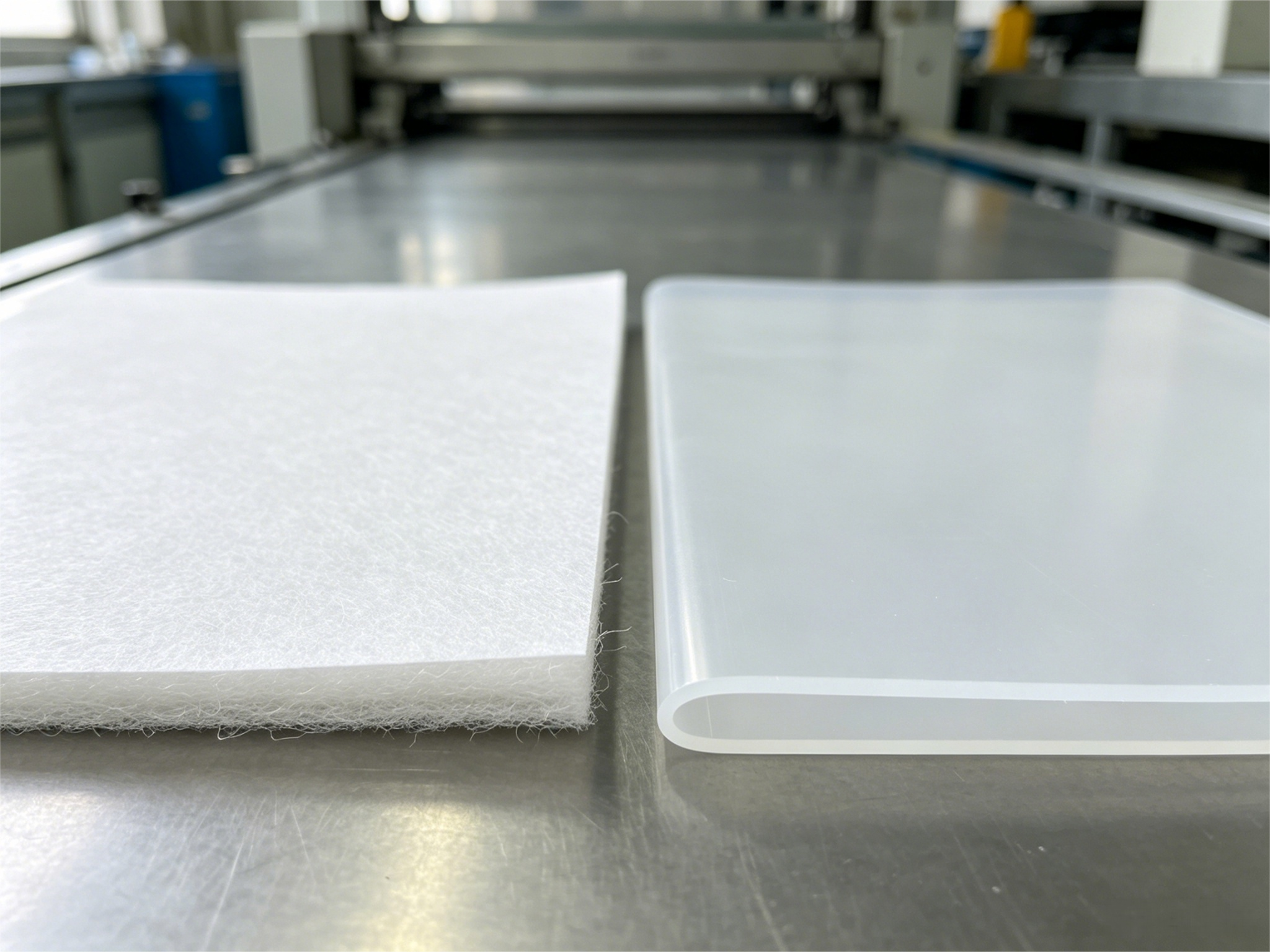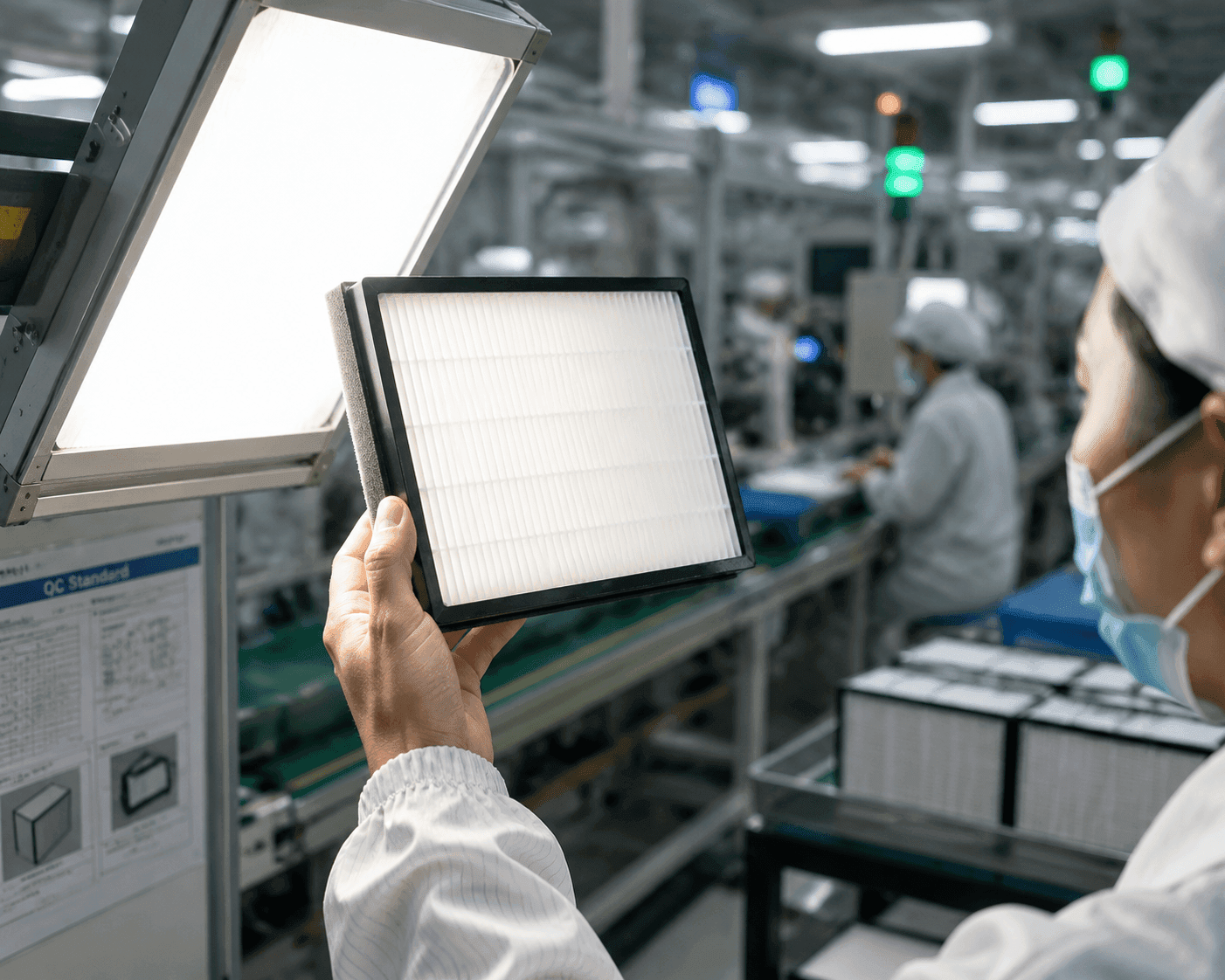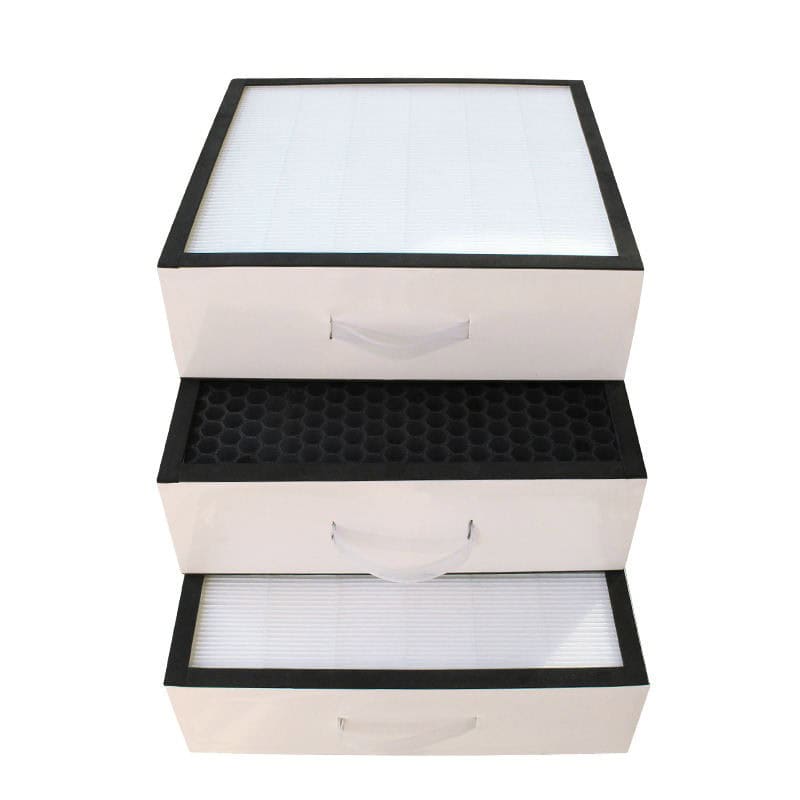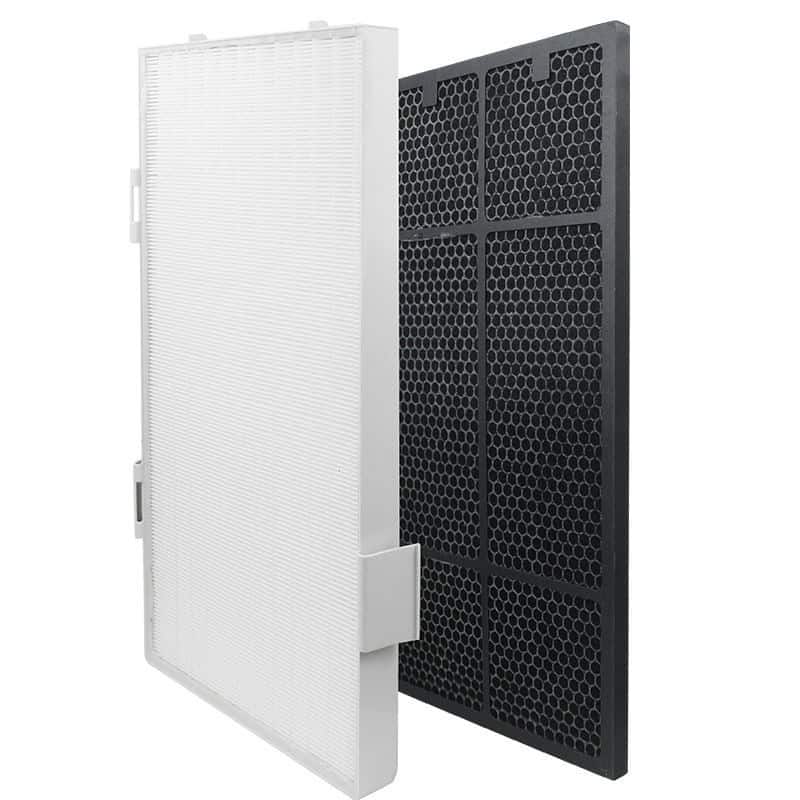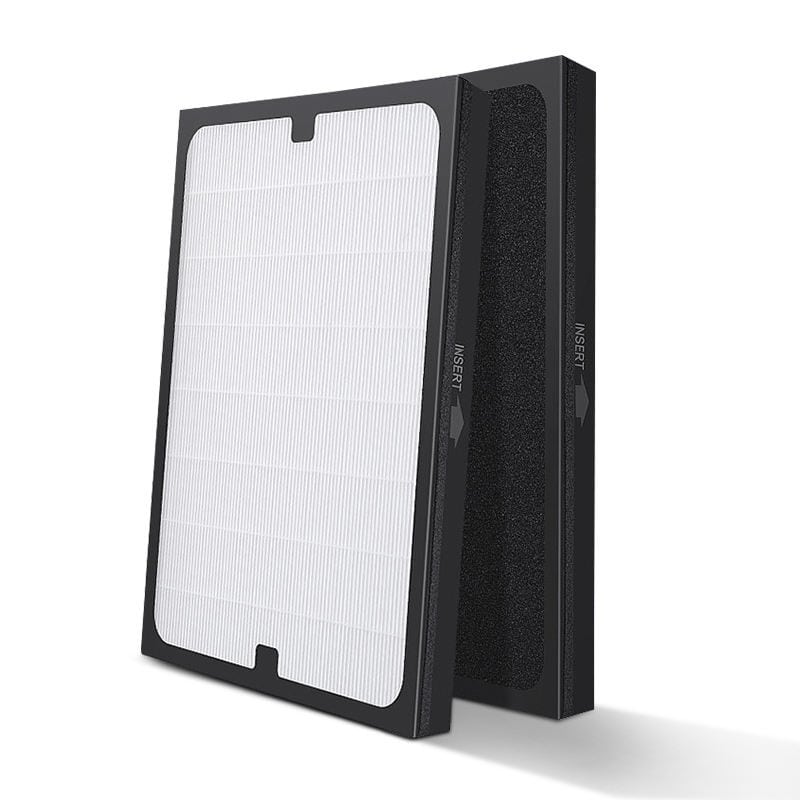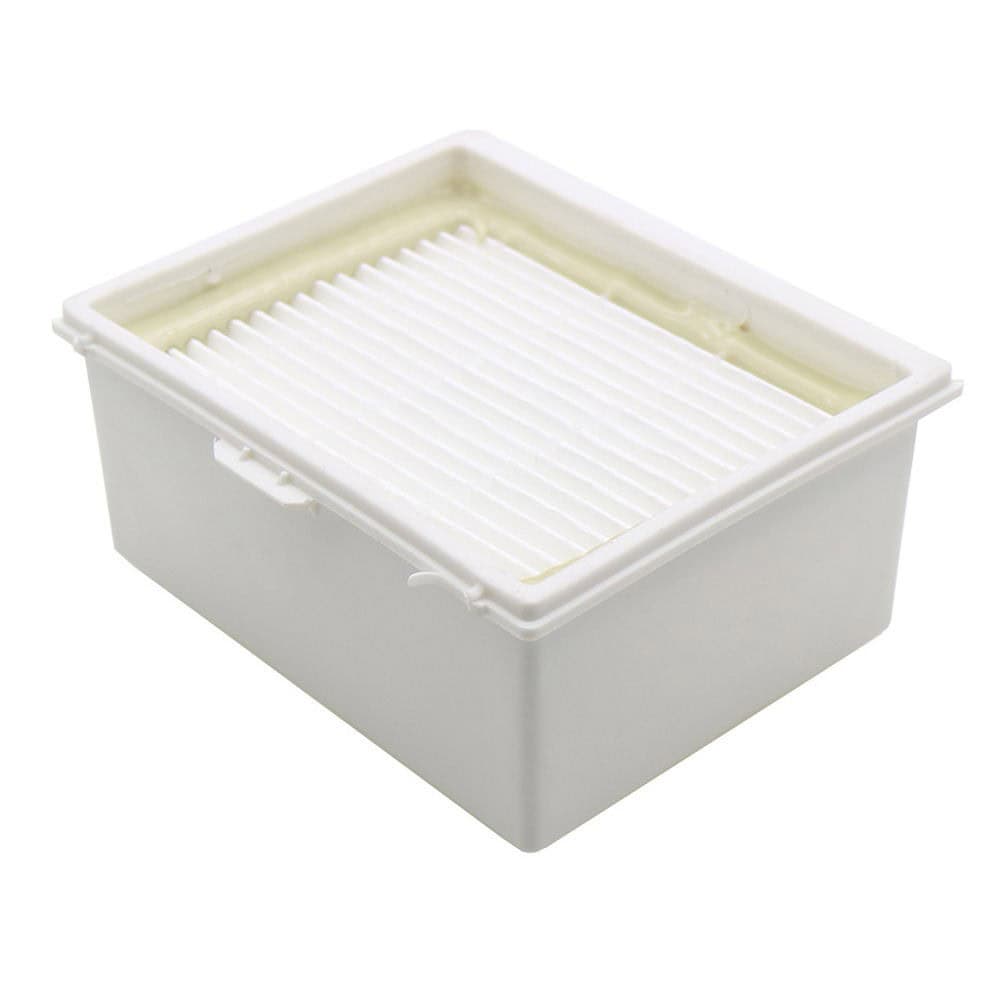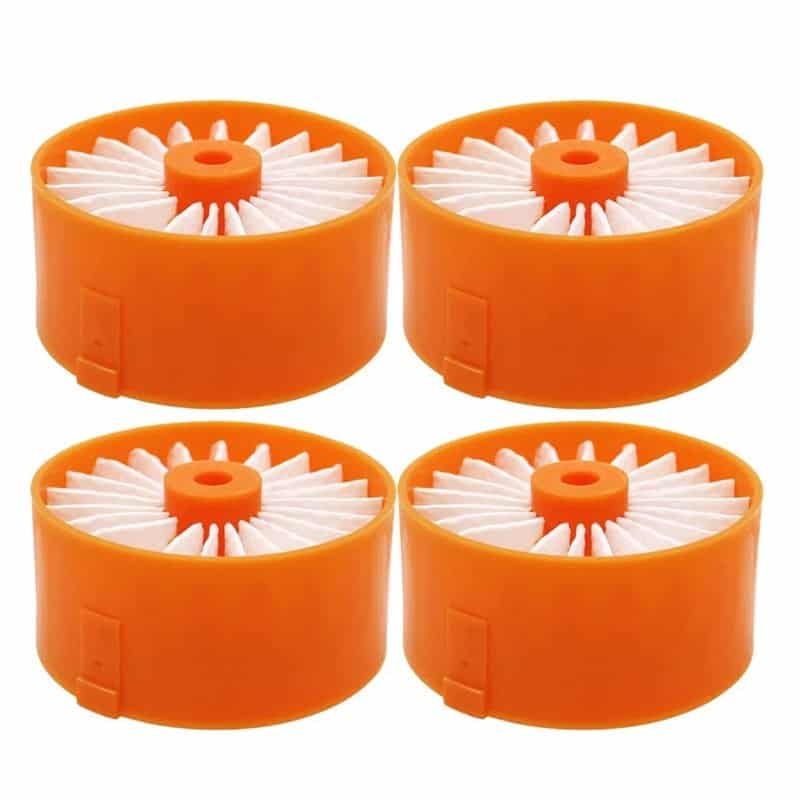
The heart of every air purifier is the HEPA filter cassettes. Each is a housing that surrounds the filter media. The cassette keeps its shape. The media does its job. It decides what goes through and what gets caught, how much air is moving, how long the filter lasts and how much it costs to run. Therefore, the most important decision in any design of air purification products is the selection of the proper filter media, but this is often treated as an afterthought.
This guide breaks down the major filter media types used in air filtration, explains their specs and maps them to the applications where they perform best.
What is filter media and how does it trap particles?
Filter media is a porous material that removes particles from a gas or liquid stream passing through it. The media in air filtration works by four physical mechanisms. Interception traps particles that contact a fiber as they move past. Impaction captures particles that are too heavy to follow the air stream around a fiber. Diffusion describes the random drifting of small particles into fibers by Brownian motion. Electrostatic attraction draws charged particles into fibers with an opposite charge.
Different media types depend on different combinations of these mechanisms. A HEPA media of glass fibers uses interception, impaction and diffusion. Electrostatic attraction is added by a melt blown respirator media. Knowing what is the dominating mechanism helps to understand why a media performs well in one room and badly in another.
Common Filter Media Types Used in Home Air Purifiers
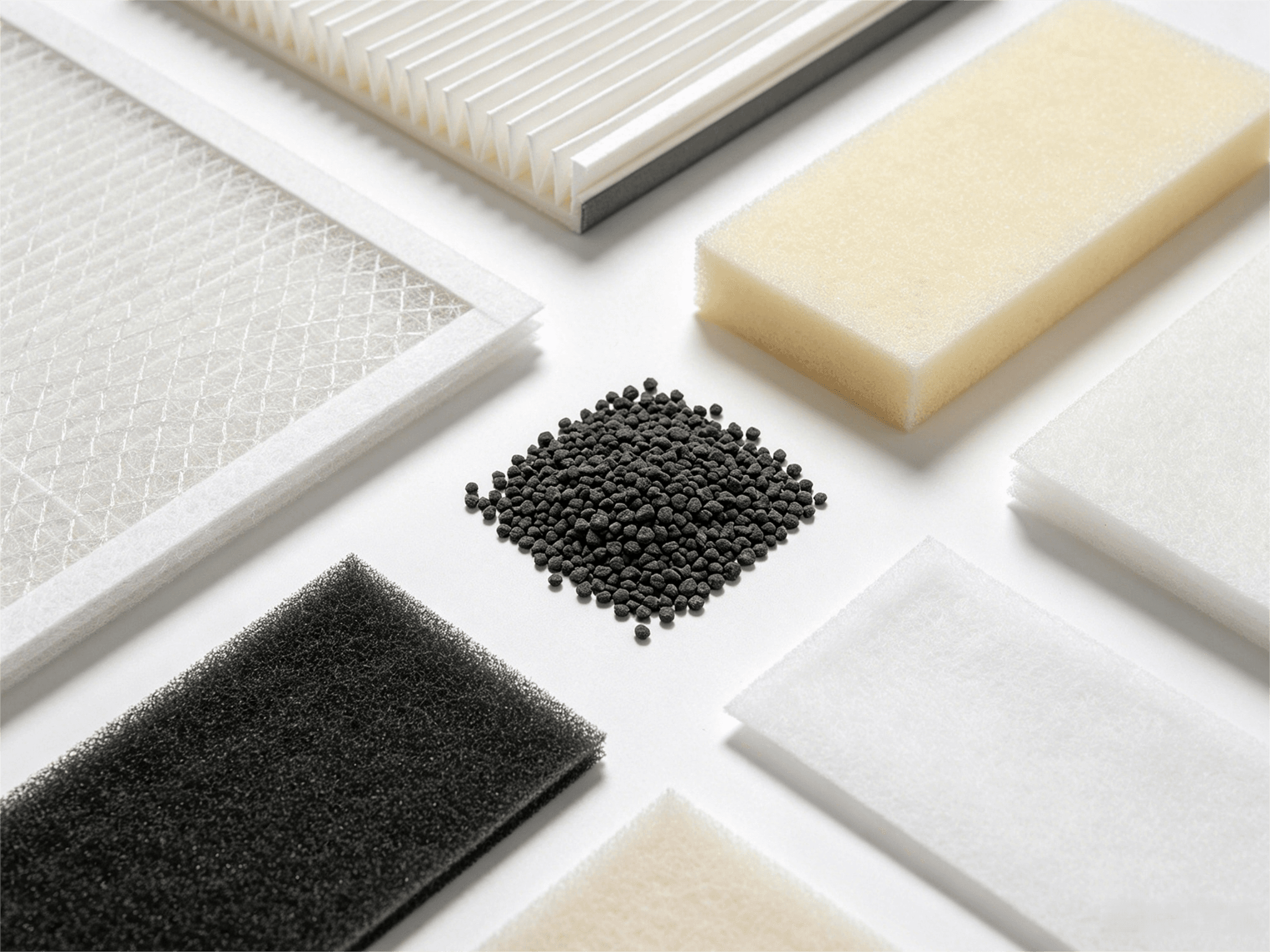
Seven materials account for nearly every filter media you will find in a home device. The table below compares each by efficiency range, filtration mechanism, where it shows up around the house, and the tradeoff you need to know before buying or specifying it.
| Filter Media | Efficiency Range | Primary Mechanism | Where You Find It at Home | Key Tradeoff |
|---|---|---|---|---|
| Glass fiber | H11–H13 | Interception + diffusion | Portable air purifiers, vacuum exhaust filters | Higher pressure drop, higher cost |
| Polypropylene | MERV 13–H13 | Electrostatic + mechanical | Budget air purifiers, some HVAC filters | Charge weakens over time, humidity sensitive |
| Polyester | MERV 8–MERV 13 | Interception | Furnace filters, air handler panels, pre filters | Cannot reach HEPA efficiency alone |
| Activated carbon | Gas phase only | Adsorption | Odor and VOC layers in air purifiers, range hoods | Does not capture particles, carbon mass determines life |
| Polyurethane foam | Pre filter only | Interception | Vacuum motor filters, pet hair pre filters | No fine particle efficiency |
| Cellulose / cotton blend | MERV 4–MERV 8 | Interception | Older furnace filters, cheap panel filters | Low efficiency, resistance rises fast when loaded |
| Melt blown polyester | MERV 11–MERV 13 | Interception | Mid range air purifiers, some HVAC upgrades | Lower max efficiency than glass fiber |
Glass fiber is the only material in this list that achieves true HEPA efficiency through purely mechanical means, which is why it sits inside almost every mid range and premium home air purifier despite costing more. Polypropylene and polyester dominate the budget and HVAC market because they deliver adequate performance at a fraction of the cost. Activated carbon always pairs with a particulate media, since it handles cooking smells and VOCs but not dust or pollen.
Less Common Filter Media Types for Home Use
Most homes never need anything beyond the seven materials above. But specific household situations call for media you will not find on the shelf at a hardware store.
| Filter Media | Efficiency | Key Property | Home Use Case |
|---|---|---|---|
| ePTFE membrane | H13–U15 | Ultra low pressure drop, chemically inert | High end air purifiers, whole home HEPA systems |
| Antimicrobial treated | Base media grade | Silver ion or biocide coating prevents mold and bacteria | Bathrooms, basements, humid climates, mold prone homes |
| PTFE coated glass fiber | H11–H13 | Resists chemical breakdown from gases and fumes | Homes near industrial areas, households with chemical sensitivities |
| Photocatalytic | Works with UV light | Breaks down formaldehyde and VOCs under UV | New construction off gassing, renovation dust, formaldehyde concerns |
| Zeolite | Gas phase | Reusable mineral adsorbent for ammonia and odors | Pet odor control, litter box areas, kitchen grease smells |
| Electrostatic cotton / polypropylene blend | Washable, MERV 8–MERV 11 | Reusable after washing, no replacement cost | Eco conscious households, permanent HVAC pre filters |
ePTFE is the most interesting option for homeowners who want the best. It delivers HEPA efficiency at a fraction of the pressure drop of glass fiber, which means the purifier fan runs quieter and uses less electricity. The high price per filter keeps it out of mainstream products, but premium brands use it for whole home systems. Antimicrobial treated media solves a real problem in damp homes where a standard filter becomes a breeding ground for mold after a few months. Photocatalytic media paired with UV light targets formaldehyde and VOCs from new furniture and paint, which regular HEPA cannot remove.
Filter Media for Home Air Purifiers and Residential HVAC
Residential air filtration breaks into three product categories, and the media stack is different for each.
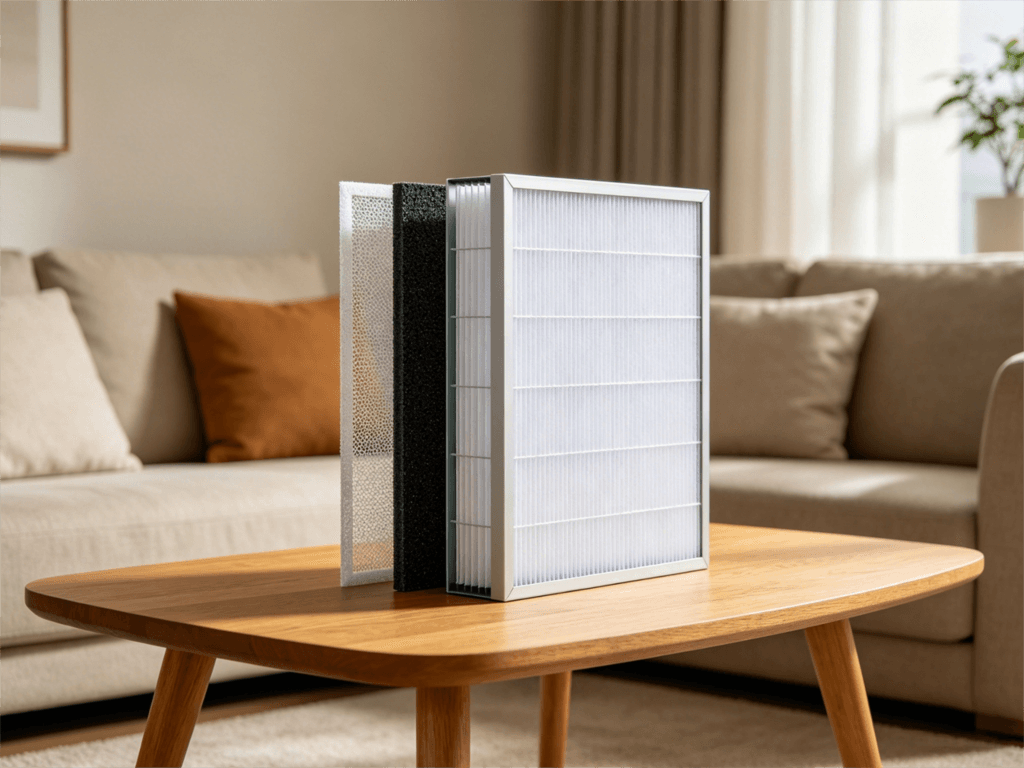
Portable air purifiers almost always use a multi stage cartridge. The first stage is a washable pre-filter, usually polyester mesh or polyurethane foam, that captures pet hair, lint, and large dust. The second stage is an activated carbon layer for cooking odors and volatile organic compounds. The third stage is a HEPA media, almost always glass fiber rated H11 to H13. H11 shows up in budget units under 100 dollars. H13 is the standard for anything marketed as true HEPA, and it is the grade most allergists recommend. Some high end devices add an antibacterial or antiviral coating on the HEPA media, or a photocatalytic layer for formaldehyde.
Residential HVAC systems use flat or pleated panel filters that slide into the furnace or air handler return duct. The standard media is polyester or a polyester cellulose blend, rated MERV 8 to MERV 13. MERV 8 captures most household dust and pollen and is the cheapest option. MERV 11 and MERV 13 capture smaller particles including mold spores and bacteria carriers, and they cost a few dollars more per filter. True HEPA media in HVAC format exists but is rare in homes because the high pressure drop requires a more powerful fan than most residential furnaces can handle.
Vacuum cleaners use a different media stack. A motor protection filter, usually foam or cloth, sits before the motor to prevent dust from damaging it. The exhaust filter, often a glass fiber HEPA H13, cleans the air leaving the vacuum so fine dust does not blow back onto the floor you just cleaned. Bagless vacuums add a cyclonic pre-separation stage that spins large particles out before they reach the media, which extends filter life and maintains suction.
How to Choose the Right Filter Media for Your Home
The right filter media depends on what is actually floating in your air, not what sounds most impressive on the box. Start with the problem you are trying to solve. Pollen and household dust are large enough that MERV 8 polyester handles them reliably, and a HEPA upgrade is not worth the extra cost. Wildfire smoke, urban PM2.5, and mold spores sit below 1 micron, so H13 glass fiber HEPA is the grade that matters. If someone in the home has severe allergies or asthma triggered by fine particulates, H13 is the minimum regardless of budget.
The room environment will narrow the options. A bathroom or basement with high humidity will degrade electrostatic polypropylene over time, so glass fiber is the safer choice. A home near a busy road or industrial area may benefit from PTFE coated glass fiber that resists chemical fumes. A newly renovated home with off gassing furniture needs activated carbon plus possibly a photocatalytic layer for formaldehyde, because HEPA alone cannot remove gases.
Finally, check the total cost rather than the sticker price. A filter that costs 30 percent more but lasts twice as long and runs at lower pressure drop will save money on replacements and electricity over a year. HIFINE manufactures custom HEPA filter cassettes and replacement cartridges with a range of media options for home air purifier brands, and their team can help match the media grade to the device airflow and target use case.
Key Takeaways
Filter media is the part of a home air filter that actually does the work, and the right choice depends on the room and the problem. Glass fiber HEPA is the standard for portable air purifiers because its efficiency is mechanical and does not fade. Polyester dominates residential HVAC because it is cheap and durable enough for household dust. Activated carbon handles cooking smells and VOCs but always pairs with a particulate media. For homes with specific needs, ePTFE, antimicrobial treated media, and photocatalytic layers solve problems that standard materials cannot. Match the media to the particle, the room humidity, and the budget, and calculate the full yearly cost before buying.