Tap water in most cities is technically safe to drink, but that does not mean it tastes good or that everyone trusts it. Chlorine aftertaste, sediment from old pipes, lead from older plumbing, and occasional boil water advisories push a lot of people toward buying bottled water or filling pitchers from the fridge. Both options get expensive and wasteful fast.
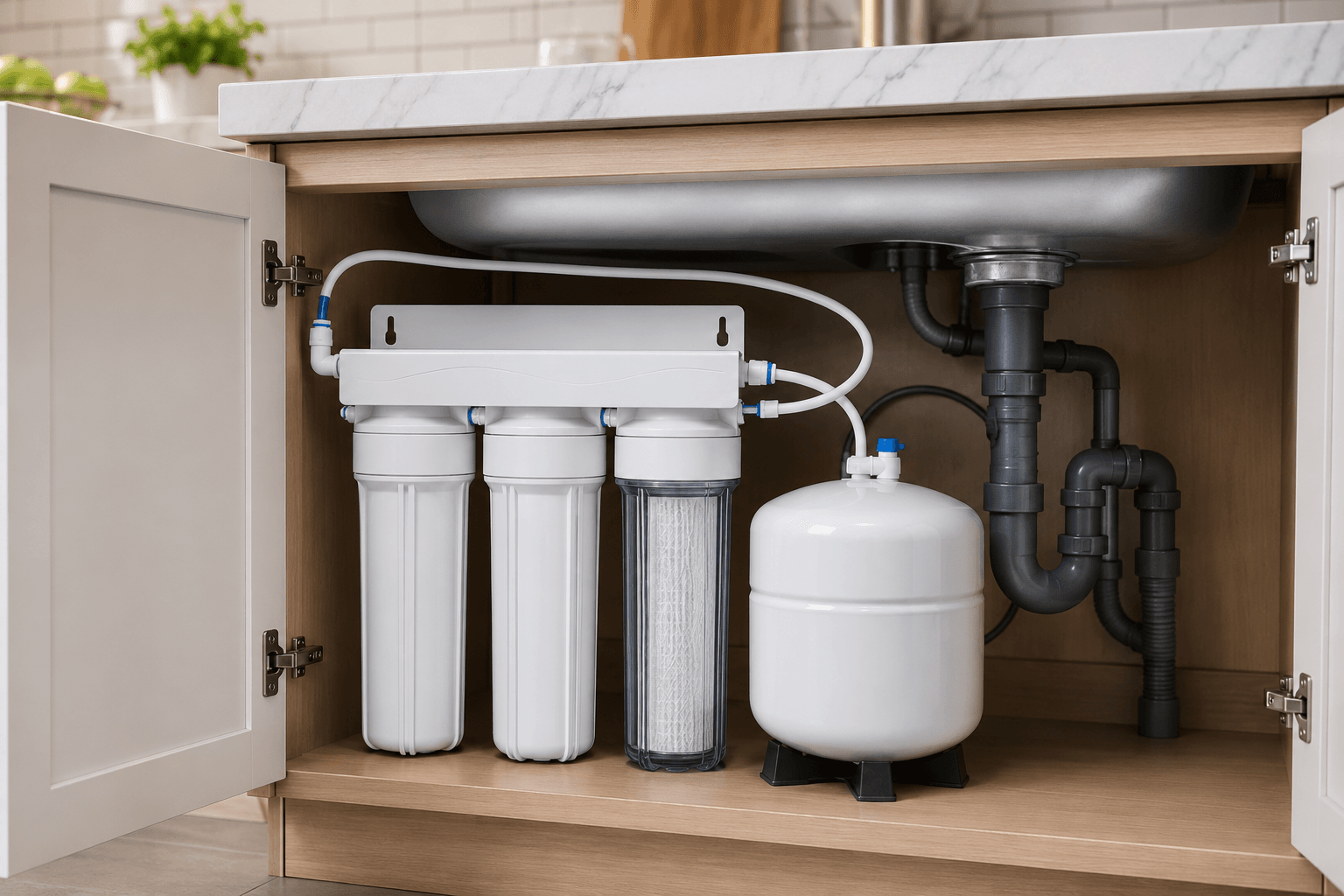
An under sink water filter sits out of sight under your kitchen counter, connects directly to your cold water line, and gives you filtered water from a dedicated faucet or your existing tap. No countertop clutter, no pitcher to refill, no plastic bottles stacking up by the door. This guide walks through the three main types you can buy, how to figure out which one fits your water and your kitchen, what installation actually involves, and what the filters cost to replace over time.
What an Under Sink Water Filter Actually Does
Cold water comes into your kitchen from the main water line. An under sink filter taps into that line before the water reaches your faucet. The water passes through one or more filter cartridges, then exits through a dedicated faucet mounted next to your main sink faucet, or through your existing faucet depending on the system.
What gets removed depends on the filter type. Basic carbon filters take out chlorine, bad tastes, and some organic chemicals. Reverse osmosis systems remove almost everything, including heavy metals, fluoride, and total dissolved solids. Ultrafiltration systems sit in between, catching bacteria and sediment while letting minerals pass through.
The big advantage over countertop pitchers or faucet mounted filters is flow rate and capacity. A pitcher takes minutes to fill and only holds a quart or two. An under sink system can deliver a gallon or more per minute, enough for cooking, drinking, and filling a pot for pasta without waiting around.
The Three Main Types
Most under sink water filters fall into one of three categories. Some systems combine two types, usually a carbon pre filter plus reverse osmosis. The table below compares all three side by side.
| Filter Type | What It Removes | Waste Water | Installation Complexity | Typical Price |
|---|---|---|---|---|
| Activated carbon | Chlorine, taste, odor, some chemicals | None | Easy, no power needed | 50 to 200 dollars |
| Reverse osmosis | Heavy metals, fluoride, TDS, bacteria, viruses | Yes, 3 to 4 gallons wasted per gallon produced | Moderate, needs drain connection | 200 to 600 dollars |
| Ultrafiltration | Bacteria, sediment, cysts | None | Easy to moderate | 150 to 400 dollars |
Activated Carbon Filters
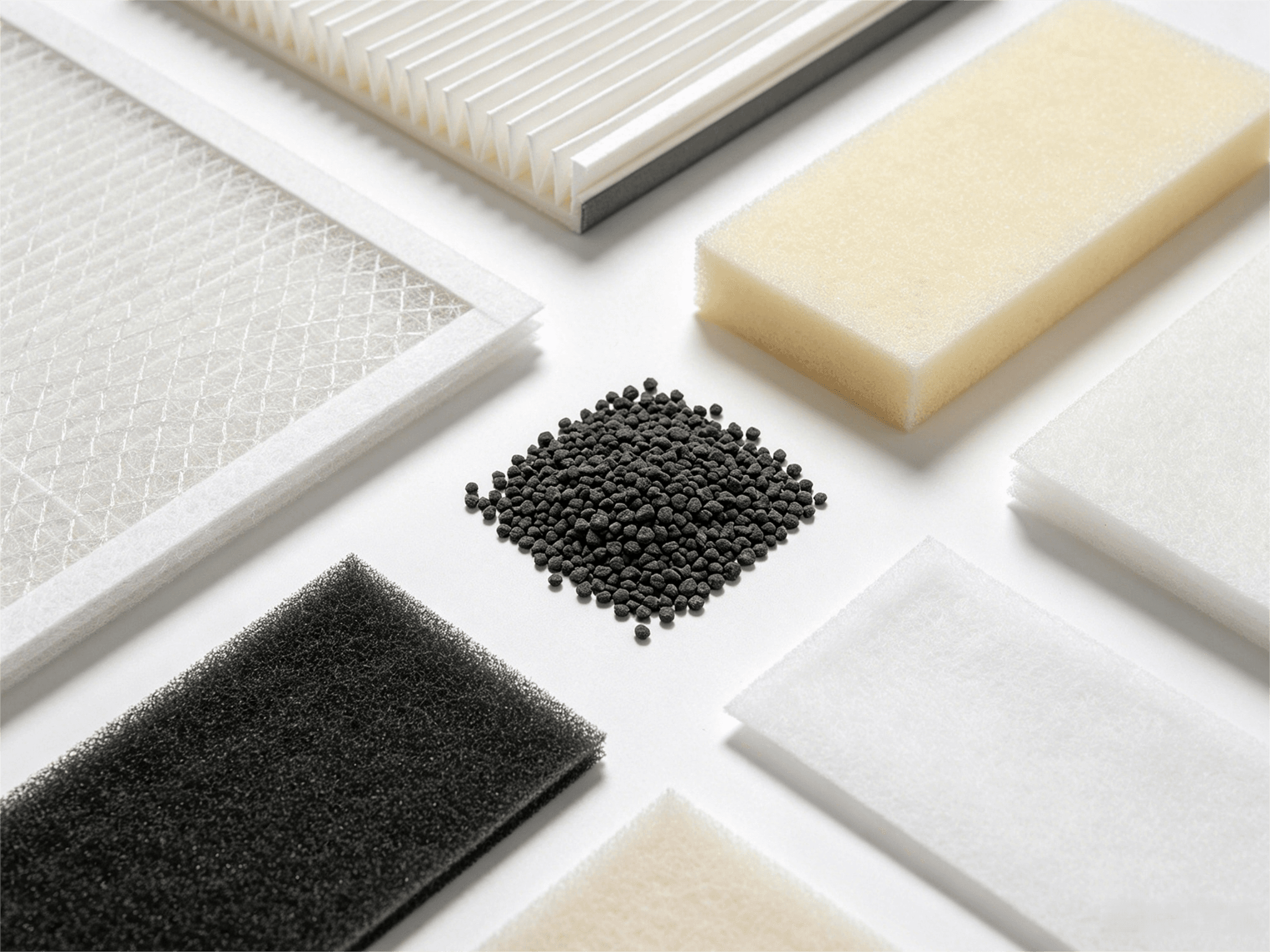
These are the simplest and cheapest option. Water passes through a carbon block or granular carbon cartridge, and the carbon absorbs chlorine, organic compounds, and bad tastes. They do not remove dissolved minerals, heavy metals, or fluoride. If your water comes from a municipal supply and your only complaint is the taste, a carbon filter is usually enough.
Carbon filters do not need electricity, do not waste water, and install in about 20 minutes. You screw a mounting bracket to the cabinet wall, connect the inlet and outlet tubing with quick connect fittings, and mount a dedicated faucet through a hole in your sink deck. Most kits include everything you need, including the faucet.
The downside is that carbon filters clog faster than other types if your water has a lot of sediment. A pre sediment filter can extend the life of the carbon cartridge, and some systems include one as standard.
Reverse Osmosis Systems
Reverse osmosis, usually called RO, pushes water through a very fine membrane that catches almost everything. Heavy metals like lead and arsenic, fluoride, nitrates, sodium, and total dissolved solids all get removed. The water that comes out is very pure, close to distilled water in mineral content.
RO systems produce waste water. For every gallon of clean water, an RO system sends 3 to 4 gallons down the drain. That is the trade off for such thorough filtration. Newer systems have better ratios, some as low as 1 to 1, but those cost more upfront.
Installation is more involved. An RO system needs a connection to the cold water line, a drain connection for the waste water, a dedicated faucet, and usually a storage tank that sits under the sink. The tank holds purified water so you get decent flow when you open the faucet, because the RO membrane itself produces water slowly. Plan on 1 to 2 hours for a first time install.
RO water tastes very clean, but some people find it flat because it has no minerals. A few systems include a remineralization stage that adds calcium and magnesium back in after filtration. If you like the taste of mineral water, look for one of those.
Ultrafiltration Systems
Ultrafiltration, or UF, uses a hollow fiber membrane with pores small enough to catch bacteria, cysts, and sediment, but large enough to let dissolved minerals pass through. UF does not remove heavy metals or fluoride, so it is not a good choice if those are your main concerns. It is popular in areas where bacterial contamination is a risk but the mineral content of the water is fine.
UF systems do not waste water and do not need electricity. Installation is similar to a carbon filter, maybe slightly more complex because of the membrane housing. Flow rate is usually good, and the membranes last a year or two before replacement.
How to Choose the Right Filter Cartridge for Your Kitchen
Start With Your Water Quality
Start with your water. If you are on city water, you can usually request a water quality report from your water provider for free. It will list chlorine levels, total dissolved solids, lead, and any contaminants that have shown up in testing. If you are on well water, you should get the water tested. A basic test kit costs 20 to 30 dollars and gives you enough information to choose a filter type.
Chlorine taste and odor alone usually means a carbon filter is enough. High total dissolved solids, heavy metals, or fluoride concerns call for reverse osmosis. When bacteria is the main concern and you want to keep minerals, ultrafiltration is the right pick.
Match the System to Your Usage
Next, consider how much filtered water you use. A household of one or two people who mostly drink water and cook occasionally will be fine with any type. A family of four that cooks with filtered water, makes coffee and tea, and fills water bottles for school will want a system with good flow rate and a decent size storage tank if going with RO.
Check Under Sink Space
Under sink space matters too. RO systems need room for the filter housings, the membrane, and a storage tank. Measure the width and depth of your under sink cabinet before buying. If the cabinet is full of cleaning supplies and a garbage disposal, a compact carbon filter might be the only option that fits.
Budget and Ongoing Cost
Budget is the last factor. Carbon filters are cheapest to buy and cheapest to maintain. RO systems cost more upfront and have more filters to replace, usually three or four cartridges plus the membrane. UF sits in the middle. Calculate the annual filter replacement cost before buying, because a cheap system with expensive replacement filters can cost more over three years than a slightly pricier system with affordable cartridges.
Installation Basics
What You Need Before You Start
Most under sink water filters come with everything you need for installation, including tubing, a faucet, and a saddle valve that taps into your cold water line. If you have basic tools and are comfortable working under a sink, you can usually do it yourself in under an hour for a carbon filter, or 1 to 2 hours for an RO system.
Step by Step Installation
The first step is shutting off the cold water under the sink. Then you connect the inlet saddle valve to the cold water line. The saddle valve pierces the pipe and creates a connection point without needing to solder or cut pipe. Tighten it evenly so it does not leak.
Next, mount the filter housing or system bracket to the inside wall of the sink cabinet. Make sure it is high enough that you can remove the filter cartridges for replacement without hitting the bottom of the cabinet. Connect the inlet tubing from the saddle valve to the filter inlet, and the outlet tubing from the filter to the dedicated faucet.
For RO systems, you also need to connect the waste water line to a drain. Most kits include a drain saddle that clamps around your sink drain tailpiece and has a fitting for the waste tube. Drill a small hole in the tailpiece, attach the saddle, and connect the tube. Make sure the waste line has a downward slope so water flows freely and does not siphon back.
The dedicated faucet mounts through a hole in your sink deck. Most sinks have a pre drilled hole for a sprayer or soap dispenser that you can use. If not, you will need to drill one. Stainless steel sinks drill easily with a hole saw, but porcelain sinks are trickier and you may want to call a plumber.
After everything is connected, turn the water back on and check for leaks. Run water through the system for 10 to 15 minutes to flush out carbon fines and activate the filters. For RO systems, the first tank of water should be discarded because it may contain preservatives from the membrane.
When to Call a Plumber
If any of this sounds beyond your comfort level, a plumber can install most under sink filters in under an hour. It is usually a 75 to 150 dollar job, money well spent if you are not confident about working with water lines.
Filter Replacement and Ongoing Cost
How Long Filters Last
Filters wear out. How fast depends on your water quality and how much water you use. A carbon filter in a household with average water and moderate use usually lasts 6 to 12 months. An RO pre filter and post filter last 6 to 12 months, while the RO membrane itself lasts 2 to 5 years. UF membranes usually last 1 to 2 years.
Most systems have some kind of indicator. Cheaper ones just have a sticker you write the install date on. Better systems have an electronic timer that beeps when replacement is due, or a flow meter that tracks actual water usage. The most accurate systems test water quality and alert you when the filter is no longer performing.
Going by a calendar reminder works fine for most people. Set a reminder on your phone for 6 months after install, and check the filter at that point. If your water has a lot of sediment or chlorine, you may need to replace sooner. If the flow rate drops noticeably, that is another sign the filter is clogging.
Replacement Cost by Type
Replacement filter cost varies a lot by brand and system type. Carbon replacement cartridges usually cost 20 to 50 dollars each. RO replacement sets, including pre filter, post filter, and membrane, can cost 80 to 200 dollars per year. UF membranes cost 50 to 100 dollars.
Before buying a system, look up the replacement filter prices and calculate the annual cost. Some brands sell cheap systems but charge a fortune for replacement filters, which is a common gotcha.
Third Party vs Brand Name Filters
Third party replacement filters are available for many systems and can cost half as much as brand name filters. Quality varies, so read reviews before buying. Some systems use proprietary filter shapes that lock you into the brand, which is worth checking before you buy.
Popular Brands and What They Offer
Several brands dominate the under sink water filter market. The table below gives a quick overview of the major players.
| Brand | Strengths | Typical Price Range | Filter Types Offered |
|---|---|---|---|
| Aquasana | Whole house and under sink, good carbon systems | 150 to 500 dollars | Carbon, RO |
| Waterdrop | Budget friendly, compact RO systems | 100 to 300 dollars | Carbon, RO, UF |
| Brita | Faucet and pitcher mainly, some under sink | 80 to 200 dollars | Carbon |
| APEC | RO specialist, good warranty | 200 to 500 dollars | RO |
| iSpring | Wide range, good value | 100 to 400 dollars | Carbon, RO, UF |
| Culligan | Whole house and under sink, dealer network | 200 to 600 dollars | Carbon, RO |
| Pentair | Commercial and residential, high end | 300 to 800 dollars | Carbon, RO, UF |
This list covers the most common brands you will see in the US market. New brands launch regularly, especially on Amazon, so read recent reviews and check replacement filter availability before buying a lesser known brand.
Purchase immediately
Anyone who sells under sink water filters quickly runs into the same problem. The big brands lock customers into proprietary filter shapes, so replacement cartridges only work with that brand’s system. That is great for the brand’s recurring revenue, but terrible for retailers and distributors who want to offer affordable third party replacements. It also frustrates end customers who feel trapped.
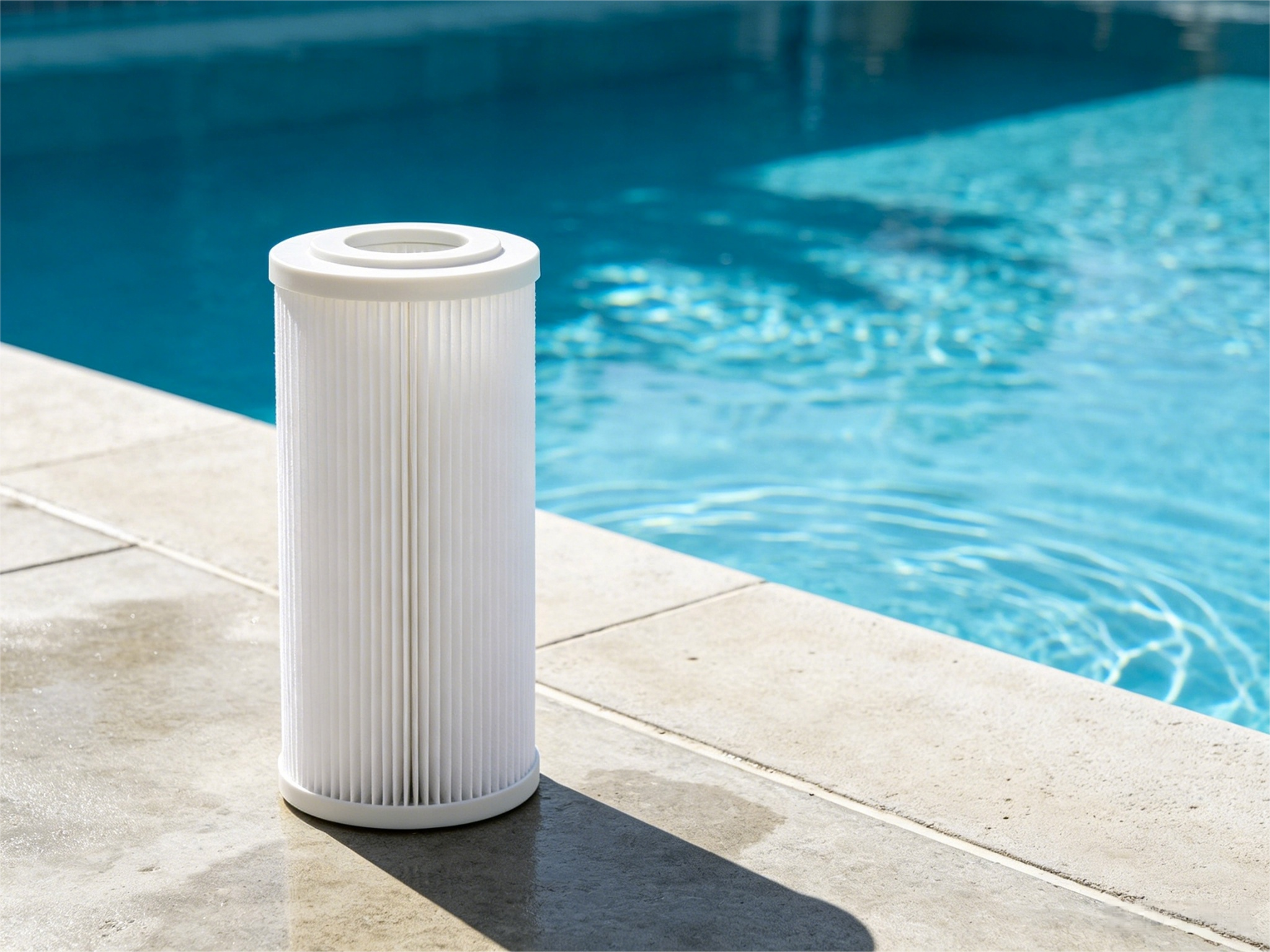
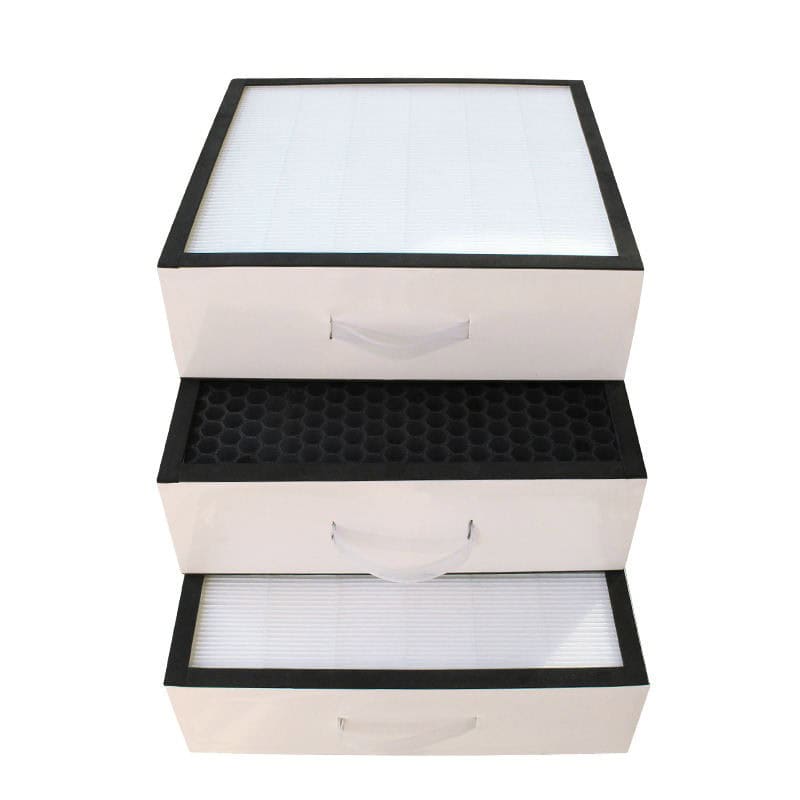
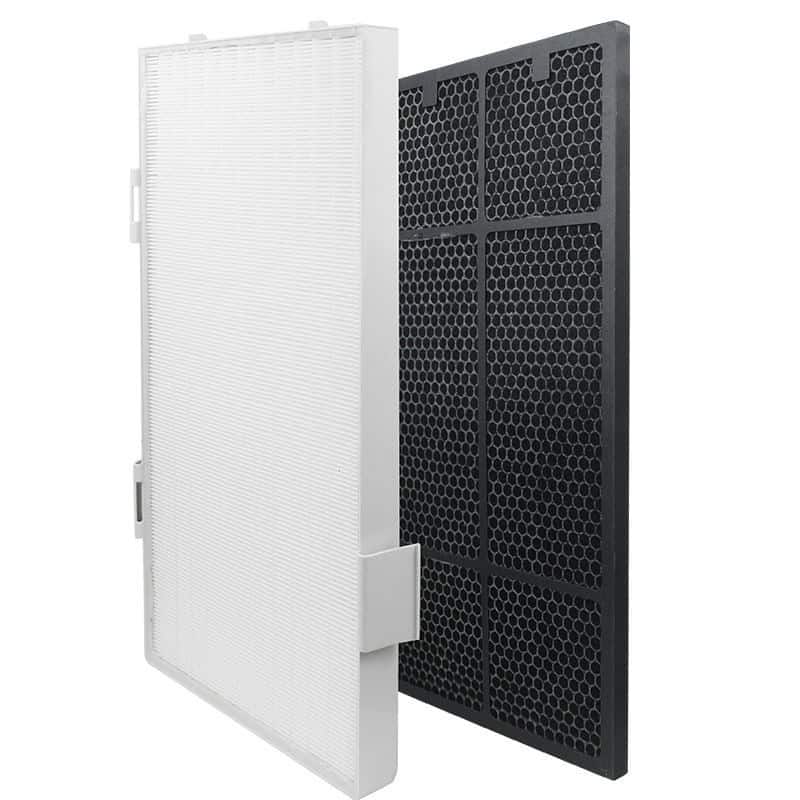
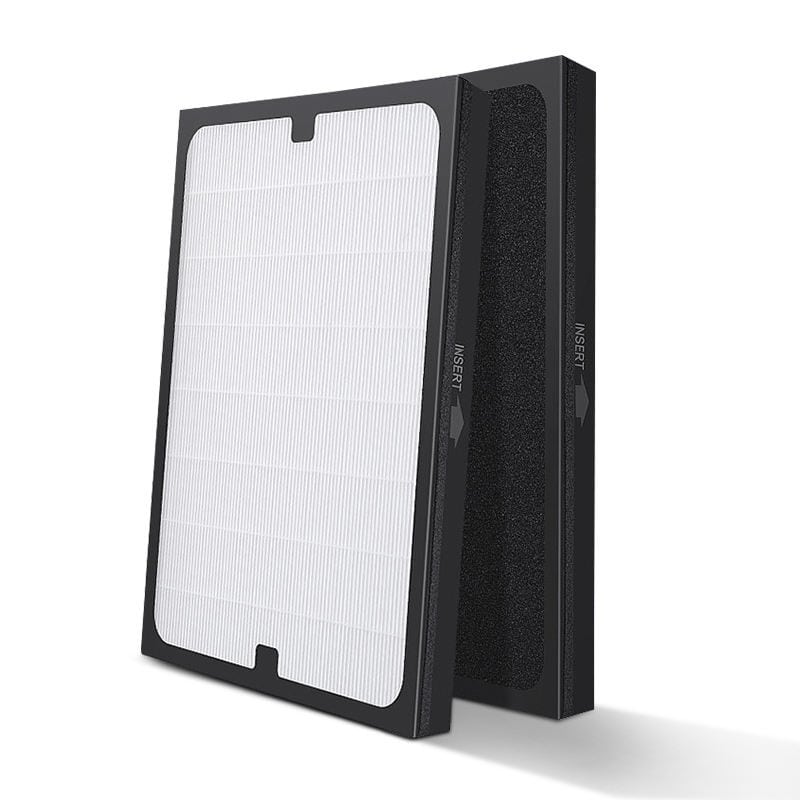
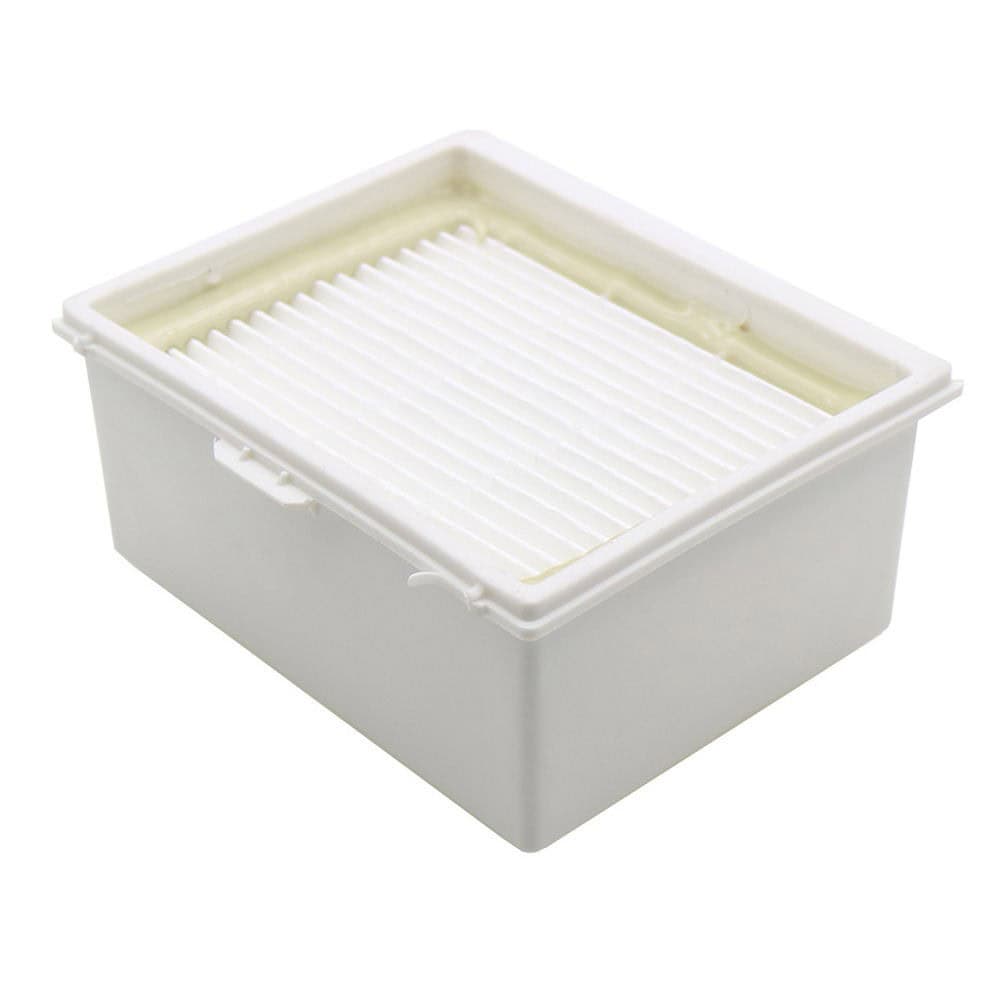
HIFINE makes replacement cartridges that match most major under sink systems, including standard 10 inch and 20 inch housings, quick connect RO cartridges, and inline post carbon filters. We also do custom shapes for brands that want their own proprietary design.
Reach out with your system model or a sample cartridge, and we will confirm fit, send pricing, and provide samples for testing before you commit to a bulk order.