Walking down the appliance aisle or scrolling through online listings for air quality control can quickly feel like you need a degree in engineering. The boxes are covered in numbers, acronyms, and bold claims. You will see badges for “H13,” massive numbers for “CADR,” and promises of cleaning “up to 1,500 square feet.”
But what do these numbers actually mean for the air you breathe in your living room?
When you buy an air purifier with a HEPA filter, you are making an investment in your health. Whether you are trying to manage seasonal allergies, keep wildfire smoke out of your home, or simply reduce pet dander, you need to know which specifications are strict scientific standards and which are just clever marketing tricks.
Manufacturers know that consumers look for high numbers, and they often present those numbers in ways that make their machines look more powerful than they actually are. Let’s cut through the jargon, translate the technical specifications into plain English, and look at the exact numbers you should be paying attention to before you spend your money.
What “HEPA Filter Included” Actually Guarantees
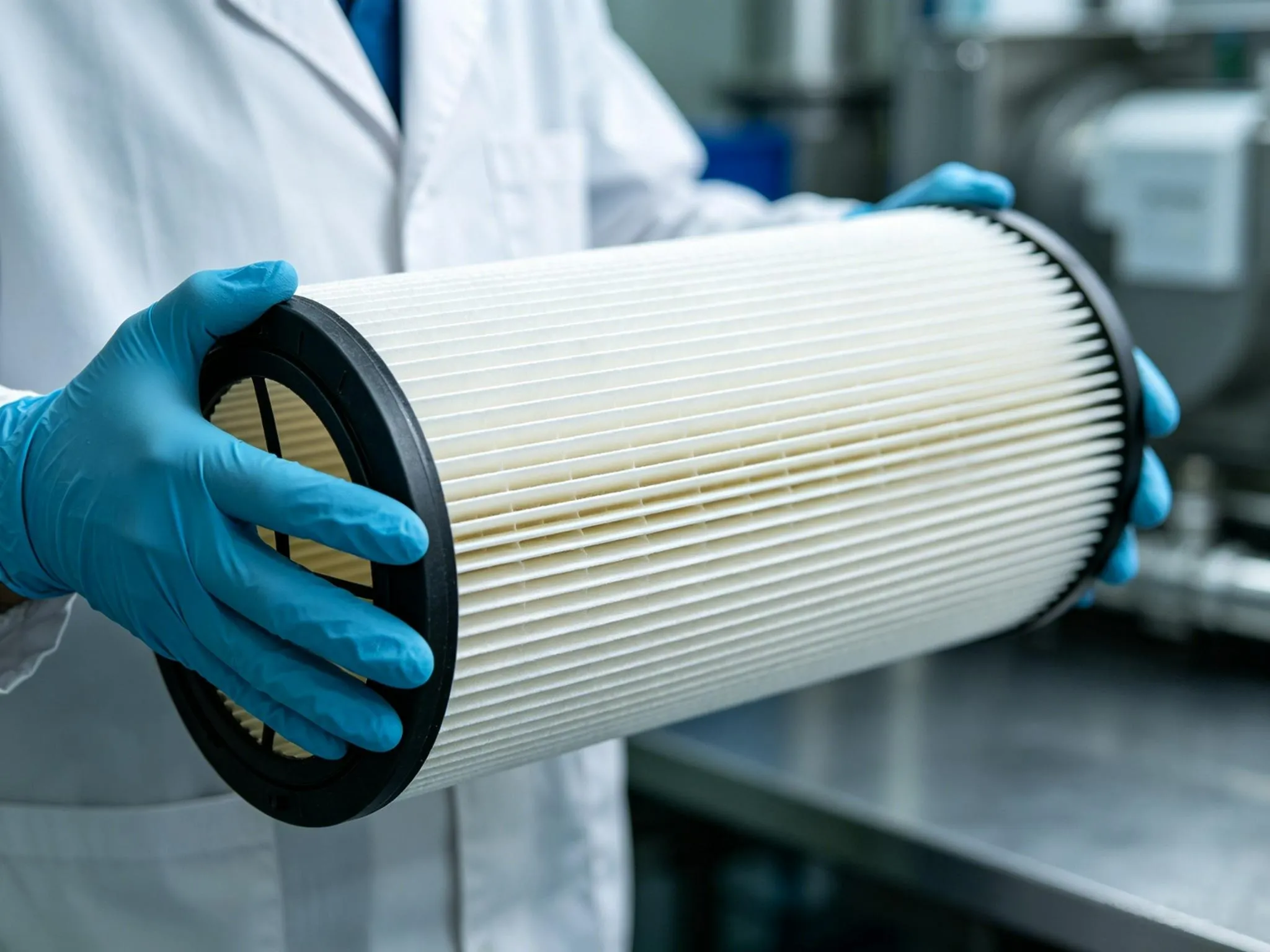
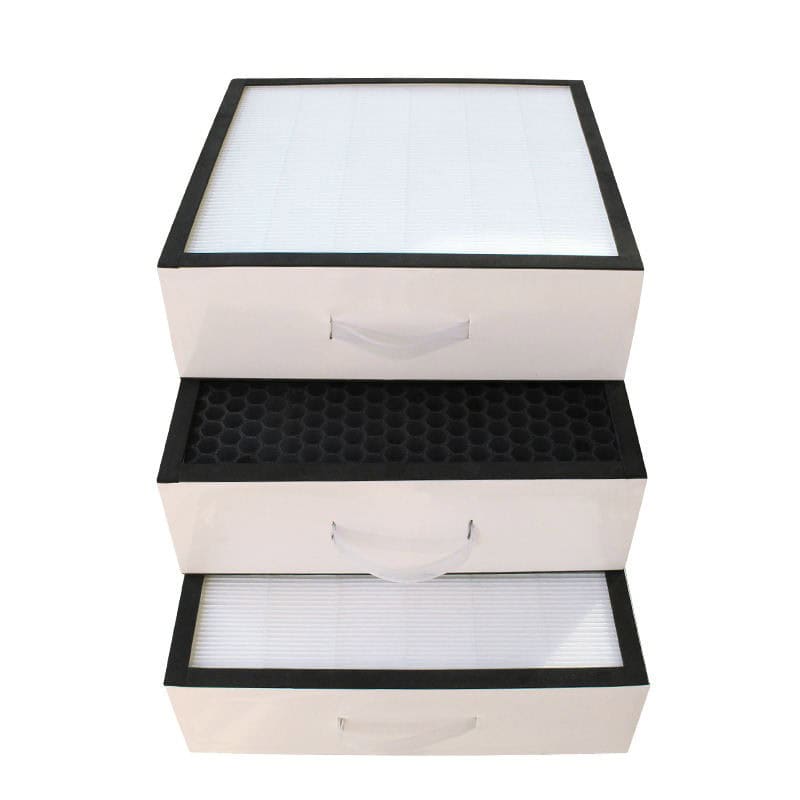
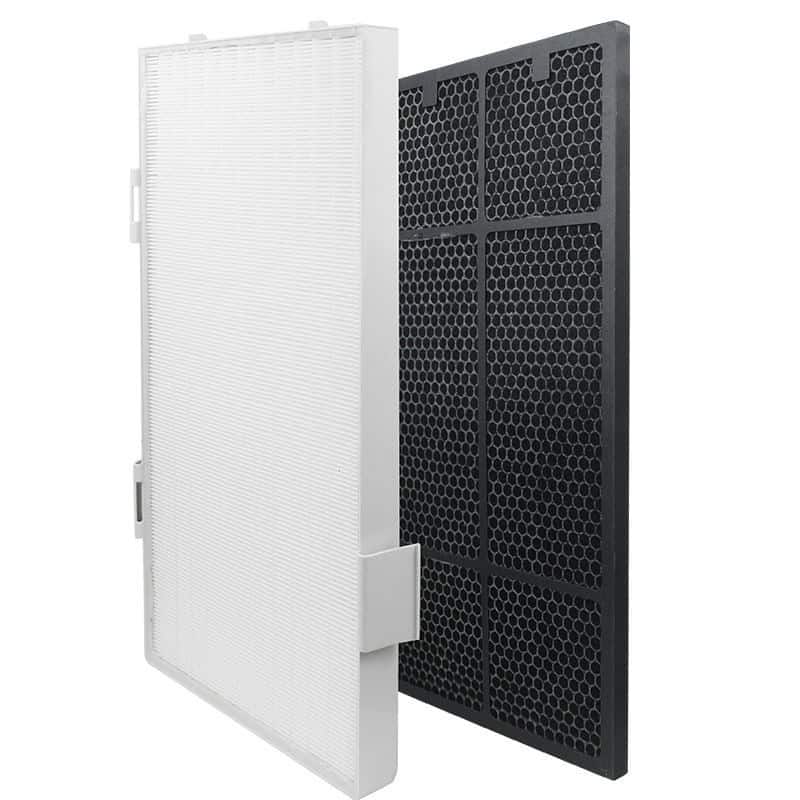
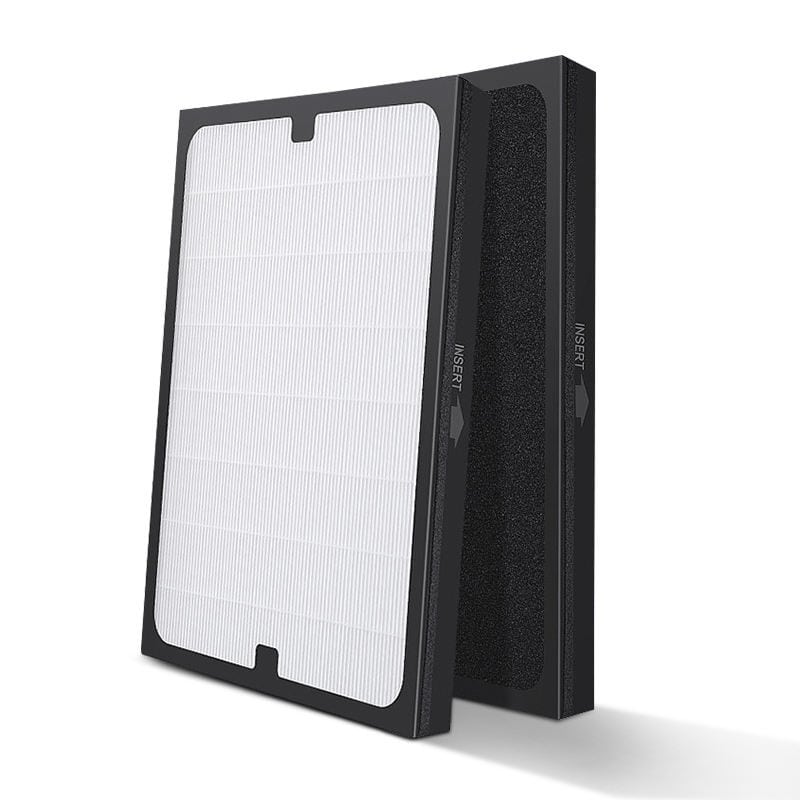
Seeing “HEPA filter included” on the box is the first thing most buyers look for, and for good reason. As a baseline, the HEPA designation guarantees that the filter media inside the machine is capable of trapping at least 99.97% of airborne particles as small as 0.3 microns.
This covers everything from visible dust and pet hair down to microscopic threats like mold spores, smoke particles, and pollen.
However, there is a massive catch that most consumers miss: That rating only applies to the filter itself, not the entire machine.
You can have the highest-grade, laboratory-tested HEPA filter in the world, but if the plastic housing of the air purifier is cheaply made and not properly sealed, it becomes useless. Air always takes the path of least resistance. If there are gaps around the edges of the filter frame, the fan will simply pull dirty air through those cracks, bypassing the HEPA paper entirely and blowing pollutants right back into your room.
When evaluating an air purifier, look for mentions of “sealed system” or “airtight housing.” A true medical-grade machine ensures that 100% of the air pulled into the unit is forced through the filter media before exiting. If the manufacturer does not explicitly mention a sealed system, you might just be buying a very expensive desk fan.
CADR vs HEPA Grade: Which Number to Trust First
Once you confirm the machine has a genuine HEPA filter, you will usually be hit with two competing sets of numbers: the HEPA grade and the CADR rating. Which one actually determines how clean your air gets?
The answer is CADR, which stands for Clean Air Delivery Rate.
Think of an air purifier like a car. The HEPA filter is the fine mesh screen that catches the dirt, but the CADR rating is the engine. It measures the volume of completely clean air the machine can push into your room per minute, usually expressed in Cubic Feet per Minute or Cubic Meters per Hour.
Many buyers make the mistake of hunting down ultra-premium H14 medical filters, thinking it will give them the cleanest air. But an H14 filter is incredibly dense. It is very hard to push air through it. If an air purifier has a weak fan paired with a dense H14 filter, the CADR will be incredibly low. It might clean the air right next to the machine perfectly, but the air on the other side of your room will remain untouched.
In almost every household scenario, a machine with a slightly less restrictive H13 filter and a powerful fan will clean your room much faster and more effectively than a machine with an H14 filter and a weak fan. Having a firm grasp on airflow CADR and efficiency explained helps you avoid machines that boast impressive filter grades on paper but lack the mechanical power to actually circulate the air in your living space.
Room Size Coverage: Matching Air Changes to Square Footage
Perhaps the most misleading number on any air purifier box is the “Maximum Room Size” claim. You might see a relatively small, inexpensive machine claiming it can clean a 1,200-square-foot house.
Technically, they aren’t lying. But they are manipulating a metric called ACH.
ACH tells you how many times the machine can filter the entire volume of air in a room in 60 minutes. For allergy and asthma sufferers, the industry standard recommended by the Association of Home Appliance Manufacturers is 4.8 ACH. This means the air purifier cycles all the air in the room almost five times an hour.
Here is how the marketing trick works: A machine might be perfectly sized to achieve 5 ACH in a 250-square-foot bedroom. But to make the product look better on the shelf, the marketing team calculates the square footage based on just 1 ACH. Suddenly, that same small machine is advertised as “Perfect for 1,250 square foot rooms!”
If you put that machine in a 1,250-square-foot living room, it will only clean the air once an hour. If you are cooking, or if you have a dog running around, or if a window is open, the machine will never be able to keep up with the new pollutants entering the space.
To protect yourself, ignore the giant square footage number on the front of the box. Turn it around and look at the fine print. Find the room size recommended specifically for 4 or 5 Air Changes per Hour. That is the true capability of the machine.
Filter Replacement Cost: The Number Most Listings Hide
Buying an air purifier is not a one-time purchase; it is the beginning of a subscription. The business model for many air purifier brands is identical to the razor-and-blades model: sell the machine cheaply, and make all the profit on the replacement filters.
When you are comparing models, the upfront price tag is only half the story. You need to calculate the 5-Year Cost of Ownership.
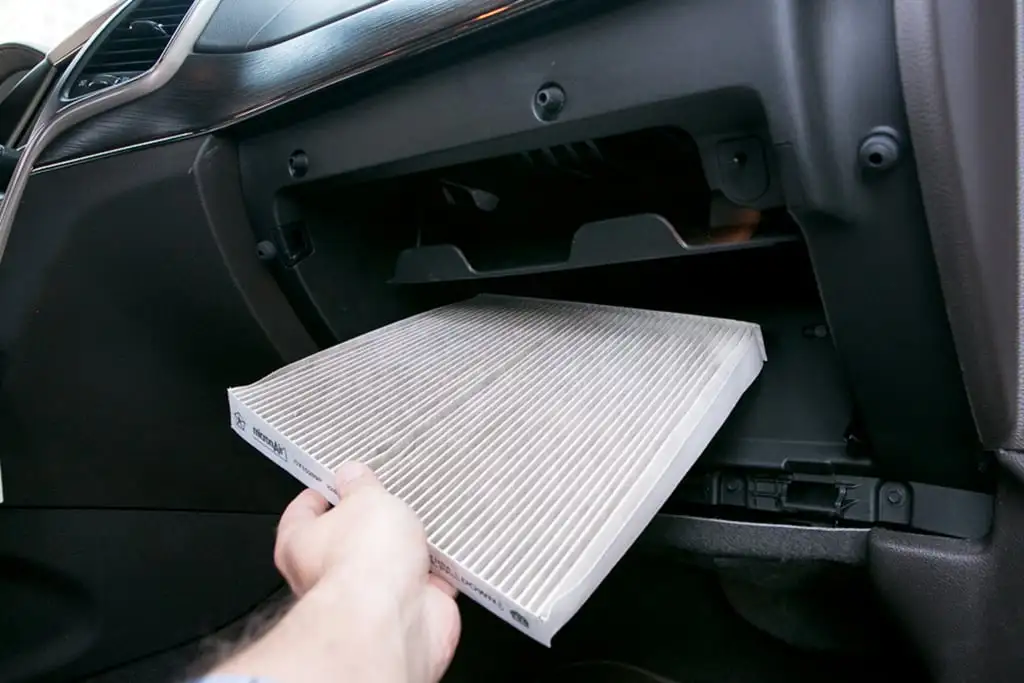
HEPA filters cannot be washed. They capture microscopic particles deep within their fibers, and attempting to wash them will destroy the delicate fiber matrix and ruin their efficiency. Depending on your environment and how often you run the machine, you will need to replace the filter every 6 to 12 months.
If Machine A costs $100, but the proprietary replacement filters cost $60 each, you will spend $300 on filters over the next five years. If Machine B costs $200, but uses standard-sized filters that cost $25 each, you will save money in the long run.
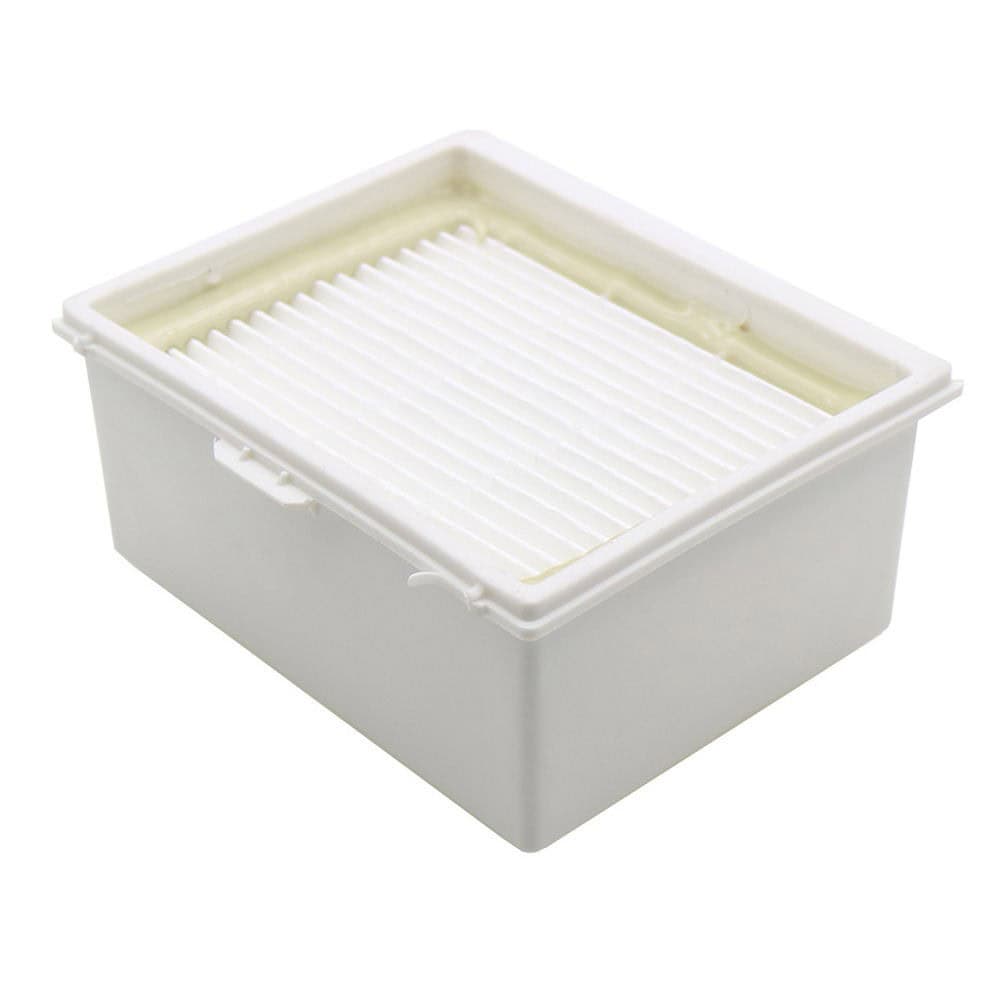
Before you click “add to cart” on a new machine, take two minutes to search for its replacement filters. Checking the price and availability of compatible HEPA air purifier filters ahead of time prevents the frustrating realization six months later that your affordable machine requires shockingly expensive upkeep.
When a New Machine Isn’t the Answer
Sometimes, consumers become frustrated with their air quality, assume their current air purifier is broken, and start shopping for a brand new machine. But in many cases, the hardware—the fan and the motor—is working perfectly fine. The issue lies entirely with what is sitting inside the plastic housing.
If you have been buying cheap, third-party knockoff filters to save money, your machine’s performance will plummet. Many of these low-cost alternatives are not genuine HEPA media at all. They allow microscopic dust to blow right through the paper and back into your room, which is why your allergies might be flaring up even while the machine is running on high.
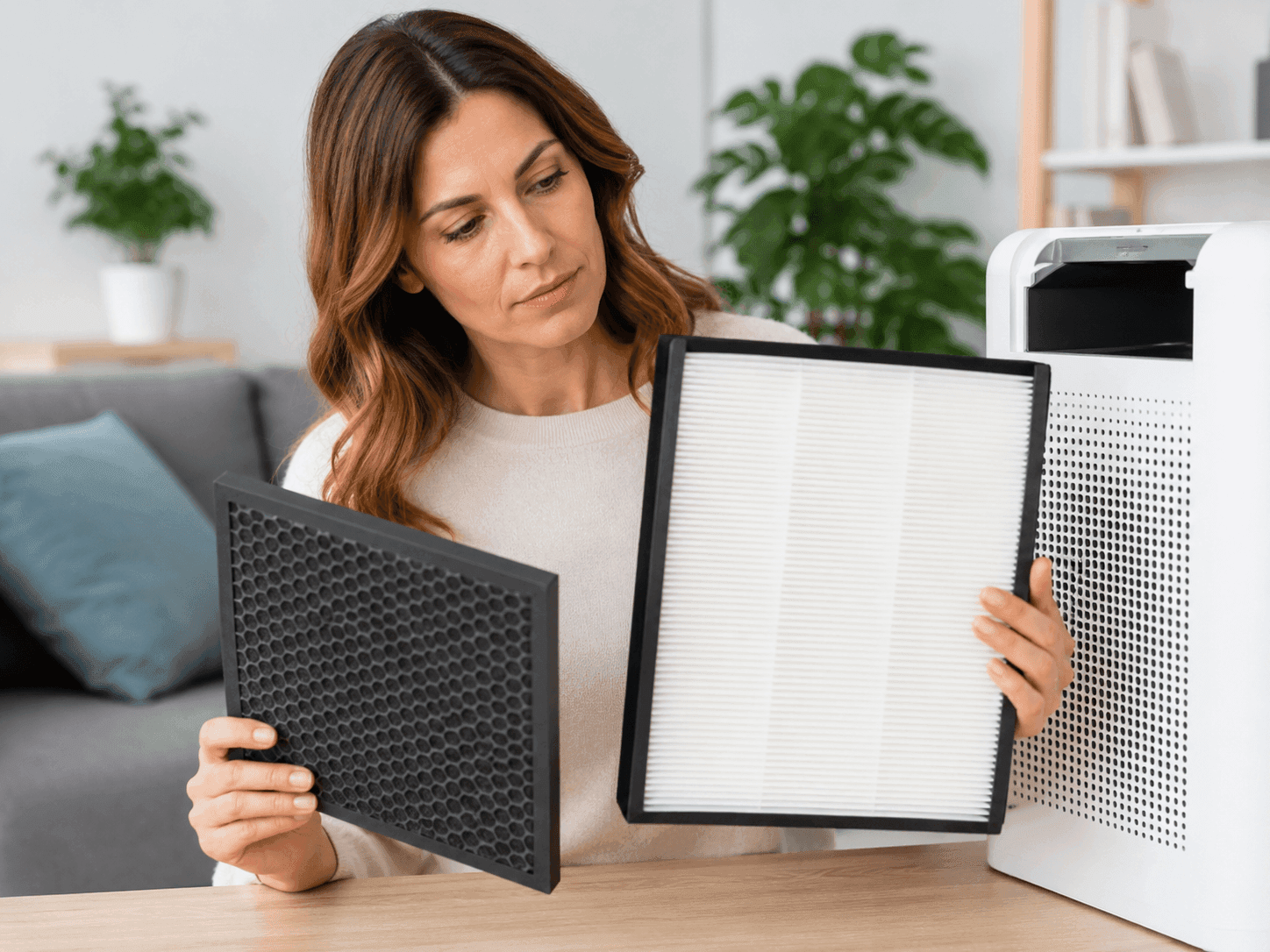
Before you spend hundreds of dollars on a new unit, check the filter you are currently using. Understanding the distinct differences between a true HEPA vs HEPA-type filter often reveals that the only thing you actually need to do is upgrade your current replacement filter to a certified, lab-tested standard. Upgrading the filter instantly restores the machine to its original, factory-level performance.
Pre-Purchase Checklist
To make your shopping experience as straightforward as possible, take this quick checklist with you when comparing models:
- Verify True HEPA: Look for exact percentages or specific EN1822 grades, rather than vague terms like “HEPA-Type.”
- Check the CADR: Ensure the CADR matches the size of your room. A higher CADR means faster, more effective cleaning.
- Do the ACH Math: Ignore the “Maximum Coverage” claims. Ensure the machine is rated for your room’s square footage at 4 to 5 Air Changes per Hour.
- Look for a Sealed System: Ensure the manufacturer specifies an airtight design so dirty air cannot bypass the filter.
- Price the Replacements: Check the cost of replacement filters before buying the machine to calculate the real, long-term cost.
Looking Beyond the Box
Understanding these numbers puts you in control. It stops you from paying a premium for clever marketing and ensures you are actually bringing clean, safe, hospital-grade air into your environment. By focusing on CADR, true HEPA certification, and actual room coverage, you can confidently select a machine that does exactly what it promises.
If you are a brand owner, distributor, or appliance manufacturer looking to build custom air purification units that legitimately meet these strict consumer standards, exploring our tailored solutions ensures your next product line is backed by verifiable, lab-tested performance.