
A cabin air filter costs less than a tank of gas. Getting one swapped at a shop can run four times that. The part rarely explains the gap. Labor time, filter grade, and where the part came from do most of the work. This breakdown separates what you are paying for, piece by piece, instead of handing you one average number.
What a Cabin Air Filter Replacement Actually Costs
Shop estimates from RepairPal’s national database put a typical professional replacement between $86 and $114. Labor covers close to half of that total. DIY buyers pay far less, usually $15 to $50, because that number is just the part. Many searches for cost to replace cabin air filter return this DIY, parts-only figure. A professional listing states labor as its own separate line. On most vehicles, the actual swap takes ten to twenty minutes once the glove box is open.
DIY Versus Shop Pricing, by Line Item
A shop receipt splits into two numbers that rarely move together. Parts usually land between $10 and $75 depending on filter grade. Labor runs $45 to $90 depending on the shop’s rate and how hard the filter is to reach. A cabin filter replacement cost well under $86 almost always means a basic paper filter and easy glove-box access. It is not a discount on the same job someone else quotes at $114.
Why the Filter Itself Rarely Explains the Price Gap
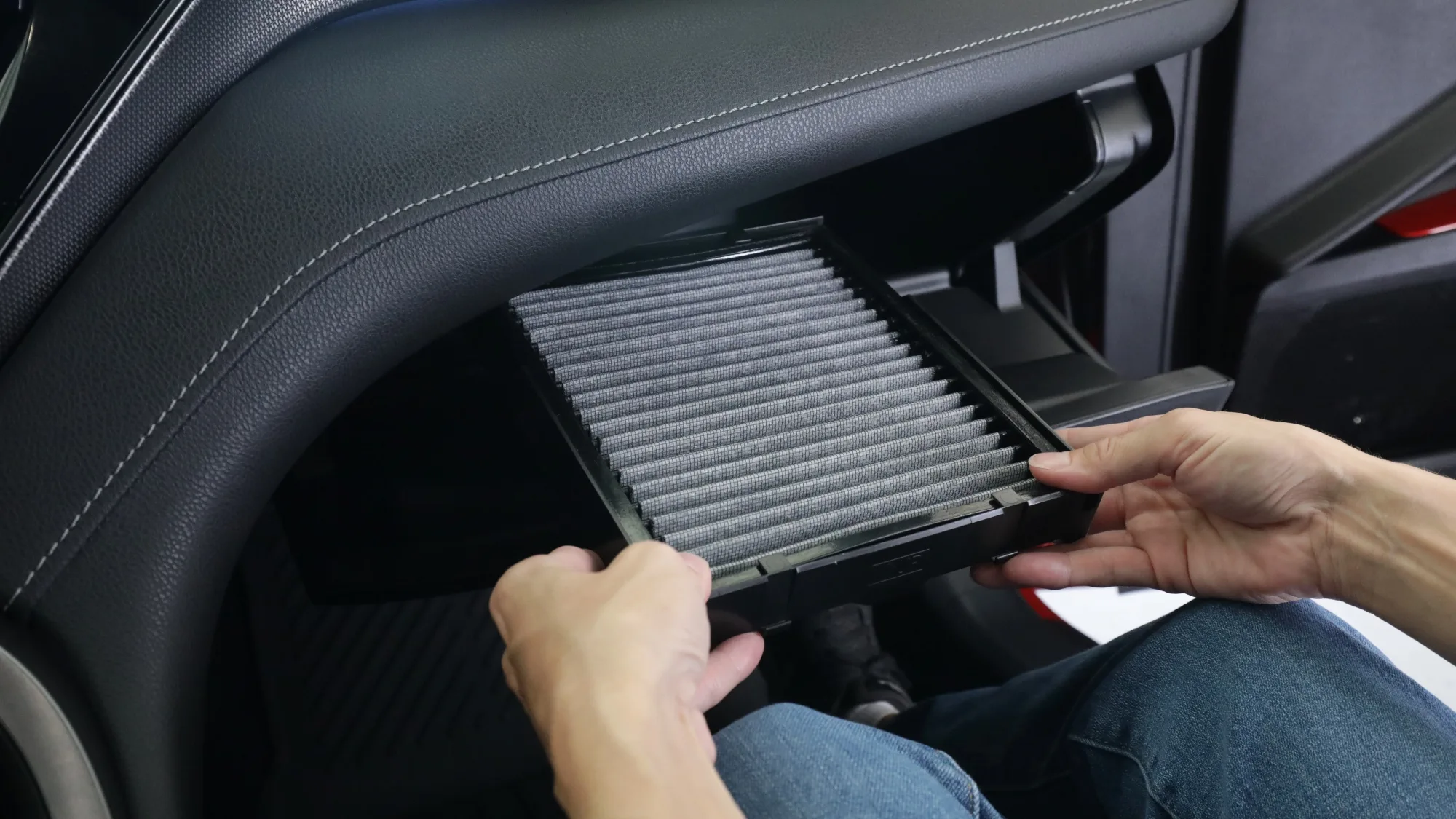
Two similar cars can carry a $40 to $50 gap in cabin air filter change cost. The part is not why. Access time is. A filter mounted behind an open glove box takes a technician a few minutes. Some filters sit under the cowl or behind a lower dash panel instead. Reaching them can push labor time past 45 minutes, since trim has to come off first. This is common on some trucks and EVs. Shops bill for that time whether the filter itself cost $12 or $60.
This is separate from engine air filter replacement cost, which tracks a different curve entirely. The engine filter protects the engine’s intake; the cabin filter protects the air inside the vehicle. They sit in different housings and often use different media. Even when a shop replaces both in the same visit, they get quoted on separate tickets.
How Filter Grade Changes the Bill
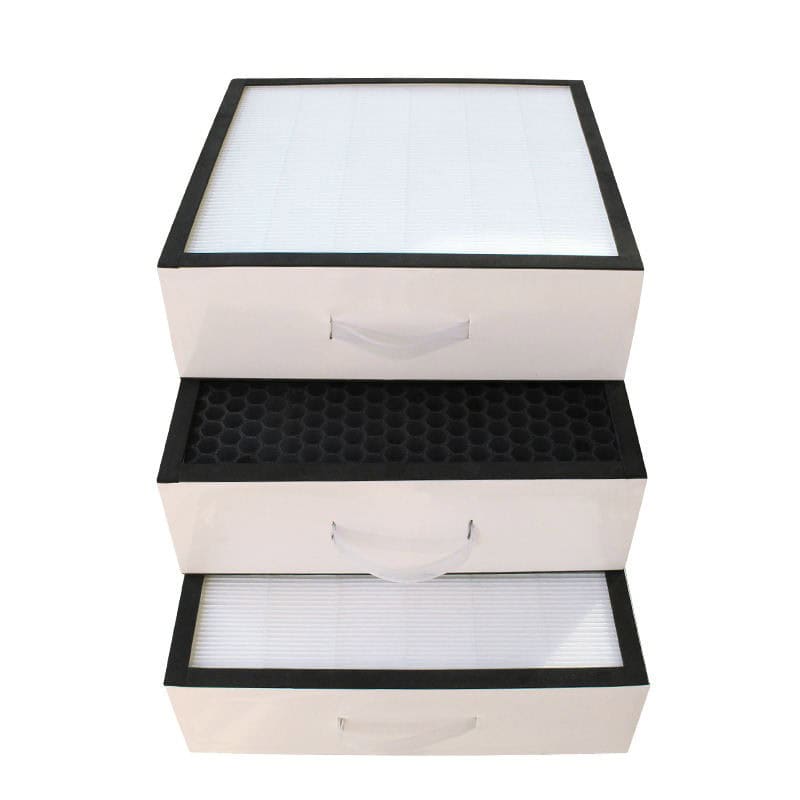
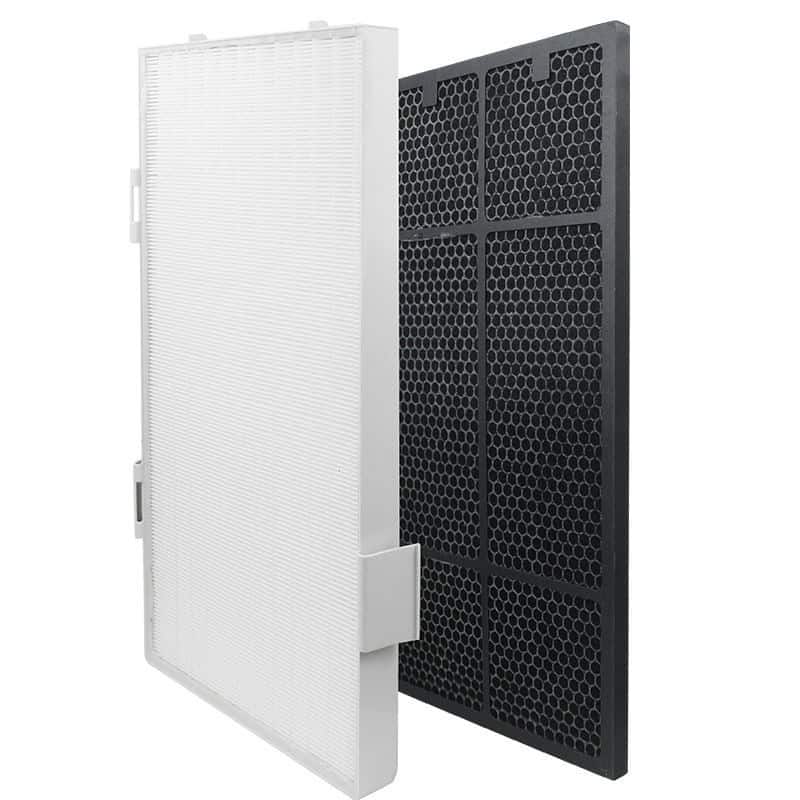
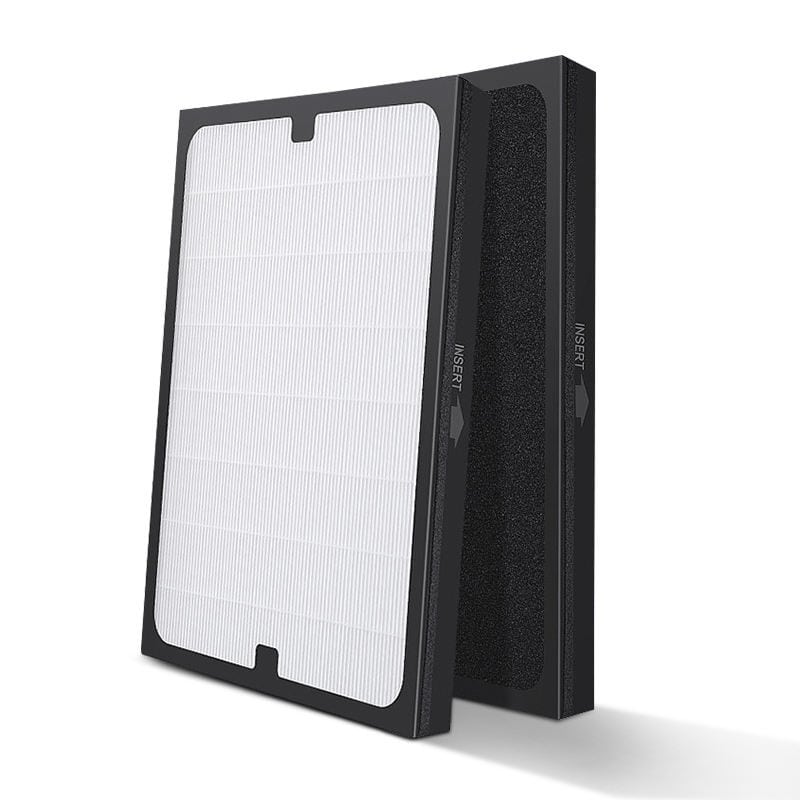
The air filter cost itself, before labor, spans a wide range because “filter” covers three different products. A basic pleated paper filter blocks large debris and costs the least to produce. An activated carbon composite layer adds odor and gas absorption, which raises the material cost. A HEPA-grade automotive filter uses a denser, more tightly pleated media designed to catch smaller particles. That raises material cost and manufacturing cost together. The pleats need more surface area, packed into the same housing size.
None of that shows up on a price tag as a spec sheet. It shows up as a $10 filter next to a $75 one. Both get labeled cabin air filter, with no further explanation. Reading the material listed on the packaging matters more than reading the price. It is the fastest way to know which product a given quote is actually for.
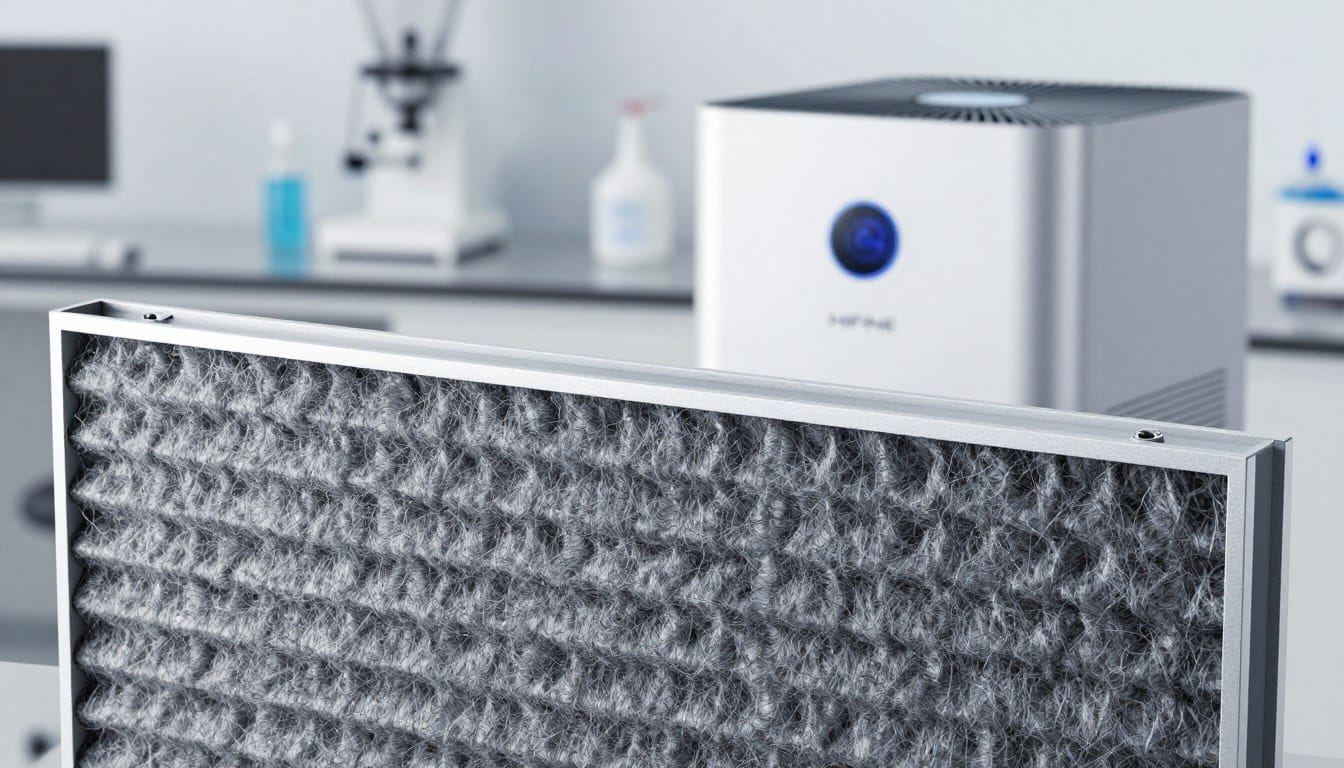
The same layering logic applies wherever HEPA and carbon media are combined, not just in cars. Behind the glove box, cabin air filter elements do exactly this job on every drive. That is why grade matters more than brand name.
What OEM and Aftermarket Pricing Actually Reflects
OEM filters are sold through a dealership under the vehicle brand’s name. Aftermarket filters are sold under an independent brand instead. Both often come off similar production lines, using comparable media. The price gap between them usually reflects brand licensing and dealership margin more than a difference in filtration performance. That is not universal. Some aftermarket suppliers cut corners on media density or frame fit to hit a lower price point. That shows up later as poor sealing or more frequent replacement, not as a lower total cost.
HIFINE manufactures filter media and cabin filter elements for brand owners and private-label distributors selling under their own names. That puts us on the production side of this exact cost structure. Buyers commissioning a private-label cabin filter line make the same media and frame-quality decisions described above. The difference is timing: they decide before the product ships, not after a quote comes back. Media grade, frame material, and gasket type each shift landed unit cost. Mapping those choices before tooling starts is the core of sourcing a private-label HEPA filter program.
How to Avoid Overpaying for a Simple Swap
Compare quotes by filter grade first, not by price. A $12 quote and a $45 quote are not competing bids on the same job. One likely covers a basic paper filter. The other covers a carbon composite. Ask which grade is included before comparing numbers.
Bundle the job with something else on the service schedule, like an oil change. That way, you avoid a shop’s minimum labor charge for a ten-minute task on its own. Check access difficulty for the specific model before assuming a flat rate. A quick search for the make, model, and cabin air filter location usually answers this. It shows whether the job is glove-box or dash-removal. Glove-box access is generally safe to do without tools beyond a screwdriver. Dash or cowl removal, especially near an airbag module, is worth leaving to a professional.
Why Sourcing Volume Changes the Math for Fleets and Brands
Everything above describes a single retail transaction. The math changes at volume. Fleet operators and private-label brands buying filter media by the thousand see per-unit cost drop well below retail. Labor and packaging overhead inflate a single-unit price. At volume, that overhead spreads across a full production run instead.
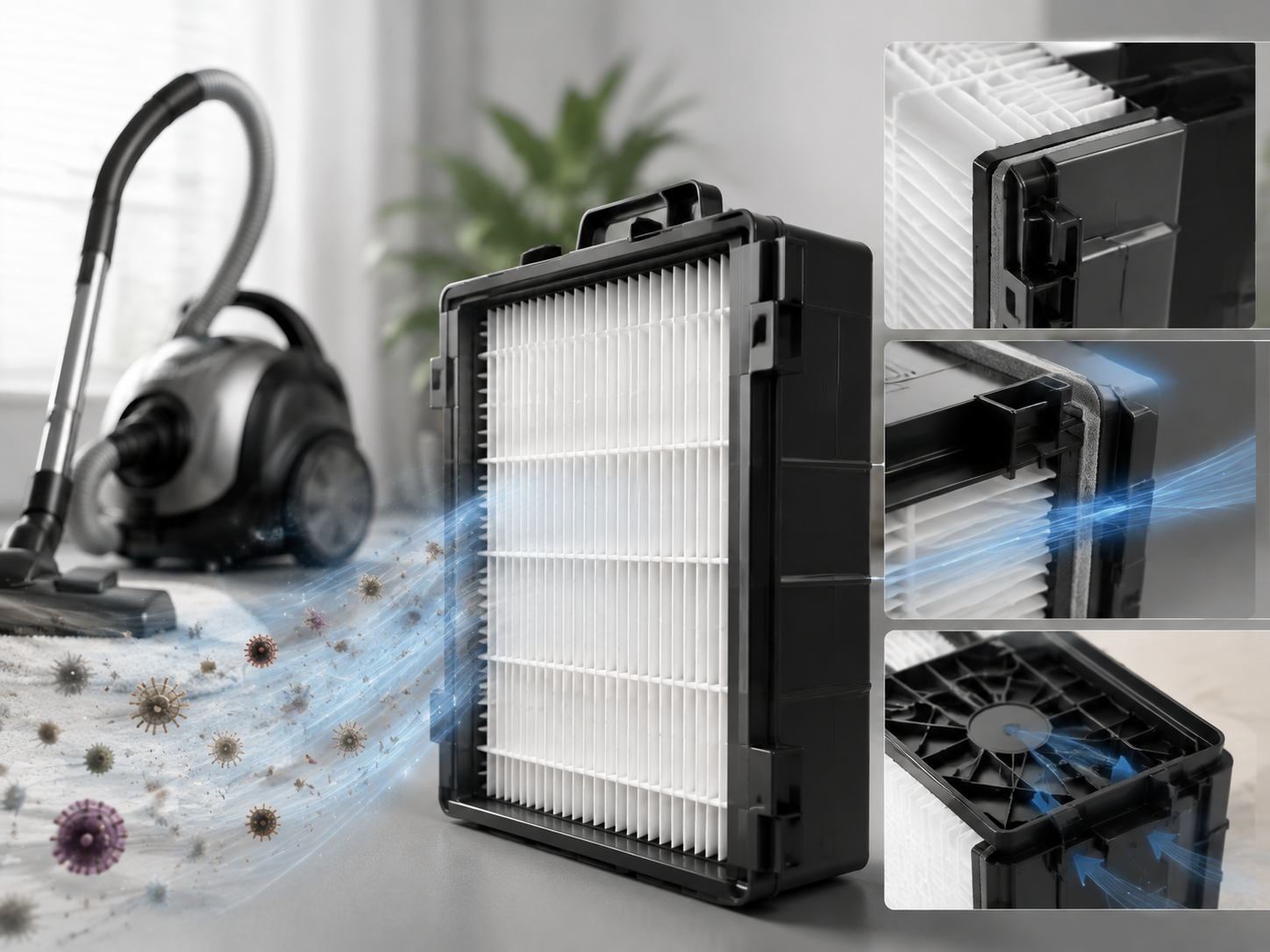
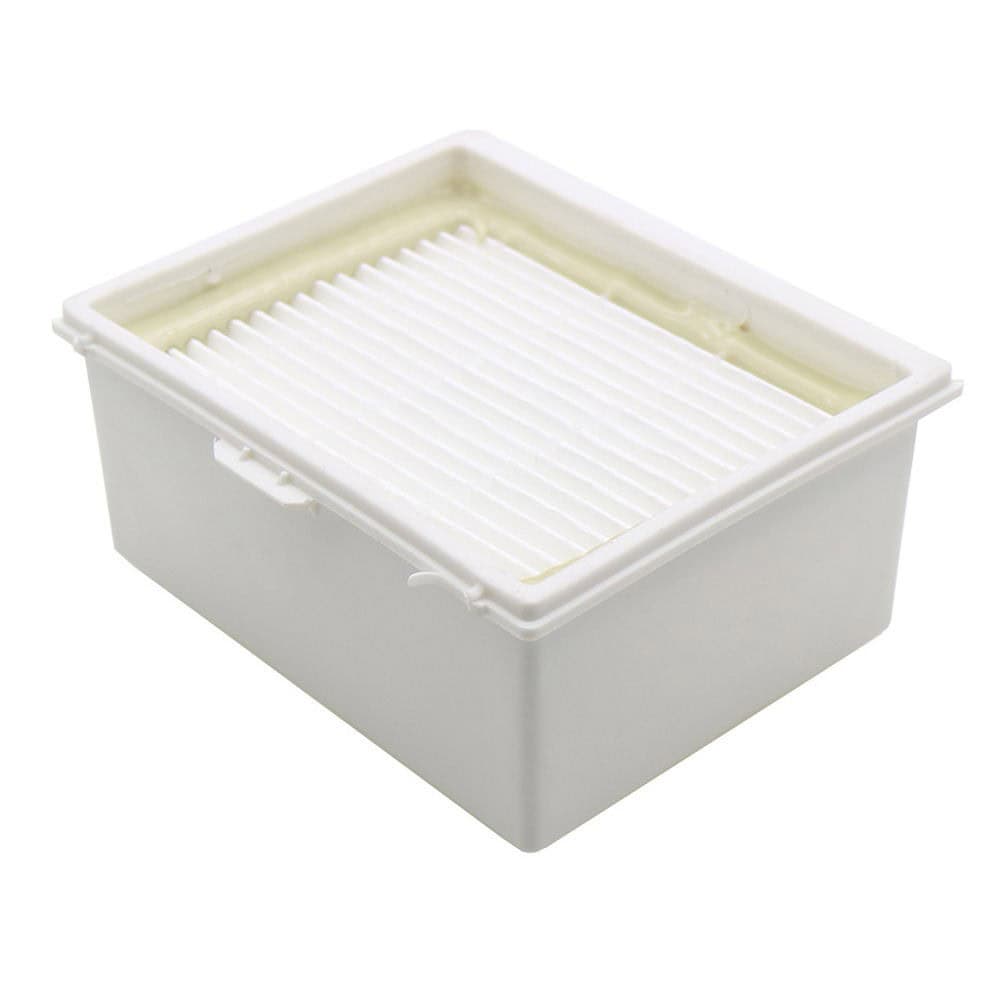
The same non-woven and activated-carbon media lines HIFINE runs for cabin filter elements also produce components for other appliances. That list includes range hood filters, induction cooker vent filters, and humidifier wicks. It is part of why volume buyers can consolidate several filter categories through a single OEM and ODM manufacturing partner. Sourcing each one separately rarely makes sense at scale. Buyers planning a bulk order should budget for lead time as well as unit price. Sampling, tooling, and shipping windows all stack up before a private-label run is ready to sell. China-sourced HEPA filter lead times usually run longer than buyers expect.
A single quote rarely tells you which of these variables you are paying for. Ask for the filter grade, the labor time, and whether the part is OEM or aftermarket. That turns the $86 to $114 range from a mystery into a checklist. HIFINE manufactures HEPA-grade and standard cabin air filter elements, along with air purifier and vacuum filter media. These go to brand owners and distributors building their own filtration lines. For buyers evaluating unit cost at scale rather than at the counter, that manufacturing-side view is usually the missing piece.