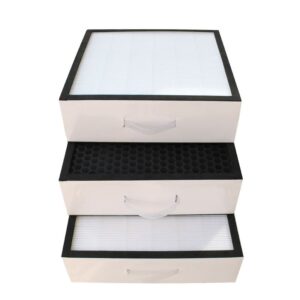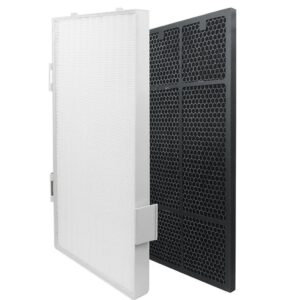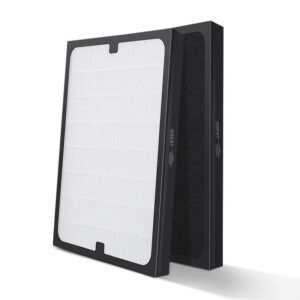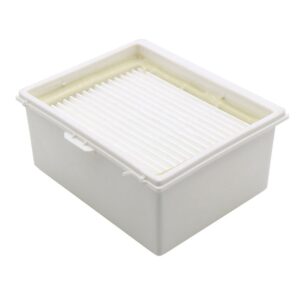

Two vacuum cleaners can use the exact same filter media, both technically qualify as a high efficiency particulate air filter vacuum, and still perform completely differently once they’re actually running. The difference usually isn’t the filter. It’s the cassette holding it.
What “High Efficiency Particulate Air” Actually Means in a Vacuum
The HEPA standard itself is straightforward: the media has to capture at least 99.97% of particles at 0.3 microns, independently tested and certified. That number describes the filter material, a dense mat of fibers designed to trap dust, allergens, and fine debris as air passes through it.
What that number doesn’t describe is what happens once the media gets installed in a vacuum. A filter rated to that standard in a lab still needs air to actually pass through it, all of it, inside the machine. That’s where the cassette comes in.
The Cassette Is Doing Half the Work
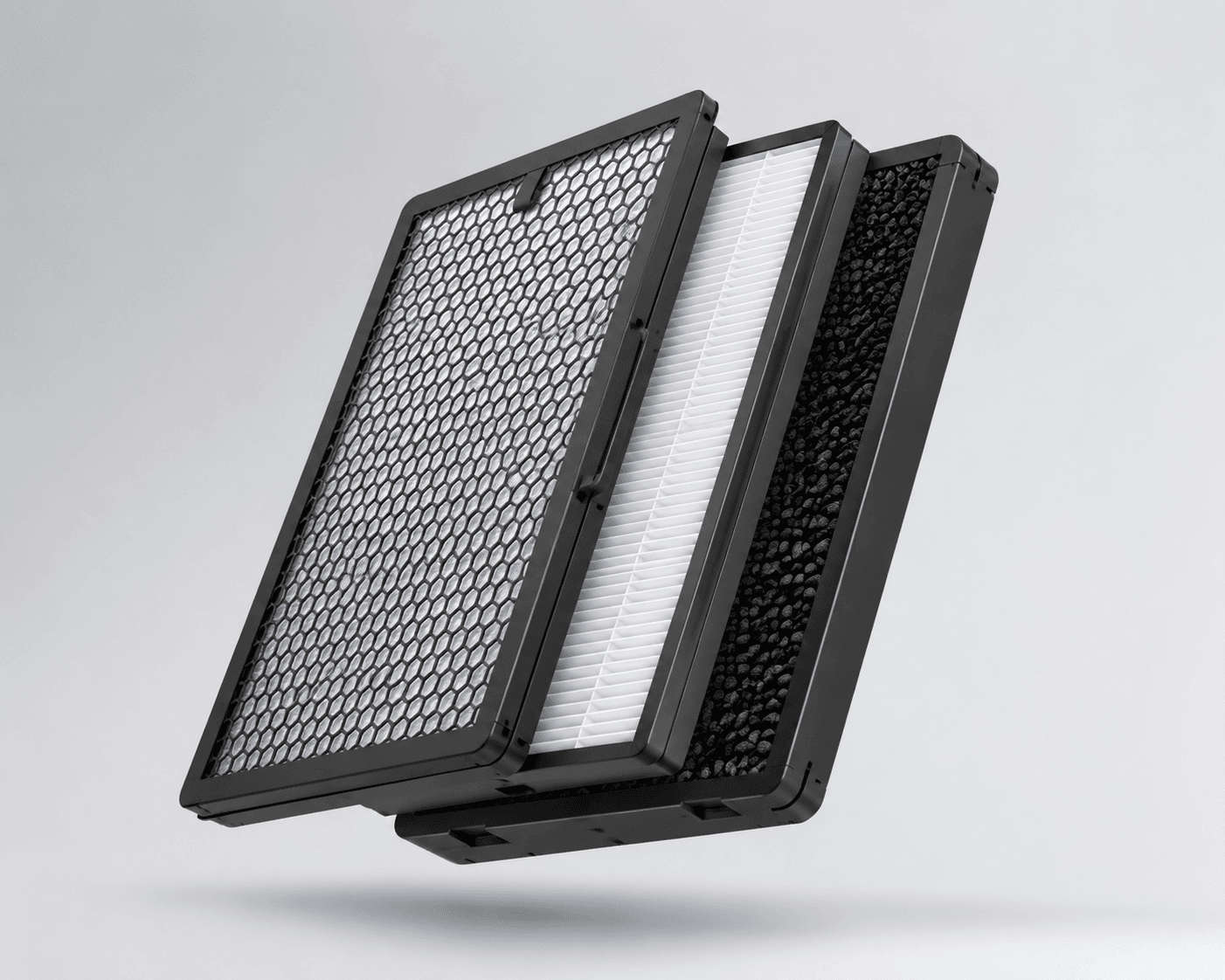
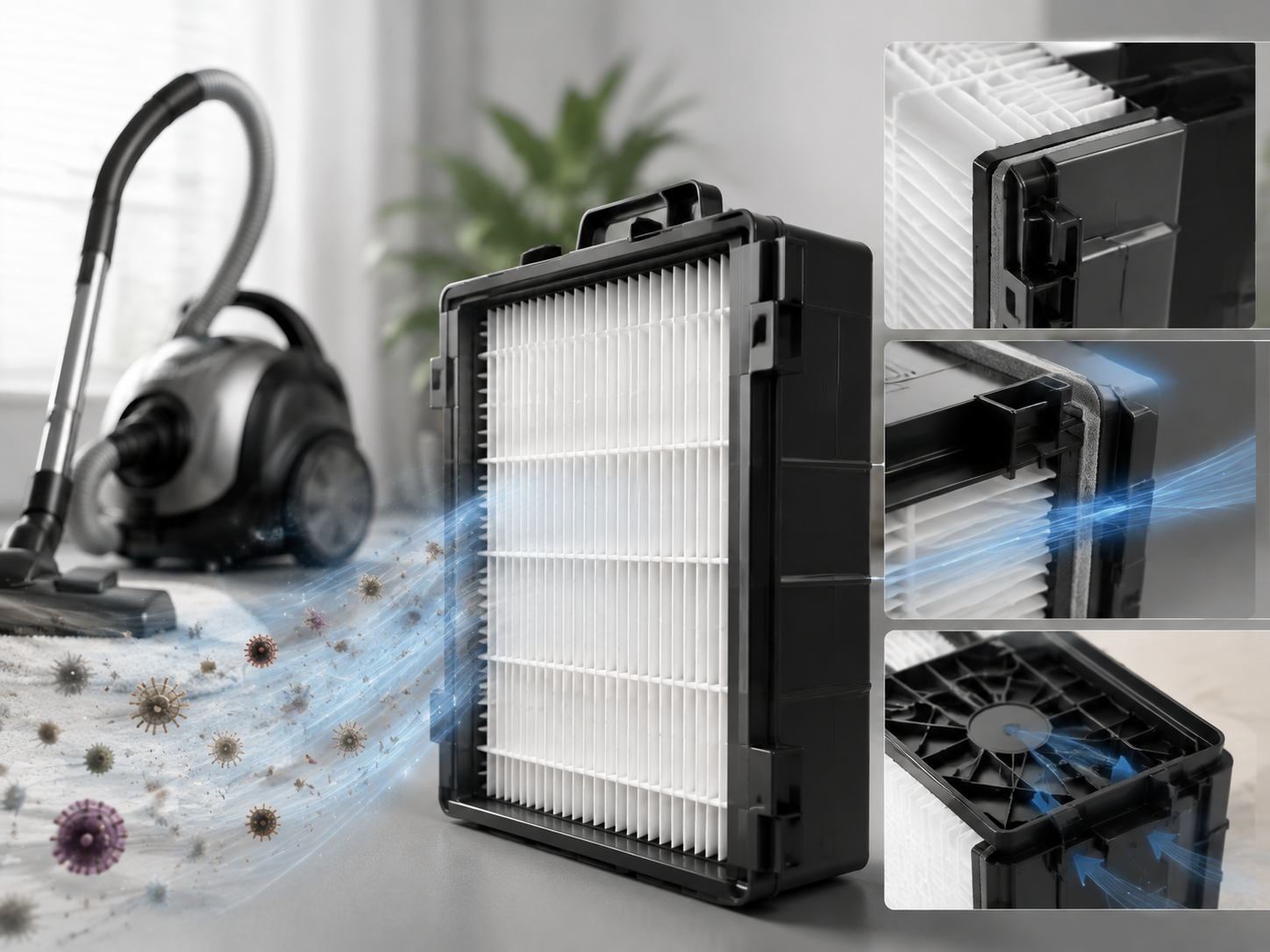
The cassette is the frame and housing that holds the filter media in place and seals it against the vacuum body. If that seal isn’t tight, air takes the path of least resistance, and the path of least resistance is around the filter media, not through it.
A HEPA-rated filter sitting in a poorly sealed cassette can perform well below its rated efficiency in real use, even though the media itself would pass certification on a test bench. The rating describes what the material can do under controlled conditions. Whether a vacuum actually delivers that performance depends on whether the cassette forces every bit of exhaust air through the media instead of around it.
Why Vacuums Stress Cassettes Differently Than Air Purifiers
A cassette built for a stationary air purifier and one built for a vacuum face different mechanical demands, even when the filter media inside is identical.
Vacuums cycle the motor on and off repeatedly, which creates pressure fluctuations a stationary purifier never experiences. They get bumped into furniture, knocked against stairs, and occasionally dropped, and that physical shock has to not loosen the seal over time. Dust loading happens faster and more unevenly in a vacuum too, since debris gets pulled in bursts rather than the steady, gradual accumulation an air purifier deals with. A cassette engineered for a vacuum needs to hold its seal through all of that, not just fit snugly on day one.
What Determines Cassette Quality
Frame material: Rigid plastic frames hold their shape under repeated vibration and impact better than thin cardboard, which can warp slightly over months of use and open small gaps at the seams.
Gasket and seal design: A foam or rubber gasket around the cassette edge compresses against the vacuum housing to close gaps that a dry plastic-to-plastic fit can’t. This matters more in vacuums than in most other filtered appliances, given how much physical stress the housing takes on.
Fit tolerance: A cassette that requires force to install or removes too easily usually isn’t sealing consistently either way. A properly toleranced cassette seats with light, even pressure and stays seated through normal use.
How to Tell If a Vacuum’s HEPA Seal Is Actually Working
A few signs point to a seal problem rather than a filter problem. Visible dust or a fine film around the edge of the cassette after use suggests air is escaping around the media instead of through it. A faint dusty smell during operation, even with a filter that isn’t old, points the same direction. Suction that stays weak immediately after installing a new filter, rather than improving, usually means the new filter isn’t sealed any better than the old one was.
Custom Cassette Manufacturing for Vacuum Filter Lines
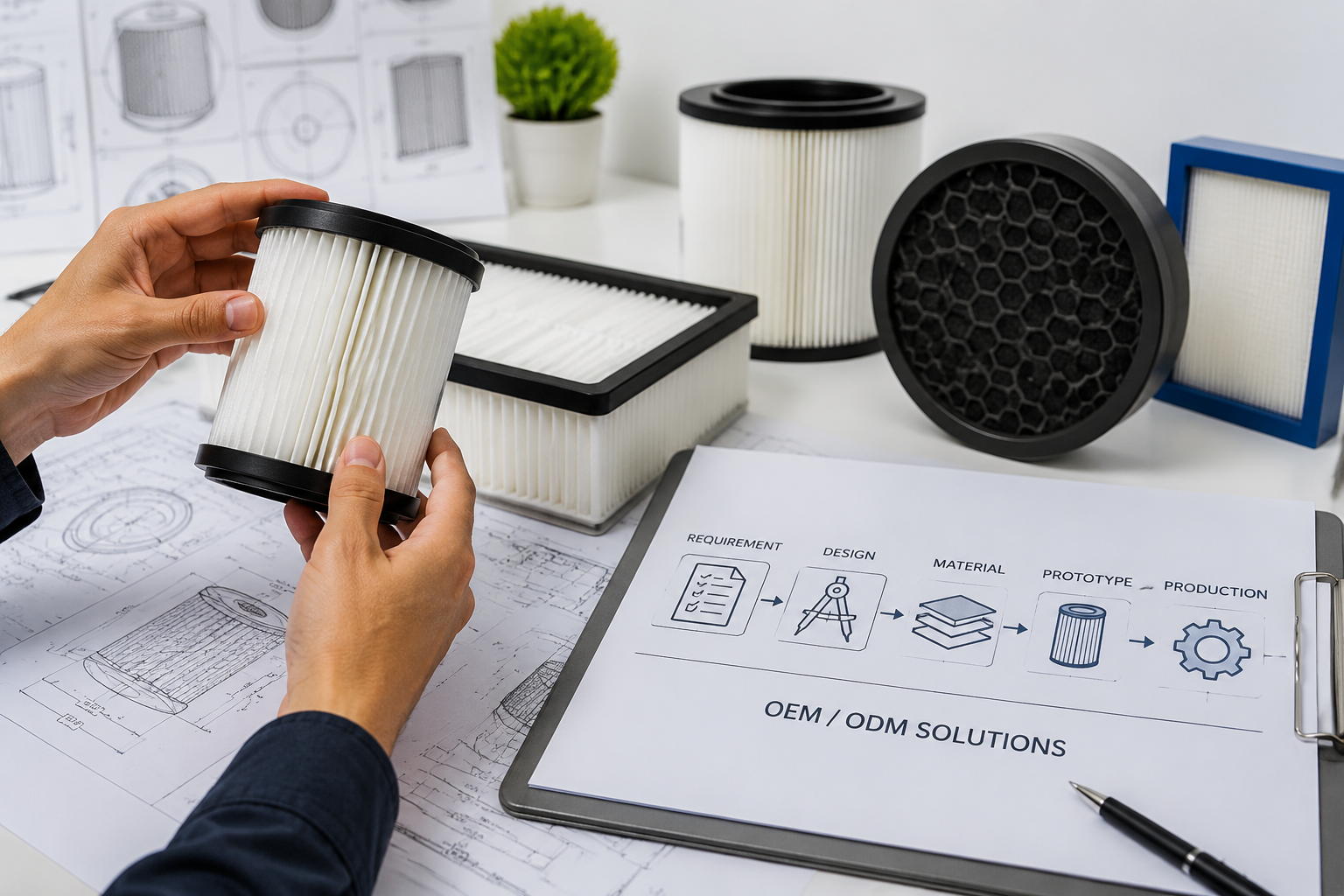
Cassette housings aren’t one-size-fits-all, which is exactly why they’re worth engineering rather than treating as an afterthought to the filter media itself. Different vacuum models need different cassette dimensions, frame materials, and seal profiles to actually deliver the filtration rating printed on the box.
HIFINE manufactures HEPA filter media and custom-sized cassette housings built to match specific vacuum models, for brands and distributors who need the seal to hold up as reliably as the filter rating claims. See our guide to custom HEPA filter cassette sizing for how we match housing dimensions to filter media, or work through our supplier vetting checklist before sourcing a vacuum filter line.