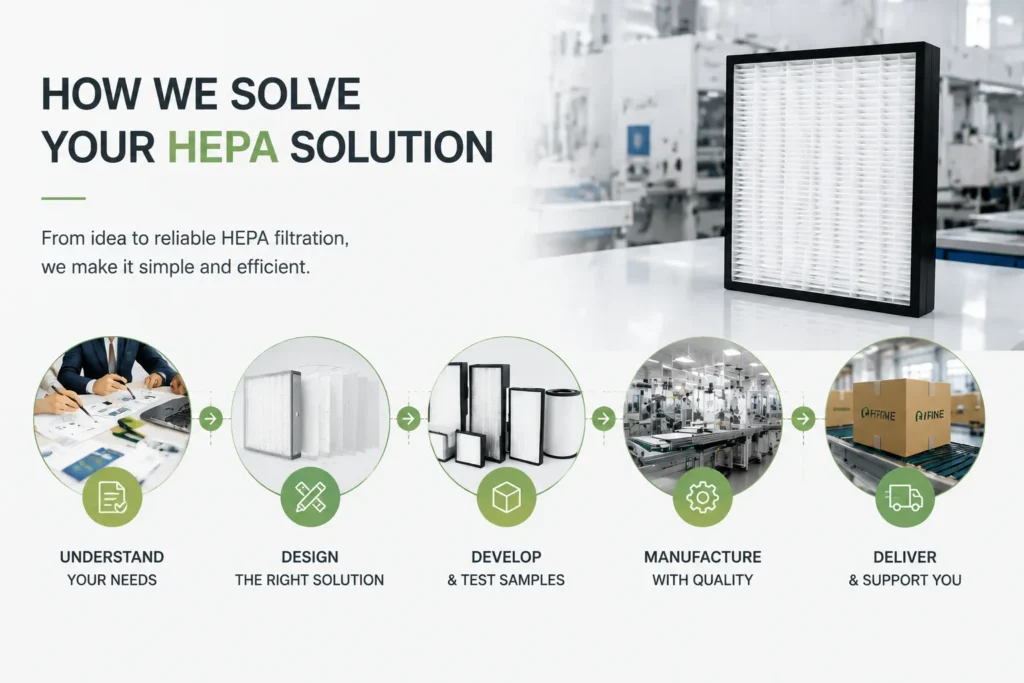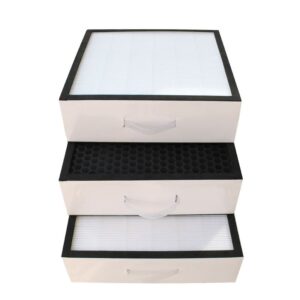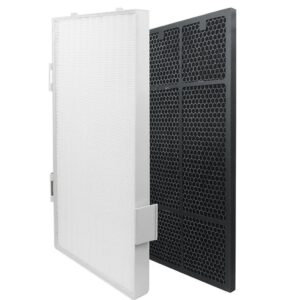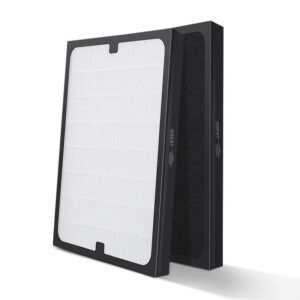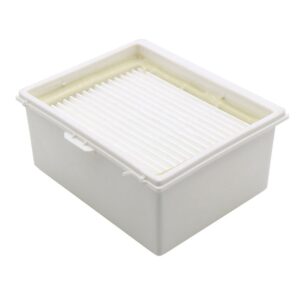

Sourcing HEPA filters directly from a factory is different from buying off a marketplace listing. You’re not just picking a product, you’re picking a partner who controls your quality, your lead times, and how consistent your inventory looks batch after batch. Getting that wrong is expensive to fix once you’re a few containers in.
This checklist covers what to actually verify before you commit to an OEM HEPA filter supplier, not just what their website claims.
Check the Certifications That Actually Matter
Almost every supplier will tell you their filters are “HEPA grade.” That claim on its own means very little. What you want to see is the actual test data behind it.
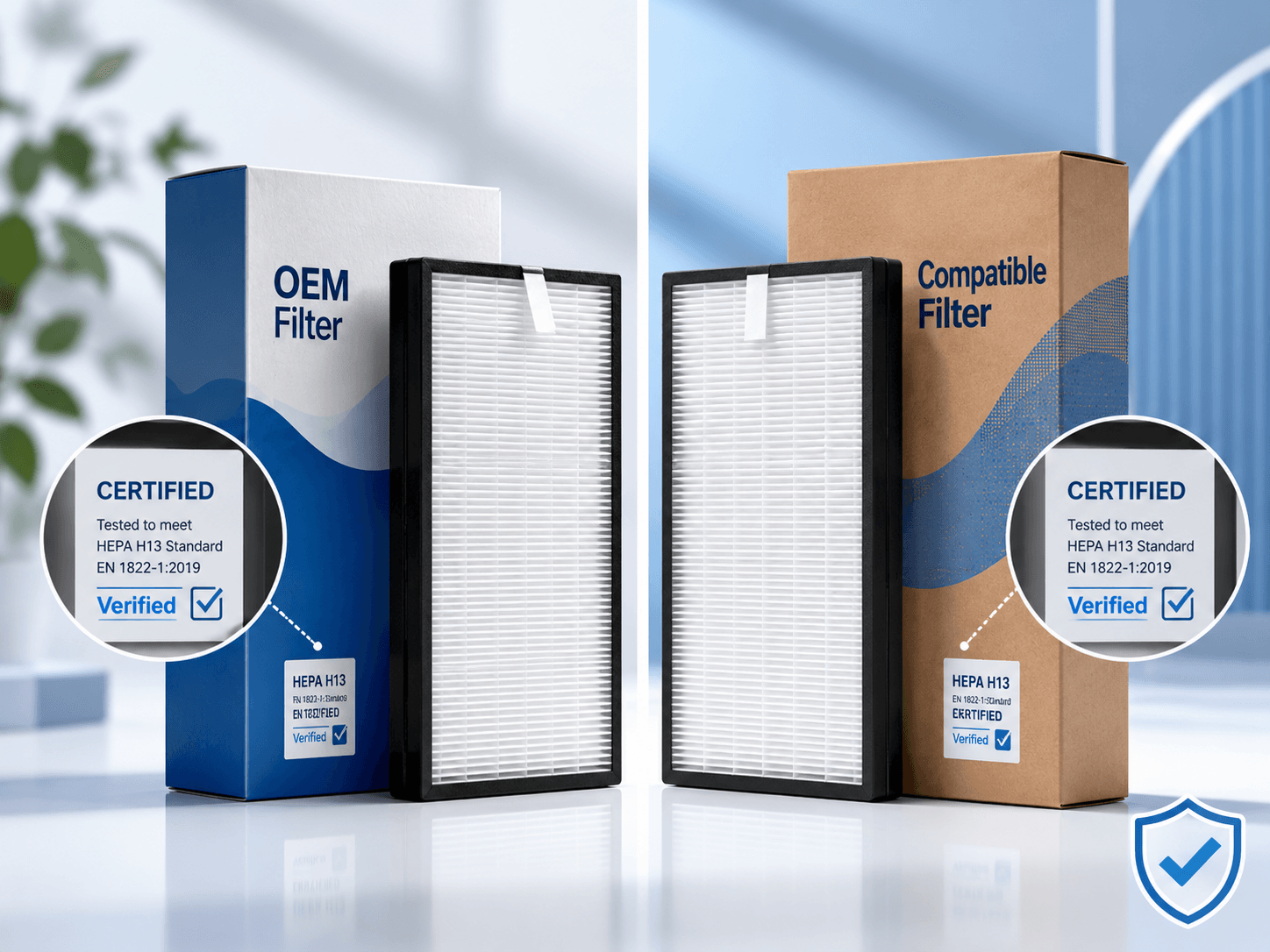
Ask for the EN 1822 or ASHRAE test report showing the filter’s real efficiency rating, whether that’s H13 or H14. A supplier who can hand you a specific test report, with specific numbers, has done the testing. A supplier who just repeats “99.97% efficient” in marketing copy may not have.
Also confirm the factory holds ISO 9001 certification. This isn’t about the filter itself, it’s about whether the factory has a documented, repeatable quality process. That matters more than it sounds, because it’s the difference between your first shipment matching your fifth shipment.
Ask for Real Production Numbers
Every factory website lists a facility size and a production capacity. Fewer suppliers can back that up when you ask follow-up questions.
Push for specifics: how many units can they realistically produce per day on your specific filter type, not their general capacity across all products. Ask for a live video walkthrough of the production line, or request a third-party audit if the order size justifies it. A supplier confident in their setup will not hesitate to show it to you.
Request a Sample Before You Commit to Volume
This step gets skipped more often than it should, usually because of time pressure. Don’t skip it.
A sample tells you things a spec sheet can’t, like how the filter actually fits your housing, how it performs under your real airflow conditions, and whether the build quality matches what was promised. Run your own test before placing a bulk order, even if that means a two or three week delay upfront. That delay is much shorter than the one you’ll face if an entire shipment doesn’t perform.
Confirm Minimum Order Quantities That Fit Your Stage
If you’re testing a new private label line, a supplier who only accepts large-volume orders isn’t the right fit yet, no matter how good their product is.
Ask directly what their MOQ is for a first order, and whether that number is flexible for a new relationship. Suppliers who work with private label and OEM clients regularly usually have a lower entry point built in specifically for this kind of test run.
Look at How Transparent They Are About Materials
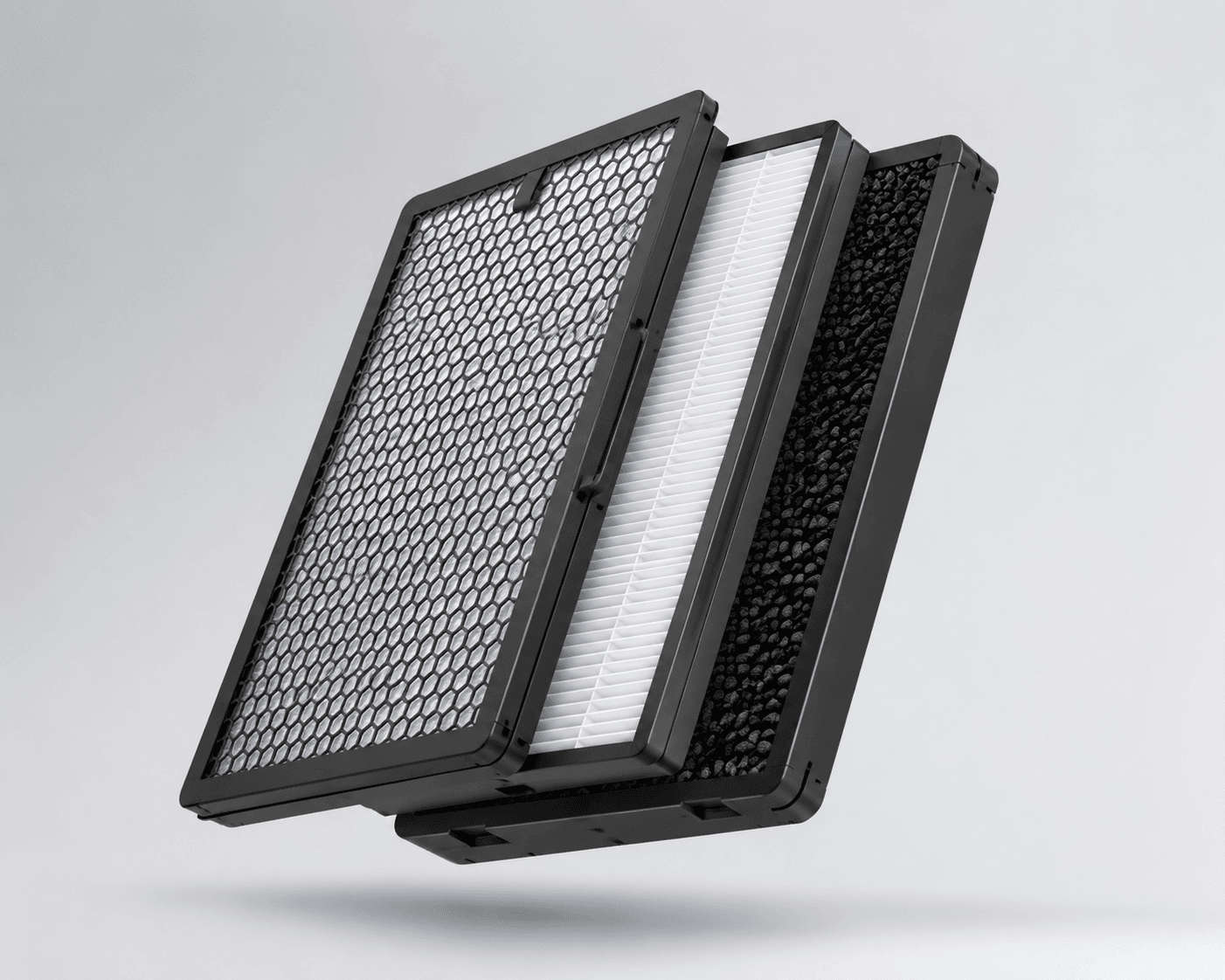
A supplier who can walk you through their filter media in detail, fiber type, pleat density, frame material, is usually a supplier who understands their own product well enough to troubleshoot problems when they come up.
Vague answers here are a warning sign. If a supplier can’t tell you what’s actually inside the filter beyond “high quality HEPA material,” it’s worth asking why.
Get Lead Times in Writing, Including What Happens When They Slip
Lead time quotes are easy to give and easy to miss. Before you commit, ask what their actual on-time delivery rate looks like, not just their stated production timeline.
Just as important, ask what happens if a shipment is delayed. A supplier with a clear answer to that question, and some kind of contingency plan, has likely dealt with the problem before and built a process around it.
Ask About Private Label and Branding Support
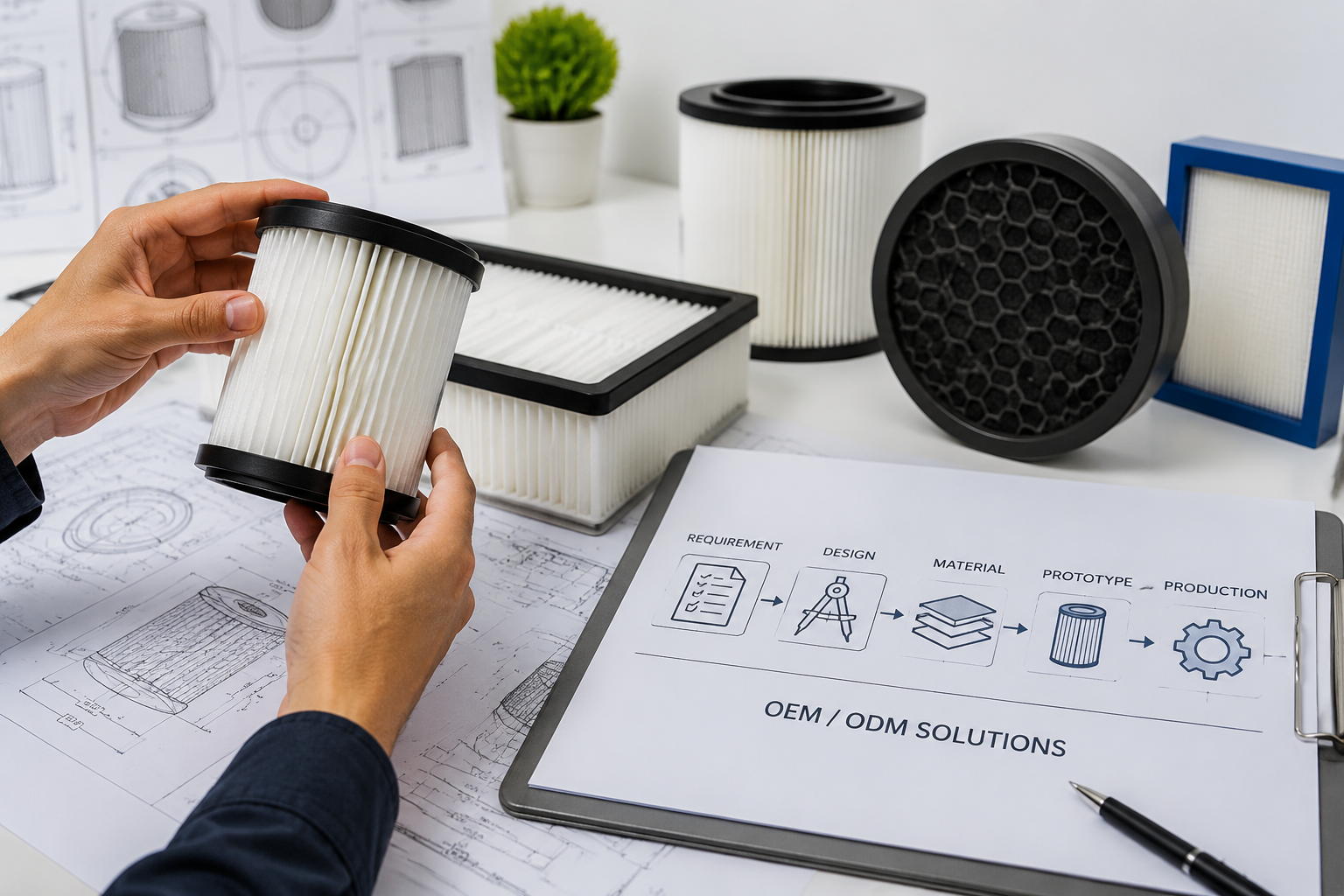
If you’re building your own brand rather than reselling as-is, confirm the supplier can actually support that. This includes custom packaging, branded inserts, and enough production flexibility to make design changes without starting the relationship over.
Some factories are set up well for this. Others are built purely for high-volume generic runs and will struggle to accommodate custom branding requests without long delays or added cost.
Clarify Payment Terms and What They Protect
Payment structure tells you a lot about how a supplier manages risk, on both sides. Understand exactly what triggers each payment, what happens if the goods don’t match the agreed spec, and what recourse you have if there’s a dispute.
A supplier used to working with international B2B buyers will usually have clear, standard terms already in place. If the terms feel vague or the supplier is reluctant to put them in writing, treat that as useful information.
Working With a Supplier Who Expects These Questions
None of this is meant to make sourcing feel adversarial. A supplier that’s used to working with distributors, wholesalers, and private label brands should expect these questions and have straightforward answers ready.
At HIFINE, we work with overseas brand owners and distributors through exactly this kind of process, from EN 1822 and ISO 9001 documentation through sample evaluation and private label production. If you’re evaluating suppliers right now, feel free to run this checklist against us directly.