Every HVAC contractor has had this conversation lately. A client saw wildfire smoke coverage, had a rough allergy season, or read that HEPA filtration blocks 99.97% of airborne particles, and now they want it installed in their existing ducted system. The request sounds simple. The physics behind it usually isn’t.
What a HEPA Air Filter Actually Requires
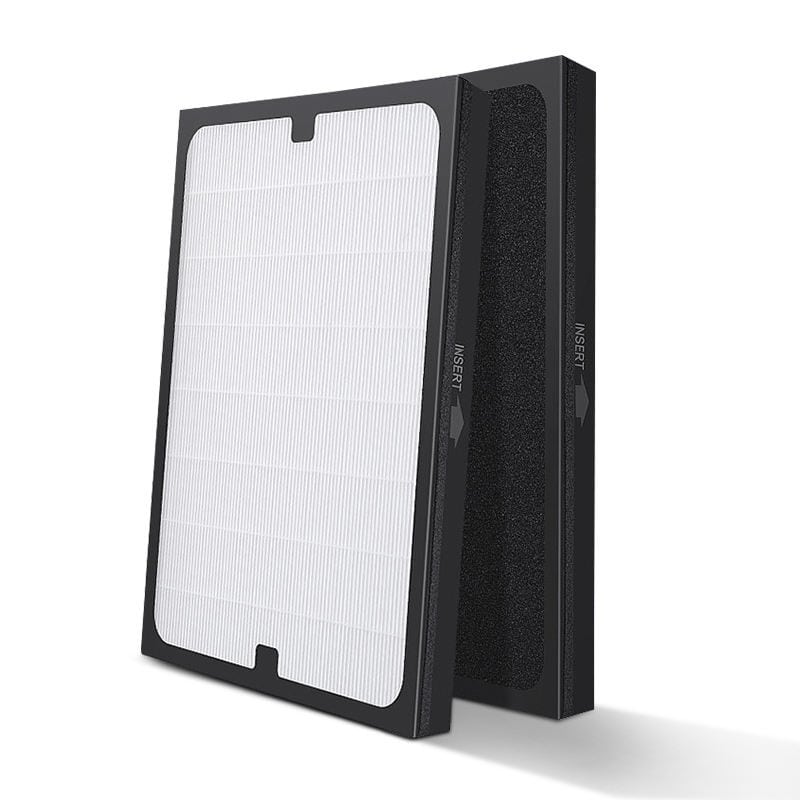
A HEPA air filter has to remove at least 99.97% of particles at 0.3 microns, the size the EPA and DOE identify as the most penetrating particle size for filter media. Hitting that number takes a denser fiber mat than any MERV-rated filter on the market, including MERV 13, which most contractors already treat as the practical ceiling for residential and light commercial systems.
Density is exactly the problem. The same fiber structure that captures particles that small also resists airflow far more than a standard filter does.
Static pressure problems that cause most renovation projects to fail
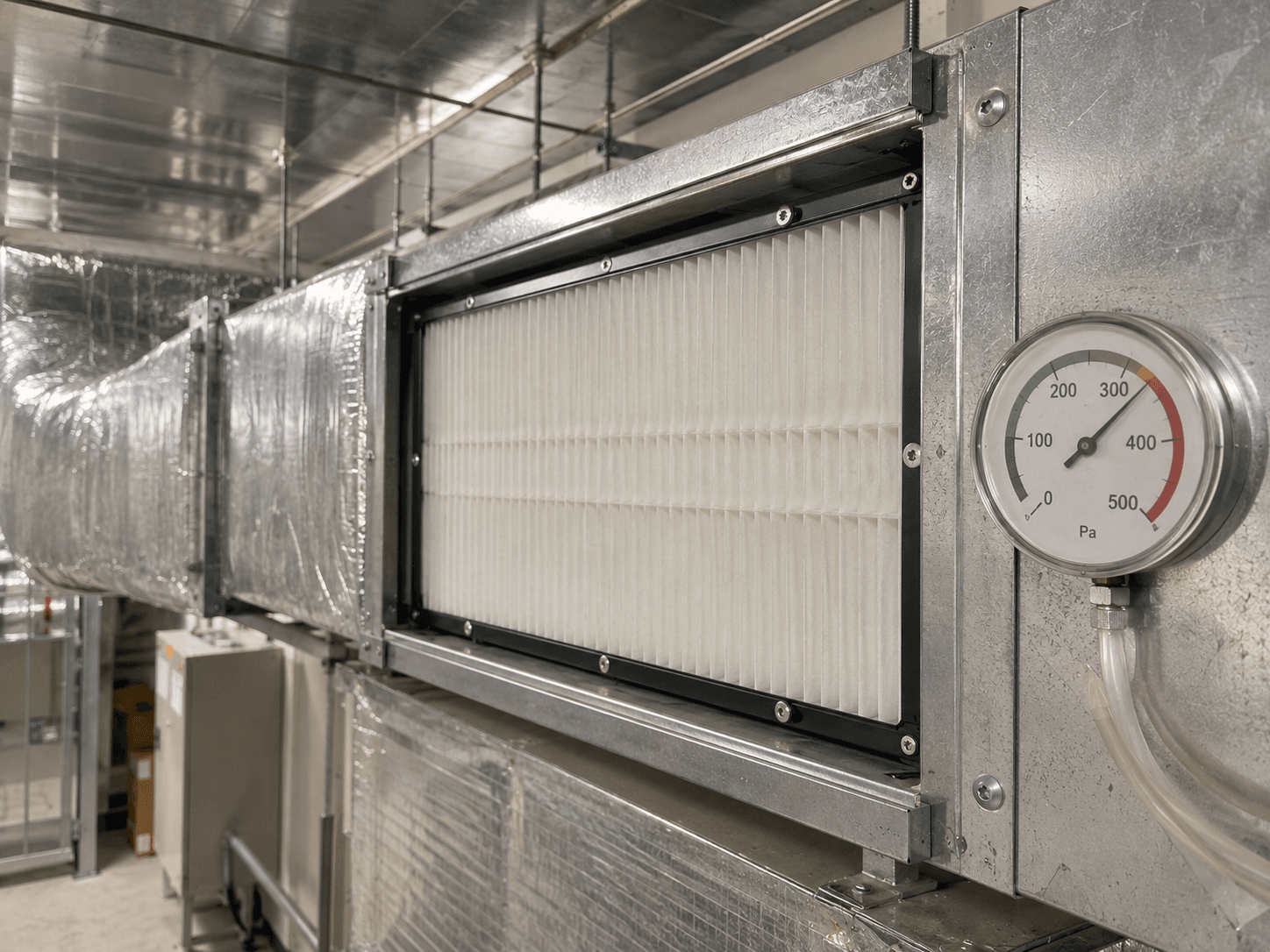
Standard filters typically add 0.1 to 0.3 inches of water column to a system’s static pressure. A true HEPA filter adds 0.5 to 1.5 inches w.c, roughly five times more resistance. Most residential and light commercial air handlers are rated for a total external static pressure of about 0.5 in. w.c. That number has to cover the entire system: ductwork, coil, registers, and filter combined.
Drop a true HEPA filter into a return that was never sized for that pressure drop, and something has to give. Airflow drops, the blower runs longer to hit the same setpoint, and the added strain shows up later as frozen coils, shortened blower motor life, or an energy bill increase that traces straight back to the filter. Camfil’s own technical materials point out that the fan energy needed to overcome that pressure drop becomes the largest cost driver in a HEPA filter’s total lifetime cost, ahead of the filter itself.
Measure Before You Promise Anything
The Journal of Light Construction’s guidance on high-MERV retrofits applies just as directly to HEPA requests: measure total external static pressure with a manometer before quoting anything. Compare that reading against the air handler manufacturer’s maximum rating, then measure the pressure drop across the current filter separately. Most existing duct systems already run closer to their limit than owners realize, so the filter is rarely the only variable that needs to change.
When MERV 13 Solves the Problem Without a Fight
EPA guidance recommends upgrading to MERV 13, or as high a rating as the system’s fan and filter slot can accommodate, before jumping straight to HEPA. In practice, MERV 13 media filters, especially at 4 to 5 inches deep rather than 1 inch, add far less pressure drop than a true HEPA filter while still capturing bacteria, smoke, and most respiratory aerosols at 50% efficiency or better. For a client asking for the best filtration available, MERV 13 is usually the answer that actually fits inside the static pressure budget the existing equipment has.
When the Client Genuinely Needs True HEPA
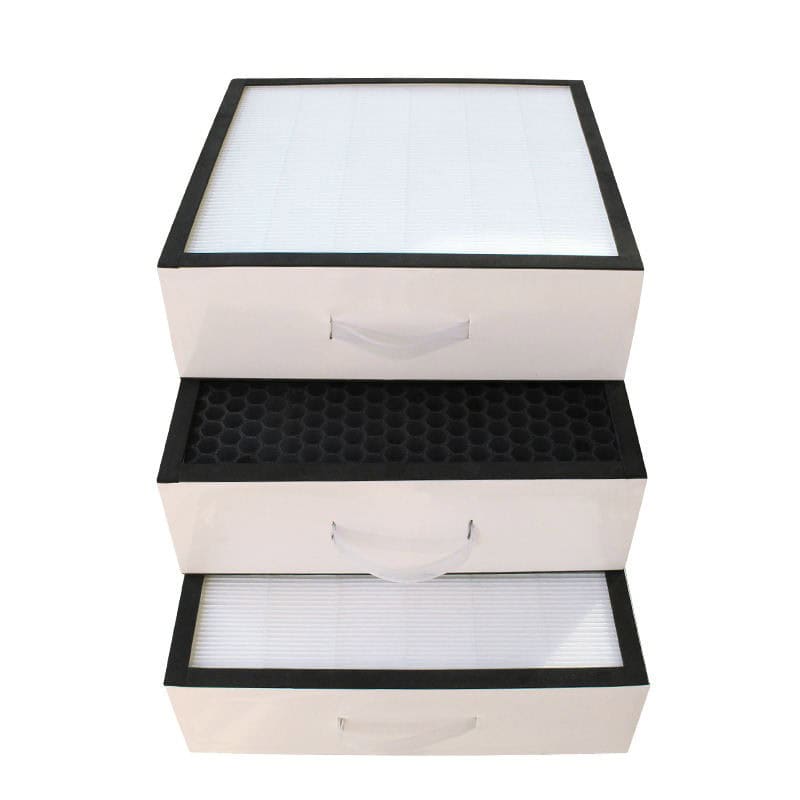
Some jobs call for true HEPA regardless of what the main duct system can absorb: a home with an immunocompromised occupant, a small medical office, a space adjacent to a cleanroom. The fix in those cases usually isn’t forcing HEPA media into the main return. A bypass or sidestream configuration pulls a portion of return air through a dedicated HEPA unit with its own fan, then reintroduces that filtered air into the main ductwork, keeping the extra resistance off the primary blower entirely.
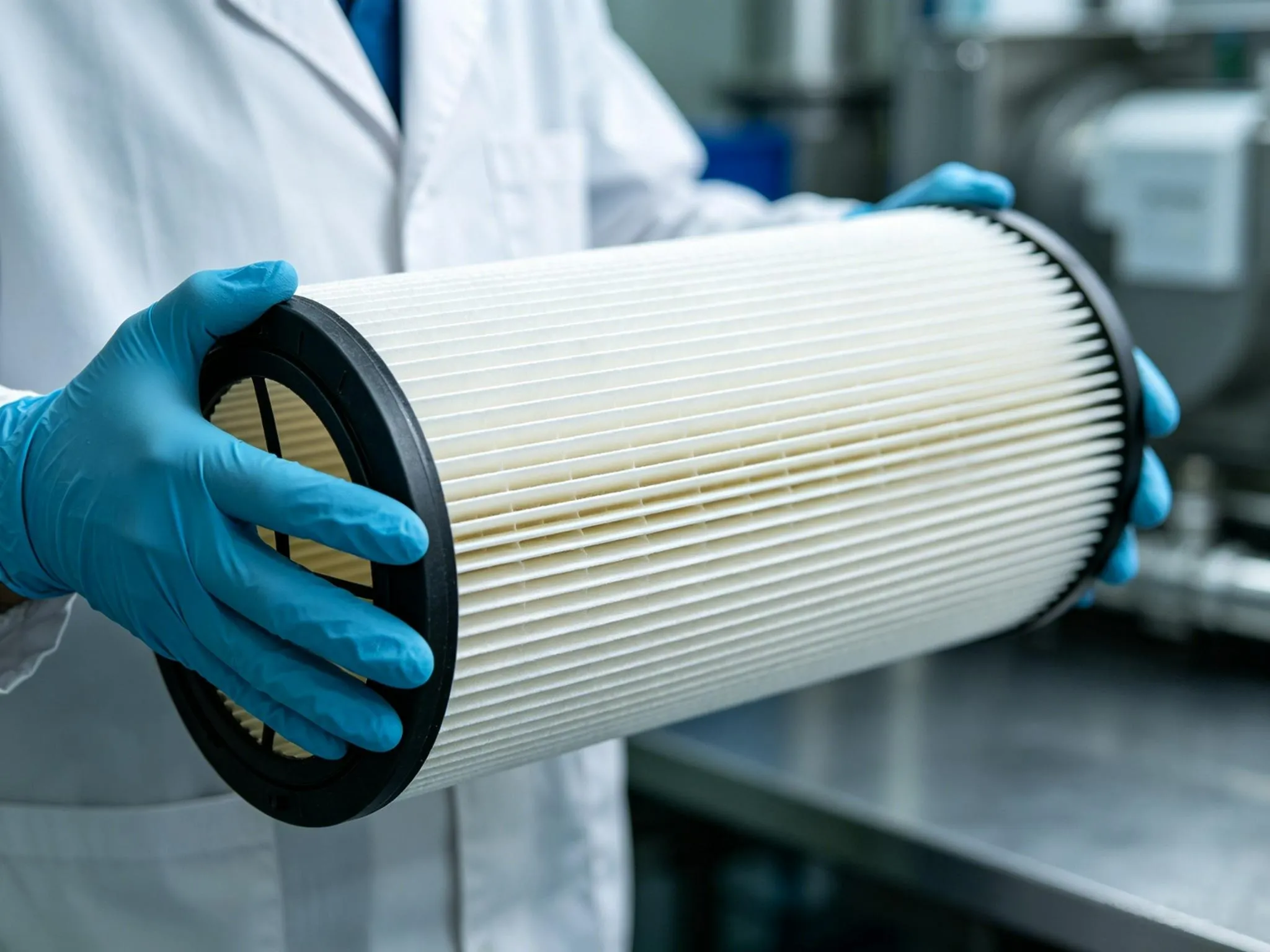
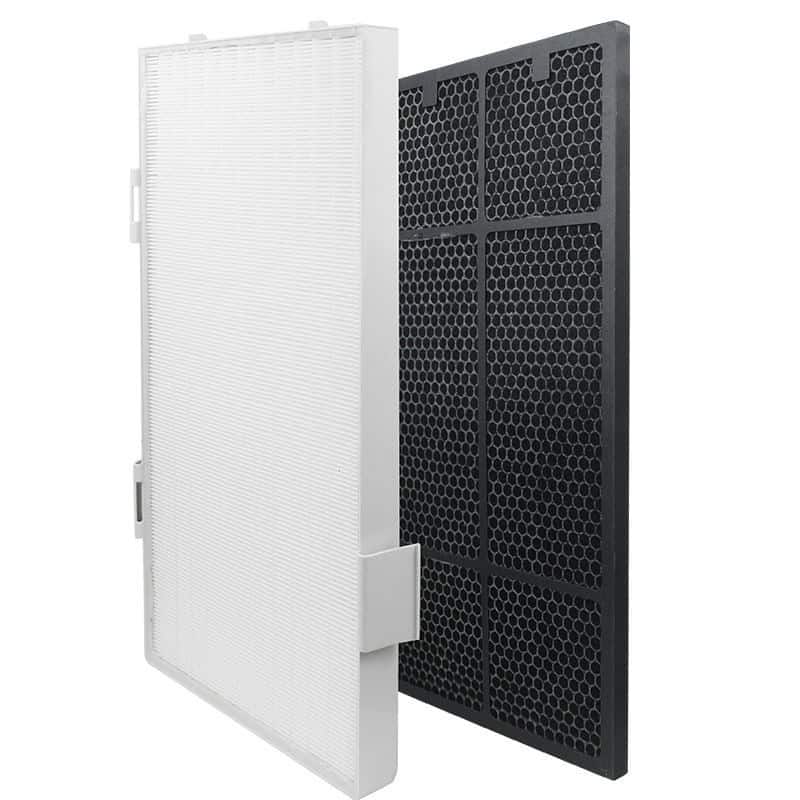
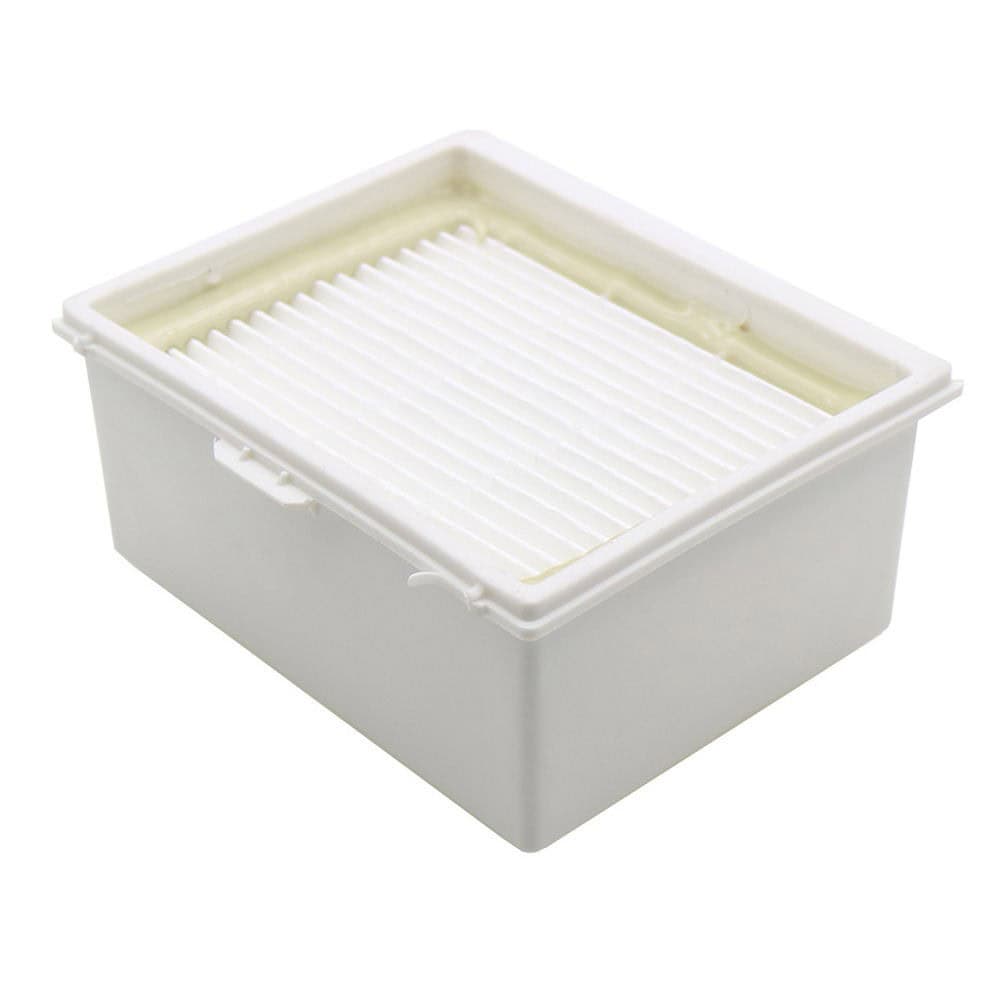
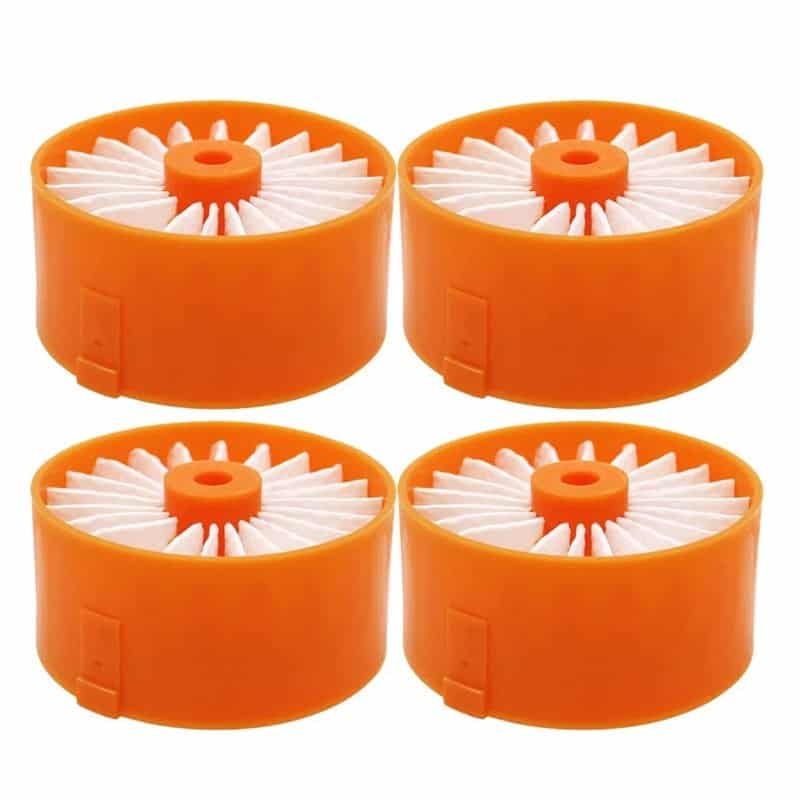
For spaces that need HEPA without touching the duct system at all, a standalone unit with its own dedicated fan is usually the more practical answer. That’s also why cylindrical HEPA cartridges, the kind built for vacuum motors and standalone air cleaners such as the ones Hifine manufactures for cylindrical housings, exist as a separate product category from flat panel duct filters. They’re engineered to move air on their own rather than share a blower sized for a much lower pressure drop.
The Conversation Worth Having Before the Install
The client rarely wants “HEPA” specifically. They want cleaner air and assume HEPA is the way to get there. A contractor who measures TESP first, explains what MERV 13 already covers, and reserves true HEPA for a bypass loop or standalone unit when it’s genuinely needed ends up delivering a system that performs, instead of one that trips a high-limit switch during the first cooling season.
That’s a stronger sales conversation too. Telling a client what their system can support, and what it takes to get further than that, holds up a lot better than a filter swap that strains a blower motor within a few months.