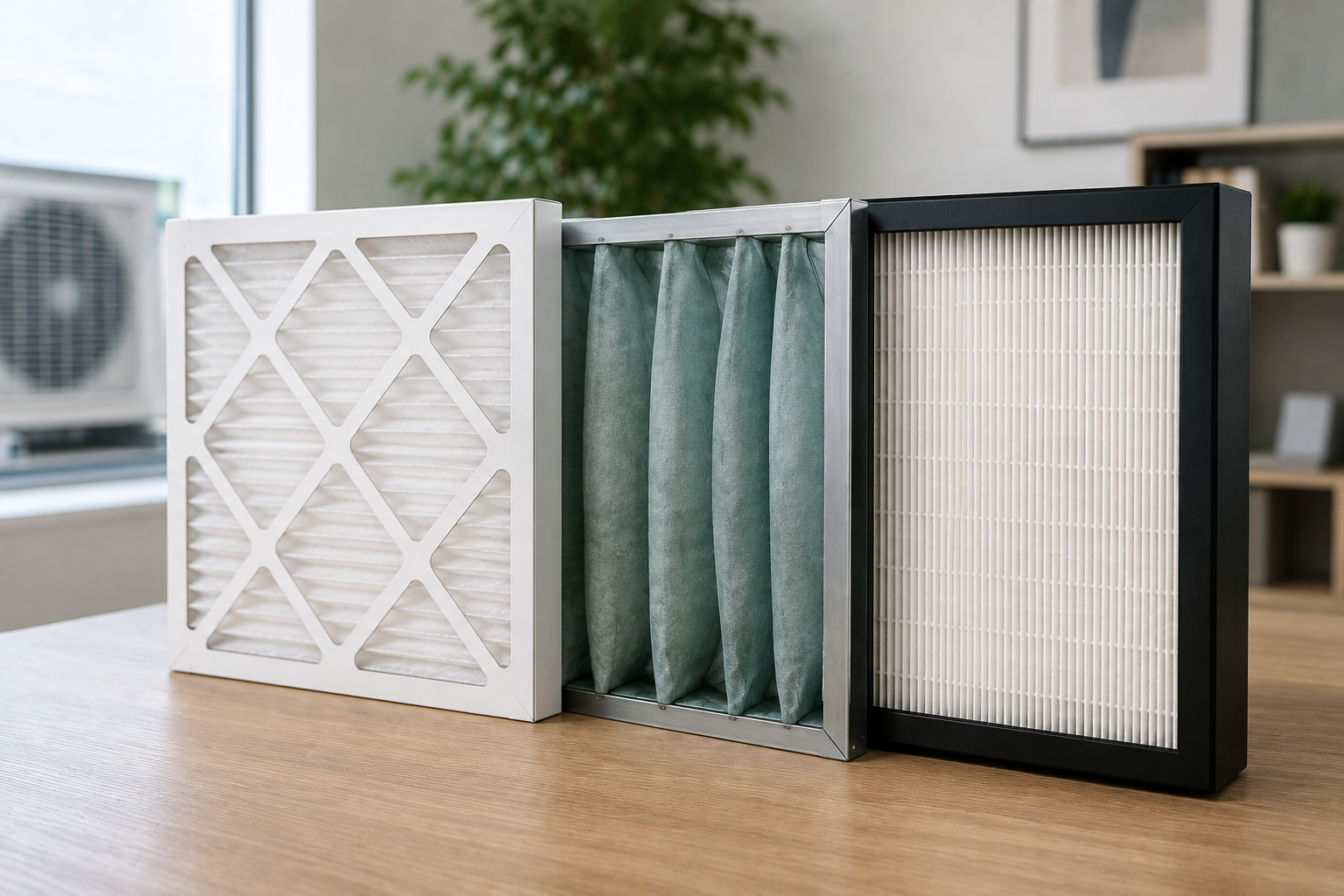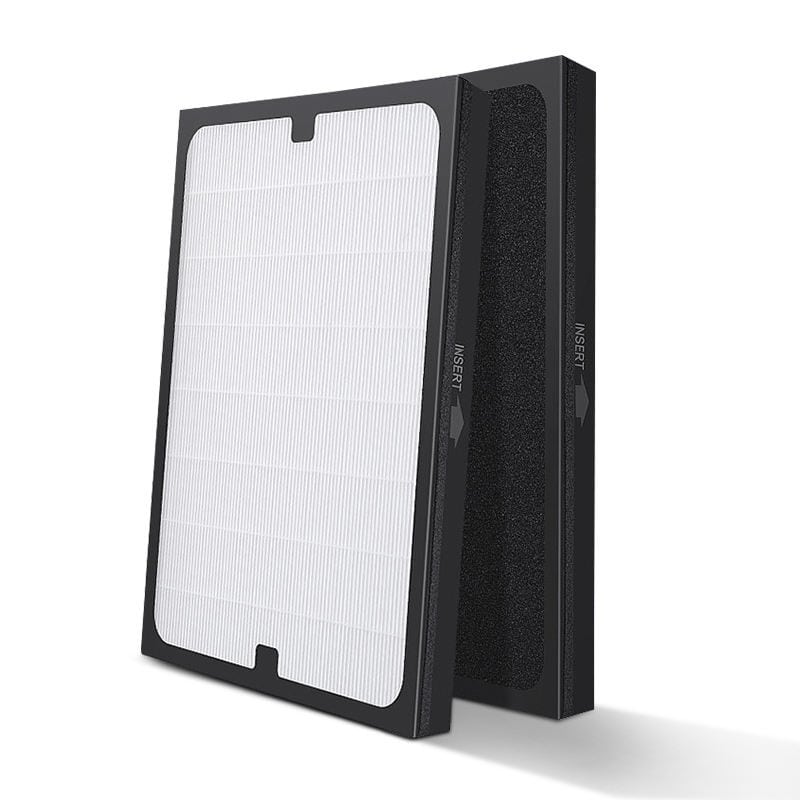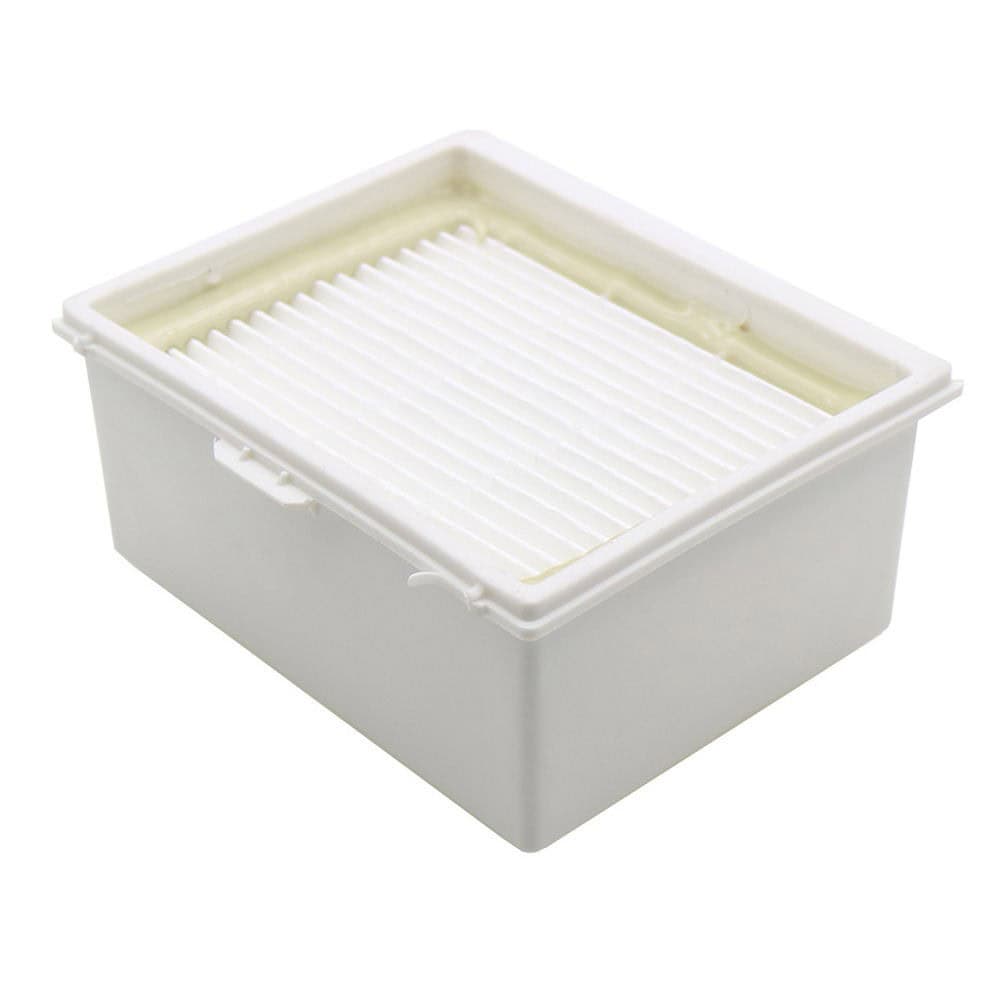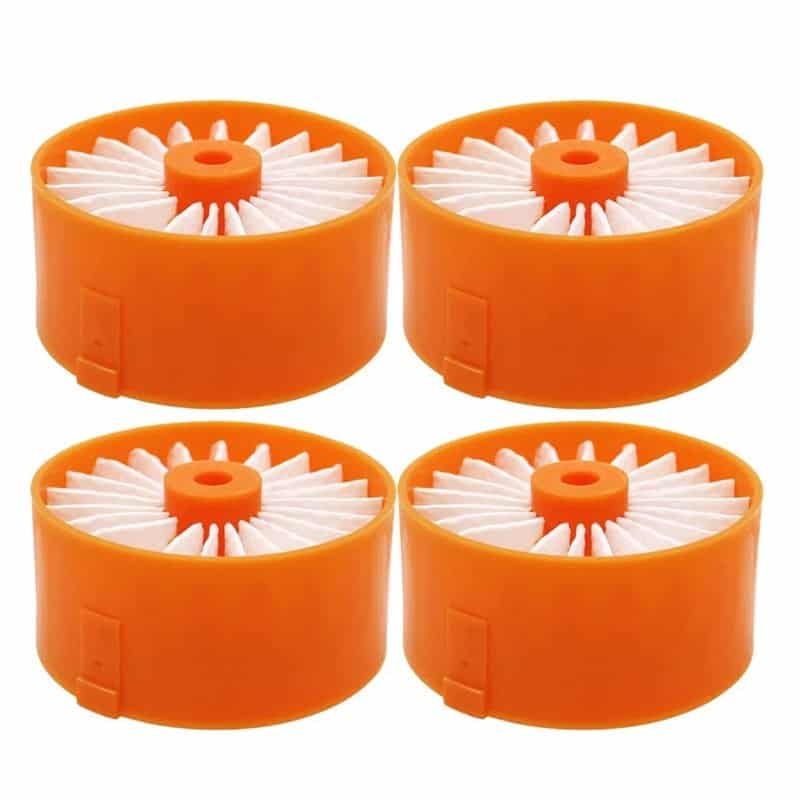


Most people pick an air purifier based on room size and CADR rating. Both matter — but neither one tells you whether the filter inside is actually built for your specific air problem. An allergy household, a newly renovated apartment, and a home near wildfire country need fundamentally different filtration. The unit moves air. The filter determines what stays out of it.
This guide breaks down each filter type, where it works, where it doesn’t, and how to match the right one to what’s actually in your air.
The Three Filter Types — and Why None of Them Does Everything
Indoor air isn’t one thing. It’s a mix of fine particles, biological matter, and invisible gases — and no single filter type handles all three equally well. That’s not a gap in technology. It’s just physics.
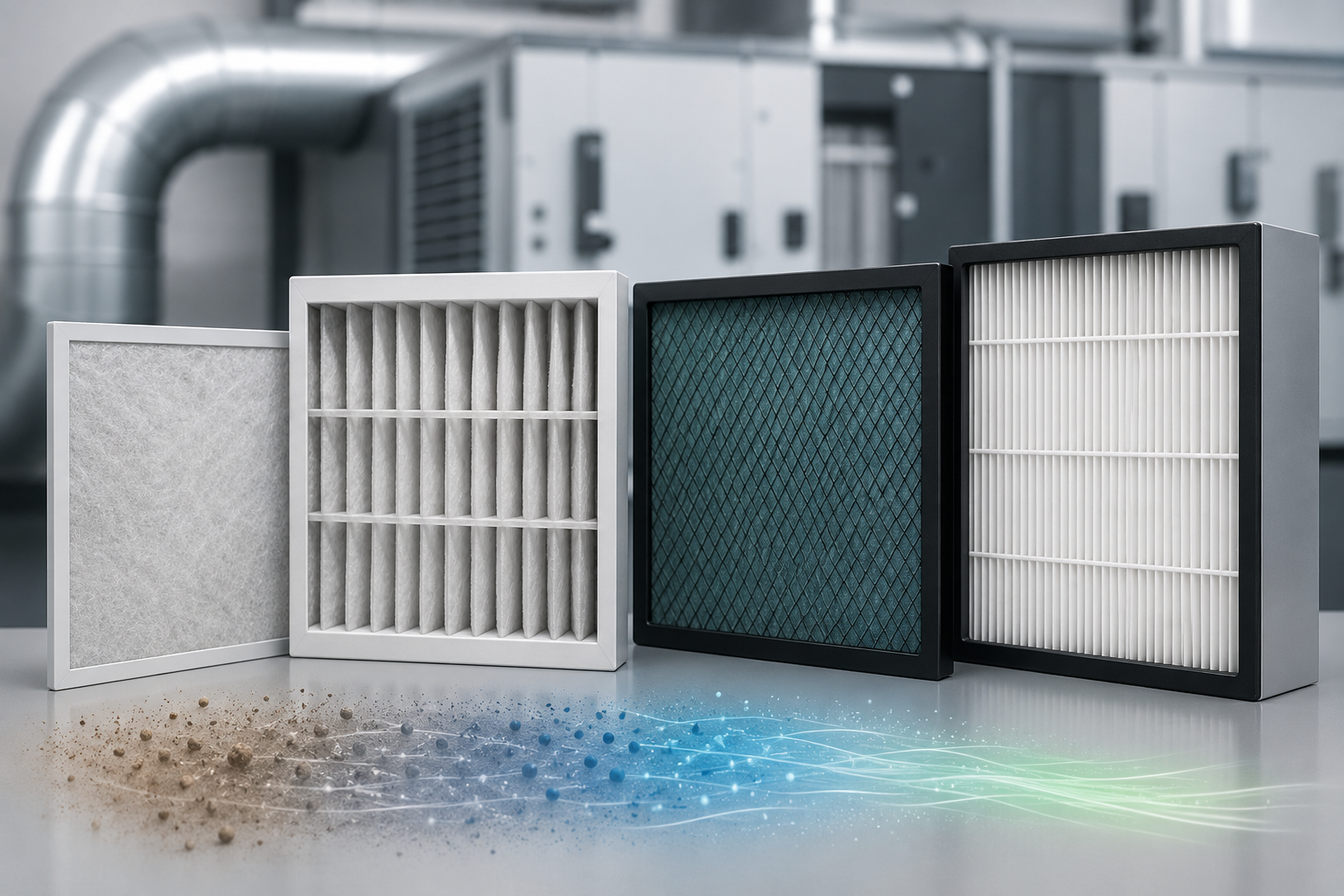
There are three core filter types, and each one covers a different part of that spectrum:
| Filter type | What it catches | What it misses | Best for |
|---|---|---|---|
| True HEPA (H13+) | PM2.5, pollen, dander, mold spores, dust — 99.97% at 0.3 µm | Gases, odors, VOCs | Allergies Smoke |
| Activated carbon | VOCs, formaldehyde, odors, tobacco byproducts — via adsorption | Particulate matter | VOCs Cooking odors |
| Pre-filter | Hair, large dust, lint — protects downstream layers | Fine particles, gases | Filter longevity |
A HEPA filter alone won’t touch chemical off-gassing. A carbon filter alone can’t catch PM2.5. Skipping a pre-filter doesn’t clean air better—it just burns through your primary filter faster. See our filter replacement guide to understand how filter order affects overall system lifespan.
Which Filter Do You Actually Need?
Room size tells you how much airflow capacity to look for. It says nothing about what your air actually contains. That mismatch is where most purchases go wrong.
Allergies and Pet Dander
Households with pets or anyone dealing with seasonal allergies are dealing with a consistently high particle load — PM2.5, dander, and biological matter cycling through the air constantly. For this situation, you need a True H13 HEPA filter with a CADR rating at least two-thirds of your room’s square footage in CFM. That ratio gets you roughly five air changes per hour, which is the threshold most respiratory health guidelines point to.
Our HIFINE H13 HEPA replacement filters are tested to 99.97% capture at 0.3 microns. That includes the major cat and dog allergen proteins that lower-grade HEPA filters — anything below H13 — tend to miss.
H11 vs H13 HEPA: Does the Grade Actually Matter?
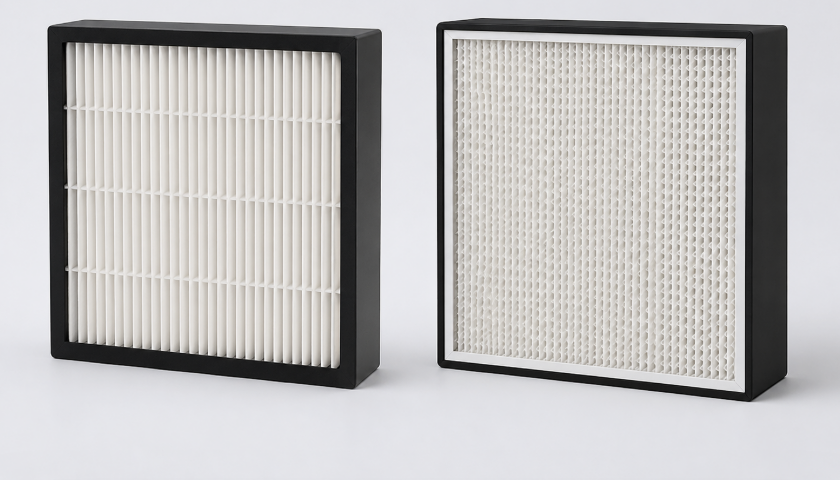
This is probably the most common question that doesn’t get a straight answer. Short version: yes, the grade difference is real, and for allergy or asthma households it’s not a minor one.
Both H11 and H13 are classified as “True HEPA,” but they perform at different thresholds. H11 filters capture 95% of particles at 0.3 microns — the hardest particle size to catch. H13 filters capture 99.97% at that same size. That might sound like a small gap on paper, but at 0.3 microns you’re talking about the particle range that includes the most penetrating allergens and fine combustion particles. In a home with two shedding dogs and a family member with asthma, that difference is felt.
- Where H11 makes sense: general household use, low-to-moderate pollution environments, or situations where you’re prioritizing lower running costs and longer filter life. H11 filters typically have lower airflow resistance, which means your purifier’s fan works less hard and filters can last longer before replacement.
- Where H13 is worth it: pets, allergies, asthma, anyone with a respiratory condition, or households near high-traffic roads. The 99.97% capture rate at 0.3 microns is the standard that actually holds up in clinical air quality research.
It is important to note that some products are labeled “HEPA type” or “HEPA-like” but do not actually comply with HEPA or HEPA standards. If the packaging does not specify H11, H12, or H13, it can be assumed that it does not comply with either HEPA or HEPA standards.
Further reading on the differences between H13 and H14 levels on the label.
VOCs and Off-Gassing from New Furniture or Renovation
This one catches people off guard. The smell from fresh paint or new furniture fades after a few days. The VOC release doesn’t — it can continue for months, well past the point where you’d notice it by scent alone.
For VOC situations, activated carbon weight is the only spec that actually matters. Not the number of filter layers. Not whether the product description uses the word “carbon.” Weight.
Here’s why: activated carbon works through adsorption — VOC molecules physically bond to the surface of the carbon granules. Once those surface sites fill up, the filter is saturated and stops working, even if it looks unchanged. Thin carbon mesh or carbon-coated fiber — the kind in most budget purifiers — provides very limited surface area. In a freshly renovated room, that type of filter can saturate within two to three weeks.
Granular activated carbon is different. The granules are porous at a microscopic level, which dramatically increases surface area per gram. A filter with 1–2 lbs of granular activated carbon can handle sustained VOC exposure for months rather than weeks. If a product doesn’t list carbon weight — only “activated carbon layer” or “carbon filter included” — treat that as a red flag. Meaningful carbon filtration is a selling point manufacturers list when they have it.
Wildfire Smoke and Fine Particulate Matter
Smoke particles cluster between 0.4 and 0.7 microns, which puts them squarely in HEPA’s capture range. But smoke also carries a gas component — and HEPA passes gases right through. A single-stage “HEPA purifier” rated for smoke is only addressing part of the problem.
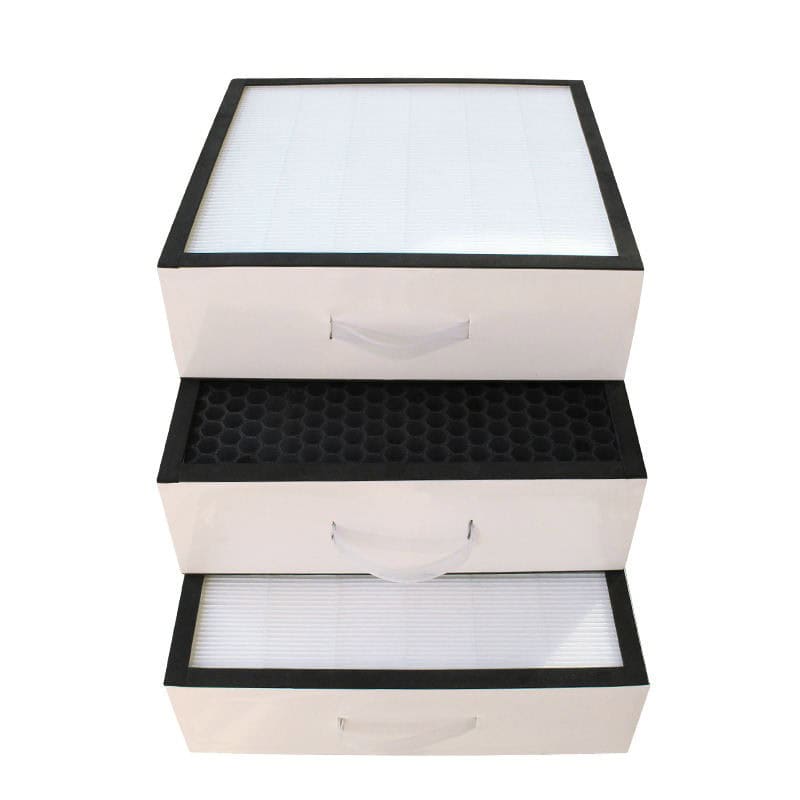
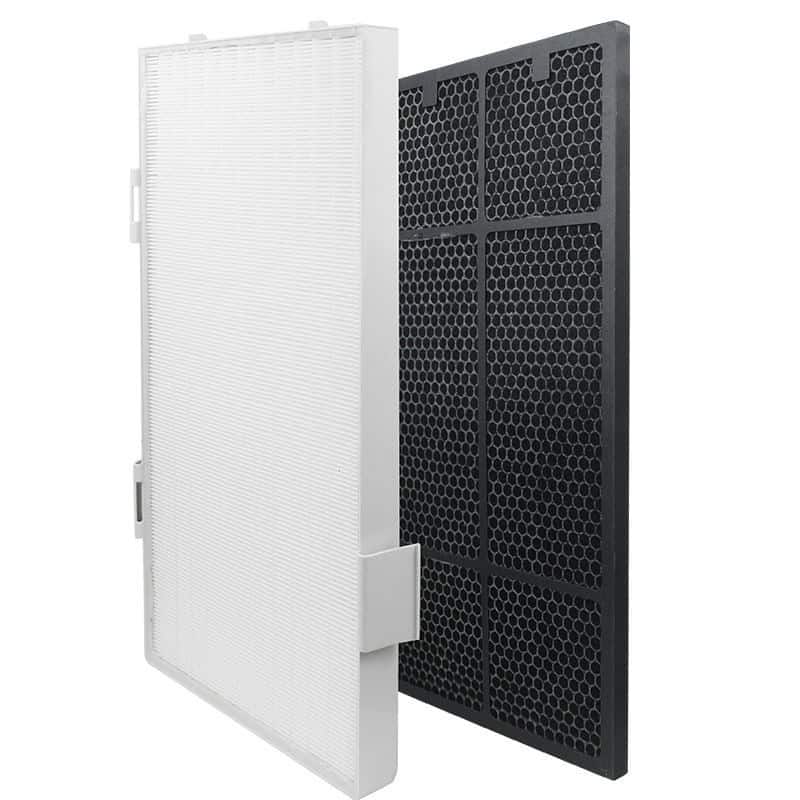
For smoke-prone households or wildfire seasons, a three-stage system is what actually works: a pre-filter handles larger debris, HEPA captures fine particles, and a high-density carbon layer manages the gaseous fraction. All three stages matter.
General Household Maintenance
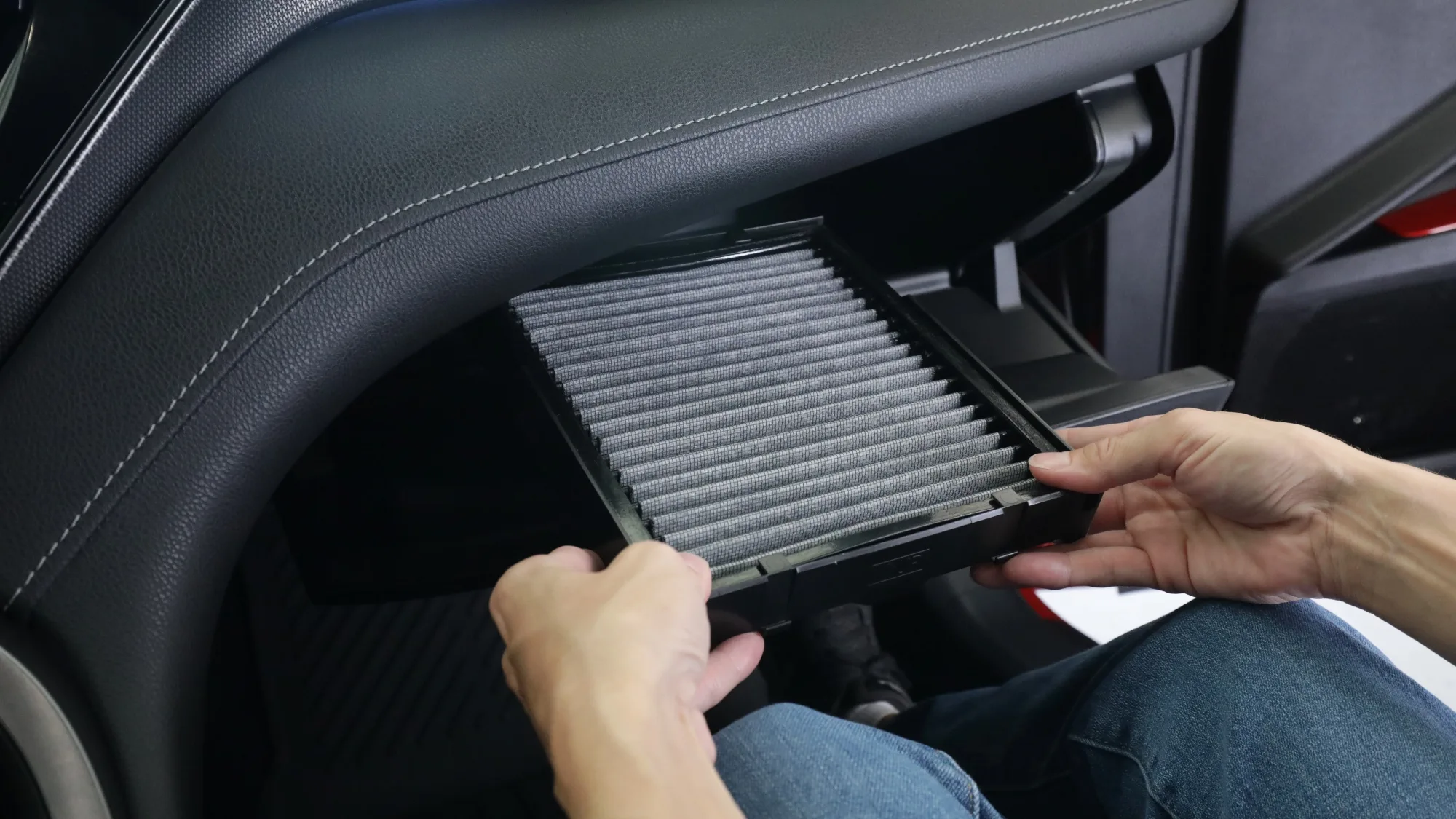
For most homes without a specific air quality problem, a standard combination filter — pre-filter, H11–H13 HEPA, and a carbon layer — changed every 6 to 12 months covers the basics well. The variable most people miss is actual run-time hours and your local outdoor AQI, not the date on a calendar. A filter in an urban kitchen running six hours a day needs replacement on a completely different schedule than the same filter in a quiet rural bedroom.
Does Knowing Your Real-Time Air Quality Change How You Manage Filters?
The traditional approach to air purification has a structural problem: you can’t see what the filter is actually doing, so you guess. You follow the manufacturer’s schedule, which is written for an average home — which may or may not resemble yours.
When a purifier connects to a real-time sensor network tracking PM2.5, PM10, CO₂, VOC index, and humidity simultaneously, that guesswork goes away. Filter performance becomes something you can measure instead of assume.
Smart systems also build a usage history over time. A household where cooking and pet activity accelerates filter saturation 40% faster than manufacturer estimates can now verify that in actual data, and swap filters before air quality silently degrades. Most people don’t notice when filtration performance drops. The data does.
HIFINE designs and manufactures HEPA and activated carbon replacement filters tested to H13 standards. The specifications and performance data in this article come from our own filter testing and the households we work with — not manufacturer spec sheets.