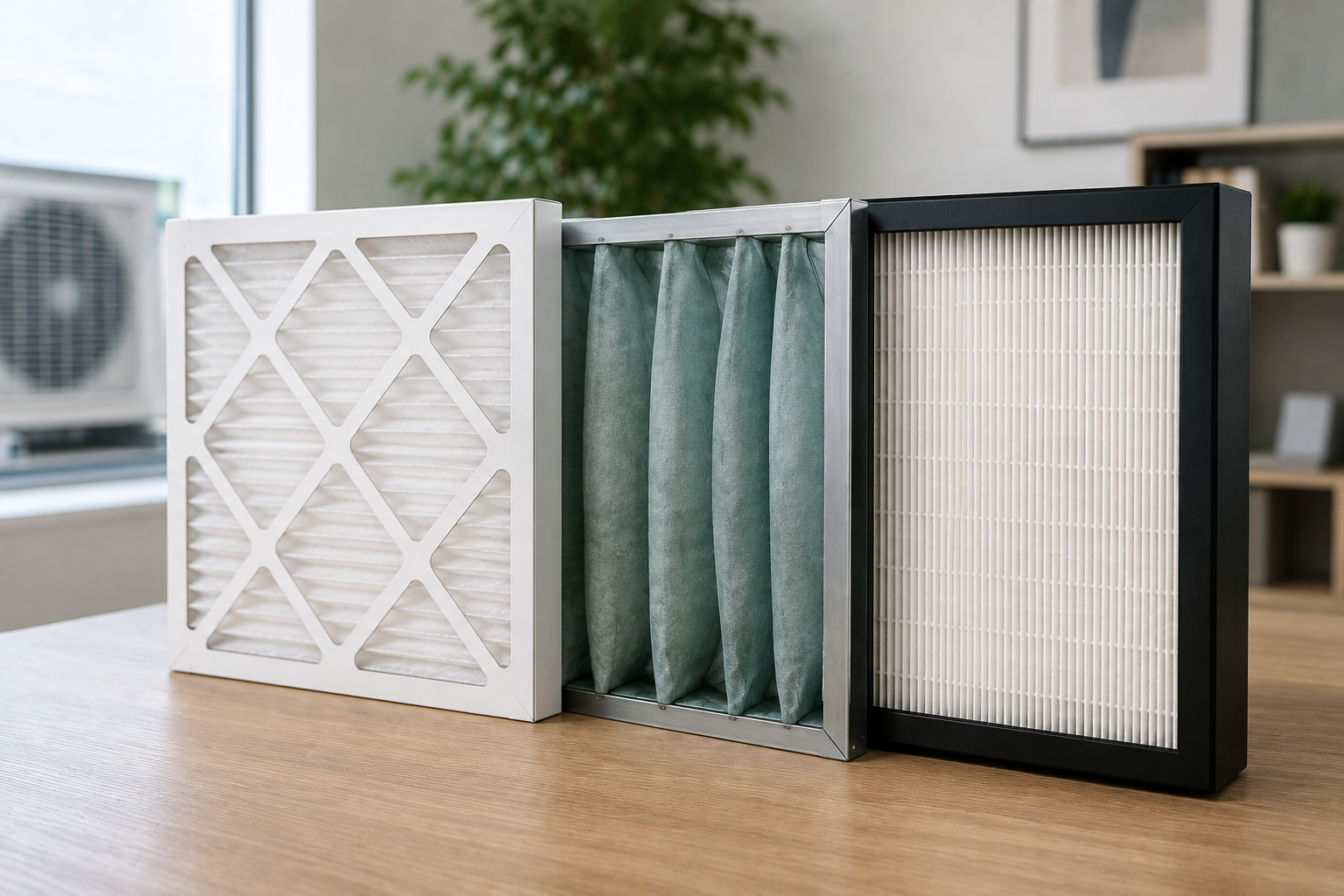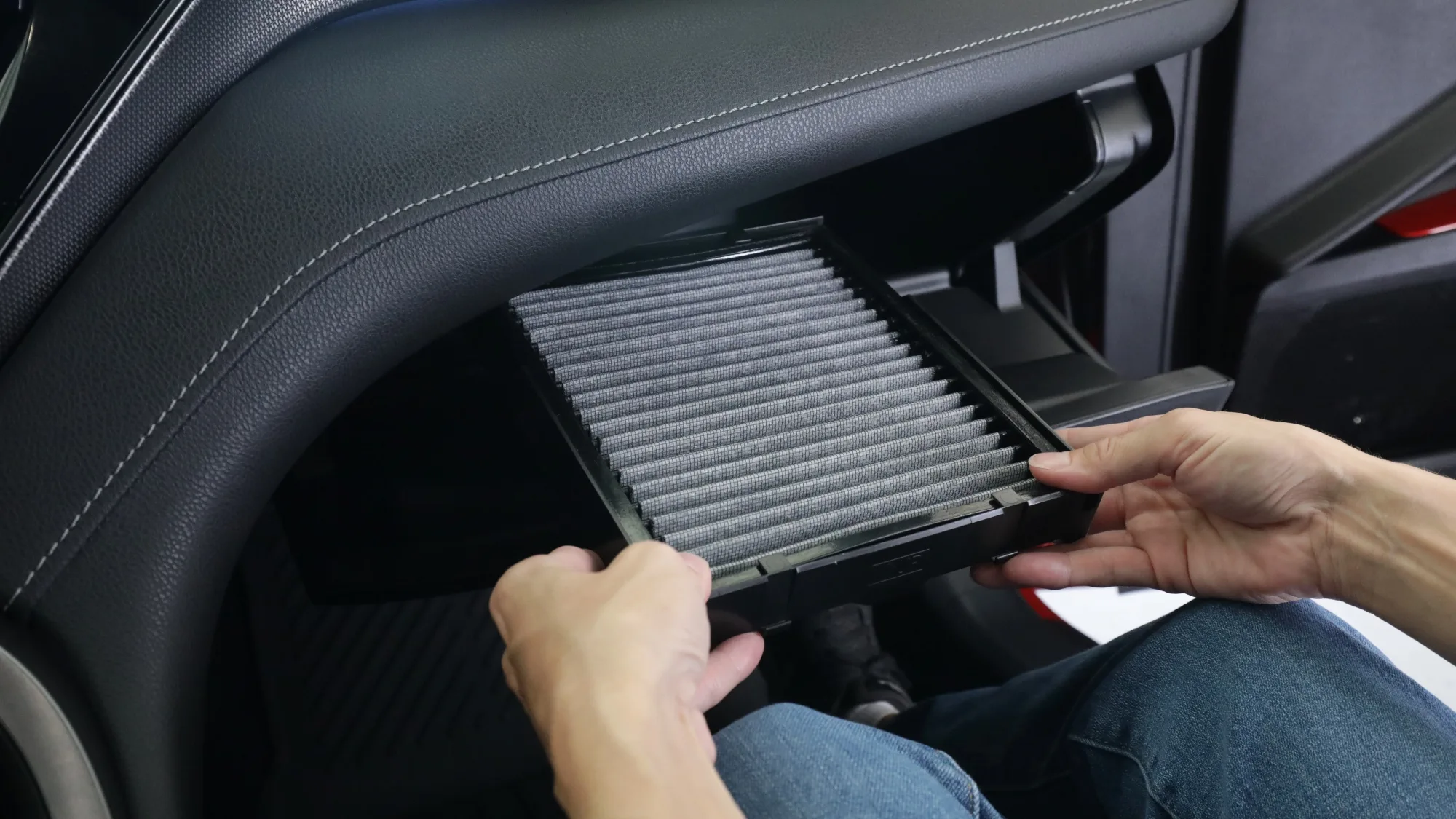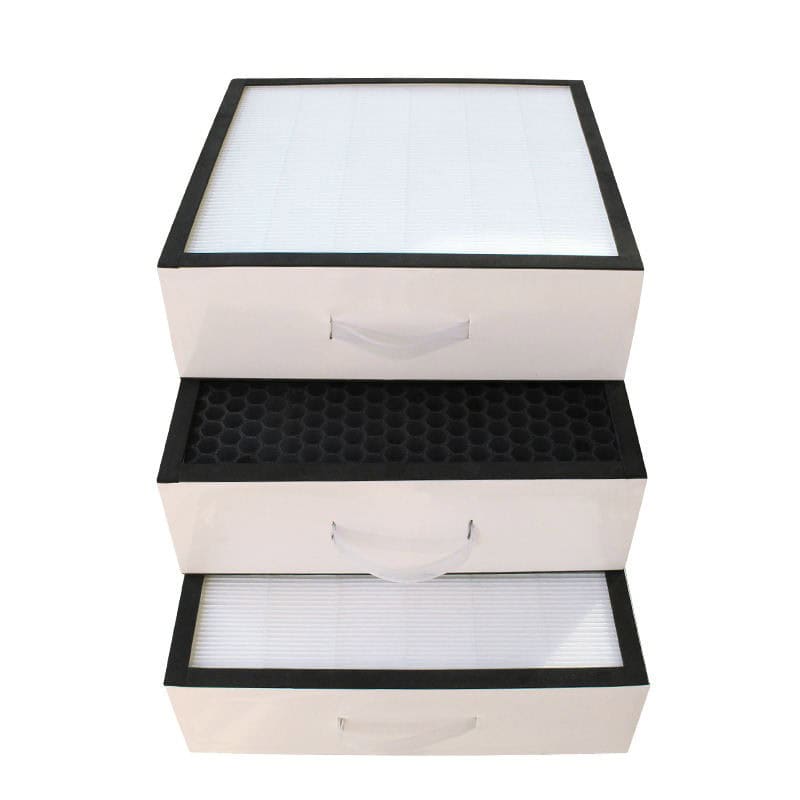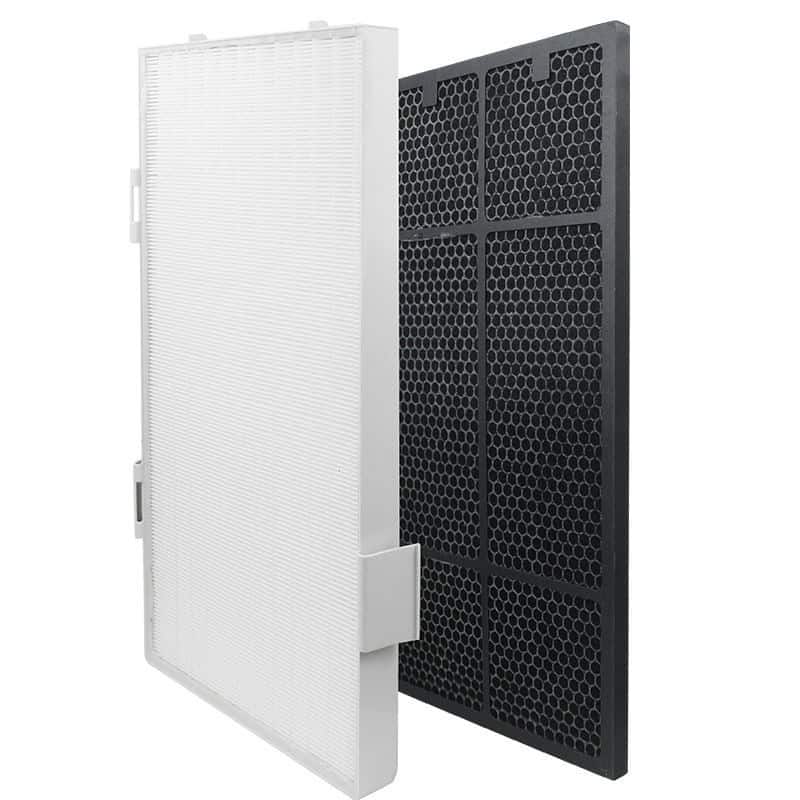

Most buying guides for an air purifier for smoke compare ten brands side by side and call it a day. That approach falls apart the moment real smoke shows up, because a machine that scores well on dust removal can do almost nothing for cigarette odor or wildfire haze drifting through an open window. HIFINE manufactures the HEPA and activated carbon media that sits inside these machines, so this guide skips the brand parade and goes straight to the three specifications that actually predict performance: smoke CADR, carbon bed weight, and dwell time. If a product listing does not mention these, a smoke test at home will expose it fast.
Smoke Is Two Problems Wearing One Name
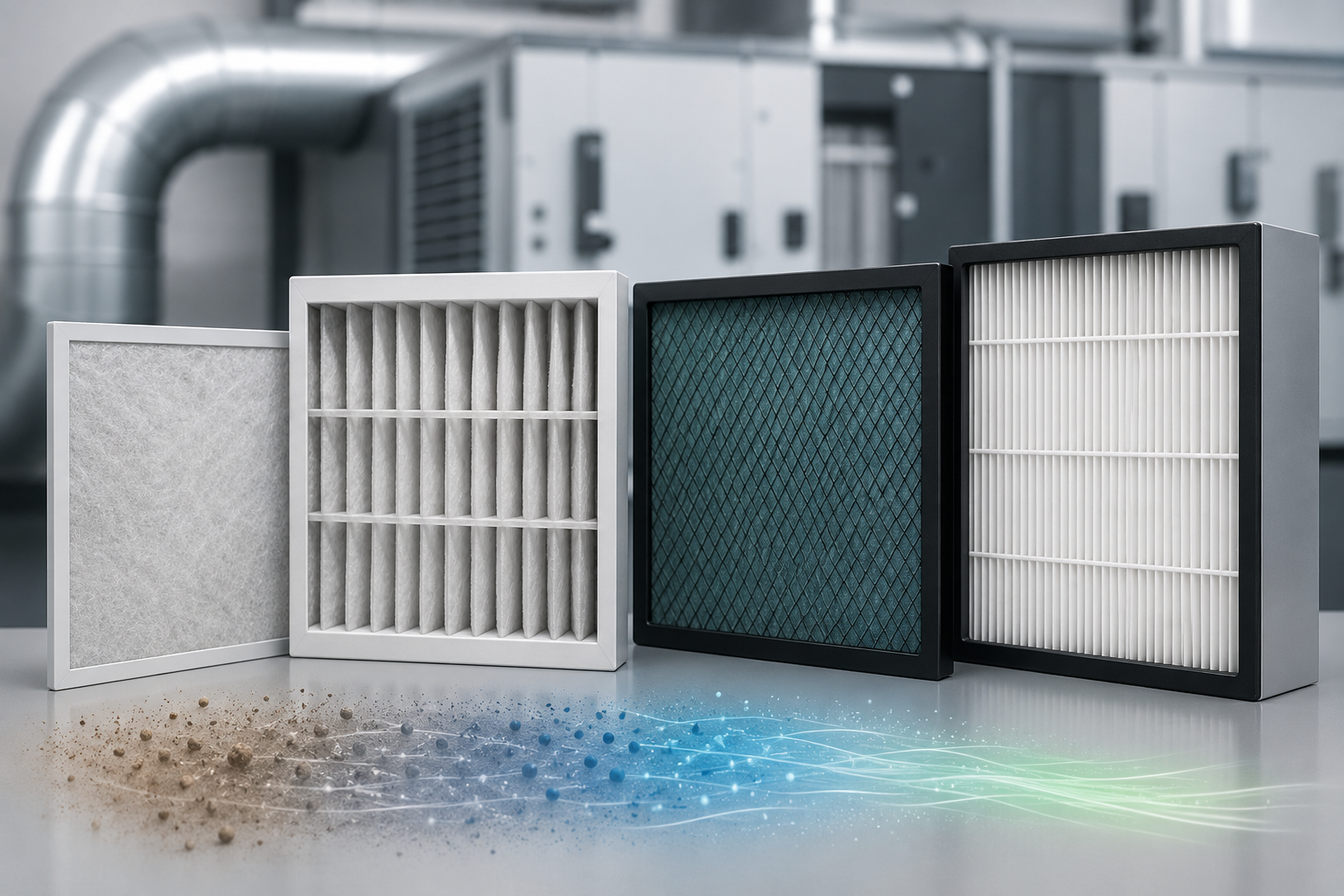
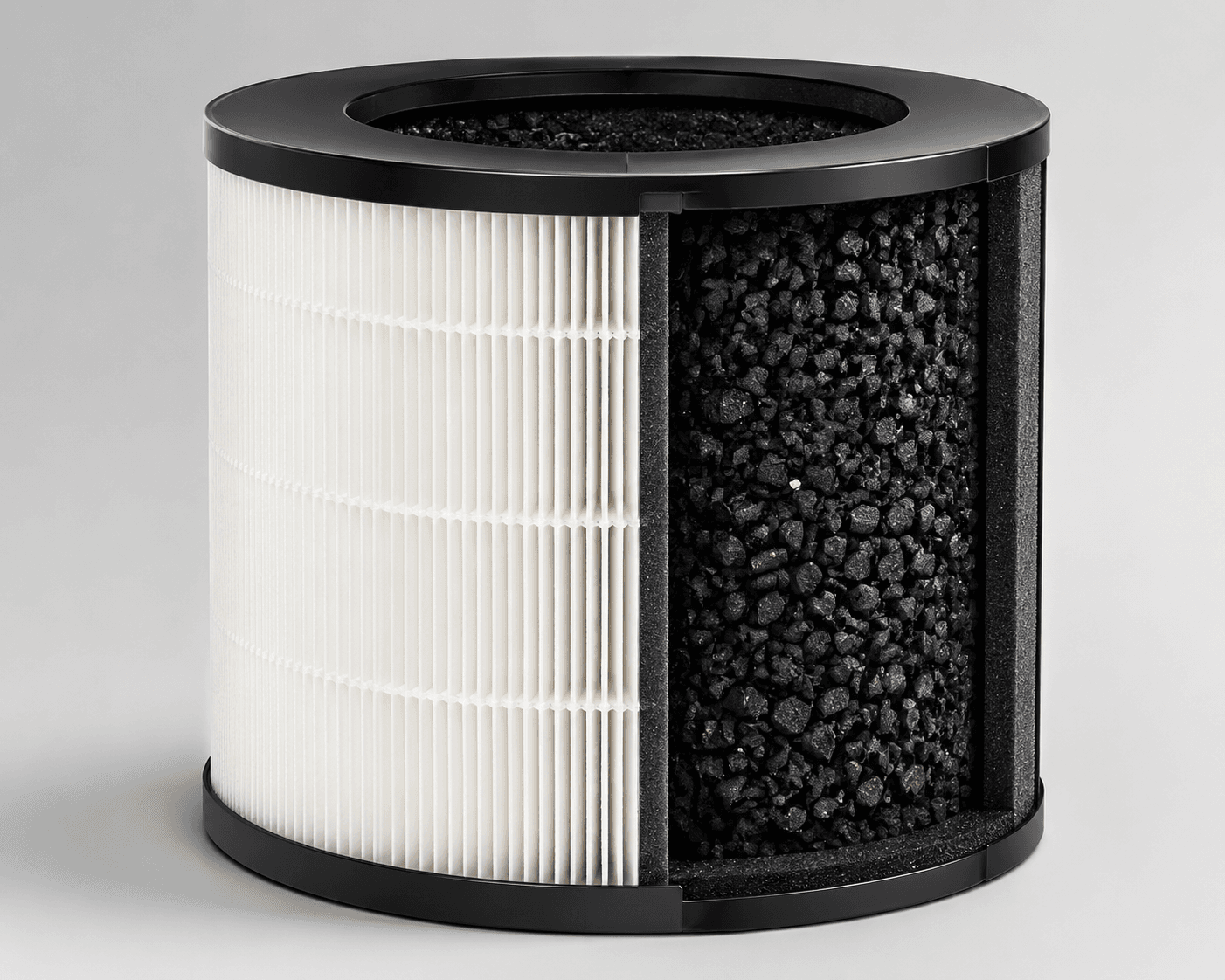
Smoke is not a single pollutant. It is a mix of fine particles, soot, and ash small enough to lodge deep in the lungs, plus a cloud of chemical vapors such as formaldehyde, acrolein, and benzene, compounds that exist as gases rather than particles. These two halves behave completely differently inside a filter. A true H13 grade HEPA layer captures particles down to 0.3 microns with an efficiency of 99.97 percent, but it has no chemical mechanism for trapping a gas molecule. The gas simply flows through the fibers untouched. The EPA’s own guidance confirms that a portable air cleaner needs a separate activated carbon layer, or another gas removal media, to handle that half of the problem, a point explained in the EPA Guide to Air Cleaners in the Home. That is also why a unit can legally claim it removes smoke while barely touching the smell that lingers. HIFINE has written more on how these two filtration types divide the work in this breakdown of activated carbon versus HEPA filtration.
Number One: Smoke CADR
CADR stands for Clean Air Delivery Rate, and it is not one number. Most manufacturers test three separate categories: dust, pollen, and tobacco smoke. Smoke particles are the smallest of the three, so the CADR rating for smoke is usually the lowest figure on the label and the most honest test of real performance.
The sizing rule comes from the Association of Home Appliance Manufacturers and the EPA. For everyday use, choose a unit whose smoke CADR is at least two thirds of the room’s square footage. During a wildfire smoke event or frequent indoor smoking, AHAM recommends matching CADR to the full square footage instead, a guideline summarized in the EPA’s wildfire smoke research program. A bedroom of about 150 square feet, for example, needs a smoke CADR of roughly 100 under normal conditions and closer to 150 when smoke exposure is heavy.
Number Two: Carbon Bed Weight
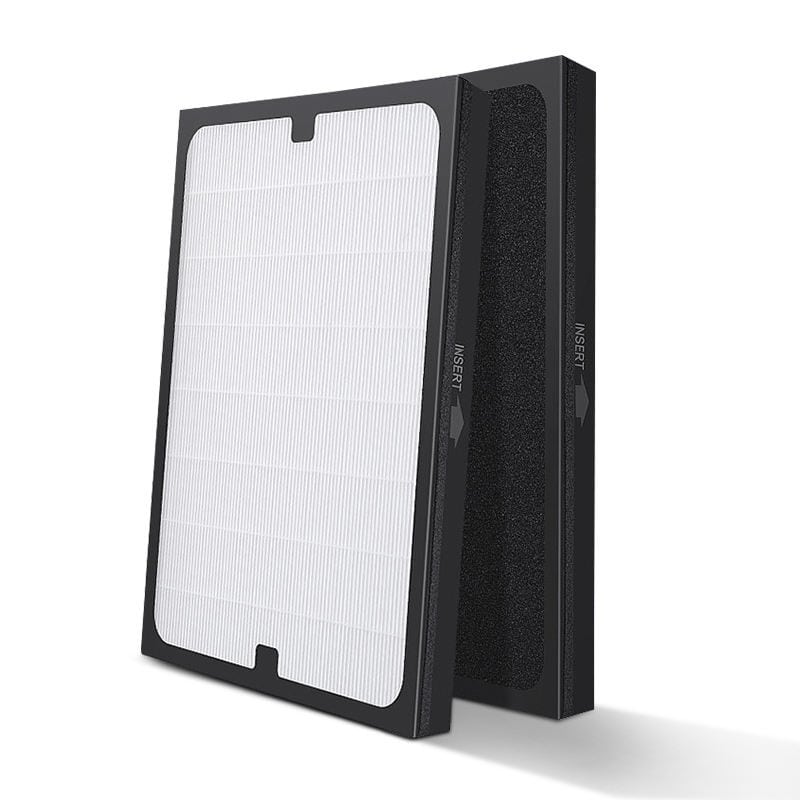
Activated carbon filter is not a regulated term, and that is exactly the problem. It can describe a granular bed weighing several hundred grams, or a thin sheet with a light carbon coating that adds almost nothing beyond marketing language. More carbon means more surface area and more capacity to adsorb odor molecules before the media saturates. Blueair’s SmokeBlock filter line, for comparison, uses roughly double the carbon of its standard particle and carbon filter and is rated to remove the large majority of wildfire smoke particles, which shows how much variation exists between products marketed the same way. Before buying, look for a spec sheet that states carbon weight in grams rather than a listing that simply says “with activated carbon.” HIFINE’s activated carbon filter line publishes bed depth and adsorption data to ensure real performance against smoke odor, not just dust.
Number Three: Dwell Time
Dwell time is the one figure almost no retail listing includes, and it might matter the most. It describes how long air stays in contact with the carbon bed as it passes through, which depends on bed depth and airflow speed. A carbon coated sheet only 2 millimeters thick gives air almost no time to react with the surface, so gas molecules pass straight through. A deeper granular bed slows the air down just enough for adsorption to actually happen. There is no standardized rating system for this, since the EPA notes there is currently no widely used performance rating for gas removal filters. Until one exists, bed depth is the closest practical proxy: look for something in the range of 15 millimeters or deeper if odor removal, not just dust, is the priority.
The Cigarette Smell That Will Not Leave
Even a purifier with strong specifications cannot solve every kind of smoke problem, and this is where expectations need adjusting. The CDC states there is no safe level of exposure to secondhand smoke, a reminder that odor is not just a cosmetic concern. Cigarette smoke also leaves behind thirdhand smoke, a residue of nicotine and other chemicals that settles into surfaces and keeps releasing back into the air for months or years. California’s thirdhand smoke research center and several state health departments note that this residue clings to fabric, dust, and building materials long after the smoke itself has cleared, and no air purifier can filter something already embedded in a couch cushion. Surfaces that commonly hold thirdhand smoke residue include:
- Fabric upholstery, curtains, and bedding
- Carpet, rugs, and the padding underneath
- Wall paint, drywall, and ceiling tile
- HVAC ducts, vents, and filter housings
A purifier with a strong smoke CADR and a properly sized carbon bed will steadily clear the air in the room. It will not clean a couch. For rooms with a long smoking history, pair filtration with surface cleaning and expect gradual improvement rather than an overnight fix.
Quick Answers
Does an air purifier really remove cigarette smoke smell?
Yes, for the airborne portion. A unit with an adequate smoke CADR and enough activated carbon can measurably reduce both particles and the gases that cause odor in the room. It has no effect on residue already absorbed into fabric or walls.
How long does it take to clear smoke smell from a room?
For fresh smoke, a correctly sized purifier running continuously can noticeably reduce odor within a few hours. Rooms with months or years of accumulated thirdhand smoke residue may take weeks of combined filtration and surface cleaning before the smell fully fades.
Before You Buy: A Quick Checklist
- Confirm the listing shows a CADR rating specific to tobacco smoke, not just a general CADR number
- Check the spec sheet for carbon weight in grams or bed depth in millimeters
- Verify true H13 or H14 HEPA grade rather than a vague “HEPA type” label
- Look for certification confirming the unit does not generate ozone as a byproduct, as recommended by the American Lung Association
- Ask about replacement filter cost and interval, since a carbon bed can saturate silently while still looking clean
For Brands Building an Air Purifier or Filter Line
These same three numbers are what regulatory testing and customer reviews eventually come back to. If your team is developing a private label air purifier, replacement filter, or OEM component built around smoke and odor performance, the design decisions start here: target smoke CADR, carbon weight per cartridge, and bed geometry for dwell time. HIFINE engineers combined HEPA and activated carbon filters to documented specifications for wholesale, OEM, and private label partners worldwide. Explore HIFINE’s OEM filtration solutions or request a technical datasheet built around your target specification.