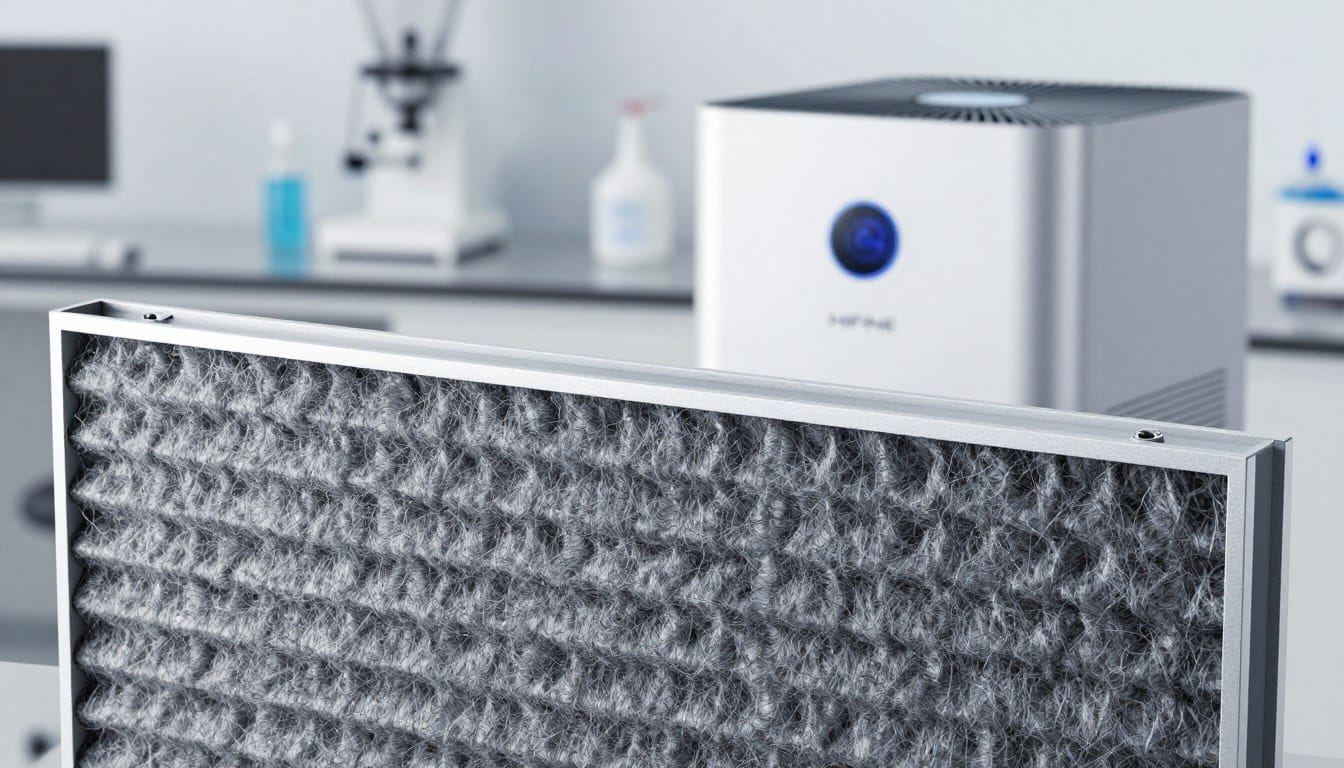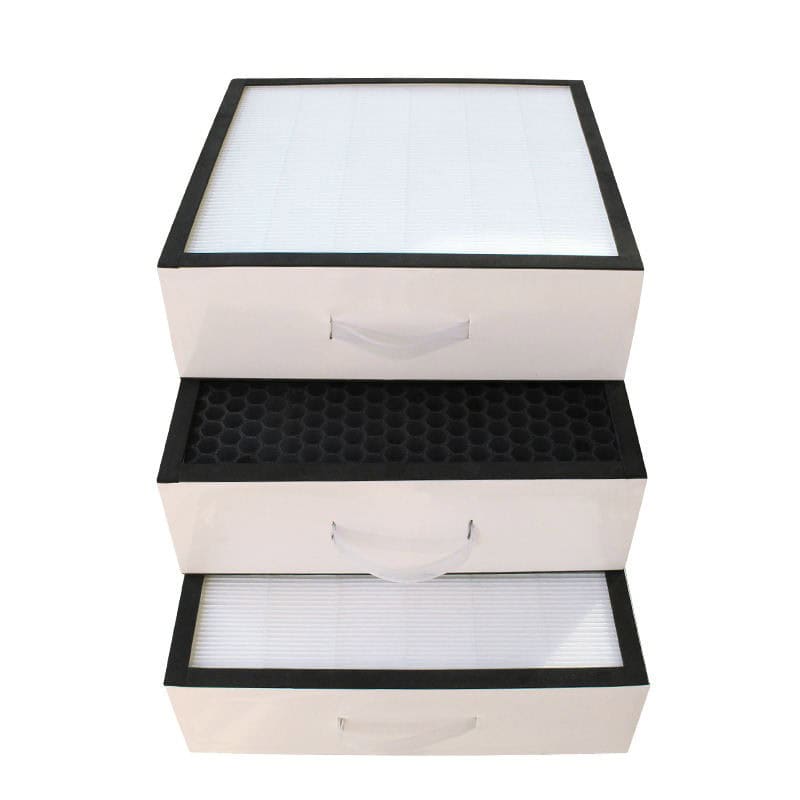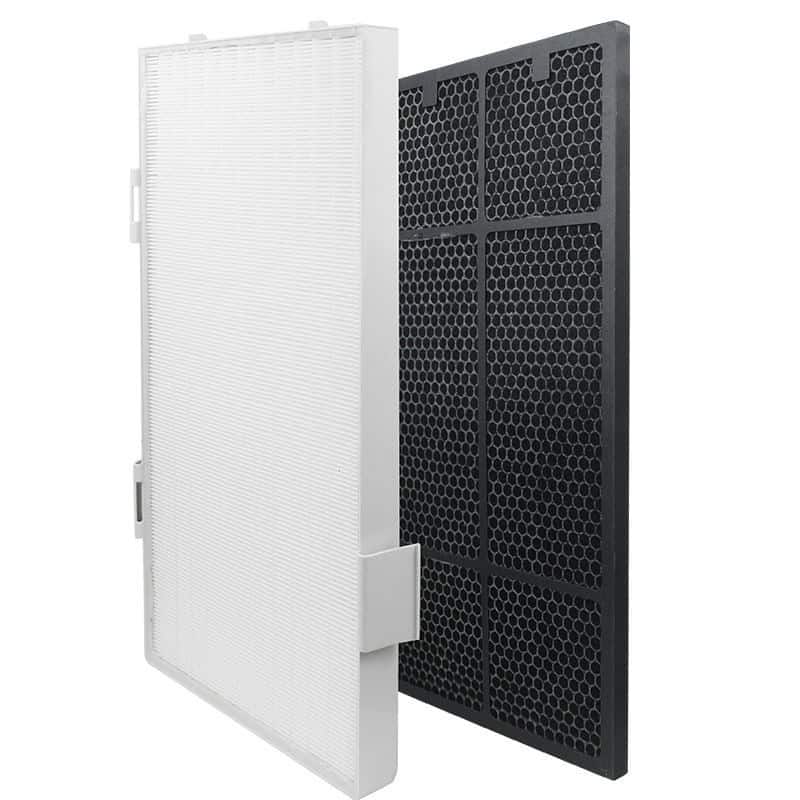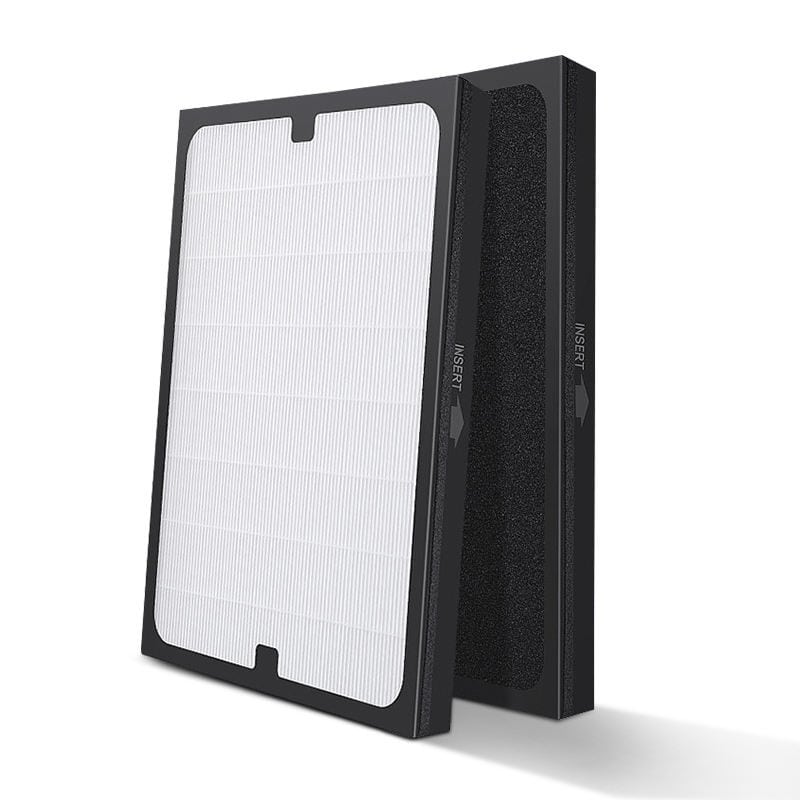

A MERV 11 rating only guarantees initial efficiency. After a month of actual dust loading, an electrostatic filter and a synthetic pleated filter will show entirely different performance levels. This reveals a bigger misunderstanding in the market since MERV, HEPA and ISO 16890 standards do not even test for the same variables.
Same MERV Number, Different Media, Different Reality
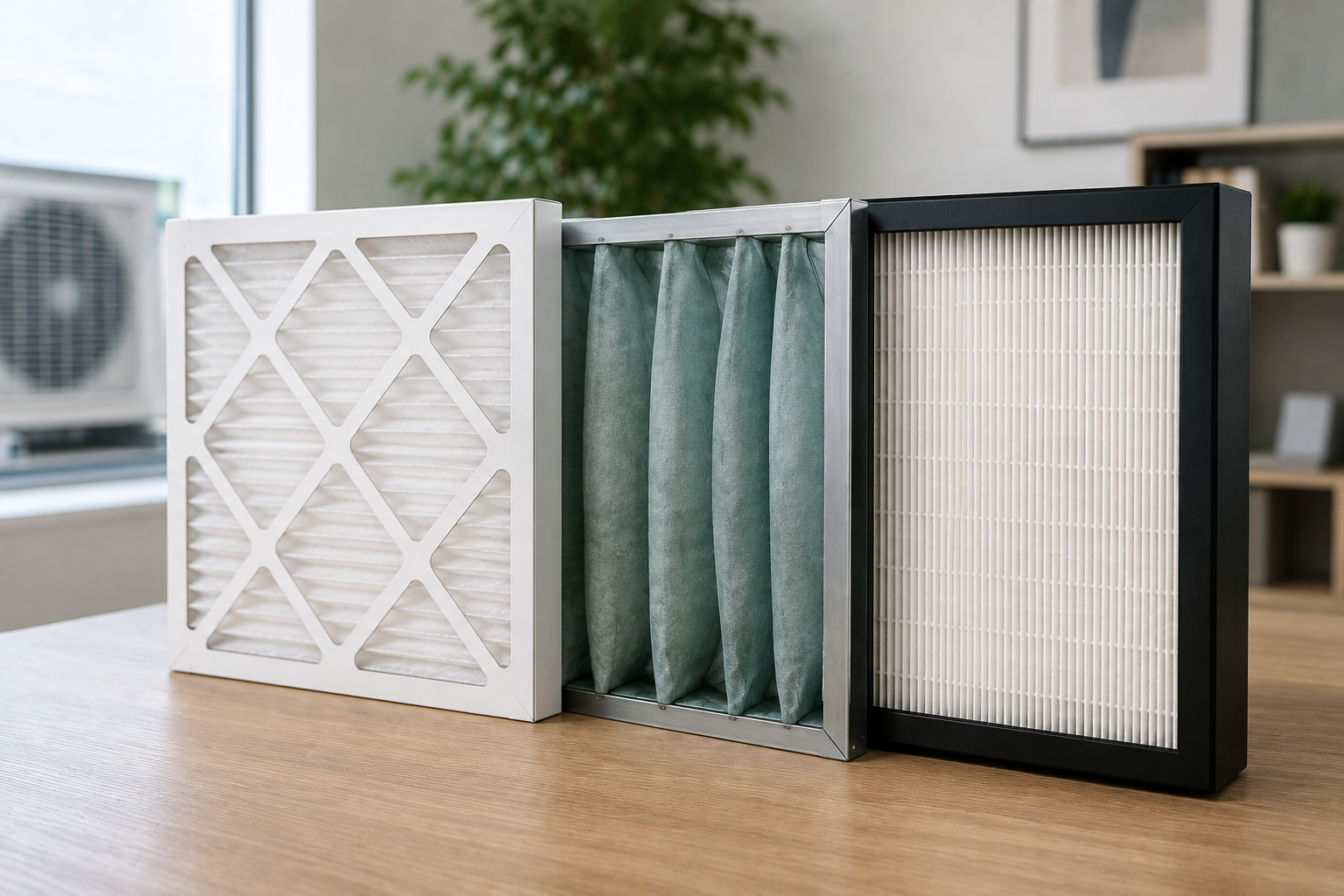
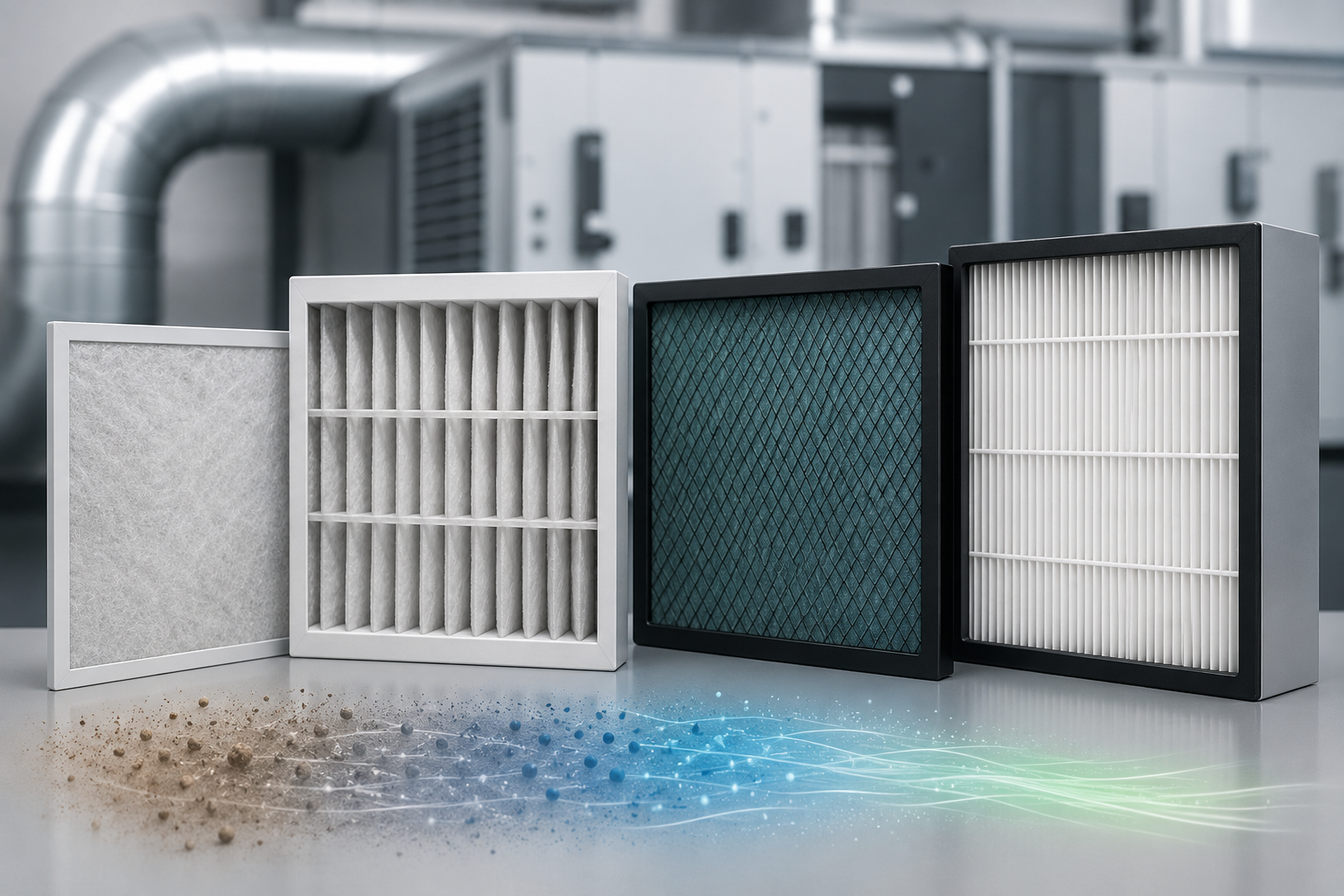
Four media types cover almost every HVAC filter on the market: fiberglass panels, pleated synthetic or cotton-poly blends, electrostatically charged media, and HEPA-grade glass fiber. Each one is built around a different tradeoff between efficiency, airflow resistance, and how much dust it can hold before it needs replacing.
How Much Dust Can Each Media Type Actually Hold?
Dust holding capacity comes down almost entirely to surface area, and surface area comes down to how the media is built.
| Media Type | Typical MERV | Surface Area Design | Dust Holding | Typical Service Life |
|---|---|---|---|---|
| Fiberglass panel | 2 to 5 | Flat, single layer | Low | About 30 days |
| Pleated synthetic | 6 to 13 | Folded, high surface area | High | 60 to 90 days |
| Electrostatic | 8 to 15 claimed | Flat or pleated, charge-assisted | Medium, charge-dependent | 30 days if washable, or per grade |
| HEPA glass fiber | Tested to EN 1822 / ISO 29463, 99.97%+ at 0.3 micron | Deep-pleated, very dense | High initial capacity, loads fast on fine particulate | Months to a year, protected by pre-filters |
A fiberglass panel filter runs 10 to 20 percent particle capture efficiency and needs replacing roughly every 30 days because its flat, single-layer construction leaves almost no room to store dust before airflow suffers. A pleated filter folds the same footprint of media into an accordion shape, which multiplies usable surface area, pushes captured efficiency toward 85 to 95 percent at comparable MERV grades, and stretches service life to two or three months. HIFINE tests dust holding capacity under loaded conditions, not just clean-media measurements, before recommending a grade to OEM partners.
Why Electrostatic Filters Lose Efficiency Over Time
Electrostatic media gets marketed on MERV numbers as high as 13 to 15, but that number describes the filter at its best moment: freshly charged, freshly rinsed, dust-free. The static charge that does the actual particle-attracting work weakens as the filter loads with debris, and washable versions lose more of it with every rinse cycle if they aren’t fully dried and reset before going back in. A facility running an electrostatic filter on a “replace when it looks dirty” schedule often gets real-world performance closer to a mid-range pleated filter than the number on the box suggests. That’s the kind of gap HIFINE’s OEM testing benchmarks against loaded-media performance rather than the clean, out-of-box number.
What Initial Resistance Data Shows About Airflow Cost
Efficiency and airflow resistance move together, and the data makes the tradeoff explicit. A clean fiberglass filter adds roughly 0.05 to 0.10 inches of water gauge of resistance. A new MERV 8 pleated filter starts around 0.08 to 0.12 in.w.g. and climbs to 0.22 to 0.28 in.w.g. at MERV 13. HEPA media sits in an entirely different range, 1.0 to 2.0 in.w.g., which is why HEPA rarely runs as a standalone filter in a standard HVAC system without a pre-filter stage protecting the blower from that resistance and extending the HEPA layer’s own service life. Before treating any HEPA number as gospel, it’s worth knowing what a legitimate HEPA test report actually needs to show, since a recycled or mismatched report is more common in this industry than most buyers assume.
How Pleat Depth Changes the Comparison
MERV rating alone doesn’t tell the whole story on resistance either. A 4-inch pleated filter at a given MERV grade typically runs 30 to 50 percent lower resistance than the 1-inch version of the same rating, purely because the deeper pleat pack adds more surface area and slows the face velocity of air moving through the media. Two filters with the same MERV number and very different depths are not interchangeable specs, even though a purchasing sheet might list them as equivalent.
Which Media Fits Which Application?
Fiberglass makes sense where the only goal is protecting the coil from lint and coarse debris, and cost per change matters more than air quality. Pleated synthetic media covers most general commercial and office applications, offering the best balance of dust holding, resistance, and replacement interval. Electrostatic media works when a facility can commit to a real cleaning schedule; if that commitment slips, performance slips with it. HEPA belongs in the smaller set of spaces that genuinely need near-total particle removal, almost always staged behind a pre-filter rather than running alone.
Break rooms and kitchenettes running heavier equipment like induction cookers add grease particulate and heat load into the mix, which often pushes the media choice toward higher dust-holding pleated grades over standard fiberglass, regardless of what the base MERV target would otherwise suggest.
This is exactly the kind of media-matching decision covered in our guide to specifying filtration for commercial HVAC systems, which walks through how building type and airflow budget narrow the options before efficiency rating even enters the conversation.
The Spec Sheet Number Is a Starting Point, Not the Answer
MERV, dust holding capacity, and initial resistance each describe a different part of the same filter, and none of them alone tells a buyer whether the media fits the system it’s going into. HIFINE builds filter media across all four of these categories as an OEM/ODM manufacturer, matching media construction, not just a rating number, to the airflow and duty cycle a system actually runs, including H13 and H14 grade media for the applications that genuinely need it. For distributors and private label buyers sourcing across multiple product lines, that distinction usually separates a filter that performs as advertised from one that just carries the right number on the label.