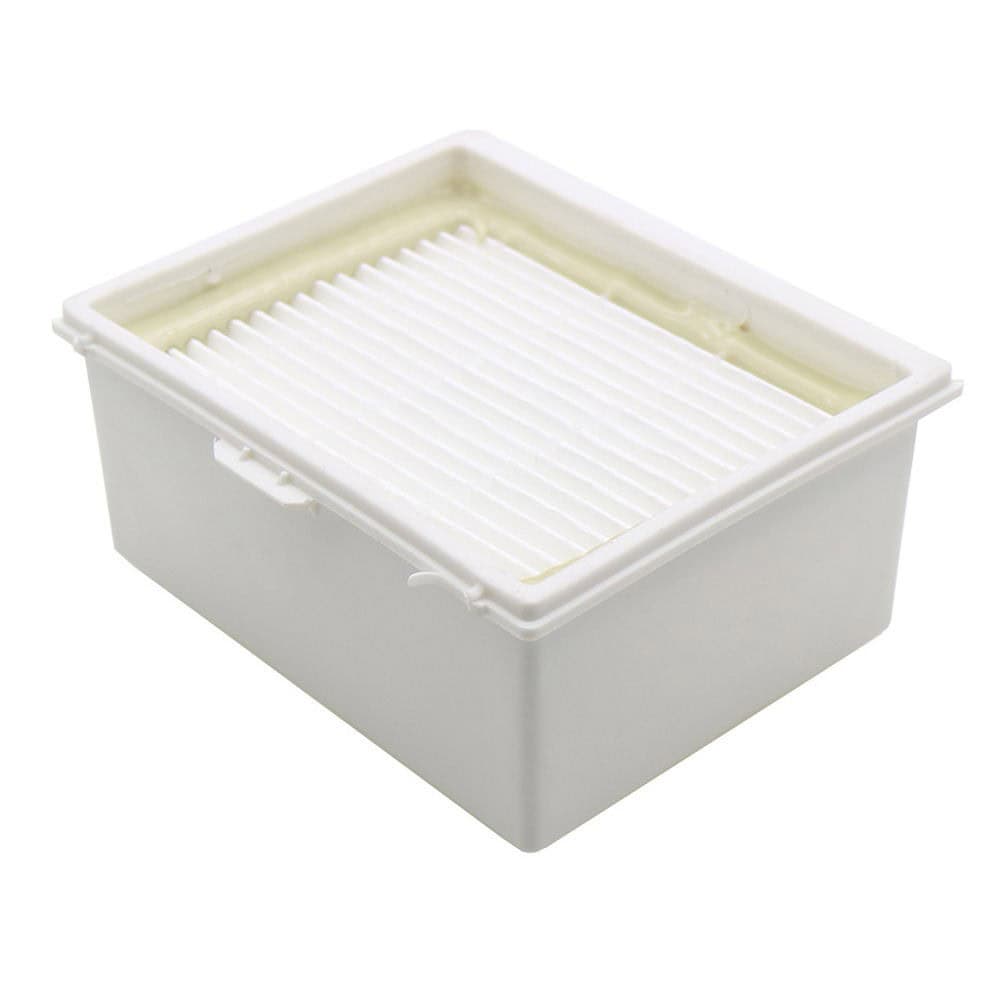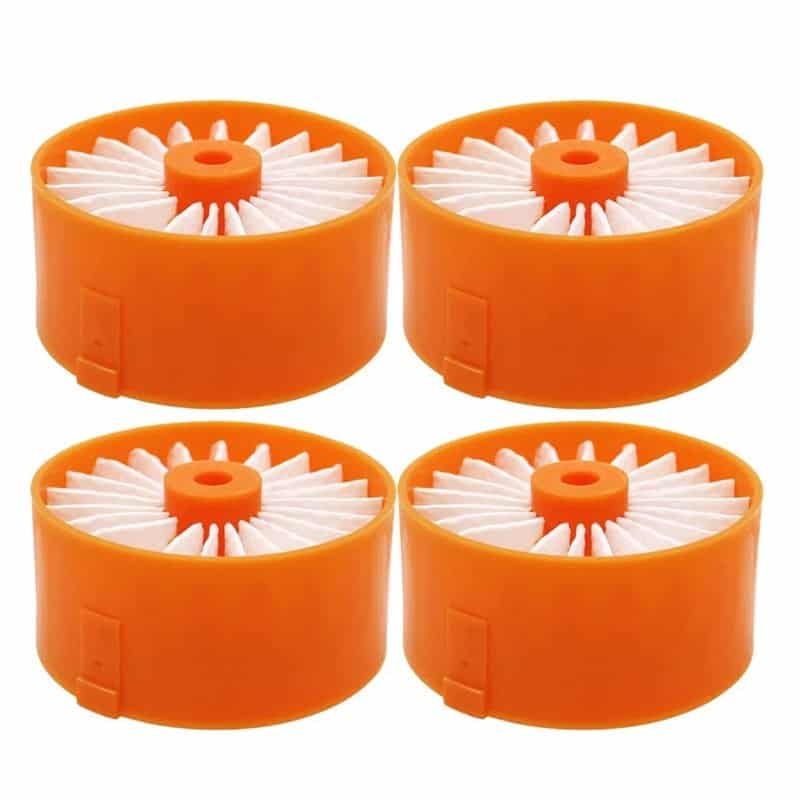
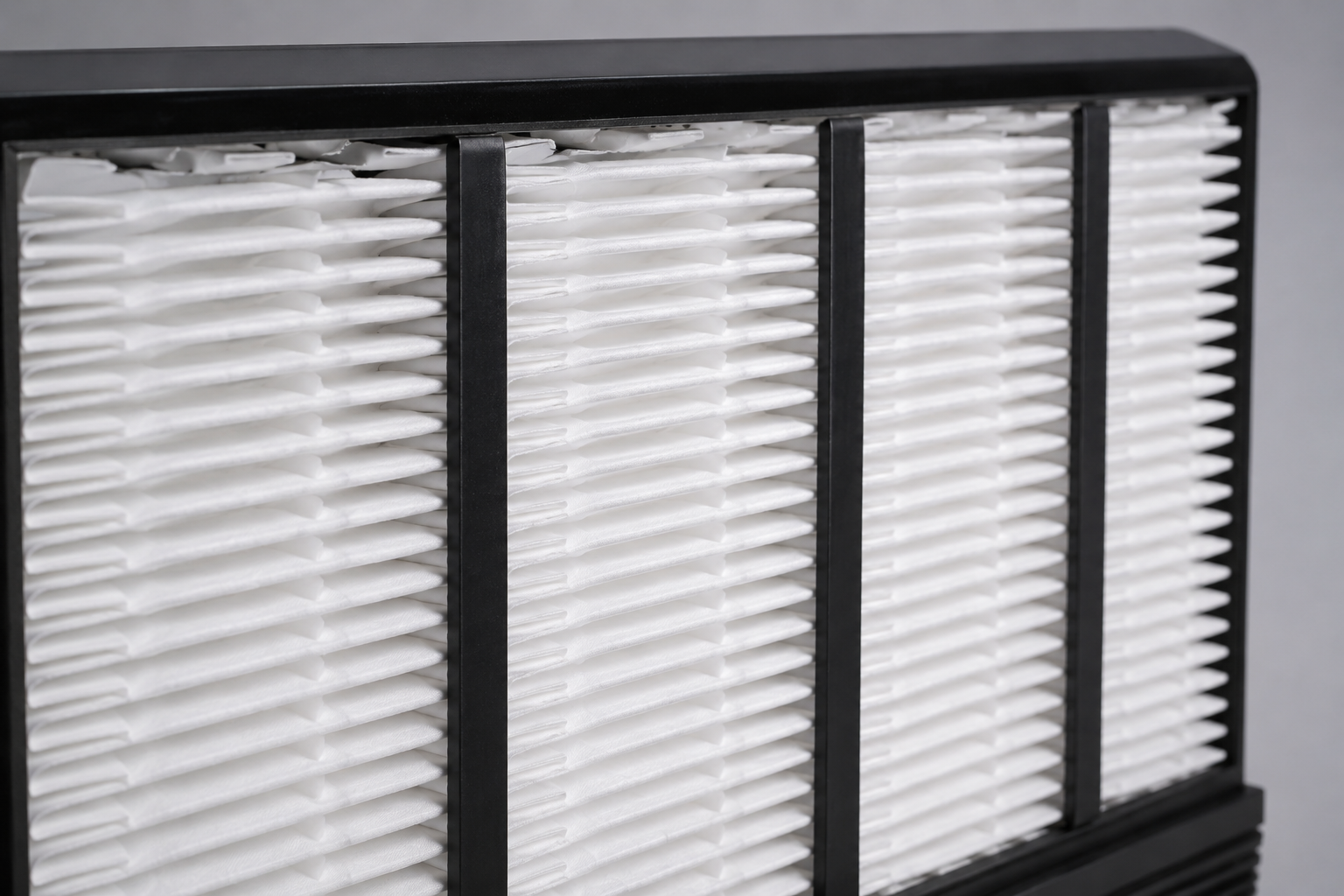
This question actually hides two different questions, and the answer flips depending on which one you’re asking. Is HEPA filter media already folded as part of how it’s made? Yes, that’s the entire point of the design. Can you fold it again after it leaves the factory without hurting how it works? That’s a different story, and the answer is almost always no.
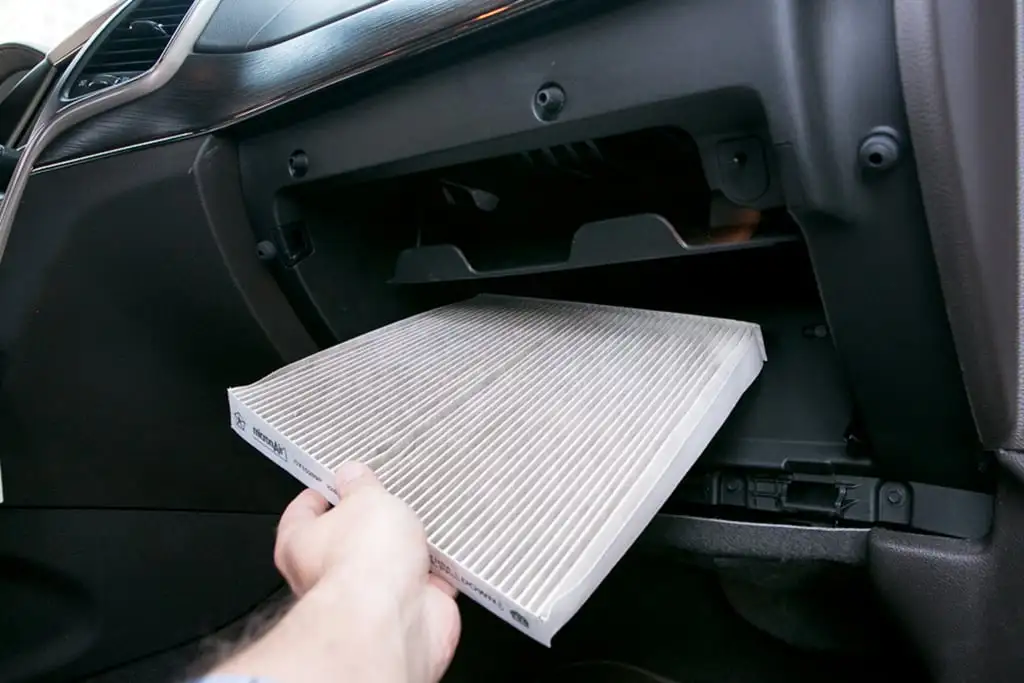
The HEPA filter media is folded and wrinkled
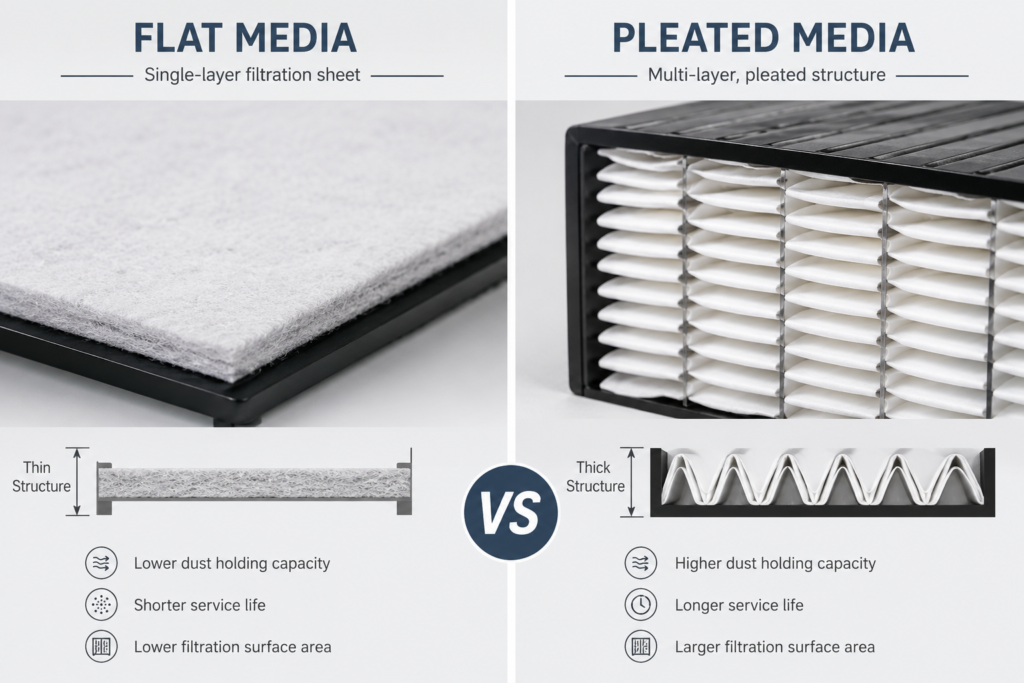
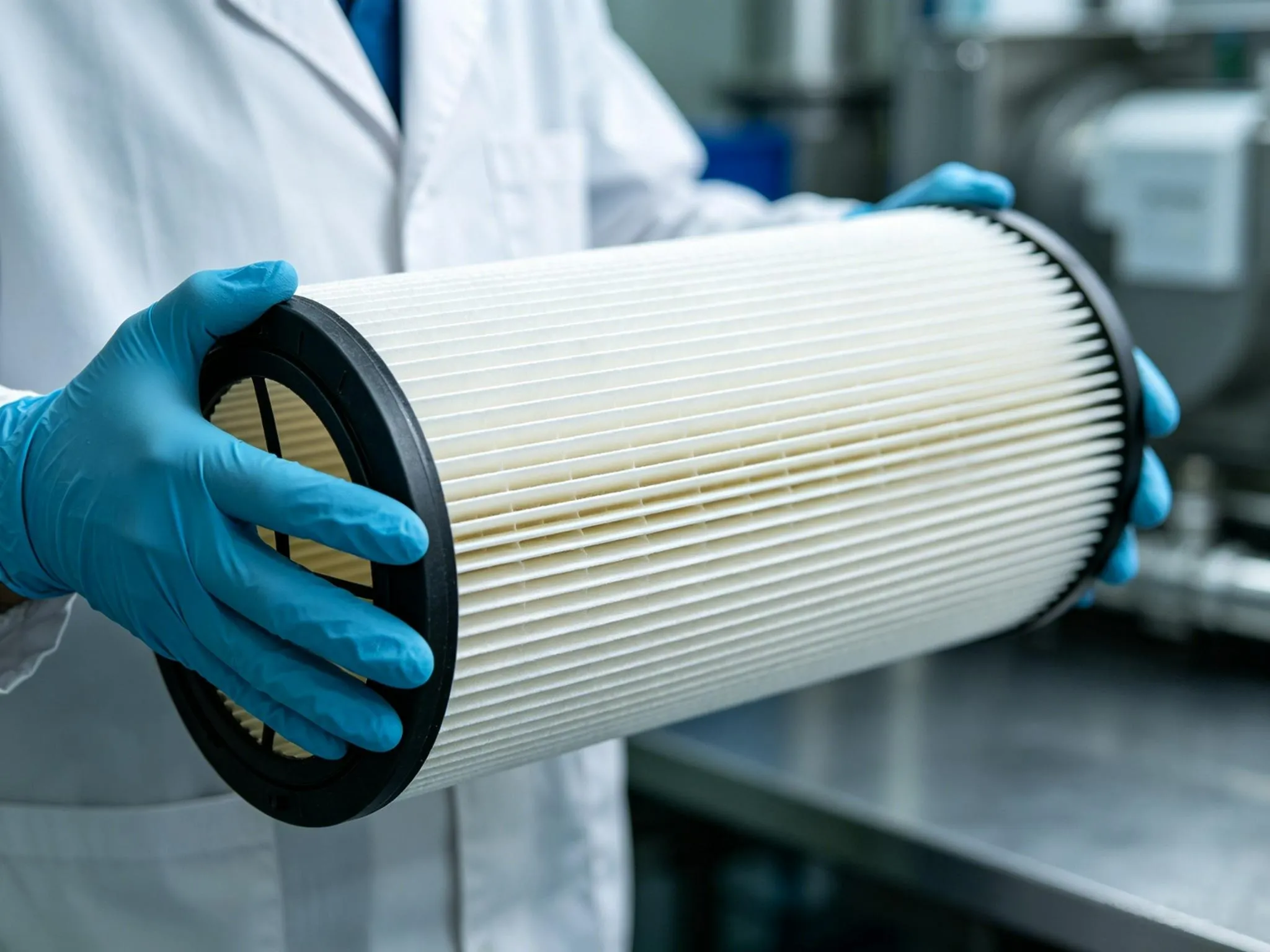
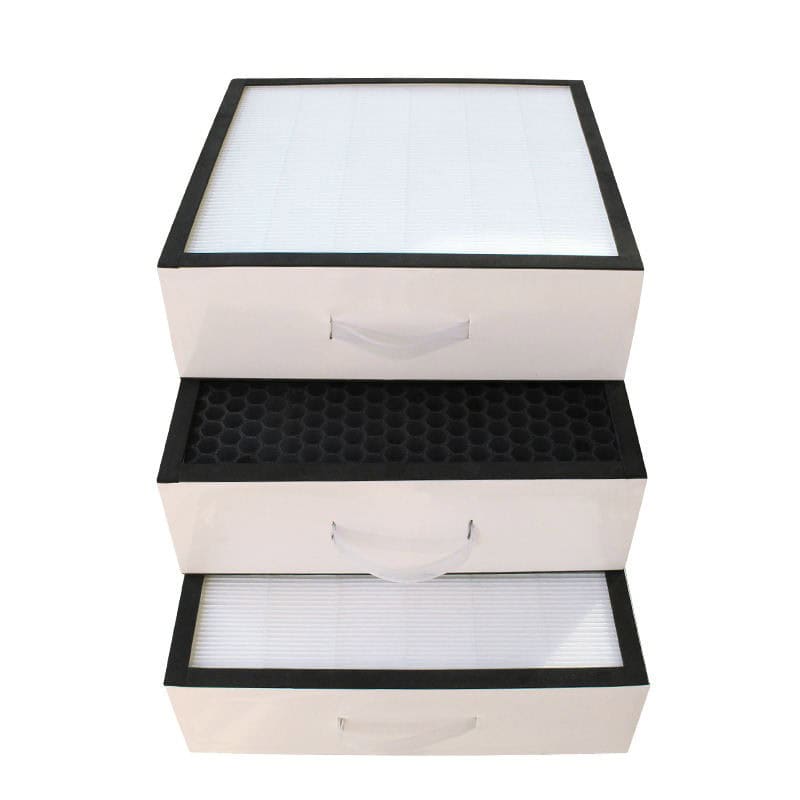
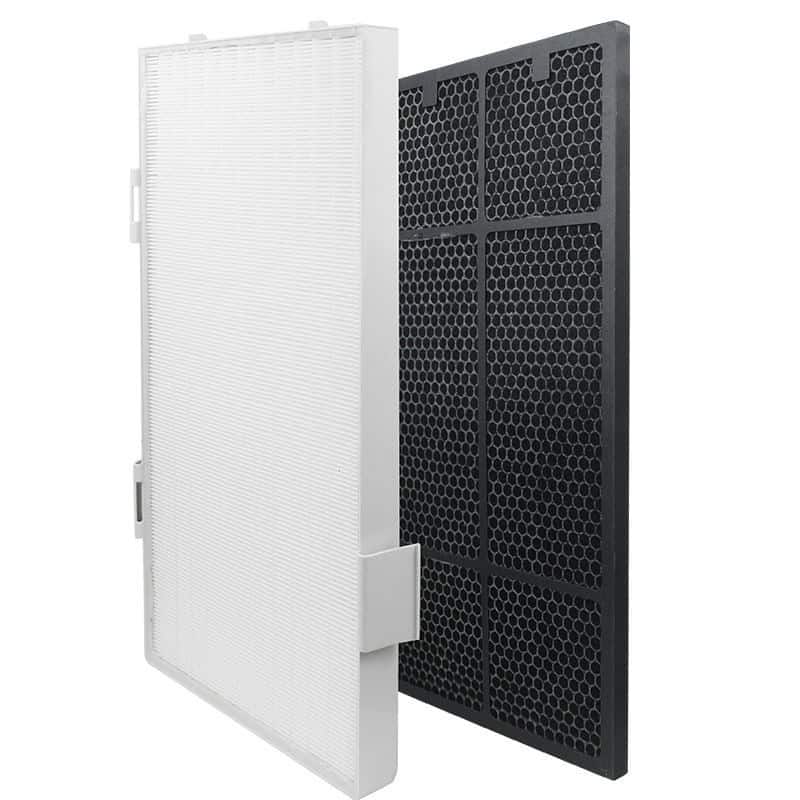
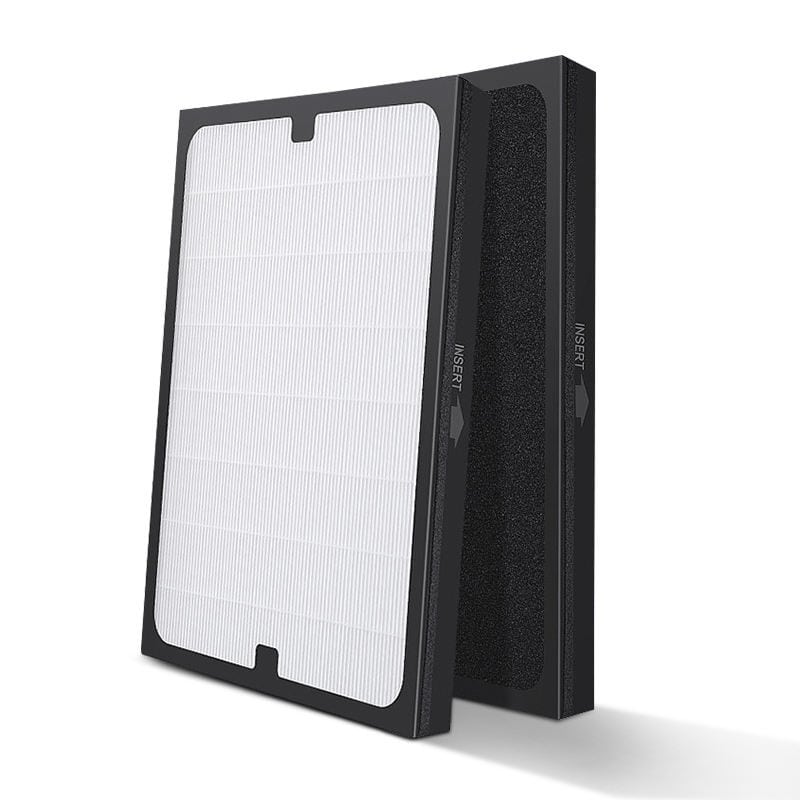
Every true HEPA filter starts as a flat sheet of media. Manufacturers then fold it into a tight, accordion-style zigzag before mounting it in a frame, a process called pleating. This isn’t a cosmetic choice. A larger surface area allows a pleated filter to collect and hold more contaminants, which is exactly why pleated designs outperform flat, unpleated media of the same footprint. Folding a flat sheet into dozens or even hundreds of narrow folds packs far more filtering surface into the same physical space than a flat panel ever could.
This effect scales with pleat density. Research on micro-pleated filter media found that pressing the media into tighter, more numerous folds increased effective surface area without changing the overall filter’s outer dimensions. In practical terms, two filters that look identical from the outside can have dramatically different amounts of actual filtering surface inside, depending on how tightly and how many times the media was folded during manufacturing.
To keep those folds evenly spaced and prevent them from collapsing against each other under airflow, manufacturers insert separators, thin strips of aluminum, plastic, or hot-melt adhesive beads, between each pleat. This is the difference between a “deep-pleat” filter, which uses wider folds and rigid separators, and a “mini-pleat” filter, which packs far more, much narrower folds into the same frame for higher surface area in a compact housing.
But Can You Fold It Again After Manufacturing?
Once the media is pleated, sealed into a frame, and shipped, folding it further, whether by hand, during storage, or through rough handling, is a different matter entirely. Pleating during manufacturing happens under controlled tension on precision machinery. Bending an already-assembled filter pack does not replicate that process; it just stresses the media in places it wasn’t designed to flex.
This matters most with glass fiber media, still the most common HEPA material. Traditional micro-fiberglass HEPA filters are a relatively fragile medium that does not react well to handling, in-place contact, or vibration, and this kind of media can be damaged through ordinary handling. Glass fiber media can also be brittle, and when it’s damaged it may release small fibers rather than simply losing efficiency quietly. The real risk isn’t that a folded filter looks obviously broken. It’s that the damage is often invisible. A hairline crack in the media or a gap opened up along a crushed pleat becomes a bypass path, letting unfiltered air slip through the weak point instead of the filter media itself.
Glass Fiber vs. Synthetic Media: Which Tolerates Handling Better
Not all HEPA media behaves the same way under stress:
- Glass fiber media is built from fine glass fibers, typically 0.5 to 2.0 microns in diameter, arranged in a dense web. It filters extremely well but is stiff and unforgiving once bent out of its manufactured shape.
- Synthetic media tends to tolerate vibration, humidity, and minor flexing better, which is one reason it’s common in portable air purifiers that get moved, shipped, and handled more often than fixed industrial housings.
Neither material is designed to be reshaped after assembly. Synthetic media just has a wider margin for error during transport and handling.
What Actually Happens When a HEPA Filter Pack Gets Bent or Compressed
When a pleated filter pack is squeezed, dropped, or folded against its natural fold lines, a few things can happen at once: pleats collapse into each other and lose surface area, separators shift or crack, and the media itself can tear at the fold. None of this is usually visible from the outside of the frame. The filter can look completely normal while performing well below its rated efficiency, because the damage isn’t in the frame. It’s in folds you can’t see once the unit is assembled.
This is also why filter seal quality matters as much as the media grade itself: a crushed or torn pleat creates exactly the kind of gap that lets air bypass the filter entirely, regardless of how the media is rated.
How are pleated HEPA filter media handled and transported?
For anyone handling filters in volume, wholesalers, private-label brands, or facilities managing replacement stock, a few habits protect filter performance before it ever reaches the end user:
- Store filters flat or in their designed orientation, never stacked in a way that lets weight press down across the pleat faces.
- Keep cartons off the floor and away from moisture. Glass fiber composite media is sensitive to humidity, and dampness can weaken both the fibers and the adhesive holding pleats and separators in place.
- Never compress a new filter to save shipping space. Reducing box size by folding or crushing a filter pack usually costs more in returned or underperforming units than the packaging savings are worth.
- Handle by the frame, not the media. Pressing on the exposed pleats to check “how full” a filter feels is one of the most common ways new units get silently damaged before installation.
Pleat design doesn’t just affect filtration efficiency. It also determines how much air a unit can move, which shapes how strong the airflow feels once the purifier is running. If you’ve ever wondered whether that airflow also affects room temperature, we cover the mechanics of it in does an air purifier cool down a room.
End
HEPA filter media is always folded. Pleating is what makes HEPA-level efficiency possible in a compact housing. But that folding happens once, under controlled conditions, during manufacturing. Refolding, bending, or compressing the media afterward doesn’t add performance. It removes it, often invisibly. Treat an assembled HEPA filter as a finished, fixed structure, not a flexible material.