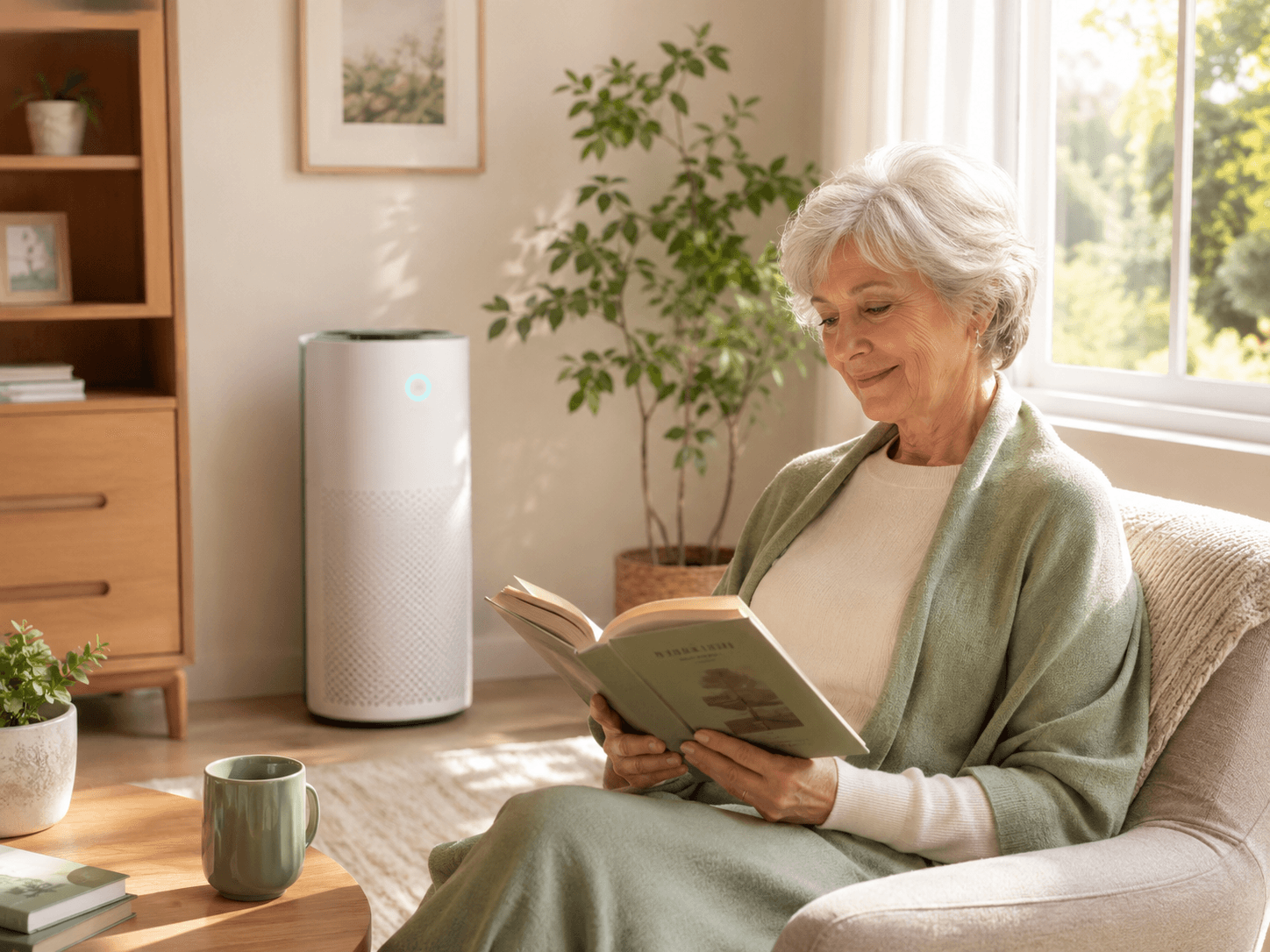
Air purifier ads focus on HEPA ratings, room size, and how quiet a unit runs at night. Few of them talk about the person actually breathing that air. For adults over 65, indoor air quality is not just a comfort issue. It affects how well their lungs work day to day.
How Aging Changes the Lungs
The body handles airborne particles differently as it ages. Tiny hair-like structures in the airway, called cilia, normally sweep out dust and debris.
As people get older, cilia move slower and clear less. Lungs also lose some elasticity, so a full exhale gets harder.
The immune system responds more slowly to what people breathe in. A younger body clears most of this without any trouble. An older body can hold onto it, leading to ongoing low-level inflammation.
Lung function peaks in early adulthood and declines from there. According to the National Institutes of Health, most people lose 20 to 30 percent of their lung capacity by age 70. Forced vital capacity, the amount of air a person can force out in one second, drops by about 25 to 30 milliliters a year after age 35.
This is a normal part of aging, not a disease. But it means there’s less room for error.
Particles that a 30-year-old’s body would clear from the airway can settle deeper in older lungs, reaching the alveoli, the tiny air sacs where oxygen enters the blood. Once particles reach that depth, they can cause local inflammation. Over time, they can contribute to COPD and chronic bronchitis. They can also raise the risk of lung infection.
The American Lung Association points to fine particulate matter, known as PM2.5, as the pollutant category that matters most for people with reduced lung capacity, a group that includes most adults over 65. PM2.5 particles are small enough to skip past the nose’s natural filters and go straight to the lower airway.
Three Types of Indoor Pollution That Affect Older Adults Most
Fine and Ultrafine Particles
The EPA classifies PM2.5 as a pollutant with strong evidence linking it to cardiovascular and respiratory harm, especially in older adults. Indoors, it comes from cooking smoke, burning candles, and outdoor traffic pollution that drifts inside. Many homeowners don’t expect this source.
Particles under 0.1 micrometers, called ultrafine particles, reach even deeper into lung tissue than PM2.5. A 2019 study in Environmental Health Perspectives found a connection between ultrafine particles and hospital visits for breathing problems.
The study focused on older adults. This link was separate from PM2.5 levels. Standard filters don’t catch these particles well. A true HEPA filter, certified to capture 99.97% of particles at 0.3 microns, performs far better than products labeled “HEPA-type” or “HEPA-style,” terms that carry no real performance standard.
VOCs From Everyday Products
VOCs come from glue, paint, cleaning products, synthetic flooring, and some furniture. The EPA estimates indoor VOC levels run two to five times higher than outdoor levels in most American homes. Formaldehyde, benzene, and toluene show up most often.
For older adults, ongoing VOC exposure can worsen existing breathing problems, and several studies link it to inflammation and cognitive decline as well. A HEPA filter alone does not remove VOCs, since gas molecules pass straight through the mesh. Reducing VOCs takes an activated carbon filter, either as a pre-filter or a separate stage.
Cooking is one of the biggest sources of both particles and VOCs indoors. Induction cookers produce less open-flame particulate than gas stoves, but any cooking method still puts fine particles into the air, which is one more reason filtration near the kitchen helps.
Mold, Dust Mites, and Pet Dander
These allergens get talked about the most, but they matter even more for older adults, since aging immune systems often develop new sensitivities or react more strongly to allergens they used to tolerate fine. Mold spores range from 1 to 30 micrometers, well within HEPA range. Dust mite waste particles, a major trigger for allergy symptoms, measure 5 to 20 micrometers and are reliably captured by a properly rated HEPA filter.
What a HEPA Filter Can (and Can’t) Do
True HEPA filtration is a performance standard, not a marketing term. To earn the name, a filter must capture at least 99.97% of particles at 0.3 microns, the size that’s hardest for any filter to catch.
For older adults, that range covers most of what matters: mold spores, dust mite particles, pet dander, and PM2.5. HEPA filtration is mechanical, not chemical, so it doesn’t produce ozone, which matters because ozone-generating purifiers can make breathing problems worse instead of better.
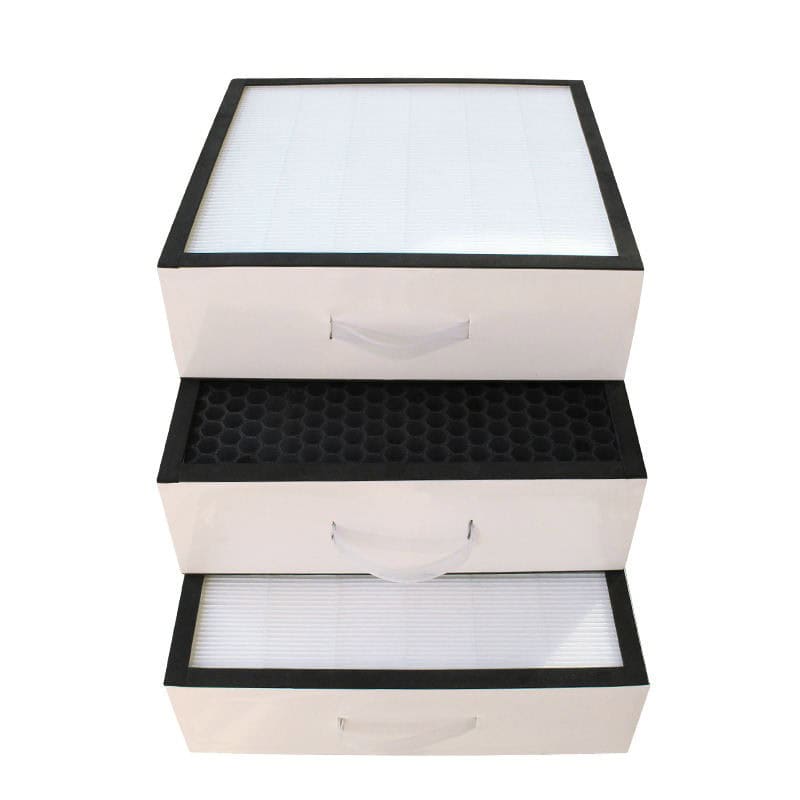
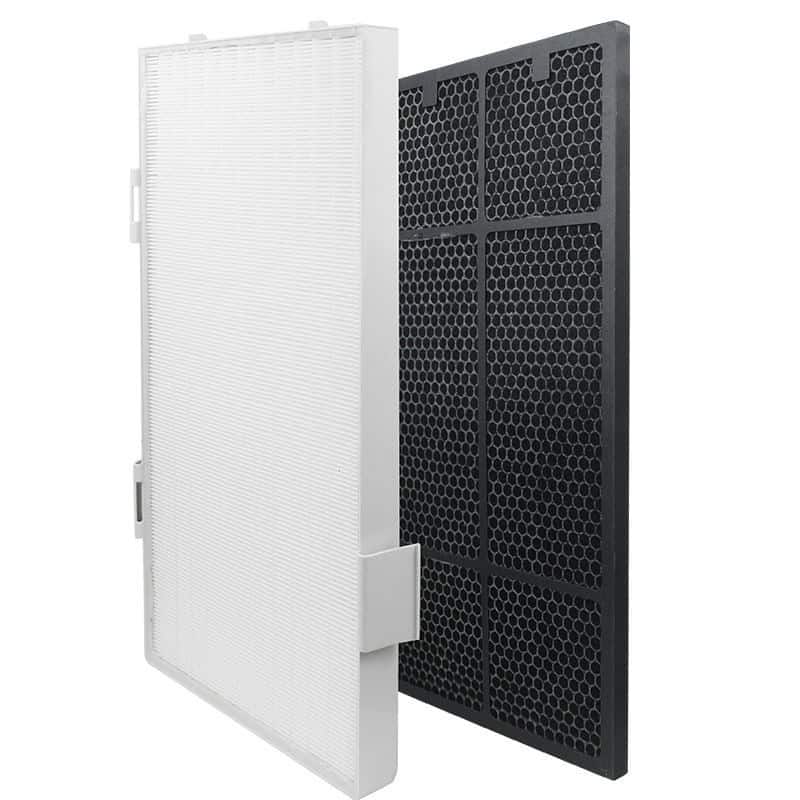
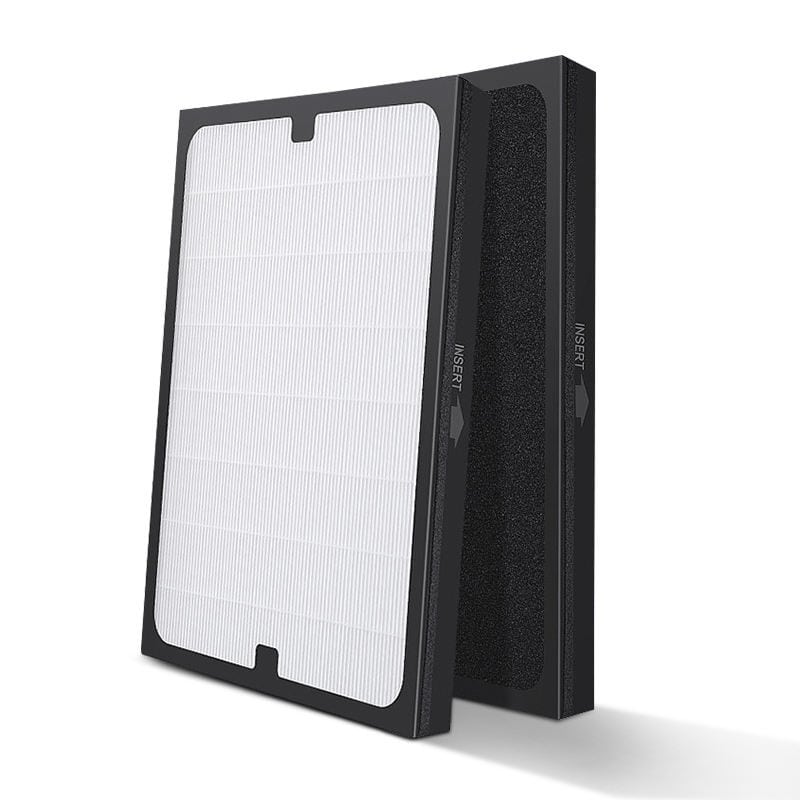
What HEPA filtration doesn’t do: remove gases or VOCs. Odors need activated carbon. Some very small biological particles need UV or oxidation stages to deal with. For full coverage in a home built for aging in place, the best setup pairs HEPA media with a real activated carbon stage, not just a token layer.
Where to Place a Purifier for the Best Results
The Bedroom
Older adults spend more of their time in the bedroom than younger adults do, and during sleep the immune system’s response to airborne particles slows down. That means more exposure time during a period when the body defends itself less. Several peer-reviewed studies link overnight PM2.5 exposure to higher inflammation markers the next morning in at-risk groups.
A HEPA purifier running on low overnight keeps particle levels down without disturbing sleep. Sensitive populations generally need 4 to 6 air changes per hour. To hit that number reliably, choose a unit rated for a room at least 20% larger than the actual bedroom. Undersizing is the most common mistake people make when buying a purifier.
The Kitchen
Cooking produces some of the highest indoor PM2.5 levels of any regular household activity. A 2020 study from Lawrence Berkeley National Laboratory found that cooking on a gas stove could push indoor NO2 above EPA outdoor air limits within 30 minutes in a poorly ventilated kitchen.
Ventilation, a range hood vented outside or an open window, is the first line of defense while cooking. A purifier in an adjoining living space handles what’s left after cooking. This matters even more for older residents who may not remember to turn on ventilation every time.
Entryways and Hallways
Outdoor particles like traffic pollution and pollen mostly get in through doors and windows. A purifier near the main entry can catch some of that load before it spreads through the house. This matters more in cities and during high pollen season, when opening the door once can bring in a noticeable spike.
Smart Monitoring Without the Learning Curve
Complexity is a real barrier for older residents. Most people over 65 aren’t going to check a live air quality dashboard or adjust fan speed by hand based on sensor readings, and asking them to is asking them to take on one more daily task.
Purifiers with built-in sensors for PM2.5, CO2, humidity, and VOCs that adjust automatically solve this without adding work. For people aging in place, or for adult children managing air quality from a distance, this closes the gap between a bad reading and an actual response. The only thing left to do by hand is replace the filter on schedule.
How to choose a suitable HEPA filter?
When choosing filtration for an older household, three specs matter more than the brand name on the box.
True HEPA certification: Look for third-party test results against EN 1822 or an equivalent standard, not just manufacturer copy. “HEPA-type” labeling has no required performance minimum behind it.
CADR rating: The Association of Home Appliance Manufacturers recommends a Clean Air Delivery Rate of at least two-thirds of the room’s square footage as a baseline. For sensitive populations aiming at 4 to 6 air changes per hour, go higher than that minimum.
Activated carbon mass: A unit with less than a pound of activated carbon does very little for gas-phase filtration. Real VOC reduction needs a higher mass of granular carbon, not a thin carbon coating sprayed onto foam, which wears out within weeks.
How HIFINE Supports Brands Building for This Market
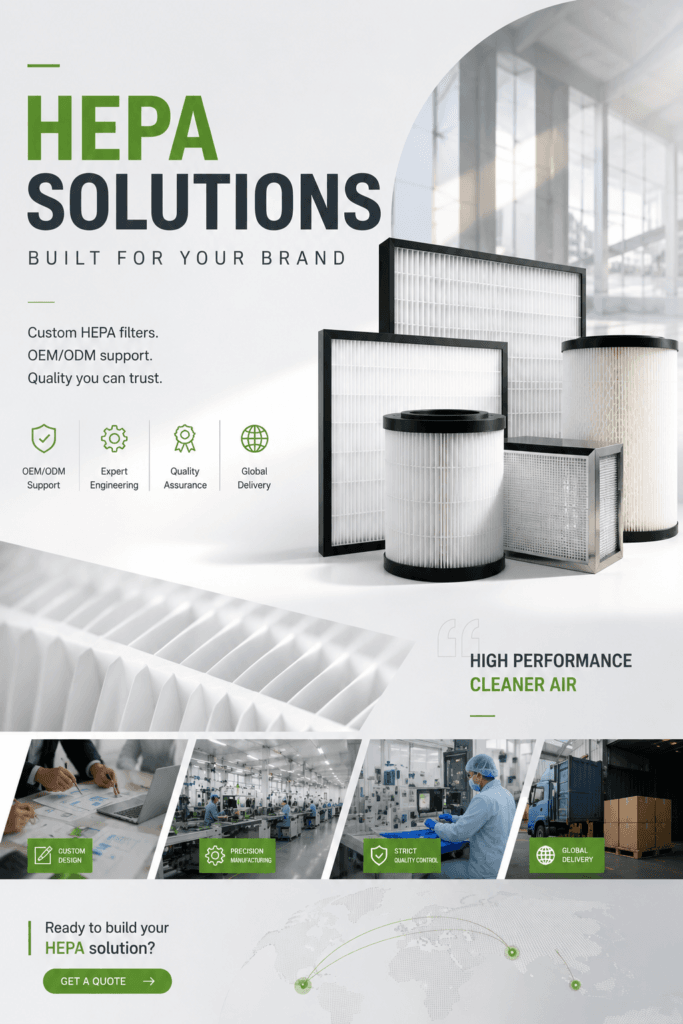
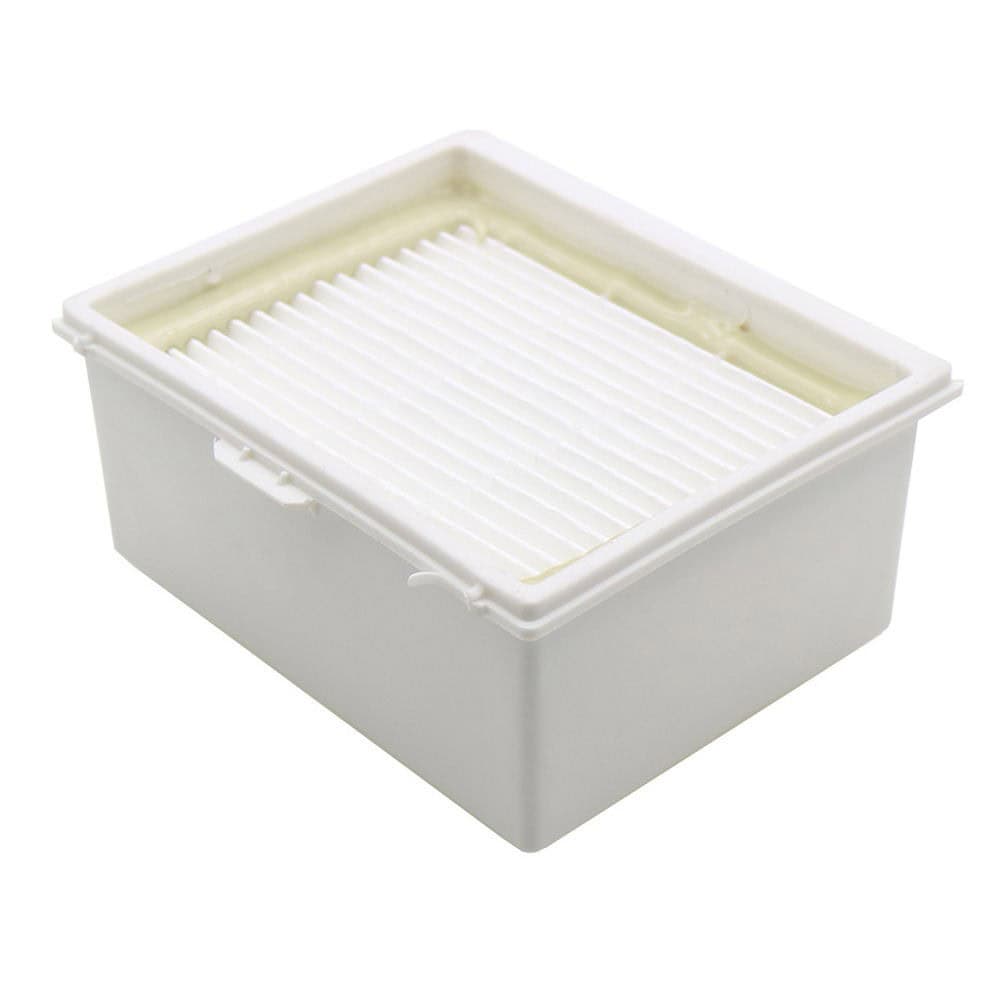
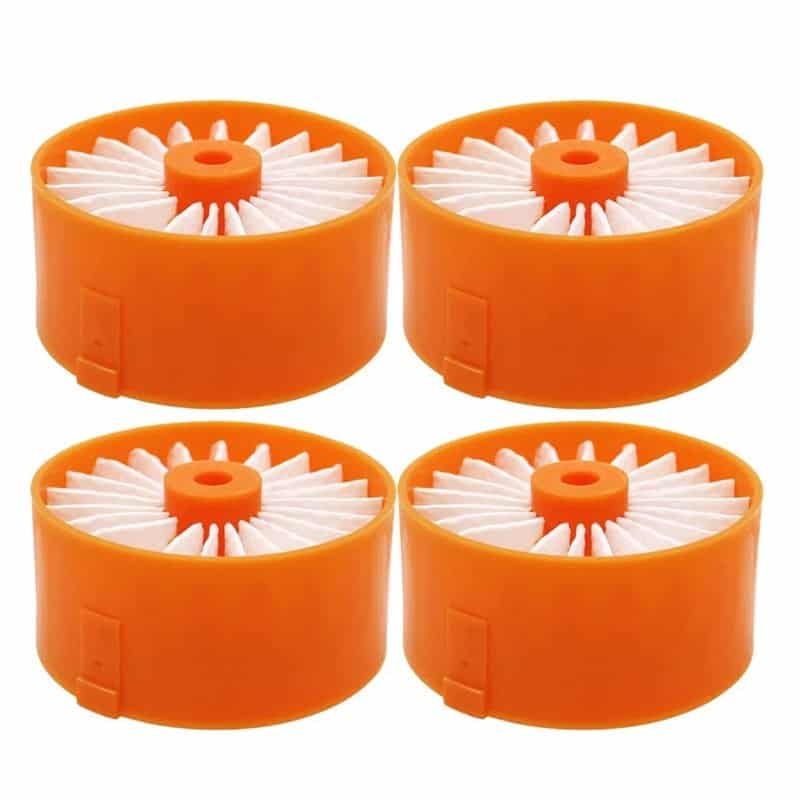
HIFINE makes True HEPA media, H13 upgrades, and activated carbon filters for the air purifiers described above. We supply overseas brand owners, wholesalers, distributors, and private label customers. They build products for older adults, assisted living facilities, and health-focused households.
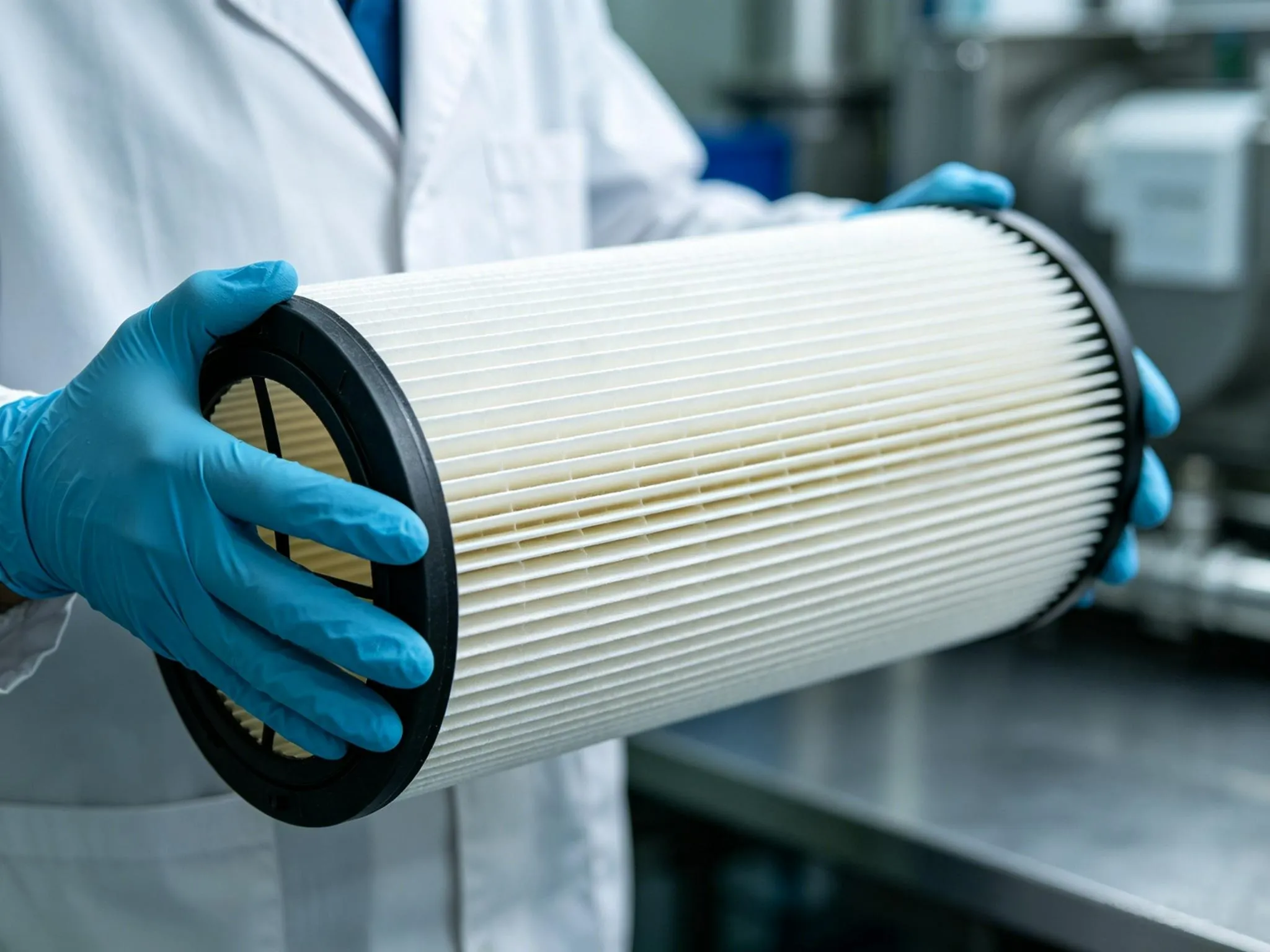
Every HEPA filter we produce is tested against EN 1822 for filtration efficiency, not just marketed as HEPA. Our activated carbon media is available at the density needed for real VOC reduction, not a token coating. For brands making an air purifier line for older adults, we use ISO 9001-certified facilities.
We also use these facilities for private label customers.
This helps ensure accurate dimensions across large production runs. Our daily capacity is 50,000 units.
If your product roadmap includes filtration built around real respiratory outcomes rather than a HEPA sticker, our OEM and ODM teams can match specs to your target CADR and ACH numbers before production starts.
The Bigger Picture
Filtration is one part of a larger strategy. Good ventilation while cooking matters.
Low-VOC flooring and furniture choices help too. Keeping humidity under 50% also helps control mold. Older residents with diagnosed conditions like COPD, chronic asthma, or pulmonary fibrosis should talk to a healthcare provider before making filtration decisions, not after.
What the research does support: for older adults with reduced lung capacity, properly specified filtration that actually cuts PM2.5 and allergen exposure leads to fewer symptoms and, in studied groups, fewer hospital visits tied to indoor air. Since most adults over 65 spend more than 90% of their time indoors, the air inside their home isn’t background noise. It’s one of the more direct levers available for their day-to-day health, and one worth building well.
Brands and distributors sourcing HEPA and activated carbon filtration for this market can get in touch with our wholesale team for samples and OEM specs.