
A HEPA filter rated for a large open-plan living room can feel almost useless in a bedroom twice the size, even if the CADR number on the box looks impressive. Room size changes everything, because what actually matters is how often a purifier can cycle the full volume of air in your specific room. That’s what air changes per hour, or ACH, measures.
This guide covers what ACH means, what target range fits different room types, how to calculate it with a simple formula, and what happens when a room falls short of the number it needs.
What Does ACH Actually Measure?
ACH stands for air changes per hour. It tells you how many times the complete volume of air in a room passes through a purifier or HVAC filter in sixty minutes. A room with 4 ACH has its full air volume filtered four times an hour. A room with 8 ACH filters that same volume twice as often.
CADR, or Clean Air Delivery Rate, tells you how much air a purifier can move and clean per minute, but it says nothing about the room it’s sitting in. A purifier with a high CADR rating can still deliver a low ACH if the room is too big for it, and a modest purifier can hit a strong ACH in a small space. That’s why two rooms with the exact same purifier can end up with very different air quality outcomes.
This is also why manufacturers list a coverage area on the box, usually tied to a target ACH somewhere between 4 and 5. Filter media suppliers such as HIFINE work with purifier brands early in development to make sure the media, fan, and housing combination actually hits that stated coverage area. If your room is close to the stated square footage, the purifier is probably doing its job. If your room runs larger, or has a higher ceiling than average, the real ACH you’re getting will fall short of what the box implies.
What ACH Should You Target by Room Type?
The right ACH target depends on how the space gets used and who’s in it.
Bedrooms typically call for 4 to 6 ACH. That range clears allergens and dust reasonably fast without running the purifier loud enough to disrupt sleep.
Living rooms and other high-traffic common areas usually need a similar 4 to 6 ACH, though rooms with pets, frequent cooking nearby, or higher foot traffic often benefit from sitting at the top of that range.
Nurseries and rooms for infants or anyone with respiratory sensitivities generally call for a higher target, often 5 to 8 ACH, since the room needs to clear airborne particles faster for a more vulnerable occupant.
Clinical and medical spaces sit in a different category entirely. General exam rooms are often designed around 6 ACH, while airborne infection isolation rooms commonly target 12 ACH or higher under facility guidelines. These numbers come from HVAC and infection control standards rather than consumer purifier marketing, so treat them as a general reference point and follow your facility’s specific requirements for anything clinical.
None of these numbers are hard rules. They’re a starting point for sizing a purifier or HVAC setup to a room, and the right number for your situation can shift based on ceiling height, ventilation, and what’s actually generating particles in the space.
How Do You Calculate ACH With a Simple Formula?
The formula is straightforward once you have two numbers: your purifier’s CADR and your room’s volume.
ACH = (CADR in CFM × 60) ÷ Room volume in cubic feet
Room volume is just length times width times ceiling height. Here’s how it plays out with two rooms and the same purifier.
- Example 1: A 10 ft by 12 ft bedroom with an 8 ft ceiling has a volume of 960 cubic feet. A purifier rated at 100 CFM gives you (100 × 60) ÷ 960, which works out to about 6.25 ACH. That sits right in the target range for a bedroom.
- Example 2: The same 100 CFM purifier moved into a 15 ft by 20 ft living room with a 9 ft ceiling, a volume of 2,700 cubic feet, gives you (100 × 60) ÷ 2,700, or about 2.2 ACH. That’s well under the 4 to 6 ACH target for a living room, even though it’s the exact same unit that worked fine in the bedroom.
This is the calculation worth running before you buy, especially if you’re considering moving a purifier between rooms or covering an open-plan space rather than a single bedroom.
What Happens When ACH Is Too Low?
A room running below its target ACH doesn’t fail all at once. It shows up in smaller signs first: dust resettling on surfaces faster than expected, pet odor that never fully clears, or a purifier that seems to run constantly on its highest setting without making a noticeable difference.
Airborne allergens and fine particles take longer to clear out of the room, which matters most for anyone with asthma, allergies, or other respiratory sensitivities. In a bedroom, that often means waking up with more congestion than the purifier should be allowing.
In clinical or high-occupancy settings, low ACH has more serious implications, since airborne contaminants stay suspended in the room longer, raising exposure risk for anyone else in the space.
The fix isn’t always a bigger purifier. Sometimes it’s running the same unit on a higher fan setting, sealing gaps that let filtered air escape and unfiltered air back in, or accepting that one purifier can’t realistically cover two rooms at once, even if the doorway between them stays open.
How Do You Match ACH to Filter and Fan Choice?
Getting the ACH number you want isn’t only about picking a bigger purifier. Filter media and fan speed both factor into the real-world result.
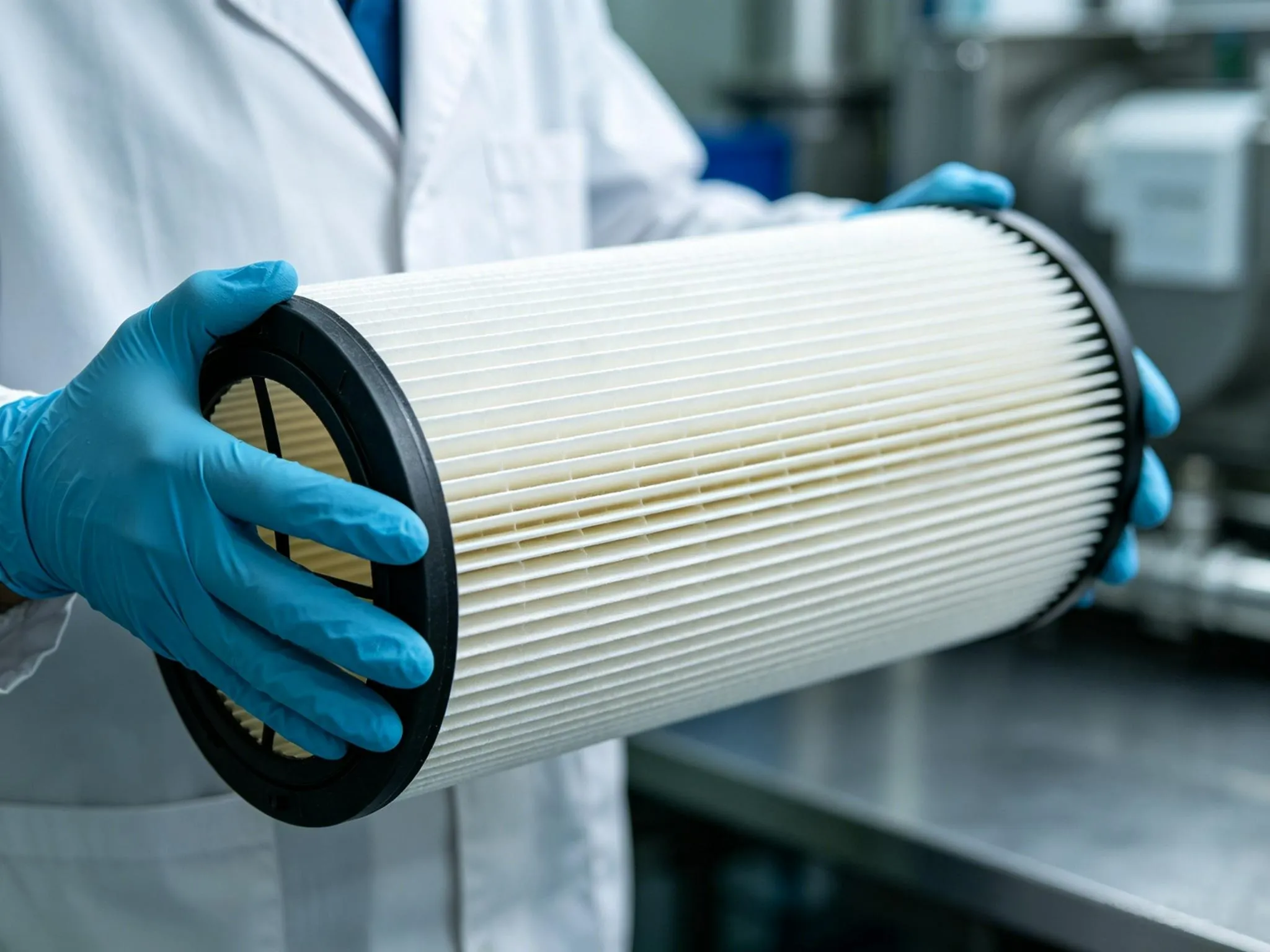
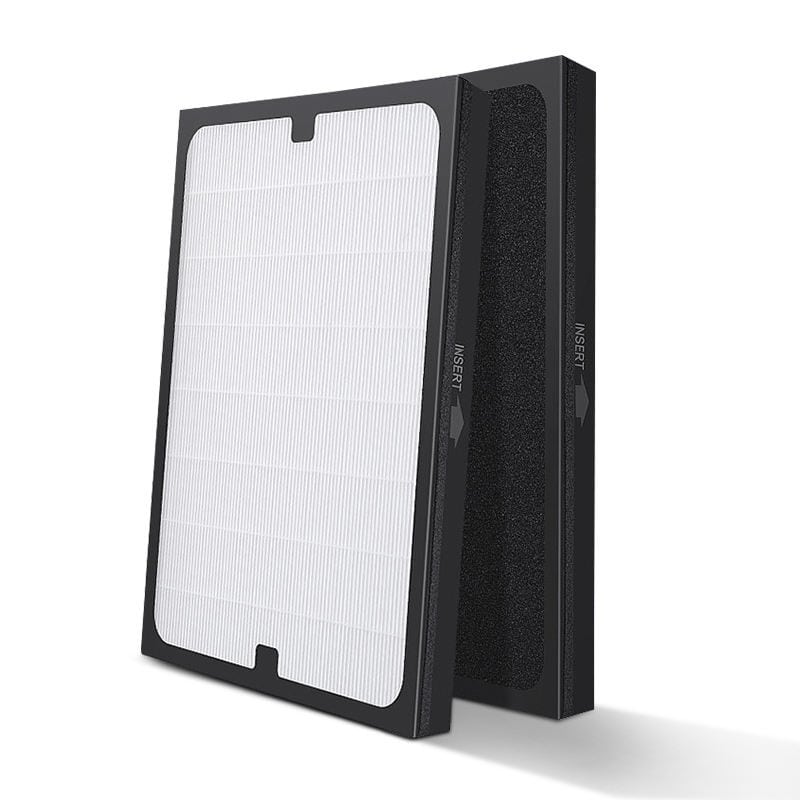
Denser, higher-efficiency filter media, like true H13 HEPA, captures finer particles, but it also creates more resistance to airflow than a lower-grade filter. A purifier that isn’t matched to that resistance can end up moving less air than its rated CADR suggests, which quietly lowers your actual ACH below what the spec sheet promised.
That’s part of why fan and filter need to be sized together rather than chosen separately. A slightly oversized purifier running on a lower, quieter fan setting often delivers steadier real-world ACH than a smaller unit maxed out on high, which also tends to be noisier and shortens filter life.
This is also why airflow testing happens at the design stage rather than after a purifier ships. HIFINE tests filter media against a purifier’s target CADR before a model goes into production, so a mismatch like the one in the examples above gets caught on the bench, not in a customer’s living room. That same testing approach carries across HIFINE’s OEM work, which covers filtration for air purifiers, vacuums, and water systems, plus components for other appliance categories including induction cookers.
If you’d rather skip the math, our Filter Finder tool matches your room size to a recommended ACH and filter type in a few clicks. For more background, see our guide on understanding CADR ratings, or browse our full range of HEPA air purifier filters.