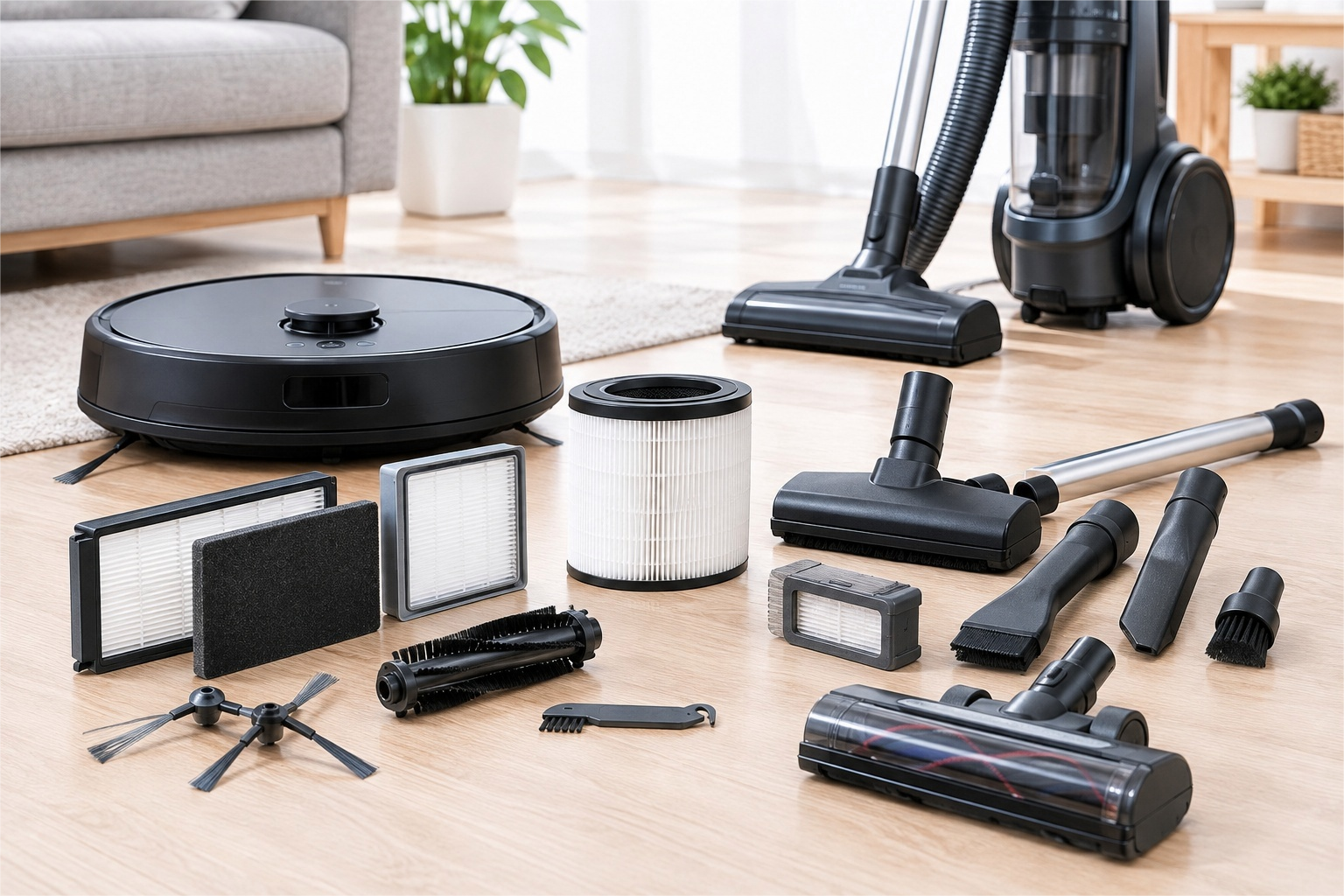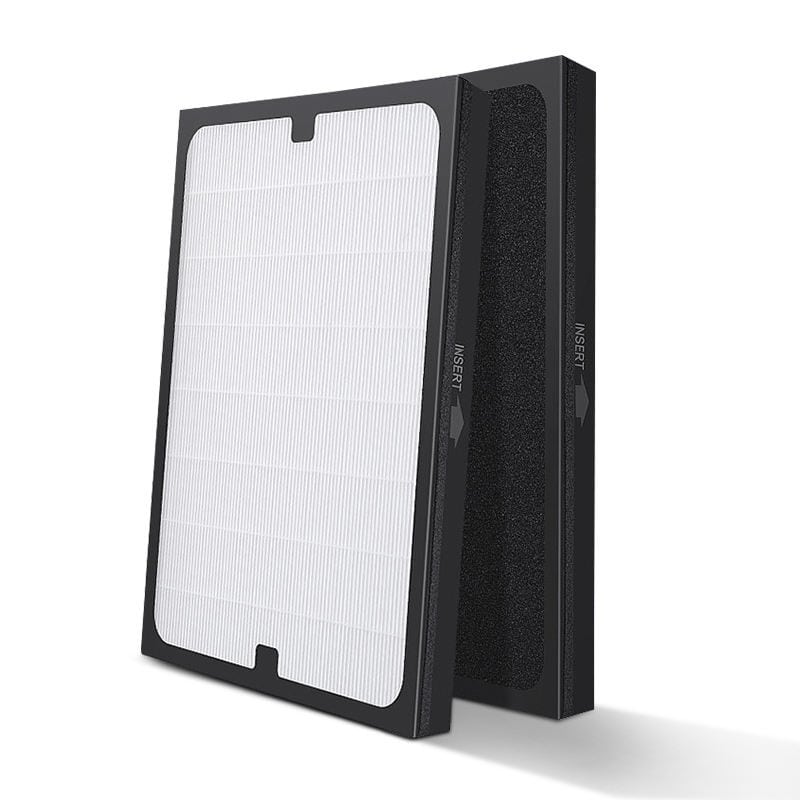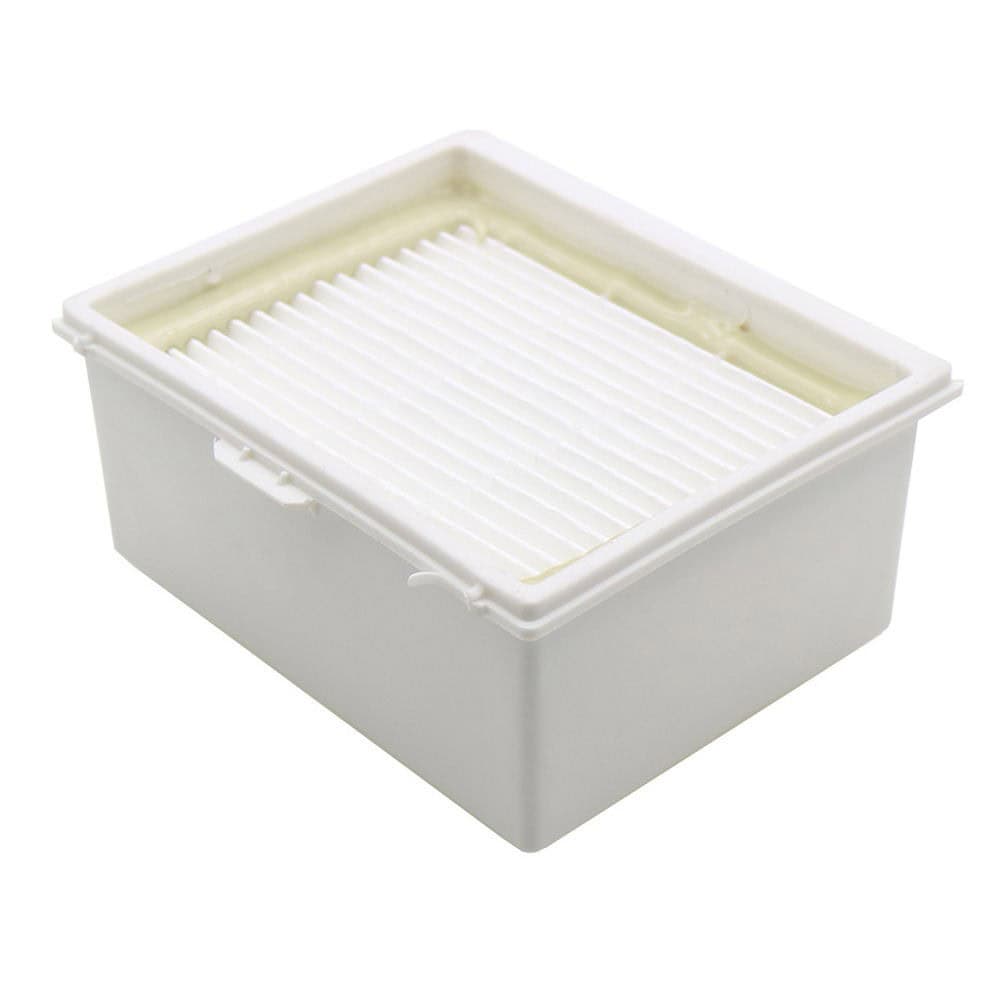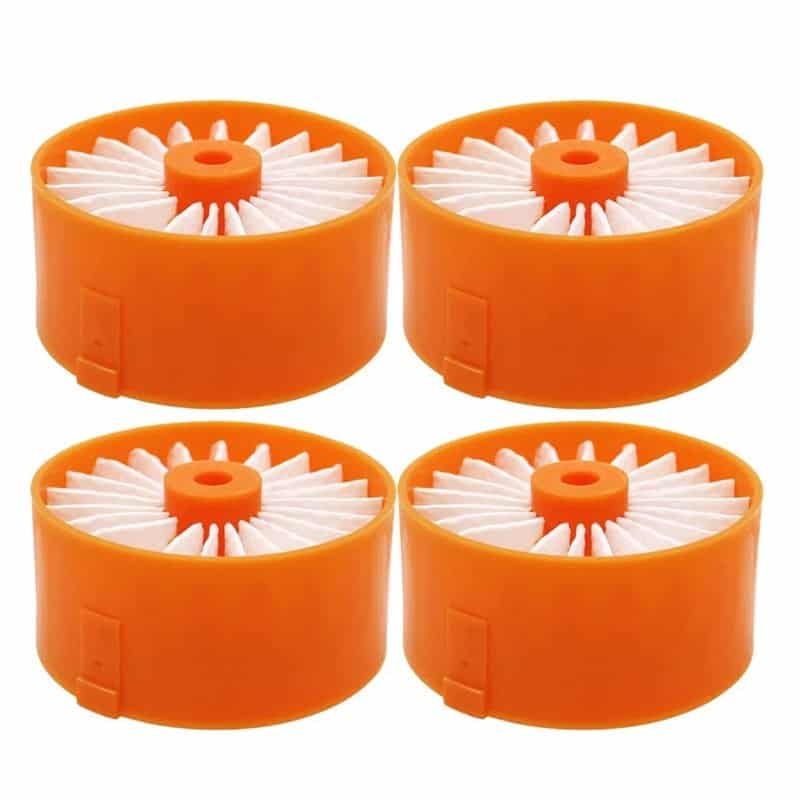
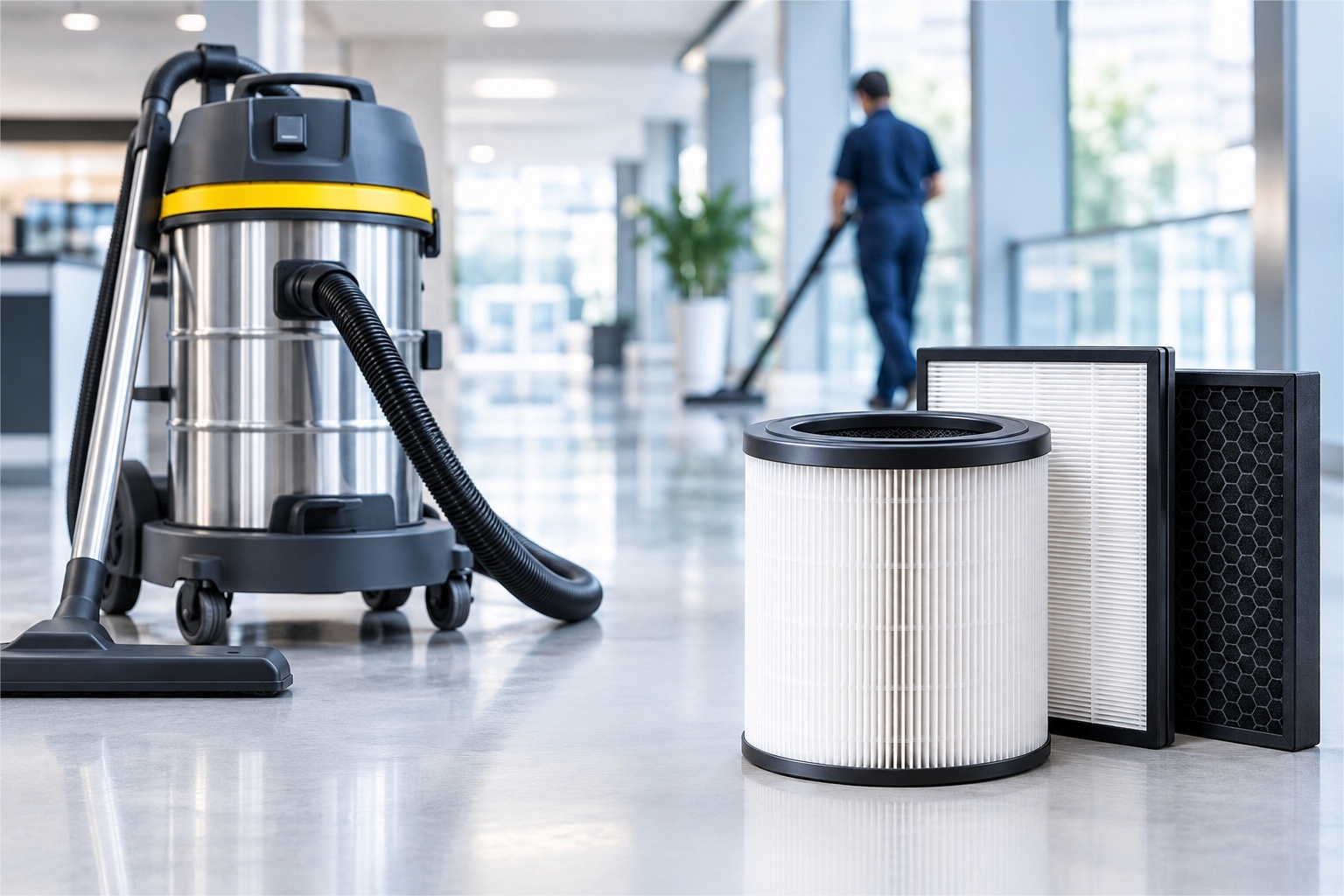
Commercial cleaning operations depend on equipment that performs consistently, day after day, across demanding environments. A commercial HEPA vacuum is only as effective as the filter installed inside it, yet this component is frequently overlooked during procurement decisions.
Facility managers, distributors, and cleaning service providers often assume that any product labeled HEPA guarantees adequate performance. This assumption overlooks critical differences in grade, construction, and supplier reliability. This blog examines the factors businesses should evaluate when selecting filters for commercial HEPA vacuums, and explains where a dependable HEPA Filter Manufacturer becomes essential to that process.
The Direct Impact of Filter Quality on Cleaning Performance
A vacuum’s motor generates airflow, but the filter determines what particulate matter is captured and what re-enters the environment. Substandard filtration compromises the entire purpose of the equipment, regardless of motor strength or suction power.
Commercial environments generate significantly higher particulate loads than residential settings. Foot traffic, packaging materials, industrial byproducts, and outdoor contaminants all contribute to dust accumulation. Filters not engineered for sustained commercial use degrade rapidly under these conditions, with airflow efficiency declining within weeks rather than months.
Consequences of Inadequate Filtration
Filter deterioration rarely produces immediate, visible signs of failure. Instead, performance declines gradually, often unnoticed until operational impact becomes apparent.
- Suction capacity diminishes progressively, reducing overall cleaning effectiveness
- Motors compensate for reduced airflow, accelerating equipment wear
- Air quality complaints increase in occupied spaces, particularly offices and healthcare facilities
- Replacement frequency rises, increasing long-term operational costs
These effects compound over time. Businesses that fail to address filtration quality early often incur greater expense through equipment strain and diminished cleaning outcomes.
Understanding HEPA Filter Grades for Commercial Applications
Filtration requirements vary considerably across commercial settings. Selecting an appropriate grade requires understanding both the environment and the applicable performance standard.
H11 filters address general particulate and are suitable for warehouses, industrial floors, and spaces without stringent air quality requirements.
H12 filters offer improved capture efficiency, appropriate for retail environments, educational facilities, and standard office cleaning applications.
H13 filters represent true HEPA-grade filtration, capturing particles as small as 0.3 microns at efficiency rates of 99.95 percent or higher. This grade is typically required in healthcare settings, laboratories, and environments subject to regulatory air quality standards.
Selecting an incorrect grade produces measurable consequences. Under-specifying filtration compromises air quality in sensitive environments, while over-specifying introduces unnecessary cost for applications that do not require such performance levels.
A Structured Approach to Grade Selection
- Identify the primary particulate sources within the operating environment
- Determine whether regulatory or health-related standards apply
- Select the HEPA grade that satisfies these requirements without exceeding operational necessity
- Confirm the vacuum’s motor and housing design can accommodate the selected filter’s airflow resistance
Construction Quality as a Determining Performance Factor
Filtration grade alone does not guarantee reliable performance. Two filters bearing identical H13 certification can produce markedly different results depending on construction standards and manufacturing consistency.
Key construction indicators of a well-engineered filter include:
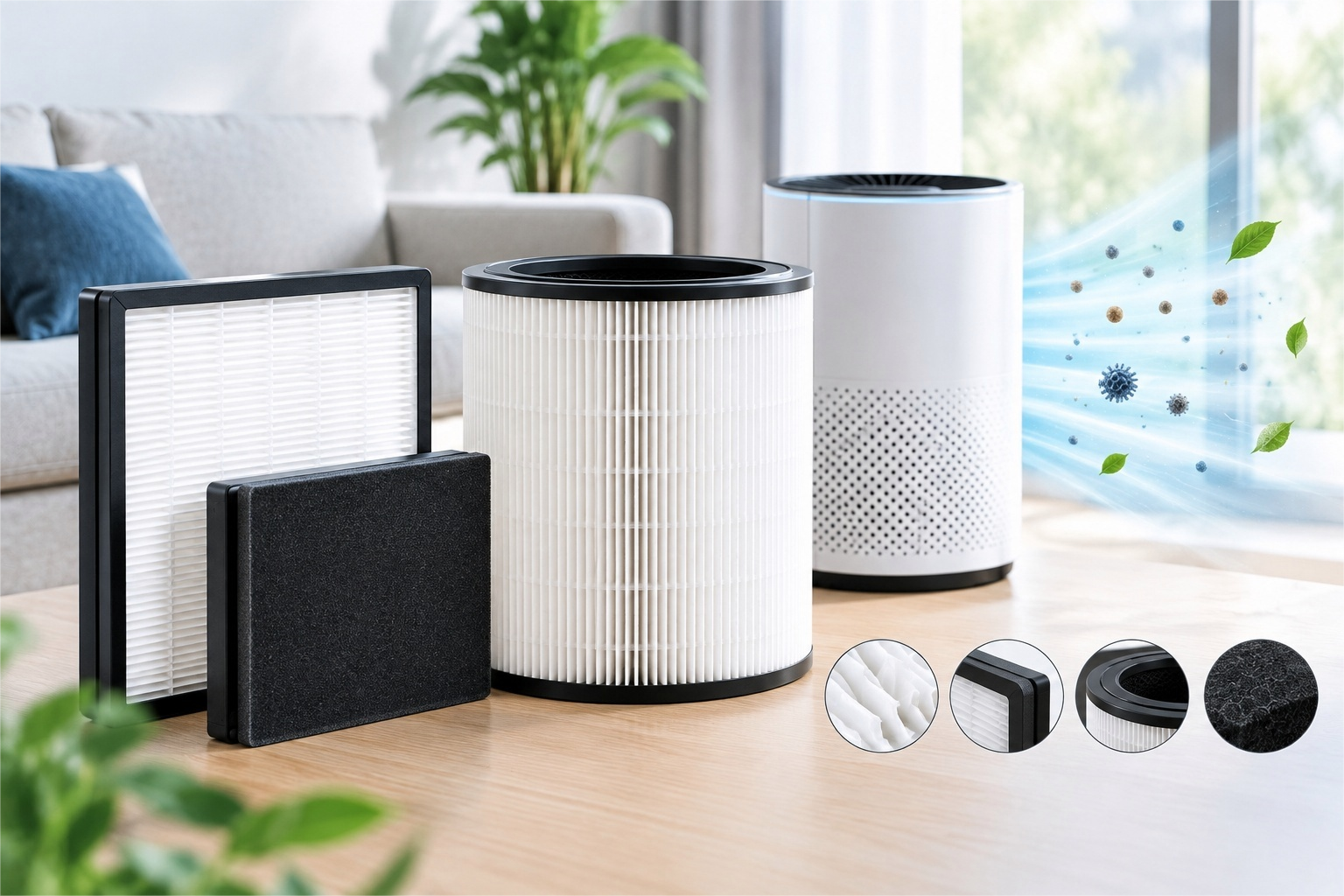
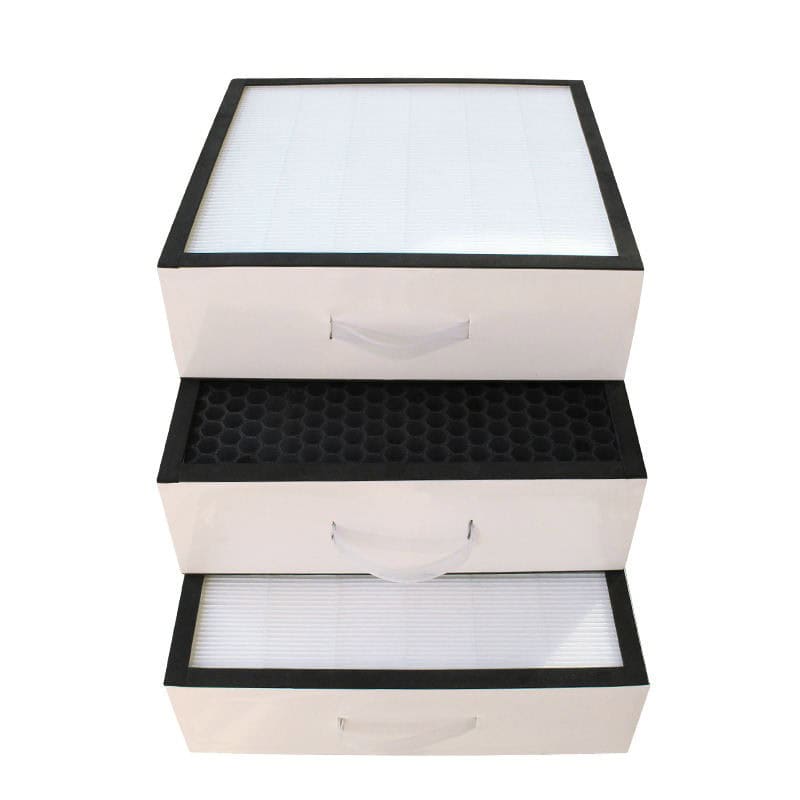
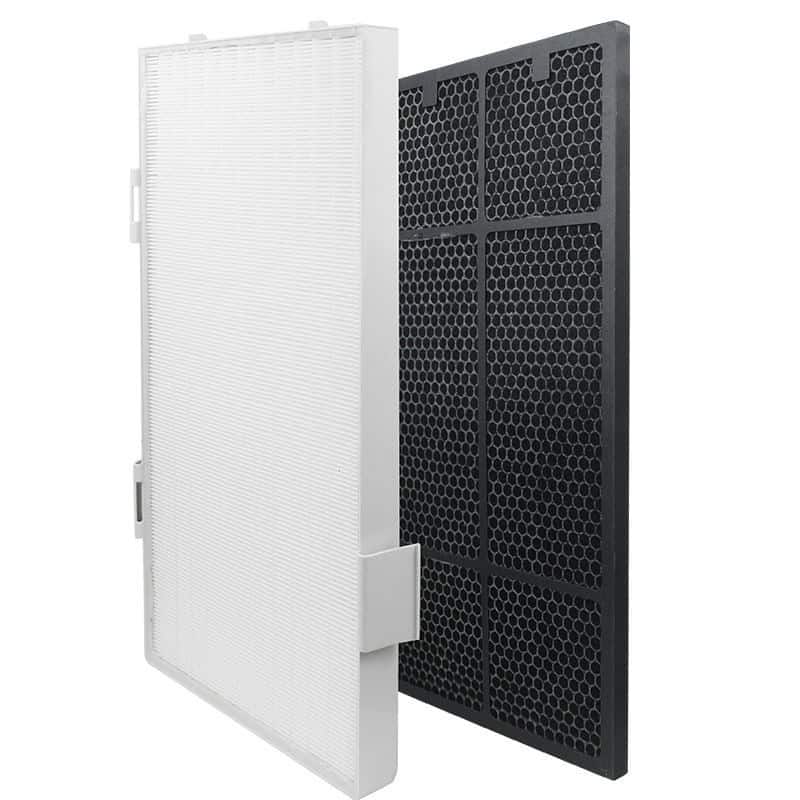
- Pleated media designed to maintain structural integrity under continuous airflow
- Fully sealed edges that prevent unfiltered air from bypassing the filtration layer
- Precision-fitted frames that correspond exactly to housing specifications
- Batch-level efficiency testing rather than isolated sample certification
This distinction underscores the importance of sourcing decisions. A HEPA Filter Manufacturer that conducts efficiency testing on every production batch, in accordance with recognized standards such as EN 1822, provides greater assurance of consistent performance than suppliers relying on limited or infrequent testing.
Fit Precision and Its Effect on Filtration Integrity
A filter that approximates the correct dimensions does not function equivalently to one manufactured to exact specifications. Even minor gaps between the filter frame and vacuum housing allow unfiltered air to bypass the media entirely, undermining the system’s overall effectiveness.
Commercial vacuums typically operate for extended durations compared to residential units. Filters with imprecise fit experience accelerated wear under these conditions, and seal degradation often occurs before the filtration media itself reaches the end of its service life.
Indicators of Improper Filter Fit
- Visible gaps between the filter frame and housing assembly
- Measurable suction decline shortly after installation
- Dust accumulation near exhaust vents
- Audible movement or vibration of the filter during operation
Addressing these issues typically requires sourcing a correctly matched filter rather than replacing the vacuum filter unit entirely.
Evaluating Suppliers for Consistent, Large-Scale Sourcing
Procuring a single filter presents minimal complexity. Maintaining consistent filtration across multiple commercial vacuums, potentially spanning several facility locations, requires a more rigorous evaluation of supplier capability and reliability.
Considerations for businesses evaluating suppliers include:
- Capacity to fulfill recurring orders without extended lead times
- Batch-level testing protocols rather than reliance on initial certification alone
- Availability of compliance documentation for regulated industries such as healthcare
- Willingness to accommodate custom filtration solutions when standard sizing does not align with existing equipment
Organizations managing multiple sites frequently find that sourcing wholesale HEPA filters reduces per-unit costs, provided manufacturing quality remains consistent across increased order volumes. Verifying this consistency in advance, rather than after receiving a large shipment, protects against costly quality discrepancies.
OEM and Private Label Considerations
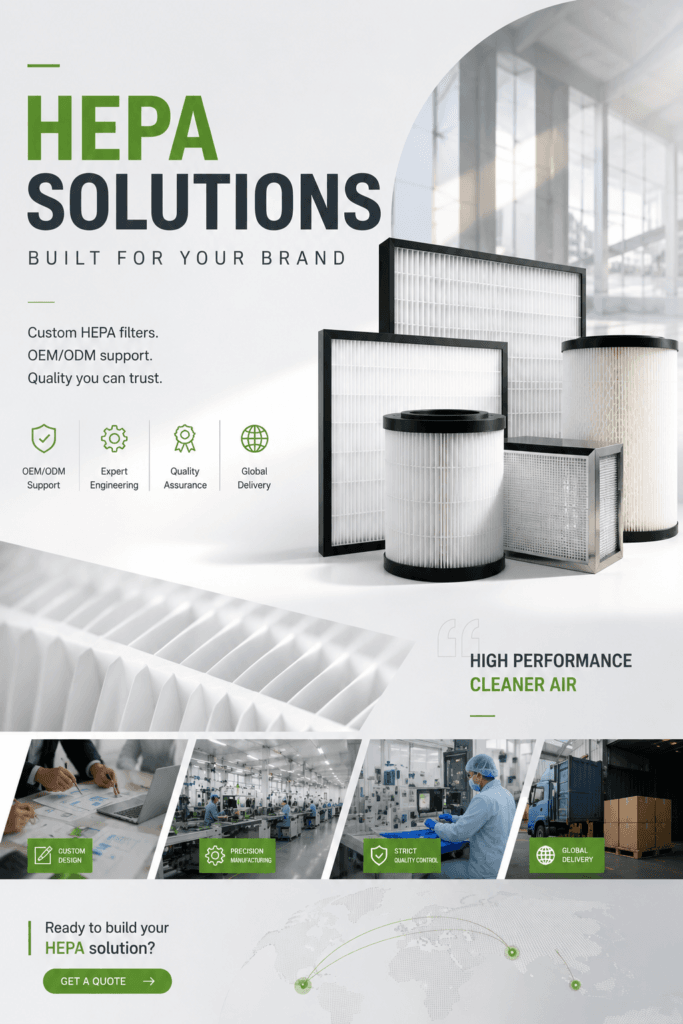
Larger distributors and businesses with proprietary equipment specifications often benefit from working directly with manufacturers capable of producing filters to custom dimensions. This approach typically provides:
- Filters engineered precisely to match specific vacuum models
- Private label packaging aligned with a company’s brand requirements
- Direct communication regarding production timelines and specifications
While this arrangement requires more detailed coordination during initial setup, it generally delivers greater long-term value for businesses with recurring, high-volume requirements.
Assessing Cost Against Long-Term Operational Value
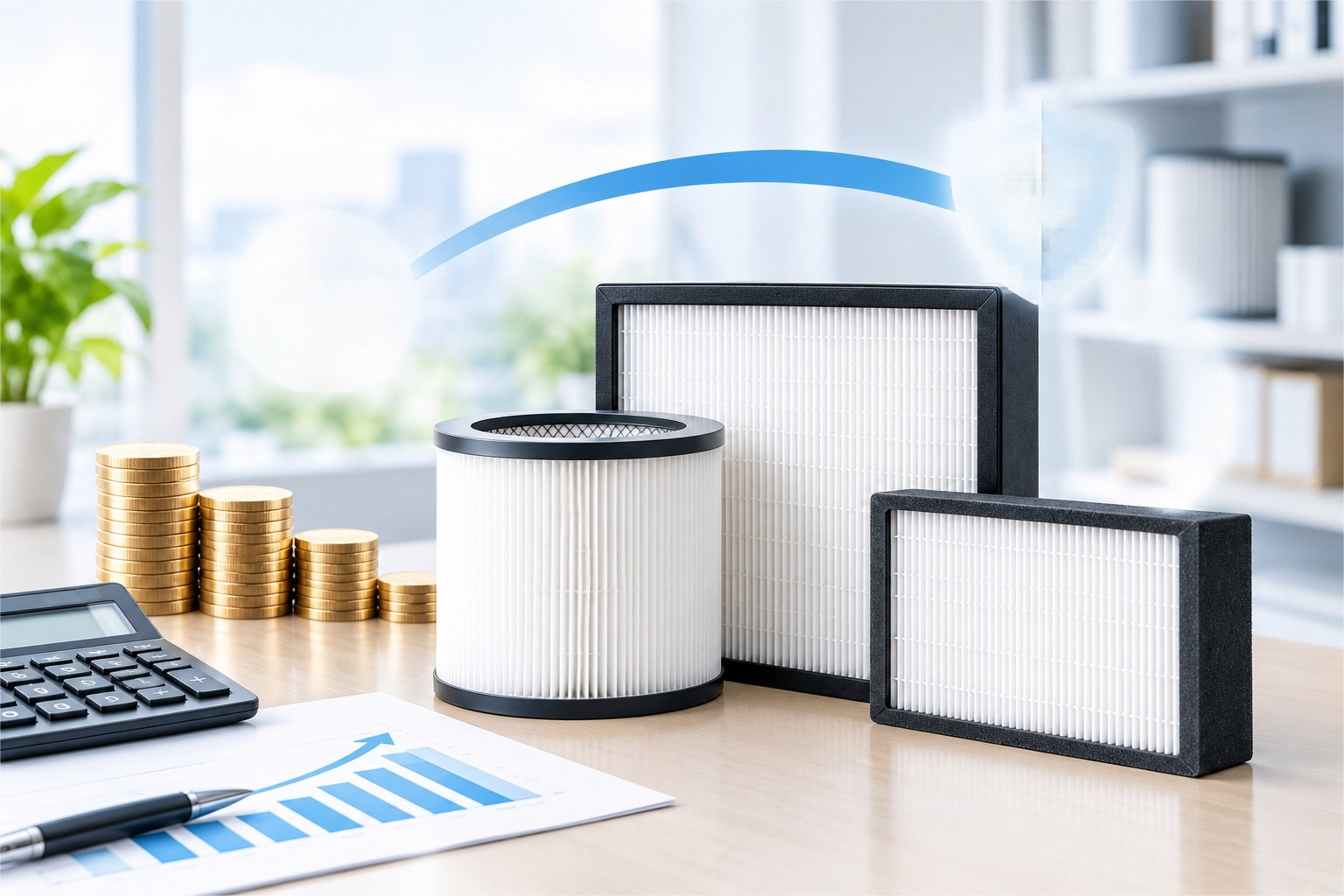
Lower initial filter pricing can appear attractive during procurement, particularly under budget constraints. However, filters that degrade quickly or fit imprecisely generate higher cumulative costs through increased replacement frequency and reduced equipment performance.
A more accurate evaluation method considers cost relative to filtration lifespan rather than unit price alone. A filter priced moderately higher but offering extended service life frequently represents the more economical choice when assessed over a full operational cycle.
Conclusion
Effective commercial cleaning outcomes depend on decisions made well before equipment enters daily operation. Filtration grade, construction quality, precision fit, and supplier reliability collectively determine both air quality results and long-term operational cost.
Businesses that approach filter sourcing as a strategic operational decision, rather than a routine purchase, typically experience fewer performance issues, more predictable equipment longevity, and reduced total cost of ownership. Partnering with a manufacturer that understands both technical filtration requirements and the practical demands of commercial use simplifies this process considerably. HIFINE supports distributors and businesses with rigorously tested HEPA filtration, flexible custom sizing, and scalable supply arrangements suited to commercial demand.
Frequently Asked Questions
Which HEPA grade is most appropriate for commercial vacuum applications?
Grade selection depends on the operating environment. Standard office and retail spaces typically perform well with H12 filtration, while healthcare and laboratory settings generally require H13 for stricter particle capture compliance.
What is the recommended replacement interval for commercial HEPA vacuum filters?
Replacement frequency varies according to usage intensity and particulate load, though most commercial filters require replacement every three to six months to sustain consistent airflow and filtration efficiency.
Can businesses source custom-dimensioned HEPA filters for non-standard vacuum equipment?
Yes. Many manufacturers provide custom filtration solutions for equipment that does not correspond to standard retail filter dimensions, a common requirement for older or specialised commercial vacuum systems.
Does purchasing wholesale HEPA filters offer cost advantages for multi-site operations?
In most cases, yes. Businesses operating across multiple locations typically achieve lower per-unit costs through bulk procurement, provided the manufacturer maintains consistent quality standards across larger production volumes.