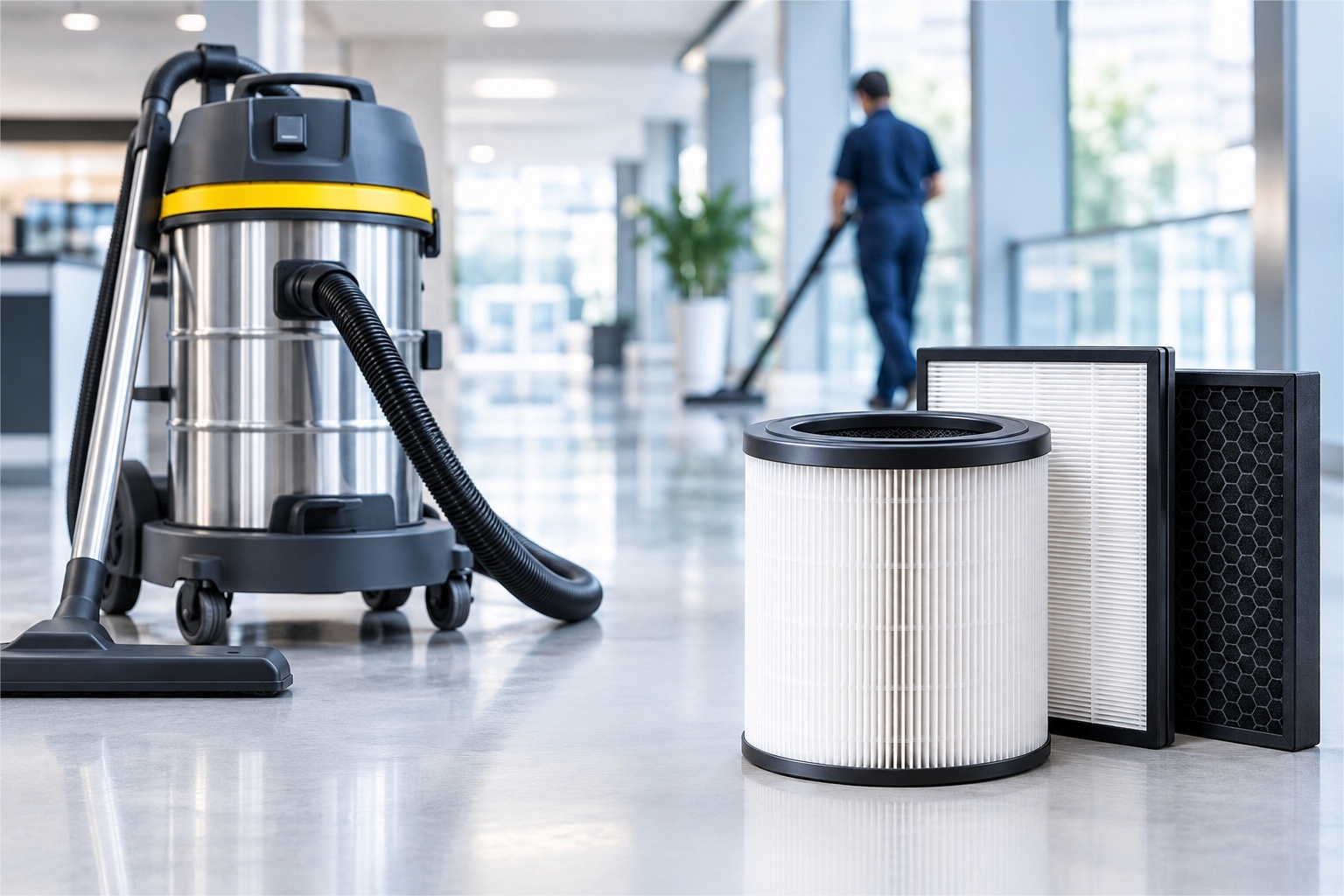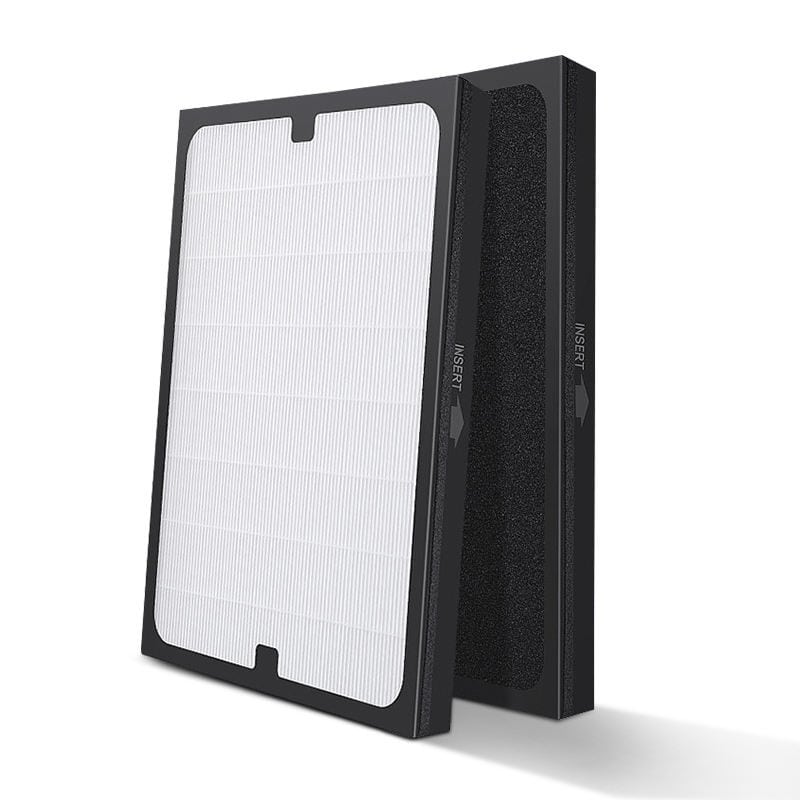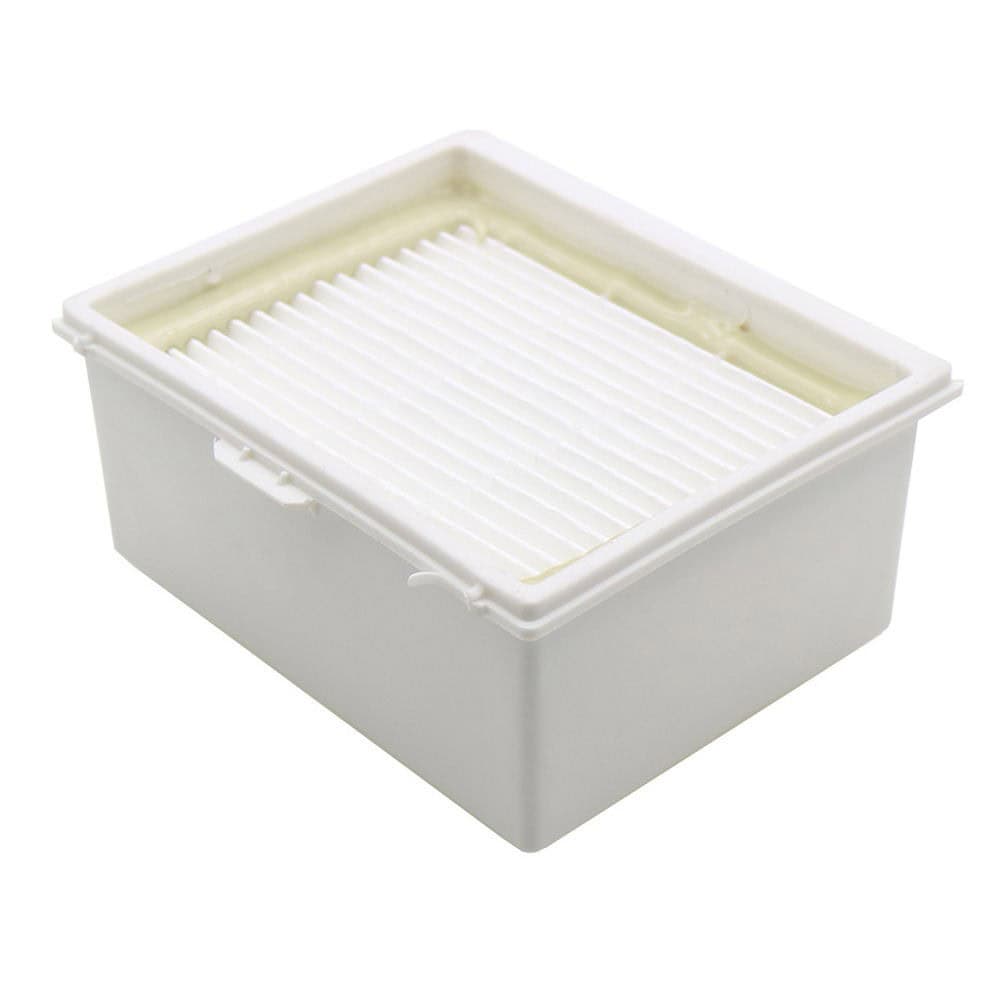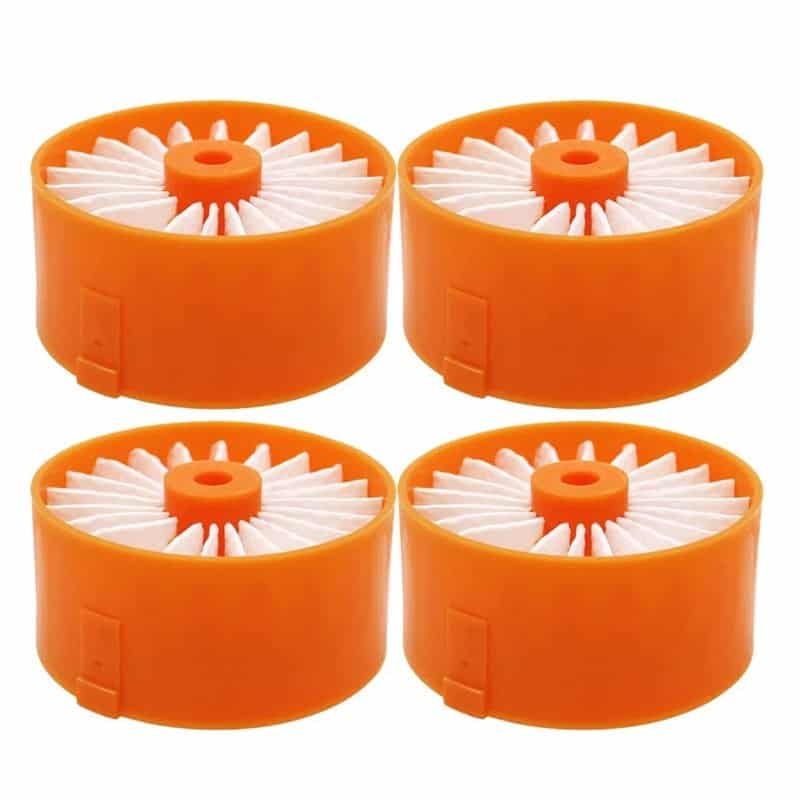
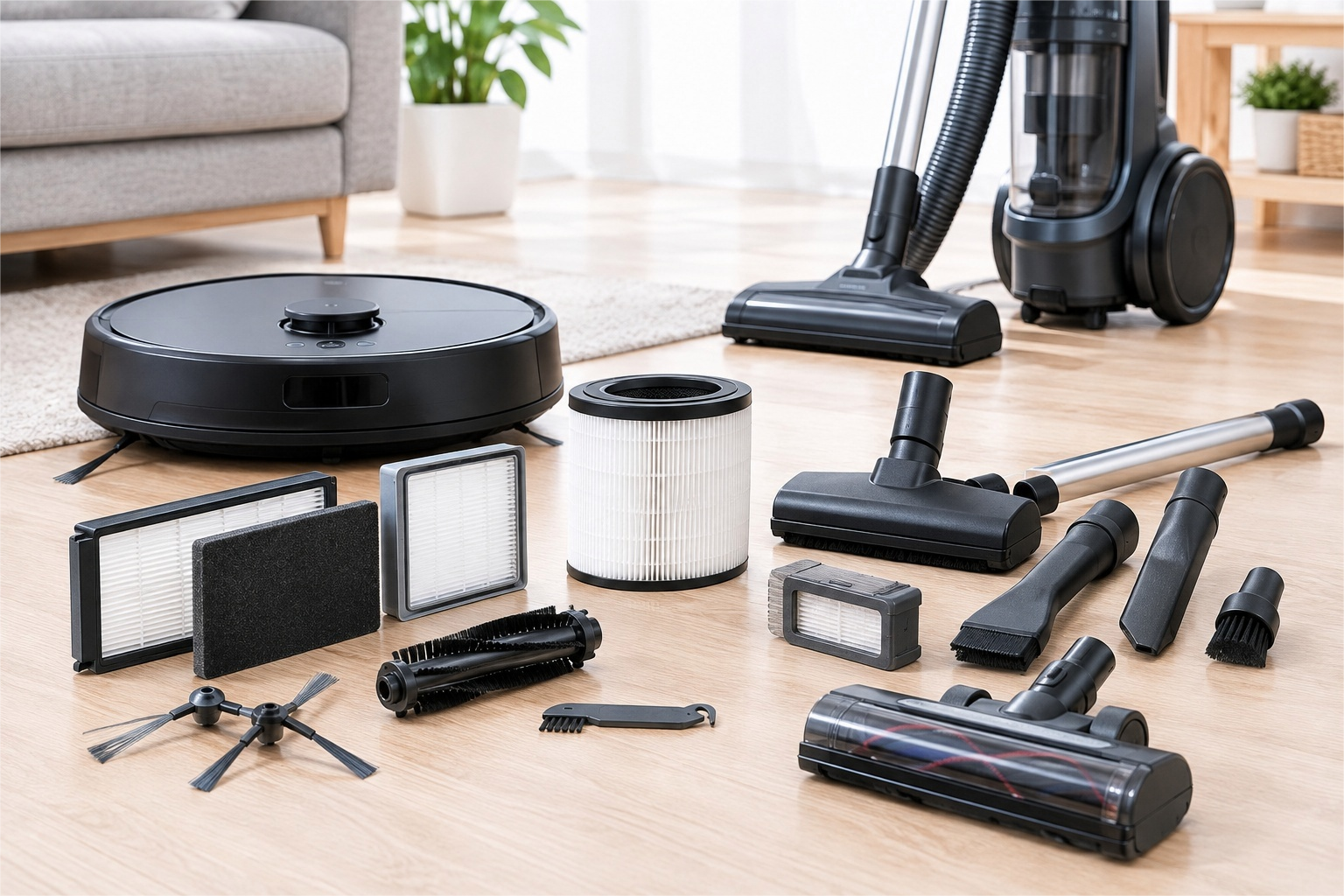
Every cleaning system depends on components that rarely receive attention until performance declines. Robovac filters and vacuum attachments fall into this category. They operate quietly in the background, yet their condition determines how effectively a machine removes dust, allergens, and debris from a home or commercial space.
We work directly with filtration components daily, and the pattern is consistent across every case we review: reduced suction, unpleasant odors, and shortened equipment lifespan almost always trace back to neglected filters or mismatched attachments rather than mechanical failure.
This blog outlines the maintenance practices, filter considerations, and attachment choices that keep robotic and standard vacuum systems performing at a consistent standard over time.
The Role of Filtration in Overall Vacuum Performance
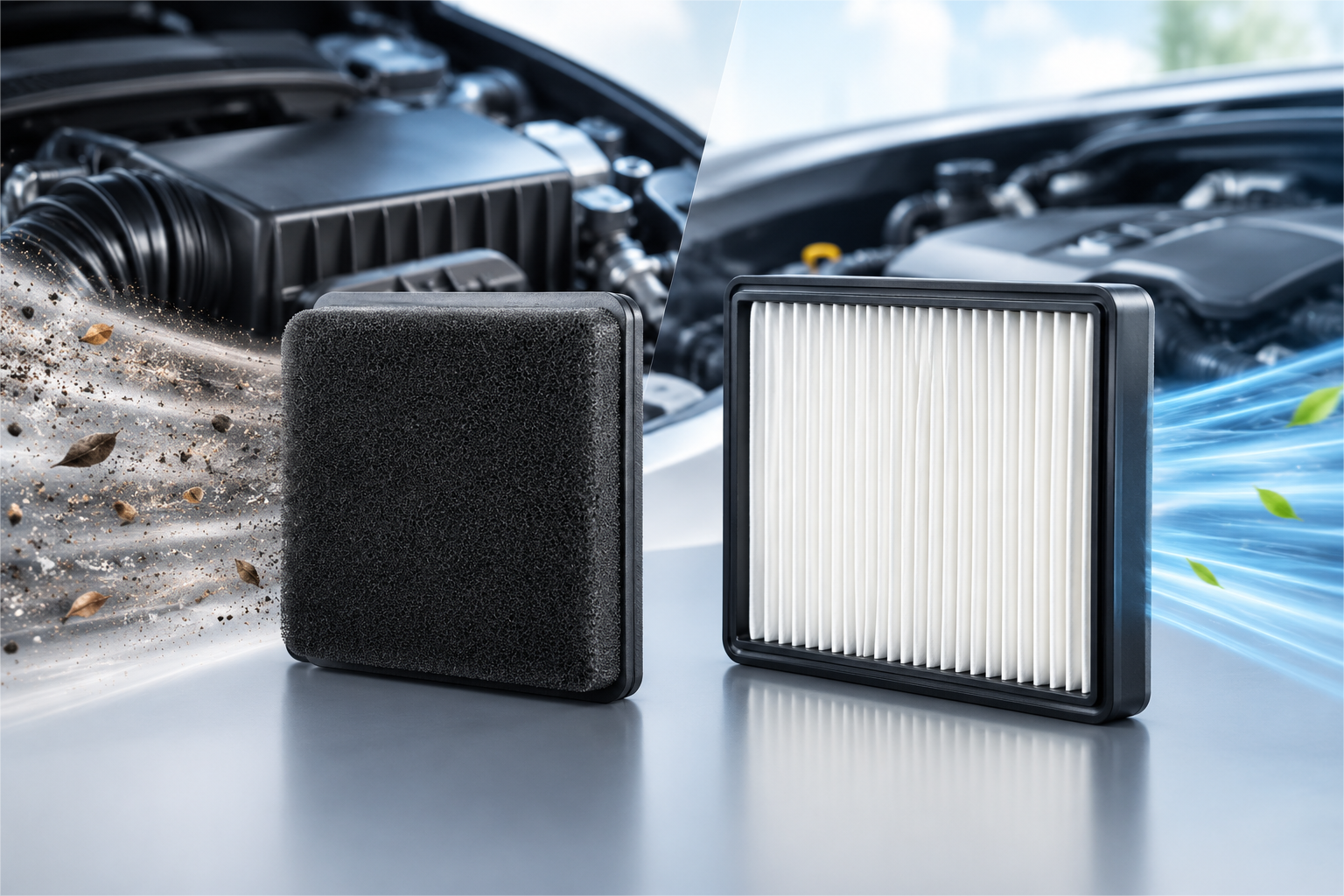
A vacuum’s cleaning capability depends heavily on what happens after debris enters the machine. Filters separate fine particulate matter, allergens, and airborne dust from the exhaust air released back into the room.
When filtration efficiency declines, three measurable effects follow:
- Suction power decreases, even with a fully charged unit.
- The motor operates under greater strain, reducing its operational lifespan.
- Previously trapped particles re-enter the air, undermining indoor air quality.
These changes occur gradually. Regular inspection prevents the slow deterioration that often goes unnoticed until performance issues become obvious.
Identifying When Filter Replacement Is Necessary
Several indicators typically signal that a filter requires replacement:
- A persistent musty odor during operation.
- Visible dust saturation on the filter surface that does not clear after cleaning.
- Shortened runtime between charging cycles in robotic units.
- Dust residue left on floors after a completed cleaning cycle.
Addressing these signs promptly reduces long-term maintenance costs and preserves consistent cleaning performance.
Robot Vacuum Filters: A Component Under Constant Load
Robot vacuum filters operate under conditions different from those found in traditional upright vacuums. Robotic units run on automated cycles, frequently on a daily basis, without manual bin checks between sessions. This continuous operation accelerates filter saturation.
Compact internal design also limits the space available for particulate distribution before dust reaches the filter media, which increases the rate of clogging compared to larger, manually operated systems.
Factors that influence filter replacement frequency:
- Households with pets generate higher volumes of hair and dander, accelerating filter wear.
- Homes with hard flooring versus carpeted surfaces produce different particulate loads.
- Occupants managing allergies or respiratory sensitivities benefit from more frequent replacement intervals.
Based on typical usage patterns, inspecting robotic filters every two to three weeks and replacing them every two to three months represents a reasonable standard. Households with heavier dust or pet hair accumulation may require shorter intervals.
HEPA-Grade Filtration for Improved Air Quality
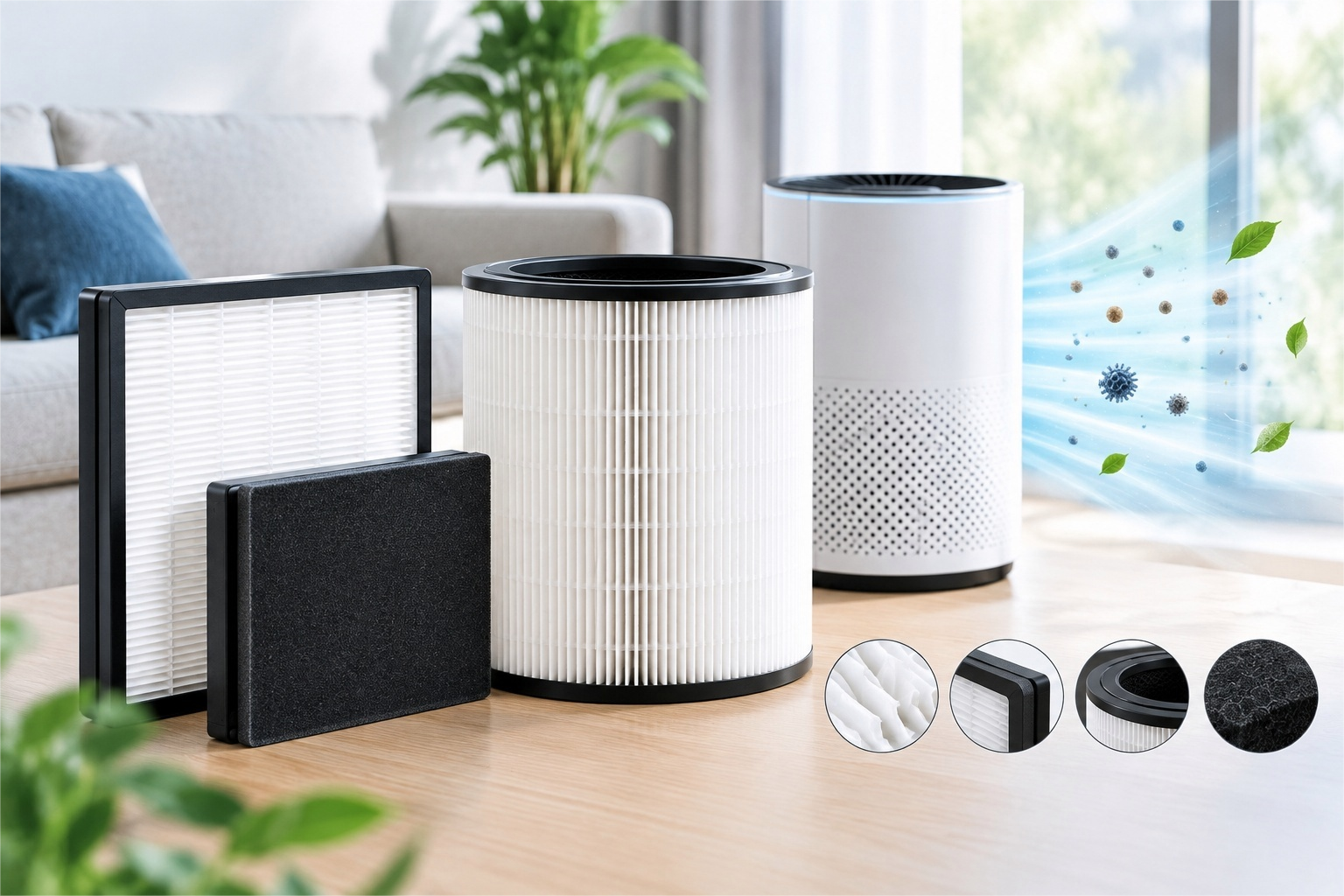
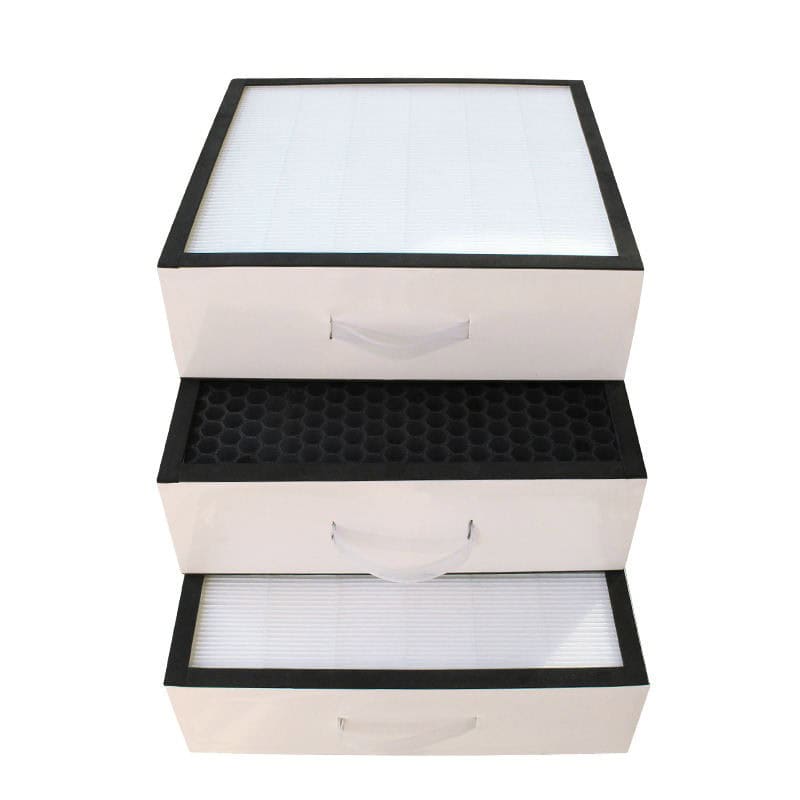
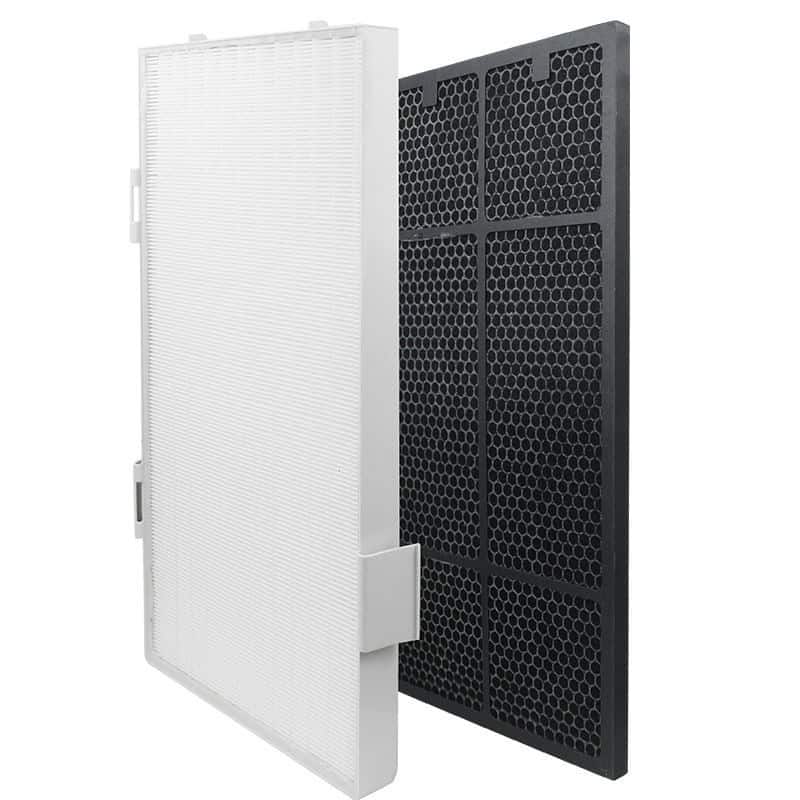
Filtration performance varies significantly across filter grades. HEPA-rated filters, particularly those meeting H13 classification, capture particles as small as 0.3 microns, including dust mites, mould spores, and fine allergens that standard filtration media does not retain.
For households managing asthma, seasonal allergies, or general air quality concerns, upgrading to a HEPA-grade filter offers a measurable improvement without requiring a new device. Replacement with an appropriately rated component addresses the issue directly.
Vacuum Cleaner Attachments: Extending Cleaning Coverage
Filters manage air quality, while vacuum cleaner attachments determine how effectively a machine reaches corners, upholstery, staircases, and embedded debris within carpet fibers. A vacuum operating without the correct attachment set is limited to open floor coverage and cannot address surfaces that require targeted tools.
Attachments commonly required for comprehensive cleaning:
- Crevice tools for skirting boards, radiators, and narrow gaps.
- Upholstery brushes for sofas, mattresses, and fabric seating.
- Motorized brush heads for pet hair and deep carpet extraction.
- Dusting brushes for shelving, blinds, and delicate surfaces.
- Extension tubes for elevated areas or spaces beneath furniture.
Selecting the correct attachment based on surface type, rather than relying on a single multipurpose head, consistently produces better cleaning outcomes.
Matching Attachments to Flooring Type
Flooring material significantly affects which attachment performs best.
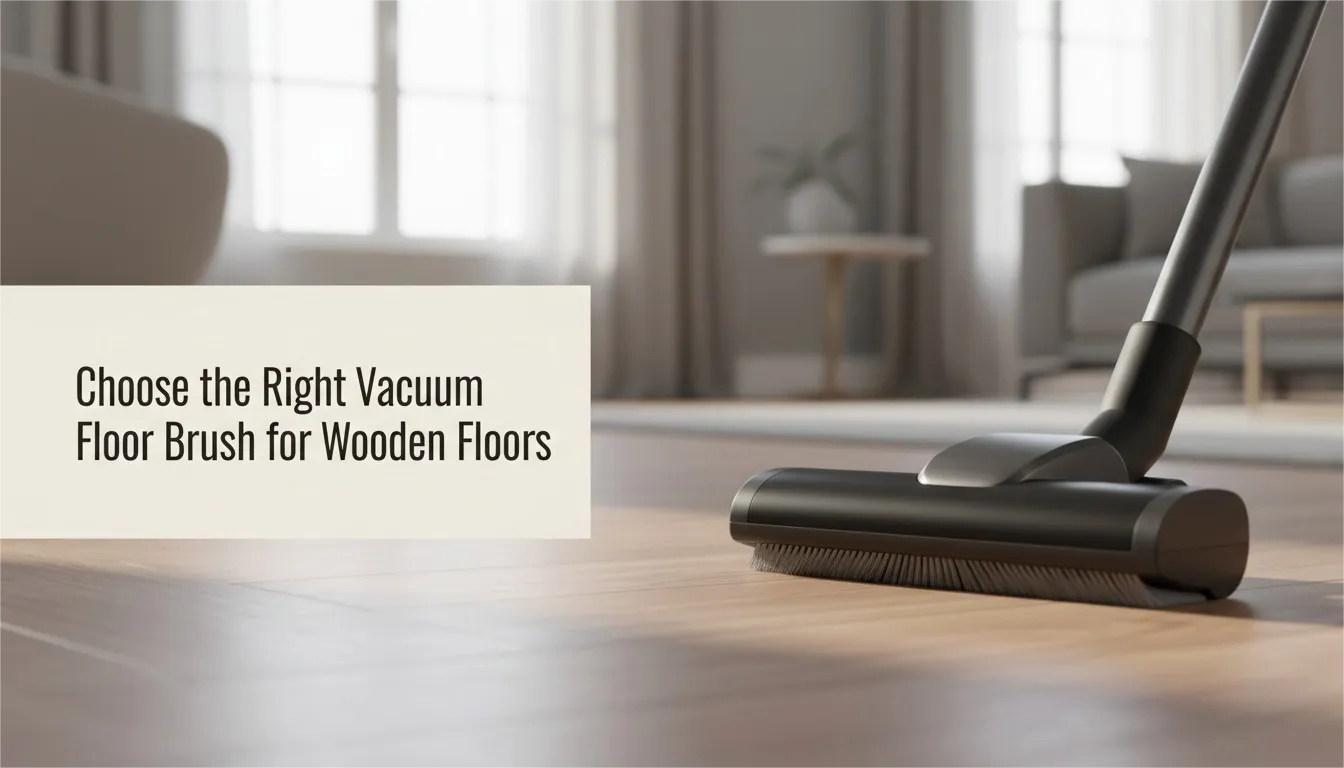
- Hardwood and tile surfaces: Soft-bristle attachments prevent scratching while maintaining effective dust removal.
- Carpet and rug surfaces: Motorized brush heads agitate fibers to extract embedded debris.
- Mixed flooring environments: Convertible attachments that switch between bristle types provide the most practical solution.
Using an attachment unsuited to a given surface can reduce cleaning effectiveness and, over time, damage both the flooring and the attachment itself.
Establishing a Structured Maintenance Routine
Consistent, scheduled maintenance produces better long-term results than infrequent deep cleaning. A structured routine also prevents the gradual performance decline that is frequently, and incorrectly, attributed to equipment failure.
Recommended maintenance schedule:
- Weekly: Empty dust bins and inspect filters for visible clogging.
- Bi-weekly: Clean washable filters according to manufacturer guidelines.
- Monthly: Inspect brush heads and attachments for tangled debris.
- Every two to three months: Replace disposable filters entirely.
- Every six months: Assess attachment condition and replace worn components.
Maintaining this schedule requires minimal time investment while significantly extending equipment lifespan and cleaning consistency.
Selecting Quality Replacement Components
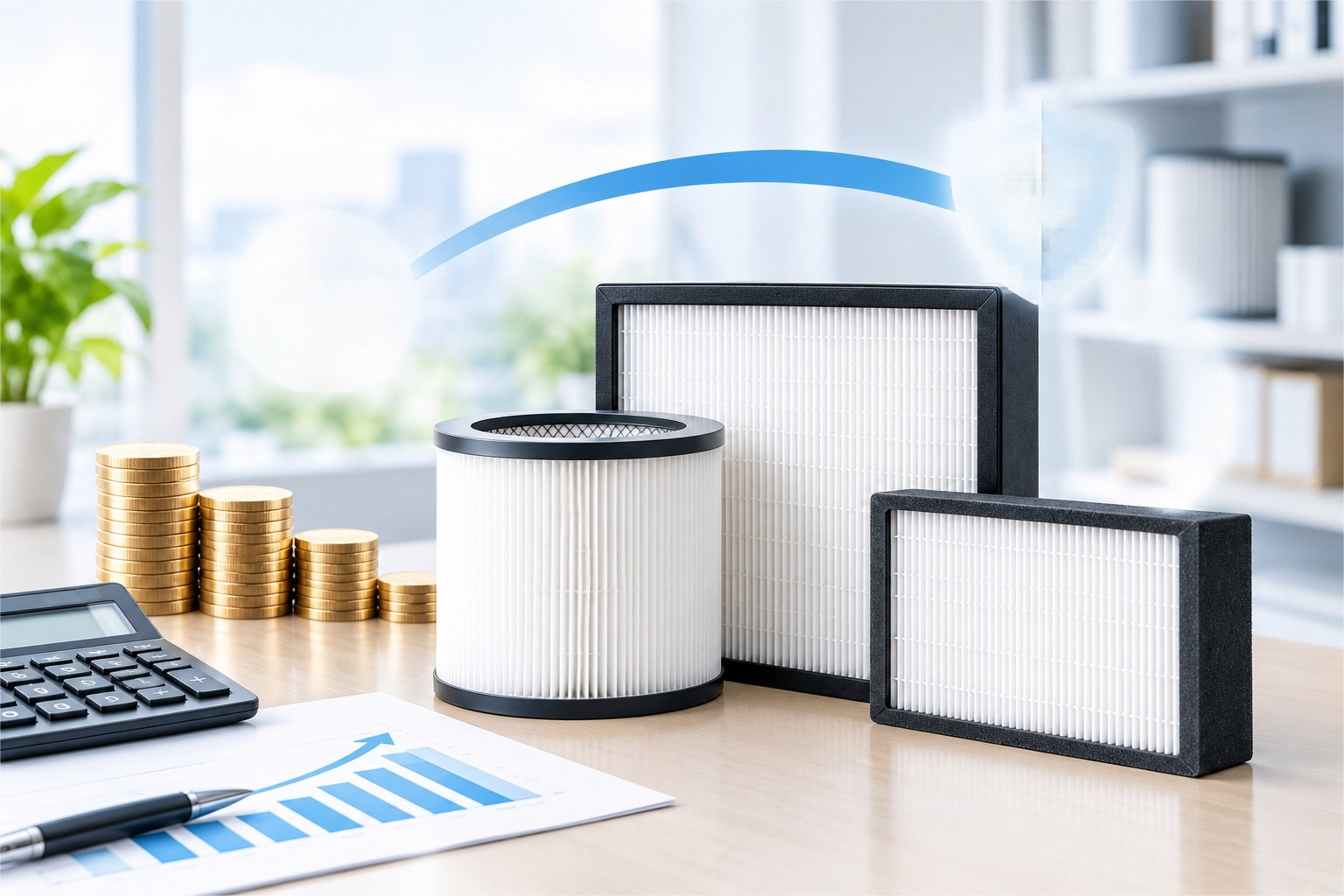
Replacement parts vary considerably in build quality and manufacturing precision. Poorly manufactured filters or attachments can restrict airflow, wear prematurely, or place additional strain on the motor.
Considerations when sourcing replacement filters and attachments:
- Dimensional accuracy matching original equipment specifications.
- Verified filtration efficiency, tested against recognized industry standards.
- Durable construction capable of withstanding repeated use and, where applicable, washing.
- Reliable supply availability, particularly important for households or businesses managing multiple units.
Prioritizing these factors during procurement reduces the frequency of replacement and maintains equipment performance closer to original specifications over extended periods.
Conclusion
Effective vacuum maintenance depends on two components working in coordination: filters that manage air quality, and attachments that extend cleaning coverage across varied surfaces. Overlooking either element creates measurable gaps in performance that accumulate over time.
At Hifine, we manufacture filtration components engineered to precise specifications, ensuring replacement parts fit correctly and perform reliably. Whether supporting a single residential robotic cleaner or supplying replacement components at commercial scale, properly matched filters and attachments directly influence long-term equipment performance and cleaning consistency.